



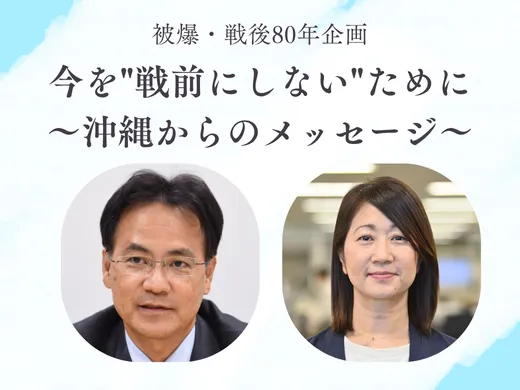
80 Years After the War: Lessons from Okinawa to Prevent a Return to Pre-War Conditions
Lessons from Okinawa: Preventing a Return to Pre-War Conditions
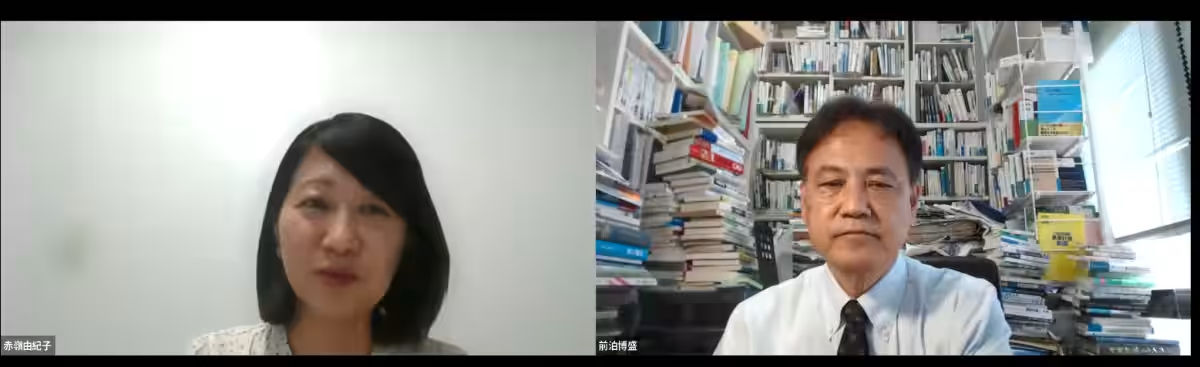
In a recent event hosted by the Pal System Cooperative Union, experts discussed the necessity of remembering Okinawa’s wartime history to ensure that Japan does not return to a pre-war militarized state. The meeting, held online on August 7, attracted approximately 160 participants keen to understand the balance between military preparedness and the preservation of peace.
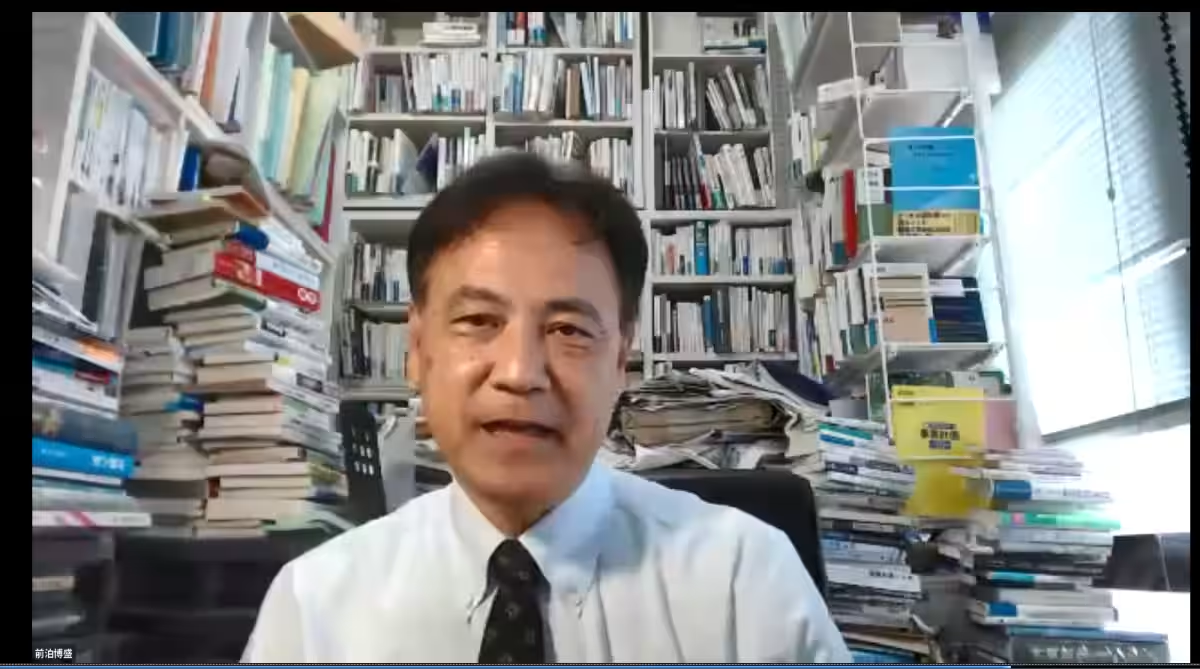
This gathering featured prominent figures such as Hiroshi Maedakama, a former editorial director of the Ryukyu Shimpo and current graduate school professor at Okinawa International University, and Yukiko Akamine, executive officer and editorial bureau chief at the Okinawa Times. They provided insights into the ongoing military buildup in Japan and the significance of passing down peace narratives.
Understanding the Current Military Landscape in Okinawa
Maedakama focused on the escalating military presence in the southwestern islands, particularly highlighting Okinawa’s unique position as a strategic location for U.S. military operations. He revealed that approximately 70% of U.S. military bases in Japan are situated in Okinawa, which has seen an increase in Japan's Self-Defense Forces (SDF) installations post-reversion. Currently, there are 57 SDF facilities in Okinawa, raising concerns about the potential militarization of the region due to geopolitical tensions, particularly with China.
As China upgrades its military capabilities and deploys nuclear warheads closer to Okinawa, Maedakama warned that the island could become a primary target in a regional conflict. He expressed concern about nuclear-sharing discussions among government officials and emphasized the urgency of addressing this situation to avoid a return to a state of militarization reminiscent of pre-war Japan.
Rethinking Security Models: The Pursuit of Peace and Cooperation
To counter the growing military tensions, Maedakama proposed looking toward successful peace-promotion initiatives, like those observed in the European Union. He argued for establishing an Asian Union (AU) that prioritizes economic collaboration over military security. His vision emphasized a shift from military-based security frameworks to one focused on economic cooperation as a pathway to enduring peace.
In contrast, Akamine highlighted the Okinawa Times' latest series commemorating the 80 years since the end of World War II, which aims to reflect on the impacts of war and the need for sustained peace. Their feature, entitled "Iron Gale: 80 Years After the War," includes stories portraying the real experiences of Okinawa's war legacy, such as collective suicides and the trauma experienced by veterans. Through this series, Akamine seeks to carry forward the lessons of history to prevent future conflicts.
The Dangers of Complacency: Recognizing Present Threats
During their dialogue, both experts reflected on whether Japan is currently in a post-war or pre-war state. Maedakama pointed to the sharp increase in military spending projected to rise to 1.8% of GDP by 2025, as an indicator that Japan has entered a pre-war phase.
Separately, Akamine highlighted the gap in perceptions of military readiness between Okinawa and mainland Japan, where citizens may feel disconnected from the realities of military buildup taking place within their borders.
Amidst the ongoing military developments, both noted the challenges of constructive criticism regarding the SDF's role in disaster relief, as many inhabitants recognize their contributions to local communities. However, they agreed that this impacts the ability to speak out against rising militarization and emphasized the need for transparency in Japan's defense policies.
Pathways to Peace: Citizen Engagement and Political Awareness
In the concluding part of their discussion, Maedakama and Akamine called upon citizens to take an active role in promoting peace, especially in light of rising tensions in Taiwan that resonate throughout the entire region. They urged voters to critically evaluate their choices based on facts and credible media sources rather than social media commentary, asserting that making informed decisions in elections is essential for fostering a peaceful society.
Both experts underscored the importance of grassroots movements and community actions in bridging the divide between Okinawa and mainland Japan. They pointed to cooperative organizations like Pal System as vital platforms for fostering dialogue on food security and peace-related initiatives.
As the world approaches the International Year of Cooperatives in 2025, these discussions serve as a reminder that every small action contributes to the collective pursuit of peace and understanding.
Pal System Cooperative Union, headquartered in Tokyo, is committed to ensuring food safety and promoting peace as integral facets of their operations. For more information, visit their website.



Topics Policy & Public Interest)
【About Using Articles】
You can freely use the title and article content by linking to the page where the article is posted.
※ Images cannot be used.
【About Links】
Links are free to use.