



Raising Awareness on Adolescent Idiopathic Scoliosis: A Closer Look at AIS Recognition in Japan
Adolescent Idiopathic Scoliosis: A Growing Concern
Adolescent Idiopathic Scoliosis (AIS) is a prevalent spinal condition that often goes unnoticed by parents and educators. Recent research conducted by Japan Sigmax Corporation, a leader in supporting physical activities in the medical, sports, and wellness sectors, has shed light on this issue. The findings reveal a concerning lack of awareness about AIS among adults, particularly those involved in the lives of adolescents.
Understanding AIS
AIS, a condition characterized by the lateral curvature of the spine, typically manifests after the age of 10, predominantly in adolescent girls. Statistically, it is estimated that 1 in 40 adolescent girls may develop this condition, suggesting that AIS could be present in any classroom. Left untreated, AIS can lead to noticeable deformities, physical discomfort, and even impact an individual's self-image, while in severe cases, it might result in neurological impairments.
School health screenings are mandatory for the early detection of AIS; however, privacy and concern for children’s emotional wellbeing have led to a more cautious approach in recent health assessments. While health checks at schools are crucial, everyday awareness in families must also play a vital role in the early identification of this condition.
Survey Findings
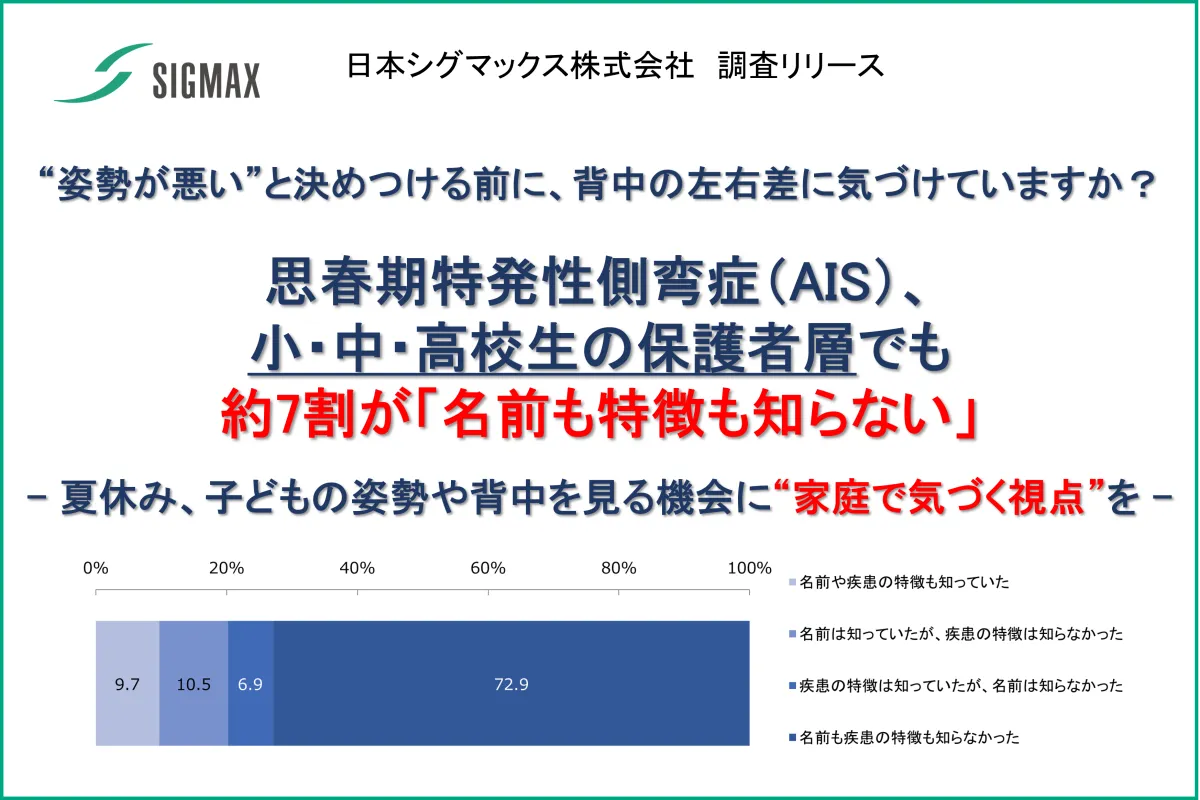
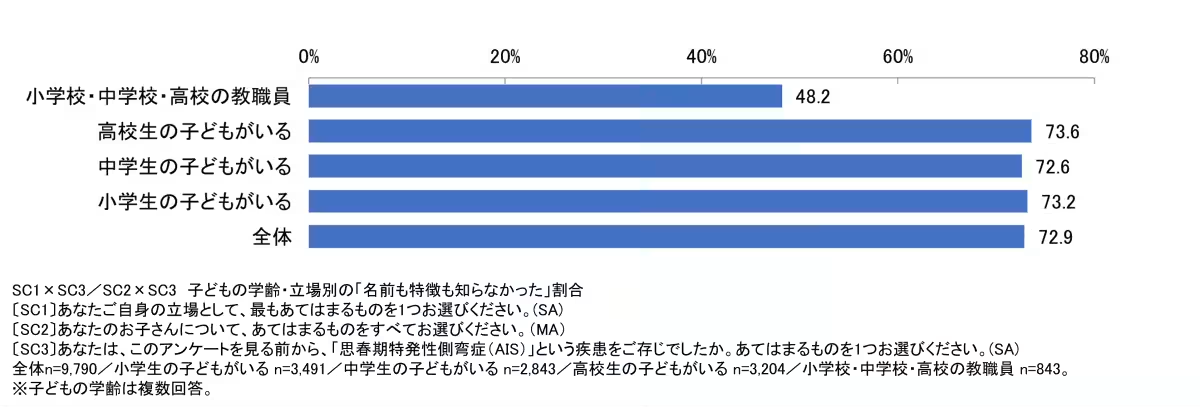
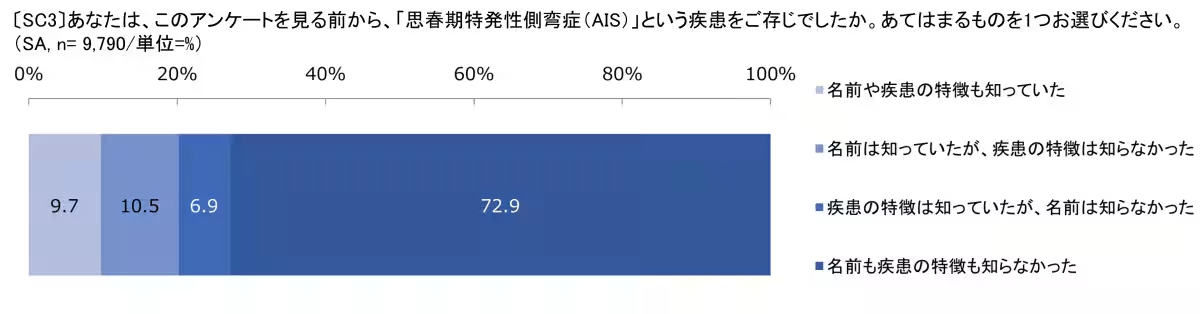
The survey results indicate that over 72% of respondents, including parents of pre-teens and teenagers, were unaware of the name or characteristics of AIS. Worryingly, nearly half of the educators surveyed reported similar findings. This suggests that both families and educational institutions have significant gaps in their knowledge regarding AIS, limiting the potential for early detection and intervention.
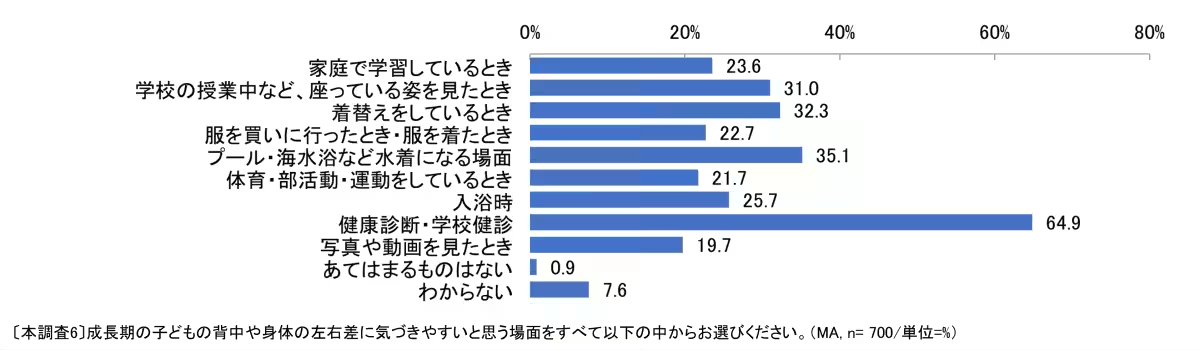
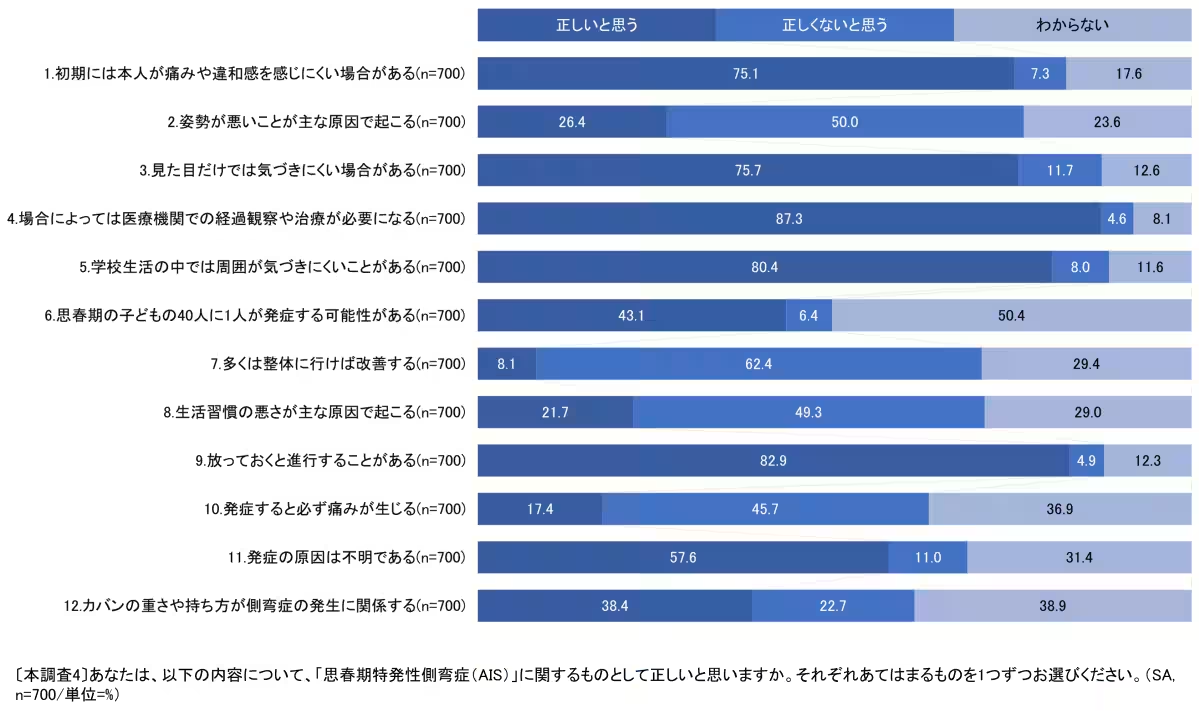
Furthermore, about 25% of the informed group mistakenly attributed the causes of AIS to poor posture or lifestyle choices. This highlights the need for better education about the true nature of AIS, which, as suggested by its name, does not have a clearly defined cause. Monitoring for symptoms of AIS is crucial; often, the only signs might be subtle differences in shoulder height or waist alignment noticeable during routine activities like health checks or physical education classes.
Parental Responsibility and Educational Role
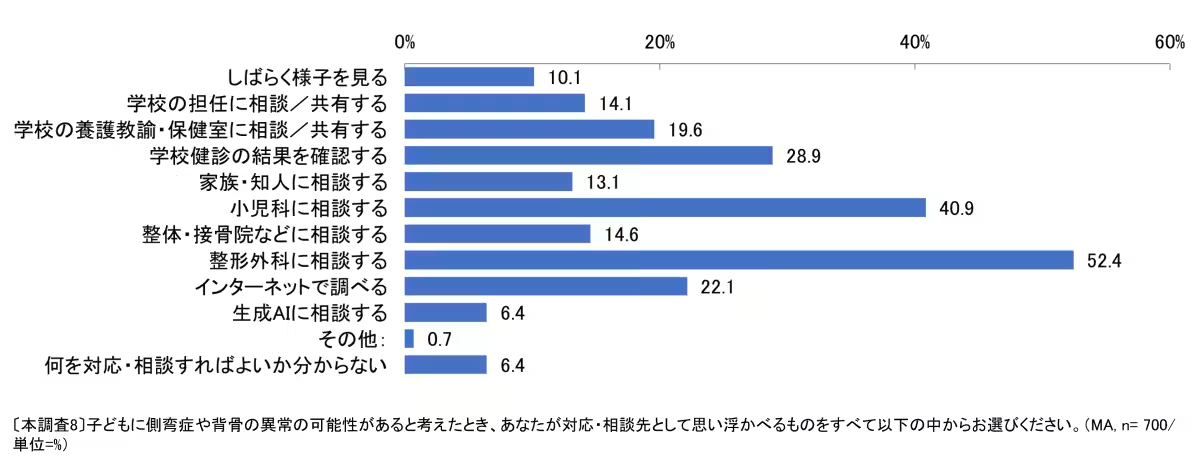
The findings also shed light on the role families can play in the evaluation of their children's posture. During periods like summer vacation, when children are more frequently in casual attire, it can be easier to observe any inconsistencies in their body alignment. Parents are encouraged to take notice of changes and report them during school health checks or consult with healthcare providers if concerned.
Misconceptions About AIS
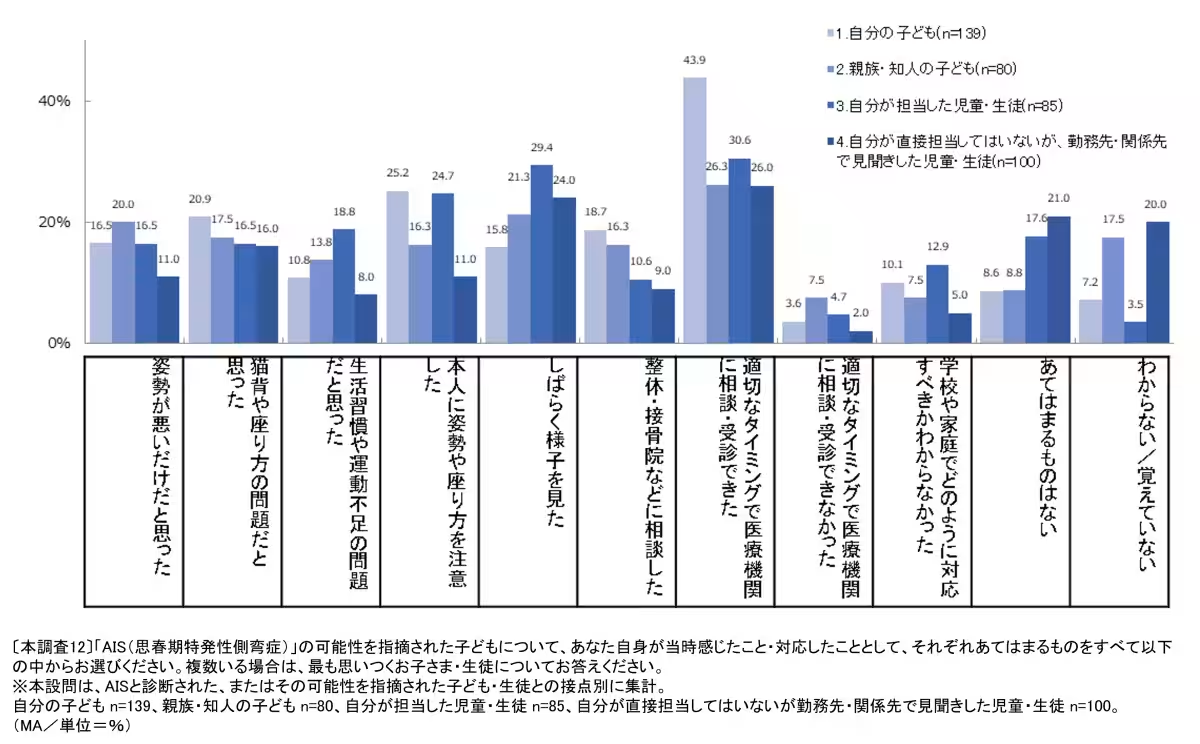
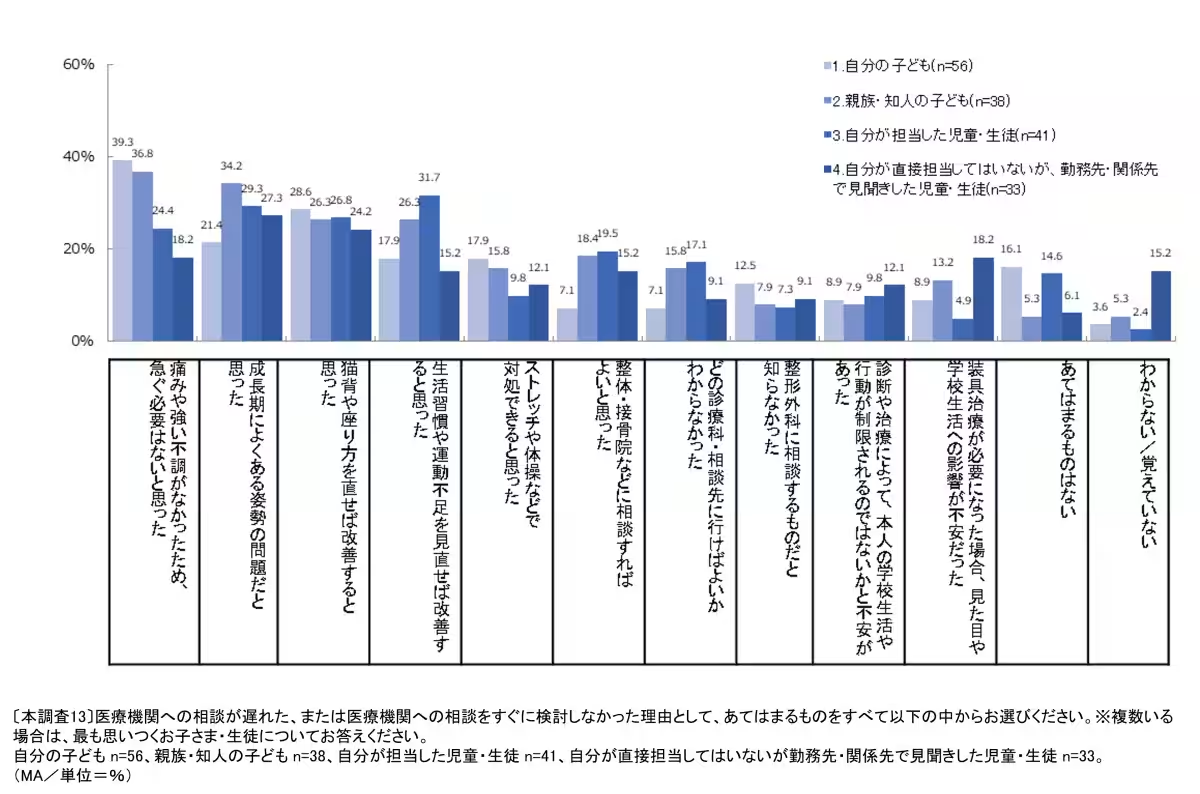
Among those aware of AIS, misconceptions continue to persist. The majority of parents and educators wrongly assume that poor posture is the underlying cause of the condition, indicating a need for education about AIS being primarily idiopathic in nature. This misunderstanding can inadvertently delay proper medical consultations and exacerbate the condition.
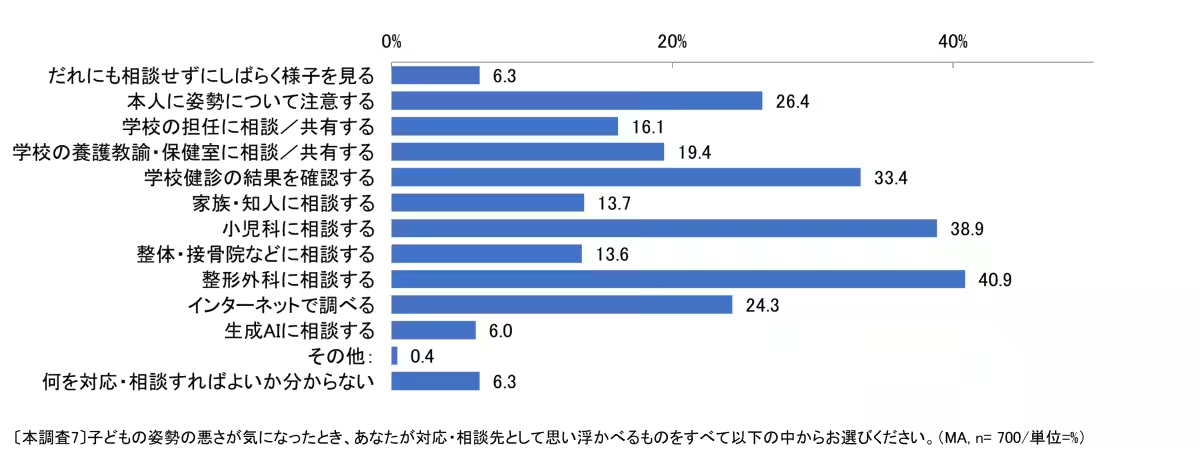
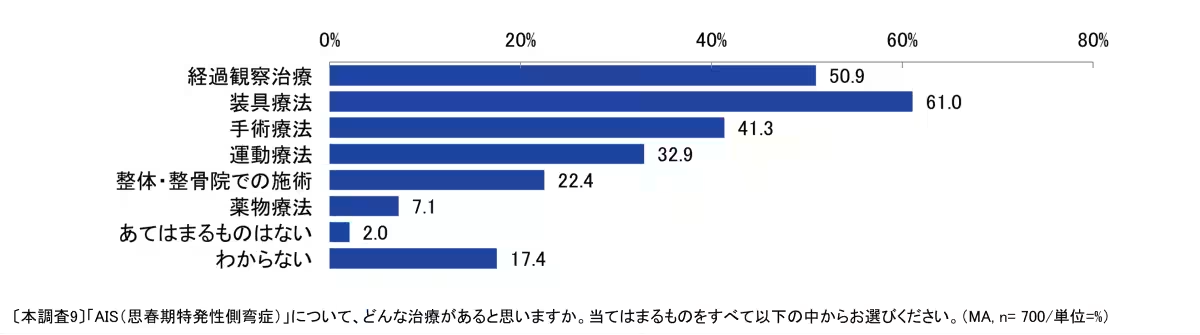
A concerning trend was also observed regarding the treatment of AIS. A significant percentage of respondents suggested seeking advice from unregulated therapies such as chiropractic services, indicating confusion about appropriate medical pathways for managing AIS. Education around the importance of orthopedic assessment and evidence-based treatments is vital to ensure children receive appropriate care.
Enhancing Support for Affected Children
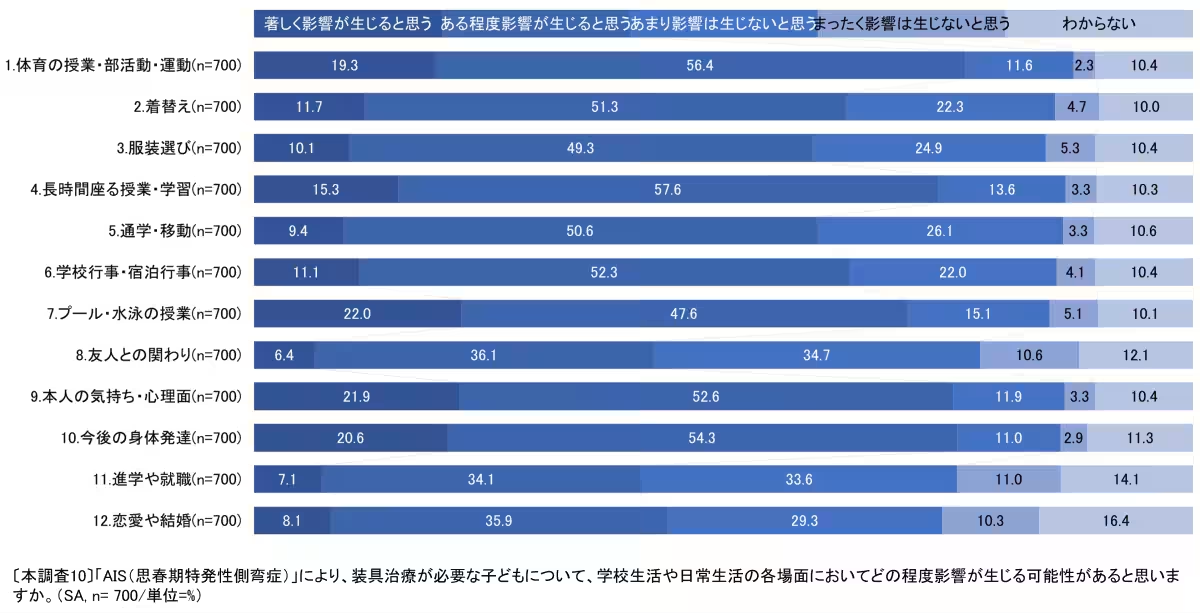
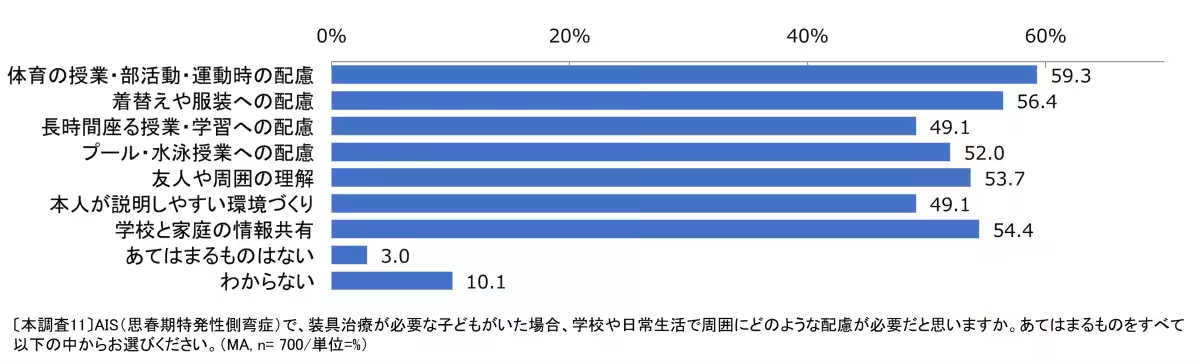
Effective management of AIS involves more than just medical treatment; it requires support from families, schools, and health professionals. Recognizing the implications of having AIS, including its impact on physical activities, psychological aspects, and overall quality of life, is essential. With many children currently undergoing brace treatment, understanding how this can affect school activities, social interactions, and emotional health is key to providing a nurturing environment.
Conclusion
The findings from Japan Sigmax emphasize the pressing need for improved education and awareness around AIS. Schools and families must work together to create an environment where signs of AIS are recognized early, promoting timely medical consultations and fostering support for children experiencing this condition. With the right information and community involvement, we can significantly enhance the lives of those affected by Adolescent Idiopathic Scoliosis, ensuring they thrive both in and out of the classroom.

Topics Health)
【About Using Articles】
You can freely use the title and article content by linking to the page where the article is posted.
※ Images cannot be used.
【About Links】
Links are free to use.