



Understanding Keloids and Hypertrophic Scars: Awareness and Treatment Options
The Rising Burden of Scars: Understanding Keloids and Hypertrophic Scars
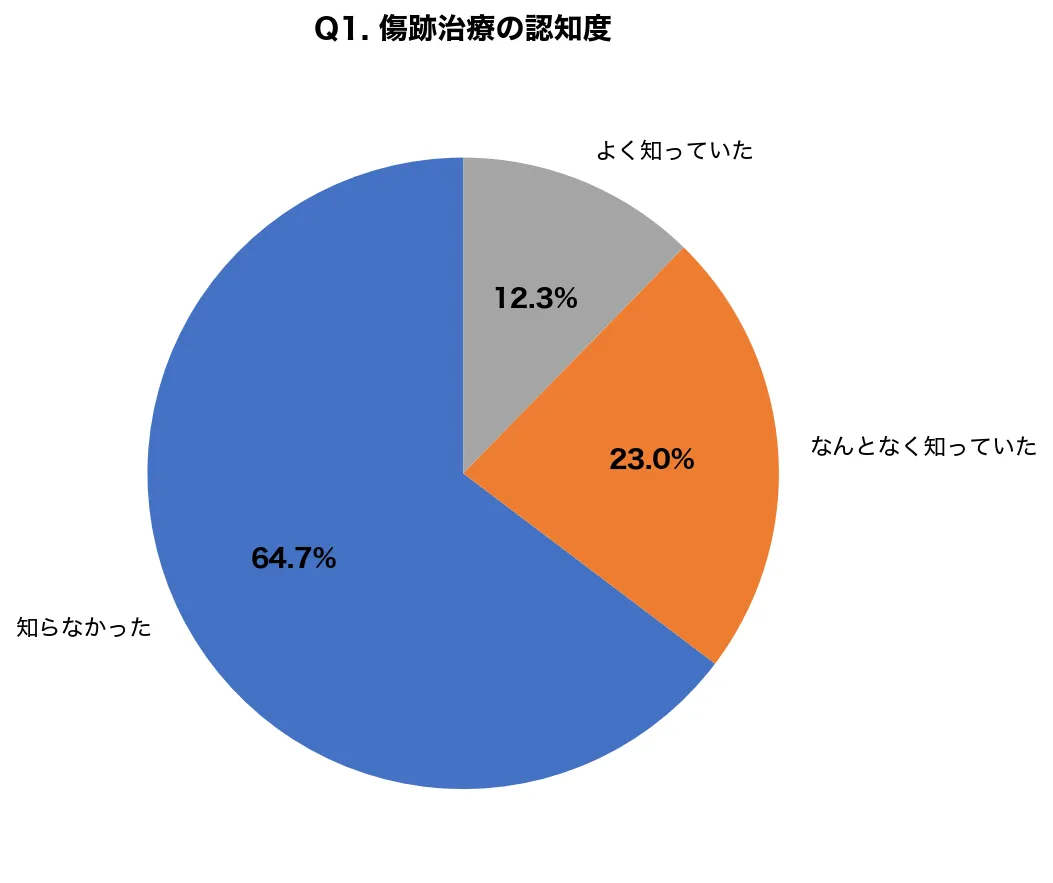
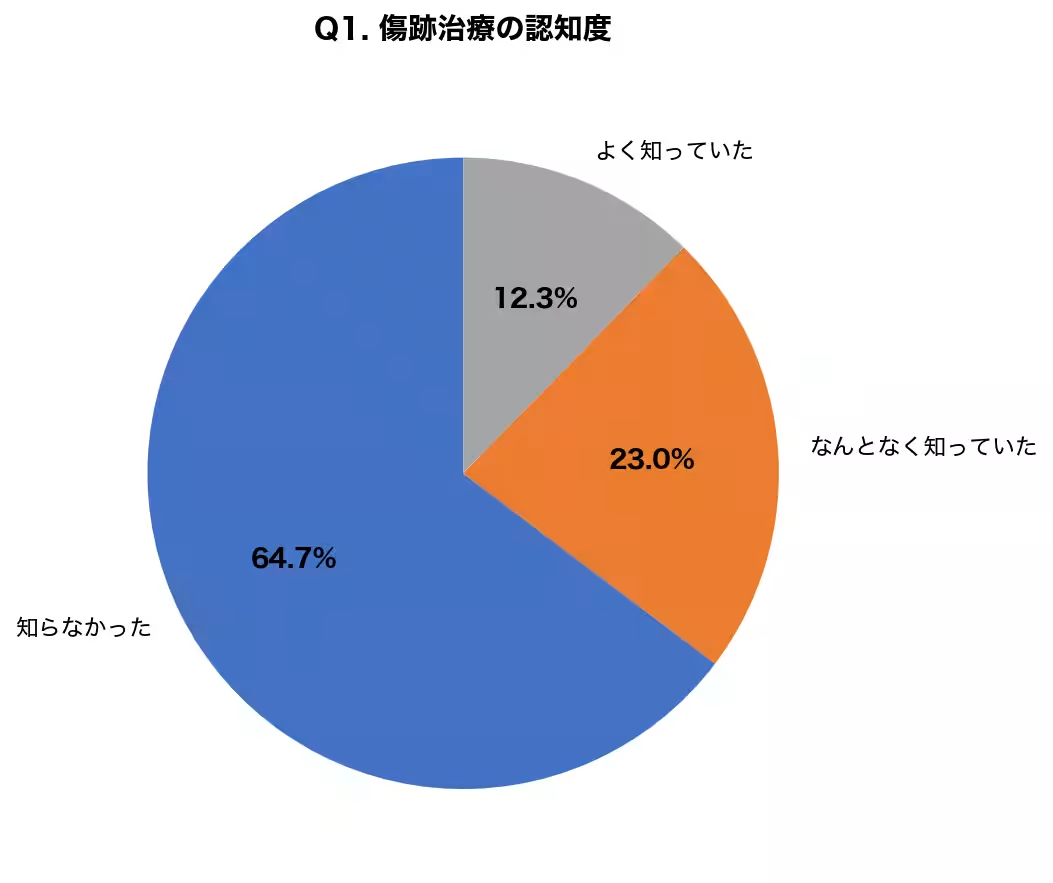
A recent survey highlights a concerning lack of awareness among individuals dealing with raised scars, specifically keloids and hypertrophic scars. Approximately 65% of respondents indicated that they did not know these scars could be treated effectively. This study aims to clarify what keloids and hypertrophic scars are, their differences, and the treatment options available.
What are Keloids and Hypertrophic Scars?
Keloids occur when the skin forms an overgrowth of scar tissue, often as a result of an injury or surgery. The body produces excess collagen during the healing process, leading to raised, red scars that can extend beyond the original wound site. Keloids are known for being difficult to heal naturally and can often cause discomfort in the form of itching or pain.
On the other hand, hypertrophic scars also result from excessive collagen production; however, they remain within the boundaries of the original wound and typically flatten over time. They are often found in areas where there is tension, such as joints.
Key Findings from the Survey
1. Unawareness of Treatments: Of those surveyed, 64.7% were unaware that raised scars could be treated; this suggests a dire need for increased public knowledge regarding treatment options.
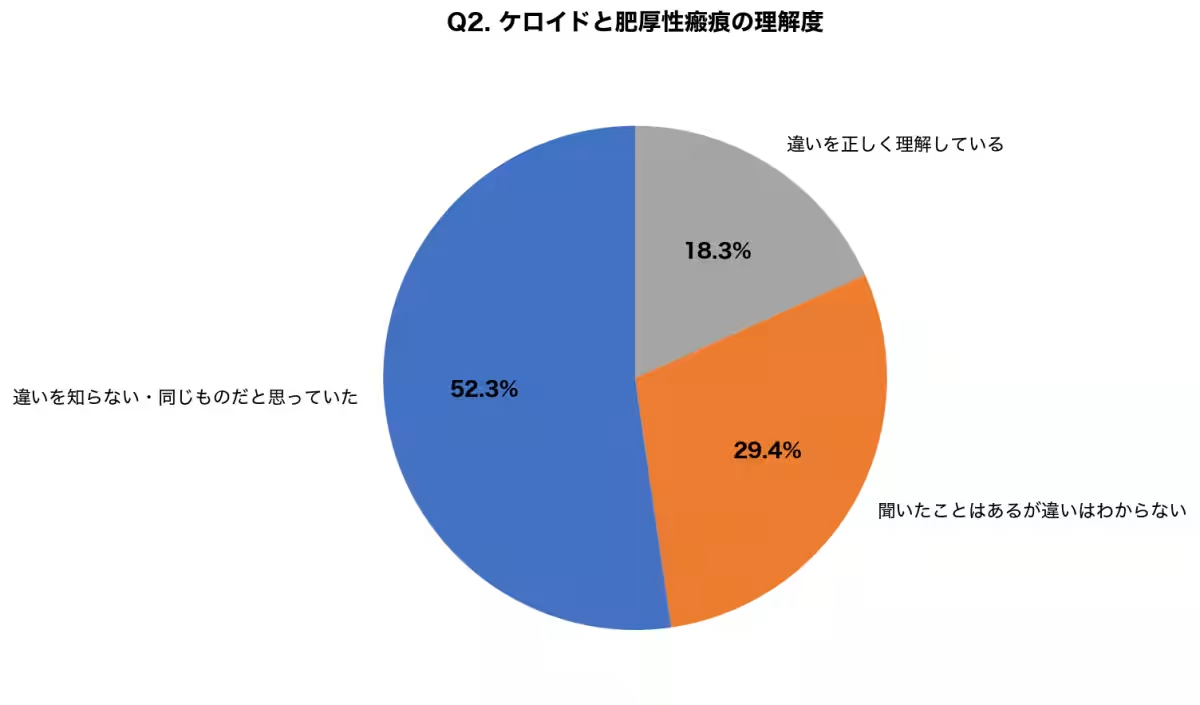
2. Limited Understanding: Only 18.3% of participants could accurately distinguish between keloids and hypertrophic scars, indicating confusion surrounding these terms.
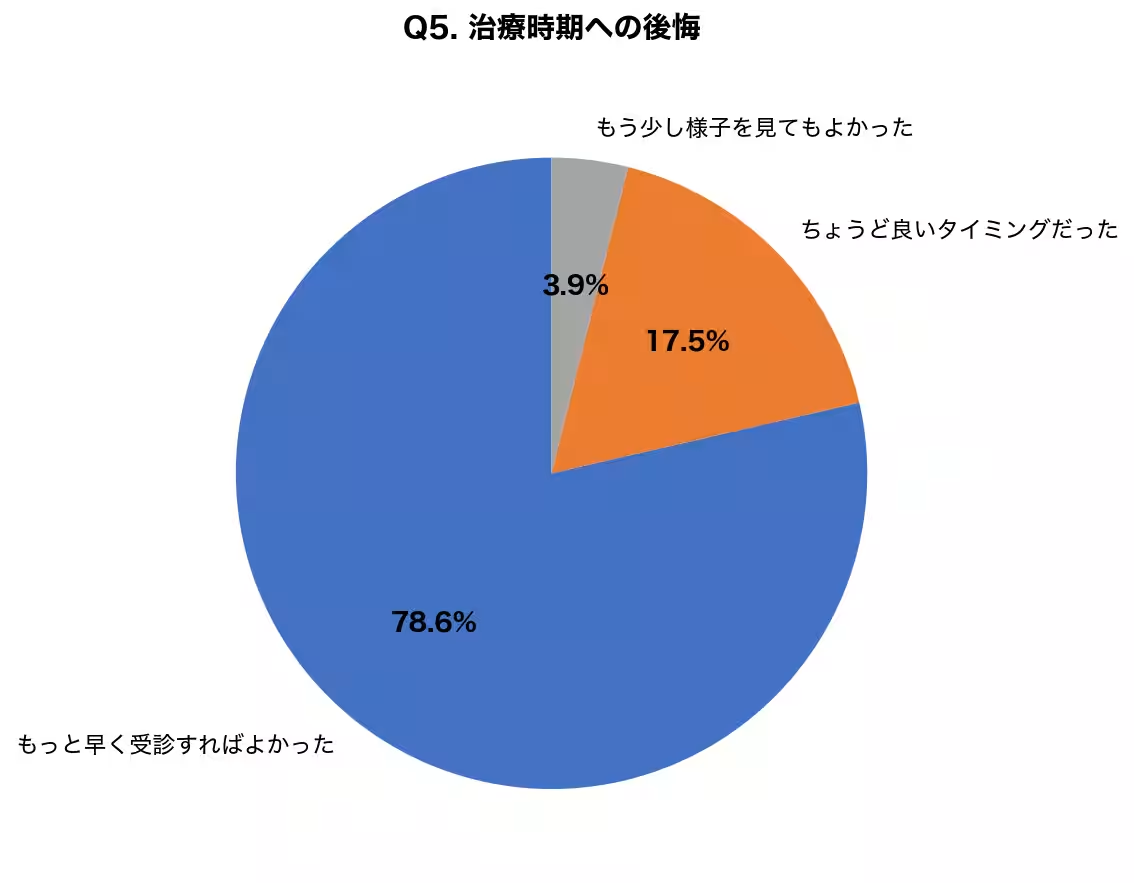
3. Regrets from Previous Patients: Among those who have sought treatment, a striking 78.6% expressed that they wished they had sought help sooner, stressing the importance of early intervention in managing these conditions.
Exploring Treatments: How Can Keloids and Hypertrophic Scars Be Addressed?
Steroid Injections
One of the primary treatment methods advocated by dermatologists is steroid injection therapy. This involves administering corticosteroids, such as triamcinolone, directly into the scar tissue. The goal is to suppress collagen production, thus reducing the size and appearance of the scar.
Other Treatments
Several additional treatment methods may be applicable, depending on individual cases:
- - Surgery: For severe cases of keloids, surgical removal may be necessary; however, recurrence is common.
- - Pressure Therapy and Silicone Sheets: These are used as adjunctive treatments to further flatten and soften scars over time.
- - Laser Therapy and Radiation: Advanced techniques may be considered in stubborn cases that do not respond to initial treatments.
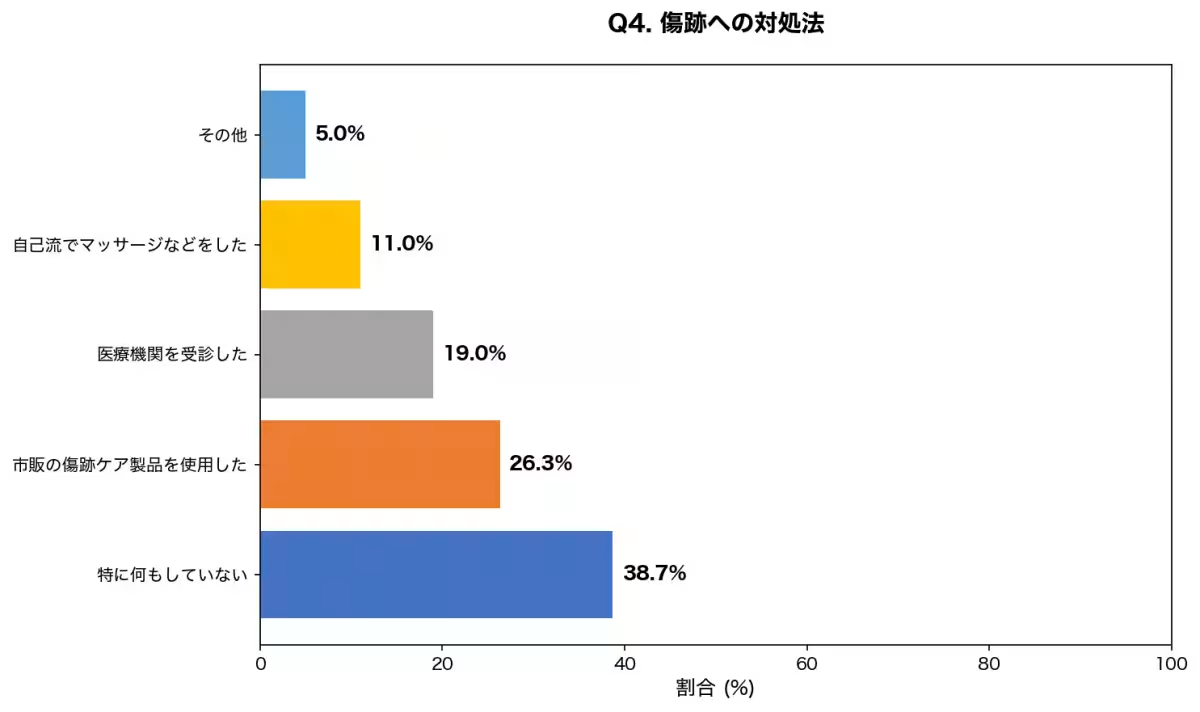
Awareness plays a crucial role in prevention and management. It is imperative for individuals to understand that early intervention often leads to better outcomes. As shown in survey results, many people remain unaware of the treatment options available, with many considering their scars as unavoidable conditions.
Conclusion: The Importance of Seeking Help
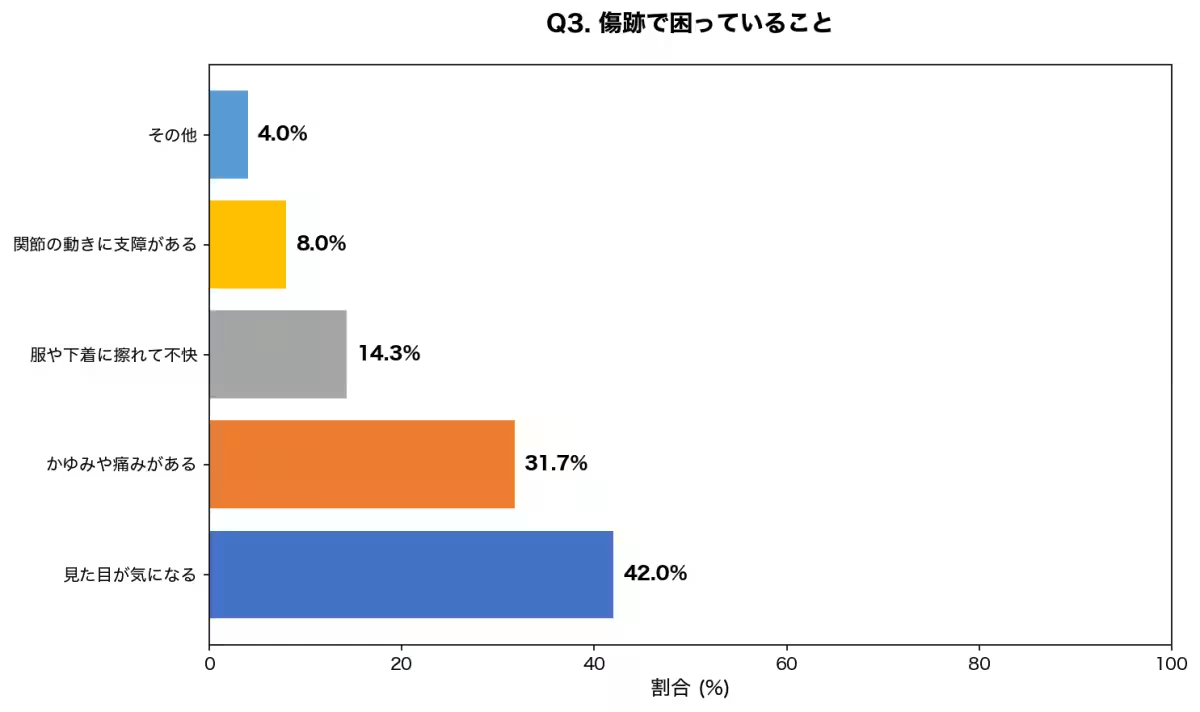
Keloids and hypertrophic scars significantly affect not only physical appearances but also the quality of life due to associated pain, itching, and restricted movement in affected body areas. By ensuring widespread knowledge of keloids and hypertrophic scars, potential patients can seek timely treatment and make informed decisions about their health.
The IC Clinic, with its extensive experience in dermatological surgeries, emphasizes the need for awareness and promotes consultation for scar concerns. If you are experiencing raised scars, consult a dermatologist to explore potential treatments that can lead to significant improvements in your condition.
Topics Health)
【About Using Articles】
You can freely use the title and article content by linking to the page where the article is posted.
※ Images cannot be used.
【About Links】
Links are free to use.