



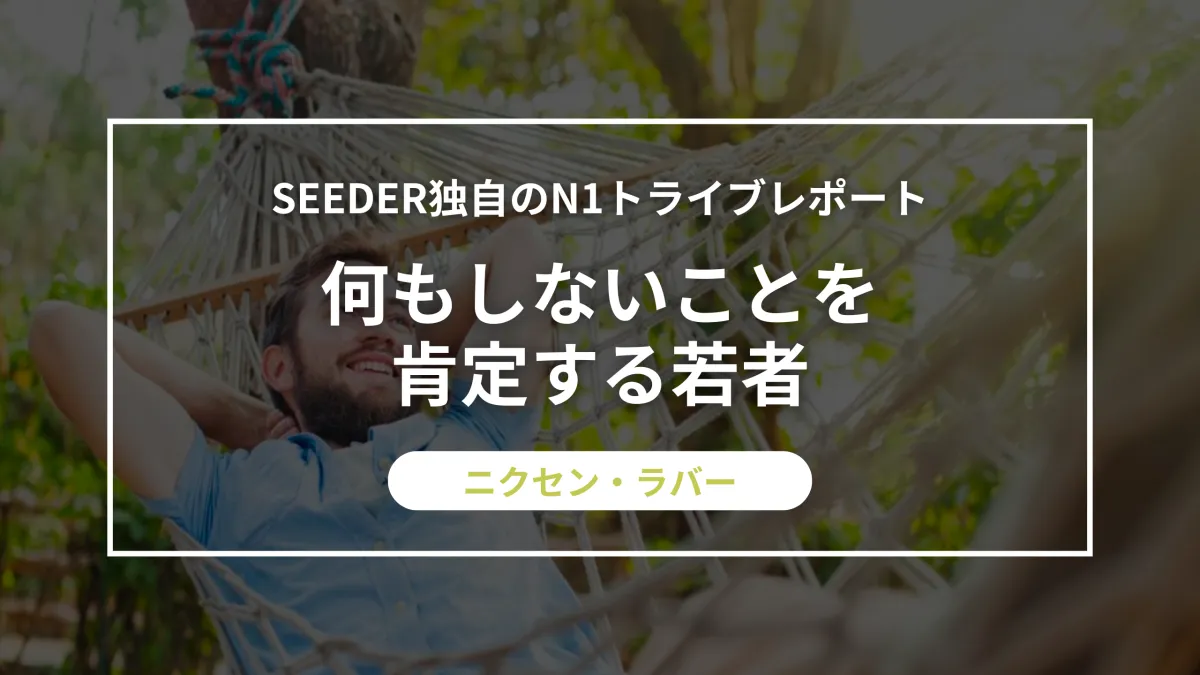
Exploring the Rise of 'Niksen Lovers': Young Adults Embracing Idleness
Exploring the Rise of 'Niksen Lovers'
In recent years, a fascinating subculture has emerged among young people, characterized by a growing acceptance of idleness and doing nothing. SEEDER Corporation, a consultancy based in Tokyo, has undertaken a unique study called the 'N1 Tribe Report' to shed light on this phenomenon, which they refer to as 'Niksen Lovers.' This report highlights how these individuals actively seek out time without purpose to counteract the incessant stress and demands of modern life.
The Meaning of 'Niksen'
The term 'Niksen,' borrowed from Dutch, translates to 'doing nothing.' In an era defined by burnout syndromes and mental health issues among youth, some individuals are rejecting societal pressures to stay constantly productive. Instead, they are redefining their identities by valuing downtime, which they perceive not as wasted time but as essential to their mental well-being.
A Response to Mental Health Challenges
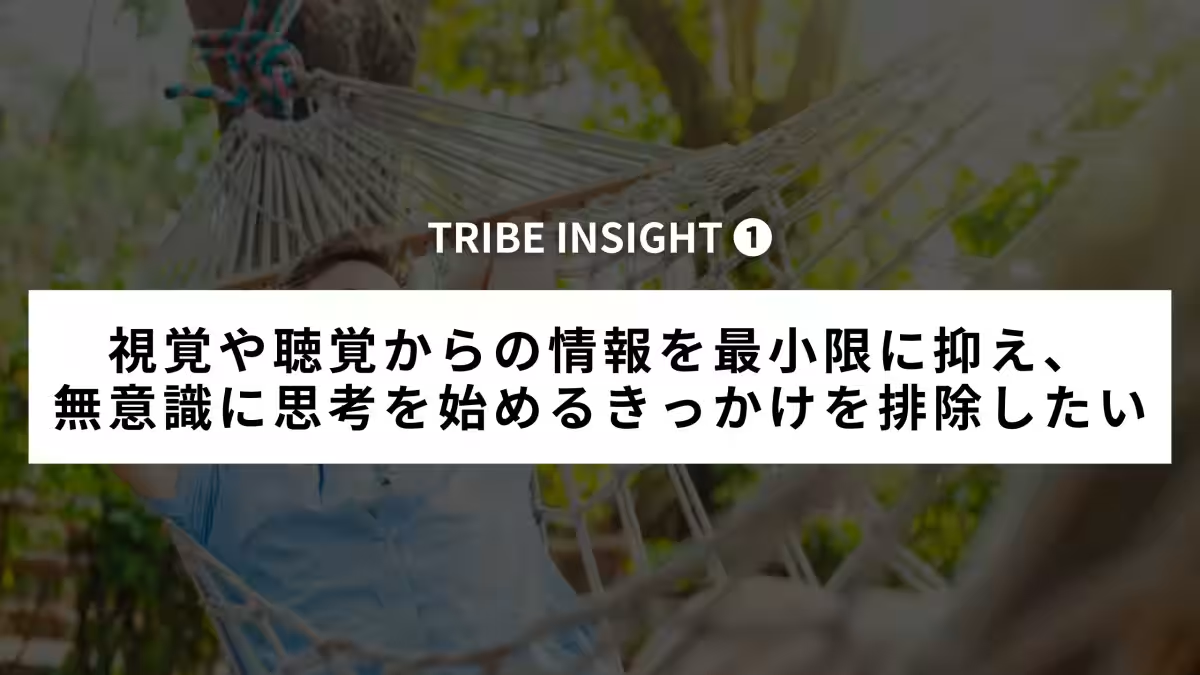
As the prevalence of burnout syndrome rises among young adults, highlighted by SEEDER's investigation, there's a palpable need to reconsider how rest and recovery are approached. Individuals embracing the Niksen philosophy find solace in moments devoid of input from screens or social obligations. In-depth interviews reveal that these 'Niksen Lovers' intentionally disconnect from sensory overload—cued not just by their phones but by any non-verbal stimuli that demands attention.
The Need for Quiet
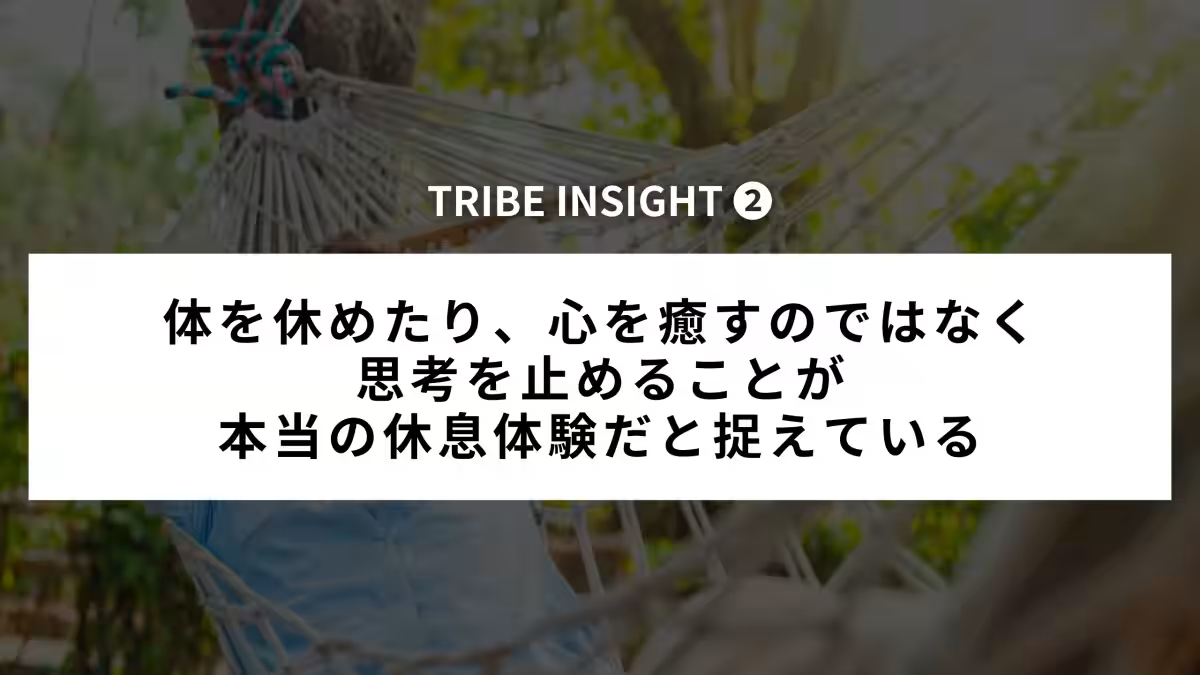
Rather than relying on traditional relaxation techniques such as listening to music or engaging in mindful meditation—activities that can provoke involuntary thoughts—Niksen Lovers strive for a state of mental silence. For them, true rest means entering a 'thinking-free zone,' where cerebral energy is conserved. By filtering out distractions, these individuals create moments of clarity and mental space, combating the incessant bombardment of information that characterizes contemporary existence.
Redefining Mental Care
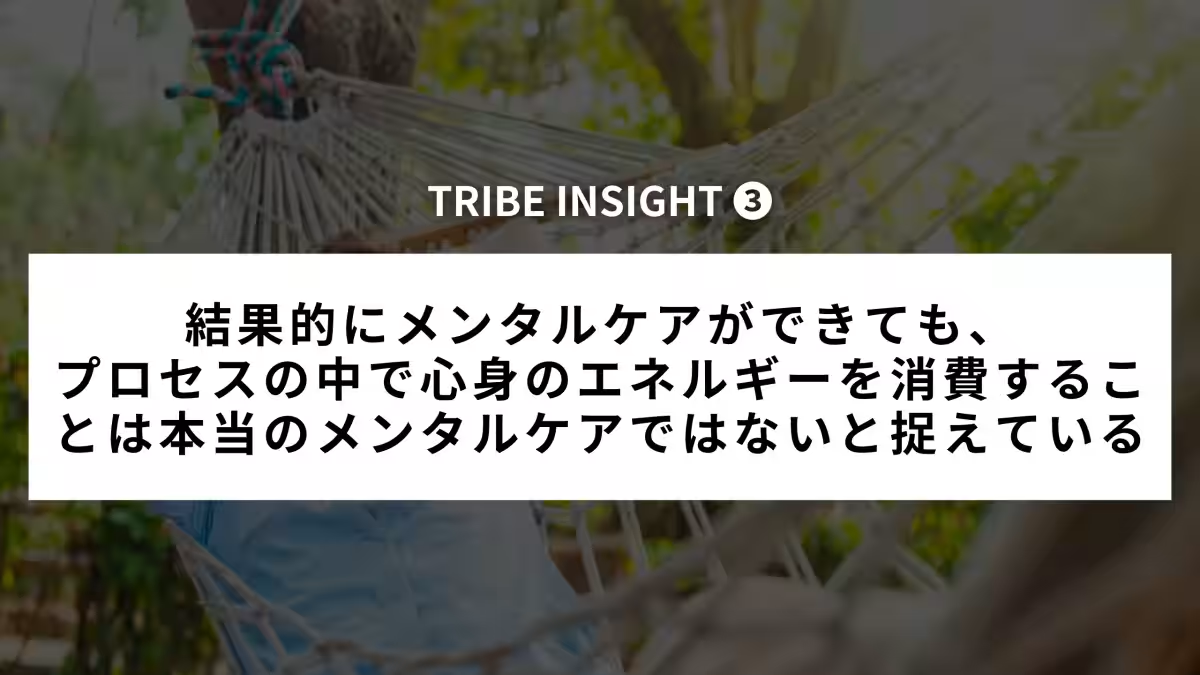
Traditionally, mental health care has focused on confronting stressors or seeking 'healing,' which inadvertently generates additional mental strain for those under pressure. Niksen Lovers advocate that the process of engaging with one’s mental health can itself become exhausting. They propose that the purest form of mental care lies in the act of doing nothing at all. This acceptance and celebration of inactivity are their ways of managing stress, enabling a more sustainable approach to mental well-being.
Insights from Depth Interviews
Among the individuals interviewed, a 28-year-old male freelancer named U shared insights into his lifestyle as a Niksen Lover. His experiences illustrate a growing trend among young people who prioritize mental clarity over relentless activity. U's perspective highlights the potential for service and product development aimed at enhancing emotional wellness without imposing additional cognitive demands on users.
Implications for Future Services
The value system observed among Niksen Lovers holds profound implications for businesses and service providers. Recognizing that many young adults are seeking alternatives to constant engagement offers unique opportunities for innovation. SEEDER aims to interpret these emerging trends and craft solutions that resonate with the needs of this new generation, encouraging the incorporation of periods of inactivity into modern life.
As society increasingly embraces the pursuit of balance and mental wellness, the understanding gleaned from these emerging cultural shifts could guide the design of future products and services.
Conclusion
The rise of Niksen Lovers signifies a pivotal moment in understanding how young adults cope with the pressures of modern living. Their validation of inactivity not only reflects changing attitudes towards productivity but also offers valuable insight into how mental care can be approached differently. SEEDER remains dedicated to exploring these shifts, providing innovative consulting services, and supporting businesses in navigating the intricacies of today's rapidly evolving consumer landscape. To learn more about the findings of the N1 Tribe Report and to download the complete document, visit SEEDER’s website.

Topics People & Culture)
【About Using Articles】
You can freely use the title and article content by linking to the page where the article is posted.
※ Images cannot be used.
【About Links】
Links are free to use.