



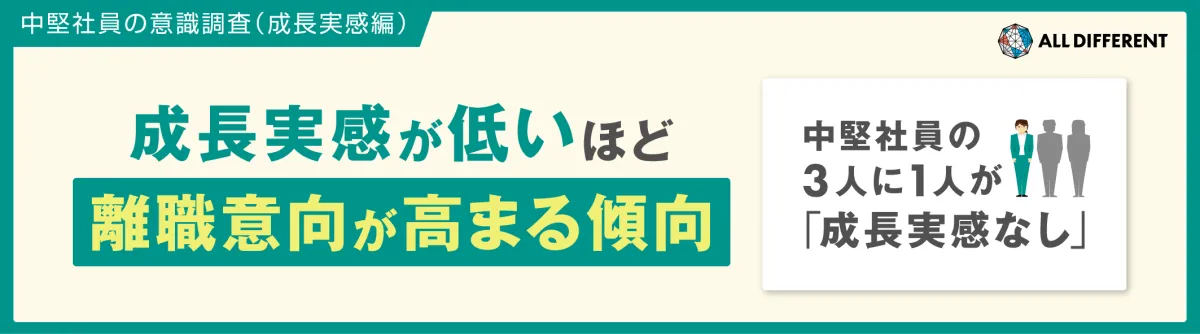
The Relationship Between Middle Career Growth Opportunities and Employee Retention Intentions
Introduction
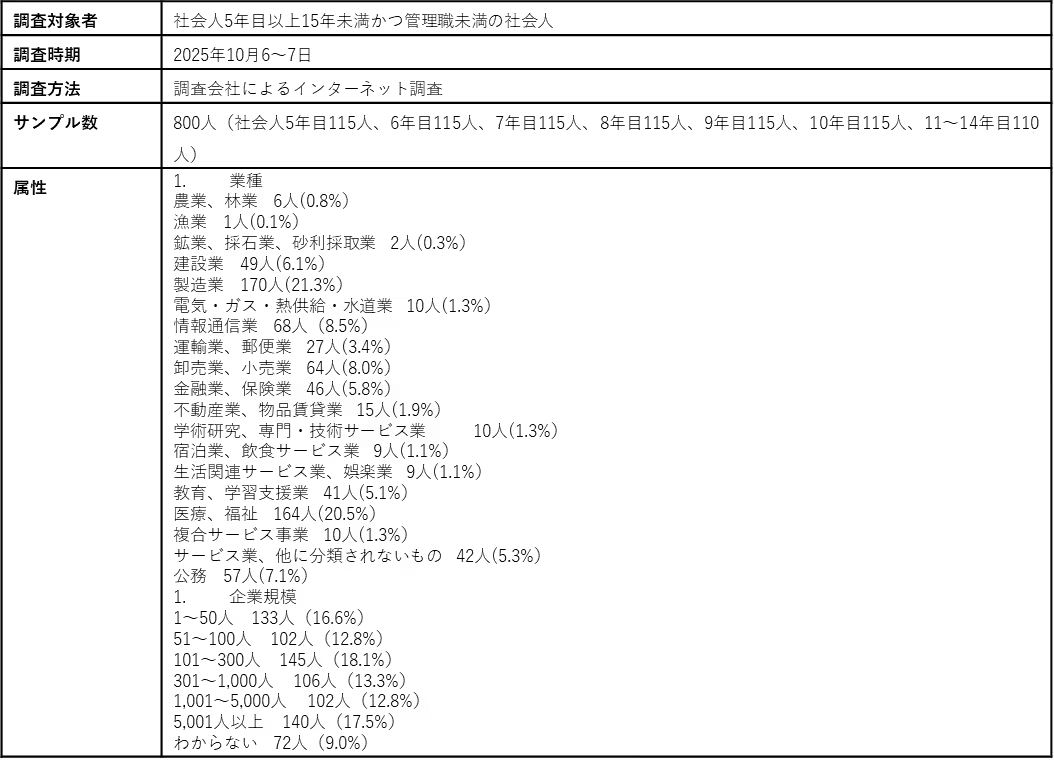
In a recent survey conducted by ALL DIFFERENT Co., Ltd. and the Learning Innovation Institute, insights into the perceptions of middle career employees (those with 5 to 15 years of work experience and not in management positions) were drawn. As organizations continue to invest heavily in training for new hires and management roles, the critical group of experienced employees often gets overlooked. This study sheds light on their growth experiences and the related implications for employee retention.
Background
In a prior survey targeting HR professionals, hurdles such as "insufficient time for employees" and "limitations in members promoting development" surfaced as major issues. Consequently, while many companies focus on new recruits and managerial training, mid-level careers often slide into what is described as a "development gap." This is concerning since middle career employees play a vital role in nurturing younger generations and are integral to the organization's future leadership. By assessing how these employees feel about their growth opportunities and how these feelings correlate with their engagement and retention intentions, we gain crucial insights.
Survey Summary
The survey revealed the following key insights about employee growth experiences:
1. Feeling of Growth
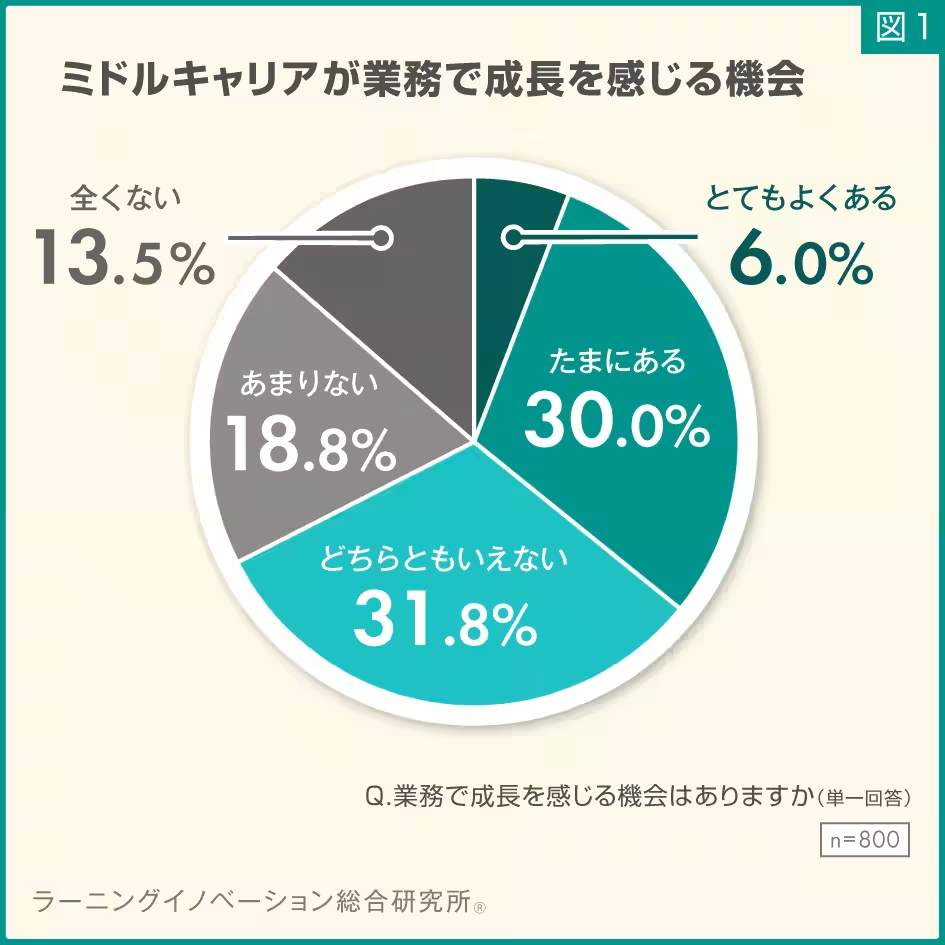
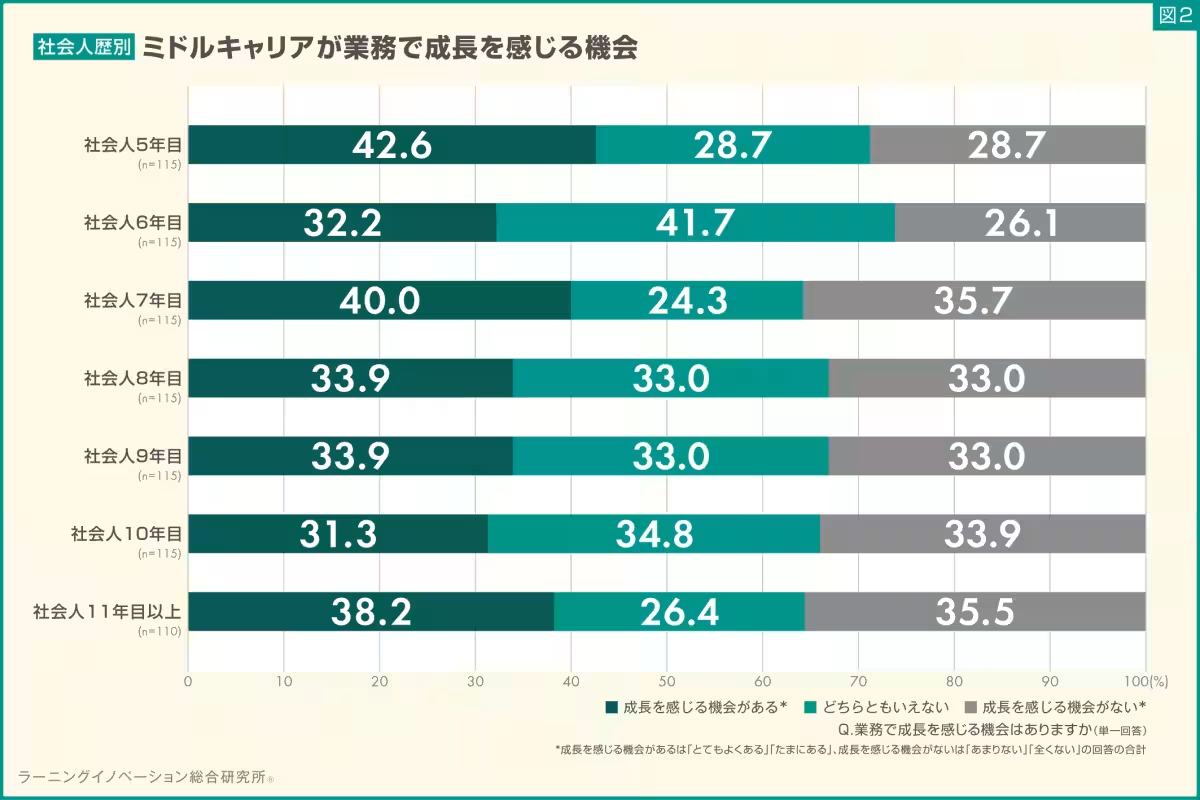
- Approximately 36% of middle career employees reported having growth opportunities in their work. The highest percentage of 42.6% was found among those in their fifth year of employment.
- Conversely, 32.3% indicated they felt they had little or no opportunities for growth.
2. Mentorship and Collaboration
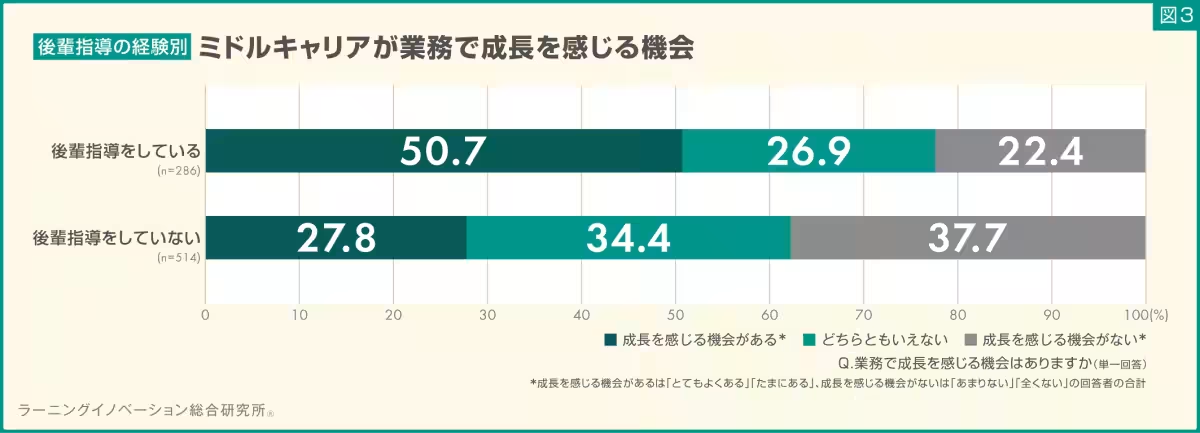
- Employees who have experience mentoring others or collaborating across departments are significantly more likely to feel a sense of growth. Specifically, 50.7% of those mentoring reported growth opportunities, compared to 27.8% of those not mentoring.
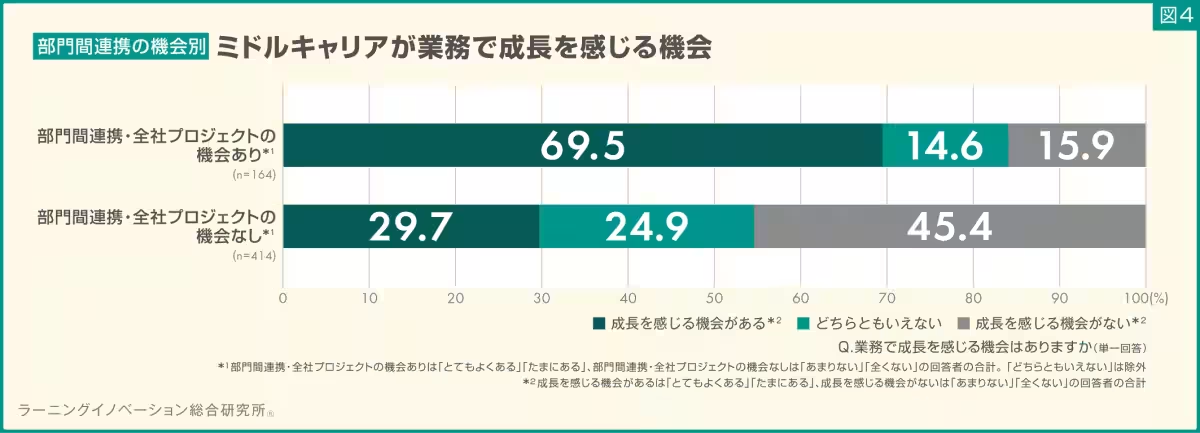
- This trend extends to inter-departmental teamwork, where nearly 70% of employees with collaboration opportunities reported feeling growth.
3. Role Clarity Issues
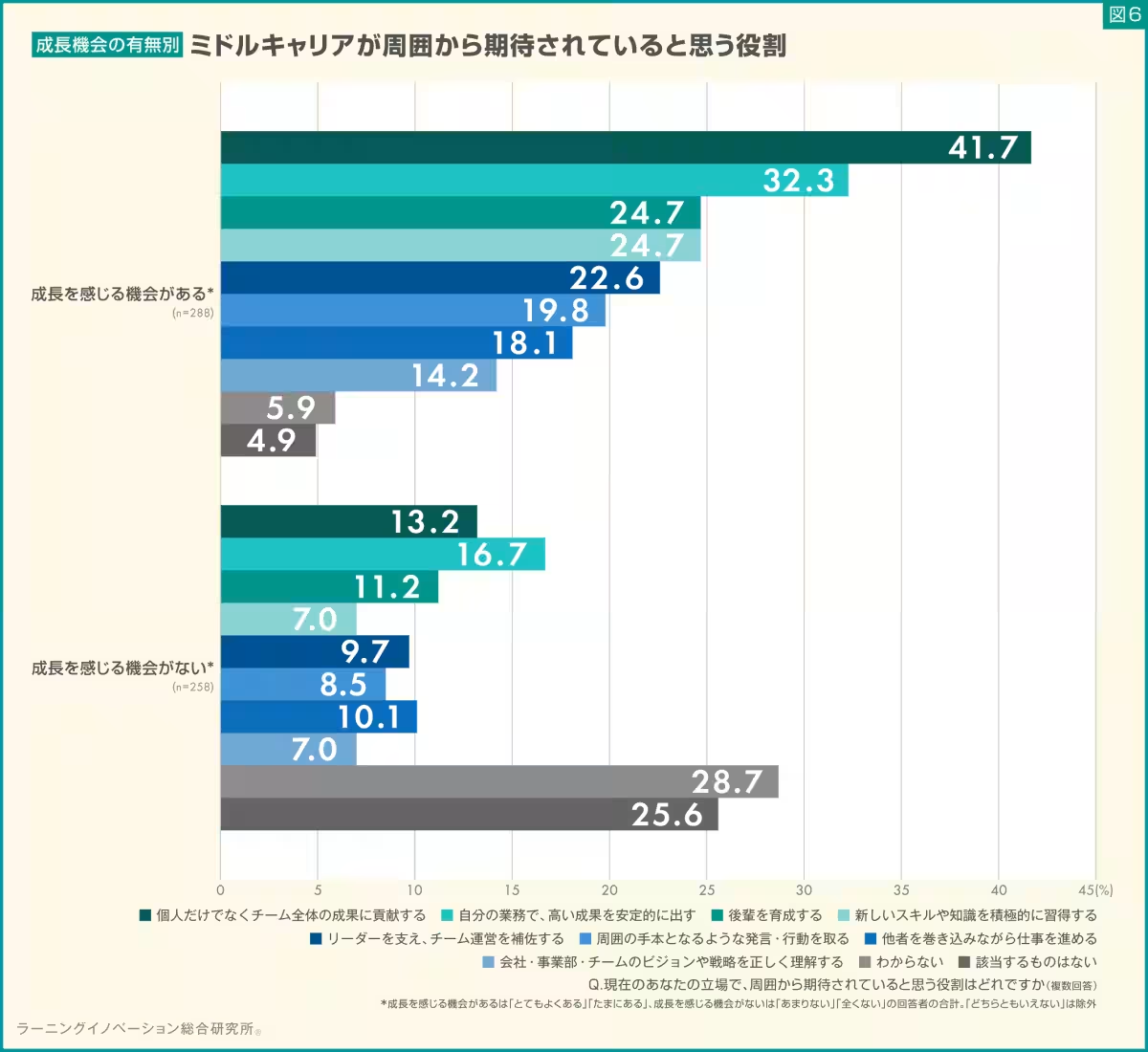
- Alarmingly, among those lacking growth opportunities, one in three employees expressed uncertainty about their expected roles, indicating a disconnect in recognition of their contributions.
4. Desire for Growth
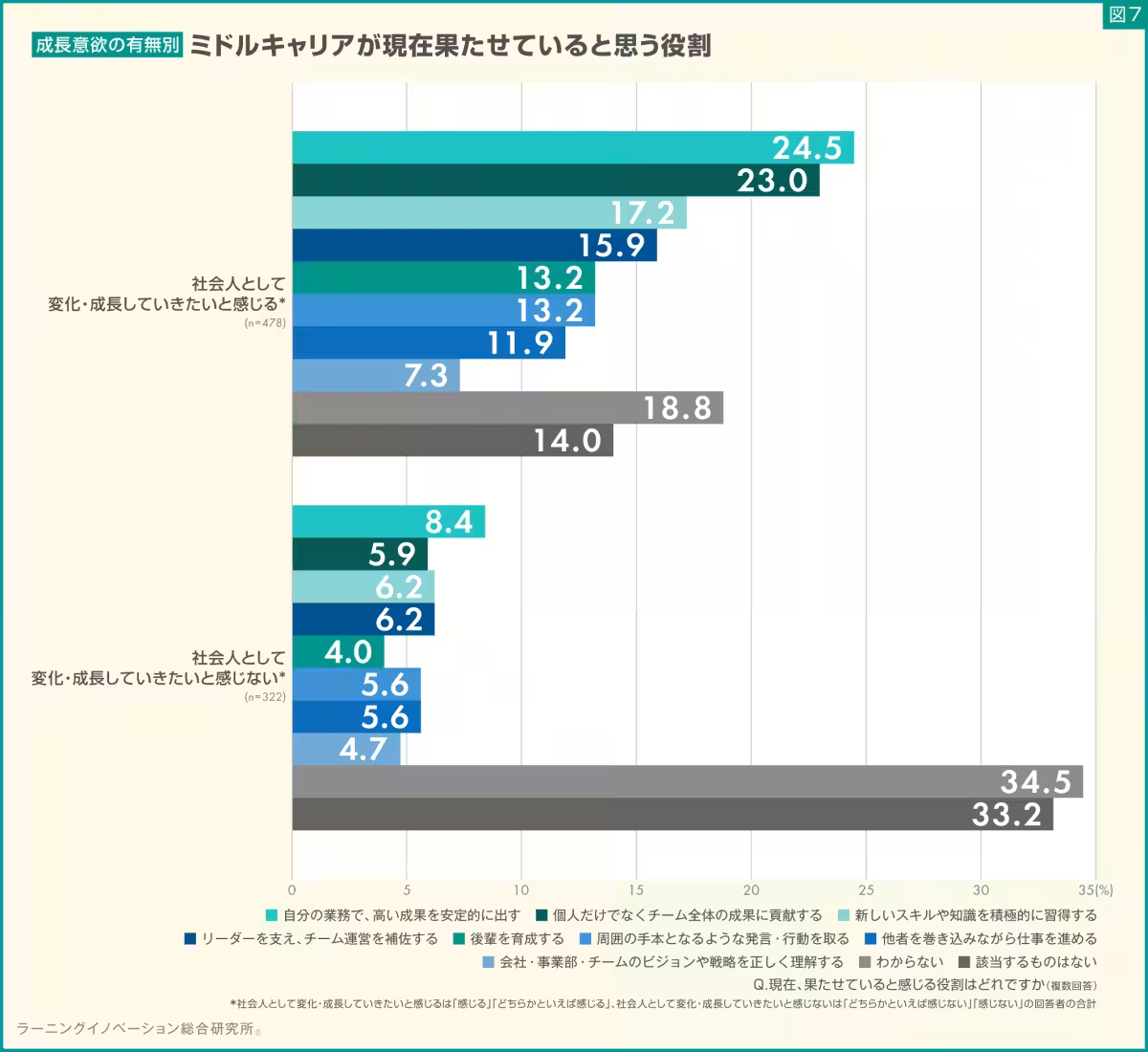
- About one-third of employees lacking growth opportunities were unclear about their potential roles and contributions. In contrast, employees who articulated a desire for growth recognized their contributions effectively.
Connection to Retention Intentions
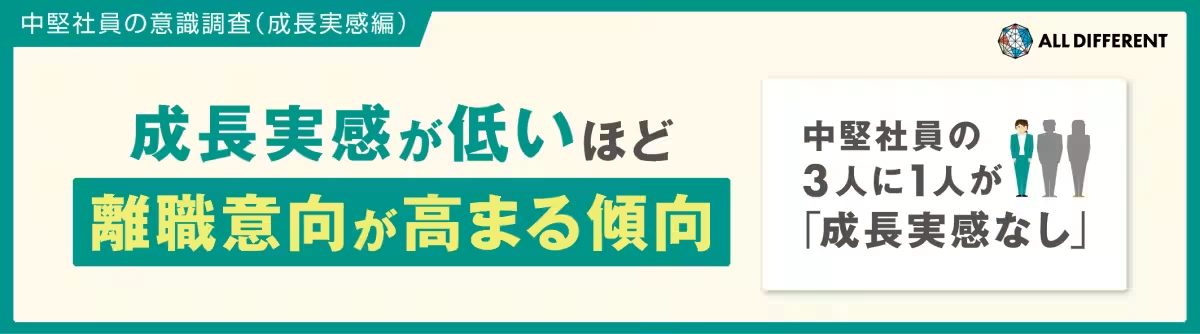
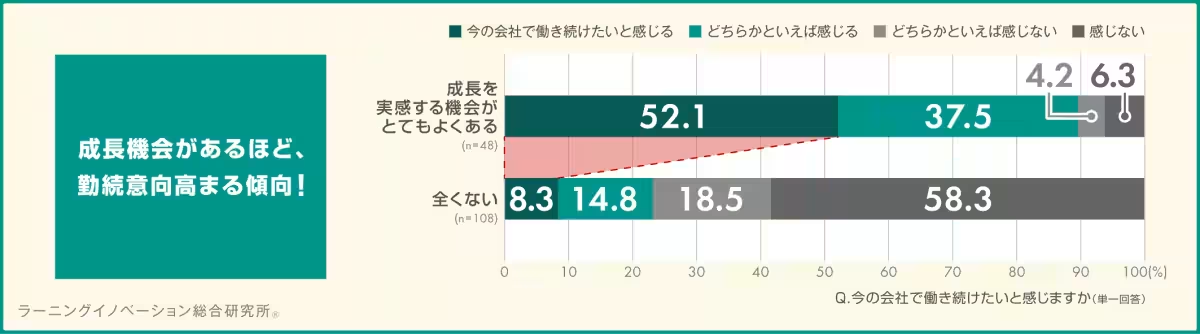
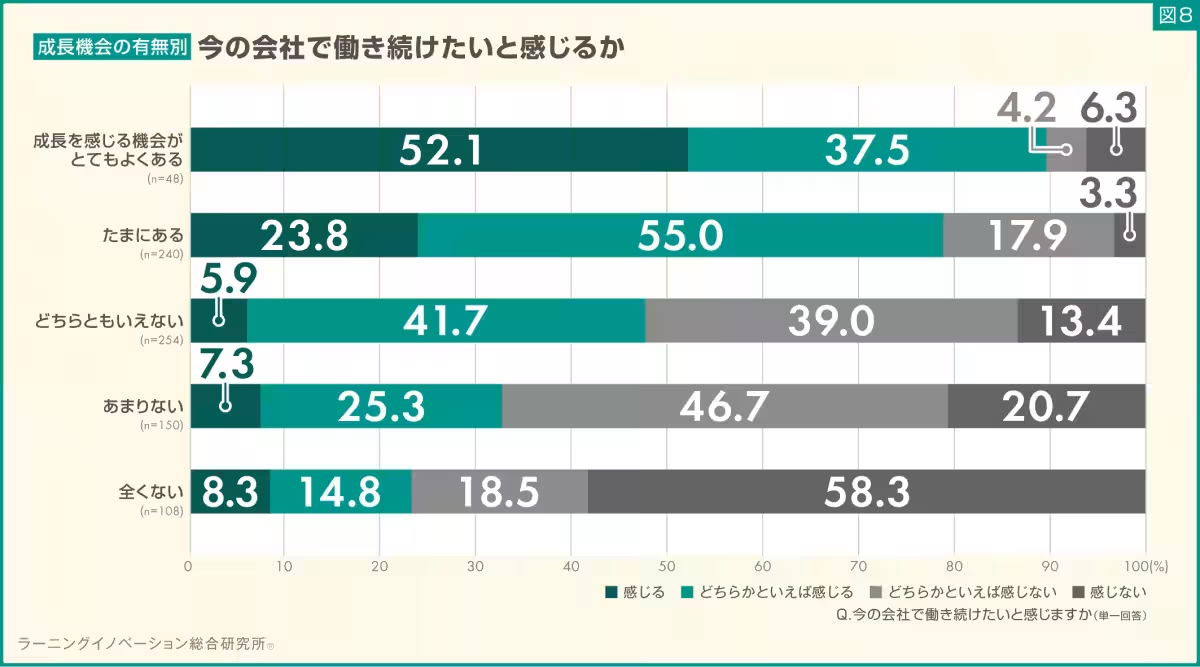
The data links growth opportunities directly to employee retention intentions. Over 52% of employees who frequently experienced growth expressed a desire to continue working for their current company, while only below 10% of those feeling no growth wanted to stay.
Growing Opportunities for Middle Career Employees
The findings underscore the need for organizations to invest in mid-level employee development actively. These recommendations emerged:
1. Recognize Individual Experiences
Understanding each employee's unique experiences and qualities is crucial. Identifying strengths and challenges can significantly steer organizational growth.
2. Define Expected Roles
Clearly articulating roles and expected contributions allows employees to envision themselves within the company, significantly boosting their engagement.
3. Assign Challenging Tasks
Introducing stretch assignments can provide necessary challenges, fostering an environment conducive to growth while tapping into their existing knowledge base.
Conclusion
This analysis reveals concerning gaps in growth opportunities for middle career employees and draws vital connections between these gaps and employee retention. As organizations recognize the importance of this employee segment, they should prioritize targeted development initiatives to improve organizational health and reduce employee turnover. By addressing these insights, companies can work toward creating a robust, engaged workforce that enhances overall productivity and satisfaction.
Call to Action
It is imperative for organizations to take actionable steps to not only understand but also nurture their mid-career employees by paving pathways for growth and skill development. Implementing suggested strategies can cultivate long-term loyalty and greater organizational success.
- ---


Topics People & Culture)



【About Using Articles】
You can freely use the title and article content by linking to the page where the article is posted.
※ Images cannot be used.
【About Links】
Links are free to use.