



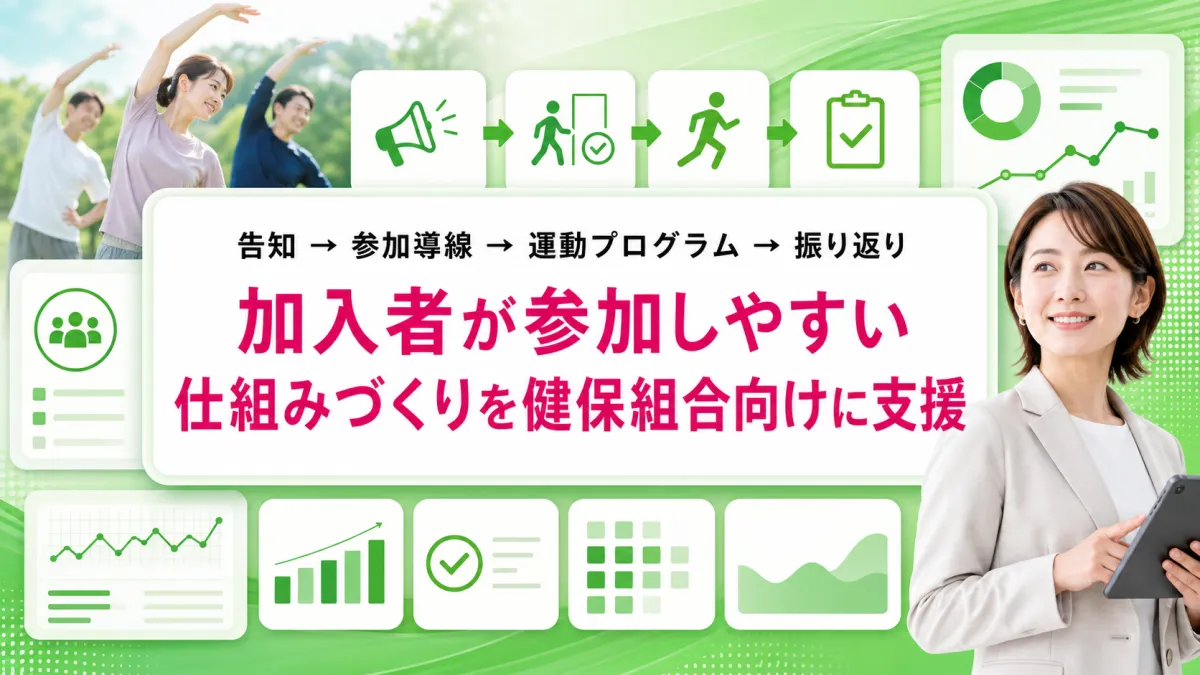
Fractal Workout Launches Initiatives to Improve Health Program Participation Rates
Improving Participation in Health Initiatives
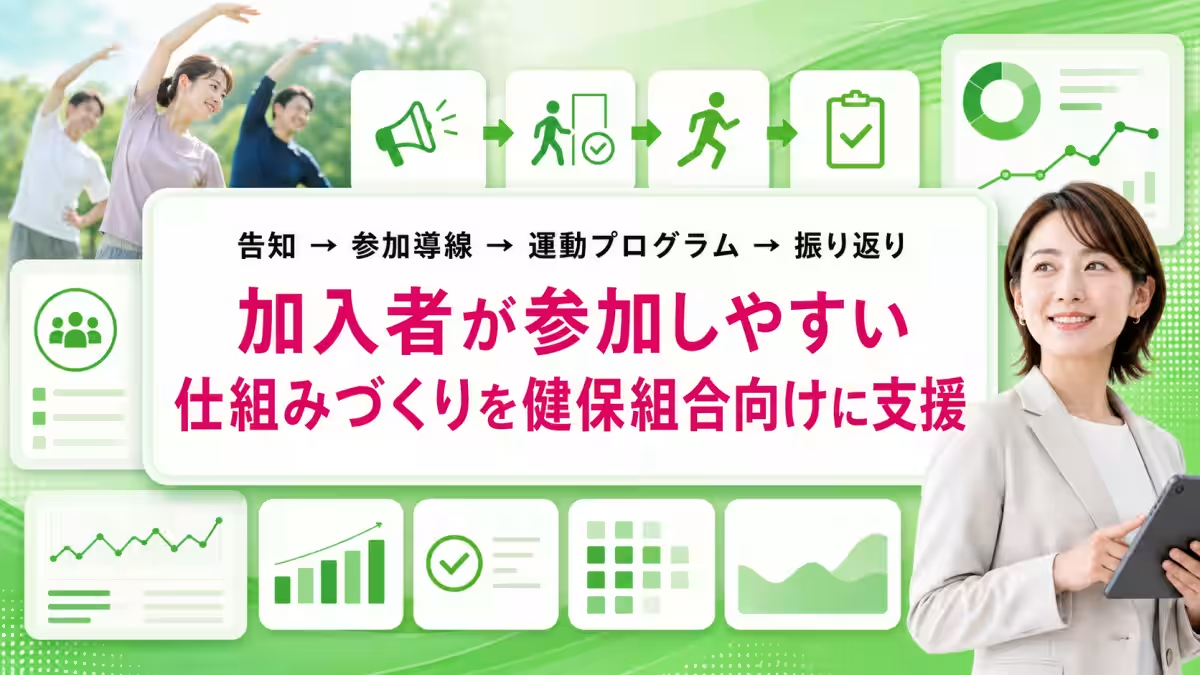
Fractal Workout Inc. has officially launched a support program focused on enhancing participation rates in health initiatives tailored for health insurance associations. Recognizing that merely having well-structured health programs is often insufficient, the company aims to offer structured guidance to ensure that members can easily engage with health promotion activities.
Comprehensive Support Services
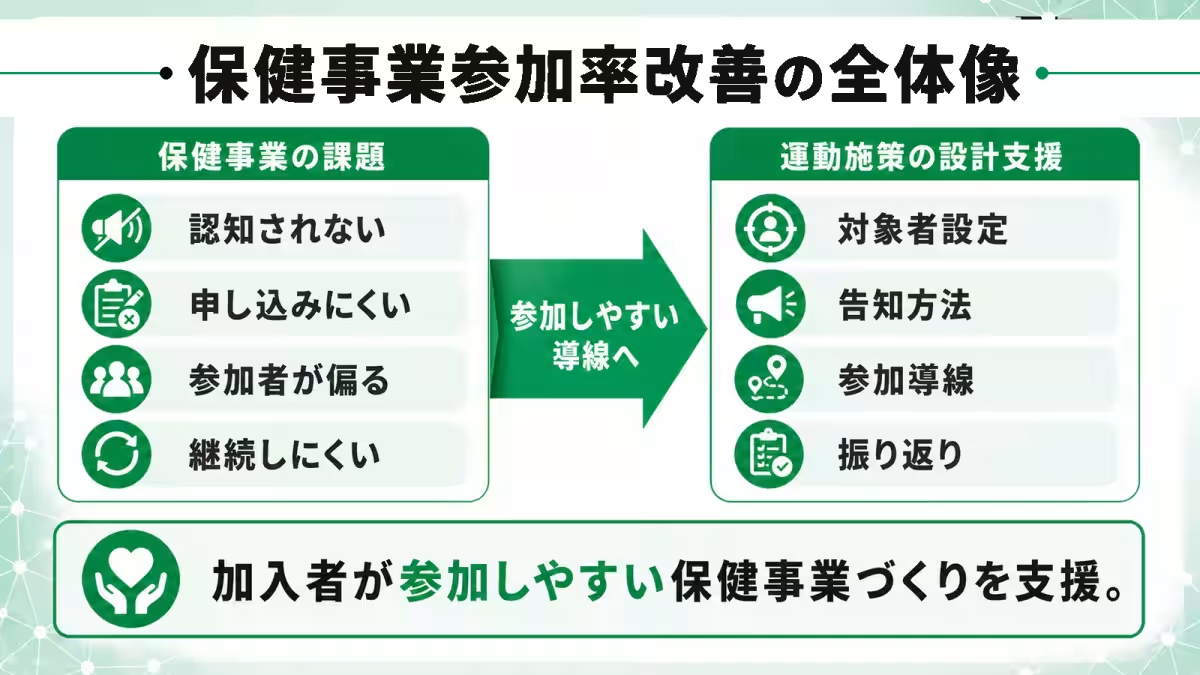
The support program provides various services, including follow-ups post-health check-ups, guidance surrounding specific health counseling, hosting health seminars aimed at participants, and initiatives to cultivate regular exercise habits. Fractal Workout takes a holistic approach, addressing participant identification, communication strategies, pathways for participation, and reflective practices to enhance subsequent programs.
The Background
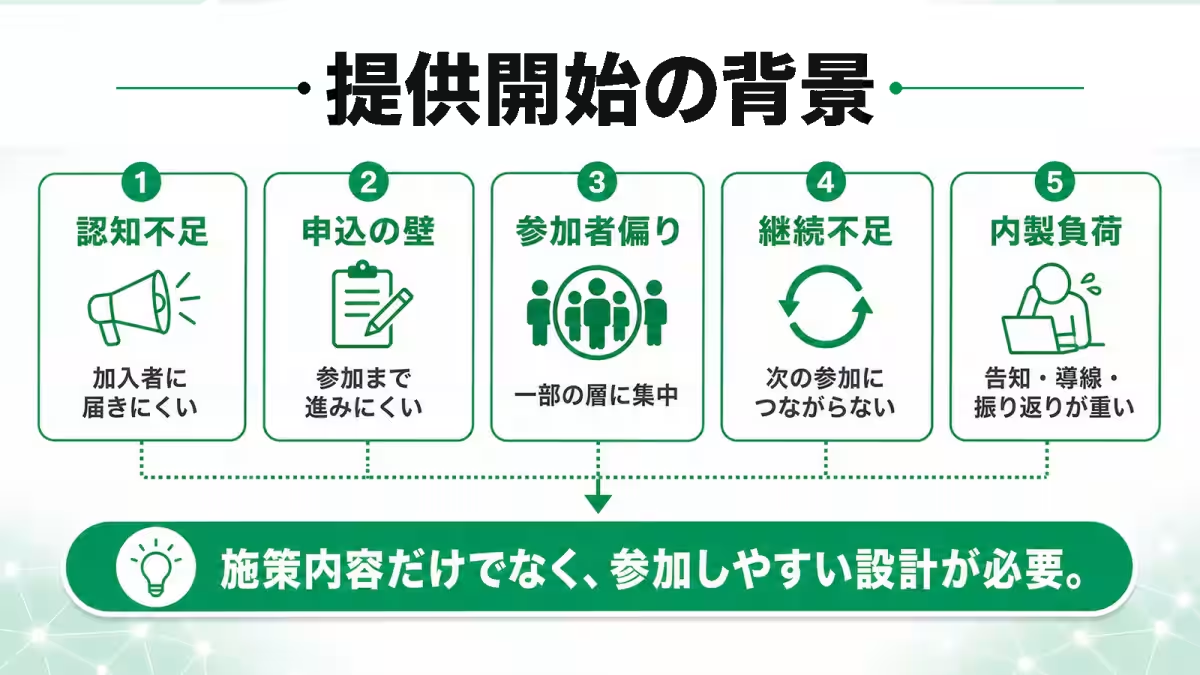
Health insurance associations commonly implement a range of health initiatives, such as post-checkup follow-ups and seminars aimed at reducing lifestyle-related disease risks. However, many of these initiatives face challenges such as low recognition and participation, uneven distribution of participants, and difficulties in sustaining ongoing engagement.
Common barriers that hinder participation in exercise-related initiatives include uncertain motivations—participants may understand the need for exercise yet struggle to find suitable entry points. Factors such as scheduling conflicts and uncertainty about the appropriateness of the initiatives also contribute to participation rates stagnating.
Additionally, program administrators often face overwhelming demands in crafting the content, communicating effectively, setting participant targets, and conducting post-program evaluations, leading to potential frustrations that deter implementation.
Tailored Approach to Support
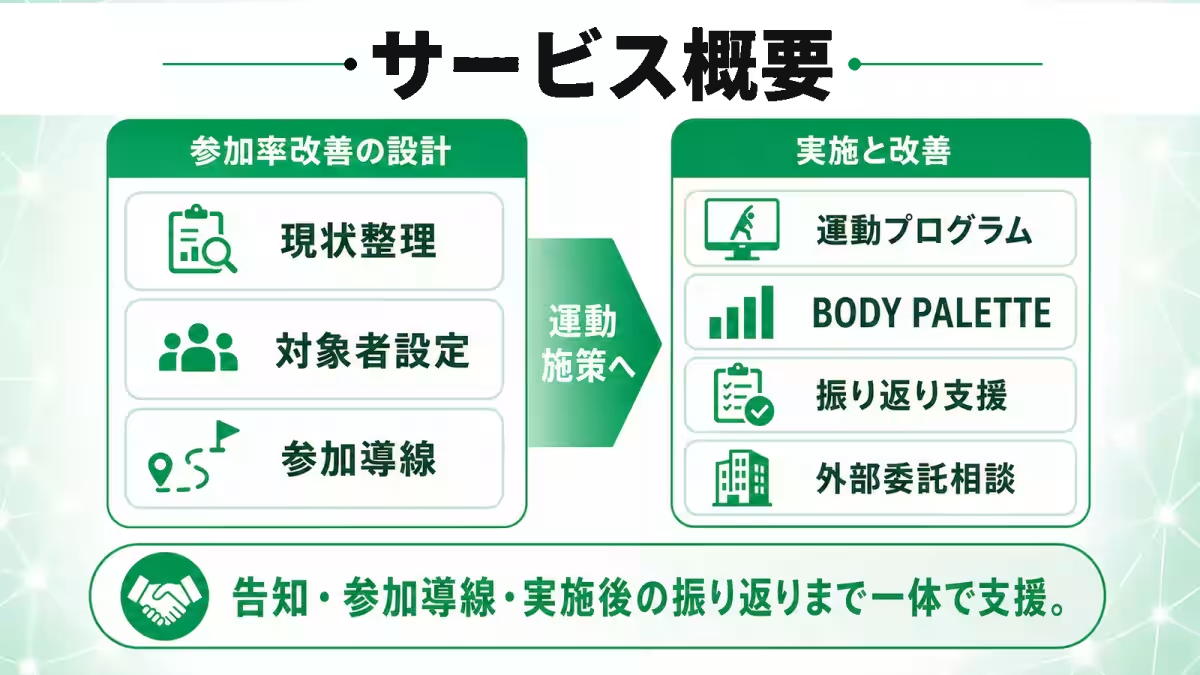
The support scheme by Fractal Workout is designed to adapt to the specifics of existing health programs and this year’s operational plans of health insurance bodies, facilitating the design and execution of exercise initiatives that are user-friendly for members. The primary facets of this support include:
1. Assessment of Existing Programs: Reviewing current health initiatives and follow-up programs to identify existing participation hurdles.
2. Target Audience Identification: Fine-tuning the definition of target groups, such as those at risk for lifestyle-related diseases or individuals worried about insufficient physical activity.
3. Pathway Design for Participation: Elaborating on convenient communication methods, optimal scheduling, and participant engagement pathways.
4. Program Offerings: Providing access to various fitness programs, including online sessions, short-duration exercises targeted for specific health concerns, and routines aimed at improving posture and mitigating fatigue.
5. Utilization of BODY PALETTE: Leveraging monthly feedback from participants to understand health trends, ensuring that future health themes are based on empirical data.
6. Post-Program Reflection: Evaluating program execution, attendance, member feedback, and potential areas for improvement, enabling refinement for upcoming initiatives.
7. Consultation for External Assistance: Discussing options for complementing existing health programs or combining multiple approaches tailored to the organization’s needs.
BODY PALETTE serves organizations through regular health assessments, enabling them to grasp the overall health trends of their employees.
Importance of Early Engagement
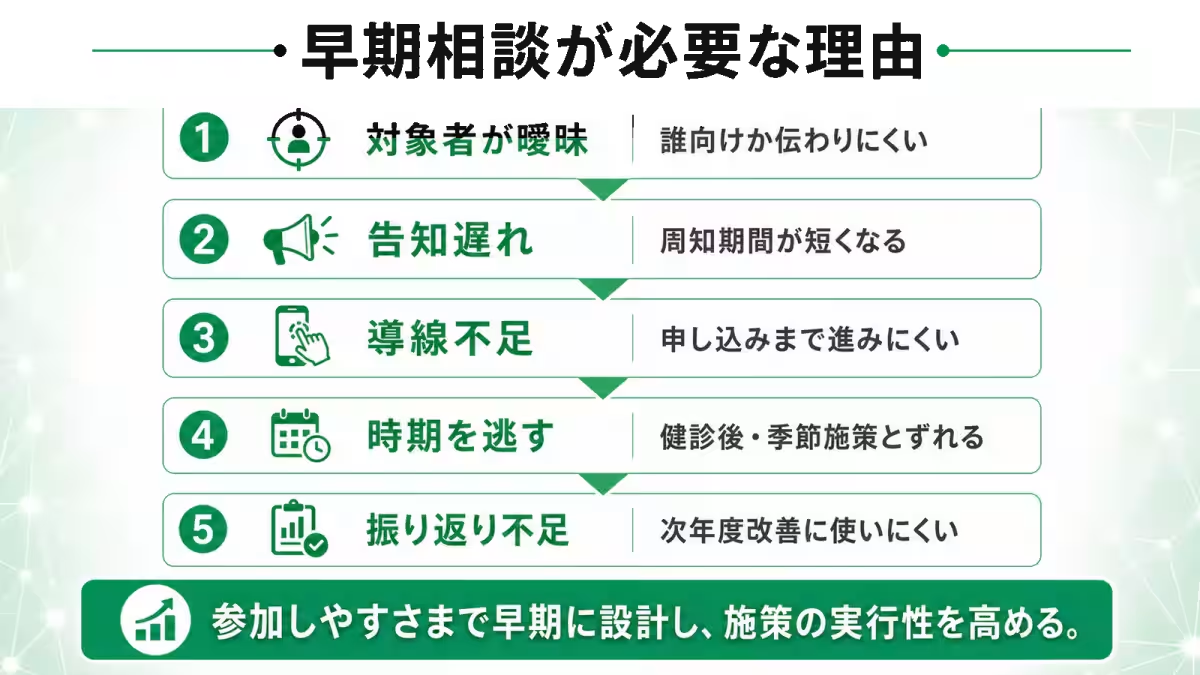
Improving participation rates in health insurance programs requires a comprehensive approach that includes timely design, communication strategies, accessibility, and reflective practices after program execution.
For instance, unclear target audience definitions can lead to miscommunication, consequently dampening members' willingness to participate. Similarly, delays in preparation can shorten awareness periods, making it difficult to attract substantial participation levels. Inadequate pathways for engagement can dissuade even intrigued members from registering or attending events.
Untimely considerations for effective program scheduling may also lead to missed opportunities, undermining the advantages of participant outreach efforts. Lastly, insufficient reflection practices can restrict the utilization of current year results for planning future initiatives.
To effectively elevate participation rates in health initiatives, programming must not only be carefully crafted but also designed to facilitate easy access for participants, thus enhancing implementation success.
Fractal Workout emphasizes a balanced division between immediate feasibility and sustainability for future years, considering the unique circumstances of each health insurance association as they address participation improvement in their programs.
Implementation Process
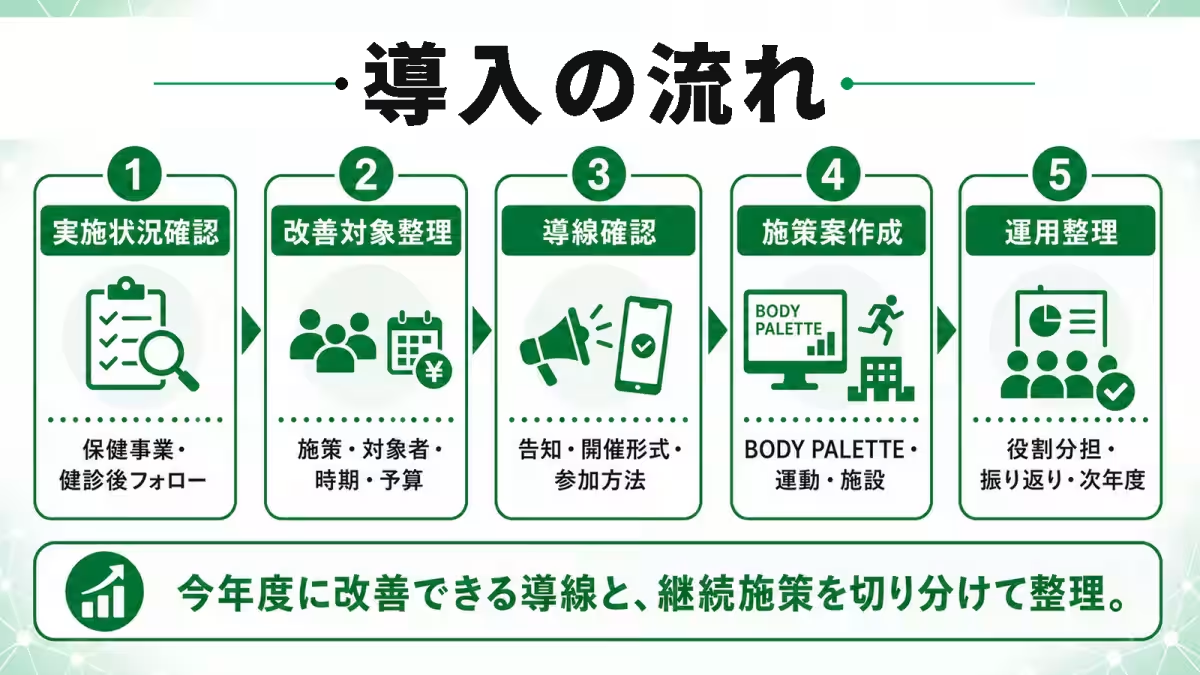
Fractal Workout's initial consultation includes reviewing the status of existing programs and health activities, determining desired outcomes regarding participation rates, and organizational targets. Following this, methods for communication, participant pathways, and sustainability practices are defined.
Potential solutions will be crafted through a combination of BODY PALETTE, online fitness resources, educational seminars, and leveraging fitness facilities. Feasibility discussions will center on timelines, assigned responsibilities, and methods for reviewing outcomes and potential expansions for future implementations. This first consultation aims to segregate immediate action items from long-term plans for continuous improvement in program participation.
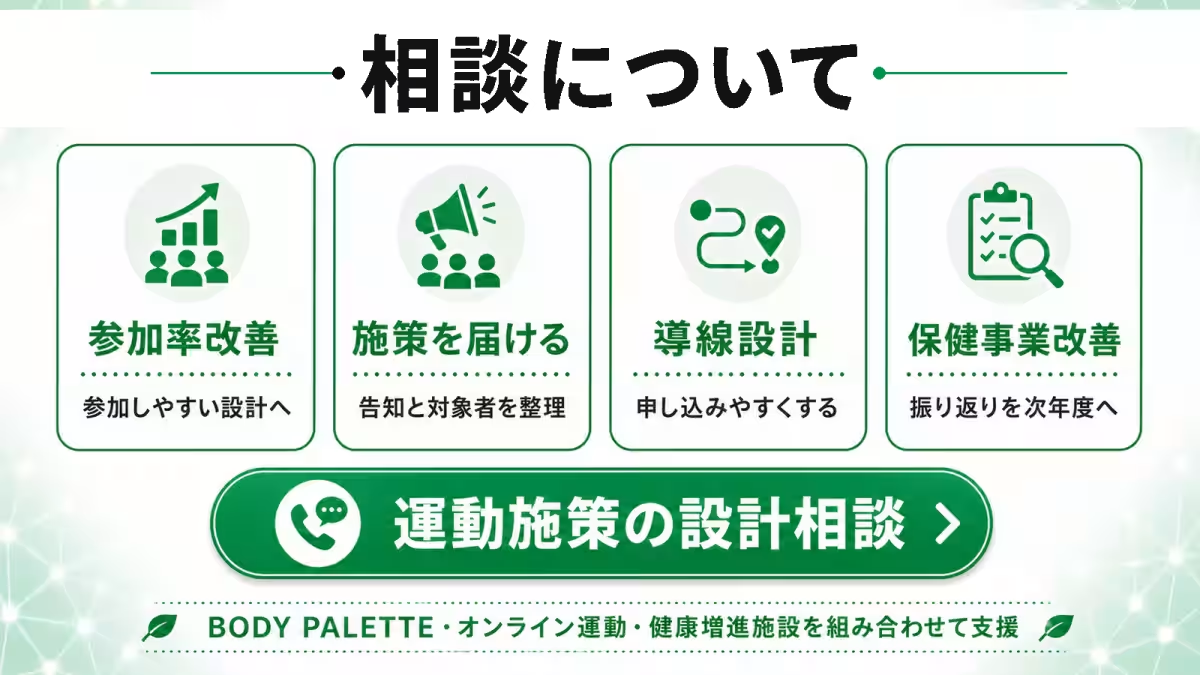
Fractal Workout is dedicated to addressing the concerns faced by health insurance agencies, such as low engagement rates, ineffective communication of initiatives, and designing access pathways for exercise initiatives. For organizations seeking to improve overall health program participation, they can reach out for assistance in developing and executing effective health initiatives.
Topics Health)



【About Using Articles】
You can freely use the title and article content by linking to the page where the article is posted.
※ Images cannot be used.
【About Links】
Links are free to use.