



Unveiling the Natural History Museum Abu Dhabi: A New Cultural Destination Opens on November 22
A New Cultural Treasure: The Natural History Museum Abu Dhabi
The highly anticipated Natural History Museum Abu Dhabi is set to welcome the public on November 22 in the Saadiyat Cultural District. As the largest museum of its kind in the region, it stands as a monumental cultural landmark for the emirate, presenting a global hub for science, nature, and education.
Spanning 35,000 square meters, the museum invites visitors to embark on a thrilling journey through 13.8 billion years of natural history—from the Big Bang and the birth of the solar system to the evolution of life on Earth, including the rise and fall of the dinosaurs. The museum promises to be a major draw for tourists and locals alike, aiming to engage everyone in discussions about our planet's past and future.
Highlights of the Museum
Among the museum's star attractions are three extraordinary specimens. One is the acclaimed Tyrannosaurus rex skeleton, affectionately known as Stan. This nearly complete fossil belongs to one of the most formidable apex predators that roamed the Earth 67 million years ago. Alongside Stan is a colossal blue whale skeleton measuring 25 meters long, which offers unique insights into marine biology and the evolution of life in our oceans. Completing the trio is the Murchison meteorite, a relic that harbors grains over 7 billion years old, tracing back to a time before our solar system existed.
Mohamed Khalifa Al Mubarak, Chairman of the Department of Culture and Tourism - Abu Dhabi, highlighted the importance of the museum, stating, “The opening of the Natural History Museum Abu Dhabi marks a critical milestone in shaping the cultural landscape of the emirate. For the first time, we present a comprehensive view of life’s history on Earth, incorporating the region's unique biodiversity, flora and fauna into the narrative.”
A Unique Perspective
This museum uniquely communicates the natural history of the Arabian Peninsula, emphasizing the region’s significant contributions to Earth’s history. Notably, scientists recently discovered an extinct species of elephant, the Stegotetrabelodon emiratus. This prehistoric elephant exhibited tusks in both its upper and lower jaws—a feature that modern elephants do not share and a testament to the remarkable biodiversity that once thrived in the area.
A Part of a Cultural Community
The Natural History Museum Abu Dhabi joins a prestigious community of institutions, including the Louvre Abu Dhabi, teamLab Phenomena, and upcoming projects like the Zayed National Museum and Guggenheim Abu Dhabi. Each of these institutions plays an essential role in establishing Abu Dhabi as a global cultural destination.
About the Museum
Founded with the mission to become a leading research institute, the Natural History Museum Abu Dhabi boasts world-class collections and experiences that excite and educate. The museum aims to offer accessible science through engaging visitor experiences and strong educational programs, working towards sustainable change through national and global collaboration.
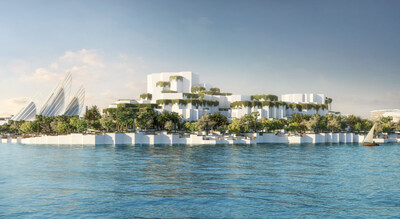
Architecturally designed by the innovative firm Mecanoo, this facility invites visitors on an immersive journey through time. It showcases the history of life on Earth from the universe's inception to our responsibilities for the future of our planet.
From rare meteorites and iconic dinosaur fossils to exploring Abu Dhabi's submerged world and current life, the museum effectively connects the past, present, and future. The interactive exhibits and community science programs ensure it remains a vibrant hub of curiosity and exchange for families, students, researchers, and lifelong learners.
A Commitment to the Future
More than just a museum, the Natural History Museum Abu Dhabi aspires to be a global center of excellence in research. Advanced laboratories will propel studies in paleontology, geosciences, biodiversity research, conservation, and community science, fostering international collaboration for a healthier planet.
With a firm commitment to science, sustainability, and global dialogue, the museum aspires to inspire visitors of all ages to engage with nature and shape our collective future.
Topics Entertainment & Media)
【About Using Articles】
You can freely use the title and article content by linking to the page where the article is posted.
※ Images cannot be used.
【About Links】
Links are free to use.