



Research Reveals Insights into End-of-Life Planning for Seniors Aged 65 and Above
Insights on End-of-Life Planning Among Seniors
Introduction
Life expectancy has continually increased, and as Japan approaches 2025, the 'baby boomer' generation will transition into their late 70s. Understanding when and how seniors begin their end-of-life planning, known as 'shukatsu', is crucial in today's world, where many live to see their 100th birthday.
The Survey
Conducted by Shukatsu to Sōzoku no Madoguchi, this study surveyed 331 men and women aged 65 and above who express a willingness to engage in end-of-life planning. The focus was to uncover when most individuals begin this process and what influences their decisions.
Key Findings
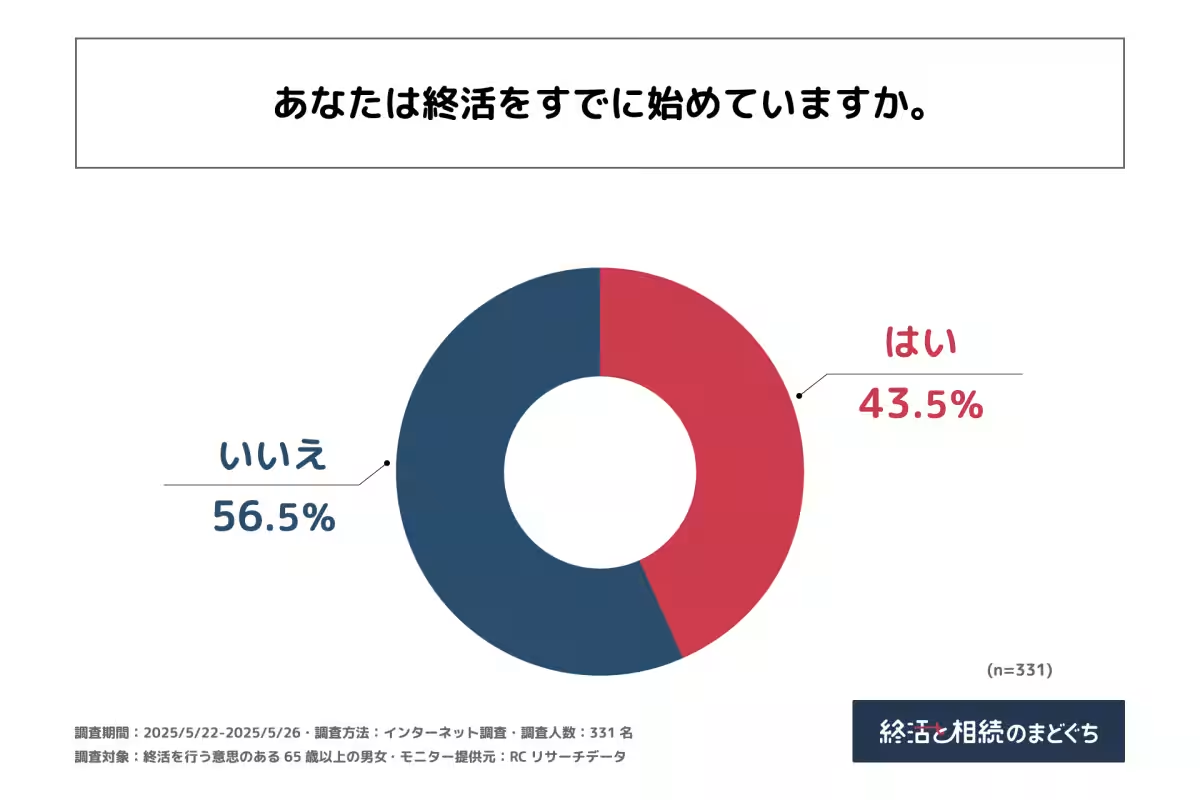
1. Current Engagement: Over 43% of respondents reported that they have already begun their shukatsu process. This shows a significant awareness and willingness among seniors to take control over their end-of-life arrangements.
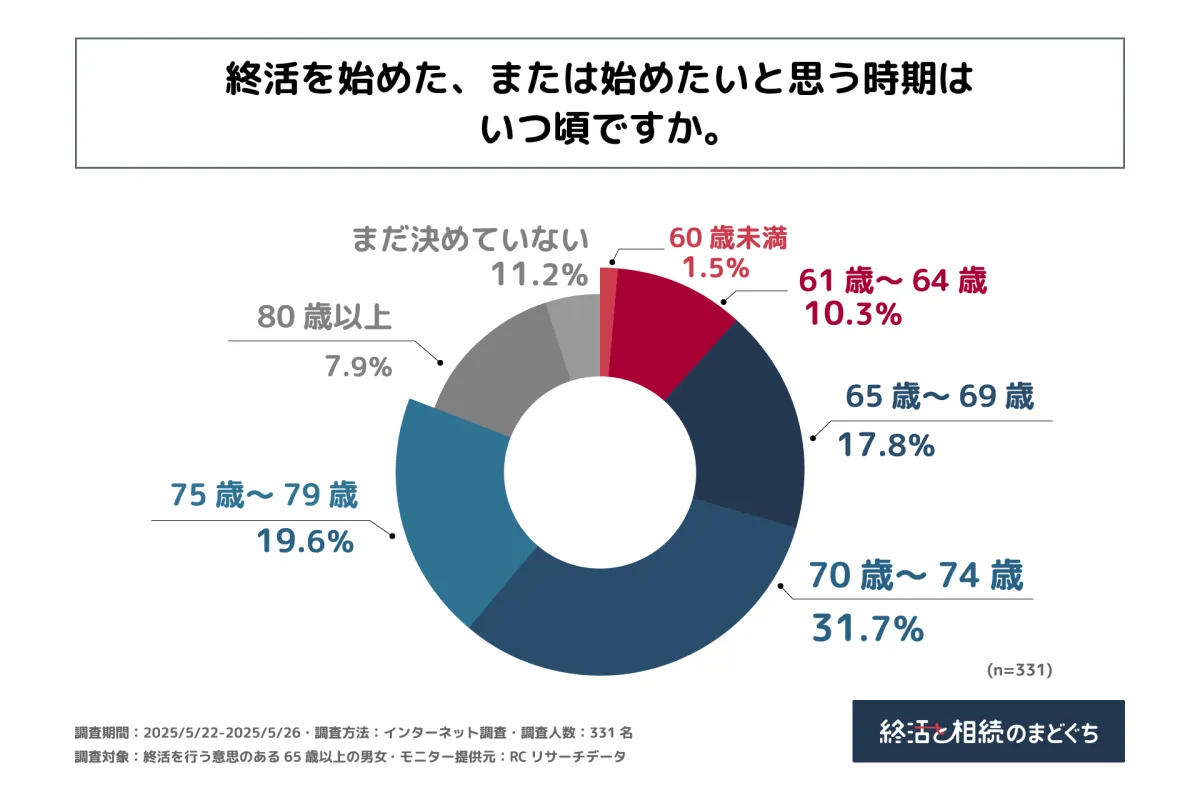
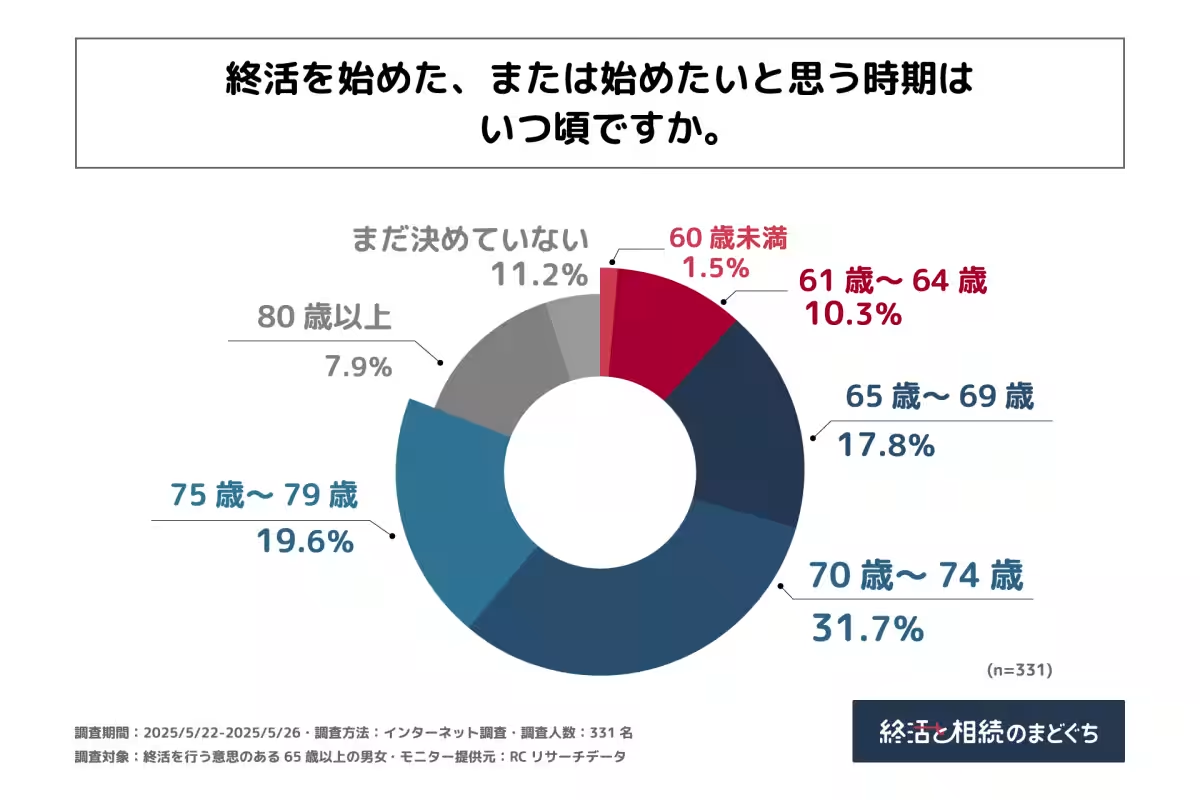
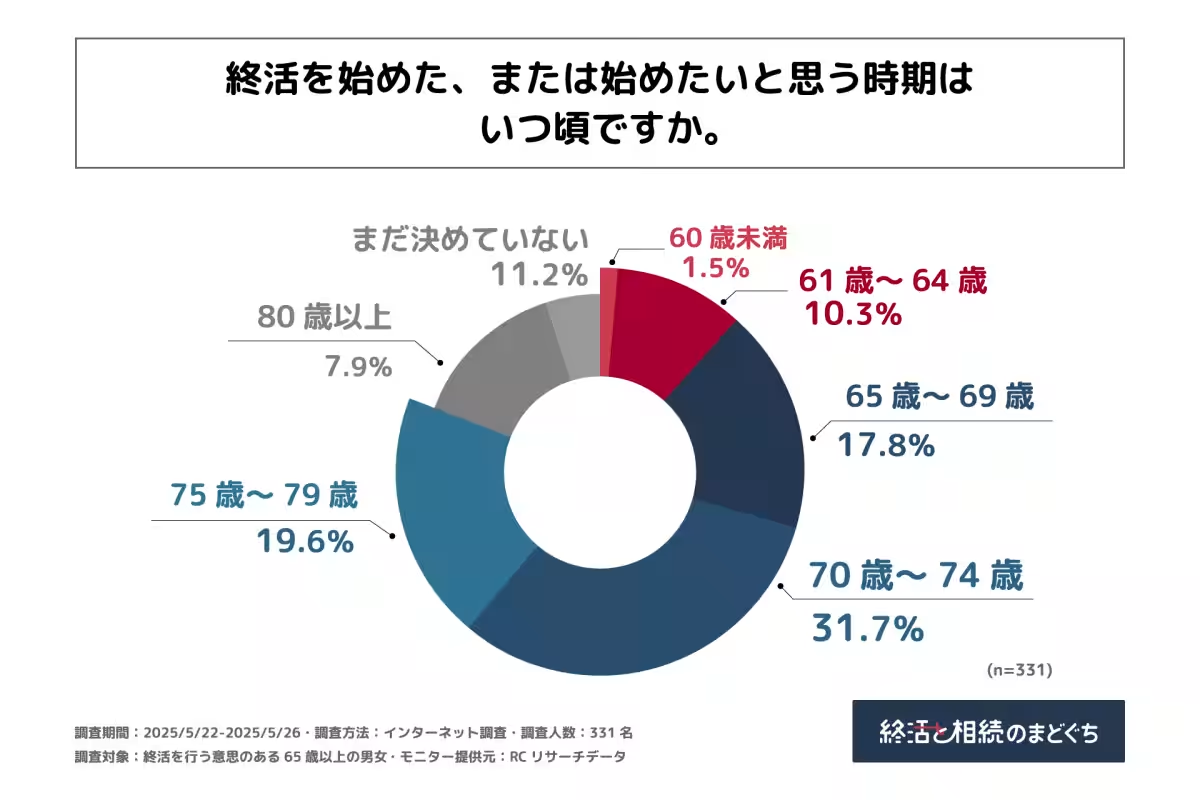
2. Preferred Starting Age: The majority indicated they either have started or intend to start their planning between the ages of 70 to 74, with 31.7% selecting this range. Following closely were those who wish to begin between 75 to 79 (19.6%) and 65 to 69 (17.8%). This data suggests a clear trend toward a proactive approach within this age group.
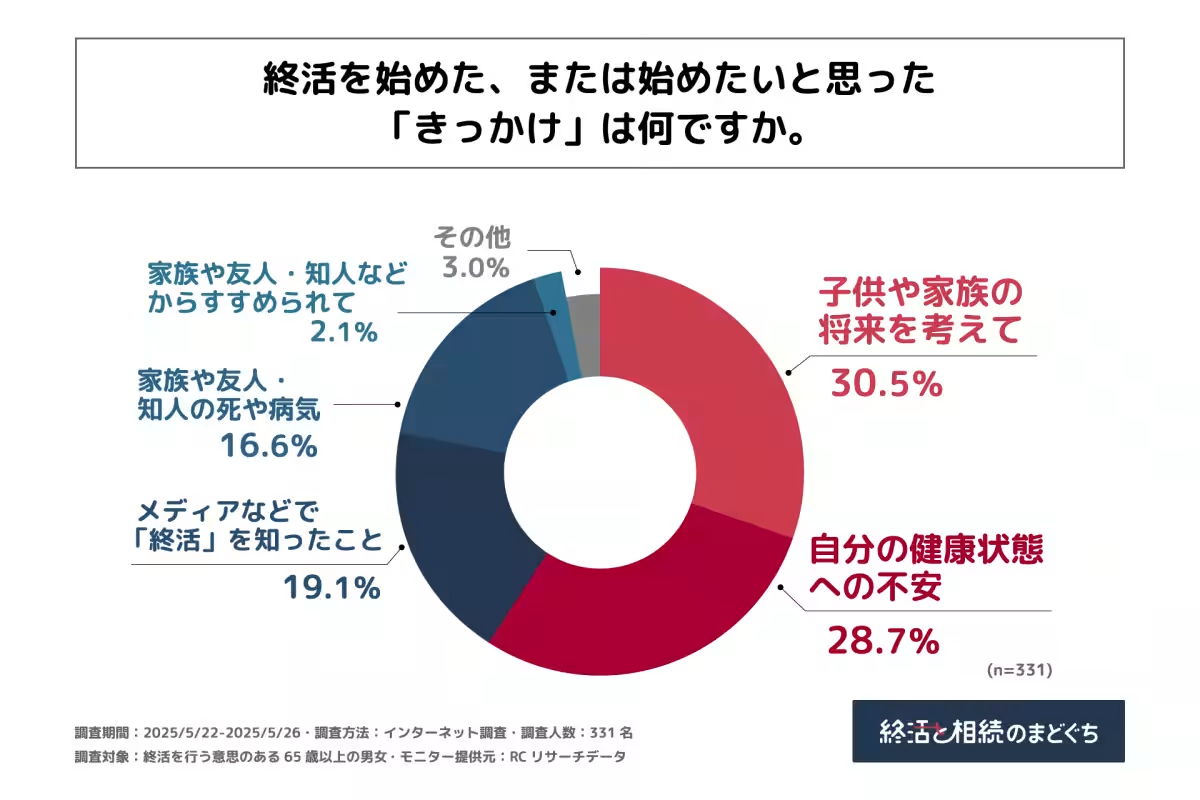
3. Motivations: The primary reasons for initiating end-of-life planning were to consider the futures of children and family (30.5%) and personal health concerns (28.7%). These motivations highlight the familial and personal dimensions driving seniors to engage in shukatsu.
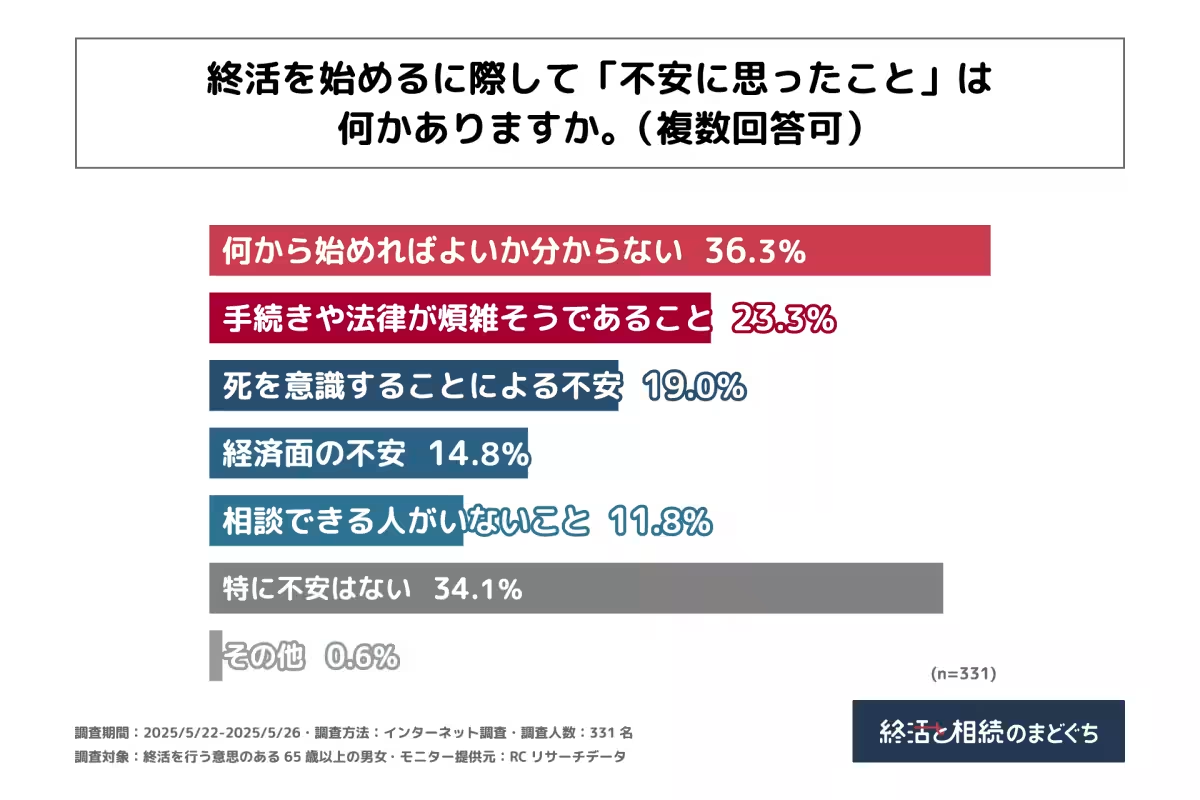
4. Concerns About Starting: A major concern for nearly 36.3% of participants was uncertainty about how to begin. This indicates that, despite the willingness to plan, there are barriers related to knowledge and guidance.
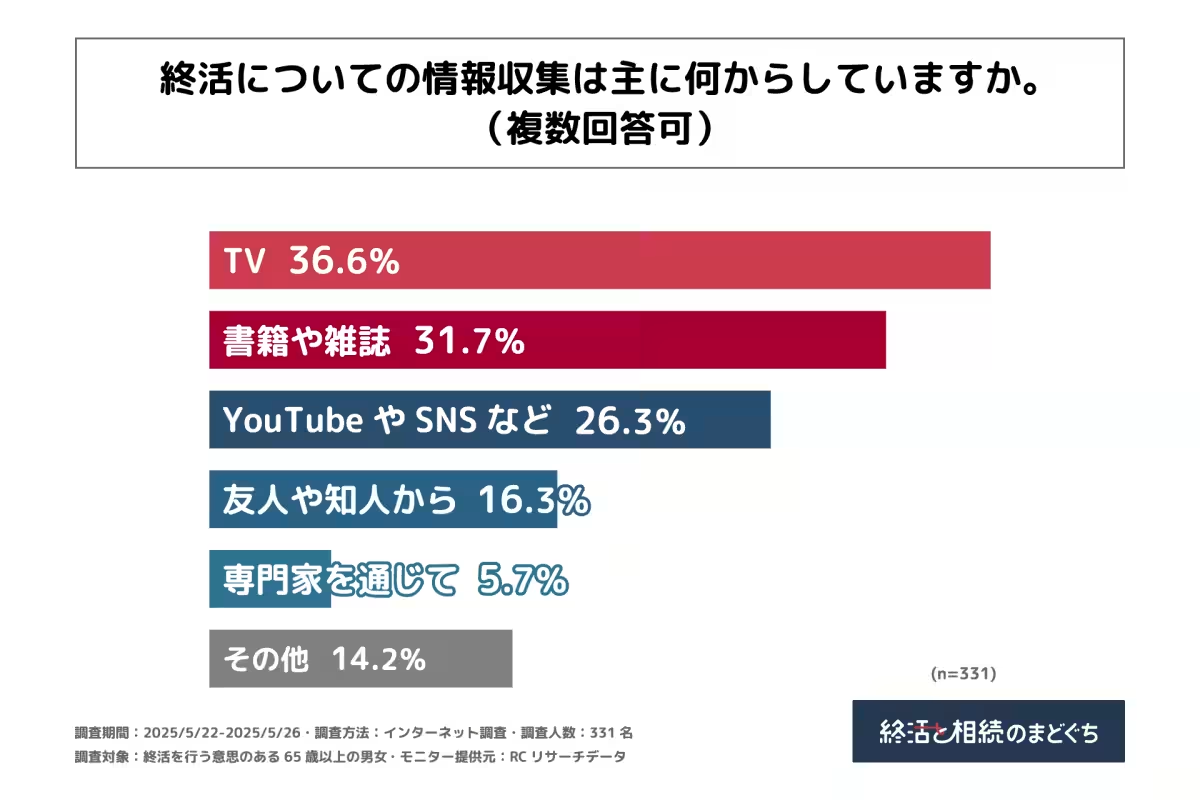
5. Information Sources: Most respondents relied on traditional media, with 36.6% using television and 31.7% turning to books and magazines for information on shukatsu. This reflects a preference for established sources of knowledge over digital alternatives.
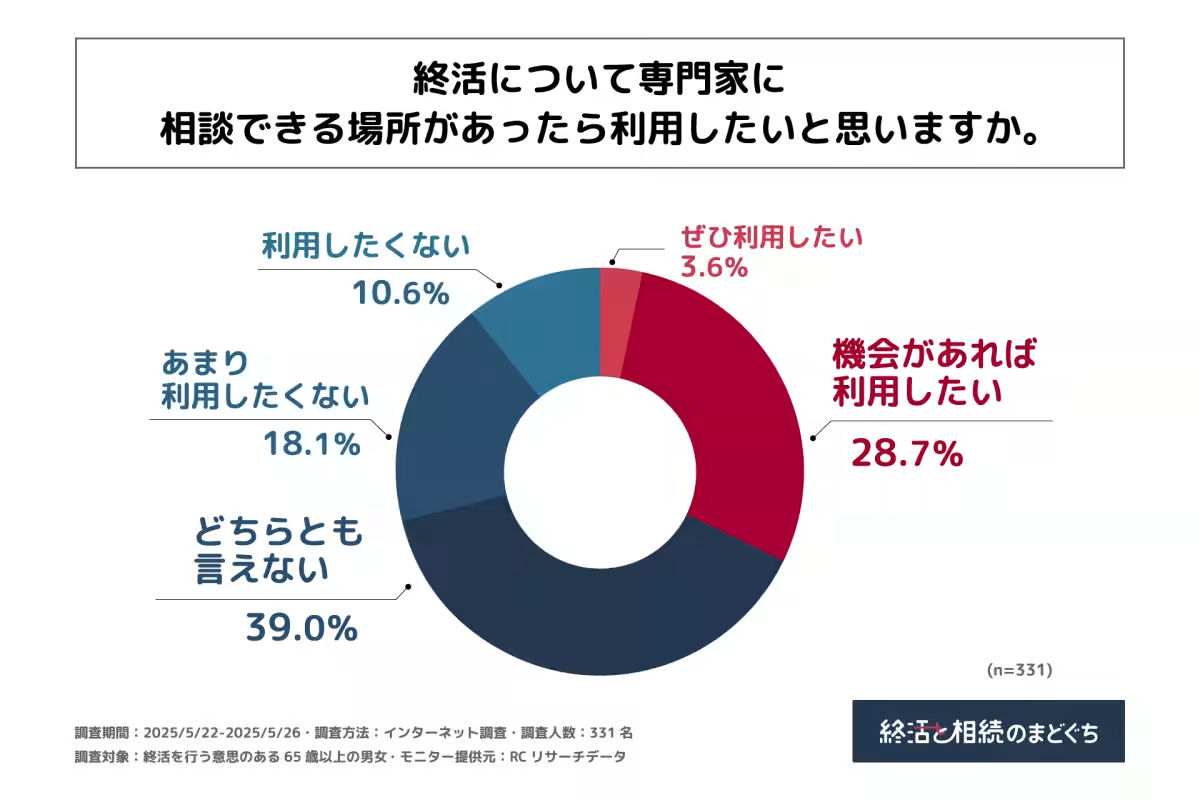
6. Consultation Willingness: Approximately 30% of seniors expressed interest in consulting professionals about their shukatsu options if given the opportunity. This interest indicates a potential need for more accessible resources and expert advice for seniors.
Conclusion
In summary, many seniors show a strong inclination towards engaging in end-of-life planning, with the most favored age being 70 to 74. Key drivers for this planning are family considerations and health fears, while significant uncertainty exists regarding where to begin the process. Traditional media remains a primary source of information, and there’s a pronounced interest in professional consultations regarding shukatsu.
To support seniors, facilities like Shukatsu to Sōzoku no Madoguchi in Shinjuku offer free consultations. These services are designed to guide individuals through the complexities of shukatsu, easing concerns about starting this essential process. They provide tailored planning solutions that can significantly streamline end-of-life preparations for seniors.
About Shukatsu to Sōzoku no Madoguchi
Located in the Nishi-Shinjuku area of Shinjuku Ward, Japan, Shukatsu to Sōzoku no Madoguchi provides a comprehensive concierge service for end-of-life planning. Their goal is to help individuals organize their past and design their future, ensuring that each person's journey is fulfilled. To learn more, please visit their website: Shukatsu to Sōzoku no Madoguchi or explore their company information at Shukatsu Co., Ltd.

Topics People & Culture)
【About Using Articles】
You can freely use the title and article content by linking to the page where the article is posted.
※ Images cannot be used.
【About Links】
Links are free to use.