



Discover the Surprising Causes and Solutions for Nocturia in Middle-Aged Adults
The Surprising Impact of Nocturia on Sleep Quality
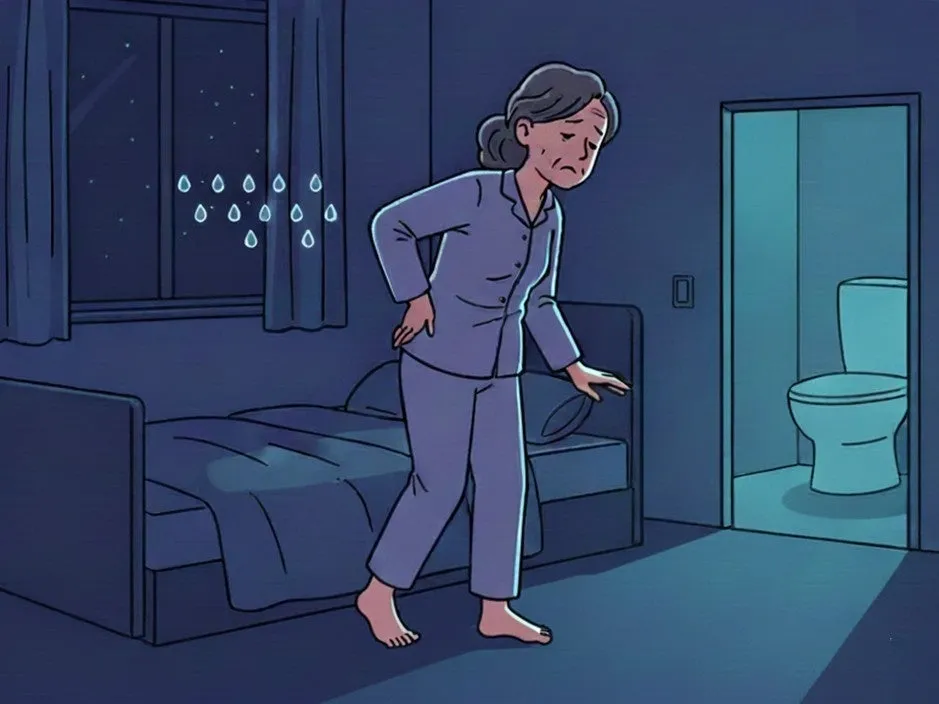
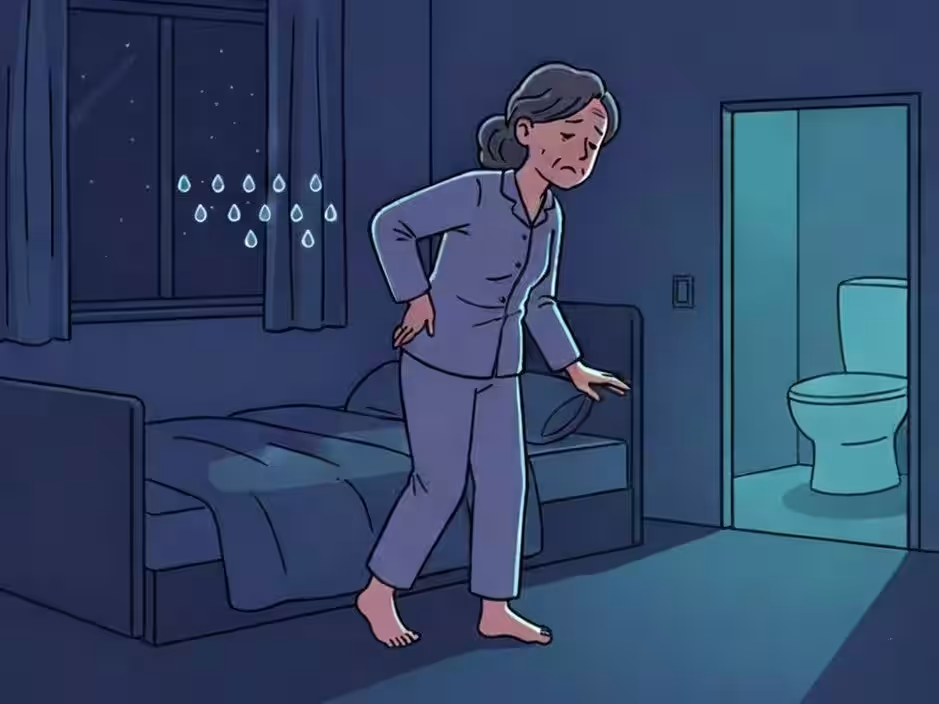
As the colder months approach, many begin experiencing nocturia, or nighttime urination, which significantly disrupts sleep. Recent research conducted by renowned physiotherapist Yoshihiro Yamauchi, who oversees the popular YouTube channel '腰痛・肩こり駆け込み寺', reveals that over 65% of middle-aged and elderly individuals report waking up at night to use the bathroom. In a survey targeting 300 adults aged between 45 and 70 who struggle with sleep, nocturia emerged as the most substantial factor affecting sleep quality.
Survey Overview
On January 6, 2026, the survey was conducted via the internet. It focused on individuals who reported having difficulty sleeping soundly or feeling unrested multiple times a week. The responses indicated a significant insight into the relationship between nocturia and sleep disruption.
Key Findings
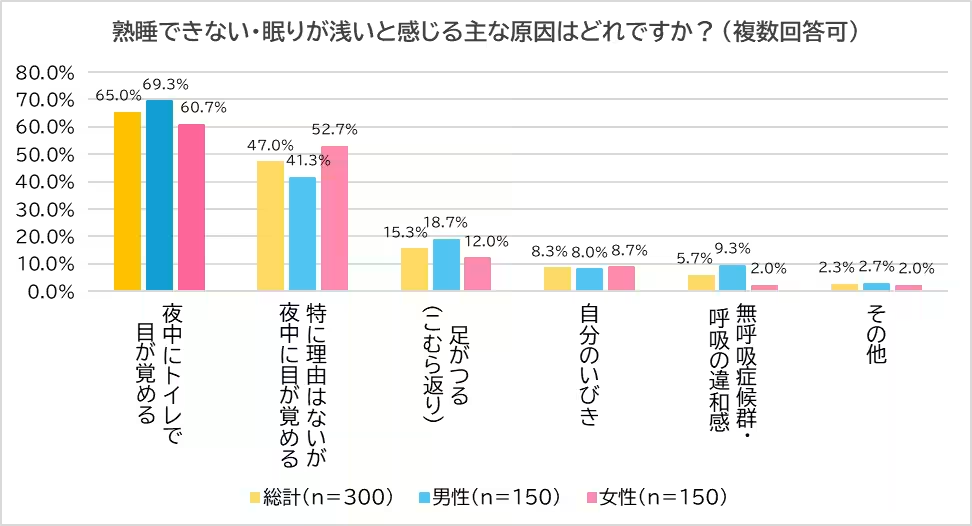
Among those surveyed, about 60% pointed to nocturia as the primary culprit for their inability to sleep well, surpassing any other causes. Under the gender lens, the numbers showed a notable pattern: over 69% of men and 60% of women acknowledged that waking up to urinate contributed to their fragmented sleep.
Next in line were respondents who cited no particular reason for waking up at night (47% overall). Other causes, such as leg cramps or sleep apnea, accounted for less than 20% of responses, underscoring nocturia's dominant role in sleep disturbances.
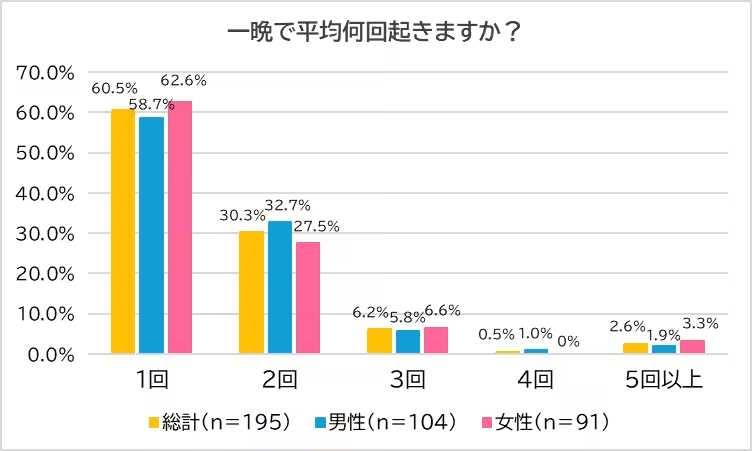
Moreover, for those who experienced nocturia, the survey discovered that approximately 60% woke up only once during the night, while around 30% reported waking up twice and about 10% experienced three or more awakenings. These frequent disruptions can lead to chronic sleep deprivation and associated risks like falls or fractures during the day.
Actions Taken by Respondents
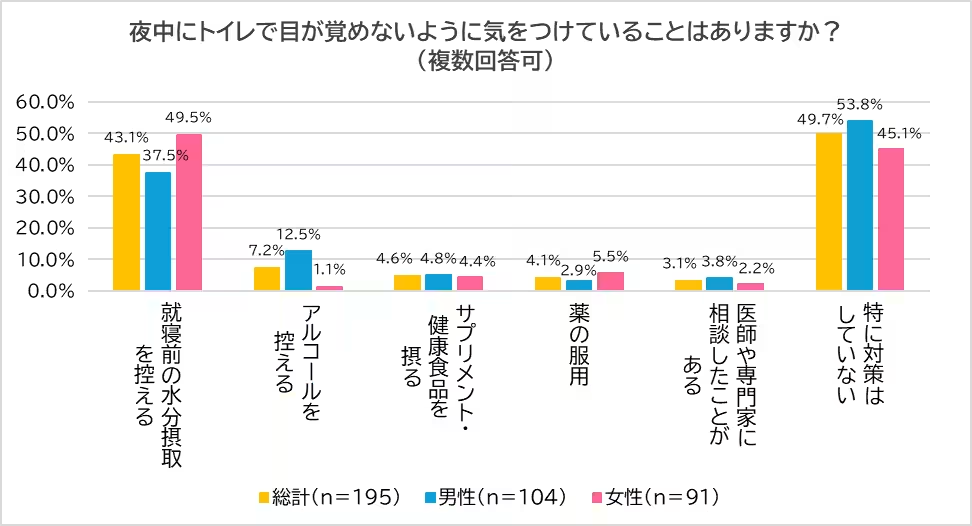
When asked about strategies to manage nocturia, the most common response was limiting fluid intake before bedtime (43%), but it remains concerning that nearly half of the individuals reported taking no specific measures to address the problem. This reveals a prevalent attitude of resignation among many individuals, who assume that such disturbances are an inevitable part of aging.
Understanding Nocturia with Yoshihiro Yamauchi
The research findings shed light on nocturia's prevalence among those aged 45 and above, successfully illustrating its correlation with sleep quality. In response, Yamauchi calls attention to two main causes of nocturia:
Causes of Nocturia
1. Overactive Bladder:
A dysfunction of the autonomic nervous system can limit the bladder's ability to hold sufficient urine, prompting frequent urges to empty it, even if only small amounts of urine are present.
2. Blood Accumulation in the Calves (Second Bladder):
Many are unaware that decreased blood flow in the calves, often due to sedentary lifestyles, can contribute to nocturia. With insufficient return of blood to the heart, the excess blood in the lower body tends to flow back into circulation when lying down, stimulating kidney activity and leading to urination shortly after falling asleep.
Self-Assessment for Susceptibility to Nocturia
Yamauchi provides self-check tests for those concerned about nocturia:
- - Check 1: Leg Swelling:
- - Check 2: Ankle Flexibility:
Self-Care Techniques by Yamauchi
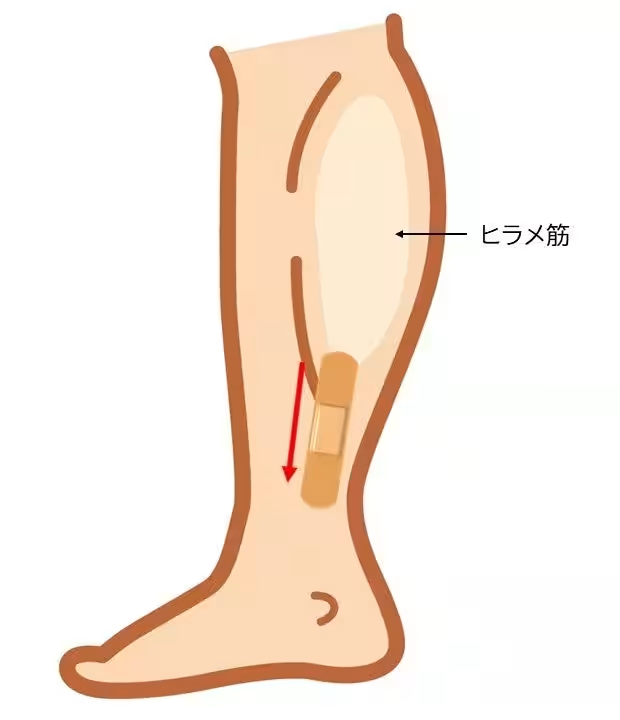
Using a band-aid on the deep-lying calf muscles known as the 'gastrocnemius' can enhance muscle activity. A methodological approach includes:
- - Apply the band-aid where the muscle bulges when pressing.
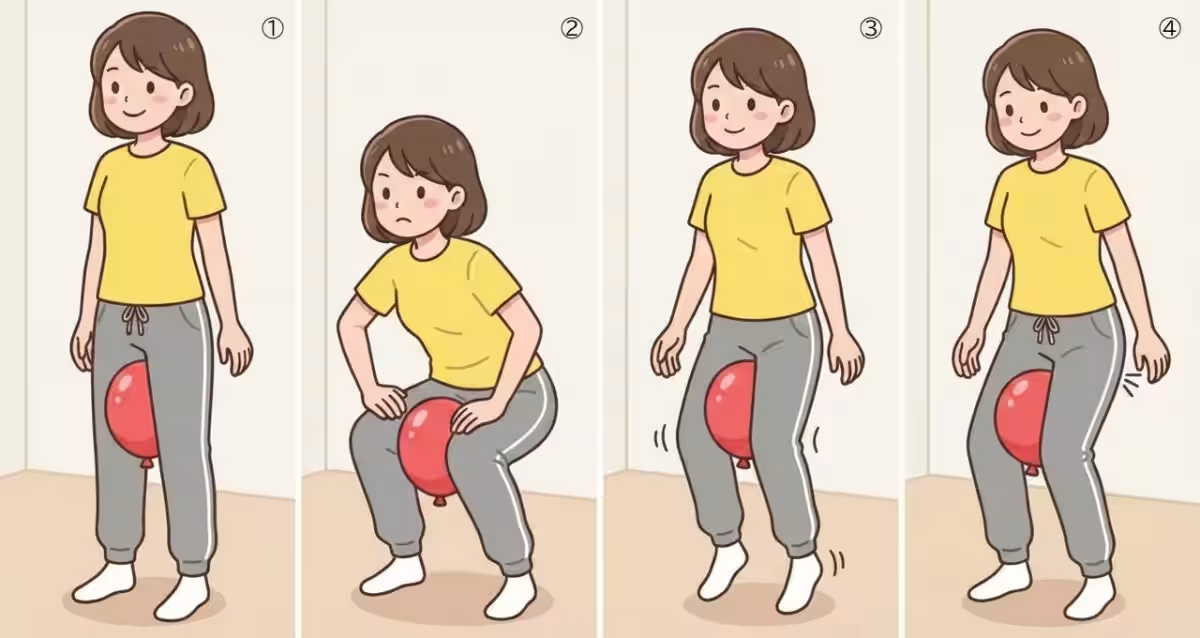
- - Incorporate exercises with a small balloon to develop pelvic floor strength and control during squats and up/down knee movements.
The Path to Improvement
Nocturia does not solely stem from aging. Enhancing calf blood flow and muscle function is vital in reducing nighttime bathroom visits and improving sleep quality. It is crucial to monitor changes in swelling and mobility after self-care practices. Establishing a habit of evening blood flow regulation could significantly safeguard sleep and overall health.
About Yoshihiro Yamauchi
Born in 1970 in Nagoya, Japan, Yamauchi boasts over 20 years of physiotherapy experience and has over 1.5 million followers on YouTube. He has treated over 25,000 cases and passionately aims to eliminate unnecessary surgeries and medications through his unique treatment methods and self-care strategies, advocating for a pain-free life for everyone. His works include titles like 'Kori to Itami no Kakekomi-Dera' and 'Kintsu no Kenkoho'. Additionally, he has developed 'Yamauchi Style Band-Aids' and actively shares his knowledge across various platforms.

Topics Health)

【About Using Articles】
You can freely use the title and article content by linking to the page where the article is posted.
※ Images cannot be used.
【About Links】
Links are free to use.