



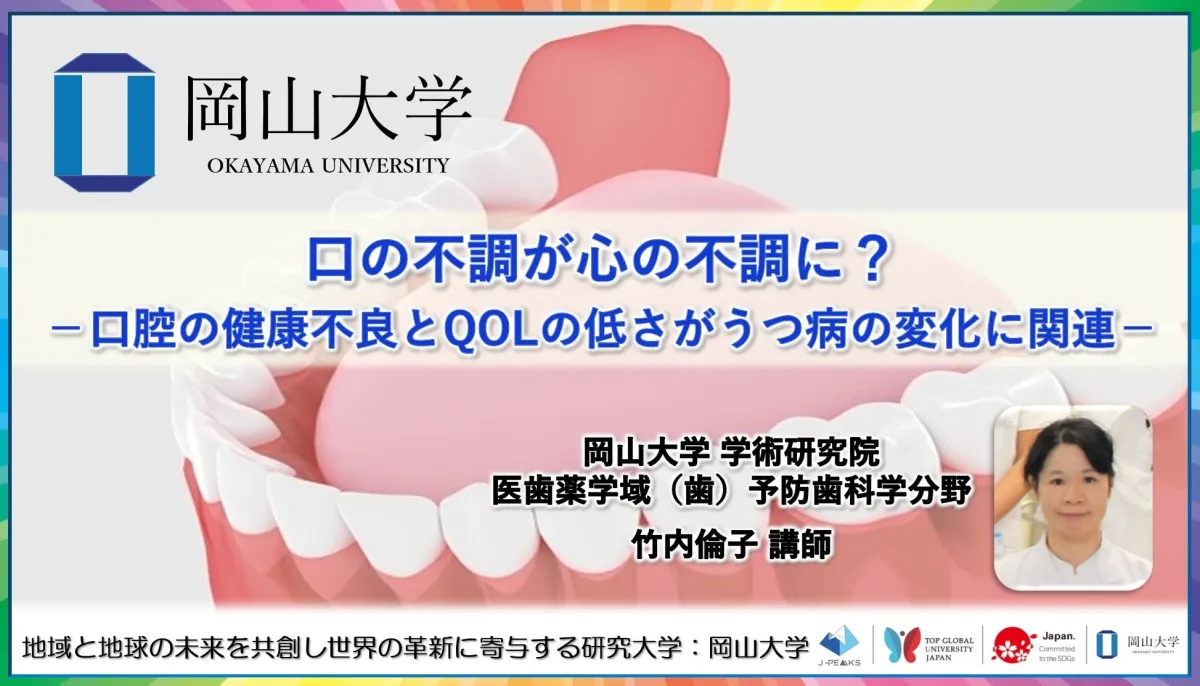
The Connection Between Oral Health and Mental Health: Insights from Okayama University
The Connection Between Oral Health and Mental Health: Insights from Okayama University
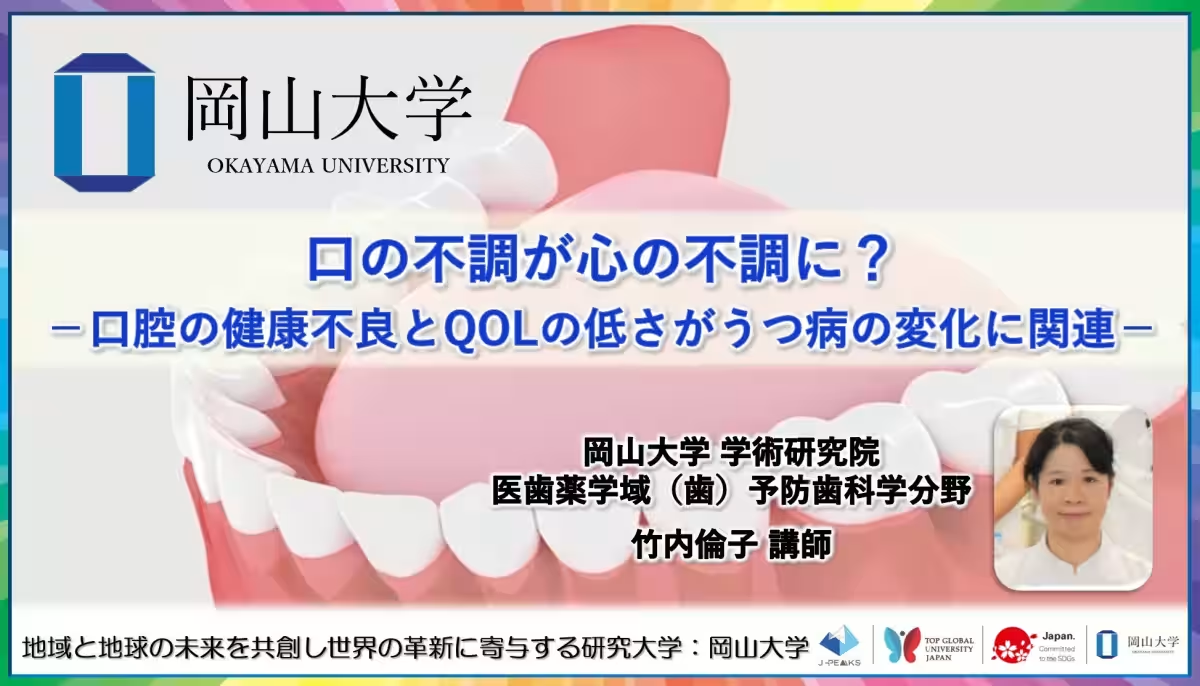
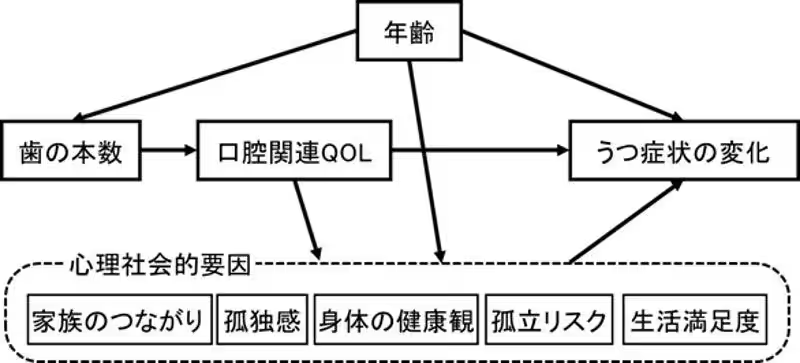
Recent research from Okayama University reveals a concerning link between oral health and mental health. The study indicates that individuals who experience poor oral health and quality of life related to their oral condition are more likely to report a transition from being depression-free to experiencing depressive symptoms within a year.
The research, conducted by a team led by lecturer Noriko Takeuchi and Professor Daisuke Ekuni, dives deep into the relationships among oral health, quality of life (QOL), and mental health outcomes. It was published in the January 4, 2026 edition of the Swiss journal, Journal of Clinical Medicine. The findings underscore the necessity of integrated support systems that address both oral and mental health, suggesting potential implications for community health initiatives.
Key Findings of the Study
The essence of the study centers on two critical components: the oral health status of individuals and their self-reported quality of life in relation to oral health. The team found that those with poor oral health conditions and lower oral health-related QOL scores were more susceptible to self-reported depression after a year. This raises essential questions about the psychological ramifications of neglecting oral health.
Importance of Oral Health
Oral health is often perceived as separate from overall health. However, this research indicates that maintaining good oral hygiene can potentially prevent depressive episodes. This correlation highlights the importance of considering psychological support and preventative measures within healthcare systems, particularly in regions where mental health resources are limited.
Lecturer Noriko Takeuchi emphasizes, "Everyday oral issues that might seem trivial could significantly influence one’s mental state. Paying attention to oral health is not just about maintaining a smile but is vital for mental well-being." This perspective encourages individuals and healthcare providers alike to prioritize oral care as part of mental health maintenance strategies.
Implications for Community Health Policies
The implications of this research are extensive. By understanding the relationship between oral health and mental health outcomes, policymakers and healthcare providers can develop more holistic approaches to patient care. It advocates for community health policies that integrate dental services with mental health support programs. This could lead to more effective interventions, targeting individuals who may not traditionally seek help for mental health challenges, thereby improving overall health outcomes in the population.
Research Funding and Collaboration
This study was supported by various organizations including the Mental Health Okamoto Memorial Foundation and multiple grants from the Japan Society for the Promotion of Science. These collaborations emphasize the importance of funding and resources in investigating interconnected health issues.
Furthermore, the participation of Tohoku University’s Takahiro Tabuchi and his team demonstrates the value of interdisciplinary research in tackling complex health concerns that impact society as a whole.
Conclusion
The findings from Okayama University's study compel us to consider oral health as a critical aspect of overall wellness, particularly regarding mental health. By prioritizing oral hygiene and integrating oral health services into mental health care strategies, communities could experience a significant reduction in depression rates. This calls for increased awareness, education, and policy reform to ensure that oral health care receives the attention it deserves, ultimately fostering a healthier population both mentally and physically.
For further exploration, refer to the published article titled Oral Health-Related Quality of Life and Self-Reported Oral Health Status Are Associated with Change in Self-Reported Depression Status: A Cohort Study available here.






Topics Health)
【About Using Articles】
You can freely use the title and article content by linking to the page where the article is posted.
※ Images cannot be used.
【About Links】
Links are free to use.