



Understanding the Truth About Chocolate's Role in Acne: A Valentine's Day Survey
Introduction
As Valentine's Day approaches, chocolate consumption rises, and with it, concerns about skin breakouts. Despite common misconceptions, recent findings indicate that chocolate consumption is not a direct cause of acne. A survey conducted by the IC Clinic, which operates dermatology and aesthetic clinics in Tokyo, examined the relationship between chocolate and skin health. It involved 300 participants ranging from their 20s to 50s, aiming to clear the air around the myth that chocolate contributes to acne.
Survey Summary
The survey revealed several key points:
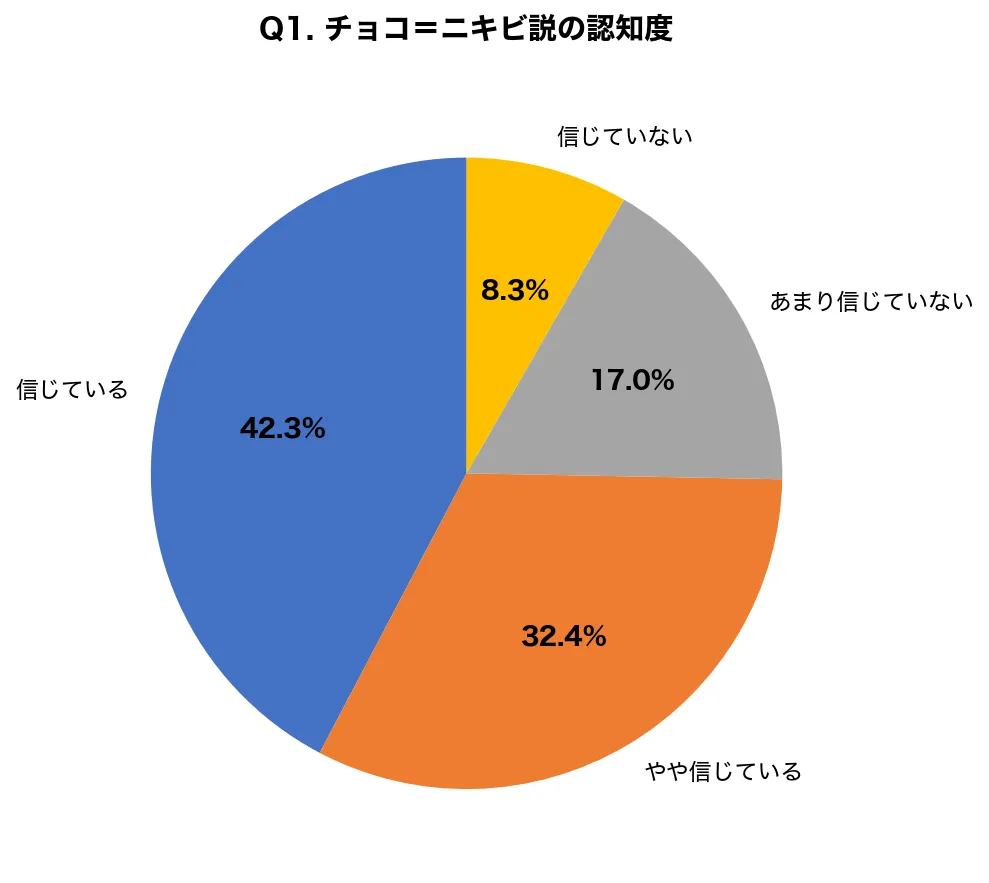
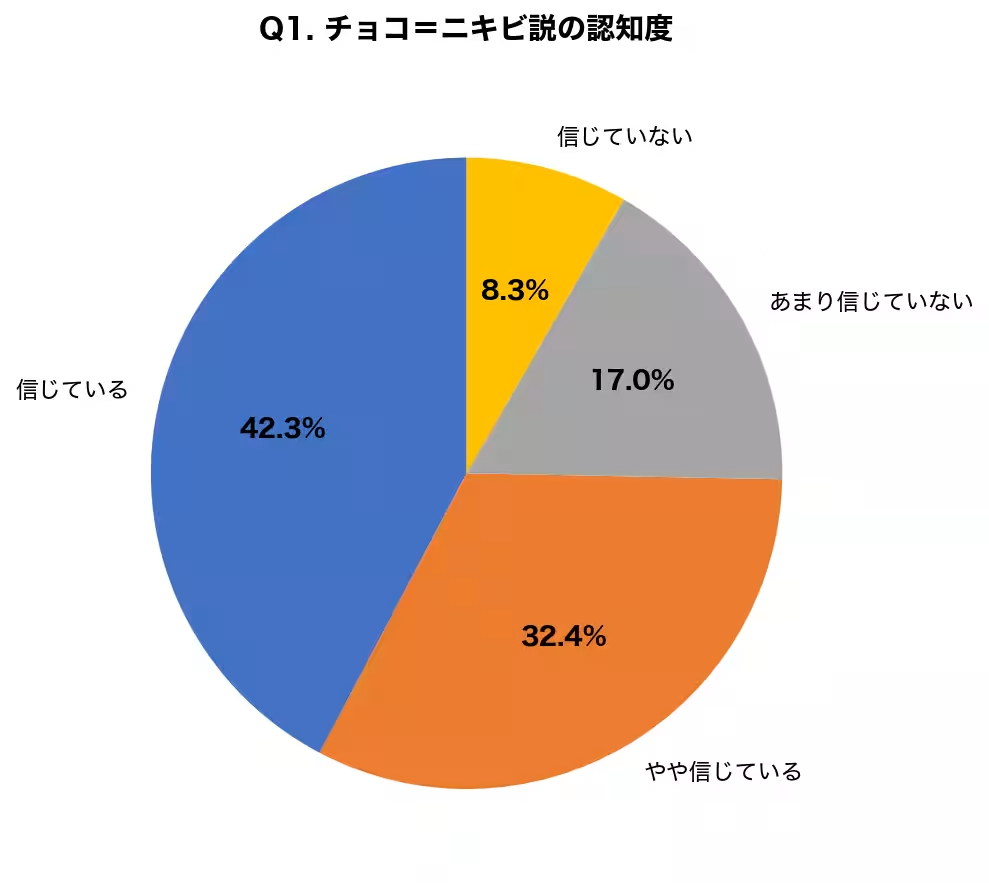
- - A staggering 74.7% of respondents believe eating chocolate leads to acne.
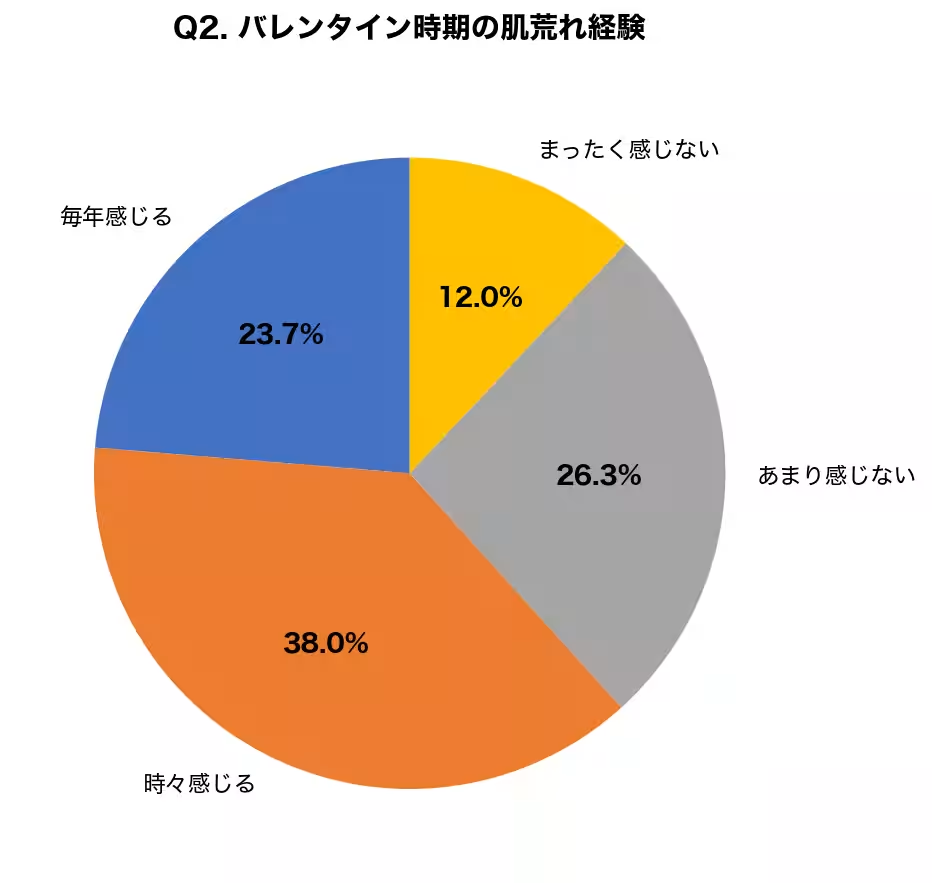
- - 68.3% of individuals reported experiencing skin issues during the Valentine's season.
- - When correlating factors, stress levels had a 2.1 times higher correlation with skin conditions than chocolate intake.
Understanding Adult Acne
Adult acne generally manifests after the age of 20, often linked to various factors such as hormonal imbalances, stress, inadequate sleep, and poor dietary habits. It tends to appear around the jawline and mouth, and unlike teenage acne, it can leave lasting scars.
Analysis of Chocolate Types
The survey also led to insights about how different types of chocolate can affect skin health:
- - Dark Chocolate (over 70% cocoa): Contains plenty of cacao polyphenols which provide antioxidant effects that can benefit skin health.
- - Milk Chocolate: Contains moderate sugar and fat, posing some risk to skin health if consumed in excess.
- - White Chocolate: Lacks cacao polyphenols and is higher in sugar, making it the least beneficial option for skin health.
| Comparison Item | Dark Chocolate (70%+) | Milk Chocolate | White Chocolate |
|---|---|---|---|
| ----- | ----- | ----- | ----- |
| Cacao Polyphenols | High | Moderate | None |
| Sugar Content (per 100g) | 25-30g | 50-55g | 55-60g |
| GI Value | 22 (Low) | 51 (Medium) | 44 (Medium) |
| Milk Fat Content | Low | High | Very High |
| Skin Impact (Moderate) | Positive potential | Caution advised | High risk |
| Recommended Daily Intake | 25g | 15g | Minimal |
Misconceptions and Real Causes
Despite the beliefs about chocolate causing acne, the real reasons behind skin issues during Valentine's seem to stem from more common factors:
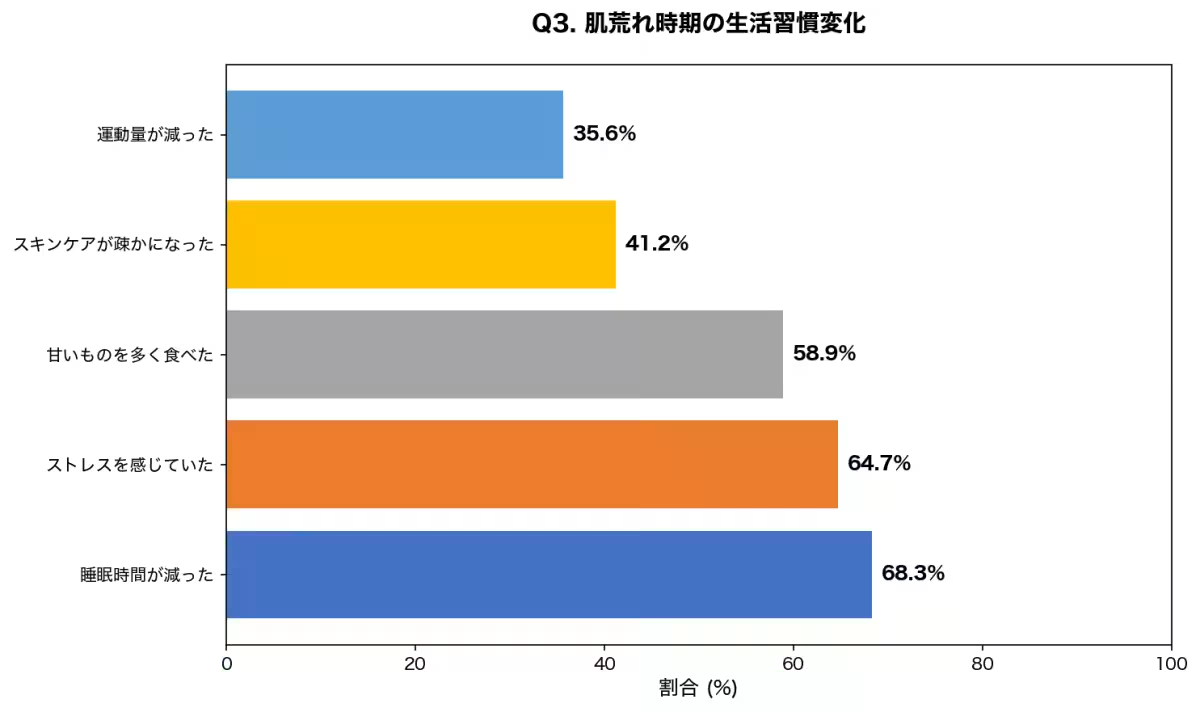
1. Sleep Deprivation: Over 68% of respondents reported a decrease in sleep time during this period.
2. Stress: With the end of the fiscal year approaching, many experience heightened stress levels affecting overall health, showing a profound impact on skin appearance.
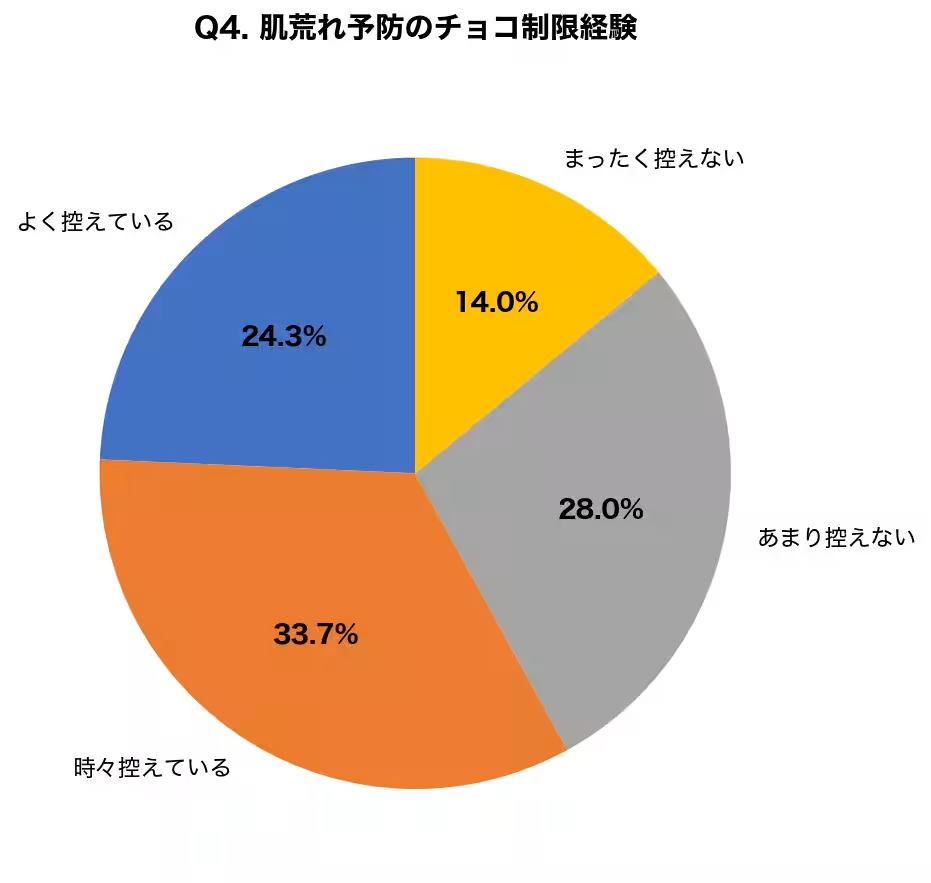
Interestingly, 58% of participants had previously refrained from eating chocolate due to the misconception that it causes acne. This indicates a concerning trend where individuals are unnecessarily limiting their diets based on unfounded fears.
Need for Education
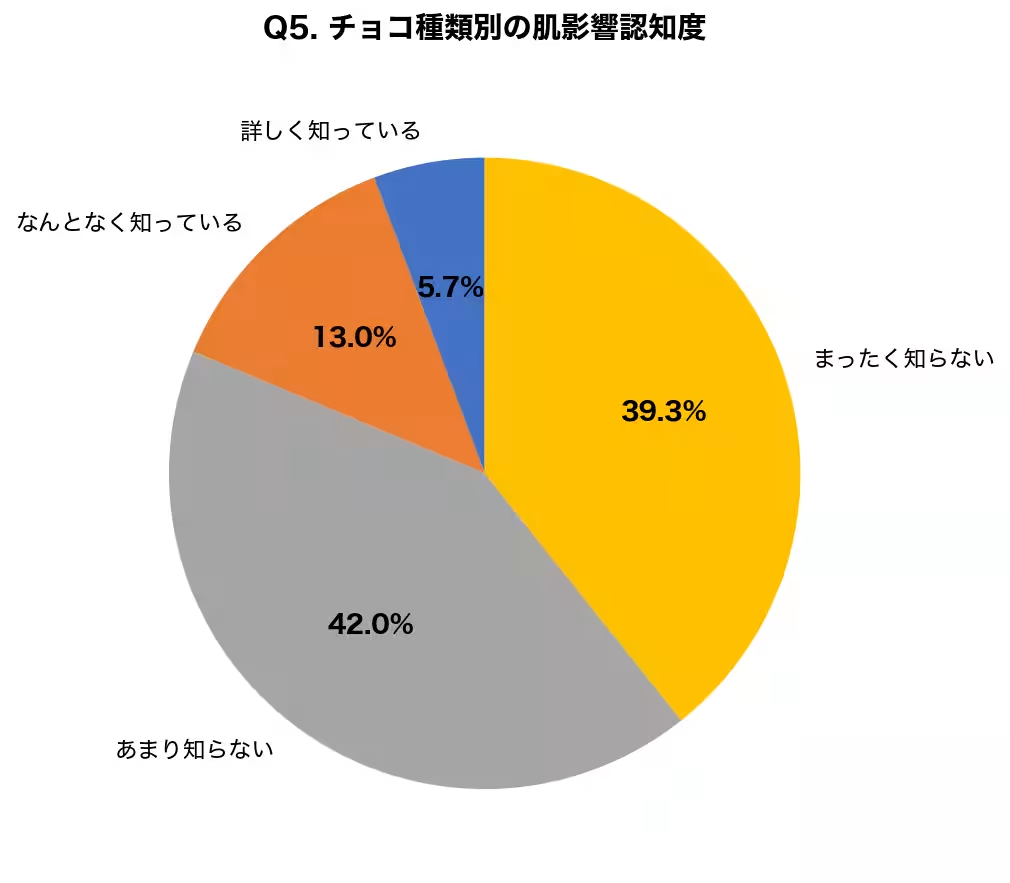
The results highlighted that over 81.3% of people were unaware that different types of chocolate have varying impacts on their skin. Knowledge around the benefits of dark chocolate, in particular, needs to spread more widely.
Expert Commentary
Dr. Kota Takakuwa, a dermatologist with over 15 years of clinical experience, emphasizes that the belief that chocolate directly causes acne lacks scientific foundation. Instead, he suggests that many skin concerns arise more from factors like lifestyle habits rather than the consumption of chocolate itself. He advocates for enjoying chocolate in moderation, ideally sticking to darker varieties with high cacao content, ensuring it doesn’t contribute excess sugars to one’s diet.
Prevention Tips for Valentine's Day
- - Ensure adequate sleep: Aim for at least 6 hours each night.
- - Manage stress: Incorporate relaxing activities into your routine.
- - Maintain a skincare regimen: Don’t neglect cleansing and moisturizing even during busy times.
Choosing Your Chocolate Wisely
- - Opt for dark chocolate with over 70% cacao content.
- - Aim for a daily intake of around 25g (equivalent to about 5 squares of a standard bar).
- - Enjoy chocolate as a dessert after meals rather than on an empty stomach.
Conclusion
In summary, while the myth linking chocolate consumption to acne persists among many, it’s crucial to focus on actual lifestyle influences that contribute to skin health, particularly during stressful periods like Valentine’s Day. Understanding the difference in chocolate types and their effects can empower consumers to make better choices without the fear of negative skin repercussions.
Topics Health)
【About Using Articles】
You can freely use the title and article content by linking to the page where the article is posted.
※ Images cannot be used.
【About Links】
Links are free to use.