



New Clinical Insights on Exercise Support for Diabetic Patients Using walkey at Japanese Conference
Clinical Insights from the 11th Japanese Diabetes Therapy Conference
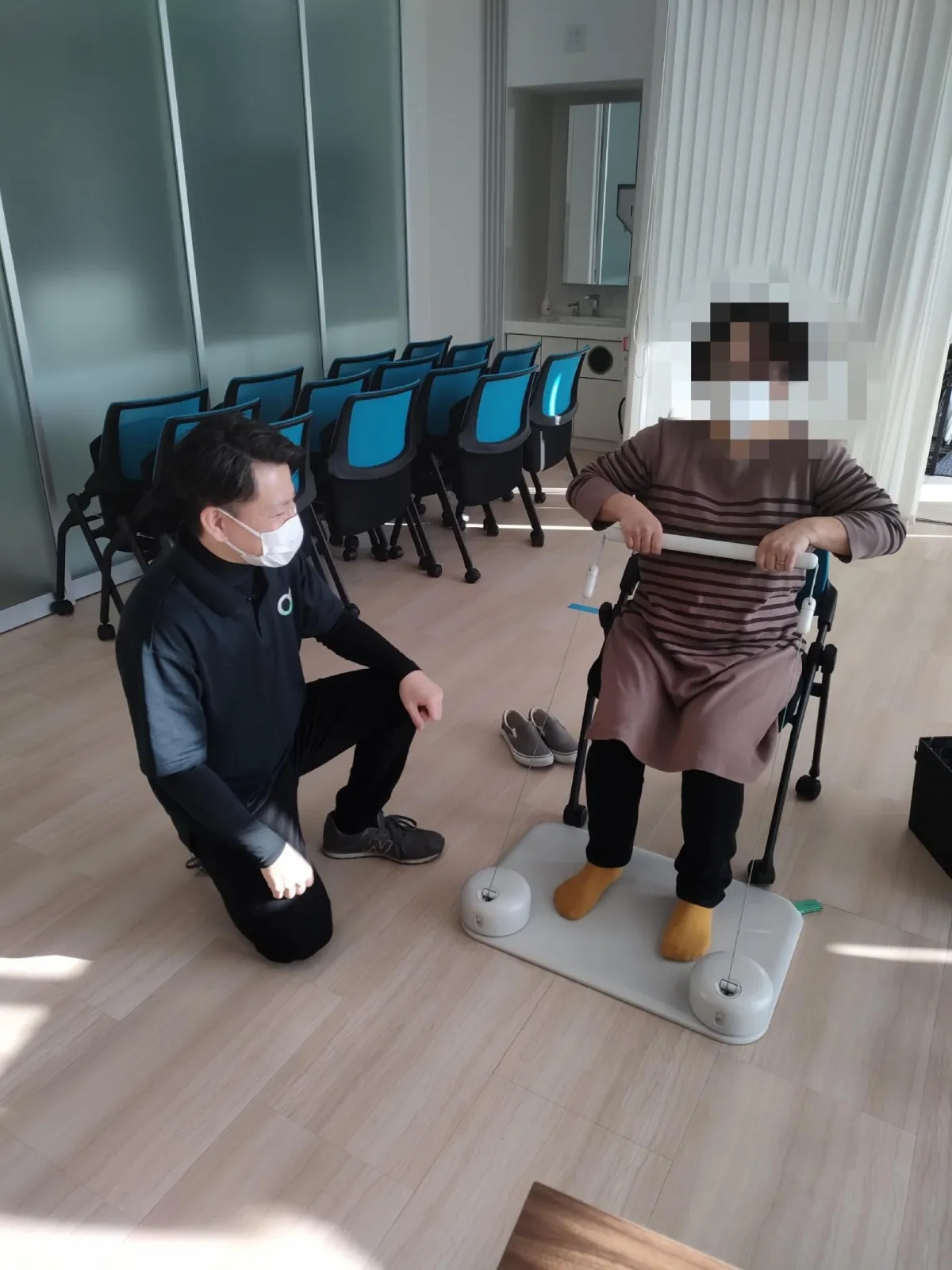
On December 20, 2025, the 11th Japanese Diabetes Therapy Conference was held at Makuhari Messe, where walkey, a subsidiary of Asahi Intecc based in Meguro, Tokyo, presented significant clinical findings related to exercise support for diabetes patients using their innovative device, walkey. The findings were shared through a luncheon seminar and a poster presentation, highlighting a new approach to improve adherence to exercise therapy for diabetes patients by integrating devices, videos, and evaluation.
Key Points from the Presentation
1. Addressing Challenges in Diabetes Exercise Therapy with walkey
Current statistics show that the implementation rate for exercise therapy among diabetes patients stands at approximately 50%, with only about 40% receiving exercise guidance during their initial consultation. This indicates a stark contrast to dietary therapy adherence. Feedback from healthcare providers identifies several challenges:
- - Lack of time for assessment and prescription
- - Insufficient exercise menu options
- - Difficulties in maintaining continued follow-up
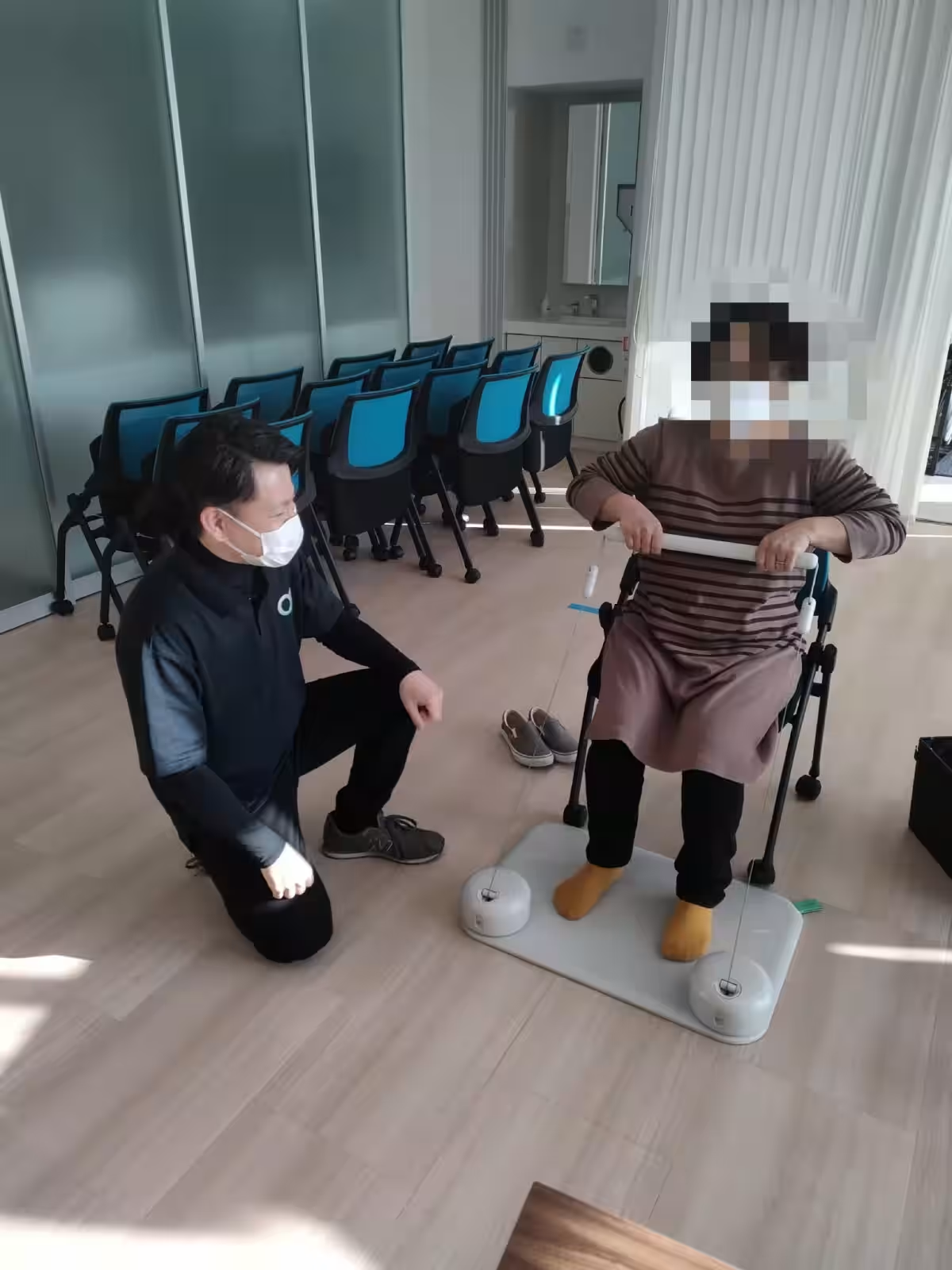
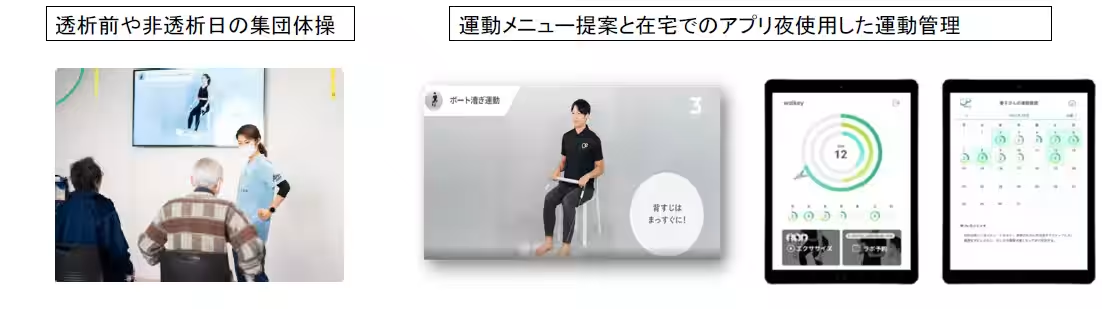
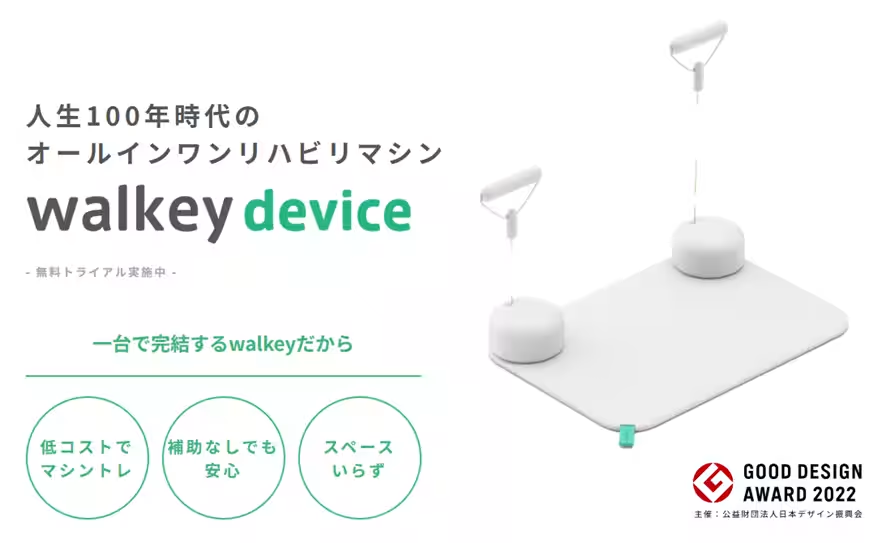
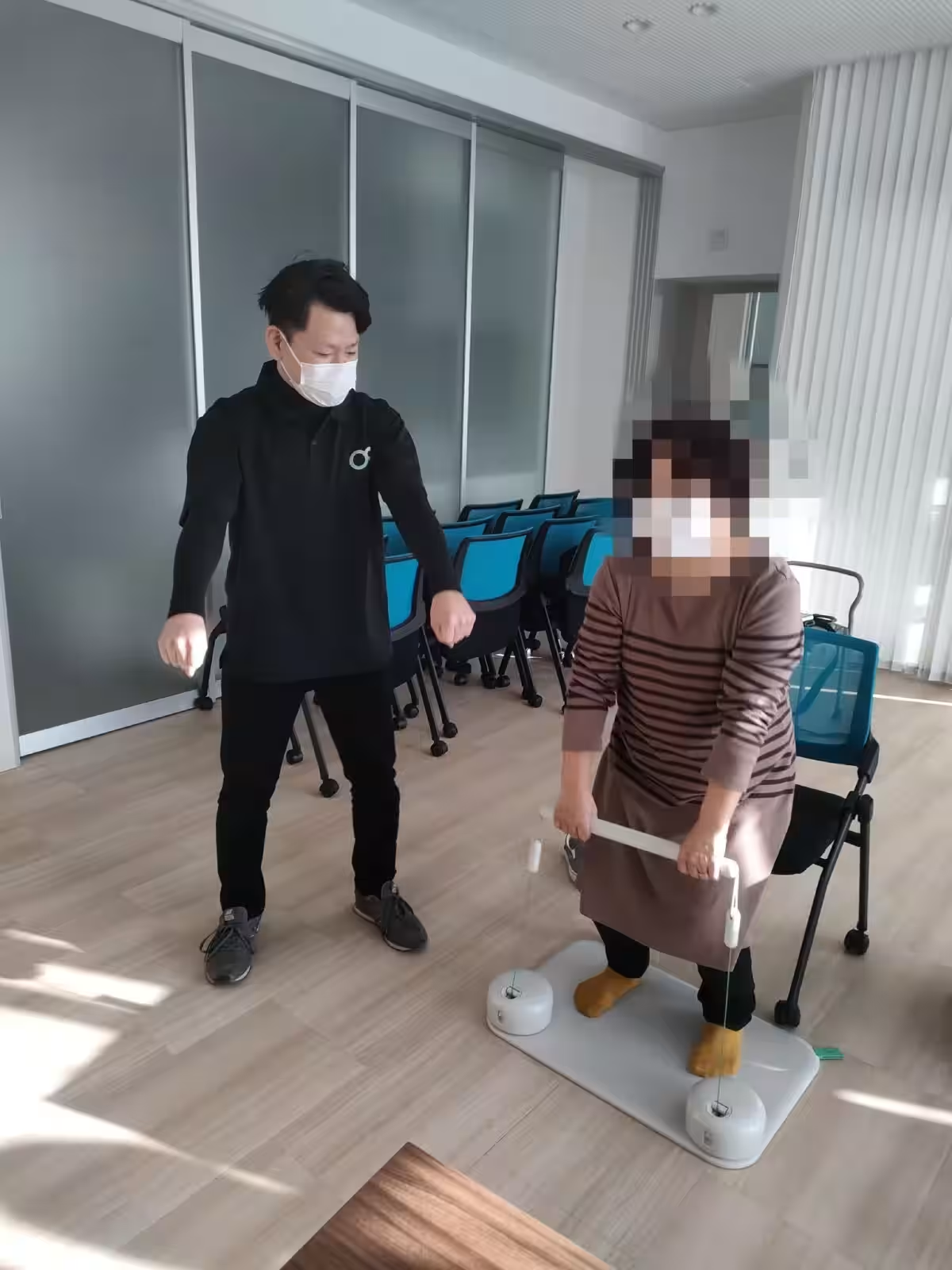
With walkey, the device enables safe moderate-intensity exercises across more than 130 different menus. It promotes a PDCA cycle (Plan-Do-Check-Act) through a video application that offers thorough guidance, evaluation, proposals, and practical implementation, effectively assisting in overcoming these obstacles.
2. Remote Exercise Support Enhancing Blood Sugar Levels and Mobility
A case study focused on a female patient in her 70s diagnosed with type 2 diabetes. The participant engaged in three types of exercises (10 repetitions in 3 sets) during peak postprandial hyperglycemia (1 PM to 3 PM).
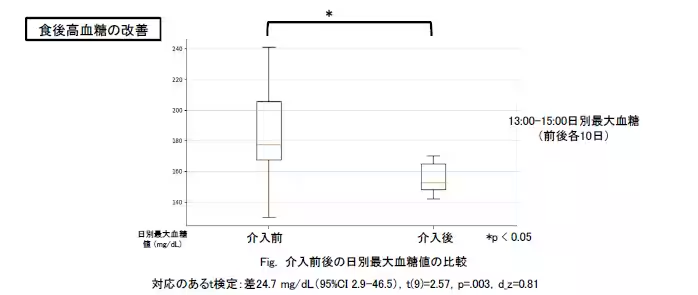
Key improvements were observed in blood glucose metrics, where the maximum blood sugar levels significantly dropped (p<0.05). Time In Range (TIR) increased from 84.2% to 92.2%, while Time Above Range (TAR) decreased from 13% to 8.7%. Improvements were also noted in average blood glucose levels. Additionally, enhancements in the patient's walking speed and one-leg standing times were documented. Quality of Life (QOL) improved as indicated by EQ-5D-5L scores.
The short-term intervention demonstrated improvements across multiple outcomes, suggesting the effectiveness of targeted exercise during postprandial hyperglycemic periods using walkey.
3. Introducing Clinical Application Models Using walkey
During the luncheon seminar, various application scenarios in clinical settings were shared:
- - Short sessions in outpatient clinics
- - Group lessons at community exercise classes or fitness venues
- - Kidney rehabilitation (exercises pre- and post-dialysis, home support)
- - Bedside exercises and management of exercise volume during educational hospitalizations
The differences in utilization based on behavioral change stages were also discussed, indicating that walkey is particularly suited for patients prepared to initiate action regarding their health.
4. Adaptation Model Based on Behavioral Change and Personality Traits
The effects of walkey are notably higher among patients in the preparation and execution stages and those with relatively high conscientiousness. An
Topics Other)
【About Using Articles】
You can freely use the title and article content by linking to the page where the article is posted.
※ Images cannot be used.
【About Links】
Links are free to use.