



Empowering Young Individuals with Disabilities: Online Seminar Report
A Focus on Lifelong Learning for Young Adults with Disabilities
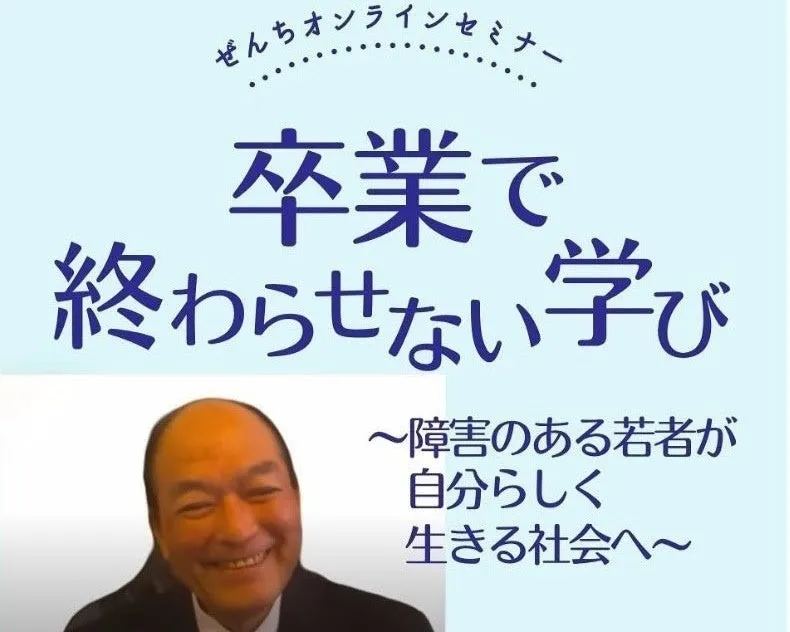
On October 4, a significant online seminar titled "Empowering Young Individuals with Disabilities: Building a Society Where They Can Live Authentically" was held. Organized by Zenchi Kyosai Co., Ltd., a specialist insurance provider for people with disabilities, and led by Masato Hasegawa, the seminar aimed to highlight the social challenges faced by young individuals with disabilities as they transition from special support schools into adulthood.
Background of the Seminar
As of March 2025, less than 1% of individuals with intellectual disabilities who graduated from special support schools pursued further education in universities or vocational schools. This presents a stark issue, as many express a desire to continue learning but find no opportunities available to them once they reach 18 years of age.
The goal of this seminar was to discuss the lack of educational options for these young individuals following their graduation from special support schools. Masato Hasegawa, who has been involved in the establishment of 14 welfare-oriented universities nationwide, shared his insights and experiences on the fusion of welfare and education.
Overview of the Event
- - Date: October 4, 2025
- - Time: 10:00 AM - 11:45 AM
- - Participation Fee: Free
- - Viewing Platform: YouTube Live
- - Guest Speaker: Masato Hasegawa, Director of the General Incorporated Association Mirai no Kakehashi
- - Registration: 780 participants
Key Highlights from the Seminar
1. The Motivation Behind Establishing Welfare-oriented Colleges
Hasegawa shared his personal journey as a parent whose child graduated from a special support high school. He wanted his child to have more educational opportunities, but found no higher education institutions in Japan that accepted individuals with intellectual disabilities. This realization sparked a question in him: Why must individuals with slower developmental progress enter the workforce at just 18, while their peers continue their education? Consequently, he decided to create a university specifically for individuals with intellectual disabilities.
2. Current Situation and Challenges for Individuals with Intellectual Disabilities
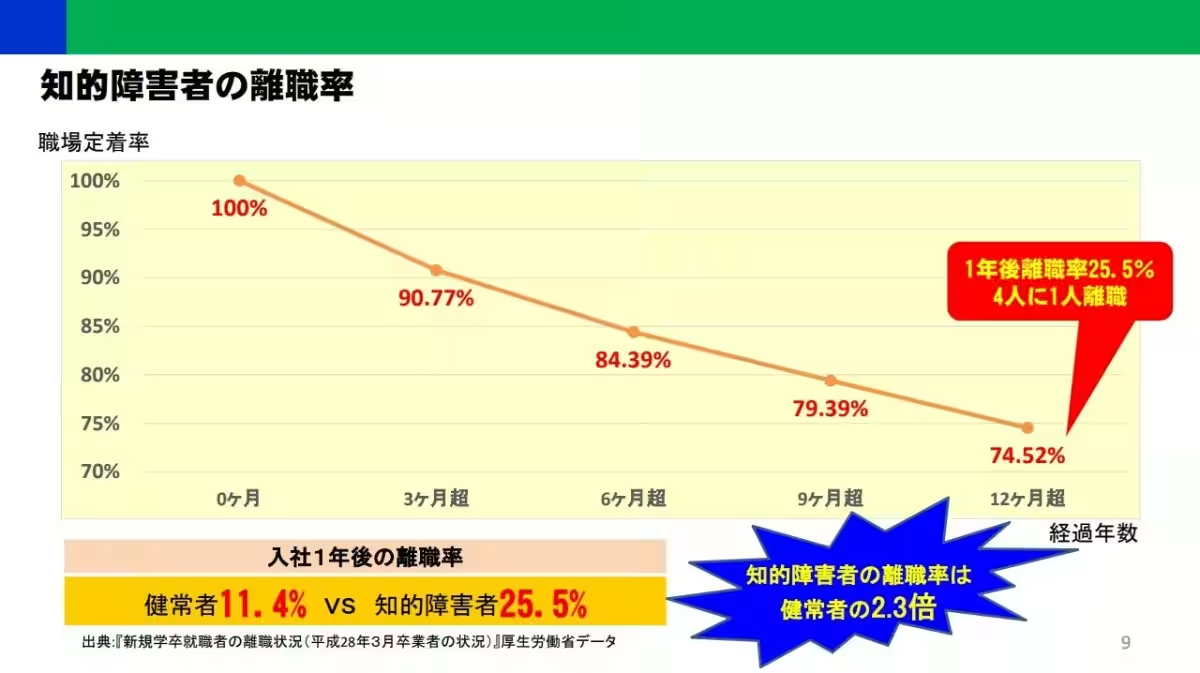
The discrepancies between the qualities sought by employers, such as strong communication skills and ambition, and the focus of vocational training shaped the discussion on societal expectations. The employment rate for individuals with intellectual disabilities stands at only 34%, with a staggering 25.5% turnover rate within the first year. Hasegawa pointed out the importance of addressing fundamental issues that hinder individuals from developing essential life skills during their formative years.
Key reasons for high turnover rates include:
- - Insufficient understanding of work obligations
- - Underdeveloped social skills
- - Inability to cope with adversity
- - Lack of communication proficiency
3. Understanding the Value of Education During Adolescence
The period of adolescence (ages 15 to 25) is crucial for self-discovery and personal development. Young individuals with intellectual disabilities often transition into adulthood prematurely, missing out on opportunities to explore their identities and build essential life skills. Hasegawa emphasized the need for more inclusive educational environments that allow for this exploration.
4. Global Perspectives on University Accessibility for Individuals with Disabilities
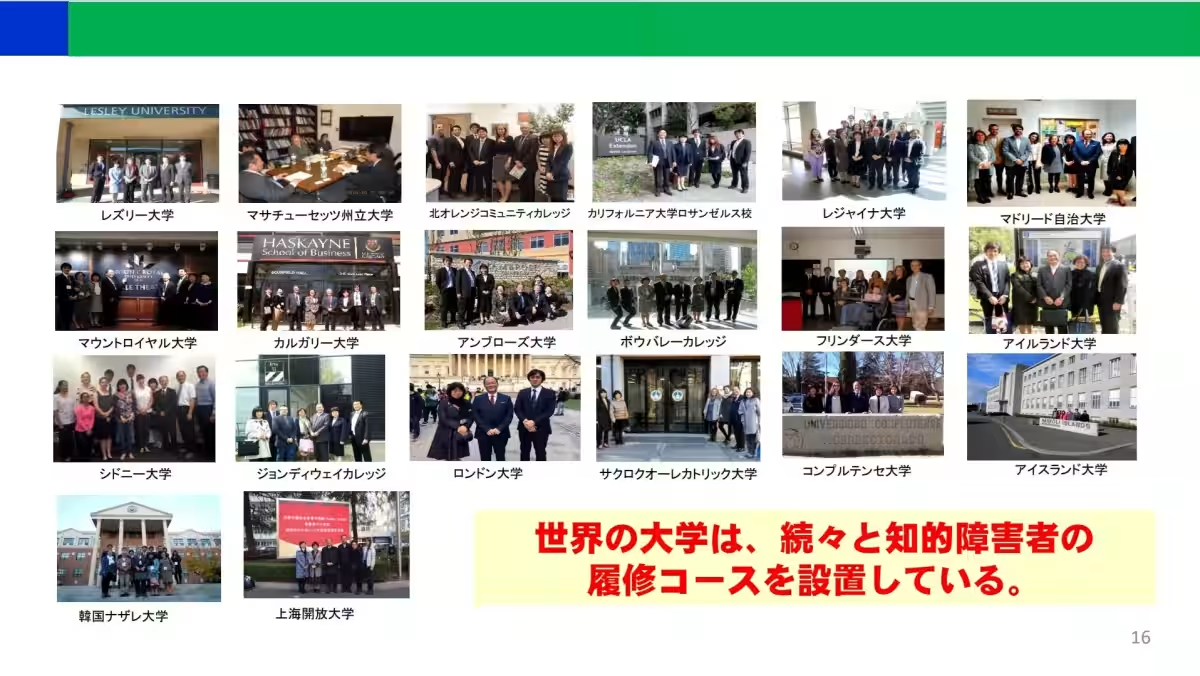
Hasegawa reviewed educational practices in 13 countries and 27 universities, noting a growing acceptance of students with disabilities worldwide. Particularly in the United States, about 10% of universities have programs designed to support individuals with intellectual disabilities. He argued that Japan must overcome structural obstacles to ensure that such inclusivity is realized domestically.
5. What Mirai College Aims to Achieve
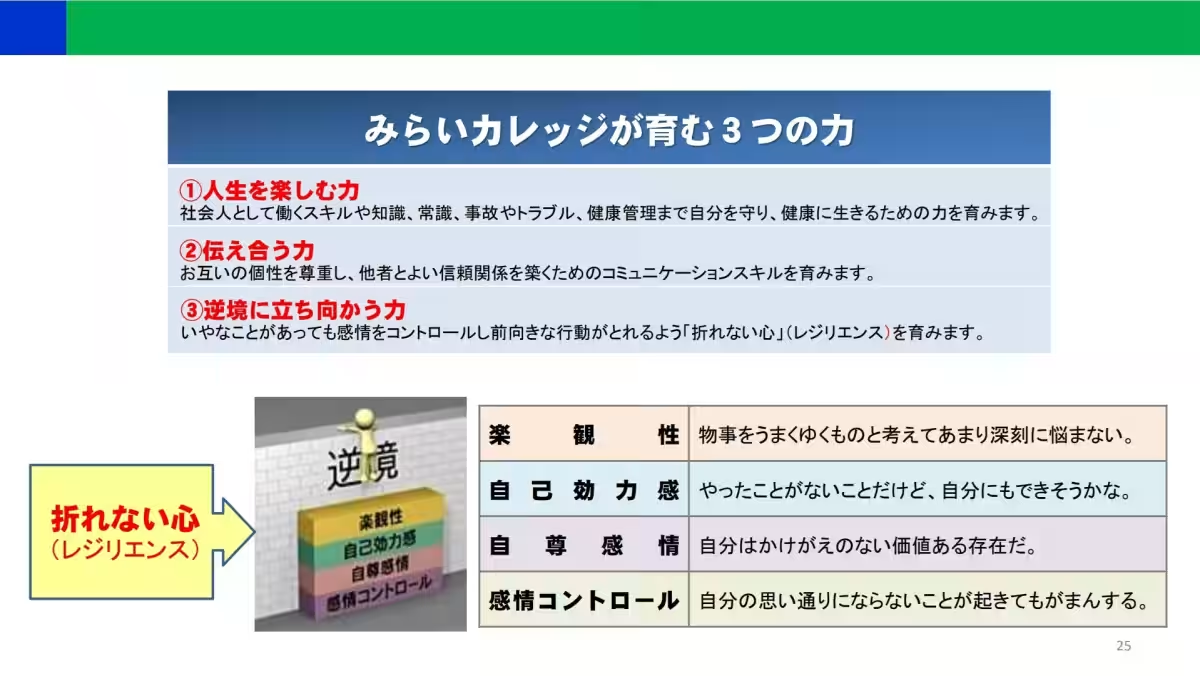
Mirai College aims to cultivate three essential skills over four years: the power to enjoy life, communicate effectively, and confront adversity. The college’s curriculum emphasizes the following:
- - Transitioning towards independent adulthood
- - Building rich relationships with peers
- - Engaging actively with local communities
- - Acquiring necessary interpersonal skills and professional competencies
6. Lifelong Learning Initiatives for Severe Disabilities
Hasegawa discussed programs that go beyond basic care, emphasizing the importance of educational engagement and community connection as fundamental components of daily activities.
Voices from Participants
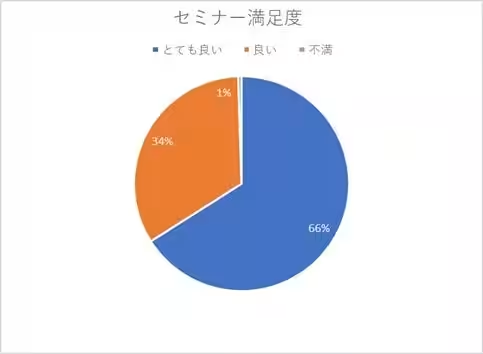
Feedback from attendees highlighted the importance of creating ceilings for continuous educational opportunities for individuals with disabilities beyond traditional schooling.
Conclusion from Zenchi Kyosai
Zenchi Kyosai aims to further provide information and raise awareness through online seminars, contributing to the creation of a more inclusive society. Together, they envision a world where every individual can lead a fulfilling life, regardless of their circumstances.
Company Overview
- - Company Name: Zenchi Kyosai Co., Ltd.
- - Location: Chiyoda, Tokyo, Japan
- - CEO: Shigeaki Enomoto
- - Business: Short-term insurance services
- - Website: zenchi kyosai
Organization Overview
- - Organization Name: General Incorporated Association Mirai no Kakehashi
- - Location: Kasuya District, Fukuoka, Japan
- - Director: Masato Hasegawa
- - Business: Welfare services
- - Website: mirai no kakehashi


Topics People & Culture)

【About Using Articles】
You can freely use the title and article content by linking to the page where the article is posted.
※ Images cannot be used.
【About Links】
Links are free to use.