



Understanding the Importance of Accurate Records in Labor Agreements: Avoiding Common Mistakes
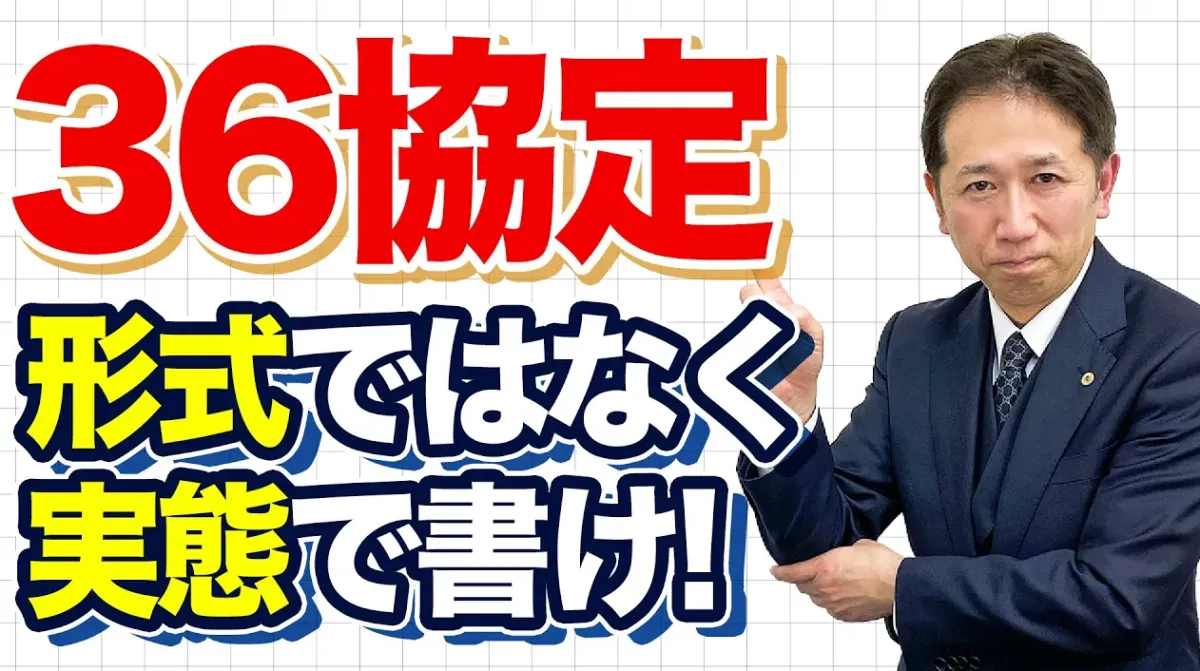
In recent discussions about labor laws and agreements, the 36 Agreement in Japan has become a focal point, especially when addressing labor management and compliance issues. A notable challenge faced by many HR professionals is the proper filling out of the holiday section of this agreement. It may seem straightforward, yet failing to accurately detail the possible working hours can lead to serious legal repercussions.
A common mistake among HR personnel is writing specific work hours, such as '9 AM to 6 PM,' in the holiday section. Historically, the holiday section should include all possible time frames when employees might be required to work on a holiday. This is distinctly different from the weekday section, which merely records the amount of hours worked. The misunderstanding between these two sections underscores a critical risk—if companies list only narrow time frames, such as a specific slot, and require employees to work outside of these hours, it constitutes a violation of the agreement.
The ramifications for incorrect documentation are severe. Any discrepancy between reported timings and actual working hours can lead to substantial penalties. Companies must ensure that their records accurately reflect real-world working conditions. This involves more than simply adding hours; it requires a careful assessment of all potential working times, particularly during holidays. When employers list timeframes that don't cover early mornings or late nights, they expose themselves to compliance failures.
To mitigate risks, organizations must be proactive. They should approach these records with a comprehensive perspective, covering a wide range of possible working hours in the holiday section. This preventive measure not only aids in compliance but also serves to protect both the employer and employee from potential disputes. Remember, the report submission isn’t merely a request for permission; it entails a legal obligation grounded in mutual agreements among labor and management.
Given the complexity surrounding these agreements, the upcoming seminar scheduled for December 5, 2025, from 12:00 PM to 1:00 PM, organized by the Claire Human Resource Development Association, aims to shed light on these very issues. This seminar, specifically designed for media and reporting professionals, will delve into questions regarding the differences between the weekday and holiday sections of the 36 Agreement, why inaccuracies might lead to noncompliance, and the implications of labor obligations.
This seminar will address several key inquiries:
The seminar will feature Jun Ono, a certified labor and social security attorney with extensive experience delivering over 400 workshops on harassment and labor law in various organizations and educational settings. His emphasis on practical applications of legal standards has made his lectures noteworthy, reinforcing the need for organizations to effectively translate legal requirements into their daily operational practices.
Founded in 2023 as part of a group company under SA Corp., the Claire Human Resource Development Association dedicates itself to providing seminars and training in employment, labor, and harassment prevention. Their initiatives focus on safeguarding workers and their families through practical learning experiences related to labor compliance. With over 650 certifications for professionals equipped to handle harassment and labor matters, they have extended their expertise into various sectors, including corporate, governmental, and educational institutions. For more information, visit their official site at https://caa.or.jp/.
The importance of proper record-keeping in labor agreements cannot be overstated. Organizations must ensure they not only comply with existing laws but also create an environment of transparency and responsibility. Attending events like the upcoming seminar will equip HR professionals with the knowledge necessary to avoid common pitfalls and ensure compliance with labor agreements.
The Problem with Incorrect Entries
A common mistake among HR personnel is writing specific work hours, such as '9 AM to 6 PM,' in the holiday section. Historically, the holiday section should include all possible time frames when employees might be required to work on a holiday. This is distinctly different from the weekday section, which merely records the amount of hours worked. The misunderstanding between these two sections underscores a critical risk—if companies list only narrow time frames, such as a specific slot, and require employees to work outside of these hours, it constitutes a violation of the agreement.
Risks Associated with Noncompliance
The ramifications for incorrect documentation are severe. Any discrepancy between reported timings and actual working hours can lead to substantial penalties. Companies must ensure that their records accurately reflect real-world working conditions. This involves more than simply adding hours; it requires a careful assessment of all potential working times, particularly during holidays. When employers list timeframes that don't cover early mornings or late nights, they expose themselves to compliance failures.
Avoiding Common Pitfalls
To mitigate risks, organizations must be proactive. They should approach these records with a comprehensive perspective, covering a wide range of possible working hours in the holiday section. This preventive measure not only aids in compliance but also serves to protect both the employer and employee from potential disputes. Remember, the report submission isn’t merely a request for permission; it entails a legal obligation grounded in mutual agreements among labor and management.
Seminar Insights and Understanding
Given the complexity surrounding these agreements, the upcoming seminar scheduled for December 5, 2025, from 12:00 PM to 1:00 PM, organized by the Claire Human Resource Development Association, aims to shed light on these very issues. This seminar, specifically designed for media and reporting professionals, will delve into questions regarding the differences between the weekday and holiday sections of the 36 Agreement, why inaccuracies might lead to noncompliance, and the implications of labor obligations.
Common Questions Addressed
This seminar will address several key inquiries:
- - What are the differences between the holiday and weekday sections of the 36 Agreement?
- - Why is it a mistake to write specific working hours in the holiday section?
- - What kinds of penalties or issues could arise from discrepancies between reported and actual hours?
- - What does it mean when documents are framed not as 'requests for permission' but instead as 'legal obligations between labor and management'?
- - How should companies manage work that occurs on holidays in the context of overtime regulations?
The Expert Contributor
The seminar will feature Jun Ono, a certified labor and social security attorney with extensive experience delivering over 400 workshops on harassment and labor law in various organizations and educational settings. His emphasis on practical applications of legal standards has made his lectures noteworthy, reinforcing the need for organizations to effectively translate legal requirements into their daily operational practices.
About the Claire Human Resource Development Association
Founded in 2023 as part of a group company under SA Corp., the Claire Human Resource Development Association dedicates itself to providing seminars and training in employment, labor, and harassment prevention. Their initiatives focus on safeguarding workers and their families through practical learning experiences related to labor compliance. With over 650 certifications for professionals equipped to handle harassment and labor matters, they have extended their expertise into various sectors, including corporate, governmental, and educational institutions. For more information, visit their official site at https://caa.or.jp/.
Conclusion
The importance of proper record-keeping in labor agreements cannot be overstated. Organizations must ensure they not only comply with existing laws but also create an environment of transparency and responsibility. Attending events like the upcoming seminar will equip HR professionals with the knowledge necessary to avoid common pitfalls and ensure compliance with labor agreements.
Topics People & Culture)
【About Using Articles】
You can freely use the title and article content by linking to the page where the article is posted.
※ Images cannot be used.
【About Links】
Links are free to use.