




The Increasing Loneliness in the Workplace: Insights from Job Research
The Job Research Institute, operated by Persol Career, recently conducted a survey titled '2025 Workplace Loneliness Research', targeting 576 working adults across Japan. The survey aimed to explore experiences of loneliness in the workplace, its causes, and the impact on mental health and work performance.
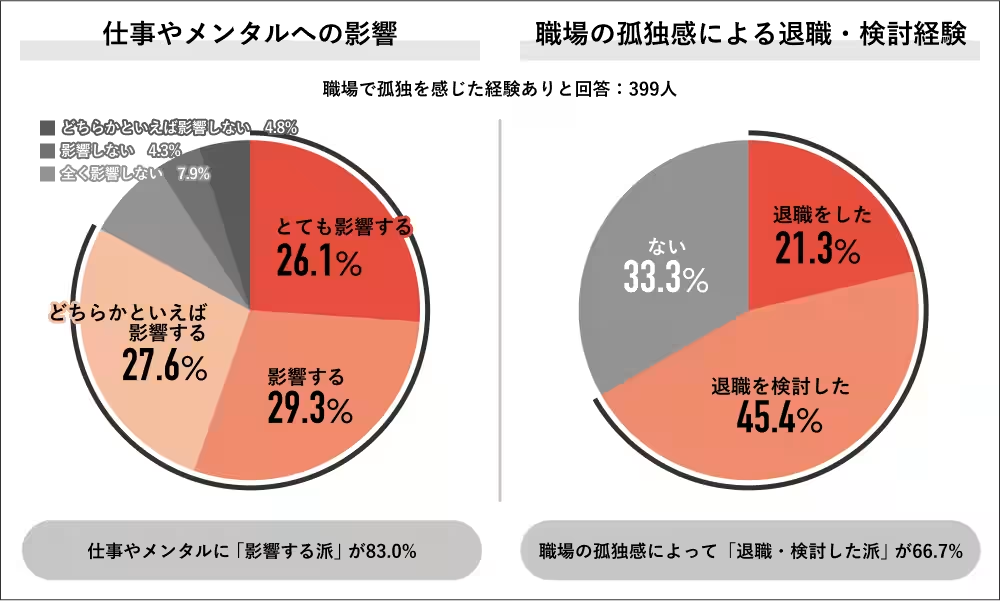
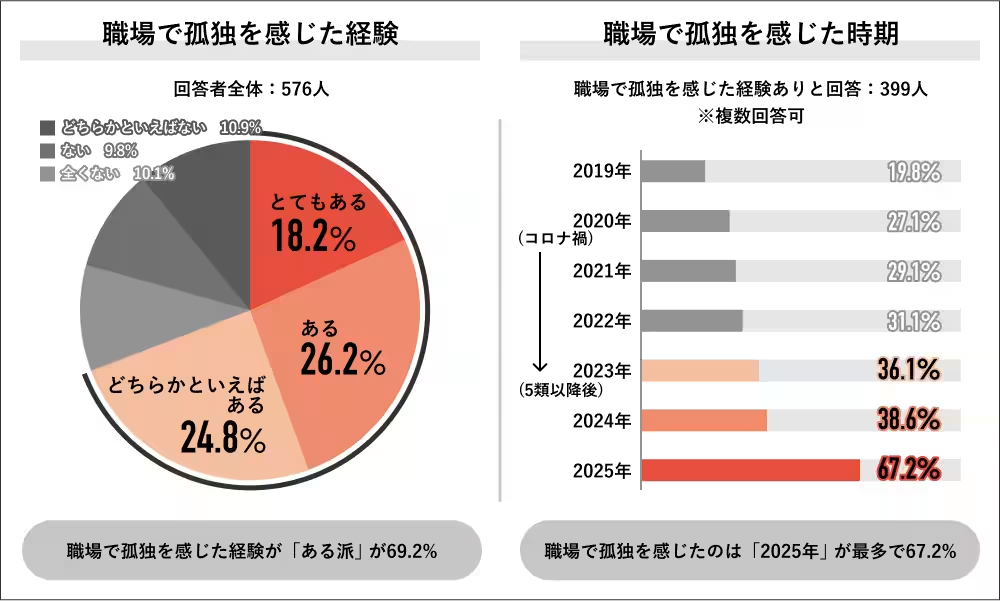
The findings indicate that 69.2% of respondents have felt loneliness at work, with the most notable increases reported in the past three years amid the COVID-19 pandemic. The survey highlights a growing trend of employees feeling isolated due to fractured workplace relationships and a lack of face-to-face interactions, despite a return to physical offices. Particularly alarming is the fact that 83% of those feeling lonely acknowledged its negative impact on their job performance and mental health.
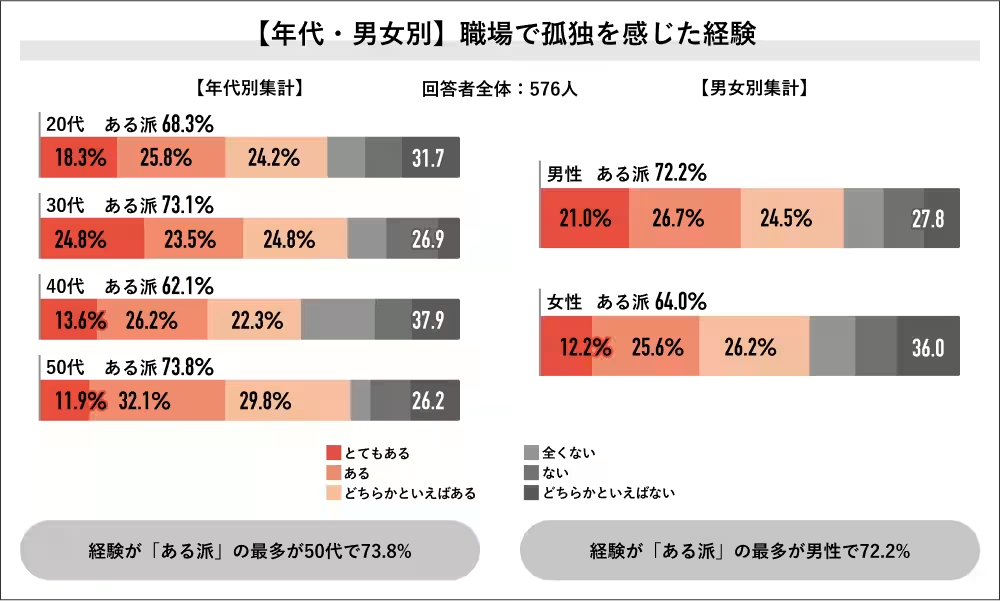
As the world recovers from the pandemic, a trend of increasing workplace loneliness has emerged, peaking at 67.2% in 2025 compared to previous years. Gender differences also appear, with men (72.2%) experiencing more workplace loneliness than women (64.0%). The data suggests that employees in their 50s are particularly affected, showing the highest levels of reported loneliness.
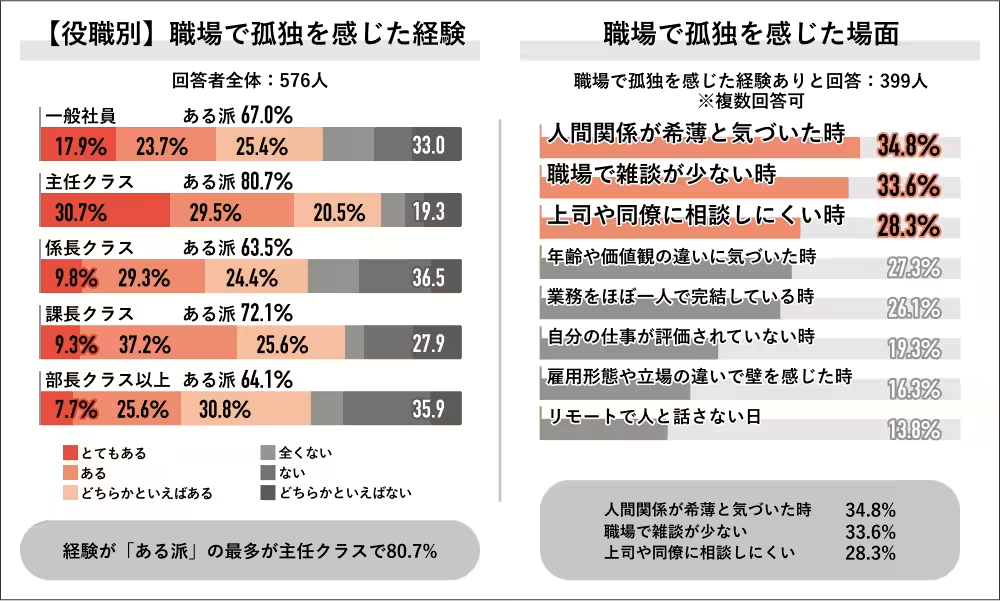
The survey breakdown indicates that employees in their 50s reported feelings of loneliness most frequently (73.8%), followed closely by those in their 30s (73.1%) and 20s (68.3%). Interestingly, even among different roles, middle management positions, especially at the supervisor level, reported the highest rates of loneliness (80.7%).
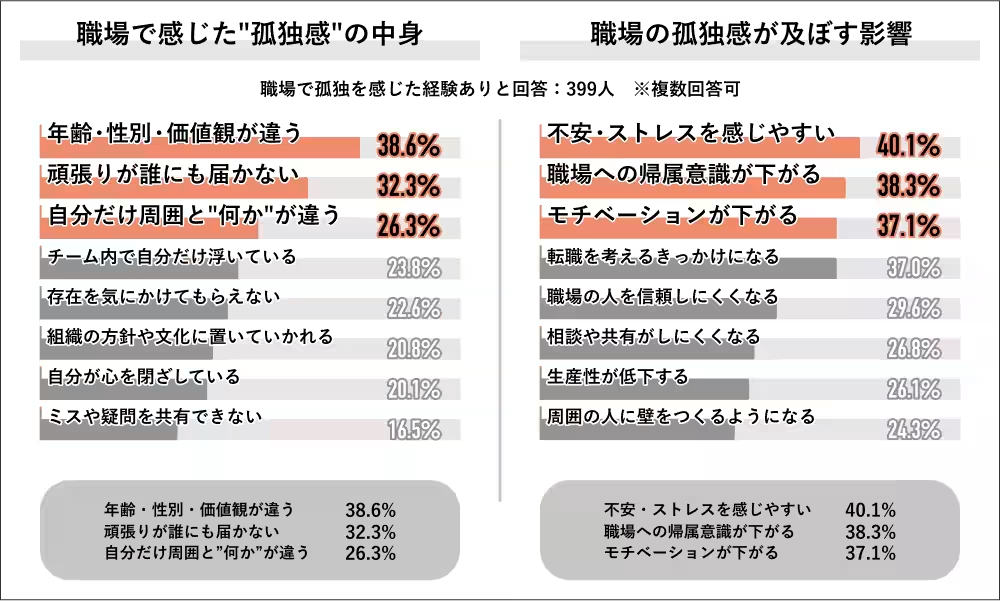
Isolation in the workplace often stems from a perceived lack of relationships. The survey found that 34.8% of respondents felt lonely when they noticed weak relationships with colleagues. Other significant factors included the absence of casual conversations (33.6%) and the difficulty in discussing issues with supervisors or peers (28.3%). These sentiments indicate a cultural shift where employees feel disconnected, often due to differences in age, gender, and values.
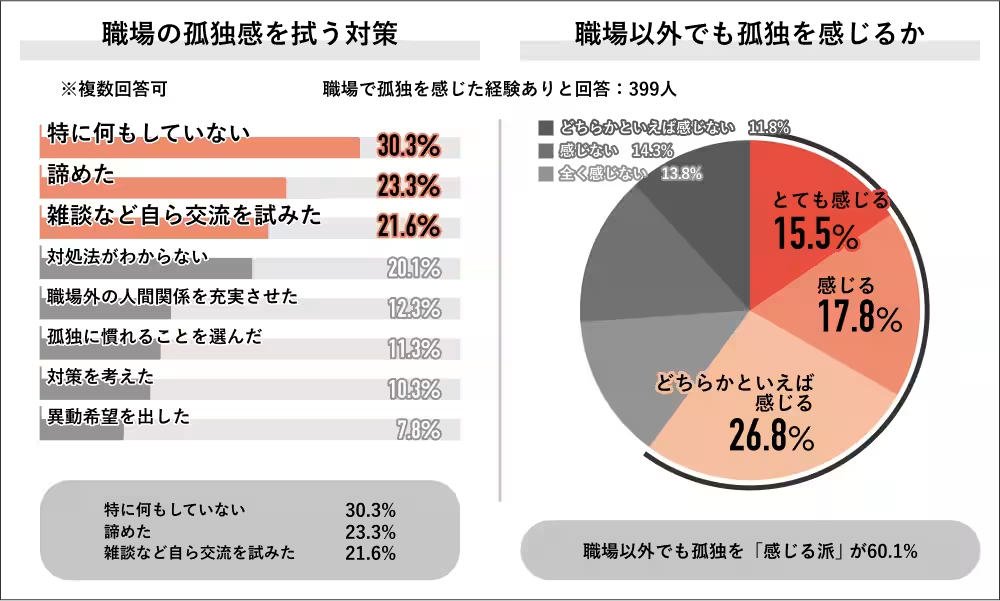
The repercussions of this loneliness are profound. 40.1% of employees cited increased anxiety and stress as a direct result of feeling isolated at work. Furthermore, many reported a decline in their sense of belonging (38.3%) and motivation (37.1%), leading some to contemplate changing jobs (66.7%). One troubling aspect of this trend is that many employees (30.3%) admitted they are not taking any steps to alleviate their loneliness, with some resigning themselves to their situation.
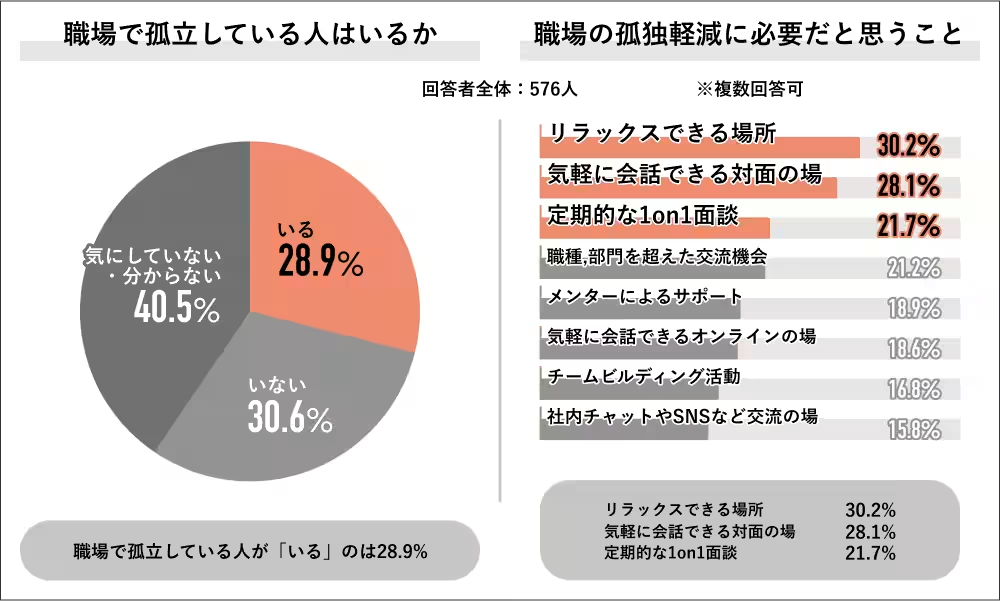
When asked about potential solutions, a significant portion of respondents (30.2%) highlighted the need for relaxing spaces in the workplace as essential for combating loneliness. Other suggestions included creating opportunities for casual conversations (28.1%) and regular one-on-one meetings with supervisors (21.7%).
This survey highlights a critical need for organizations to address the increasing feelings of loneliness among their employees. With the next steps focusing on easing the impacts of isolation through strategic workplace initiatives, companies should aim to foster environments where employees feel physically and emotionally connected to their colleagues. As the workplace landscapes continue to evolve, attention to these issues will be vital for maintaining a healthy, motivated workforce.


Findings Overview
The findings indicate that 69.2% of respondents have felt loneliness at work, with the most notable increases reported in the past three years amid the COVID-19 pandemic. The survey highlights a growing trend of employees feeling isolated due to fractured workplace relationships and a lack of face-to-face interactions, despite a return to physical offices. Particularly alarming is the fact that 83% of those feeling lonely acknowledged its negative impact on their job performance and mental health.
The Transition Post-COVID-19
As the world recovers from the pandemic, a trend of increasing workplace loneliness has emerged, peaking at 67.2% in 2025 compared to previous years. Gender differences also appear, with men (72.2%) experiencing more workplace loneliness than women (64.0%). The data suggests that employees in their 50s are particularly affected, showing the highest levels of reported loneliness.
Age and Position Dynamics
The survey breakdown indicates that employees in their 50s reported feelings of loneliness most frequently (73.8%), followed closely by those in their 30s (73.1%) and 20s (68.3%). Interestingly, even among different roles, middle management positions, especially at the supervisor level, reported the highest rates of loneliness (80.7%).
Causes of Workplace Loneliness
Isolation in the workplace often stems from a perceived lack of relationships. The survey found that 34.8% of respondents felt lonely when they noticed weak relationships with colleagues. Other significant factors included the absence of casual conversations (33.6%) and the difficulty in discussing issues with supervisors or peers (28.3%). These sentiments indicate a cultural shift where employees feel disconnected, often due to differences in age, gender, and values.
Effects on Job Performance and Mental Health
The repercussions of this loneliness are profound. 40.1% of employees cited increased anxiety and stress as a direct result of feeling isolated at work. Furthermore, many reported a decline in their sense of belonging (38.3%) and motivation (37.1%), leading some to contemplate changing jobs (66.7%). One troubling aspect of this trend is that many employees (30.3%) admitted they are not taking any steps to alleviate their loneliness, with some resigning themselves to their situation.
Solutions to Combat Loneliness
When asked about potential solutions, a significant portion of respondents (30.2%) highlighted the need for relaxing spaces in the workplace as essential for combating loneliness. Other suggestions included creating opportunities for casual conversations (28.1%) and regular one-on-one meetings with supervisors (21.7%).
Conclusion
This survey highlights a critical need for organizations to address the increasing feelings of loneliness among their employees. With the next steps focusing on easing the impacts of isolation through strategic workplace initiatives, companies should aim to foster environments where employees feel physically and emotionally connected to their colleagues. As the workplace landscapes continue to evolve, attention to these issues will be vital for maintaining a healthy, motivated workforce.
Topics People & Culture)

【About Using Articles】
You can freely use the title and article content by linking to the page where the article is posted.
※ Images cannot be used.
【About Links】
Links are free to use.