




Impact of Rising Ingredient Costs on Restaurant Menu Pricing Strategies Revealed
Rising Ingredient Costs Challenge Restaurant Pricing Strategies
In the face of increasing ingredient prices, a recent study conducted by Infomart, a leading provider of cloud services for business transactions, reveals that over 40% of restaurants are bearing the brunt of these cost escalations without significantly adjusting their menu pricing. This reality poses a critical issue for the food service industry, which is already grappling with rising operational costs and economic challenges.
Overview of the Study
The study involved 309 restaurant employees who hold decision-making power regarding menu pricing. Key findings highlight the current challenges restaurants face due to rising food costs and the limited adoption of digital tools for effectively managing costs.
Key Findings:
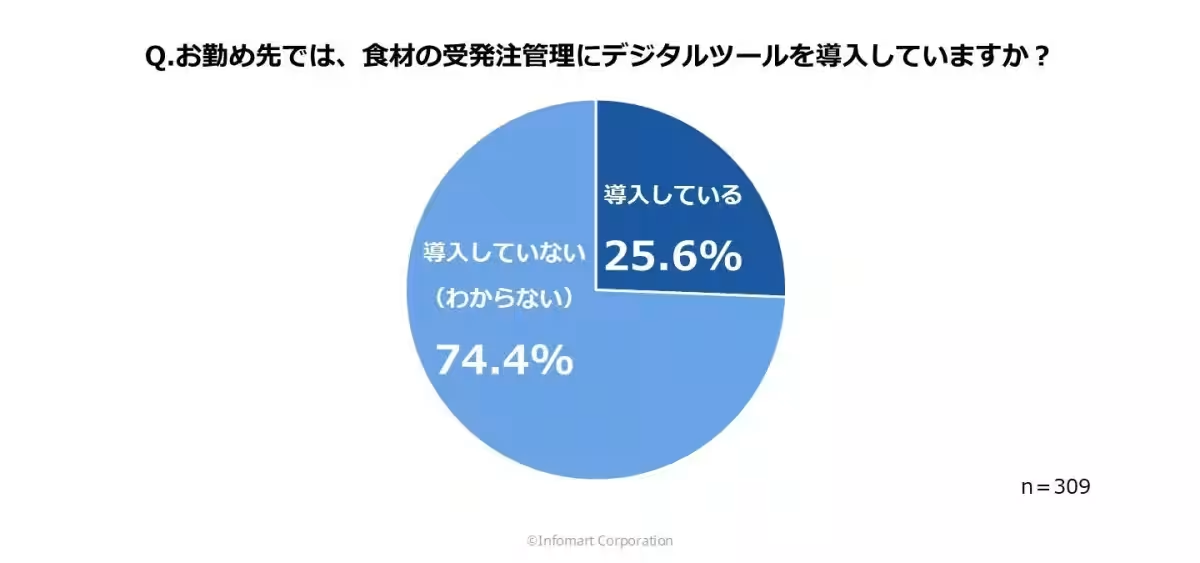
- - Adoption of Digital Tools: Only 25.6% of restaurants have implemented digital tools for managing ingredient orders and stock management. This lack of technological integration raises concerns about their ability to accurately track costs and pricing.
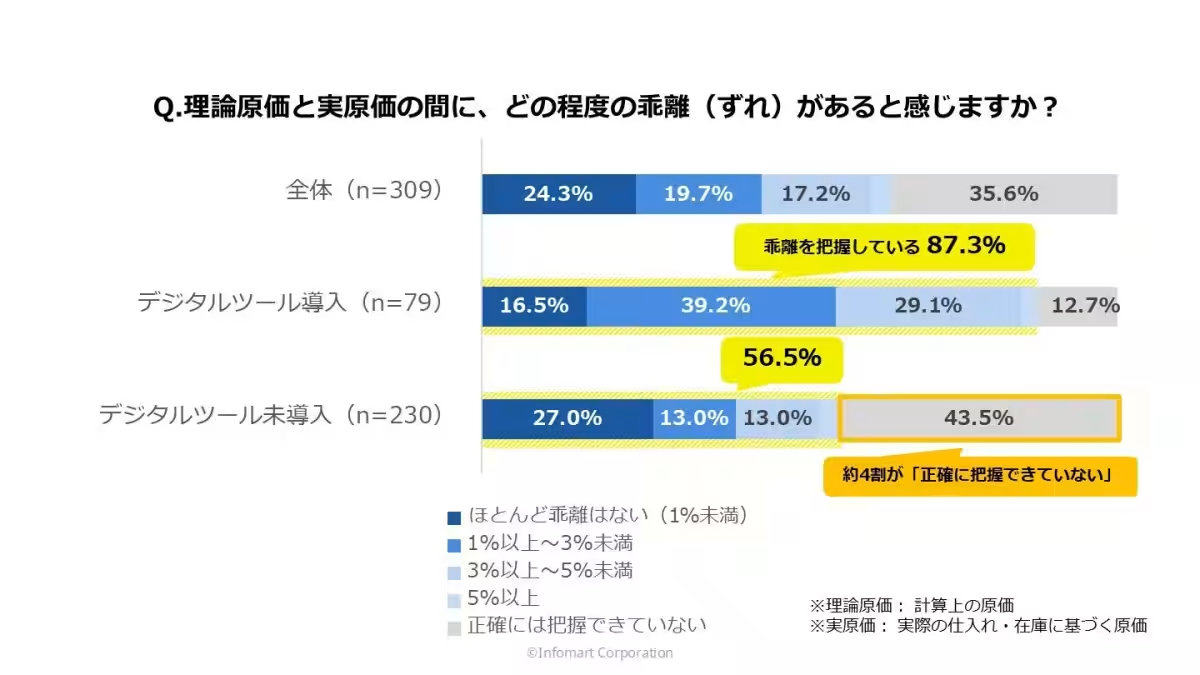
- - Understanding Cost Variation: Among the restaurants that did not employ digital tools, 43.5% struggled to comprehend the discrepancies between theoretical and actual costs, raising the fear of undisciplined financial management (often referred to as 'ballpark accounting').
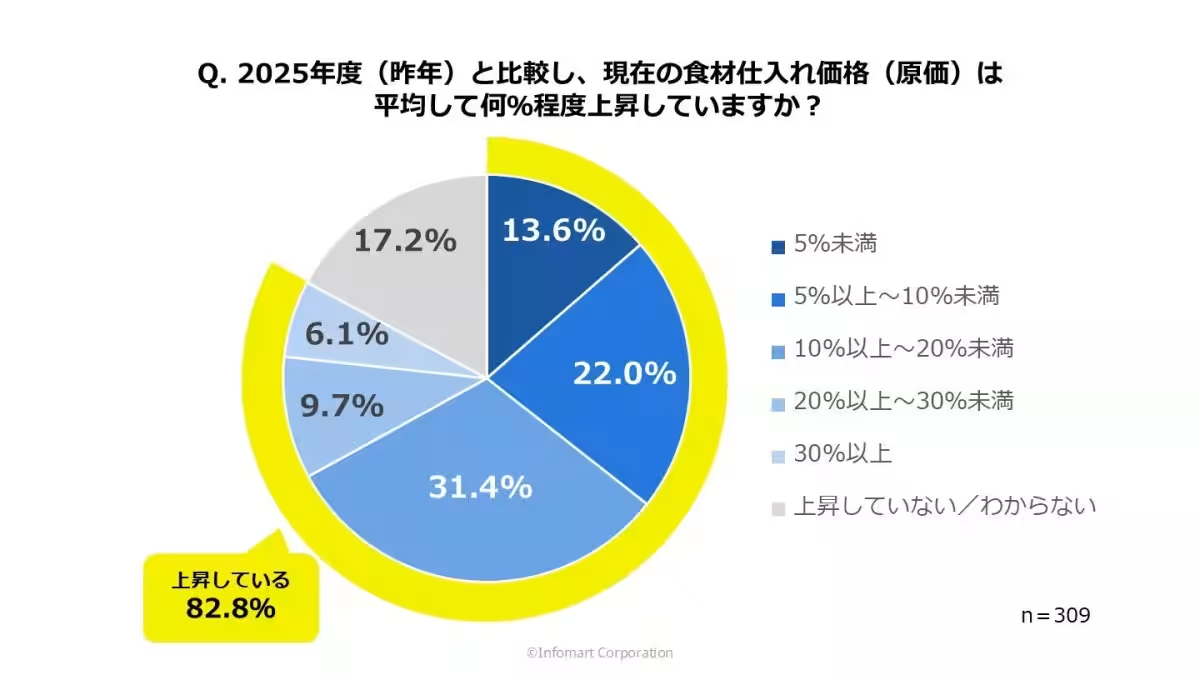
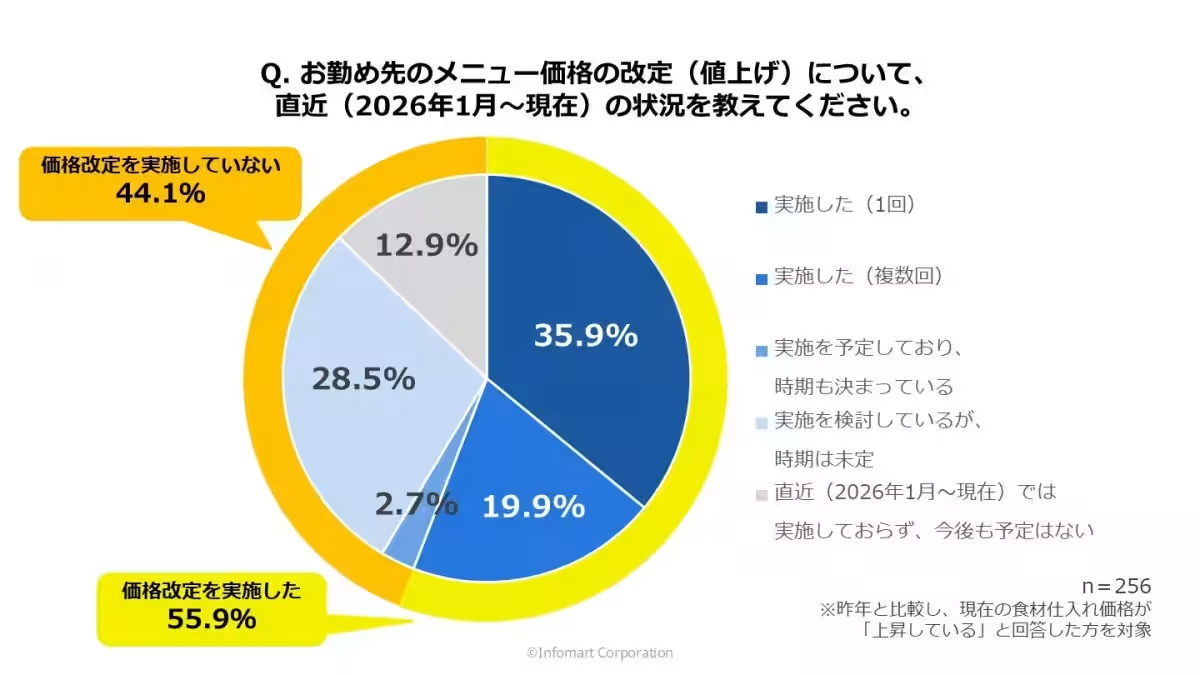
- - Price Hikes vs. Cost Absorption: Significant findings show that while 82.8% of restaurants reported increased ingredient costs, only 55.9% have raised menu prices. This indicates that more than 40% of restaurants are absorbing the cost increases themselves.
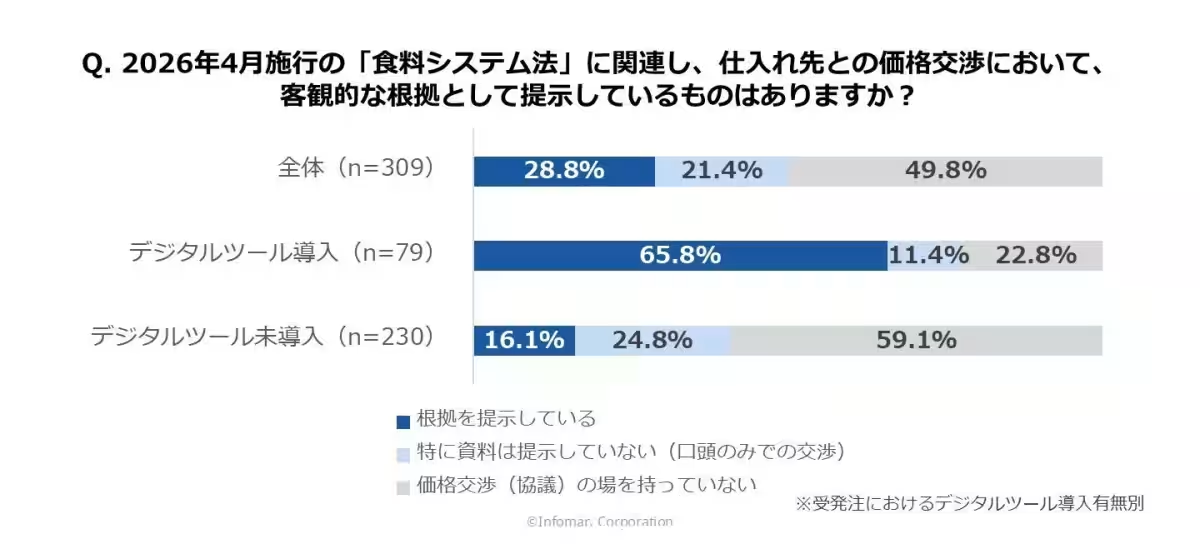
- - Negotiation Challenges: Despite the implementation of the Food Systems Act aimed at ensuring fair negotiations, less than 30% of the restaurants can present objective data when discussing prices with suppliers.
Detailed Analysis
The survey's results reflect a broader context of economic pressure within the restaurant industry. The rising ingredient prices, compared to last year, showed that a staggering 82.8% of restaurant operators reported price increases. The predominant rise in ingredient costs was noted in the 10%-20% range for many establishments.
Interestingly, when assessing the current strategy towards menu pricing, 35.9% of surveyed restaurants indicated they had made one price increase, while 19.9% reported multiple increases, collectively marking just over half of the respondents willing to implement price adjustments in the face of rising costs.
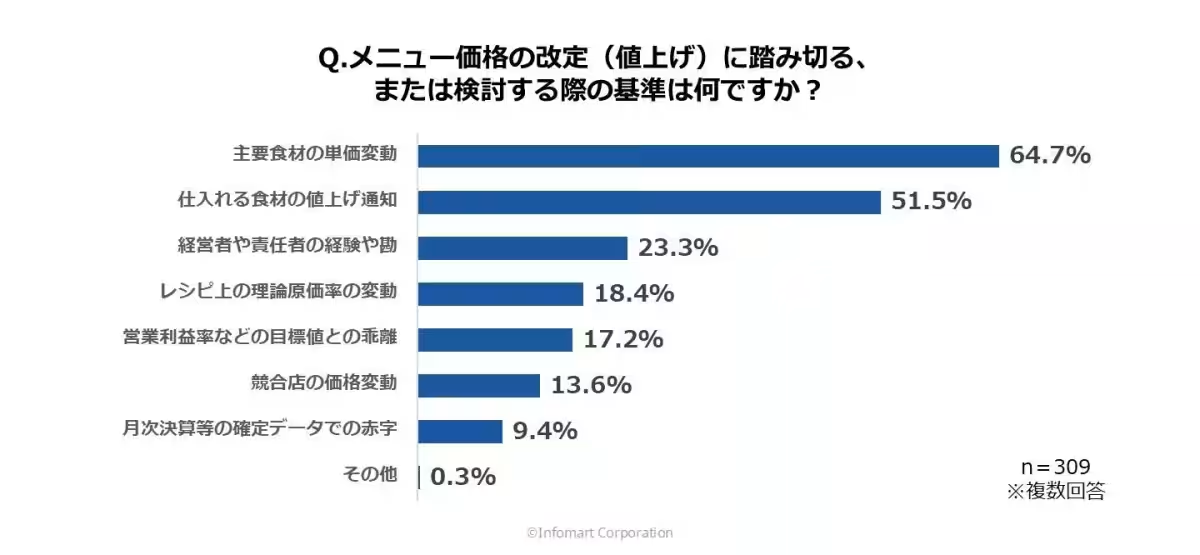
The criteria considered when evaluating price changes predominantly derived from variations in primary ingredient prices (64.7%), followed by notifications of price increases from suppliers (51.5%). Alarmingly, 23.3% of restaurants admitted to relying on management intuition and experience, as opposed to data-driven insights.
Countermeasures Against Cost Increases
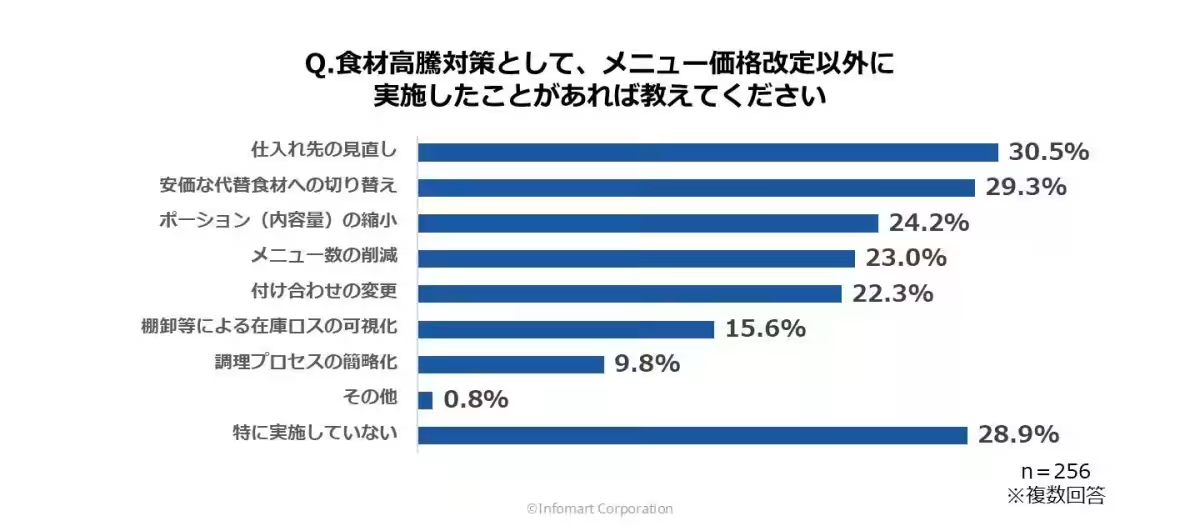
In exploring alternative measures apart from menu price increases, the most common strategy employed by restaurants (30.5%) was to revisit supplier relationships. The next most frequent actions involved switching to cheaper substitute ingredients (29.3%) or reducing portion sizes (24.2%).
The Digital Divide
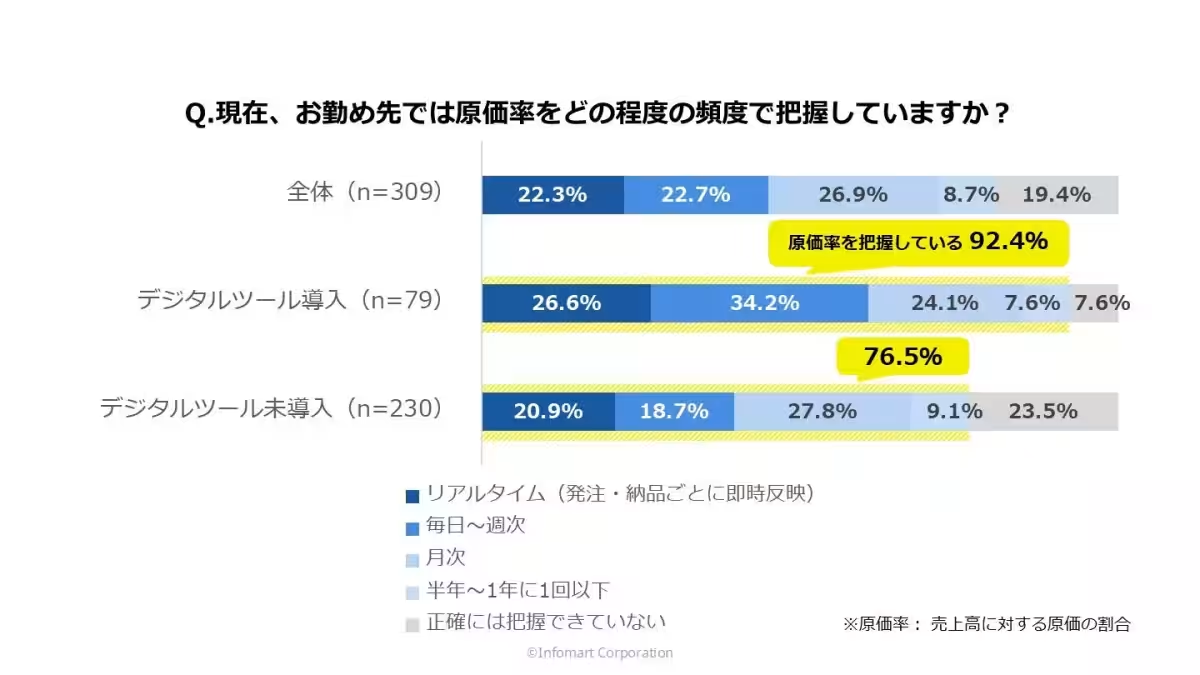
The data underscores a critical disconnect in cost management due to the low adoption rates of digital tools. Among those who did utilize digital platforms, a substantial 92.4% effectively tracked their cost ratios, establishing a stark contrast to the 76.5% within the non-digital cohort.
Furthermore, 87.3% of digital adopters understood the gap between theoretical and actual costs, compared to just 56.5% of those without these tools. This discrepancy illustrates that embracing technology directly correlates with improved financial management.
Legislative Implications
With the Food Systems Act coming into effect, the need for equitable negotiations influenced by factual data has never been more pressing. The study found that only 28.8% of restaurants could present objective evidence during price discussions with suppliers. The gap widened further between those utilizing digital tools (65.8% could present evidence) compared to those who did not (16.1%).
Conclusion
The restaurant industry stands at a crossroads defined by soaring ingredient prices and economic uncertainty, a reality that could potentially drive many establishments out of business. The findings from the Infomart study highlight that while many restaurants are indeed absorbing rising costs, those that leverage digital tools are better positioned to navigate these challenges successfully. It’s crucial for the industry to bridge this technological divide to ensure sustainability and protect the future of food service establishments.
Infomart continues to offer cloud-based business solutions aimed at assisting companies in managing their transaction processes more effectively, highlighting the importance of innovation in overcoming contemporary challenges in the food sector.
About Infomart
Since its inception in 1998, Infomart has been dedicated to streamlining business transactions through effective cloud service solutions. With over 1.25 million enterprises utilizing their BtoB platform, the company plays a pivotal role in the evolution of the business landscape in Japan. For more information, visit Infomart's website.


Topics Consumer Products & Retail)


【About Using Articles】
You can freely use the title and article content by linking to the page where the article is posted.
※ Images cannot be used.
【About Links】
Links are free to use.