



Introducing Sustainable Farming: Fresh Rice and Eggs for Customers
The Launch of Sustainable Products
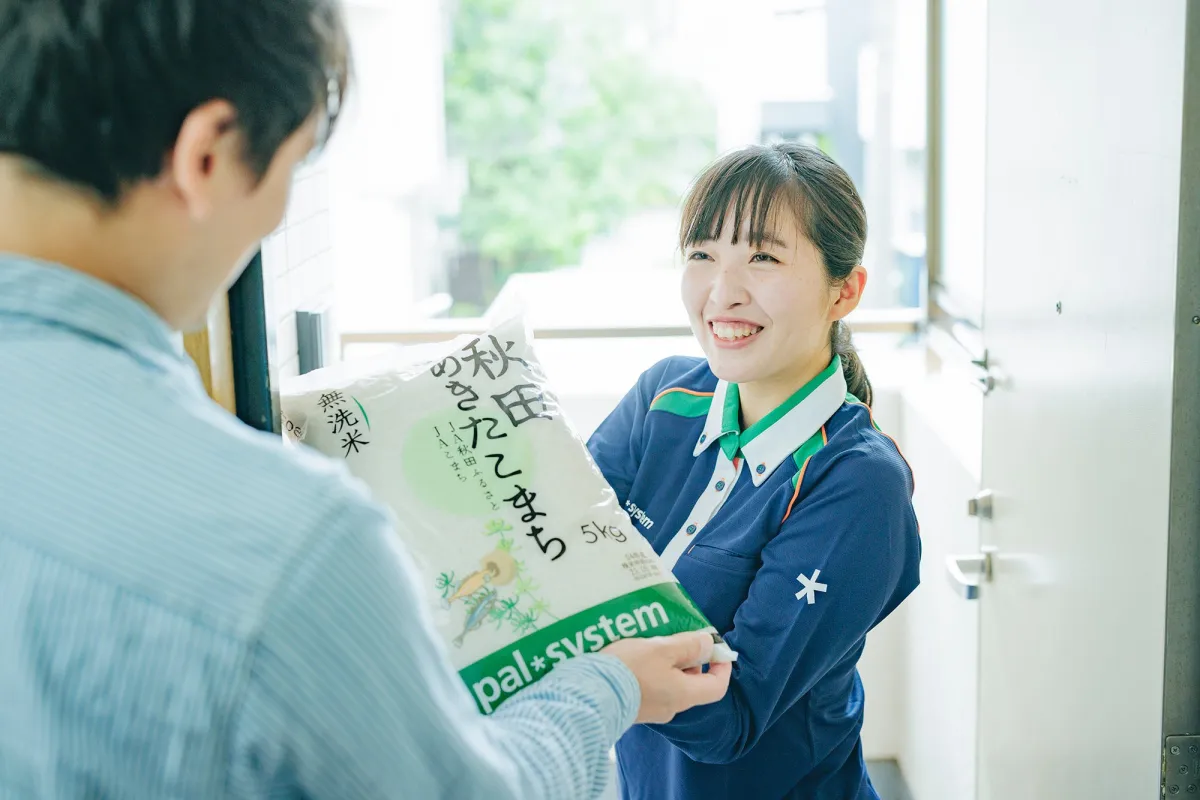
Starting July 21, Pal System Cooperative is launching two exciting products: "Omakase Direct Rice" and "Fresh Direct Eggs Produced During Delivery Breaks". These initiatives aim to tackle food waste while providing customers with quality, affordable options. By utilizing excess rice and eggs generated during the summer holidays, Pal System not only supports local farmers but also encourages a sustainable cycle of production and consumption.
Managing Excess during Delivery Breaks
From August 10 to 14, Pal System will implement a temporary suspension of its delivery service to prioritize the well-being of its delivery staff during the extreme heat. Nonetheless, agricultural production will continue during this period, leading to a risk of surplus products at the farms. Recently, producers have faced various challenges such as rising rice prices and a decrease in egg supply due to avian influenza, further complicating their situation. To tackle these issues, Pal System is committed to ensuring that every product produced is consumed efficiently, allowing farmers to continue their operations without undue financial strain.
Discovering New Flavors with Omakase Direct Rice
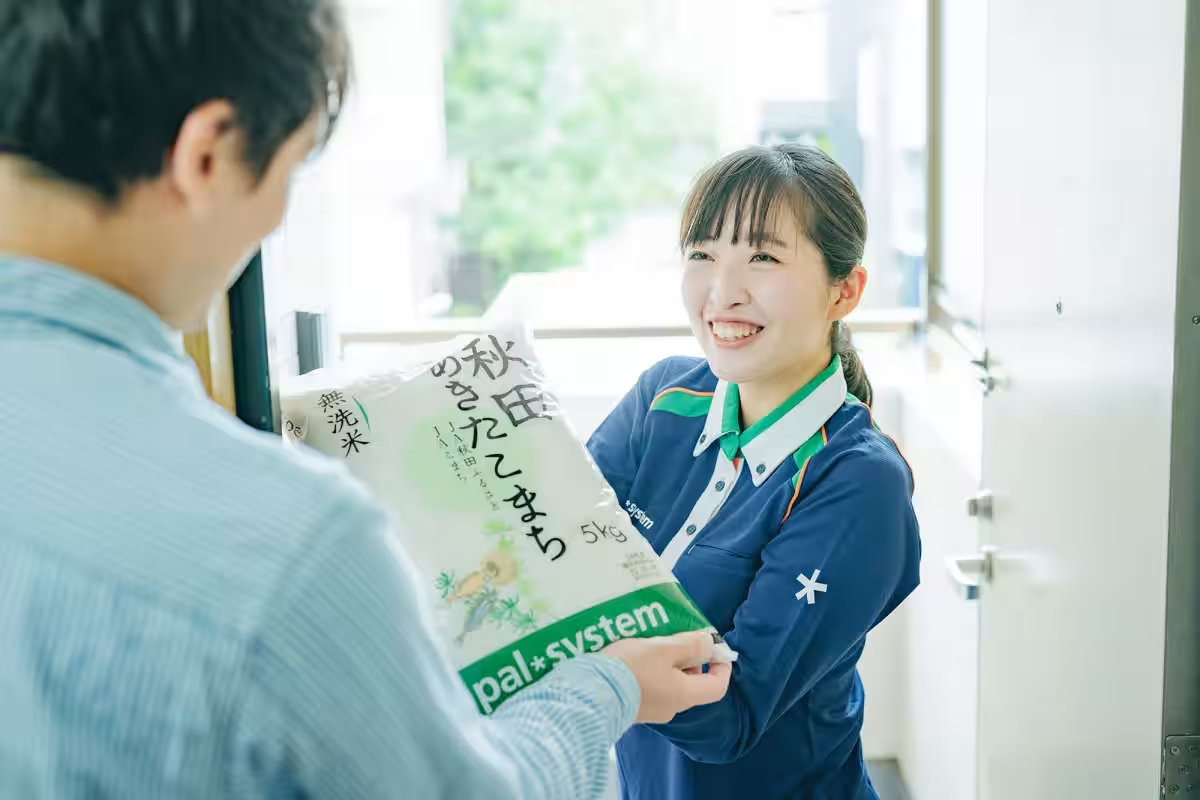
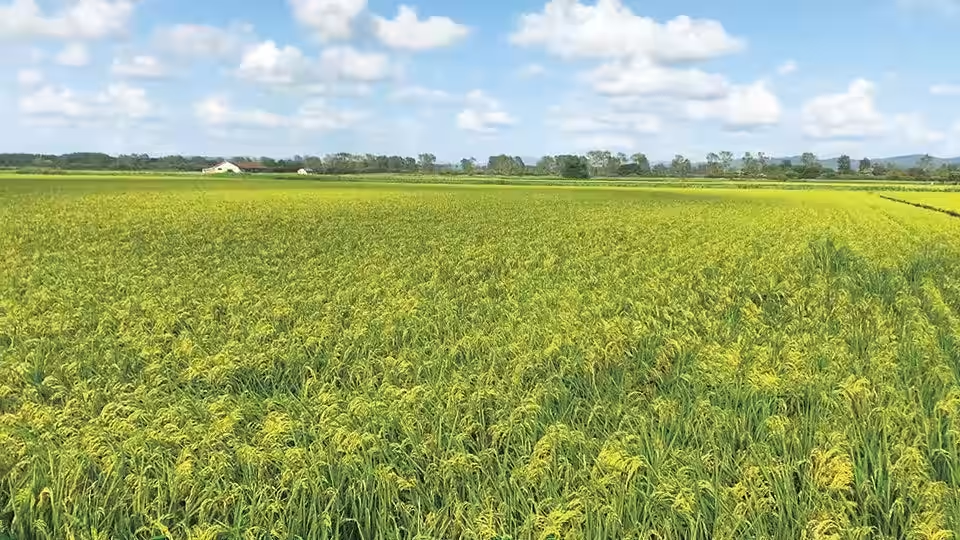
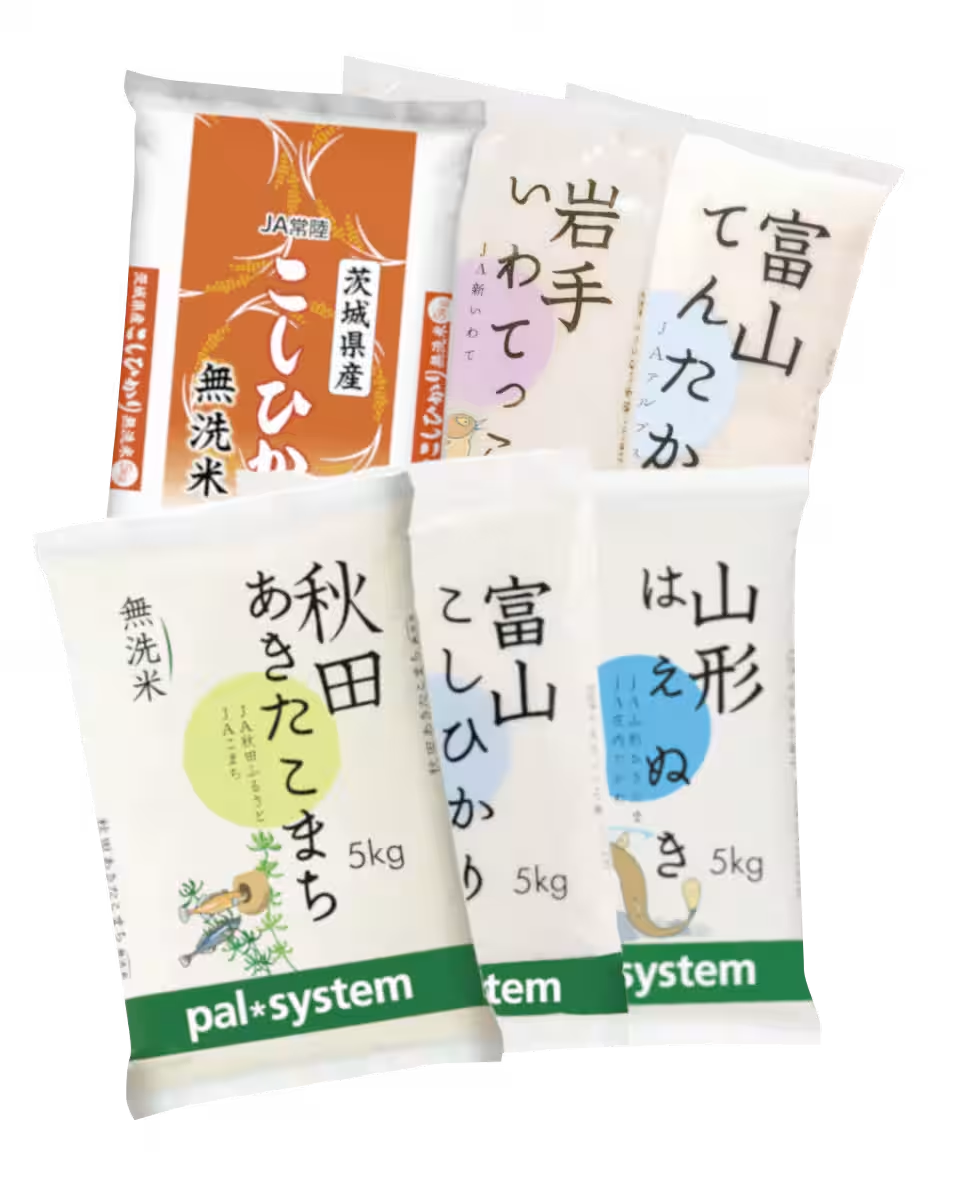
The "Omakase Direct Rice" program represents a unique approach to direct rice sourcing. It features rice grown under standard agricultural practices delivered without specific brand specifications, providing consumers an opportunity to encounter new rice types. This collaborative relationship between producers and consumers enriches tables with diverse offerings while allowing farmers to navigate the sale of their 2025 rice harvest without pressure to lower prices excessively.
For this initiative, the rice is available in a 5kg package priced at 2,770 yen (tax included: 2,992 yen), with orders accepted online from July 21 to August 1 and through catalog orders from July 27 to July 31.
Fresh Direct Eggs from Delivery Breaks
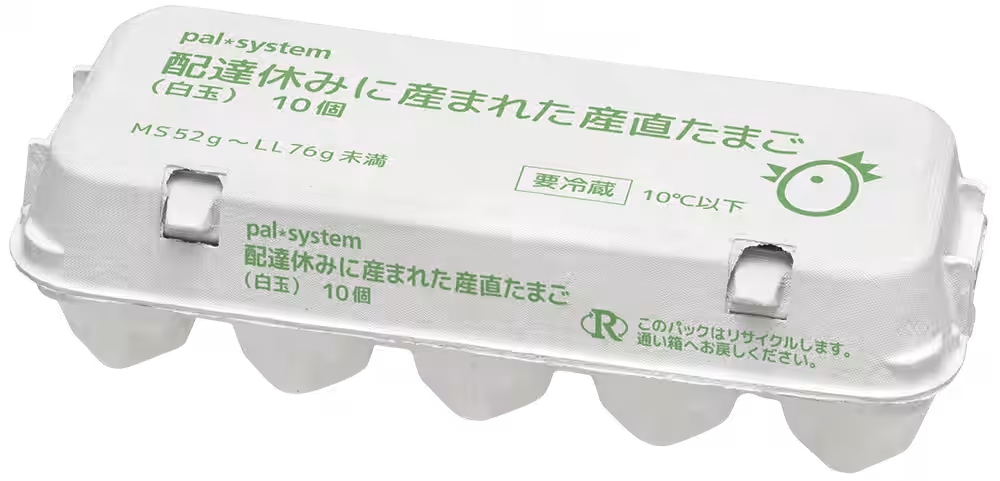
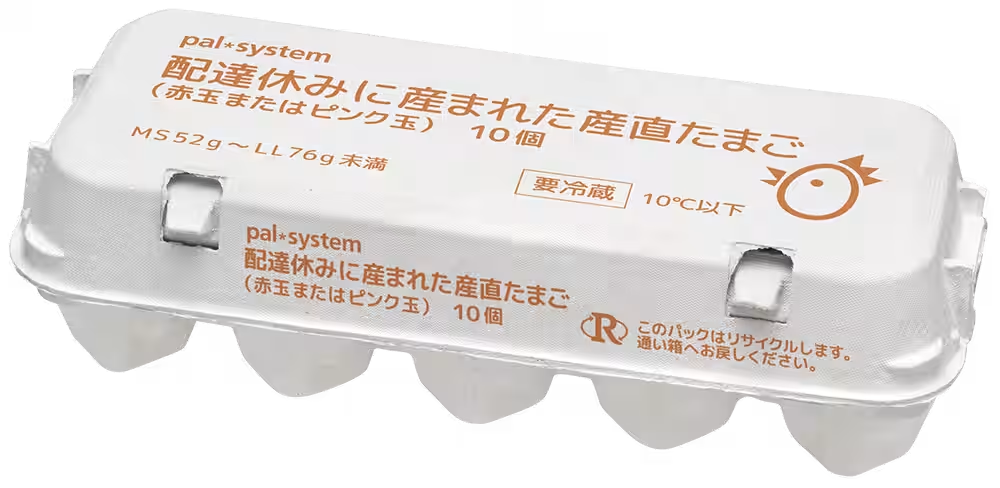
Following the success of the first initiative during the 2025 year-end break, the "Fresh Direct Eggs Produced During Delivery Breaks" is experiencing tremendous consumer interest. Chickens continue to lay eggs even during the delivery hiatus, but these eggs, produced during the break, often do not meet the usual expiration standards for direct eggs. Therefore, they are offered at about 20% less than the standard pricing, although there’s no compromise on quality or rearing conditions.
The eggs are sold at 262 yen (tax included: 283 yen) for white eggs and 286 yen (tax included: 309 yen) for red or pink eggs, with the shortest expiration from the delivery date being five days instead of the usual 12-13 days. Orders for these eggs are also accepted online from July 21 to August 1.
Community Engagement and Feedback
Previous offerings garnered positive feedback from users, who appreciated the necessity of delivery breaks for staff during holidays. Some expressed interest in similar initiatives during the summer months, citing the remarkable quality and value of the eggs available. The online community "Palmo!" serves as a platform where Pal System members share their egg-related recipes, discuss products, and gain insight into the production processes from the source.
This ongoing dialogue between producers and consumers showcases the understanding of local situations and helps stabilize the supply chain. Though some logistical challenges have emerged from the production of eggs during delivery breaks, consensus points to the meaningful impact of community-supported agriculture.
Committing to Sustainable Practices
Pal System Philippines is dedicated to maintaining close ties with producers while fostering a sustainable agricultural ecosystem where both consumers and farmers can thrive. In a statement, a Pal System representative emphasized, "Life cannot stop for human convenience. We will continue to listen to the voices of producers and consumers to pursue sustainable practices in agriculture."
Conclusion
These initiatives not only address the issue of food waste but also advocate for sustainable farming practices, emphasizing the importance of community in supporting local agriculture. The commitment to connecting consumers with producers promotes a more resilient food system that benefits all stakeholders involved.

Topics Consumer Products & Retail)









【About Using Articles】
You can freely use the title and article content by linking to the page where the article is posted.
※ Images cannot be used.
【About Links】
Links are free to use.