



Middle Career Employees in Japan Exhibit Uncertain Career Aspirations Amidst Industry Changes
Overview of the Research
In a recent survey conducted by ALL DIFFERENT Inc. and the Learning Innovation Institute, over 800 mid-career employees in Japan shared insights about their career aspirations amidst a transforming job landscape. Defined as employees with more than five but less than fifteen years of professional experience and not in managerial positions, findings revealed significant uncertainties in career goals among this demographic.
Background
Middle career employees hold crucial roles within organizations, particularly in mentoring junior staff and ensuring operational stability. However, the current socio-economic climate, such as the aftermath of the Lehman Brothers crisis and the Great East Japan Earthquake, has influenced their career outlook. According to a survey by Nikkei Research, around 60% of participants feel that their organization lacks sufficient employees in their thirties. This deficit is echoed in the reports of middle career workers facing diverse challenges such as chronic workforce shortages and evolving employment structures impacted by technological advancements.
Key Findings
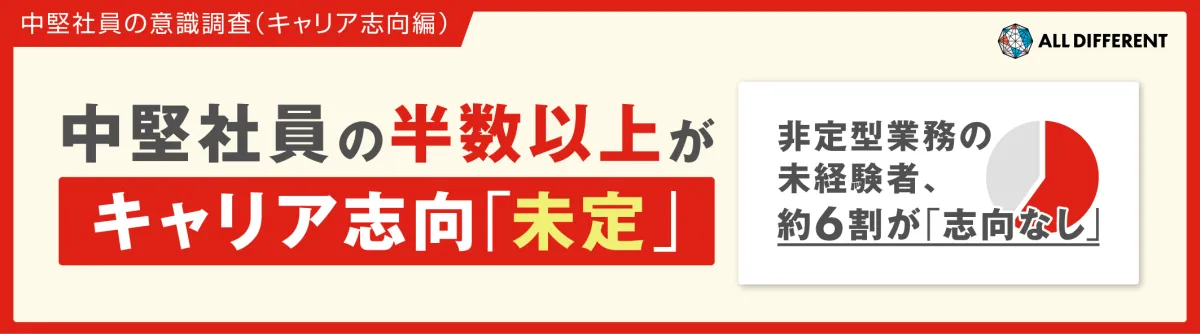
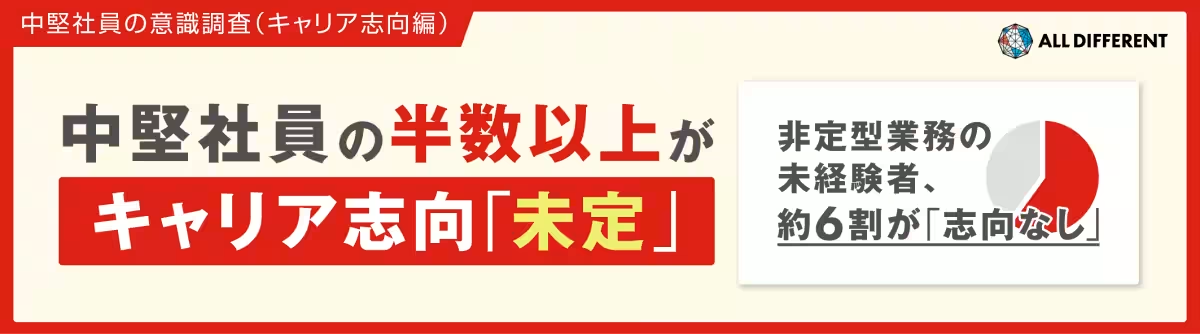
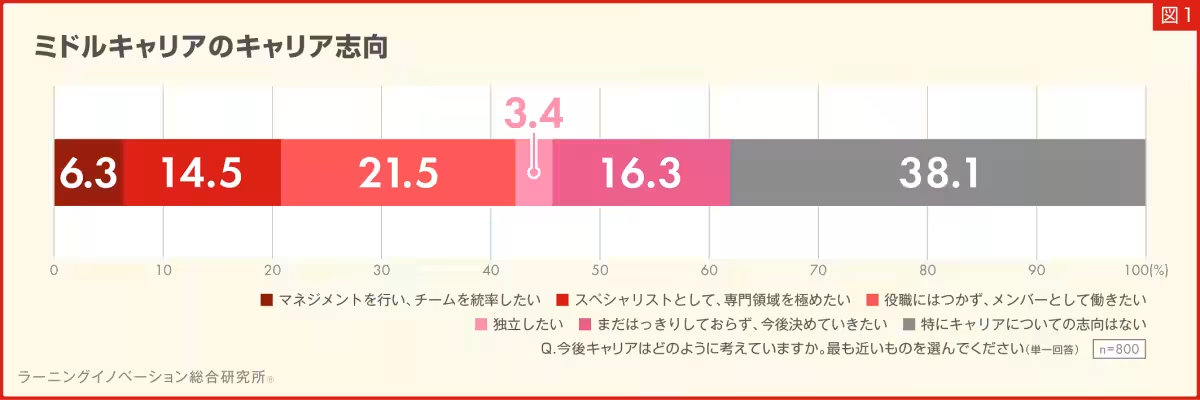
1. Ambiguous Career Aspirations: More than half of employees identified their career direction as “undecided” or “no orientation.” Specifically, 38.1% reported having no particular career aspirations, highlighting a prevalent uncertainty among this group.
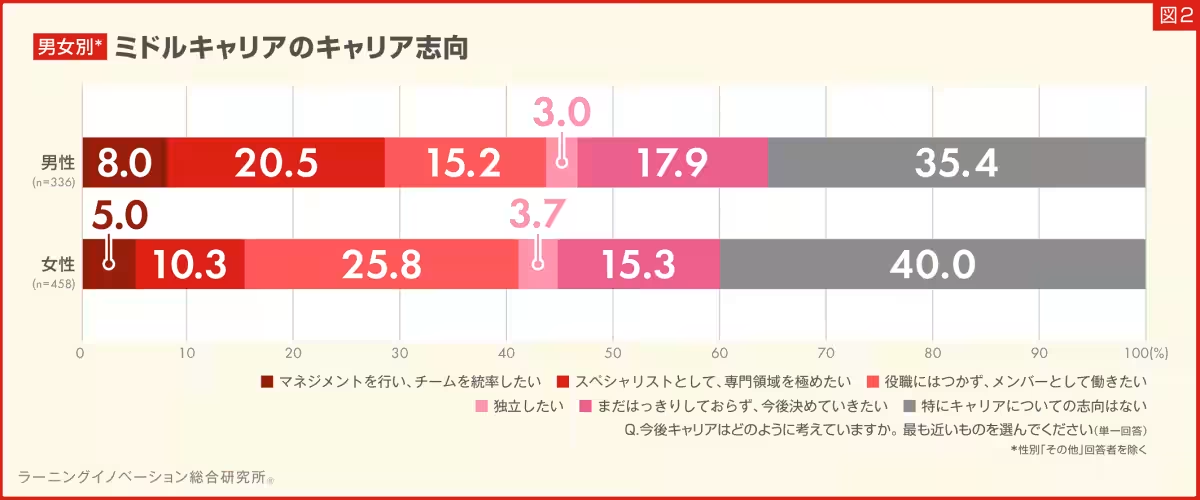
2. Gender Disparity: Male respondents exhibited a stronger inclination towards specialist roles, reporting 20.5% specialist orientation compared to only 10.3% among females. Conversely, 40% of female workers identified as having no career aspirations, a trend that was less frequent in male counterparts.
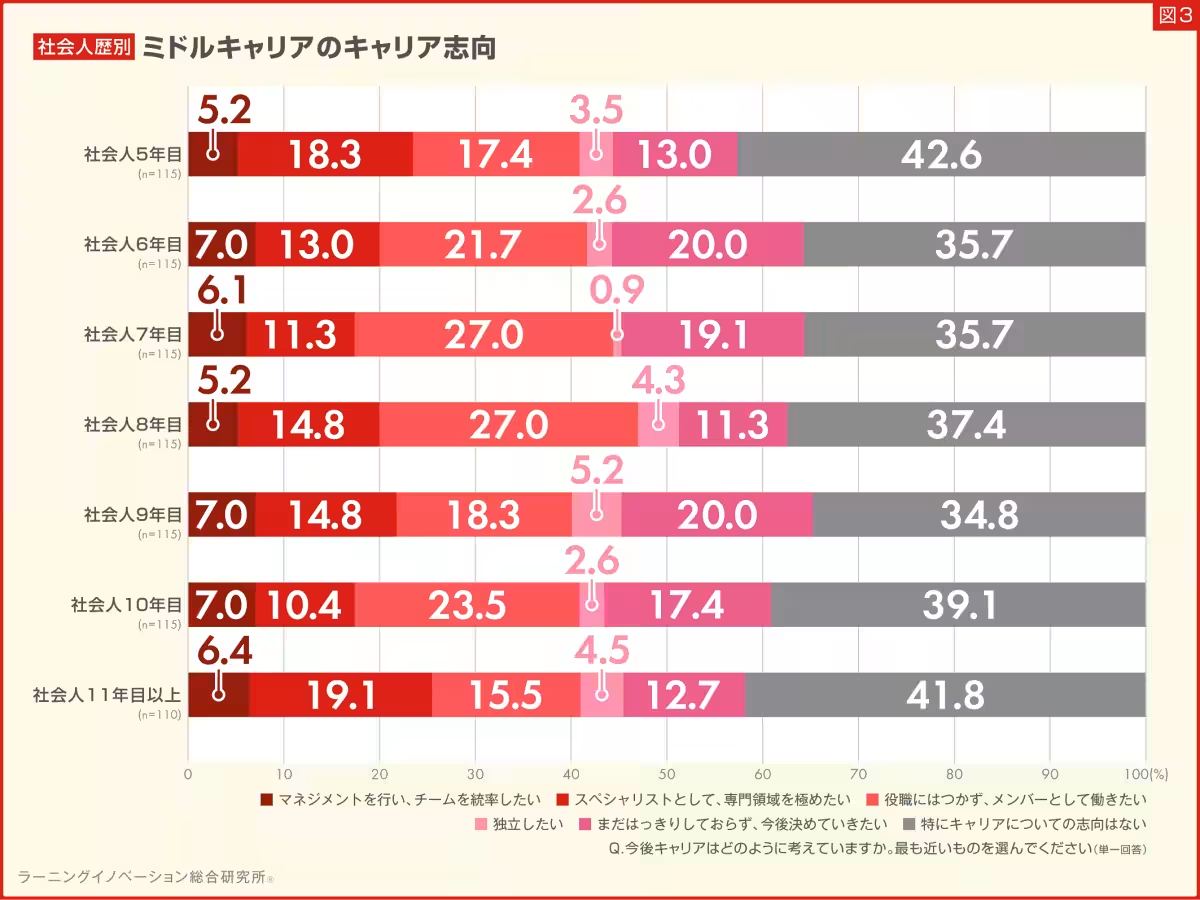
3. Experience Level Correlation: The survey revealed an interesting trend where the longer individuals were in their careers, the less likely they were to define their career aspirations clearly. While the percentage of undecided employees decreased after nine years of experience, the notion of having no career orientation increased significantly.
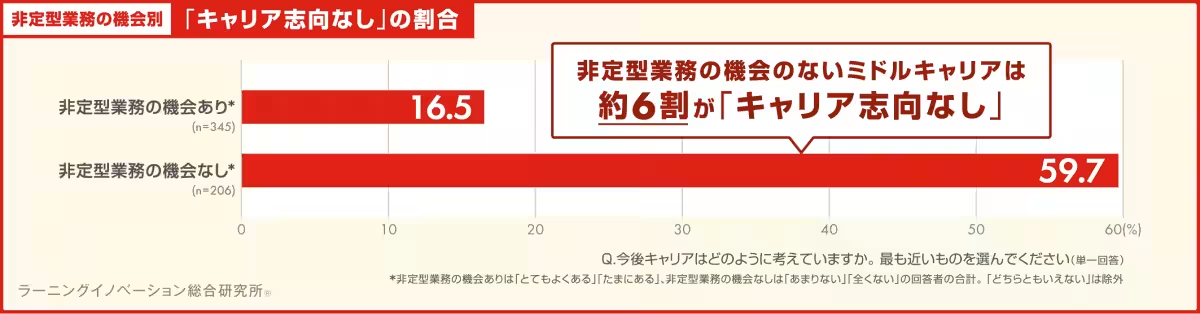
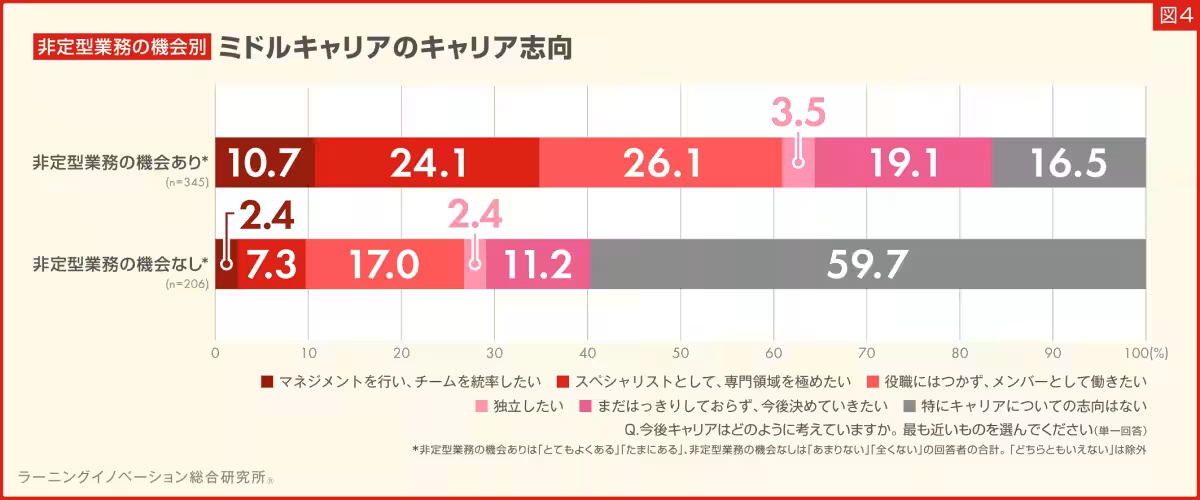
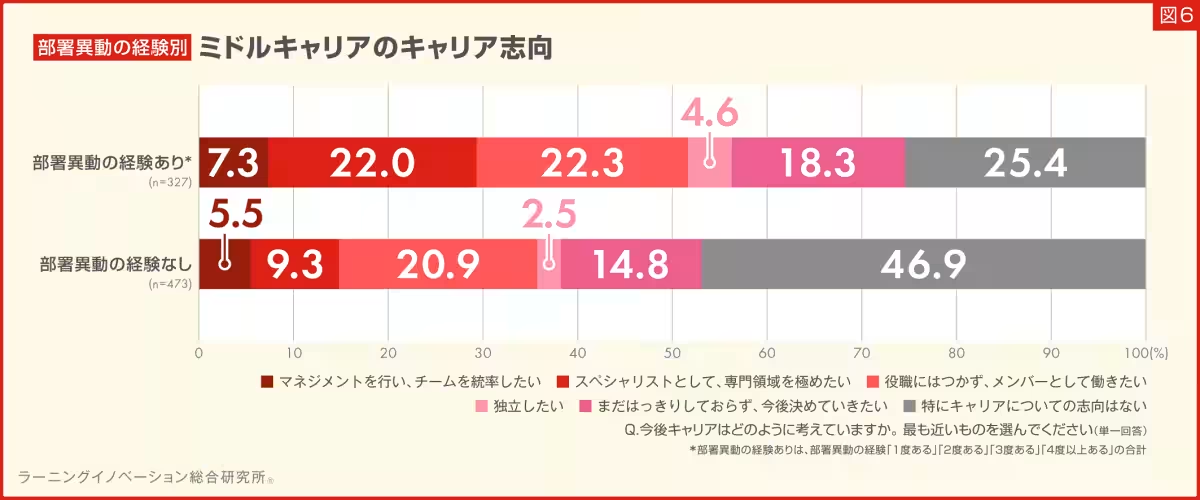
4. Impact of Work Experience: Opportunities to engage in non-standard roles were correlated with career aspirations, as those without such experiences reported a high percentage (59.7%) of being unsure of their career goals.
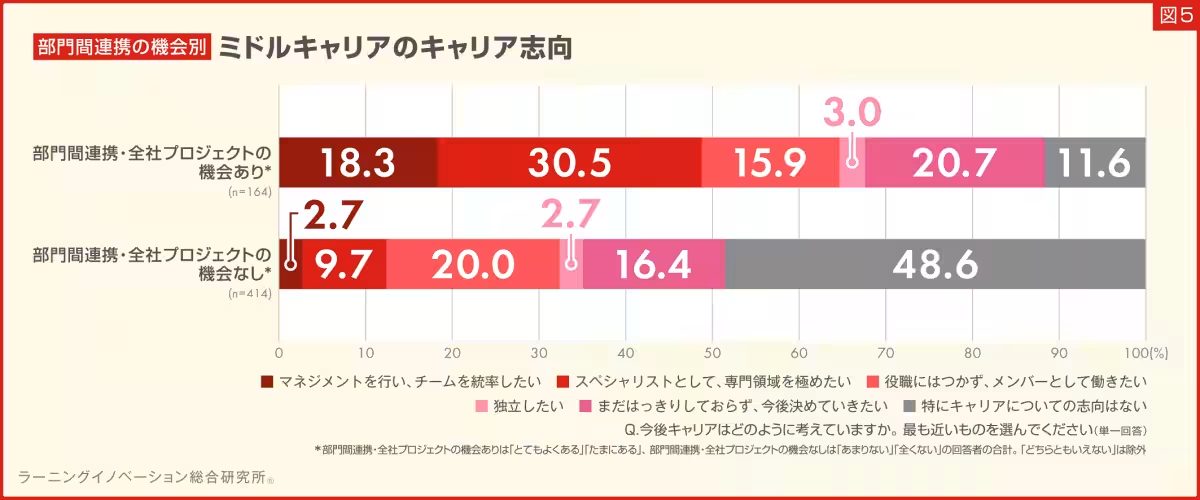
5. Interdepartmental Collaboration: Employees with opportunities for collaboration across departments were three times more likely to express specialist career aspirations than those who did not have such opportunities.
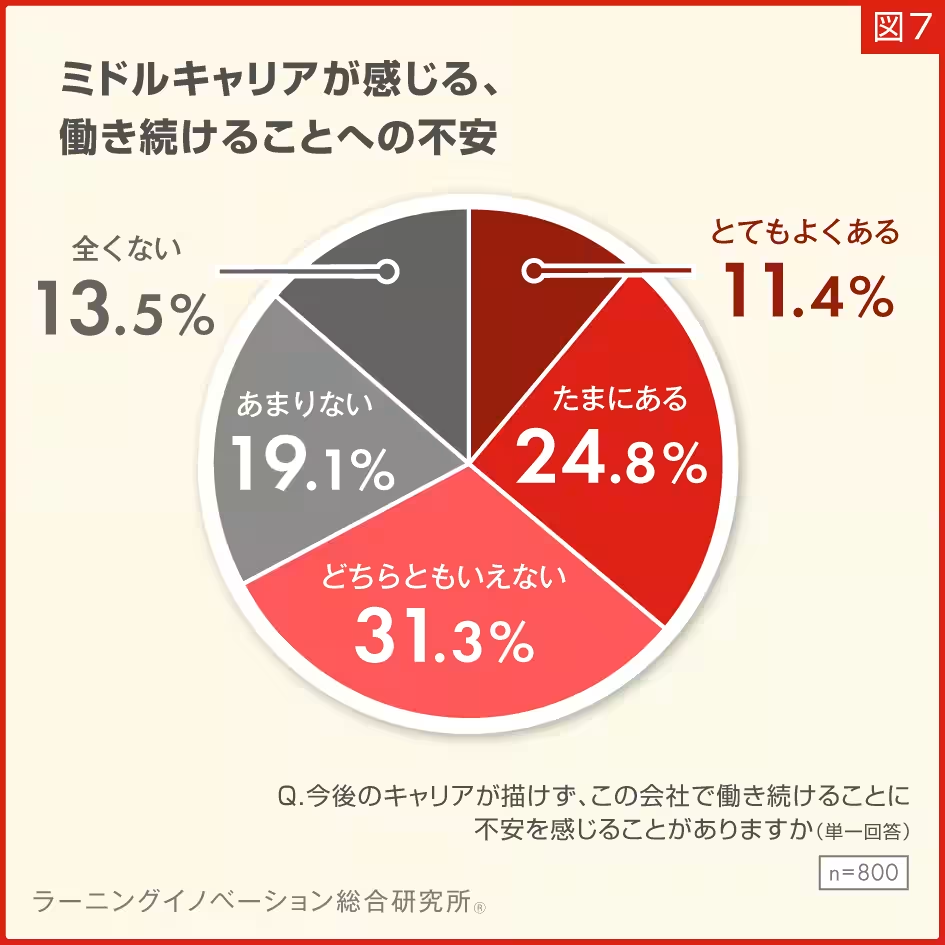
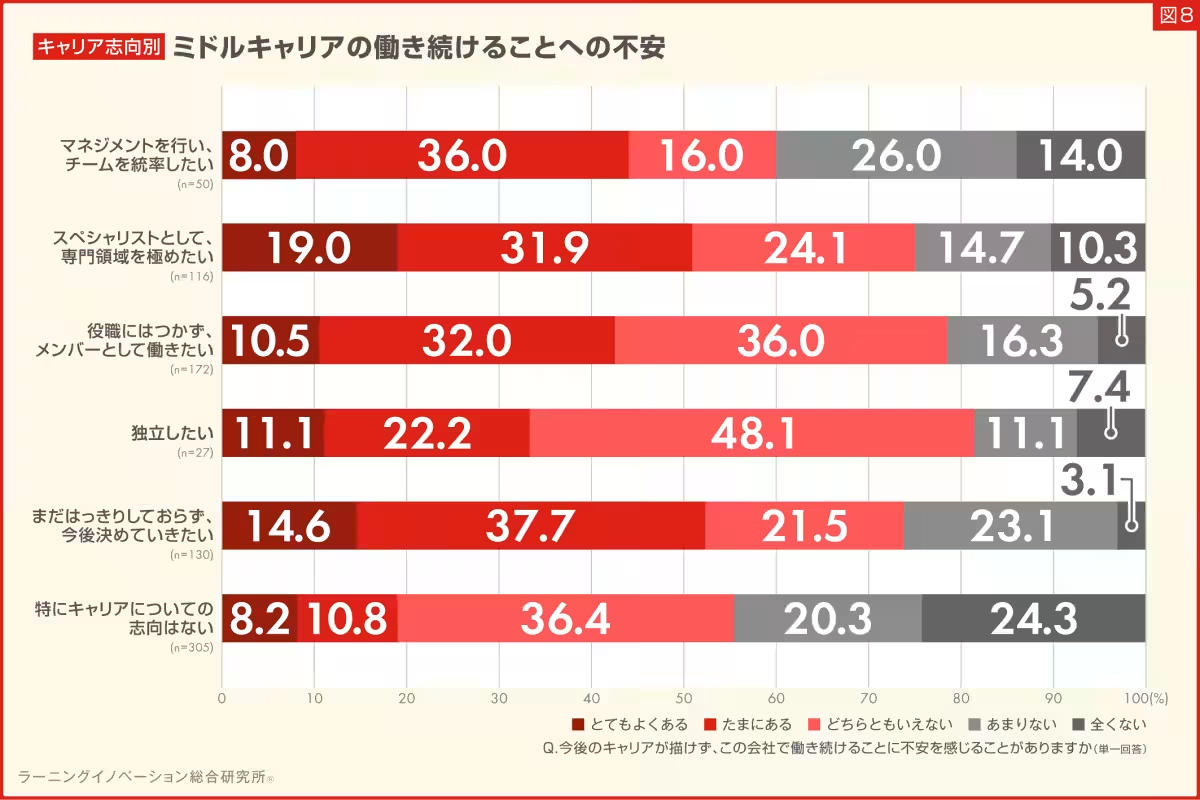
6. Fear of Career Stability: About 40% of respondents expressed anxiety about their future within the organization. Those with undecided career paths were particularly anxious, with over half indicating a lack of direction contributing to their concerns.
Implications
The survey underscores a compelling need for employers to support their middle career employees in developing clear career paths. This support is crucial not only for the individual’s growth but also to boost overall organizational adaptability amid cultural changes in the workforce.
Recommendations
1. Encourage Broad Work Experience: Employers should aim to provide varied opportunities that allow employees to explore different areas. By actively managing assignments in a way that expands their experiences, employees may become more engaged and confident in their career aspirations.
2. Focus on Skill Development: It is essential for organizations to facilitate skill-building initiatives that empower employees both with specialized knowledge and vital transferable skills necessary for various roles.
3. Fostering Career Discussions: Regular one-on-one check-ins with management can provide a platform for employees to express their career thoughts and aspirations. These conversations aim to clarify how employees perceive their future roles and responsibilities.
By prioritizing these aspects of career development, employers can foster a more motivated workforce and decrease the likelihood of turnover, thus enhancing the competitive edge in today’s volatile economy. Middle career employees form the backbone of any organization, and their active participation in shaping their career trajectories is vital for long-term success.


Topics People & Culture)



【About Using Articles】
You can freely use the title and article content by linking to the page where the article is posted.
※ Images cannot be used.
【About Links】
Links are free to use.