



The Impact of Educational Background on Career in the Era of AI: Insights from Job Research Institute
Understanding the Relationship Between Education and Career
In a rapidly changing job market, the perception of educational attainment has remained a contentious topic. A recent survey conducted by Job Research Institute, part of Persol Career, aimed to dissect the relationship between academic qualifications and career progression amidst the rising influence of AI technology.
Survey Overview
From January 14 to 19, 2026, Job Research Institute analyzed responses from 310 employed individuals across various age groups—20s to 50s. The core questions centered on the significance of educational backgrounds, both in the current job landscape and in future career choices in light of technological advancements.
Educational Attainment's Relevance
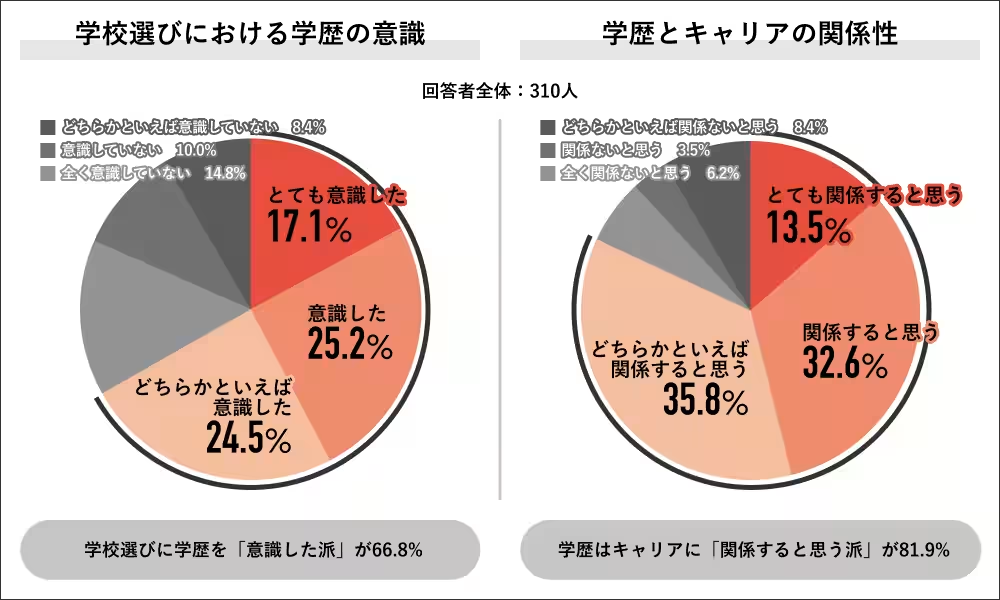
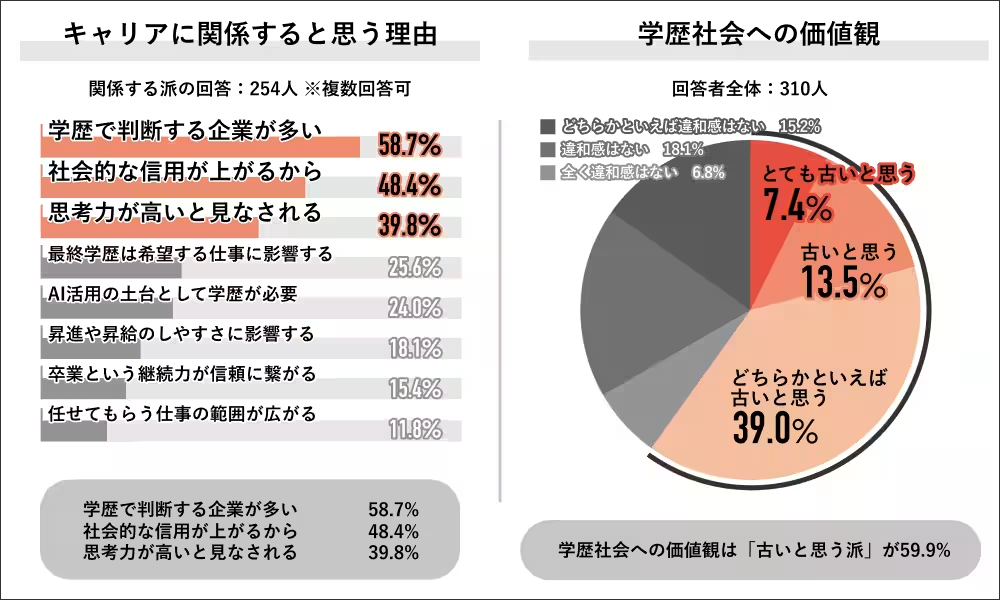
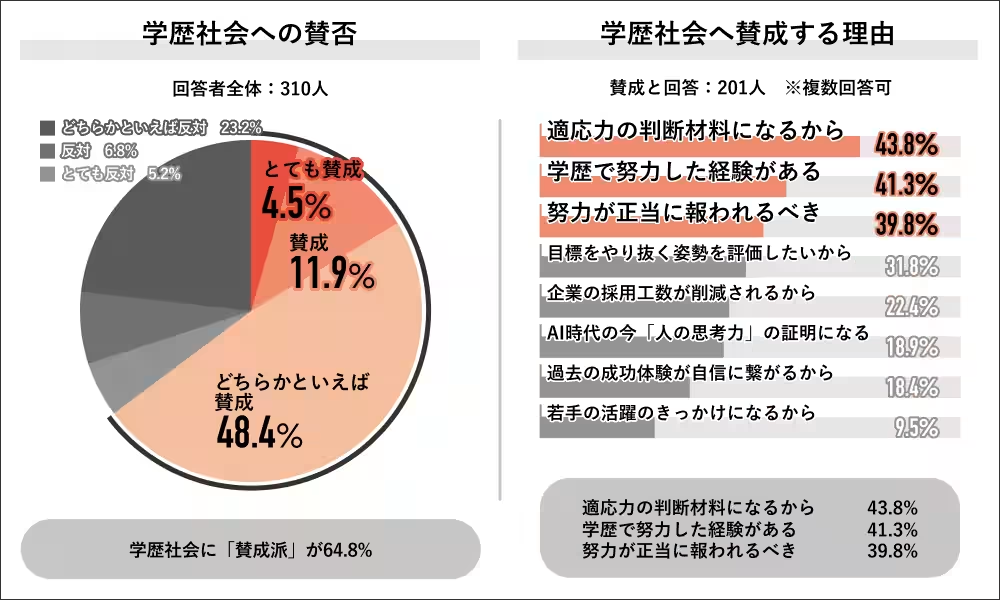
The findings revealed that 81.9% of respondents believe their education level impacts their career. Notably, 66.8% acknowledged they were conscious of their educational choices when selecting an institution, with many attributing tangible career outcomes to their academic qualifications. When asked about the relevance of education to their careers, responses varied, but a clear majority affirms its importance, reflecting a consistent belief that educational qualifications can catalyze career advancements.
The Shift Towards Skills in the AI Era
While studies show that many still champion the significance of academic credentials, there’s a growing consciousness surrounding the value of practical skills and experience, particularly in an AI-driven workplace. As employers increasingly prioritize specialized knowledge and practical abilities over mere diplomas, a significant portion of the respondents expressed a desire for different educational backgrounds if given the chance to choose again.
Key Insights on Skill Acquisition: 51.3% of respondents indicated they would opt for a different academic path, focusing on achieved competencies, with strong demand for industry-relevant skills highlighted as the priority in this evolving job market.
The Need for Academic Metrics
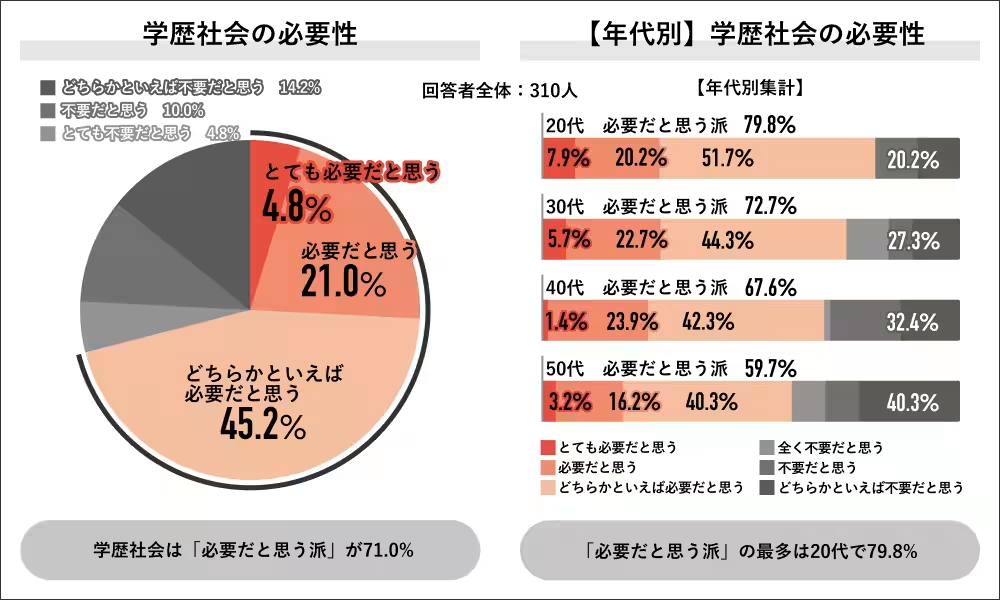
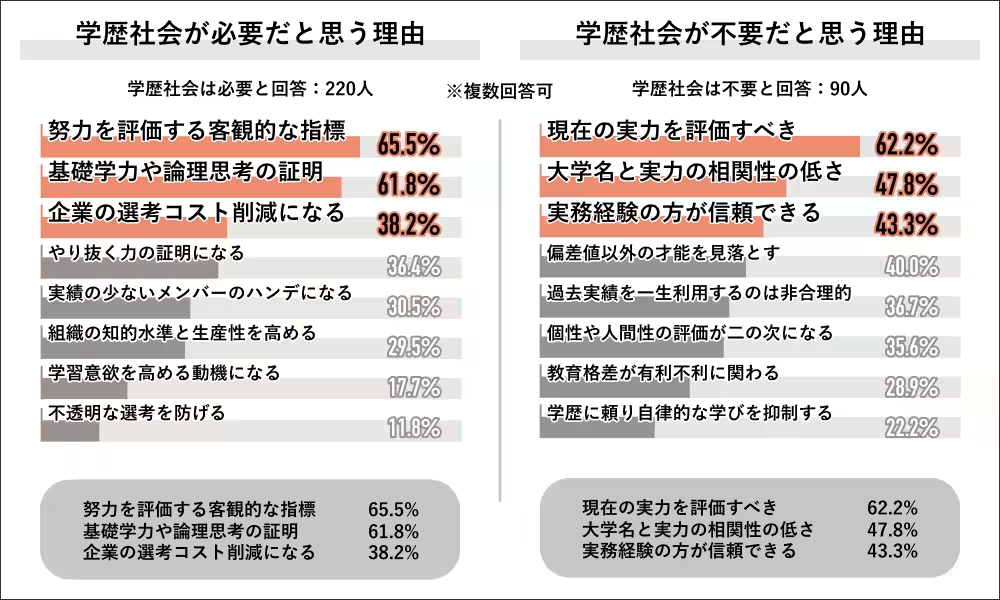
Despite debates about the relevance of traditional education in contemporary workplaces, a substantial 71% of respondents asserted that an educational framework remains necessary. The primary justification presented was that education serves as an objective benchmark for evaluating effort and capability. Interestingly, participants echoed sentiments of the



Topics People & Culture)

【About Using Articles】
You can freely use the title and article content by linking to the page where the article is posted.
※ Images cannot be used.
【About Links】
Links are free to use.