




The Rising Trend of Resignation Assistance for New Graduates: Insights from MOMURI+ Data Analysis
Introduction
In recent years, the trend of using resignation assistance services has gained significant traction, especially among new graduates entering the workforce. MOMURI+, managed by Alba Tross Co., Ltd, has conducted a comprehensive analysis of resignation data focusing on 1,072 new graduates of 2025. This article delves into the findings and compares them to the previous year's data to highlight emerging trends and pressing concerns related to employee turnover.
Overview of the Resignation Data
On July 1, 2025, MOMURI+ released its latest findings regarding the resignation assistance usage among new graduates. The number of new graduates utilizing the service has increased by 267 from the previous year, rising from 805 to 1,072. This marked rise is significant as it reflects escalating concerns regarding workplace satisfaction and the realities of employment conditions.
Survey Methodology
The analysis is based on a broad survey targeting new graduates, with the following details:
- - Gender: Both male and female respondents included
- - Location: Nationwide data collected across various regions
- - Survey Participants: 2024 new graduates (805 total, including 4 resignation requests) and 2025 new graduates (1,072 total, including 36 resignation requests)
- - Survey Period: March 1 to June 30 for both years
Key Statistics Analyzed
MOMURI+ focused on various aspects of resignation assistance usage, including:
1. Monthly user trends
2. Gender ratio among users
3. Industries with the most resignations
4. Job categories showing higher resignation assistance requests
5. Common reasons for resignation
6. Actual resignation scenarios experienced by users
Findings and Comparisons
Monthly Usage Trends
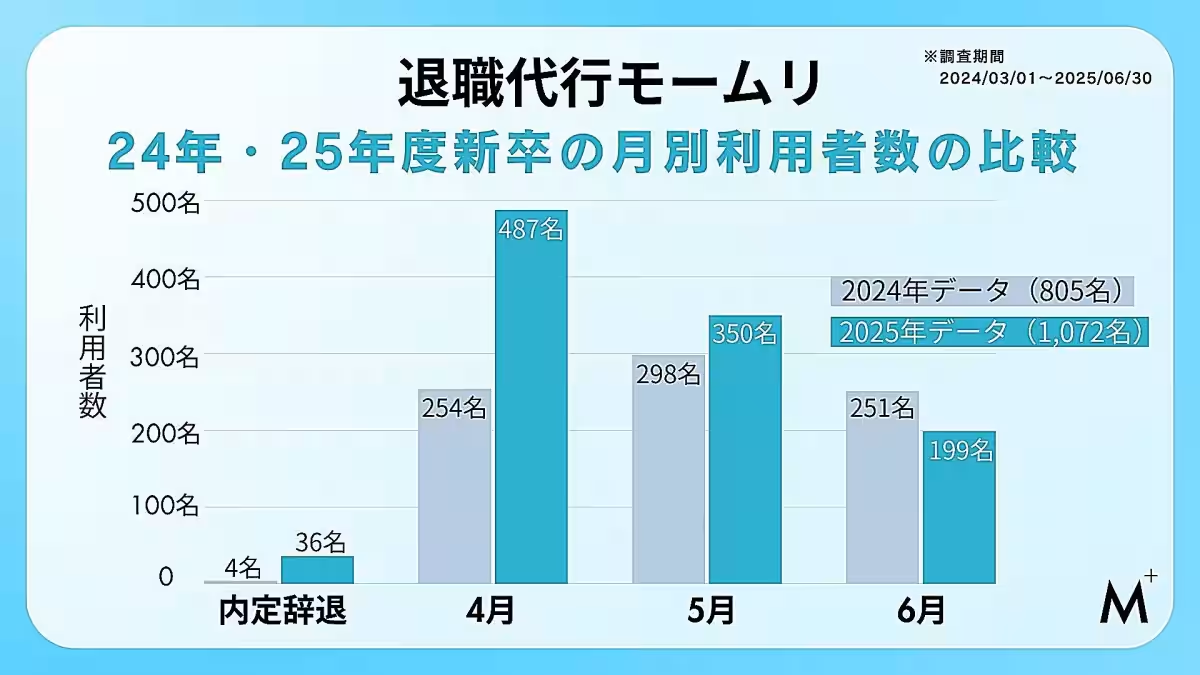
Examining the monthly usage statistics for new graduates revealed some compelling insights. For the 2024 graduates, the peak usage month was May, whereas in 2025, the peak shifted to April. This shift highlights a trend where new graduates are increasingly seeking resignation assistance earlier in their employment journey.
```
Monthly Utilization Overview (2024 vs 2025)
- - 2024 New Graduates
- May: 298 new users out of 2,107 (14.1%)
- June: 251 new users out of 2,113 (11.9%)
- Total: 805 out of 5,883 (13.7%)
- - 2025 New Graduates
- May: 350 new users out of 2,759 (12.7%)
- June: 199 new users out of 2,118 (9.4%)
- Total: 1,072 out of 8,147 (13.2%)
```
Gender Ratio Analysis
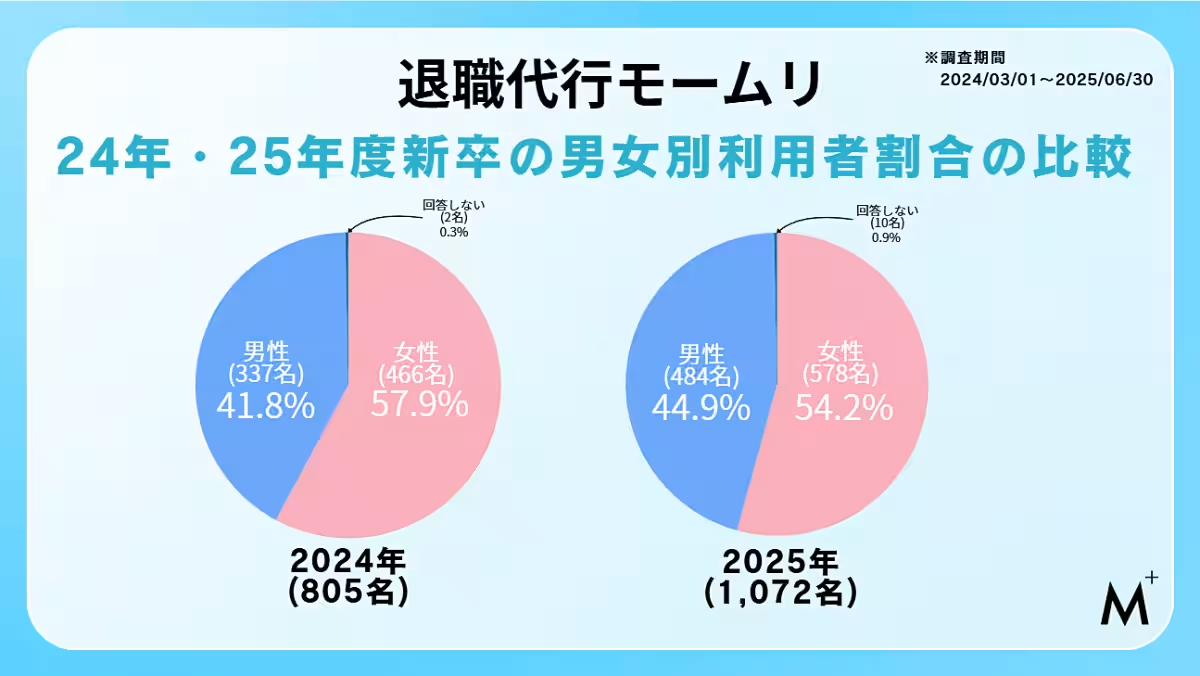
The analysis of gender ratios among users of resignation assistance indicated that women still constitute a majority; however, the percentage of male users increased by approximately 3%. This slight shift suggests changing dynamics in workplace environments, with men increasingly resorting to resignation assistance.
Industry Breakdown of Users
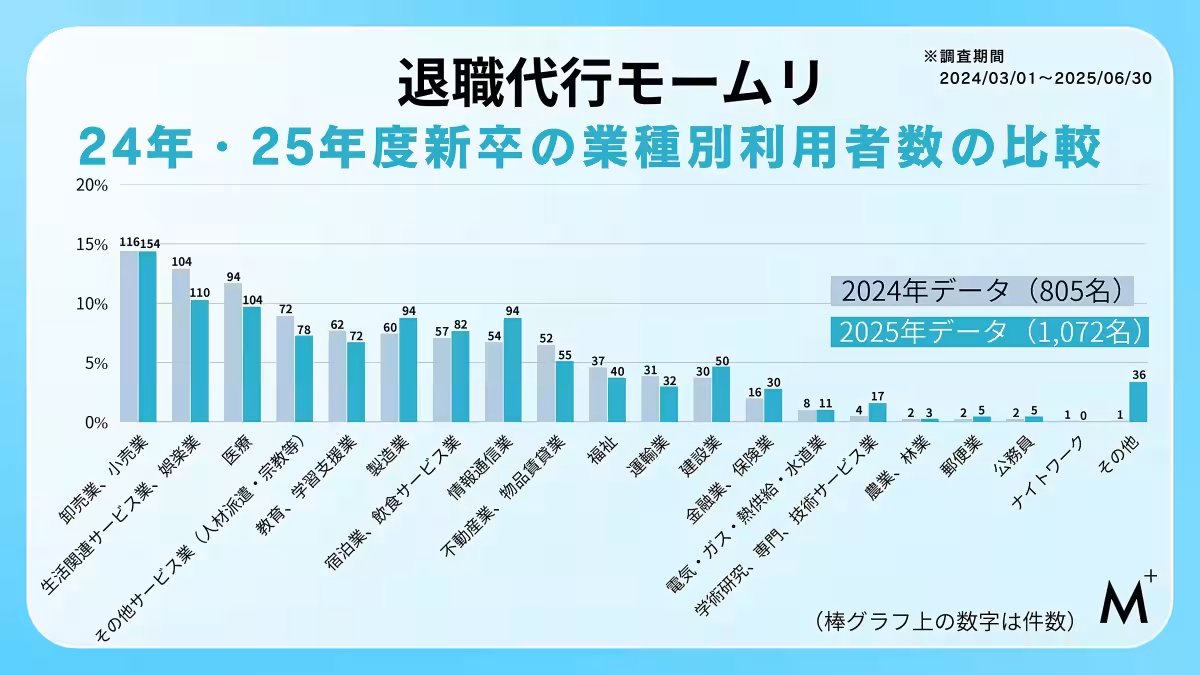
The top industries utilizing resignation assistance remained constant between 2024 and 2025, indicating persistent challenges in labor conditions. These industries included wholesale and retail, service industries, and healthcare, suggesting that long working hours and understaffing issues still prevail.
Job Category Insights
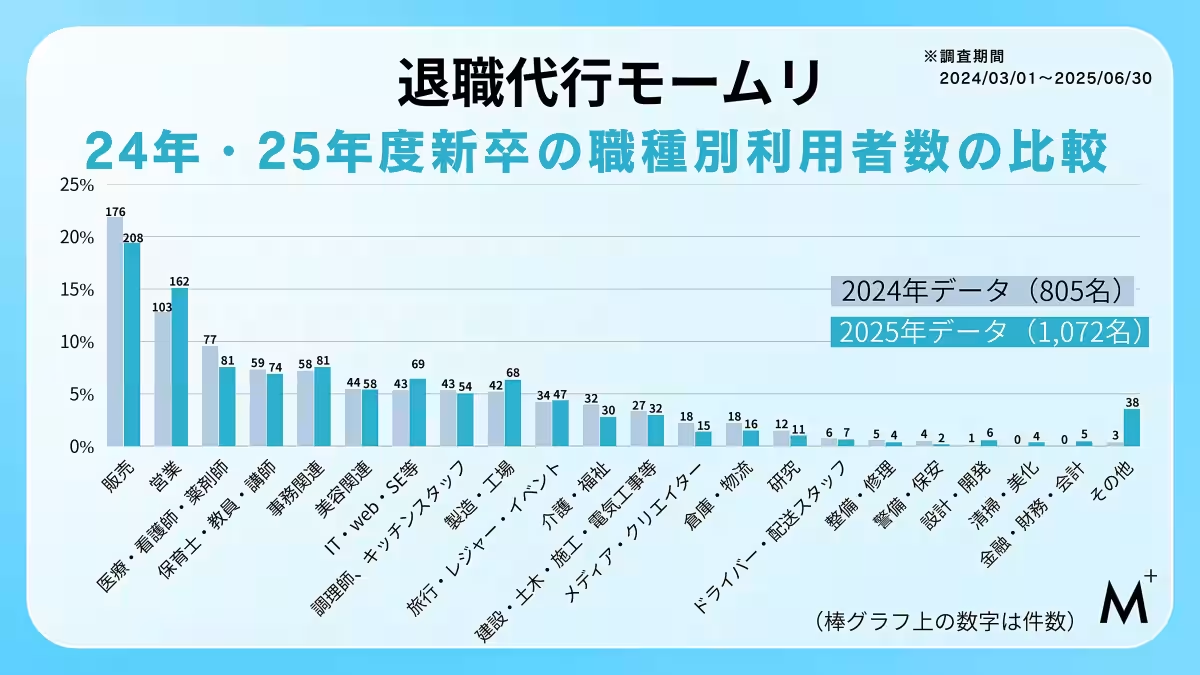
In terms of job categories, retail sales positions continued to dominate the list of those seeking resignation assistance. This consistency over the years underscores the reality faced by new graduates in retail and service sectors, often burdened with high expectations and demanding workloads.
Resignation Reasons
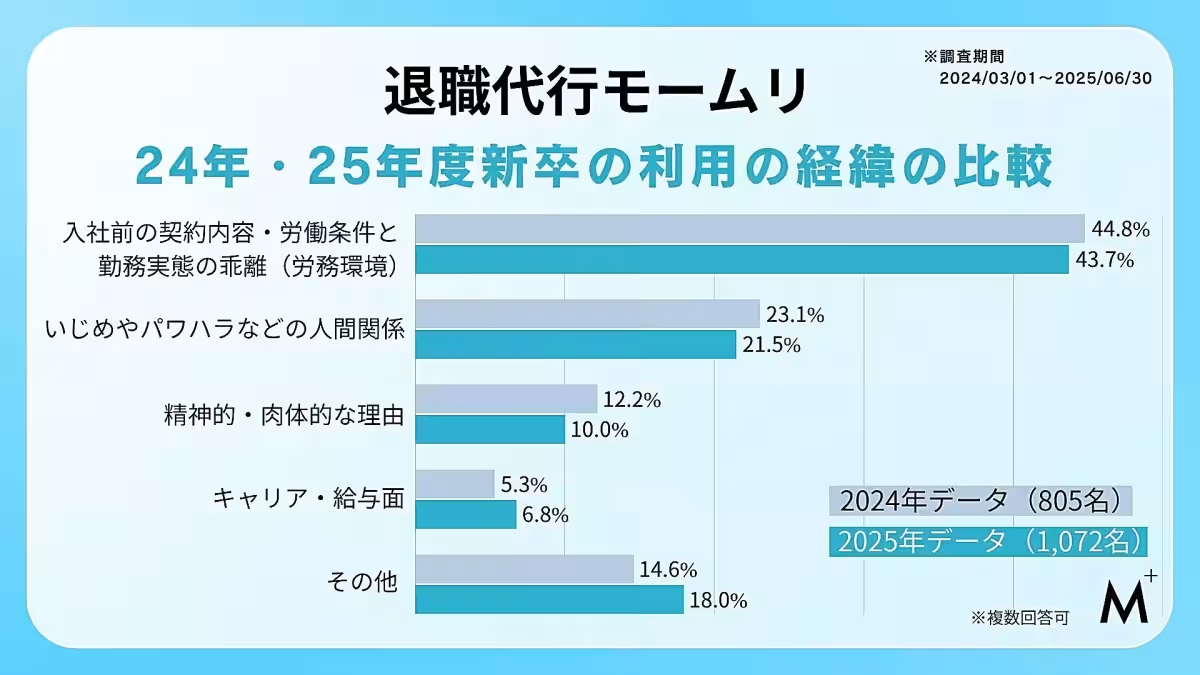
A key finding in both years' analyses identified a significant correlation between the discrepancies in contract expectations versus actual working conditions. This particular issue was cited as a reason for resignation by over 40% of participants.
Real-life resignation narratives further highlighted varied contexts, including:
- - Disparities between promised compensation and actual earnings
- - Experiences of harassment and unsafe workplace conditions
- - Psychological and physical strain due to unrealistic job demands
Conclusion
The findings of this survey shed light on the increasing usage of resignation assistance services by new graduates, with a evident trend towards earlier utilization. As organizations grapple with the challenges of employee turnover and workplace satisfaction, the insights provided by MOMURI+ can guide improvements in workforce management practices. With the increasing awareness of workplace challenges and the growing demand for resignation assistance services, stakeholders must pay close attention to these trends, as they signal a critical need for positive change in organizational culture and operations. To learn more or seek support, organizations and individuals can connect with MOMURI+ through their official website and platforms.



Topics People & Culture)
【About Using Articles】
You can freely use the title and article content by linking to the page where the article is posted.
※ Images cannot be used.
【About Links】
Links are free to use.