



Climate Change Mitigation Efforts in Seiseki Sakuragaoka Win Prestigious Award
Climate Change Mitigation in Seiseki Sakuragaoka
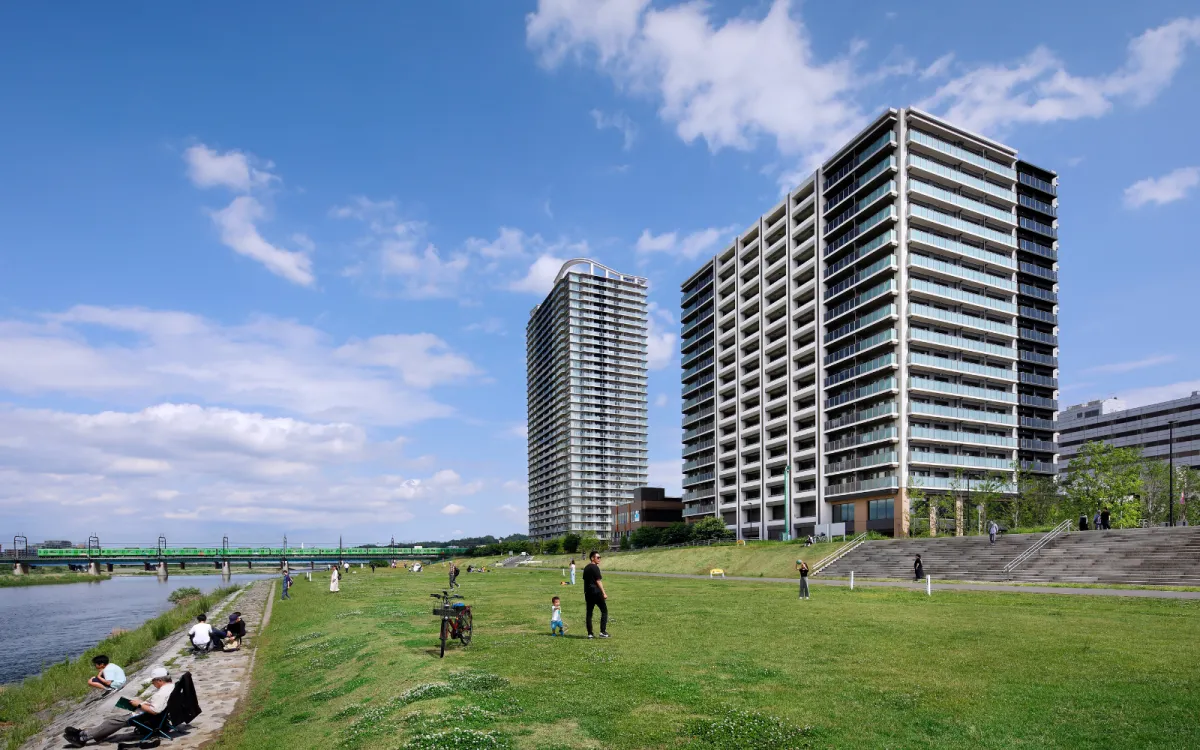
The Seiseki Sakuragaoka North area has been awarded the prestigious "Climate Change Action Award" for its impactful initiatives aimed at mitigating and adapting to climate change. This accolade, part of the Ministry of the Environment’s 2023 Climate Change Action Minister's Award, recognizes outstanding achievements by individuals and organizations in promoting climate change countermeasures. The accolade highlights their holistic approach to enhancing disaster resilience and leveraging the rich natural environment along the Tamagawa River to foster community vibrancy.
Background of the Initiative
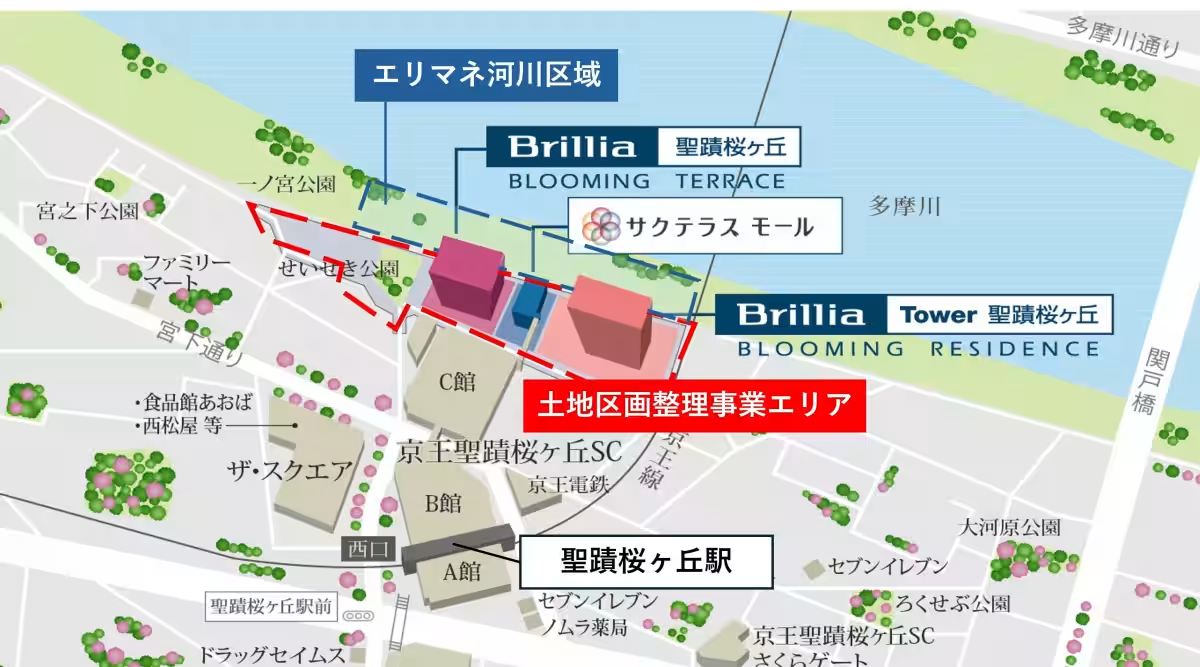
Located near the Seiseki Sakuragaoka train station in the city of Tama, the North area features convenient access to urban amenities and beautiful natural surroundings. However, the region has faced challenges, including insufficient utilization of its natural features and heightened disaster risks due to recent climate extremes. This initiative views climate change as a significant opportunity for realizing a decarbonized society, leading to comprehensive solutions through land readjustment projects, mixed-use developments, and area management practices. By involving multiple stakeholders such as Tokyo Building, Toei Housing, Keio Corporation, and Itochu Urban Development, the project emphasizes an integrated approach to community development, focusing on carbon dioxide reduction and resilience.
Key Components of the Initiative
Enhanced Land and Infrastructure Development
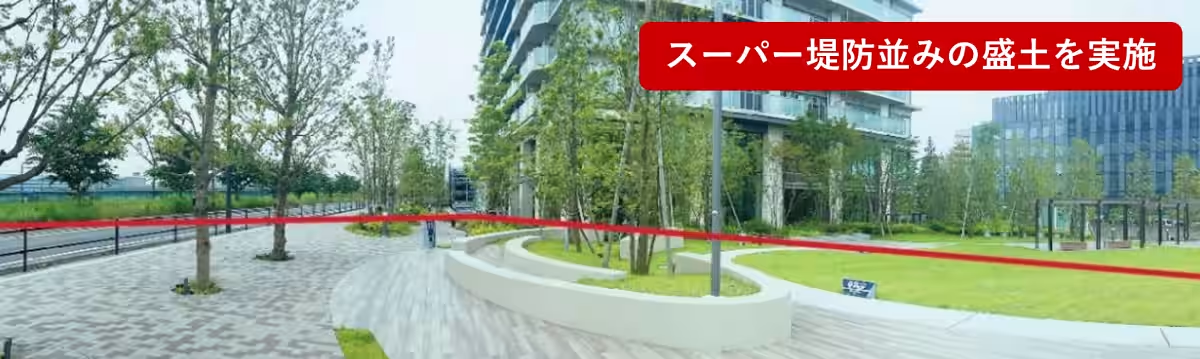
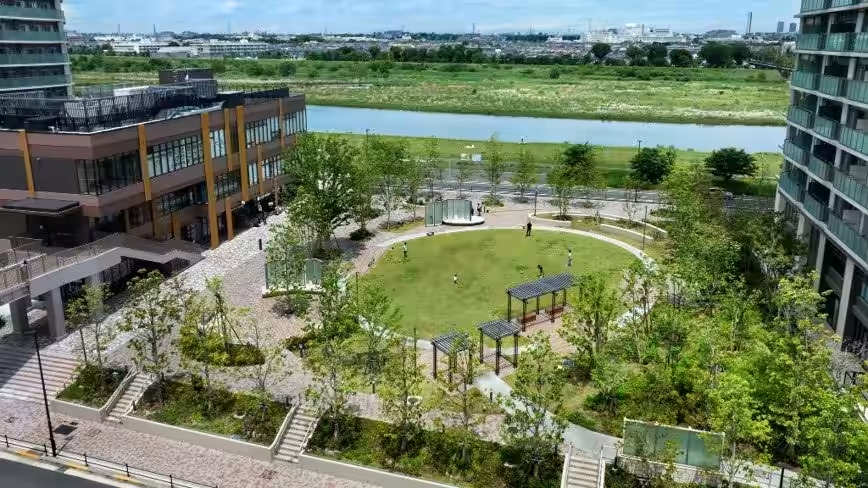
One of the primary objectives was to develop land compliant with high-standard flood control measures. The project included the construction of elevated, flood-resistant land based on a 1:30 gradient, protecting against heavy rainfall and potential flooding. Additionally, this design ensured that emergency evacuation routes and disaster facilities were included within the public park infrastructure, thereby improving access from the station to the Tamagawa River.
Energy-Efficient Residential Buildings
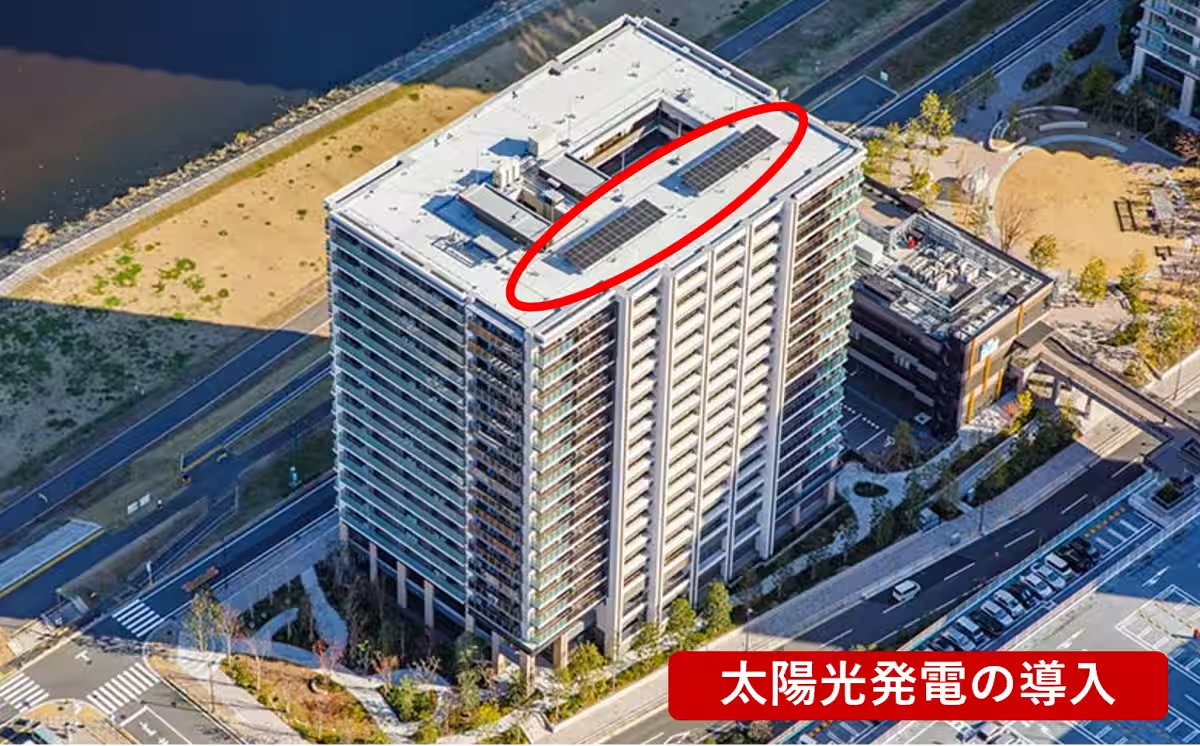
The residential buildings developed during this initiative include the "Brillia Tower Seiseki Sakuragaoka BLOOMING RESIDENCE" and "Brillia Seiseki Sakuragaoka BLOOMING TERRACE". These structures achieved ZEH-M (Zero Energy House-Mid) standards through enhanced insulation and high-efficiency heating systems. Rooftop solar panels further augmented renewable energy production, leading to a substantial decrease in carbon emissions—approximately 810.43 tons annually. Notably, "Brillia Tower Seiseki Sakuragaoka BLOOMING RESIDENCE" was recognized as a pioneering project in the Tokyo metropolitan area during the Ministry of Economy, Trade, and Industry's 2019 ZEH-M initiative.
Resilience Against Disasters
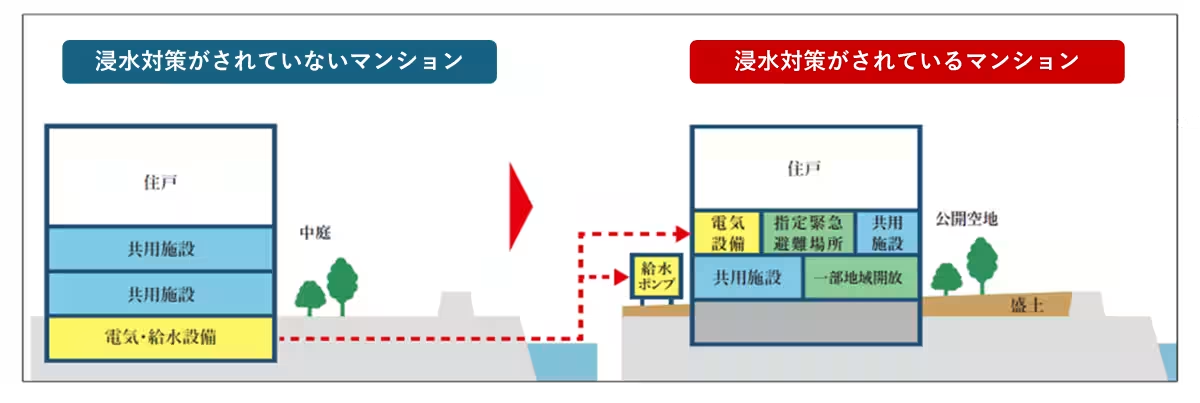
Learning from prior flooding events, residential areas reconfigured essential amenities such as electrical and water systems, ensuring they were elevated above potential flood levels. This proactive measure was recognized as a leading example in the Ministry of Land, Infrastructure, Transport, and Tourism’s guidelines for flood-resistant electrical setups in high-rise buildings.
Green Infrastructure for Biodiversity and Climate Control
The comprehensive development plan integrated approximately 3,770 square meters of greenery within commercial facilities and residential buildings, achieving a greenery rate of 25.6%. This focus on natural environments plays a crucial role in alleviating urban heat island effects and enhancing biodiversity. The residential community has been awarded the ABINC certification, making it the first in Tama City to achieve recognition for contributing to biodiversity.
Community Engagement and River Management
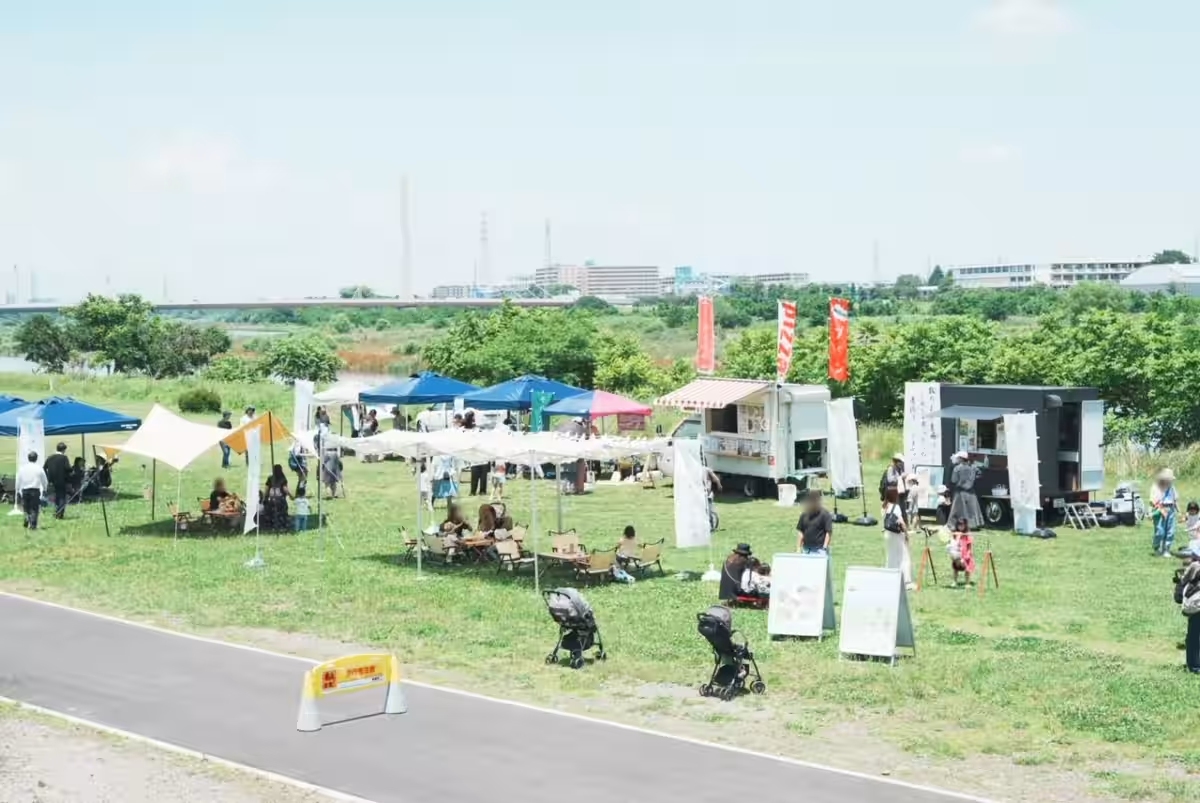
Partnerships with governmental bodies have allowed for responsible management of adjacent river areas, including the establishment of community events such as summer cooling activities and public sports viewings. Such initiatives foster local engagement and contribute to the vibrancy of the riverfront, enhancing the area’s appeal.
Related Awards and Recognition
The participation in and execution of these environmental initiatives have led to several other accolades, including:
- - The 30th Japanese Real Estate Studies Association Achievement Award (2024)
- - The 5th Green Infrastructure Award (2024)
- - The 2025 Kawamachi Award by the Ministry of Land, Infrastructure, Transport, and Tourism
- - The 24th Greening Technology Competition Chairman's Award (2025)
- - The 2023 Land Utilization Model Award's Chairman’s Award
These recognition events reflect the continuous efforts and collaborations of various stakeholders involved in making Seiseki Sakuragaoka a model of sustainable community development.
Conclusion
The proactive and integrated strategies undertaken in Seiseki Sakuragaoka not only demonstrate exemplary practices in climate change mitigation but represent a scalable blueprint for other communities facing similar challenges. Through community involvement, educational initiatives, and advanced urban planning, this initiative is paving the way for a sustainable, disaster-resilient future.
Topics Environment)
【About Using Articles】
You can freely use the title and article content by linking to the page where the article is posted.
※ Images cannot be used.
【About Links】
Links are free to use.