



The Necessity of English Proficiency in the AI Era: Insights from Corporate Employees
The Necessity of English Proficiency in the AI Era: Insights from Corporate Employees
In a world increasingly influenced by artificial intelligence, the importance of language skills, particularly English proficiency among corporate employees who regularly utilize AI tools for their work, is under scrutiny. A recent study conducted by Language Teaching Revolutions Inc. (LTR) sheds light on the evolving perceptions regarding English proficiency in the AI-driven business landscape.
Background of the Study
The rise of generative AI technologies like ChatGPT has significantly transformed modern business communication. Tools that facilitate writing, translating, and information retrieval have made processes more efficient, leading to a fundamental shift in how we work. However, the reliance on AI raises concerns about potential stagnation in critical human skills, such as the ability to engage in real-time discussions, demonstrate negotiation strategies, and convey nuanced meanings—skills that define effective personal communication. Understanding these nuances, the LTR has taken steps to explore how corporate employees using AI perceive their English proficiency needs.
Study Summary
The survey's findings are compelling:
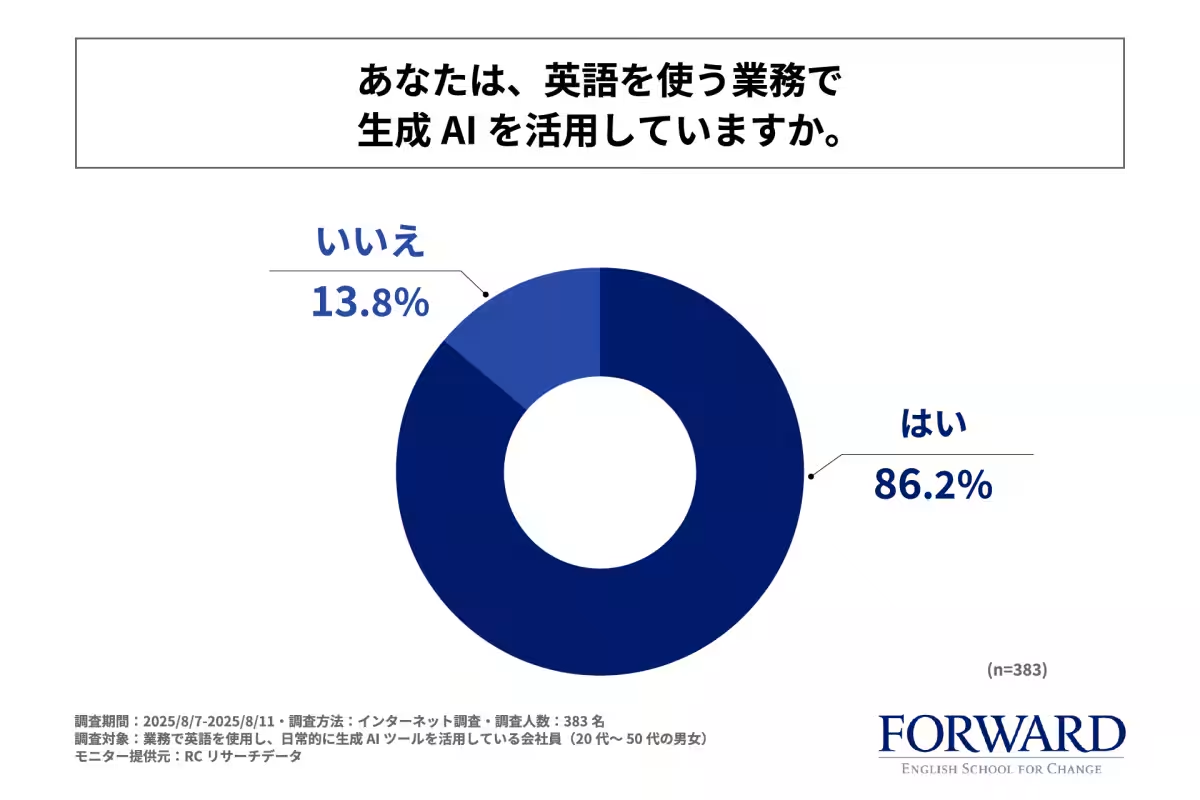
- - Over 85% of respondents utilize generative AI tools in their English-related tasks.
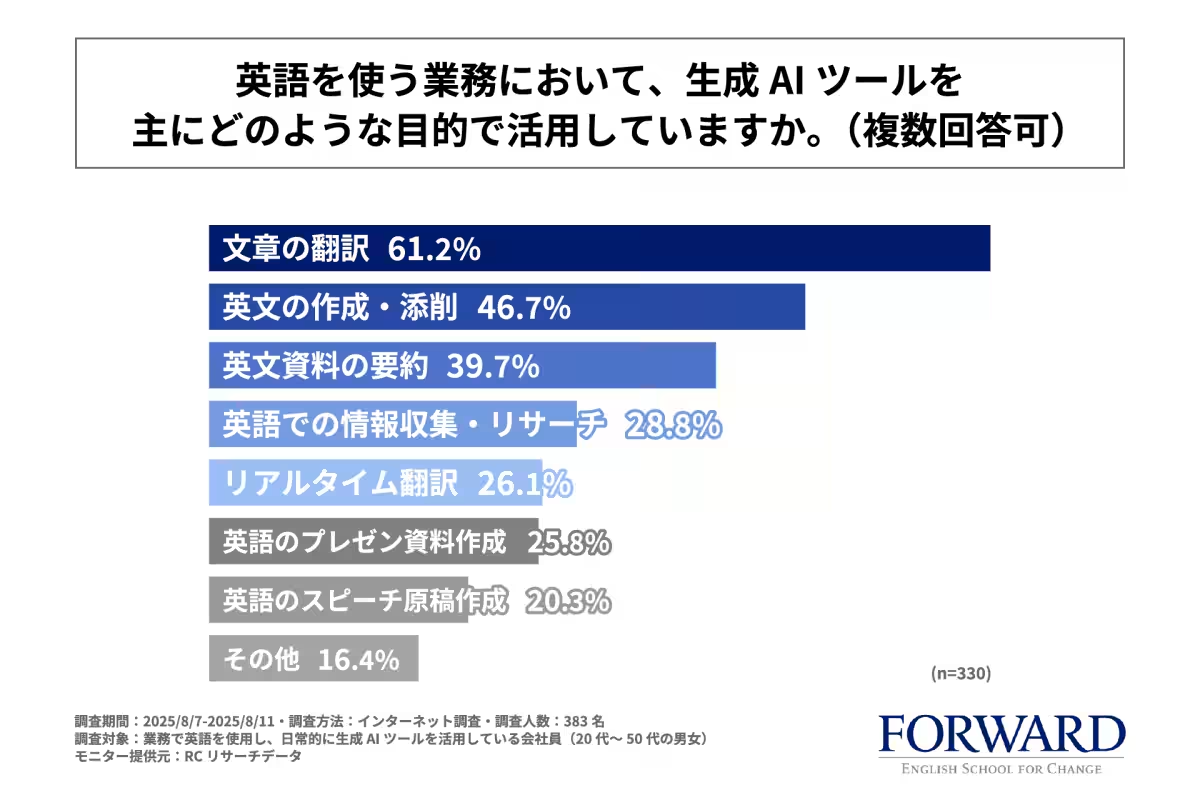
- - The top three purposes for using AI tools include translating texts (61.2%), writing and editing English documents (46.7%), and summarizing English content (39.7%).
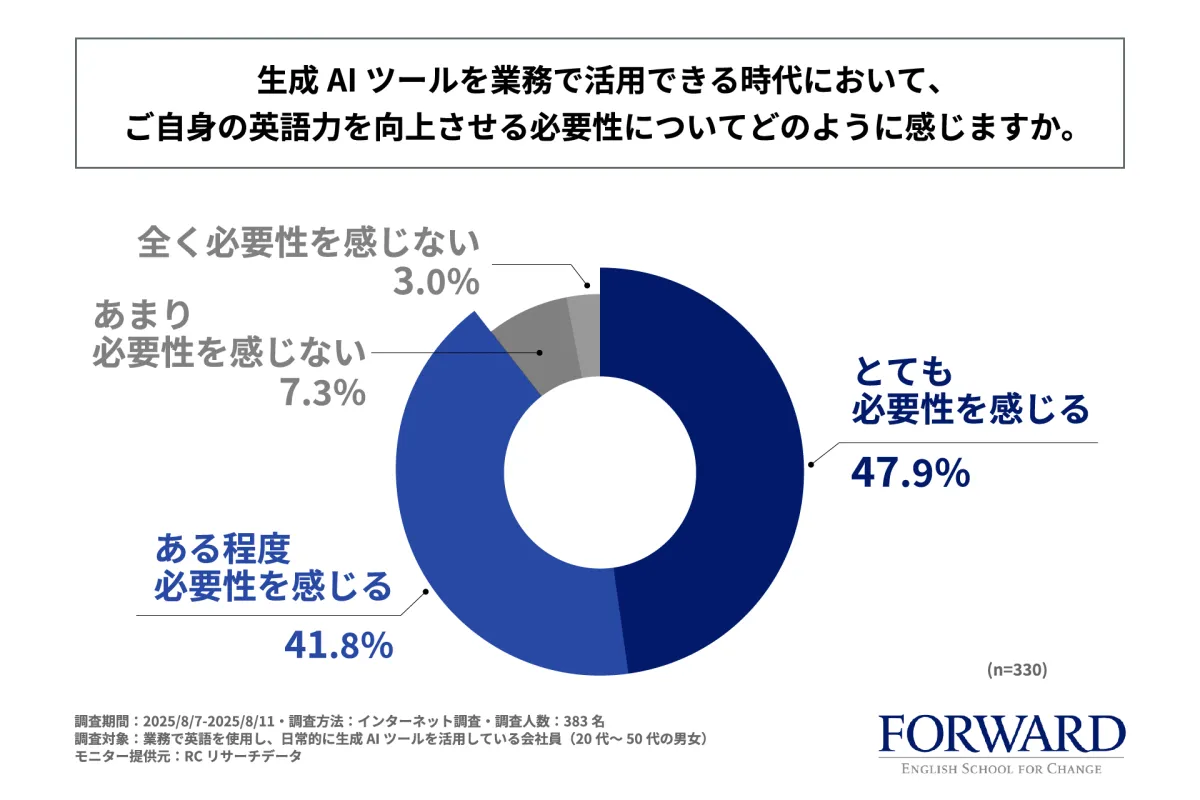
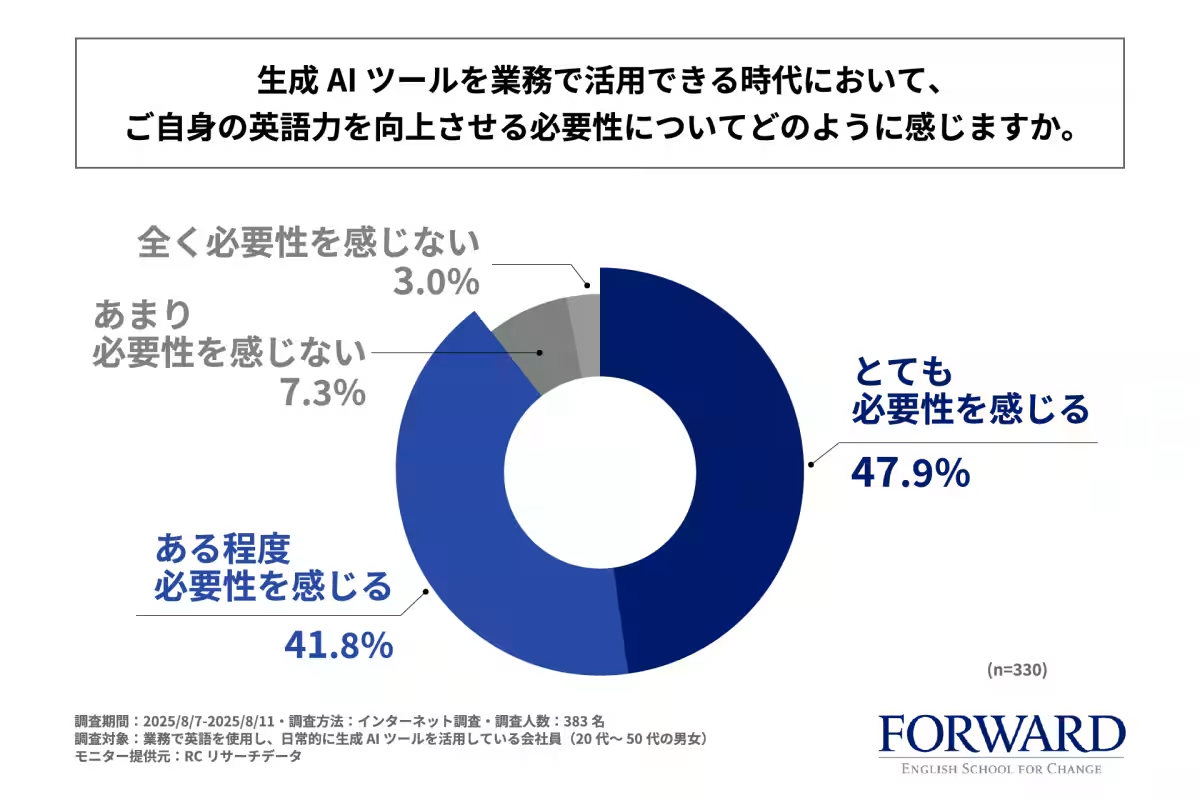
- - Approximately 90% of employees express a need to improve their English skills, recognizing the importance of proficiency even in an AI-empowered work environment.
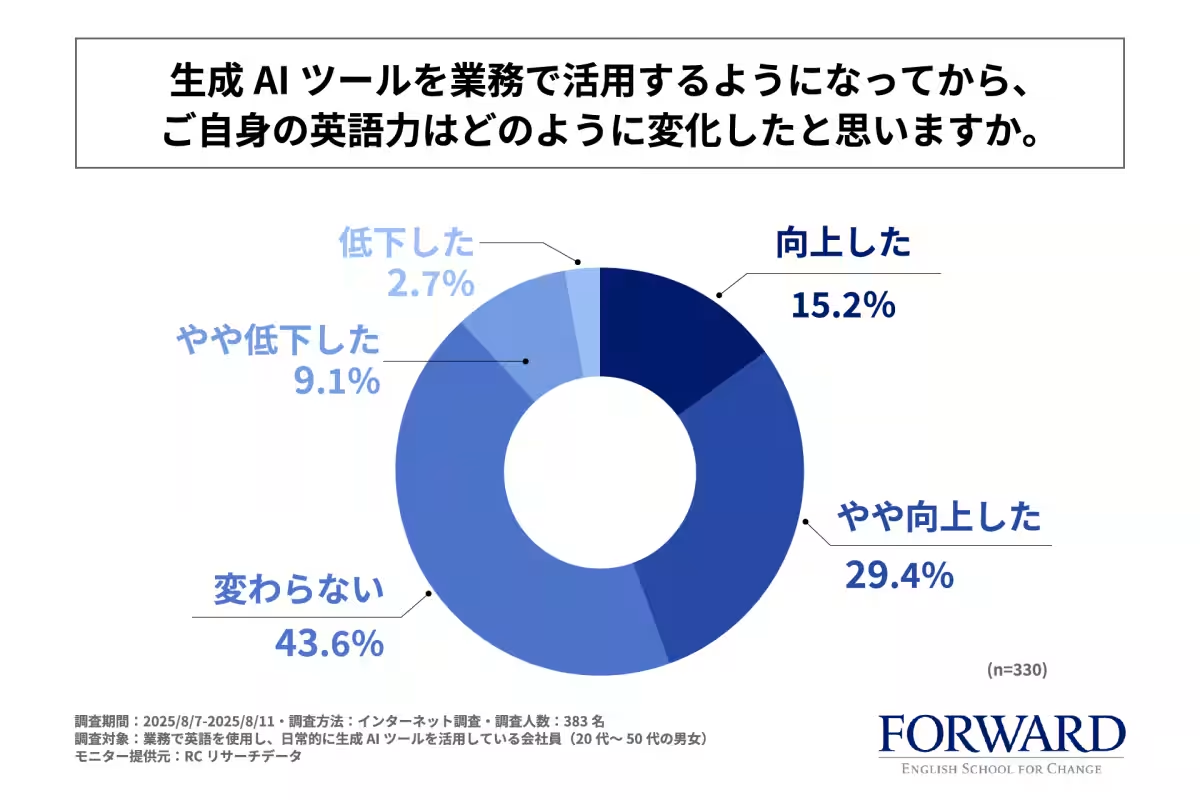
- - Notably, less than 15% reported that their English proficiency has declined since they began using these AI tools.
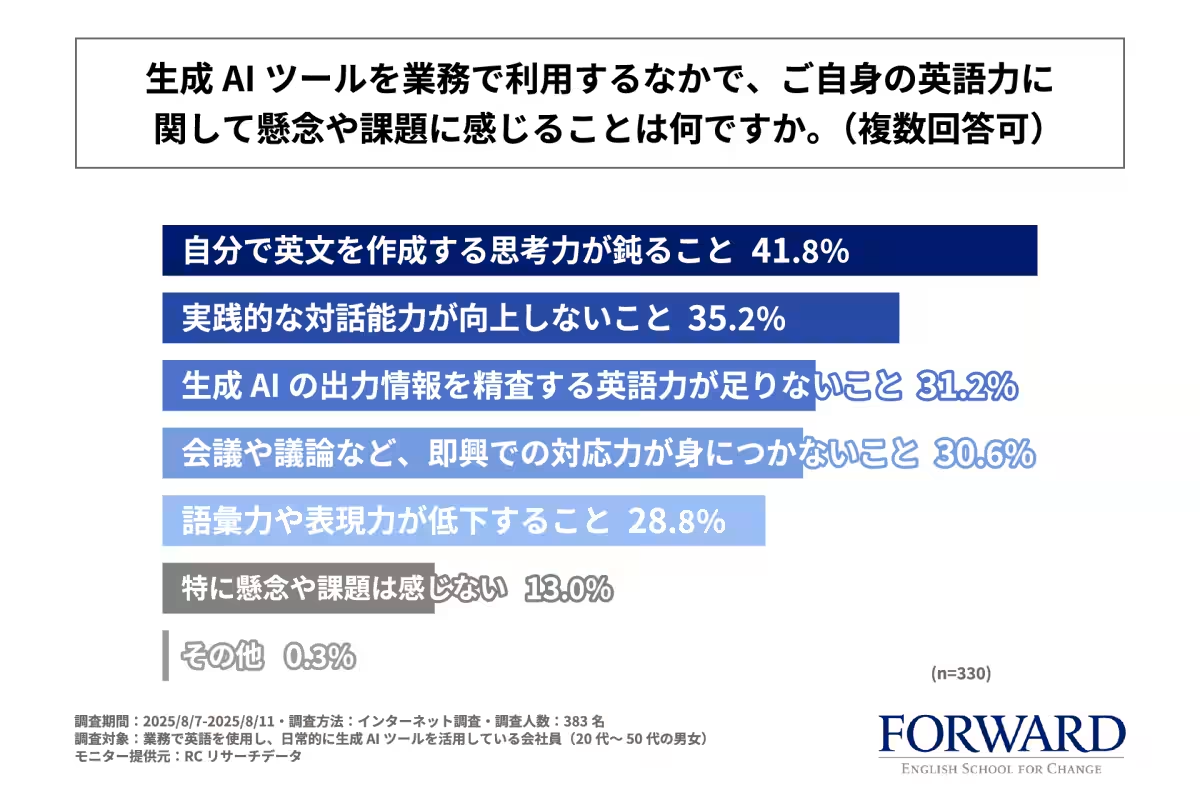
- - A significant concern among respondents is that relying on AI inhibits their ability to think critically about crafting sentences independently.
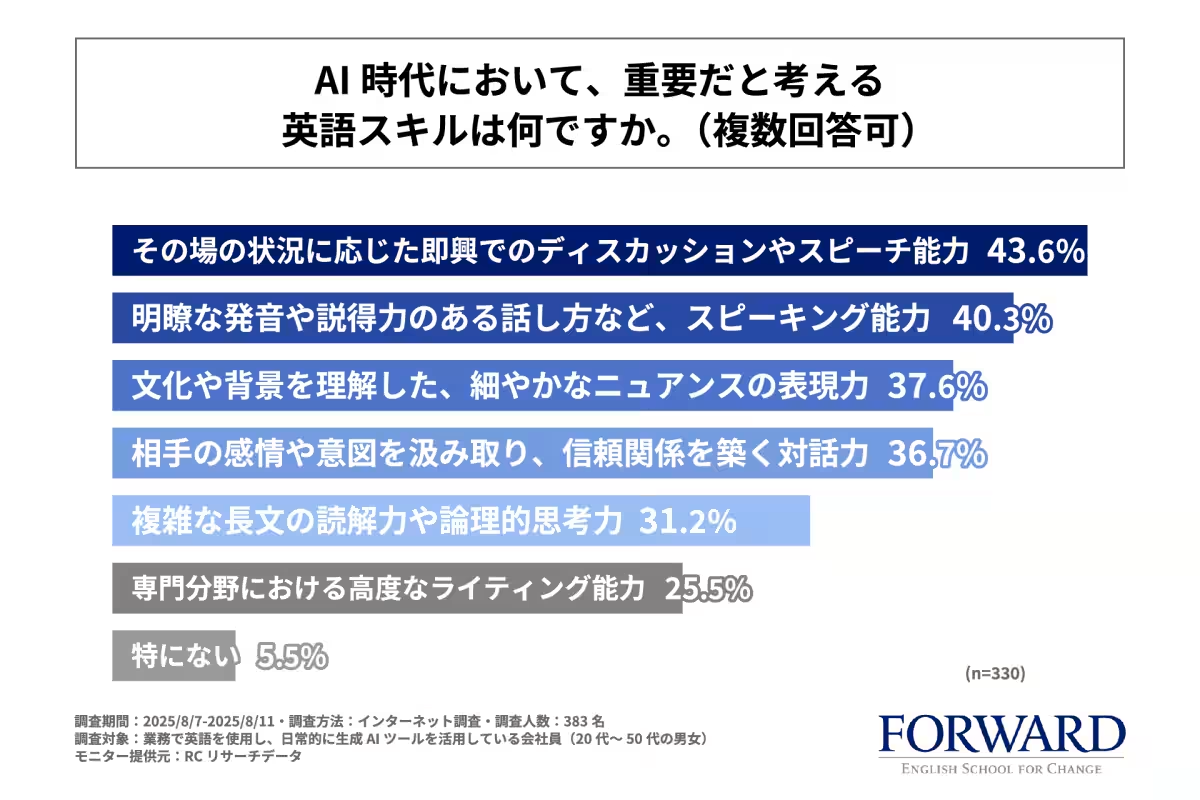
- - The three most valued English skills in today's AI-inclusive work culture are improvisational discussion abilities, clear pronunciation, and the capacity to express subtle cultural nuances.
Detailed Findings
The survey was conducted from August 7 to August 11, 2025, targeting employees in various industries aged between 20 and 50 who regularly employ AI in their English tasks. With a sample size of 383 respondents, the data provides insightful reflections on this demographic's perspectives.
Utilization of AI in English Tasks
When questioned about the use of AI in their work, a resounding 86.2% of respondents affirmed they utilize AI tools for English tasks. This statistic underscores the extent to which AI has permeated the corporate environment.
Main Purpose for AI Tool Usage
The dominant motivations behind using AI tools in English tasks include:
1. Translation (61.2%)
2. Writing and Editing (46.7%)
3. Summarizing Documents (39.7%)
This reflects the demand for efficiency in these areas, making the case for AI’s relevancy in modern communication tasks.
Perceptions of Language Improvement
Interestingly, when asked if they believe their English skills have improved with AI assistance, the predominant view was optimistic. Less than 15% felt that their language proficiency had declined, while nearly 45% confirmed that their skills had either improved or remained stable. This indicates that while concerns exist, many employees feel empowered by their AI interactions.
Linguistic Growth Challenges
Despite the positive reflections, many respondents highlighted concerns regarding their linguistic abilities. Over 41% felt that relying on AI hinders their ability to create original sentences, followed by 35.2% citing decreased conversational skills. A notable 31.2% expressed feeling inadequate in identifying ideal AI-generated outputs.
Essential Skills for the AI Era
Amid these challenges, employees identified essential English skills necessary for success in an AI environment:
1. Impromptu Discussion and Speech (43.6%)
2. Clear Pronunciation and Persuasive Speaking (40.3%)
3. Nuanced Expression Understanding Cultural Contexts (37.6%)
This identifies the multifaceted expectations for English proficiency that extend beyond mere communication.
Conclusion
The findings from the LTR survey showcase a significant sentiment among corporate employees regarding their English proficiency in an AI-dominated era. While the utilization of AI in English language tasks has become commonplace, the majority of respondents still affirm the need for continual improvement in their lexical capabilities. Language Teaching Revolutions Inc., through its educational platform FORWARD, provides programs designed to enhance English proficiency, including effective usage of AI tools. These findings underscore the ongoing importance of language skills even as AI technologies evolve, illustrating a nuanced relationship between technological assistance and human communication abilities.
For more information about enhancing English skills in an AI age, visit FORWARD.

Topics People & Culture)
【About Using Articles】
You can freely use the title and article content by linking to the page where the article is posted.
※ Images cannot be used.
【About Links】
Links are free to use.