



Understanding the Significance of Obon Through Japan's Rituals and Traditions
Overview of the Obon Festival
The Obon Festival, a cherished tradition in Japan, signifies the time when families honor and remember their ancestors. Recent findings from a comprehensive survey conducted by the Japan Association of Wedding, Funeral and Ceremony Support reveal compelling insights about how this festival is observed across the country.
Survey Background
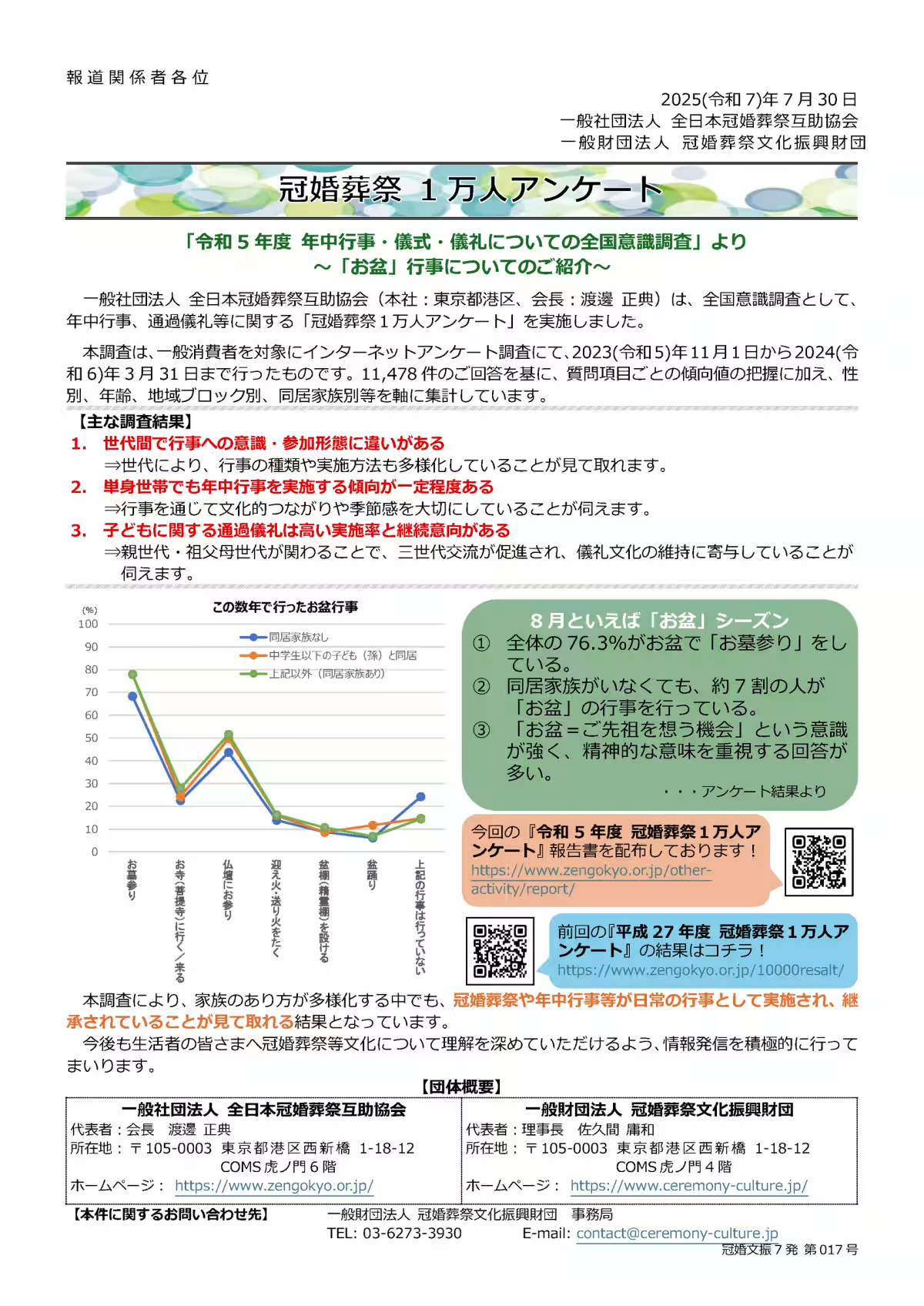
The Japan Association of Wedding, Funeral, and Ceremony Support, based in Minato, Tokyo, conducted an extensive survey known as the "1万人アンケート" (10,000 people survey) concerning annual events and rituals. The survey took place from November 1, 2023, to March 31, 2024, and garnered 11,478 responses from individuals across various demographics. This analysis not only identifies trends regarding the observations of traditional events but also highlights the significance of these rituals across different ages, genders, and family structures.
Key Findings on Obon Practices
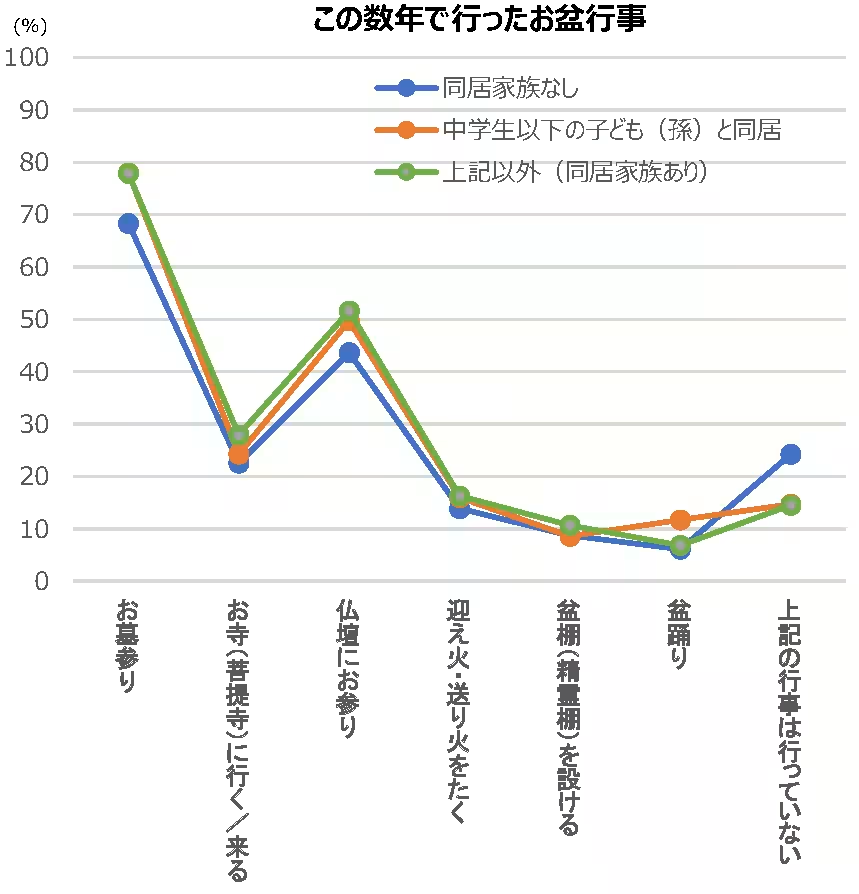
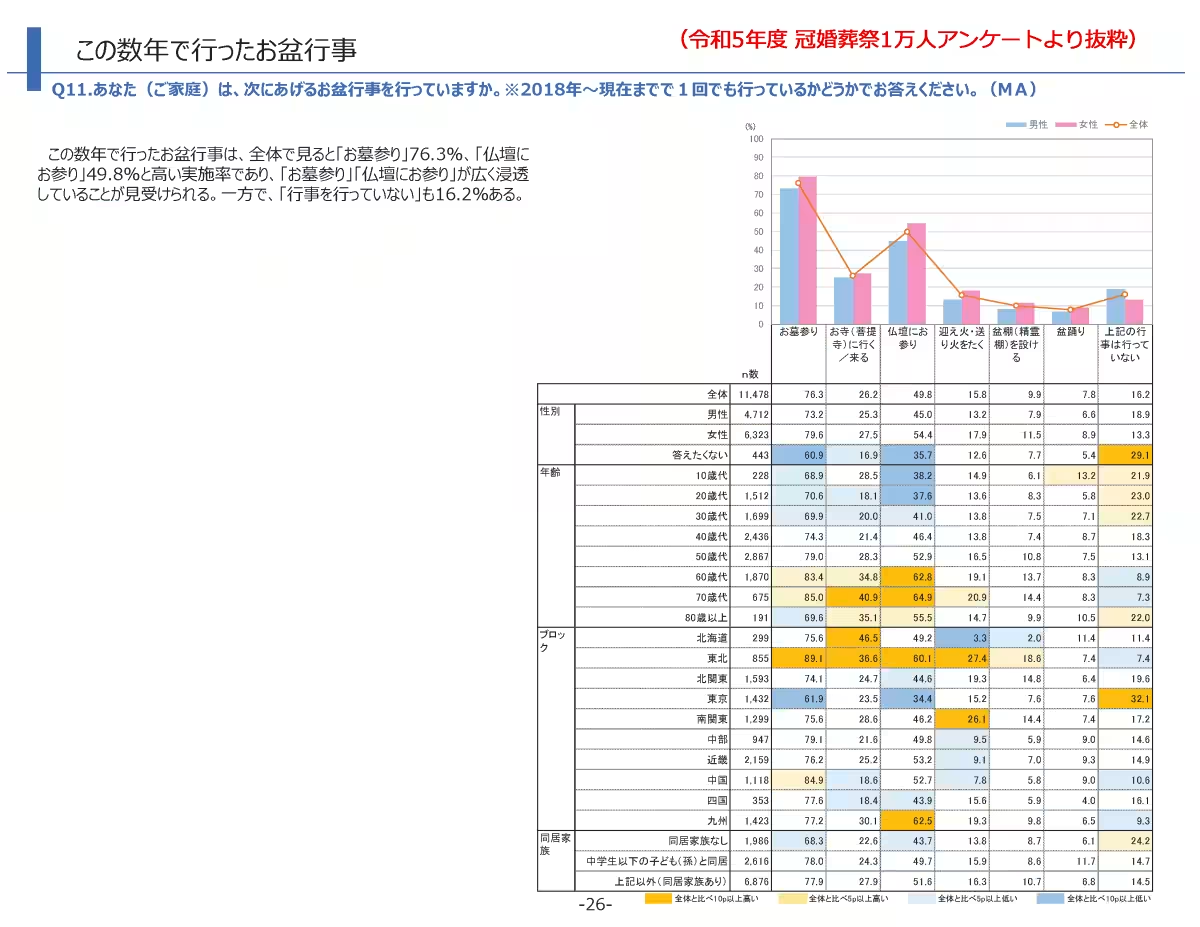
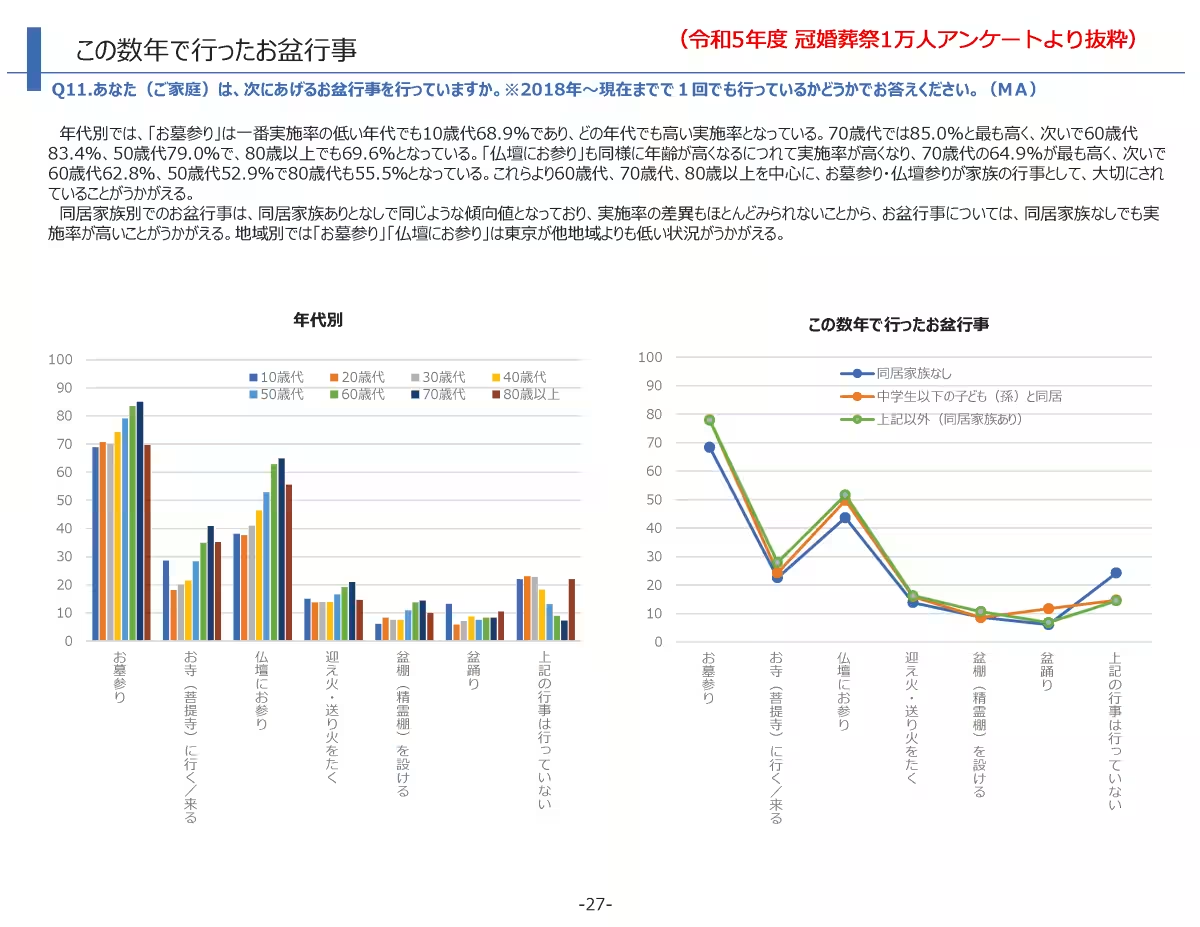
The results indicate that a significant 76.3% of respondents partake in the ritual of visiting gravesites during the Obon season. Surprisingly, even individuals without immediate family members observe this practice, with around 70% engaging in some form of memorial activity, such as visiting ancestral shrines or altars.
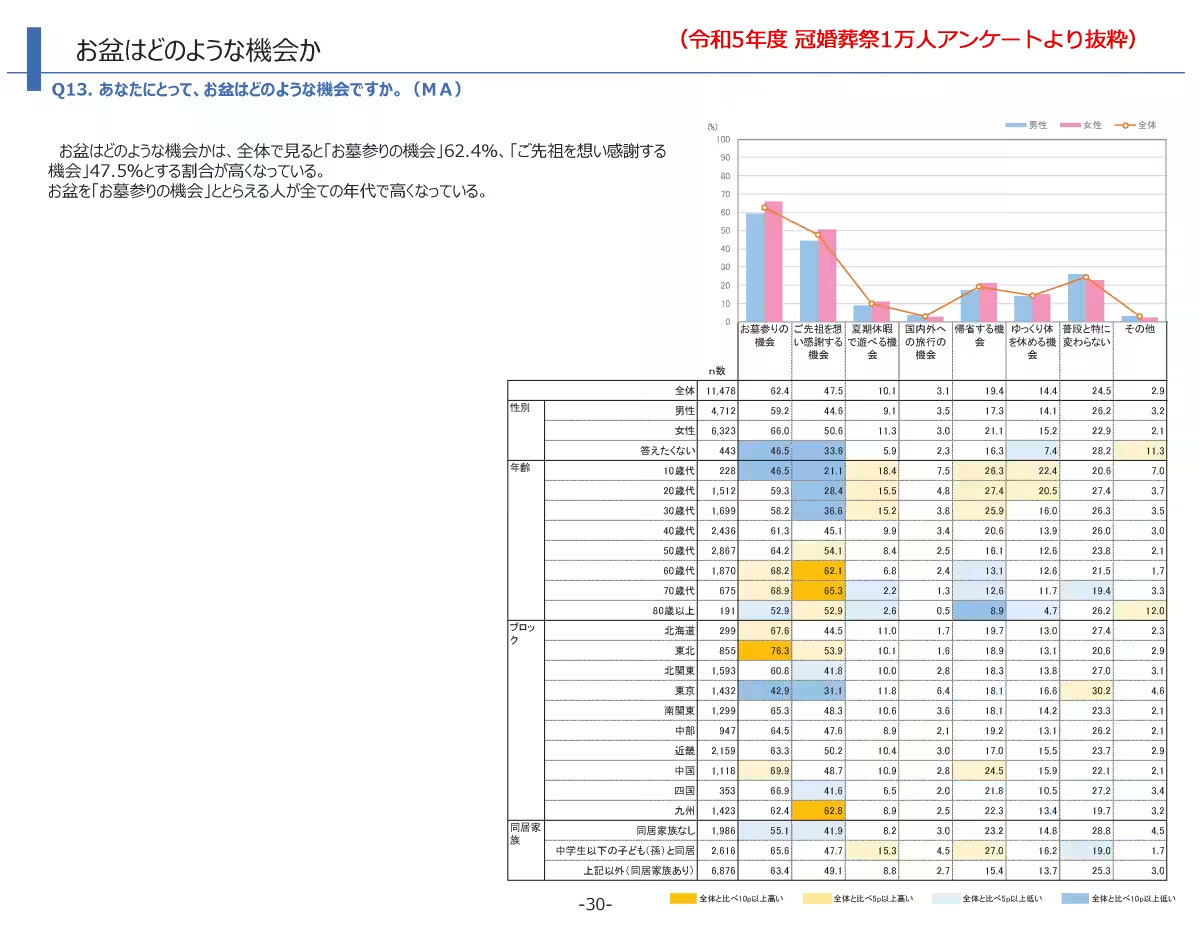
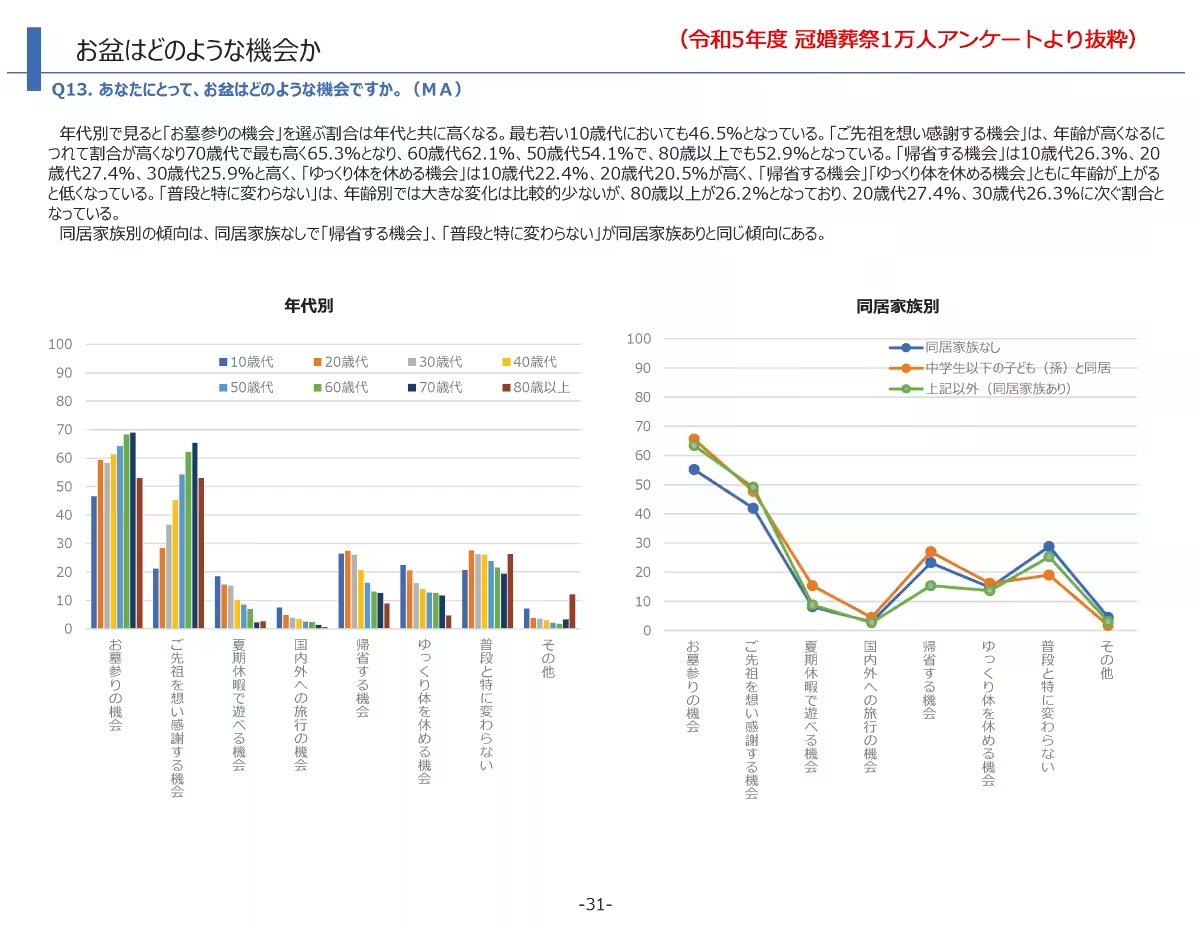
This indicates that the practice of Obon is not only a familial affair but also a broader cultural commitment. Respondents emphasized that Obon serves as an important occasion for reflecting on their ancestors, highlighting the emotional and spiritual connections that shape this tradition.
Evolving but Enduring Tradition
While the family structures have become more diverse in Japan, the core values associated with Obon remain steadfast. The findings suggest that despite changes in living arrangements and social dynamics, the rituals surrounding Obon continue to evolve while retaining their significant cultural essence. The need to remember and honor those who came before is deeply rooted in Japanese society, illustrating that traditions like Obon persist through various forms and adapt over time.
Insights and Future Directions
The Japan Association of Wedding, Funeral and Ceremony Support aims to continue disseminating valuable information about cultural practices associated with ceremonies and rituals. With campaigns targeting public awareness and education, they encourage individuals to engage deeply with their cultural heritage.
Furthermore, the report serves as a reminder that traditional customs, such as Obon, encompass more than just observance—they represent the enduring connection between generations. The association is committed to facilitating deeper understanding and appreciation of these cultural elements in modern society.
For those interested, the full report of the survey can be accessed through the association's website for detailed insights.
Conclusion
As we mark the Obon season, it becomes essential to appreciate these rituals that bind families and communities in a shared remembrance. Understanding the dynamics of how these traditions are upheld provides crucial insights into the ongoing dialogue between past and present cultural practices in Japan.
For more information, visit:
Topics People & Culture)
【About Using Articles】
You can freely use the title and article content by linking to the page where the article is posted.
※ Images cannot be used.
【About Links】
Links are free to use.