



Understanding Why Young Graduates Leave Jobs Early: A Deep Dive into Employee Perspectives
Understanding Early Departures Among Young Graduates
In a recent survey conducted by Staff Service Holdings, targeting individuals who graduated from educational institutions and entered the workforce as full-time employees, significant patterns have emerged regarding why young professionals resign within three years of employment. This survey comes at a time when many companies are striving to tackle the ongoing labor shortage by prioritizing new graduate recruitment, yet are faced with the persistent issue of early turnover—often referred to as the "30% leave within three years" problem.
Survey Overview
The survey was conducted using an online format from June 10 to June 16, 2025, targeting individuals aged 18 to 25 across Japan who have experienced leaving their first full-time position within three years of starting. A total of 706 respondents provided insight into their experiences and perceptions surrounding early departure from jobs.
Key Findings
Early Resignation Rates
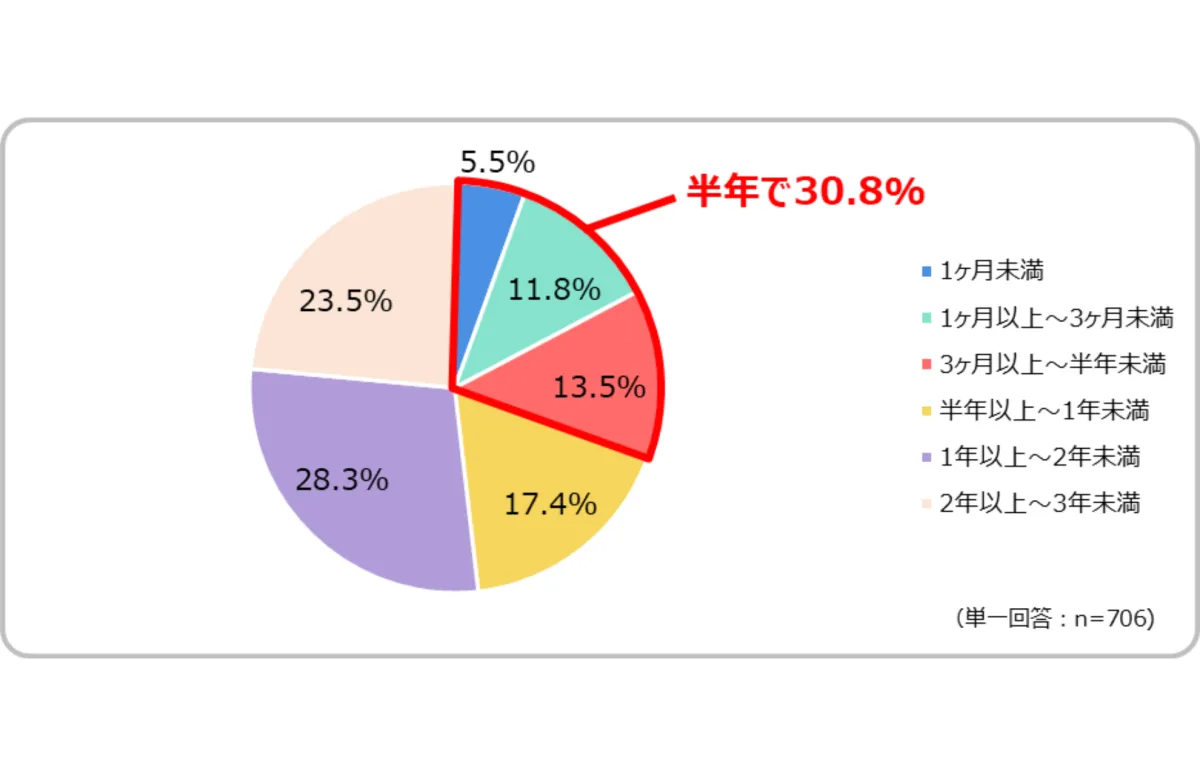
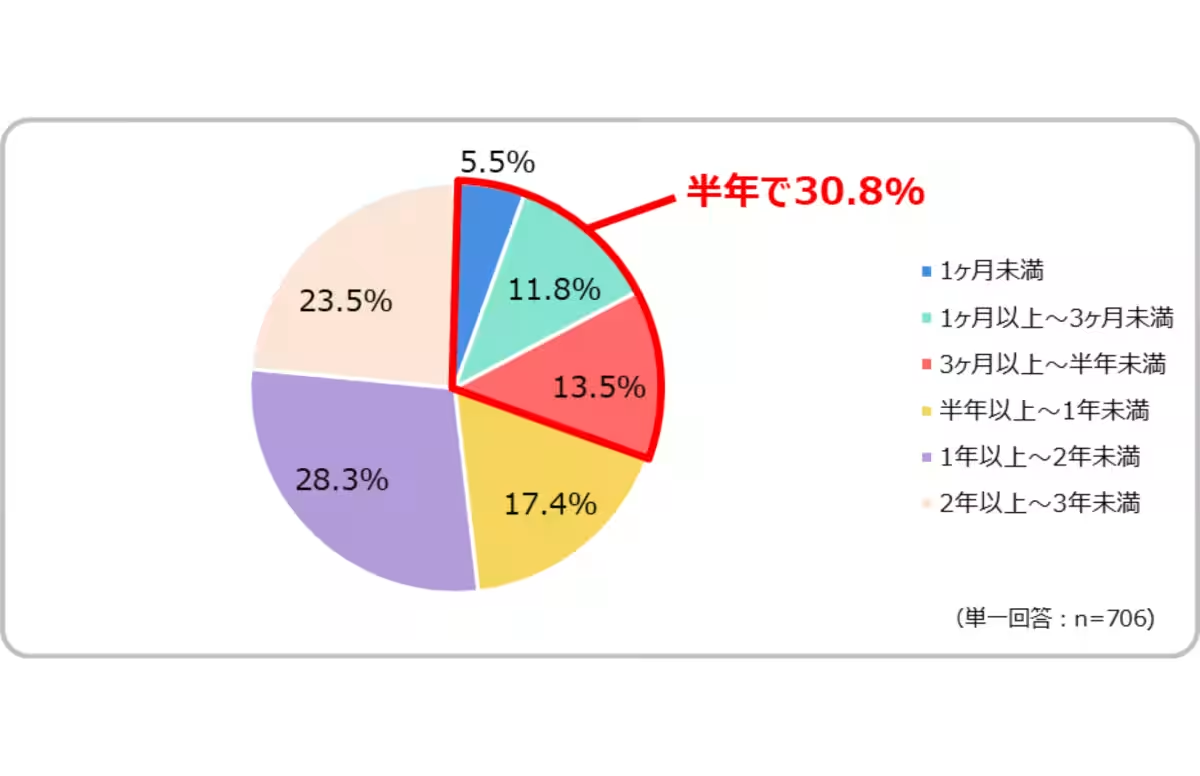
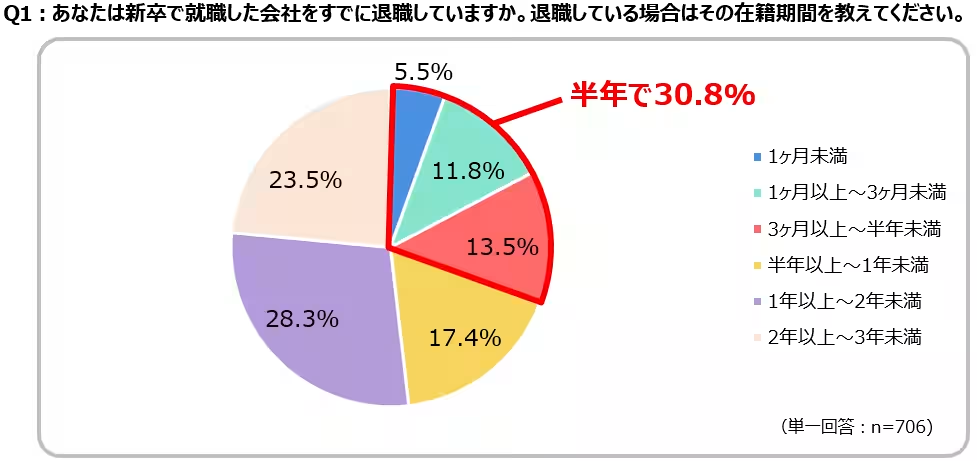
The results revealed that about one-third of the respondents who left their first jobs did so within less than six months of joining. Out of those who left within three years, 48.2% reported being employed for less than a year, and a striking 30.8% departed within just six months.
Initial Thoughts of Leaving
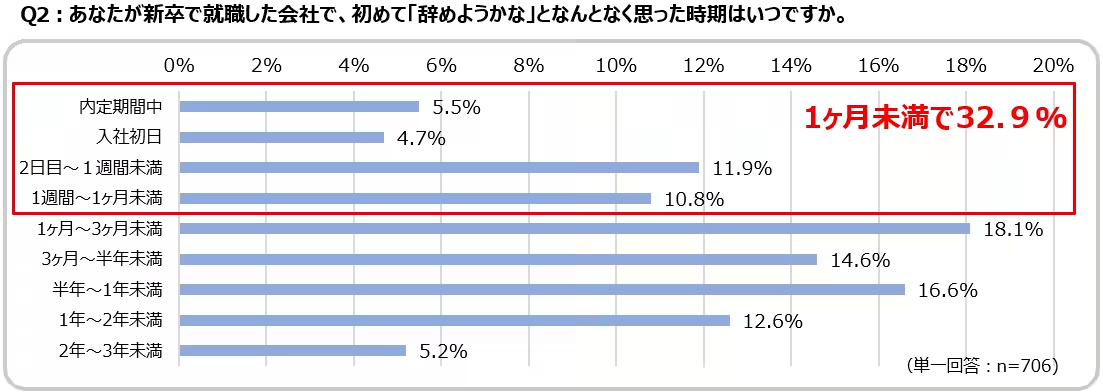
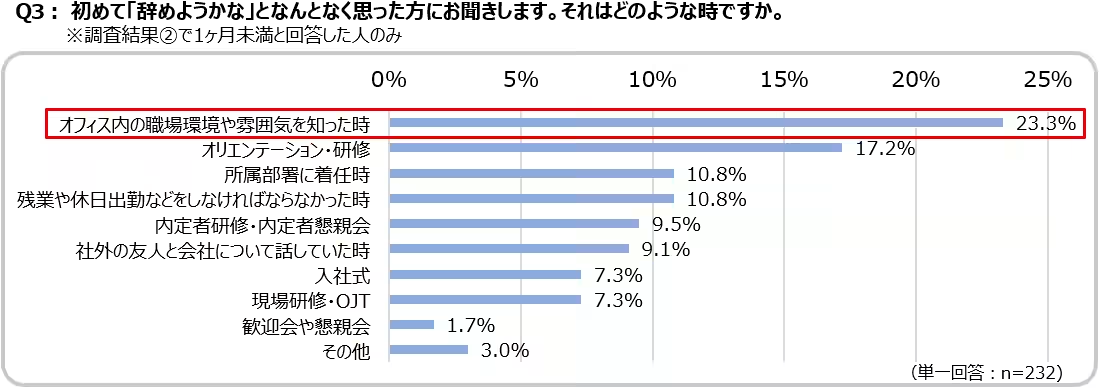
Interestingly, almost 30% of the respondents mentioned that they felt an inclination to leave the company before even reaching the one-month mark. For many, this feeling emerged quickly, with over 82% reporting they considered leaving within the first year of employment.
Reasons for Leaving
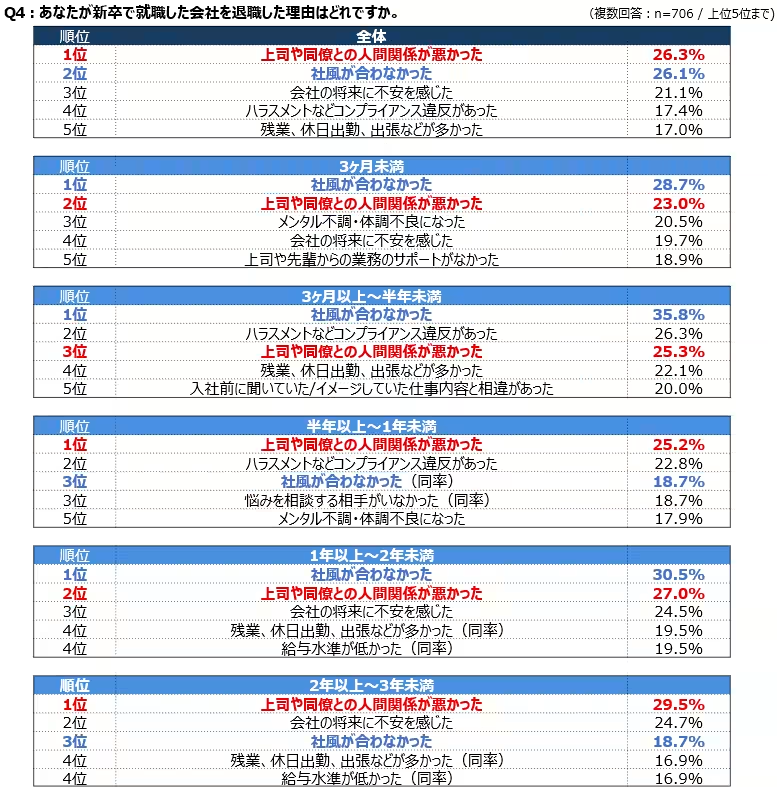
When examining the primary reasons prompting these early resignations, the leading cause (approximately 26.3% of respondents) was poor relationships with colleagues or superiors, followed closely by an incompatible company culture (26.1%). A notable 21.1% expressed concerns over the company's future, indicating that workplace environment and interpersonal relations are pivotal in retention efforts.
Post-Resignation Reflections
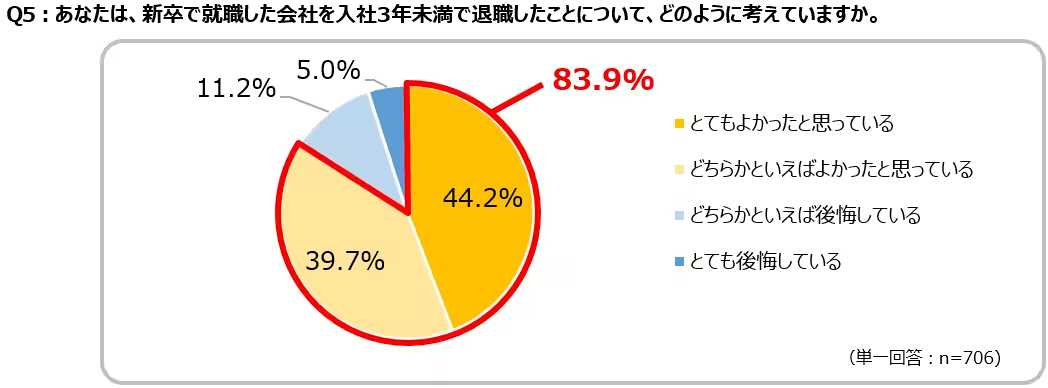
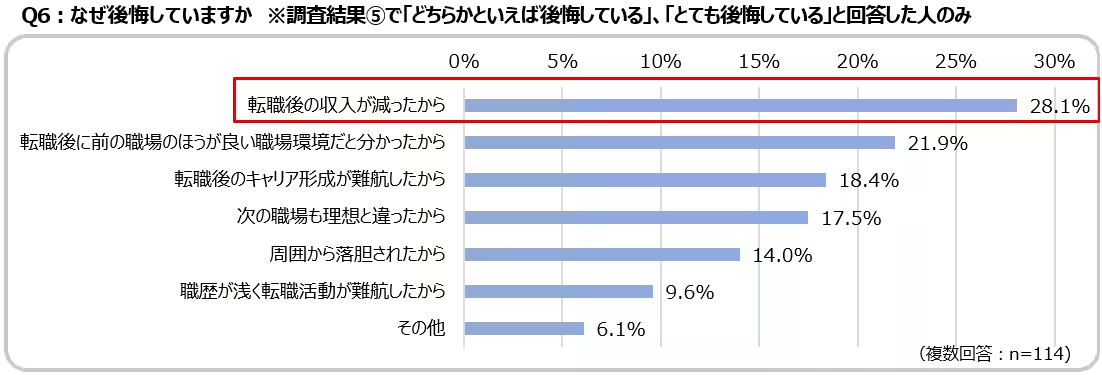
Despite the challenges faced, over 80% of those who resigned from their first jobs expressed that they felt it was a good decision. Only a small fraction regretted their departure, highlighting a significant disconnect between initial expectations and reality at their workplace.
Career Progression After Departure
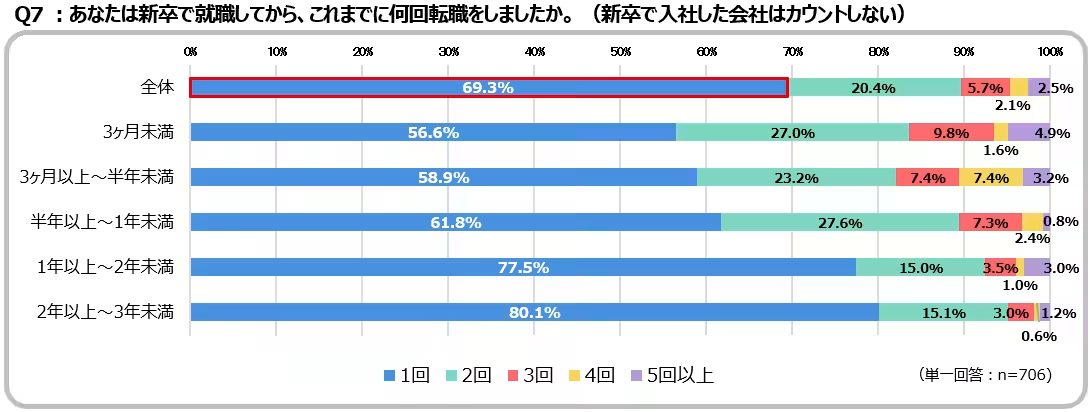
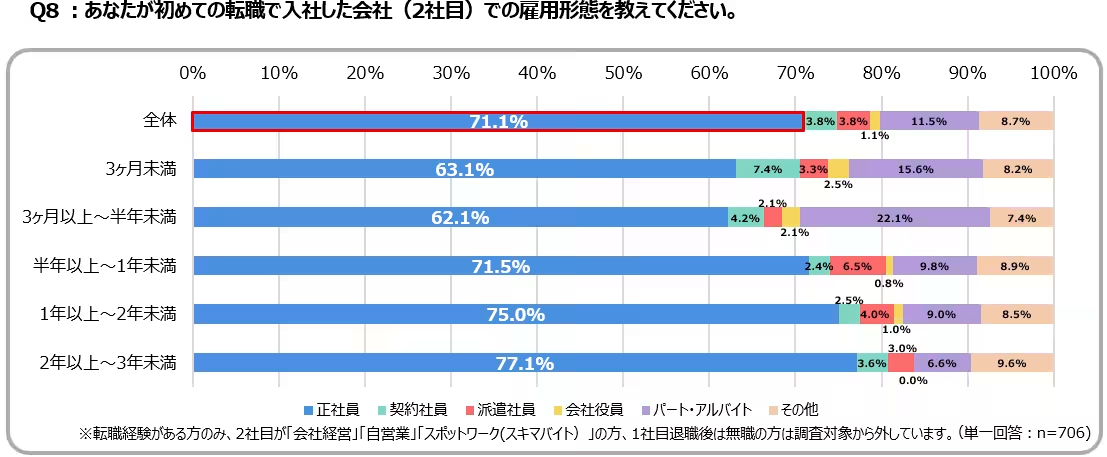
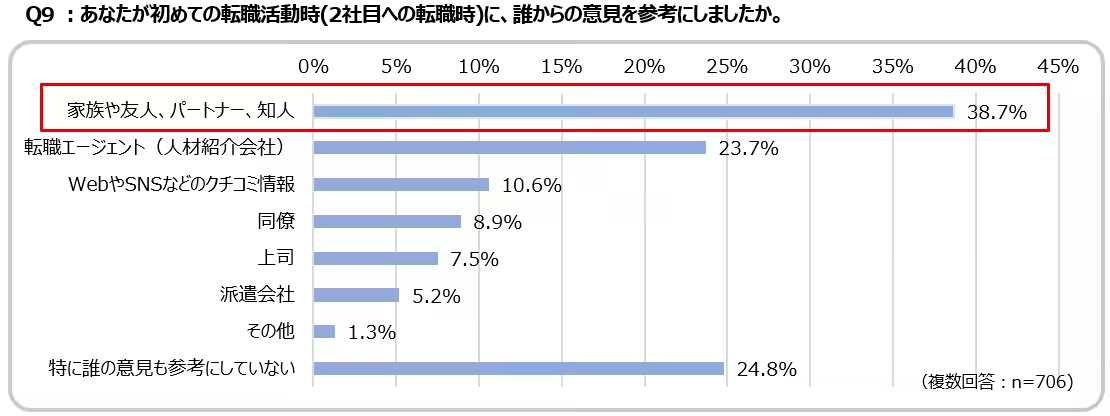
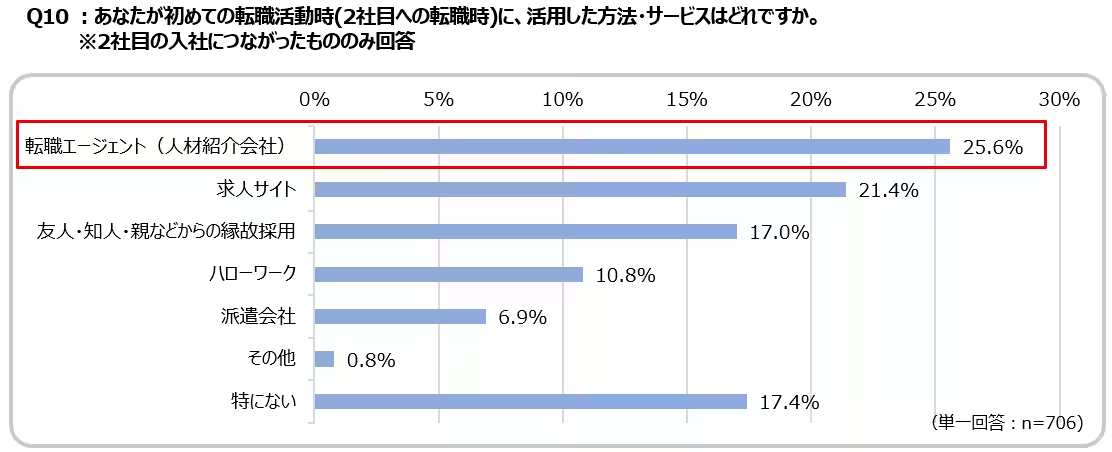
Following their early departures, approximately 70% of respondents transitioned to a second job, with a remarkable majority finding work as full-time employees again. The study also illustrated that many participants relied on advice from family and friends during their job search, demonstrating the importance of social networks in career transitions.
Choosing the Right First Company
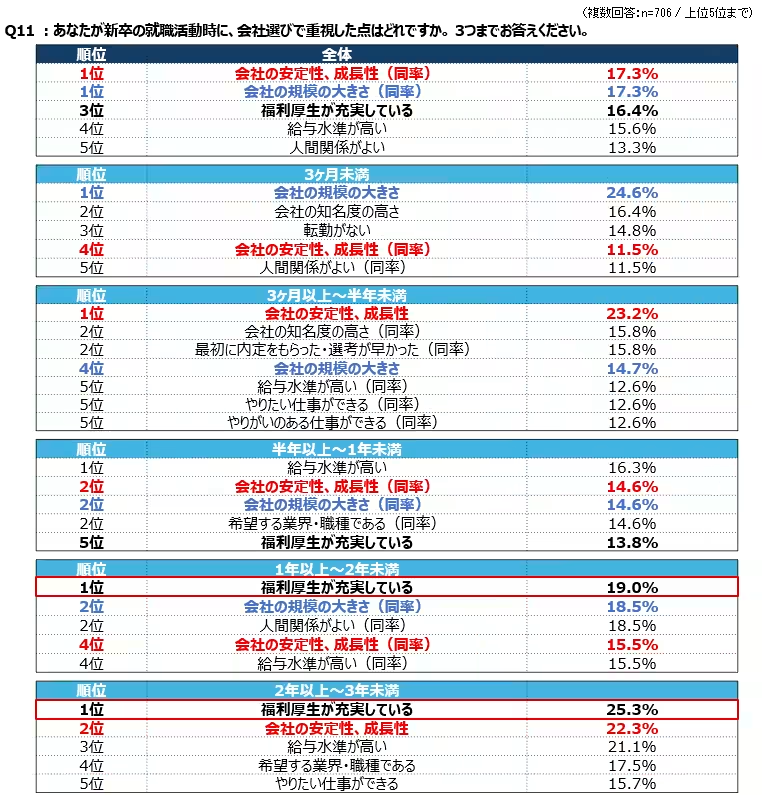
When selecting their first job, survey participants indicated that they prioritized factors such as company stability and growth (first), followed closely by the size of the organization. This highlights the need for companies to adequately present their values and company atmosphere during recruitment.
The Reality vs. Expectation Gap
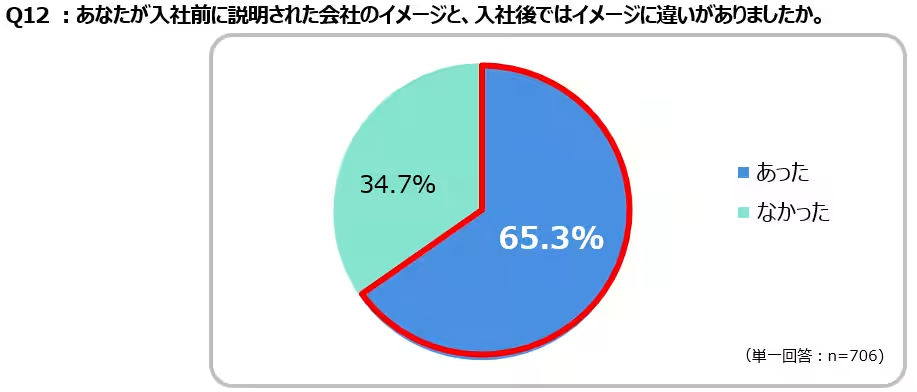
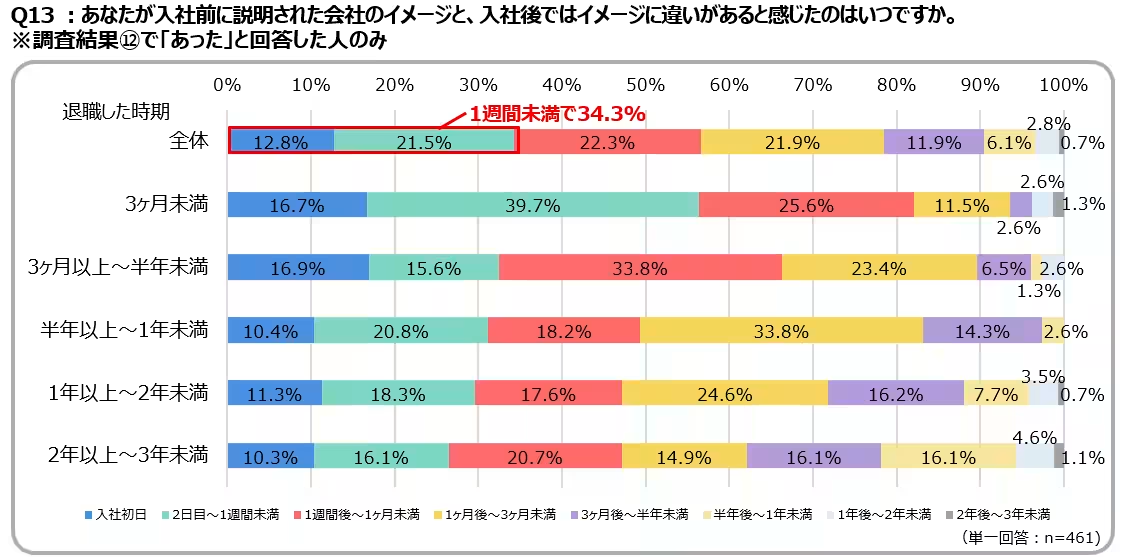
A substantial 65.3% of respondents acknowledged feeling a gap between their expectations of the company and the reality they encountered post-hire. Alarmingly, nearly 34.3% experienced this disconnect within just one week of starting, indicating the urgency for employers to convey an accurate portrayal of their organizational culture during the hiring process.
Conclusion and Recommendations
The data reveals ongoing challenges for employers, particularly regarding the high turnover rate of young graduates. To foster better retention, companies should strive to close the expectation gap by transparently communicating workplace culture and environment during recruitment. Initiatives such as company tours, workshops, and mentorship programs can significantly reduce early departures by aligning new hires' expectations with the actual work environment. Additionally, establishing effective channels of communication can help address young employees' concerns early on, thus supporting their integration into the company's workforce.
Ultimately, as labor shortages persist, understanding and addressing the issues surrounding young graduates' career satisfaction will be crucial for fostering a stable and productive workforce, driving future growth and innovation in organizations nationwide.
For further insights from Staff Service, check out their additional resources at Staff Service Official Website.


Topics People & Culture)


【About Using Articles】
You can freely use the title and article content by linking to the page where the article is posted.
※ Images cannot be used.
【About Links】
Links are free to use.