



Navigating Employee Resignations: How To Address Rising Use of Resignation Services
Understanding the Increasing Use of Resignation Services
In a revealing survey, Wandering Seagull has highlighted a concerning trend where approximately 90% of companies have dealt with employee resignations facilitated by third-party resignation services. This report delves into the factors contributing to this phenomenon and provides insights into how organizations can improve their communication strategies to create a more transparent environment for resignations.
The Survey Overview
Wandering Seagull conducted a comprehensive survey with 1,023 HR professionals between August 14 and August 18, 2025, probing into their experiences with resignation services. The results showcased that many employees feel overwhelmed by the process of direct communication, often resorting to using services like Daijoubu to manage their resignation.
The reasons behind this trend range from a lack of supportive workplace culture to a fear of retaliation from supervisors. The data confirms a broader issue where employees find it difficult to express their intentions to resign directly, leading to an escalating reliance on external services.
Among the surveyed HR professionals, the responses varied:
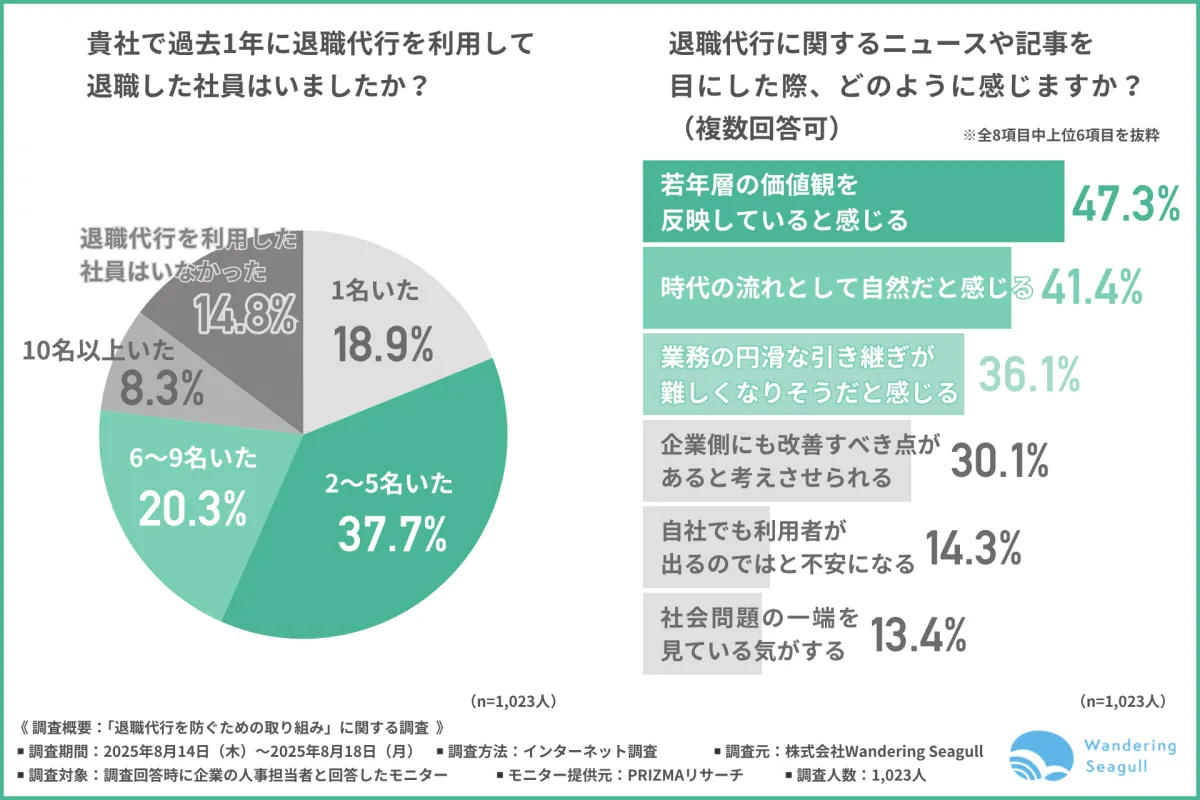
- - 18.9% indicated that their company had one employee use a resignation service in the past year.
- - 37.7% had 2 to 5 employees resign this way.
- - Alarmingly, only 14.8% reported no use of such services at all.
This suggests that most companies faced at least one case, hinting at a significant cultural barrier regarding direct resignation.
How Are Companies Perceiving Resignation Services?
When HR professionals were asked about their perceptions of resignation services from an industry perspective, many felt that they reflect the evolving values of younger employees. About 47.3% sensed that these services resonate with the younger generation’s expectations, signaling a shift in workplace dynamics. However, 36.1% showed concern that the use of such systems might complicate smooth transitions within their organizations.
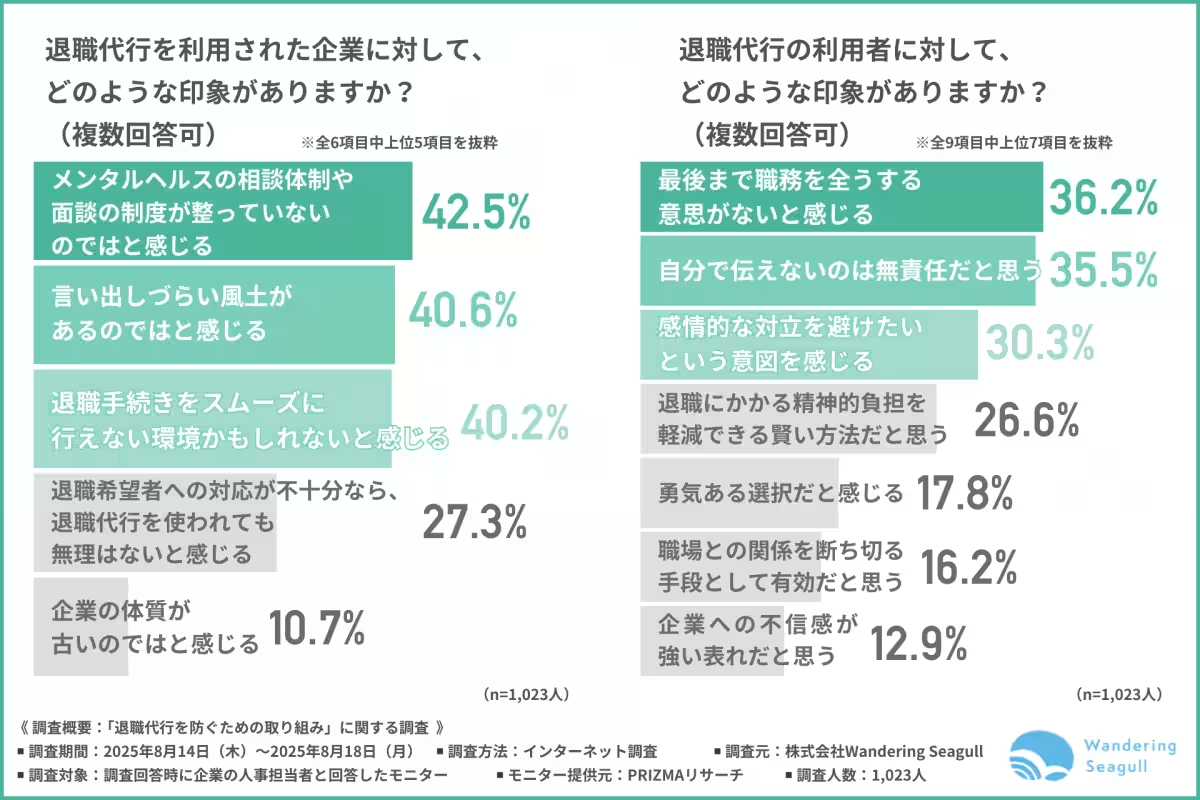
Moreover, many HR leaders also commented on companies that have received resignations through these services. A striking 42.5% suspected that these companies lack proper mental health support systems, while 40.6% felt there might be a troubling culture that makes it difficult for employees to voice their decisions to leave. This implies a pressing need for businesses to evaluate their internal structures and support mechanisms meticulously.
Employee Sentiments Toward Resignation Services
A critical aspect of the survey examined how those who used resignation services were viewed by their peers. Interestingly, while 36.2% believed these individuals lack commitment or responsibility, some recognized the neuropsychological strain involved in expressing resignation. It suggests that employees experiencing significant mental stress may feel compelled to utilize these services to safeguard themselves from emotional confrontation.
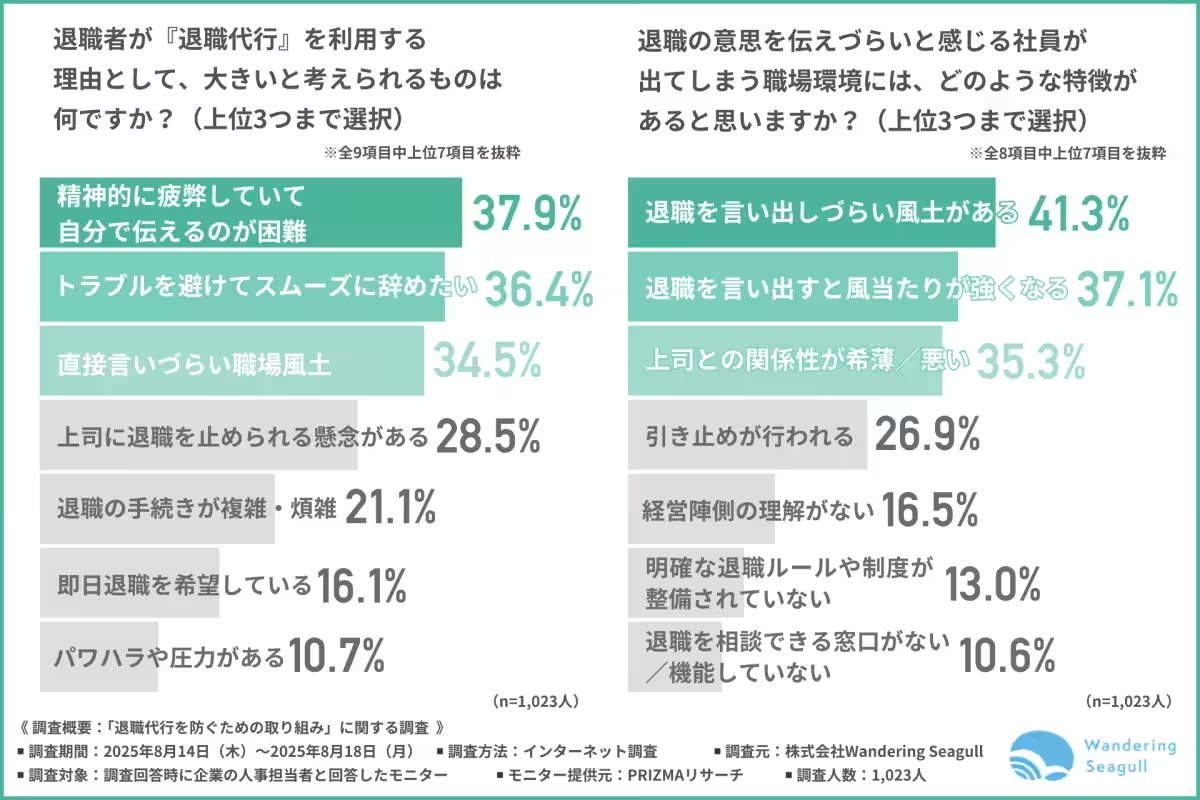
According to the data, nearly 37.9% of respondents identified mental fatigue as a significant contributor to why employees employ resignation services. Over 36.4% highlighted the desire to avoid conflict and ensure smoother transitions as motivating factors.
Workplace Culture and Its Impact on Resignation
The survey also addressed organizational culture. When inquired about features that dissuade employees from voicing their resignation intentions directly, 41.3% of respondents pointed out a stifling culture, followed by fears of backlash and strained relationships with supervisors. This highlights underlying issues in most companies that fail to foster an open dialogue between employees and management.
Improving Resignation Engagement
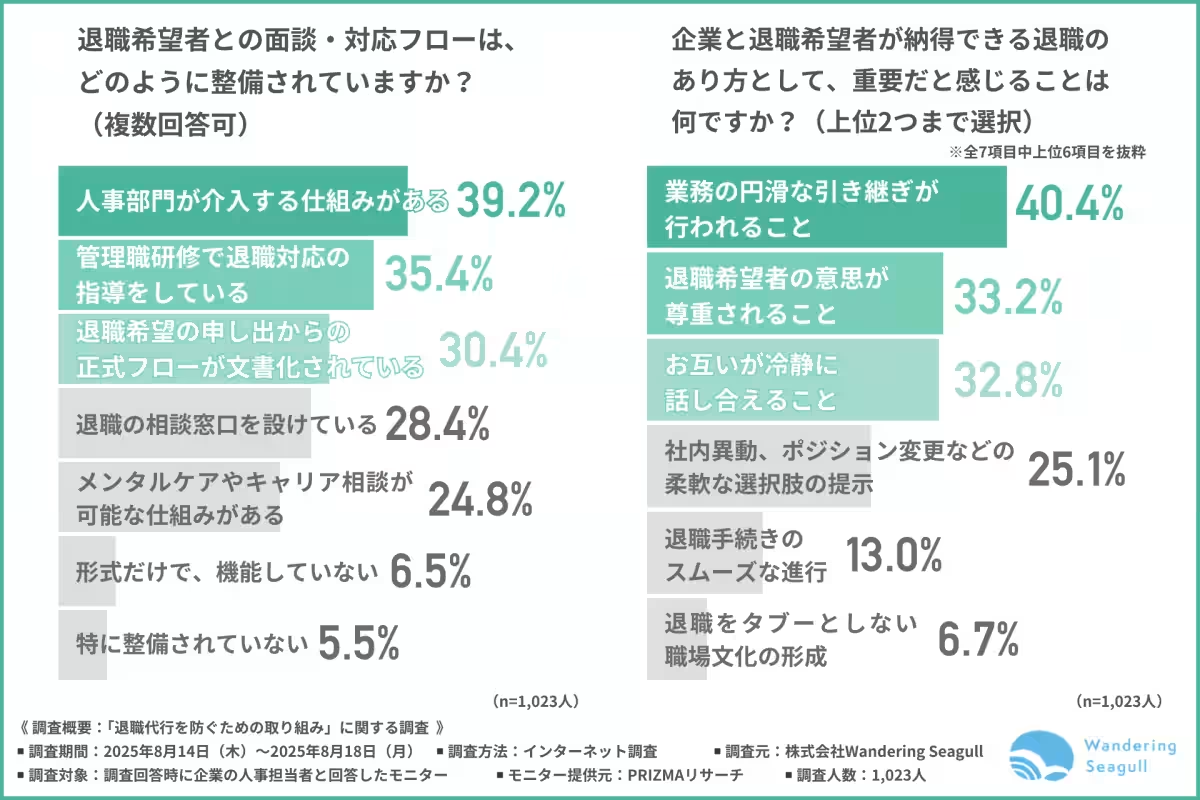
It is paramount for organizations to strengthen their resignation management processes. Approximately 39.2% reported having a structured intervention from HR during resignation processes, while 35.4% mentioned conducting training sessions for supervisors about handling resignations effectively. However, many noted that while policies exist, they aren’t always executed effectively or are seen as merely symbolic.
HR departments play a crucial role in this transformation. Establishing clear communication channels, offering mental health support, and training management on how to respectfully handle resignations could drastically shift the current norms.
The Benefits of Collaborating with Resignation Service Providers
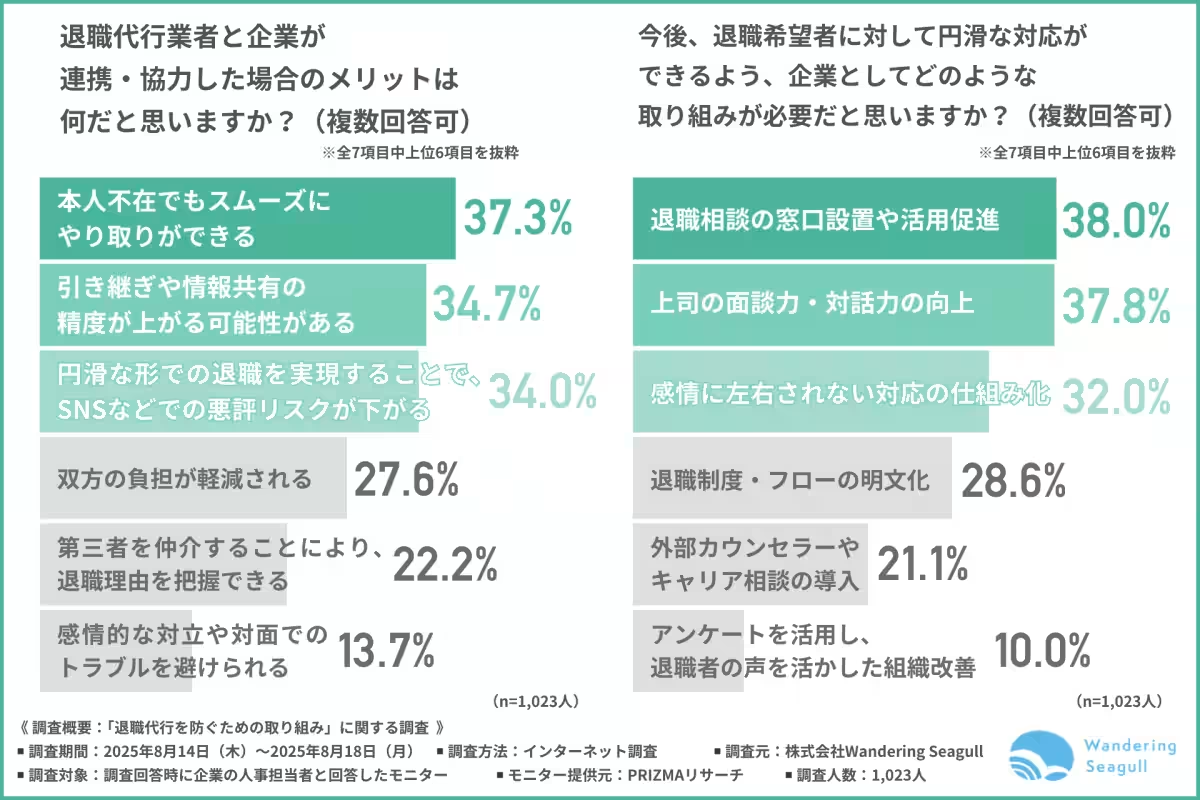
Interestingly, many respondents expressed an openness to collaborate with resignation service providers, with around 37.3% agreeing that such partnerships could lead to smoother processes, particularly when the employee is absent. Engagements like these can help reduce misinformation, streamline transitions, and mitigate adverse reputational risks.
Ultimately, companies should empower their employees to communicate their intentions freely and ensure there are clear frameworks for handling such situations. This approach not only aligns with evolving worker cultures but also strengthens the organizational fabric necessary for a competitive environment.
Conclusion: Moving Forward in the Resignation Landscape
As we move further into a post-pandemic world, understanding the implications of resignation services becomes increasingly critical. The Wandering Seagull survey underscores the need for organizations to address deep-seated issues that hinder employee communication and engagement. To thrive, companies must cultivate a workplace that values open dialogue and addresses the psychological burdens many employees carry.
For those grappling with the desire to resign but finding it hard to articulate, seeking help from services like Daijoubu could be a beneficial step. Organizations need to realize that fostering an environment of support and transparency is not just prudent but essential for ongoing success.

Topics People & Culture)
【About Using Articles】
You can freely use the title and article content by linking to the page where the article is posted.
※ Images cannot be used.
【About Links】
Links are free to use.