



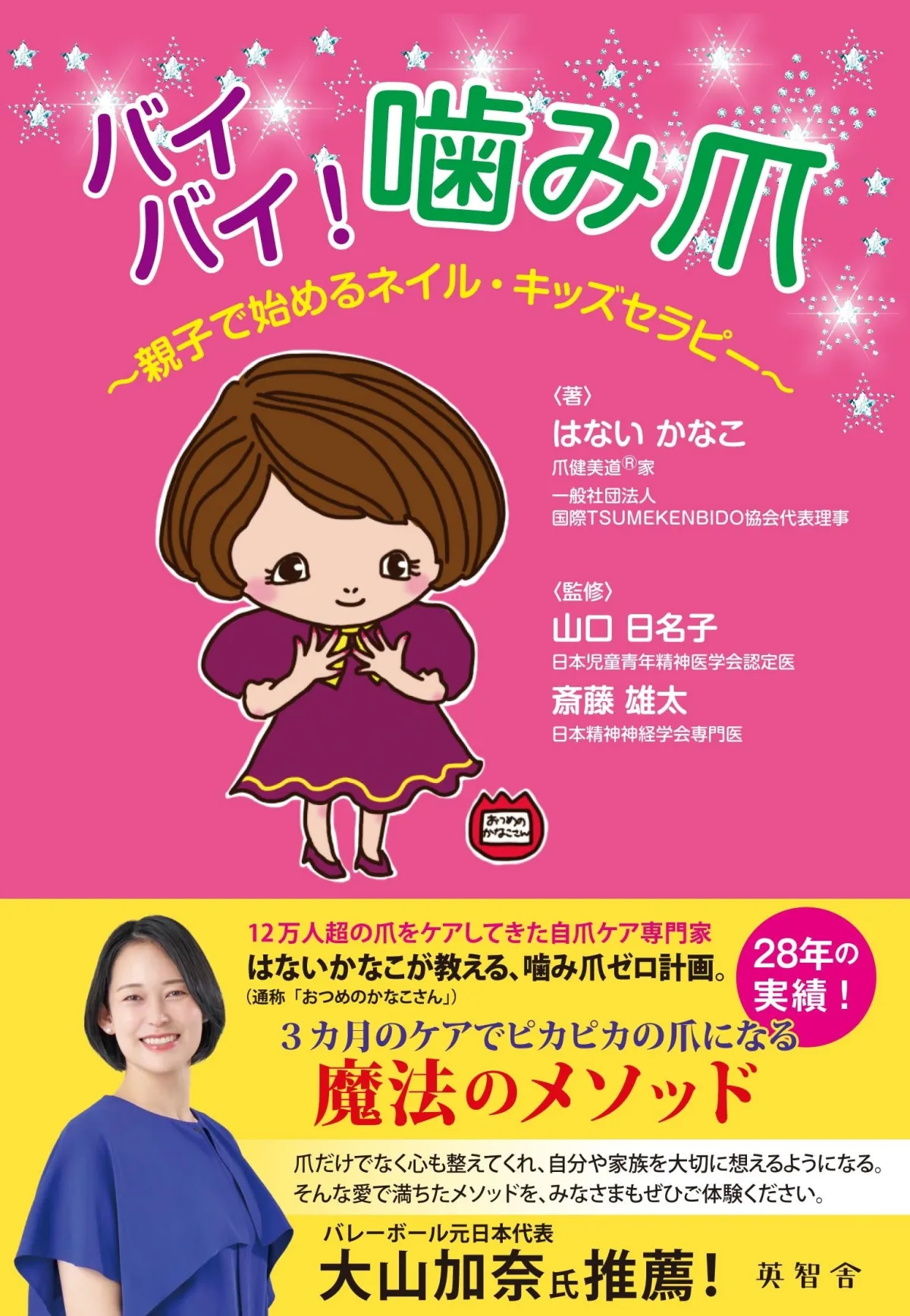
Discover the Joy of Nail Kids Therapy with 'Bye Bye Nail Biting' Guidebook
Unleashing the Healing Power of Nail Care
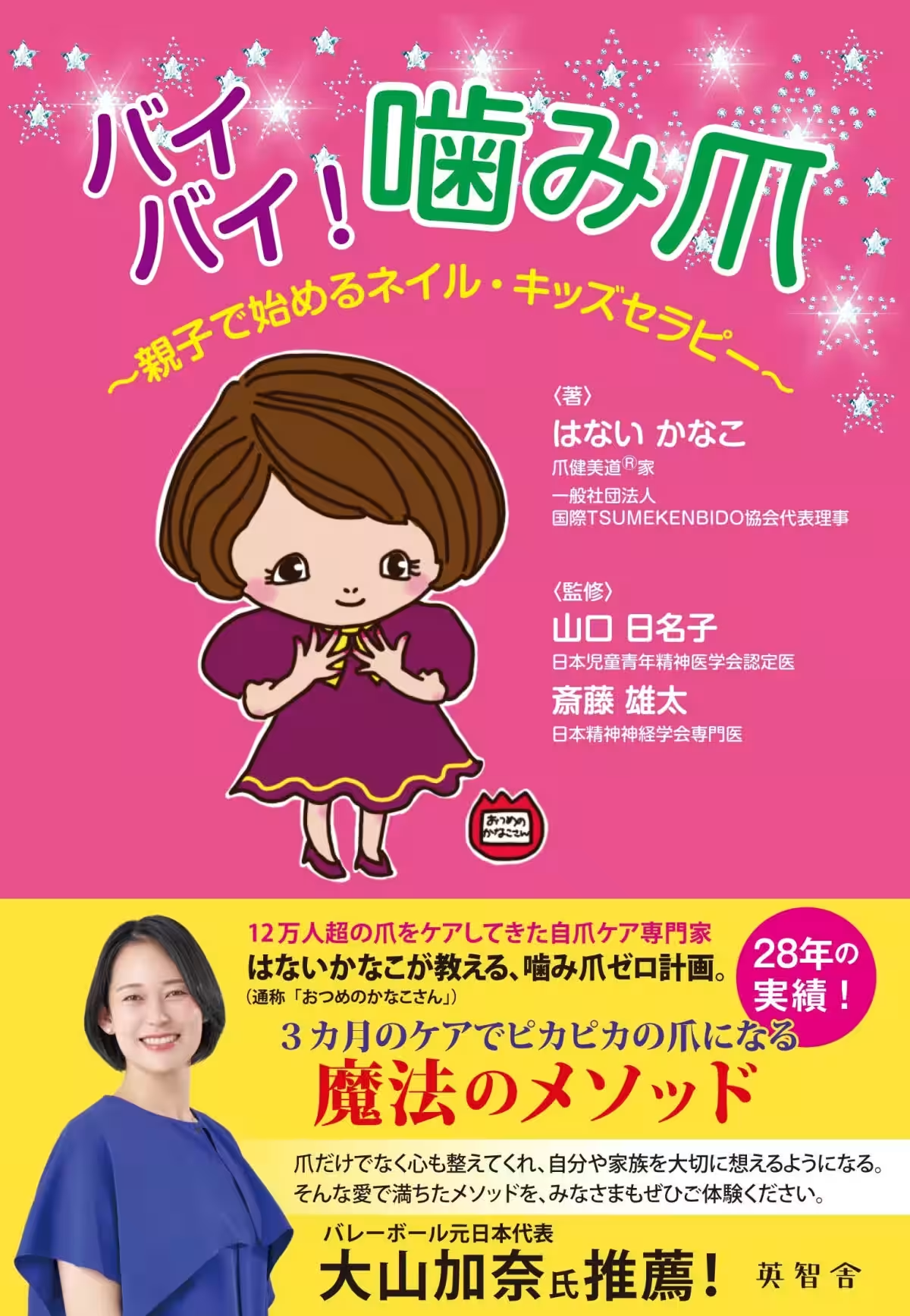
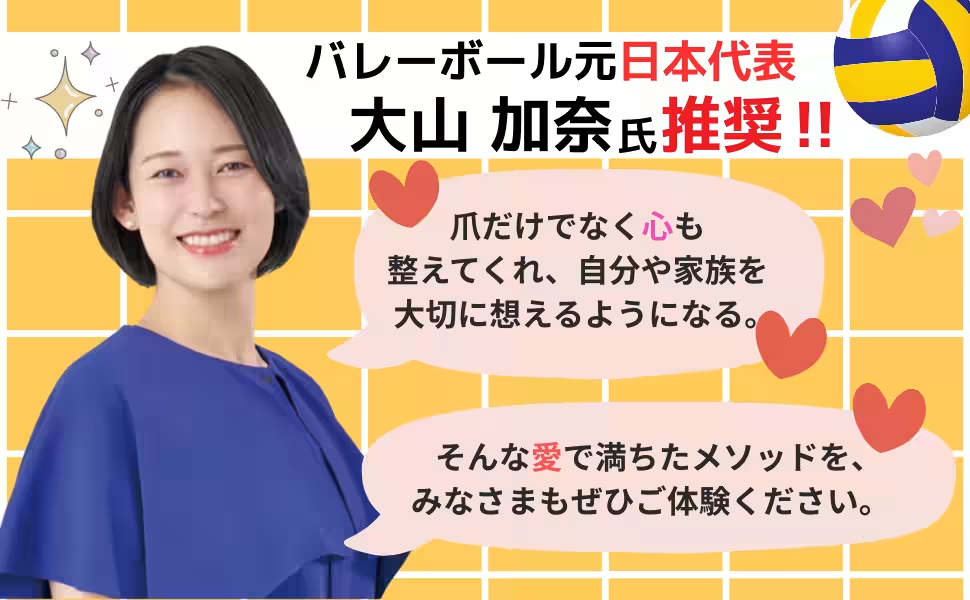
On August 18, 2025, Eichisha Co., Ltd. will release 'Bye Bye Nail Biting: Nail Kids Therapy for Parents and Children', authored by Kanako Hana. The innovative guide is built on insights from experts, including renowned volleyball athlete Kana Ooyama, who endorses the method: “It not only takes care of nails but also strengthens the heart, allowing us to cherish ourselves and our families.”
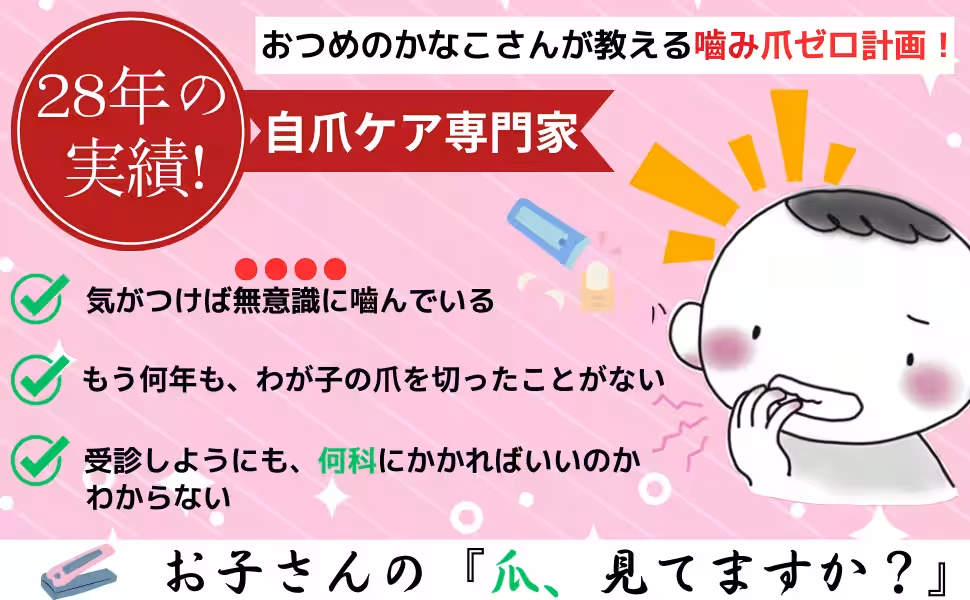
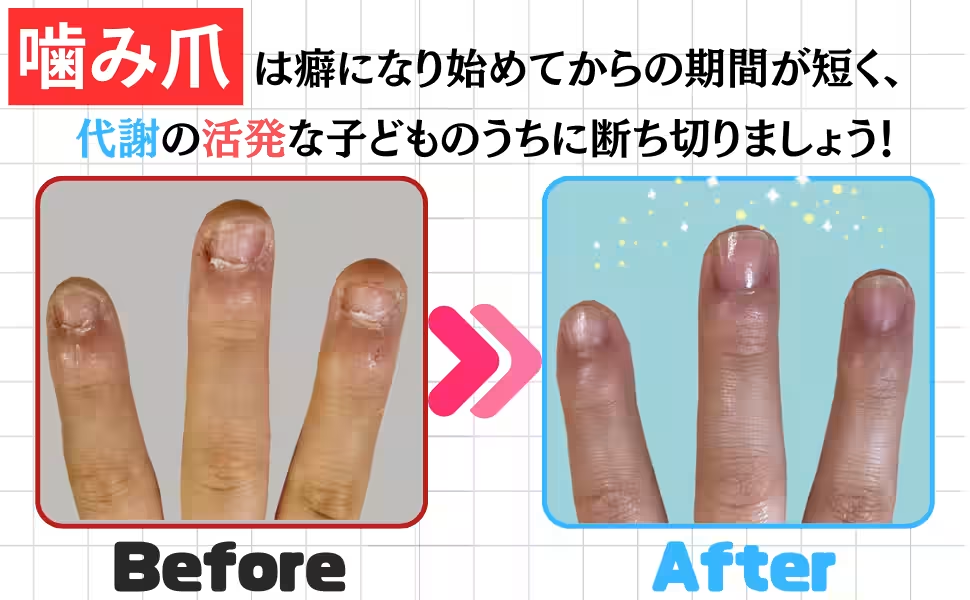
This book provides practical guidance for parents facing challenges with their children's nail-biting habits. Symptoms of nail-biting are common, as approximately one in three children experience it, yet many parents feel lost on how to address the issue.
Understanding Nail-Biting
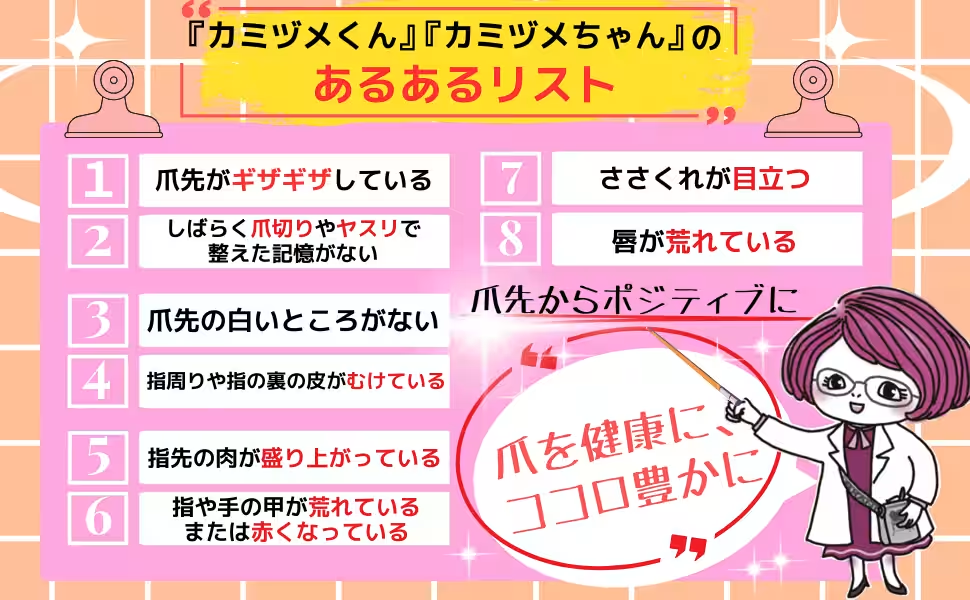
Nail-biting is not merely a cosmetic problem; it often reflects a child's emotional or psychological needs. Many parents admit to losing touch with their child’s nail health and might feel uncertain about how to intervene. This feeling of helplessness is common, but 'Bye Bye Nail Biting' offers a pathway to proactive engagement.
Over a period of just three months, the book equips families with a well-structured method, encouraging parents and children to work together to say goodbye to bad habits. The author emphasizes that nail care is a significant form of love and communication within the family.
A Step-by-Step Approach
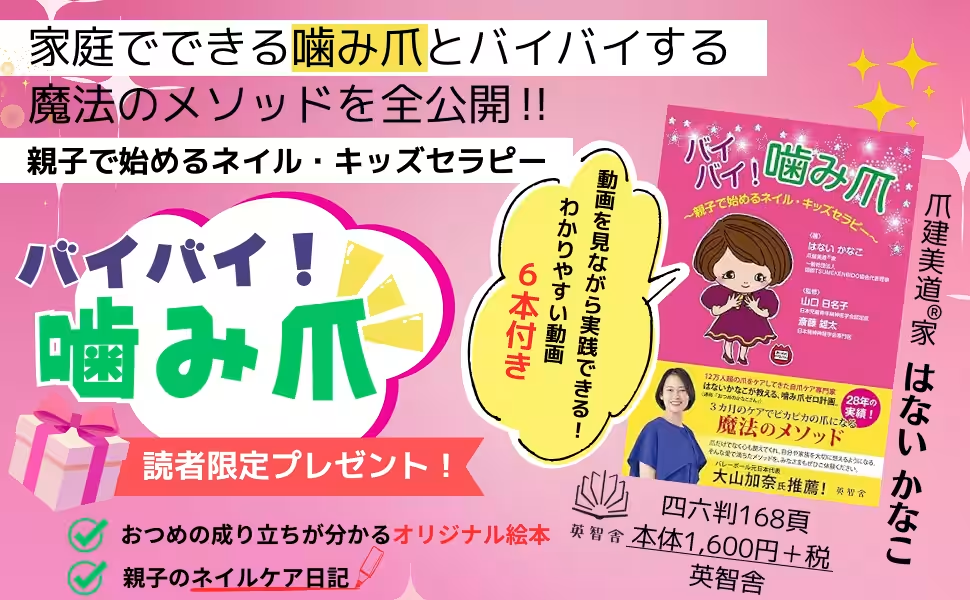
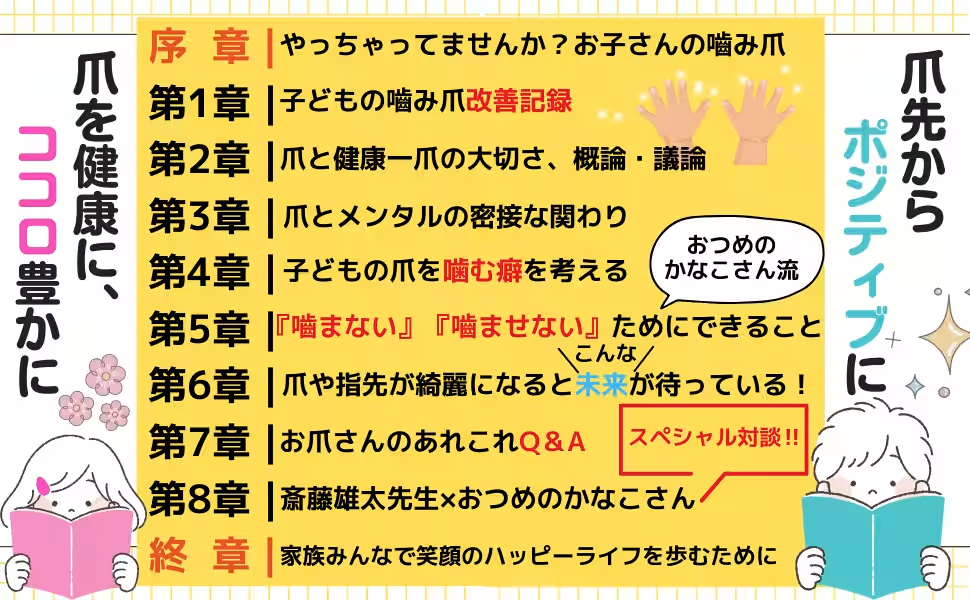
In 'Bye Bye Nail Biting', Kanako Hana outlines a simple, effective daily routine called 'Nail Kids Therapy', involving just five minutes of focused time each day. The method consists of five engaging steps that parents can practice with their children, fostering a warm, supportive environment. Each step is accompanied by clear video instructions to guide families through the process. With accessible tools found at any dollar store, such as nail clippers and buffers, this method makes it easy and fun for everyone involved.
Families are invited to pursue the activity together, treating nail care as a nurturing experience rather than a chore. Parents are encouraged to really engage with their child's needs and feelings, reinforcing emotional bonds and deepening their understanding of each other.
Heartfelt Messages from the Author
Hana emphasizes the idea that nail-biting often serves as a signal from children, communicating their emotional state. She shares her own struggles while addressing similar issues with her child, encouraging parents not to simply admonish but to connect deeply with their little ones. The experience of 'prepping, touching, and gazing at their nails' can serve as soothing moments, allowing families to bond over what is often a stressful topic.
Hana believes that through this nurturing practice, the genuine conversation and affection exchanged during nail care are possibly transformative, creating a healthier emotional climate in the home. The goal isn't just achieving beautiful nails but fostering love and communication as part of the family's ritual.
Importance of Supportive Resources
'Bye Bye Nail Biting' goes beyond personal experience, gathering the wisdom of specialists, including pediatric and psychological experts who provided insights to ensure the book is not only relatable for families but also accurate from a health perspective. Parent testimonials reveal that many have witnessed remarkable improvements in their children’s nail health and overall happiness after implementing the techniques outlined.
Furthermore, to enhance the reading experience, readers can download exclusive gifts, such as an original e-book explaining the importance of nail care and a journal for logging their nail care journey.
Conclusion
With expert advice and heartfelt guidance, 'Bye Bye Nail Biting' from Eichisha Co., Ltd. promises a journey towards healthier nails and strengthened relationships. As families follow the innovative approaches presented, they are likely to enjoy a plethora of benefits, transforming an often-overlooked problem into an enriching family experience.
This guide aims to be the stepping stone toward developing better practices around self-care within the family, empowering both parents and children to embrace the love inherent in taking care of one another's well-being.
Topics People & Culture)


【About Using Articles】
You can freely use the title and article content by linking to the page where the article is posted.
※ Images cannot be used.
【About Links】
Links are free to use.