



How to Nurture Thinking Skills in the AI Era: From Time-Based Growth to Experience-Driven Design
How to Nurture Thinking Skills in the AI Era
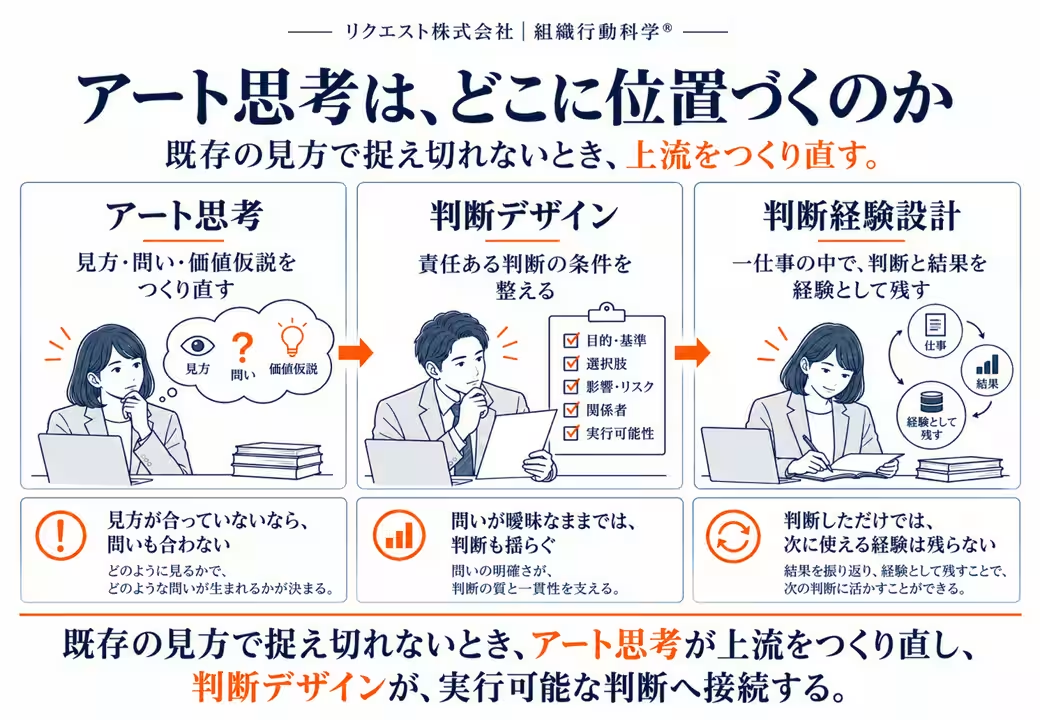
With the advent of artificial intelligence, the necessity for cultivating critical thinking in workplaces has never been more crucial. Request Inc., headquartered in Shinjuku, Tokyo, has released a comprehensive resource titled "What It Means to Cultivate Thinking Skills," based on data from 980 companies and 338,000 working individuals. This document consists of two parts: a visually organized PDF of 23 pages, featuring 20 diagrams, and a 38-page research review that discusses relevant studies and practical applications.
The Motivation Behind the Release
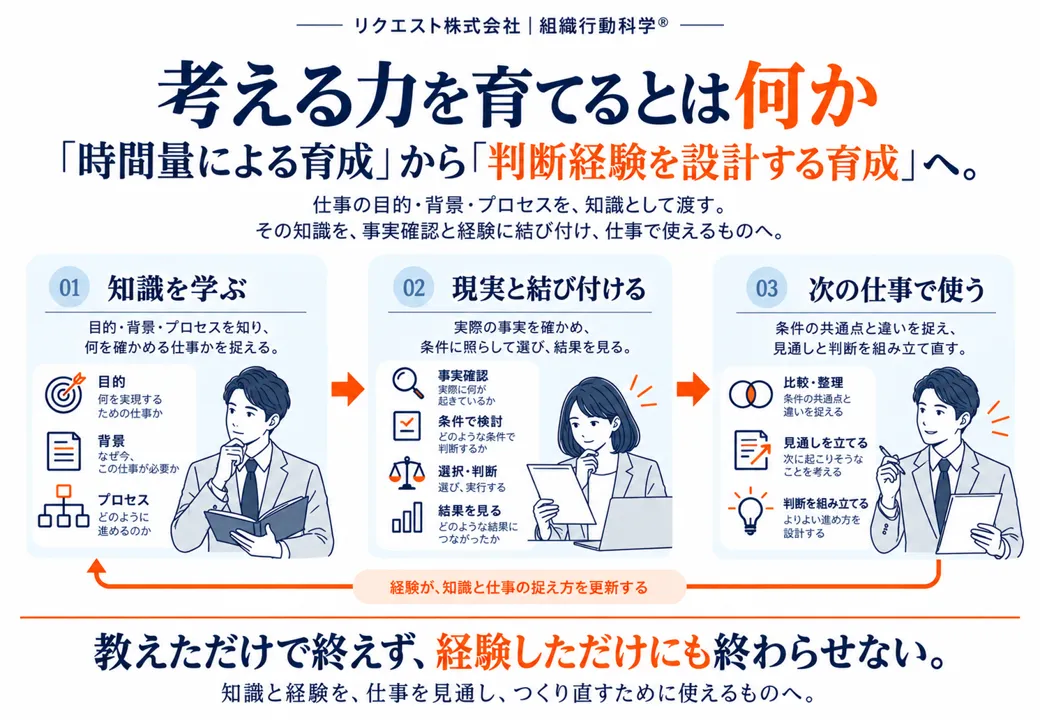
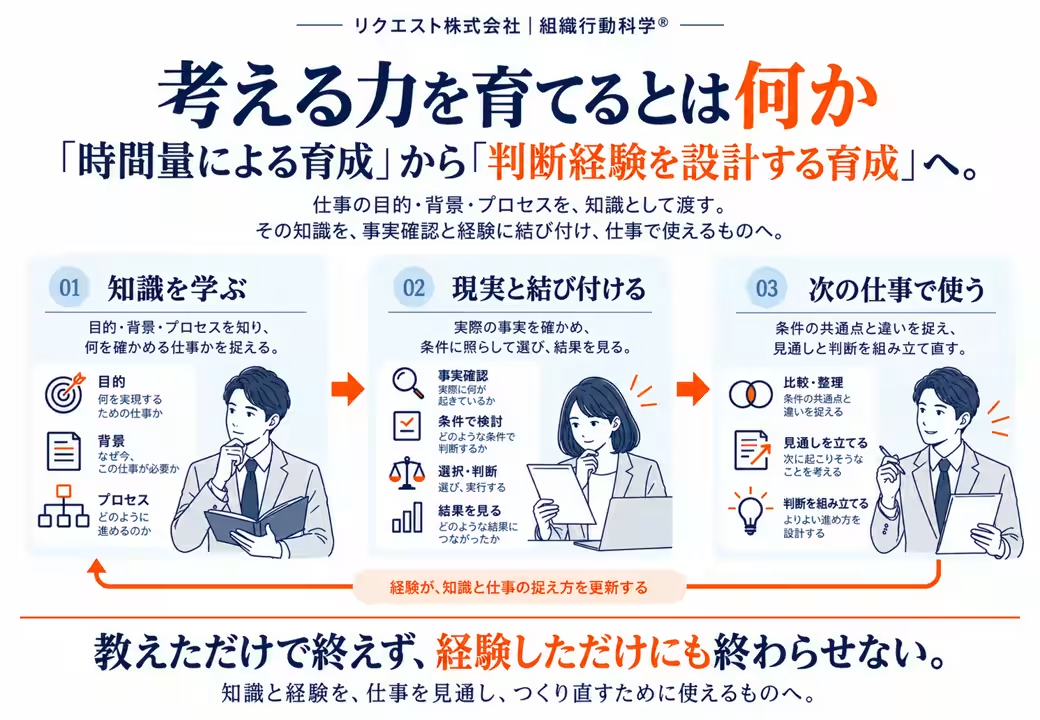
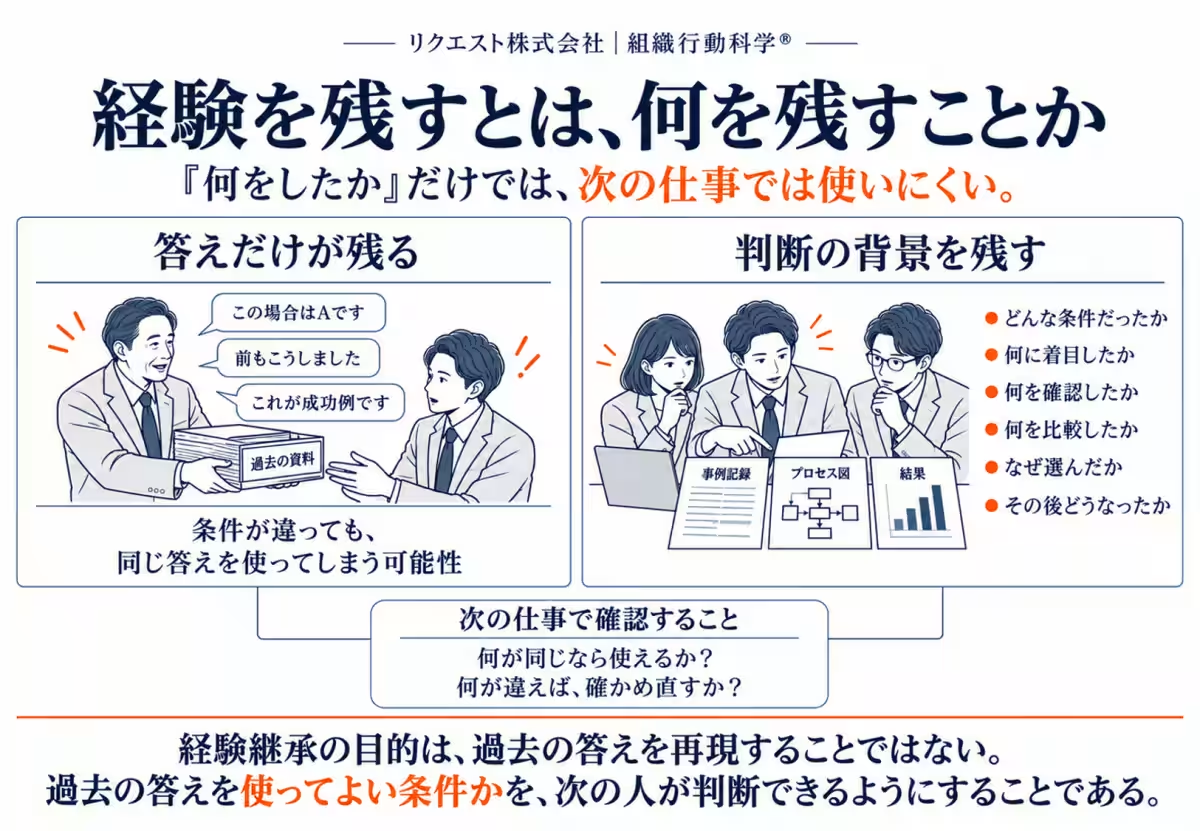
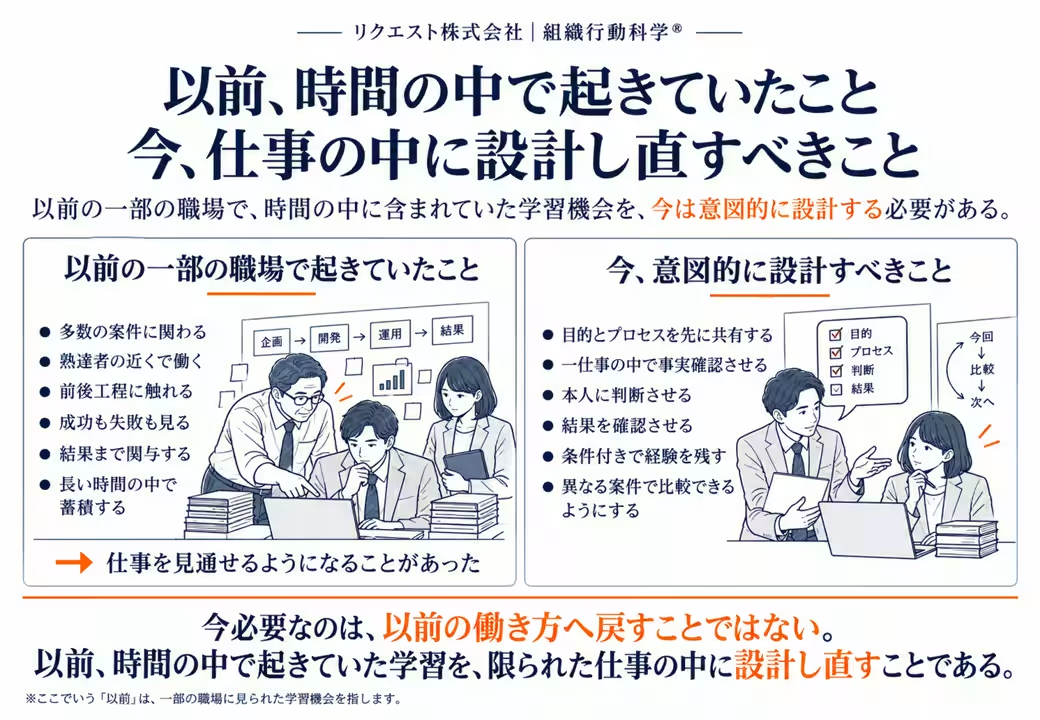
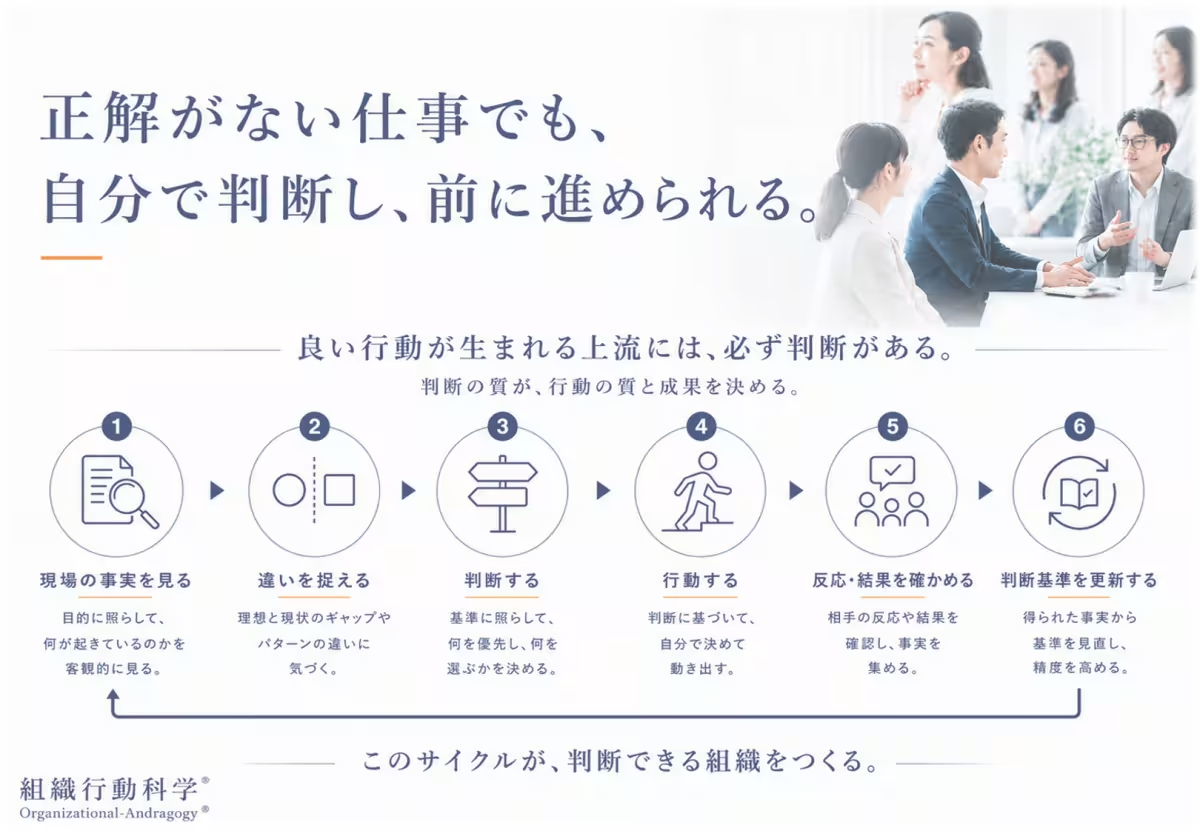
This initiative aims to bridge the gap between knowledge and real-world experience. It emphasizes that fostering thinking skills is not merely about increasing the quantity of thought but also about designing the learning process. The goal is to facilitate a framework whereby workers can apply knowledge from past jobs to future tasks, incorporating actual facts and outcomes into their decision-making processes.
Key Features of the Released Materials
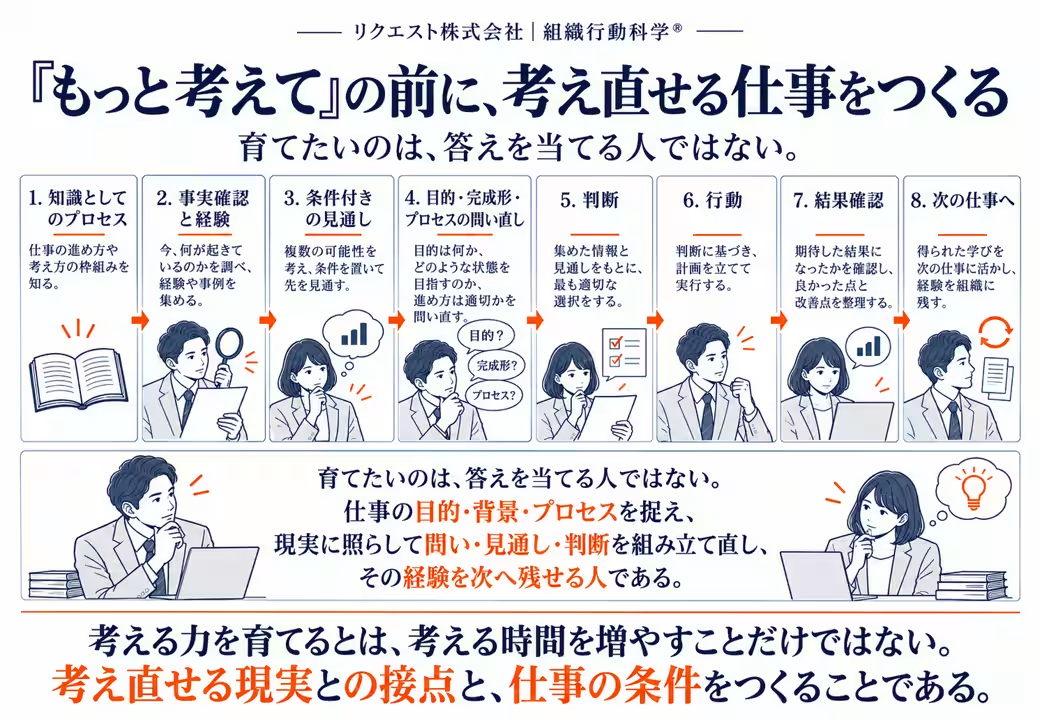
Visual Guide to Cultivating Thinking Skills
The first part of the document includes:
- - Overview of the cultivation of thinking skills through visual aids.
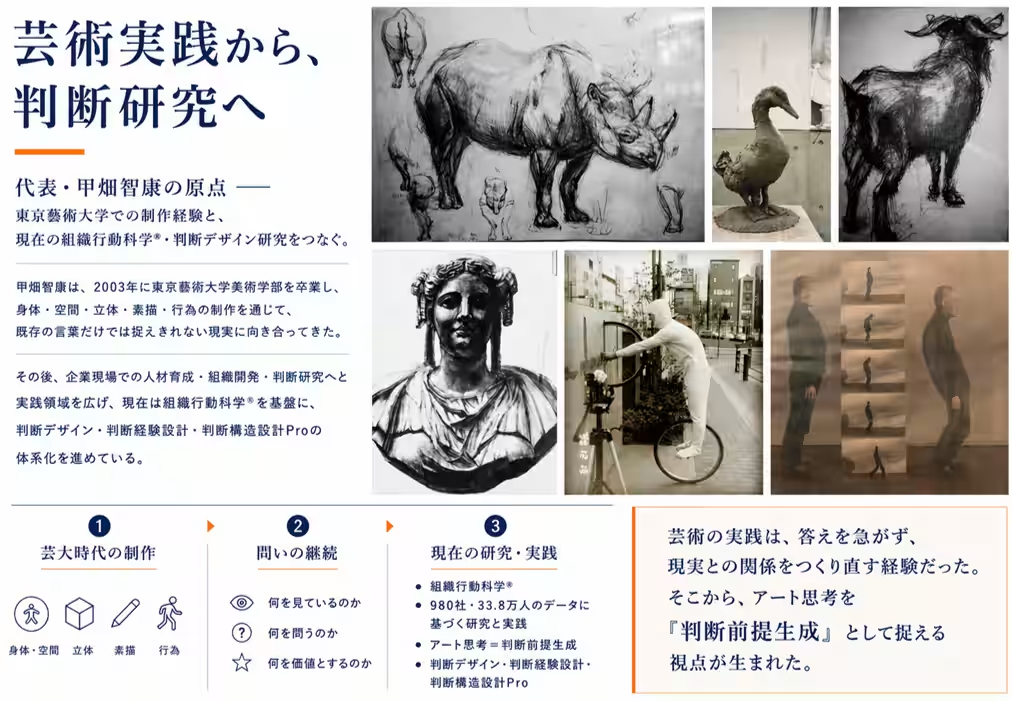
- - Information about the company and the background of the research.
Research Review on Cultivating Thinking Skills
The second part comprises:
- - Detailed Discussions on 21 chapters, covering definitions, applicability, and methods of research.
- - A summary of findings as well as records and sheets to verify the learning outcomes.
- - An accompanying chart that correlates diagrams with relevant text.
The Transition From Time-Based to Experience-Driven Approaches
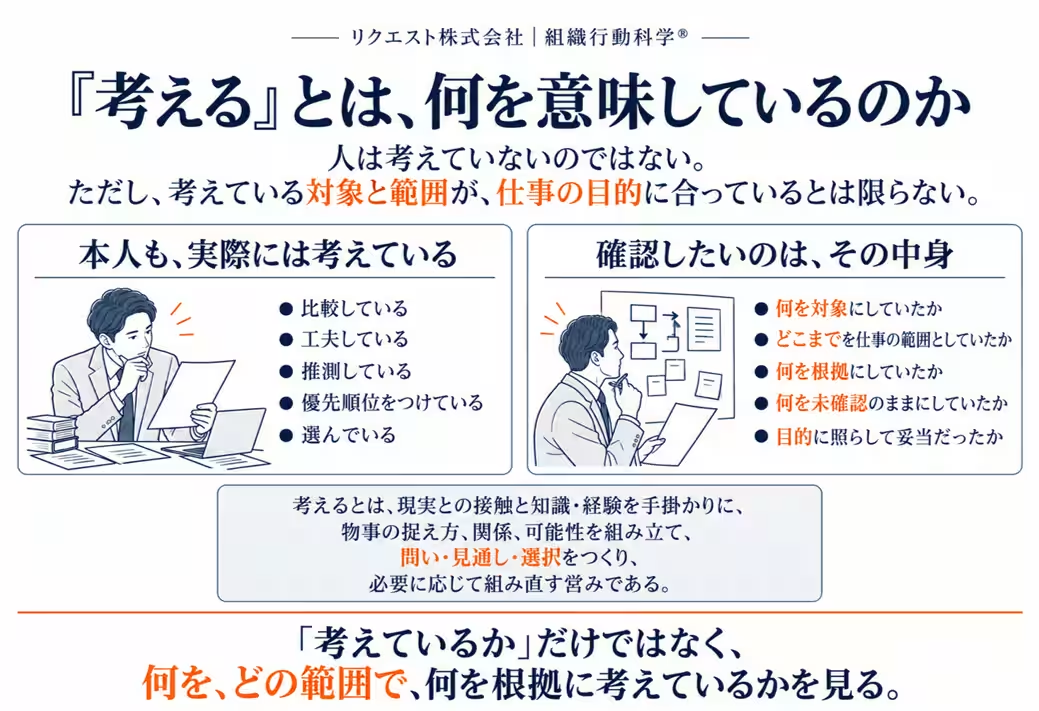
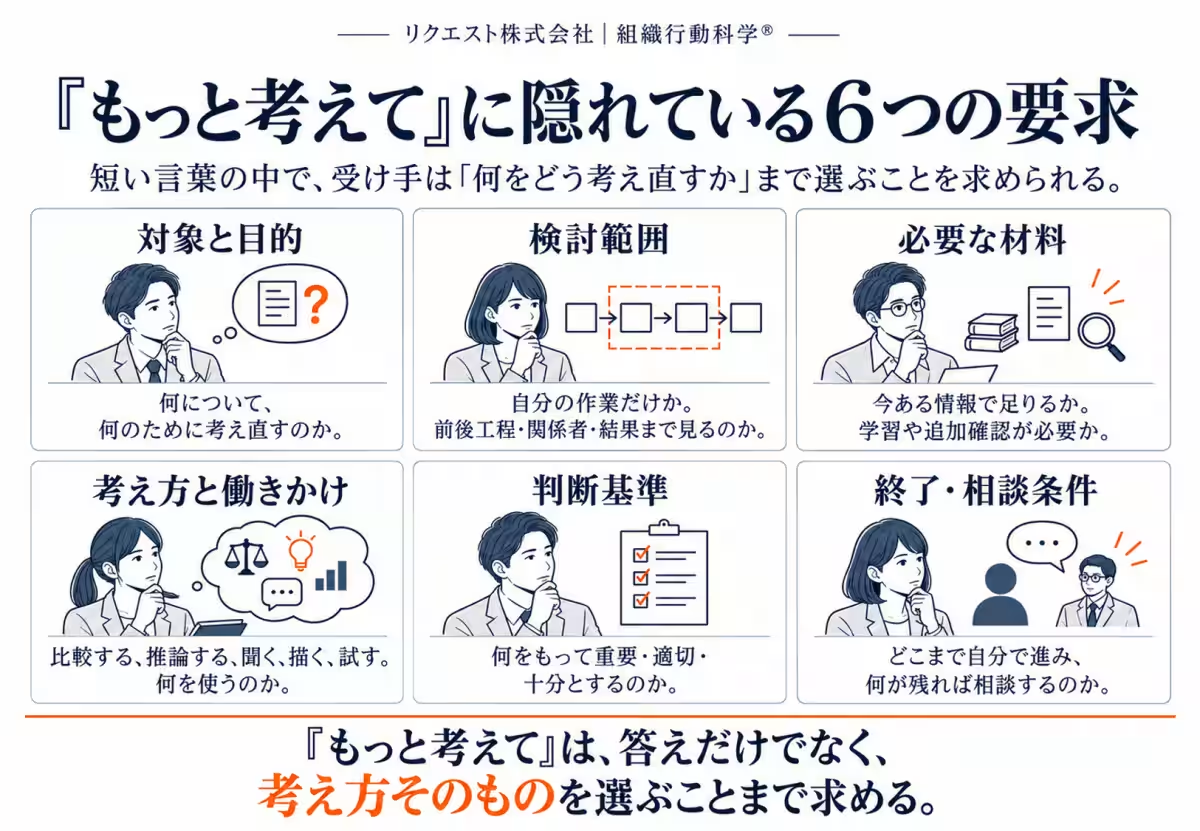
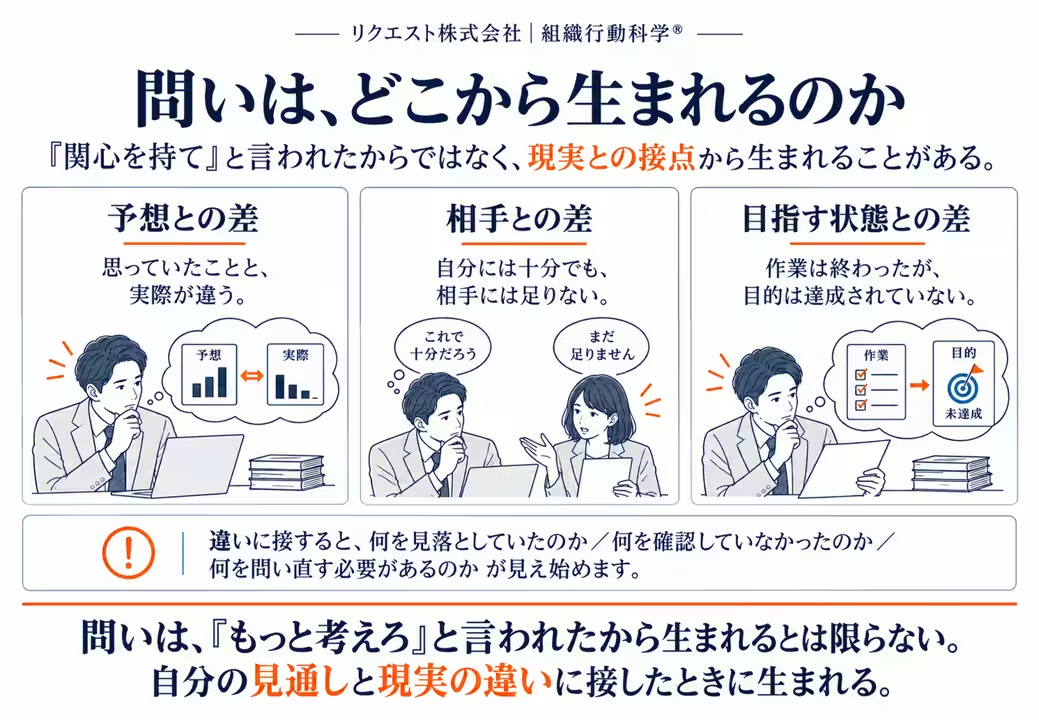
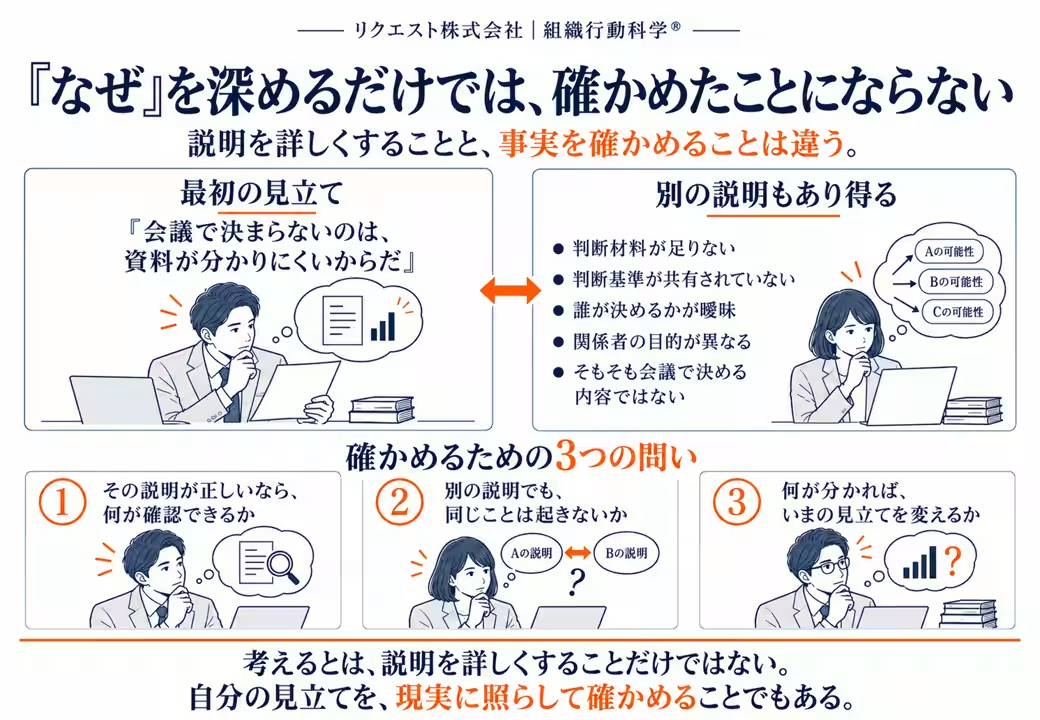
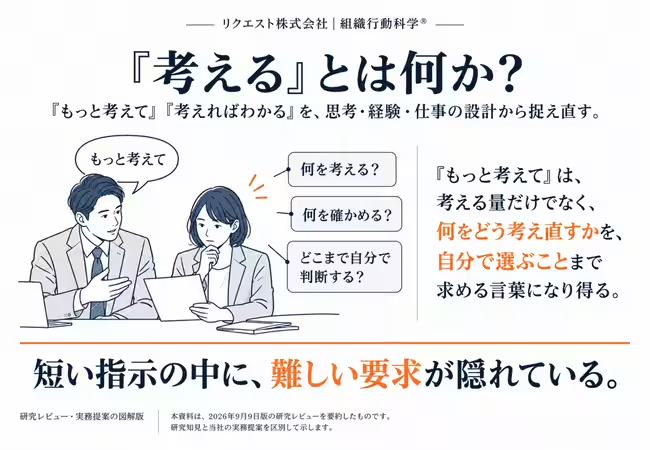
Previously, Request Inc. published an article on September 10, 2026, entitled "Why 'Think More' Is Challenging." It explored the difficulties encountered when individuals are merely instructed to think critically without a proper framework. The new materials build on this foundation, highlighting how to connect delivered knowledge with actionable outcomes.
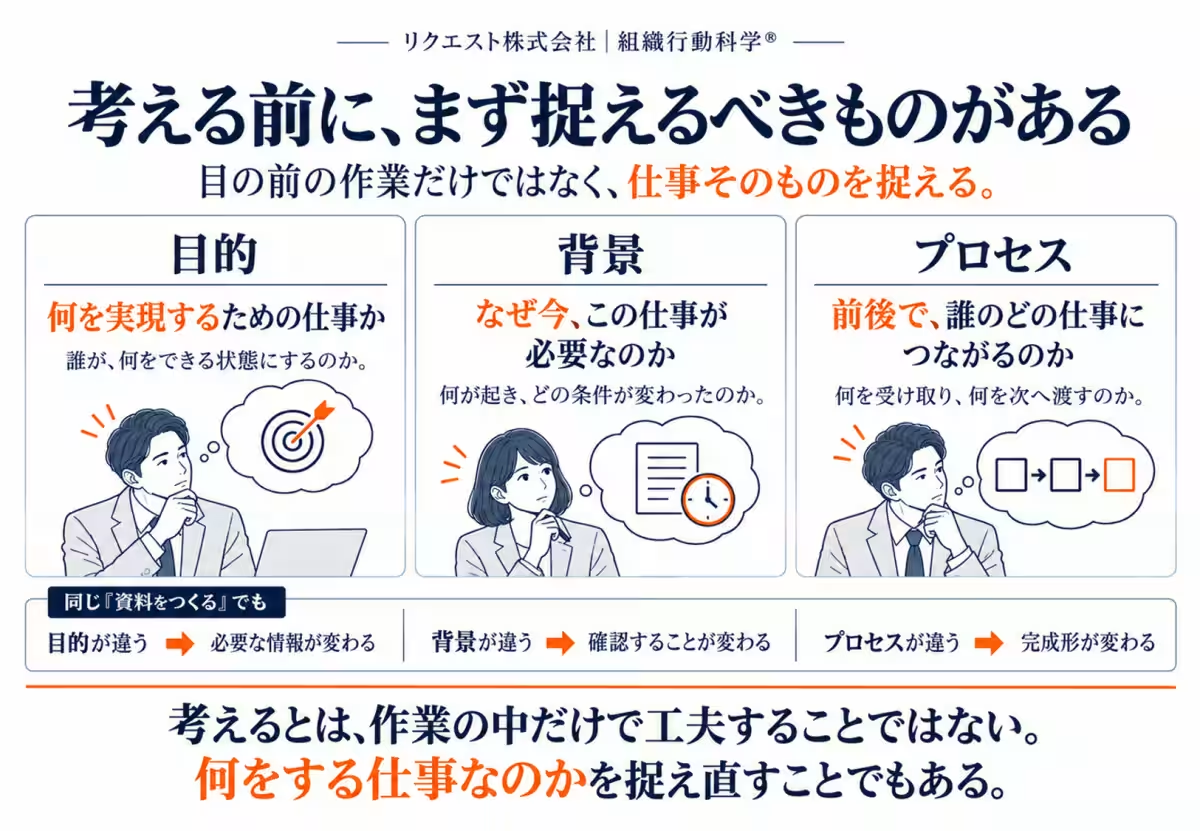
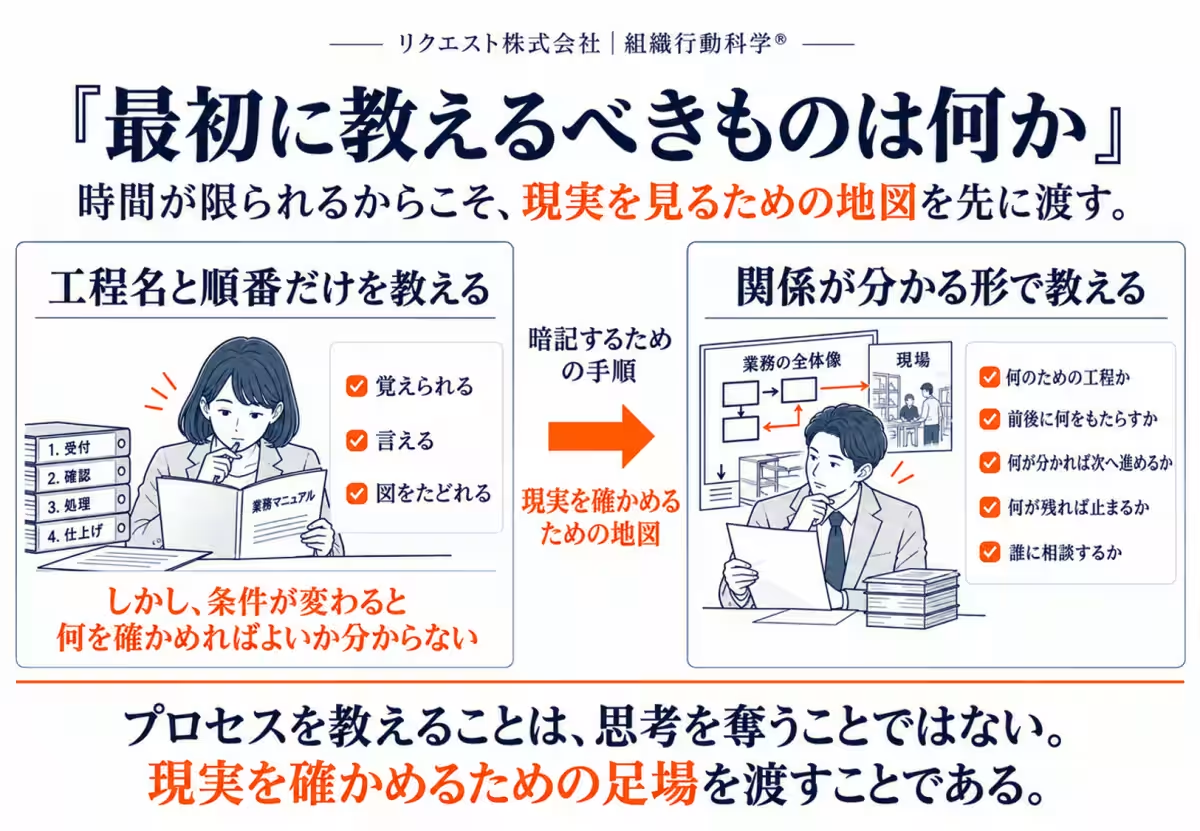
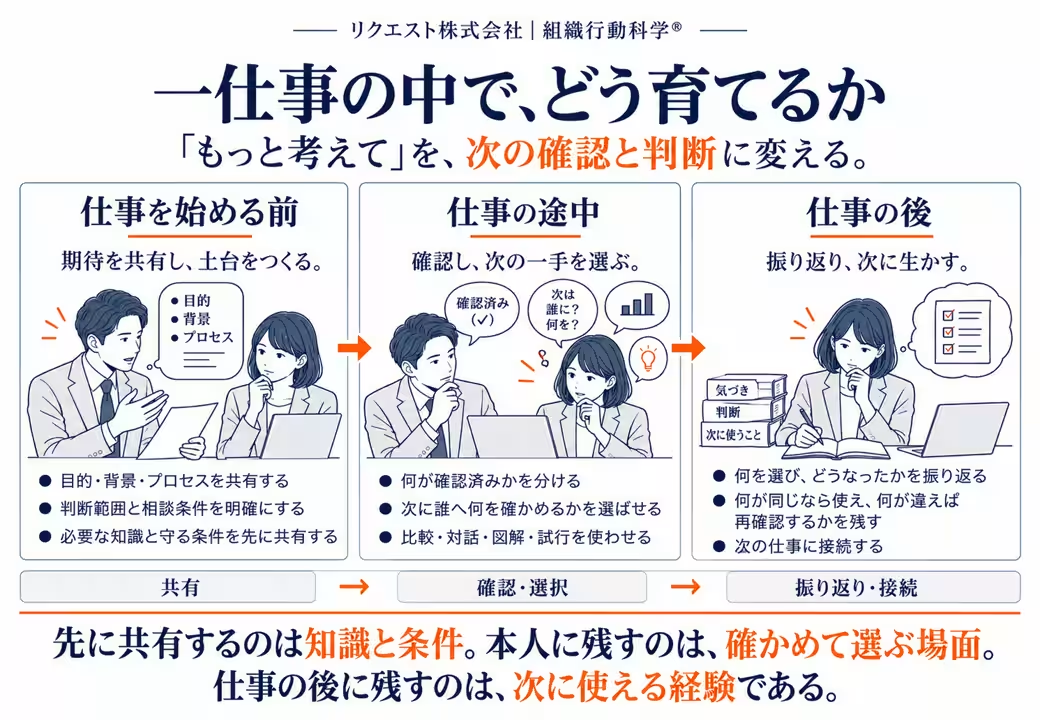
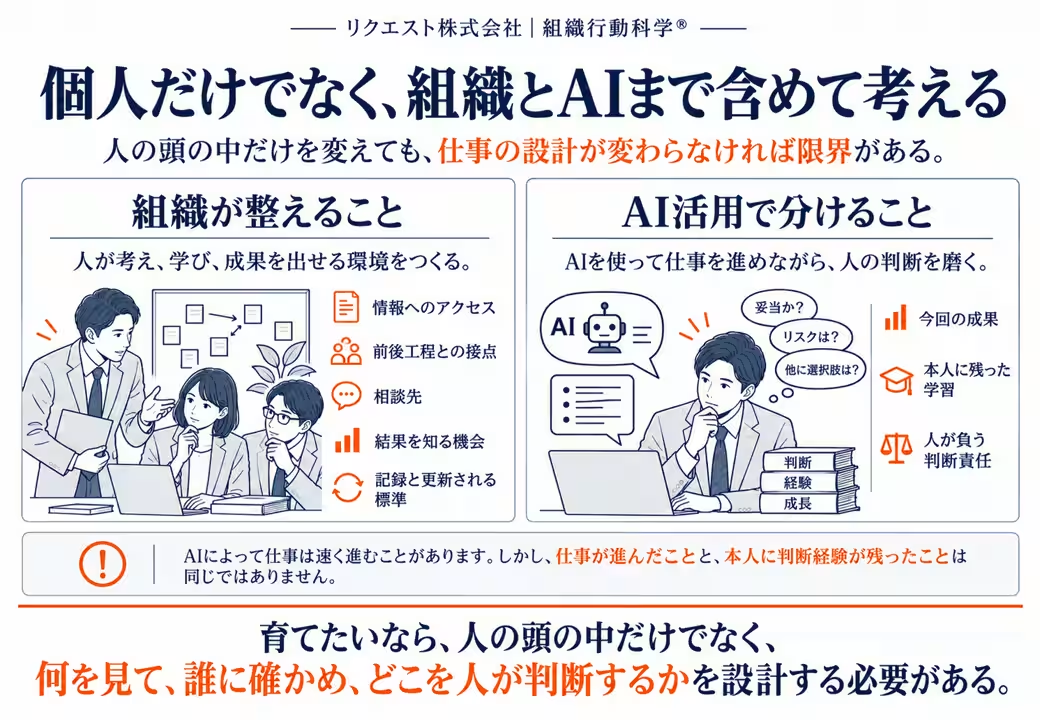
The essence of this new approach is to create work environments that stimulate thought rather than simply expecting employees to think independently without guidance. This involves teaching employees about the purpose and relevance of their tasks, enabling them to choose which knowledge to apply in varying contexts.
Addressing Challenges in Talent Development
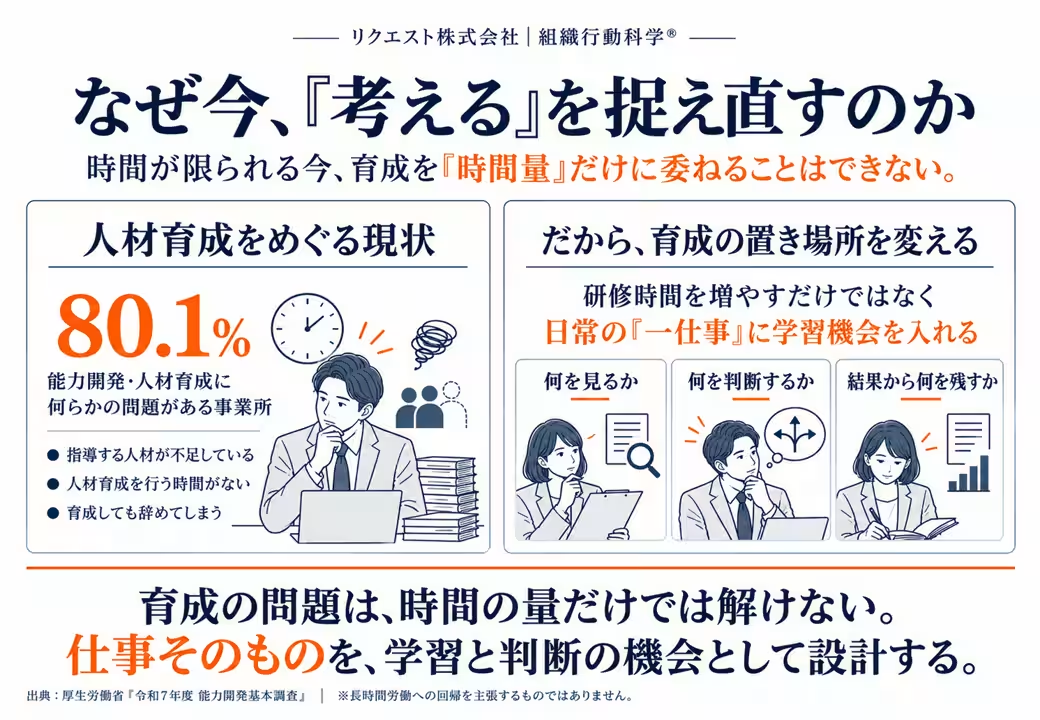
According to the 2026 report from the Ministry of Health, Labour and Welfare, around 80.1% of organizations in Japan reported issues related to talent development. Common problems included a shortage of trainers, high employee turnover, and a lack of time for training. This information underscores the importance of reevaluating how to cultivate skills effectively.
Rather than merely extending training durations, this approach seeks to enhance the quality and relevance of tasks given to employees, ensuring they have a solid foundation for both learning and application.
Providing a Framework for Effective Learning
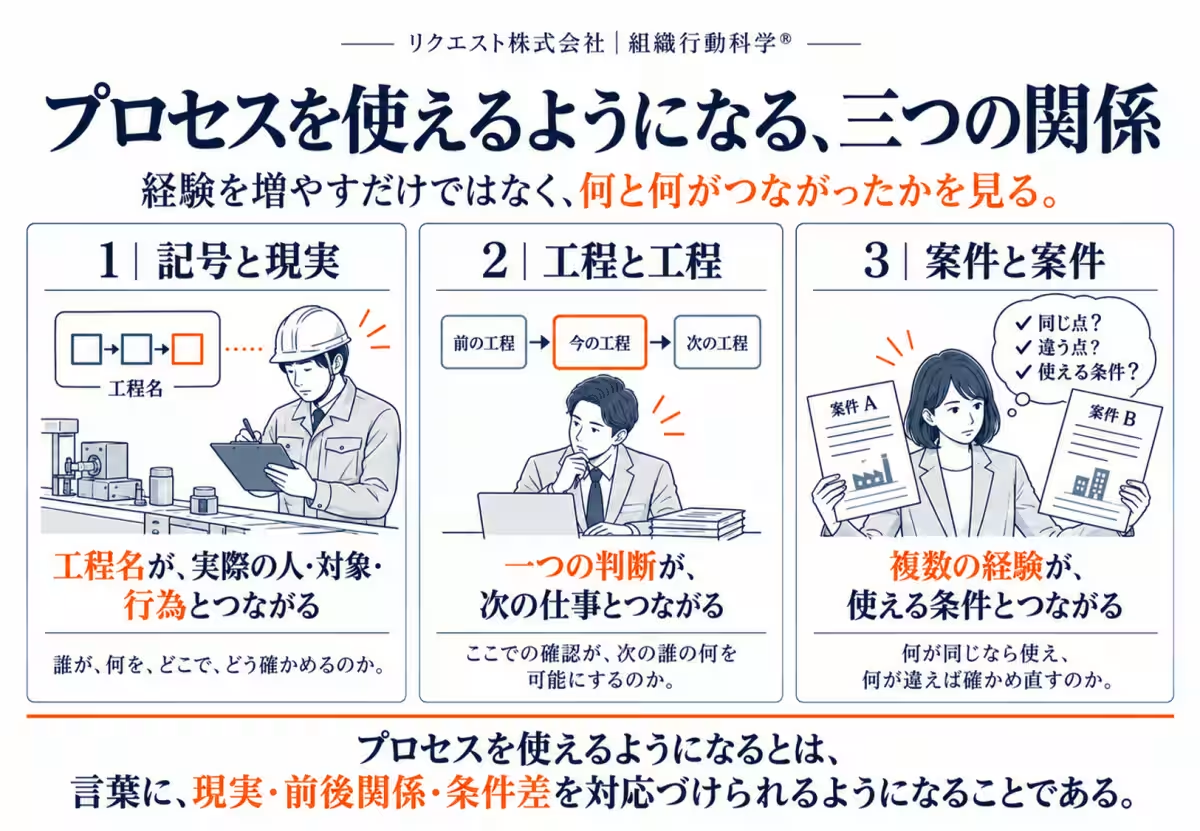
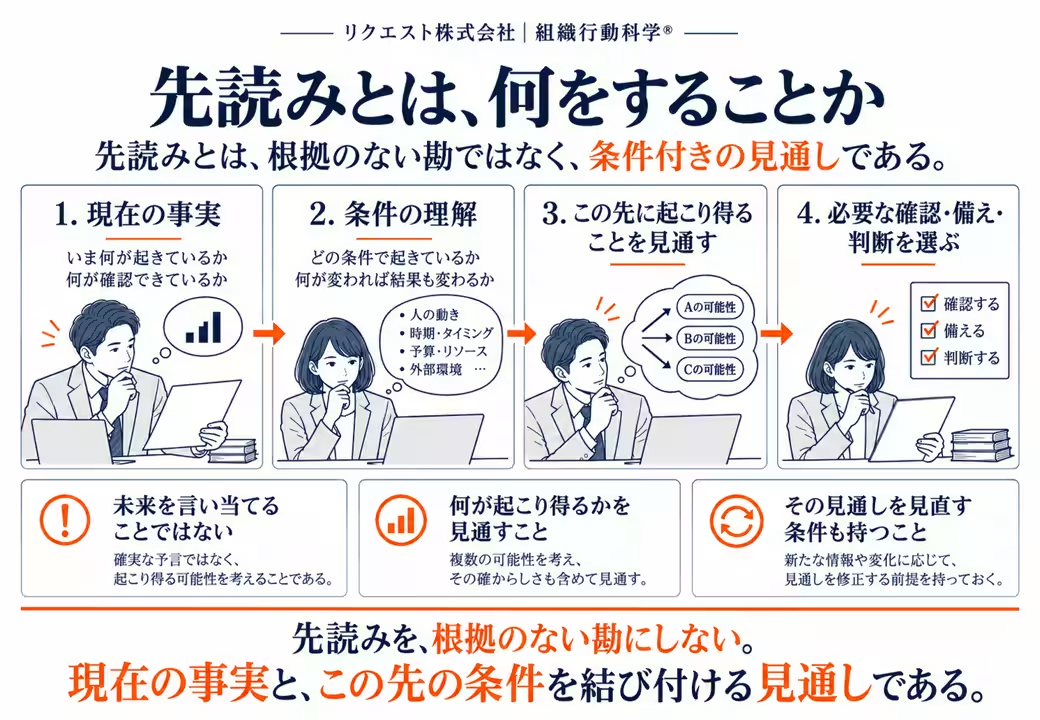
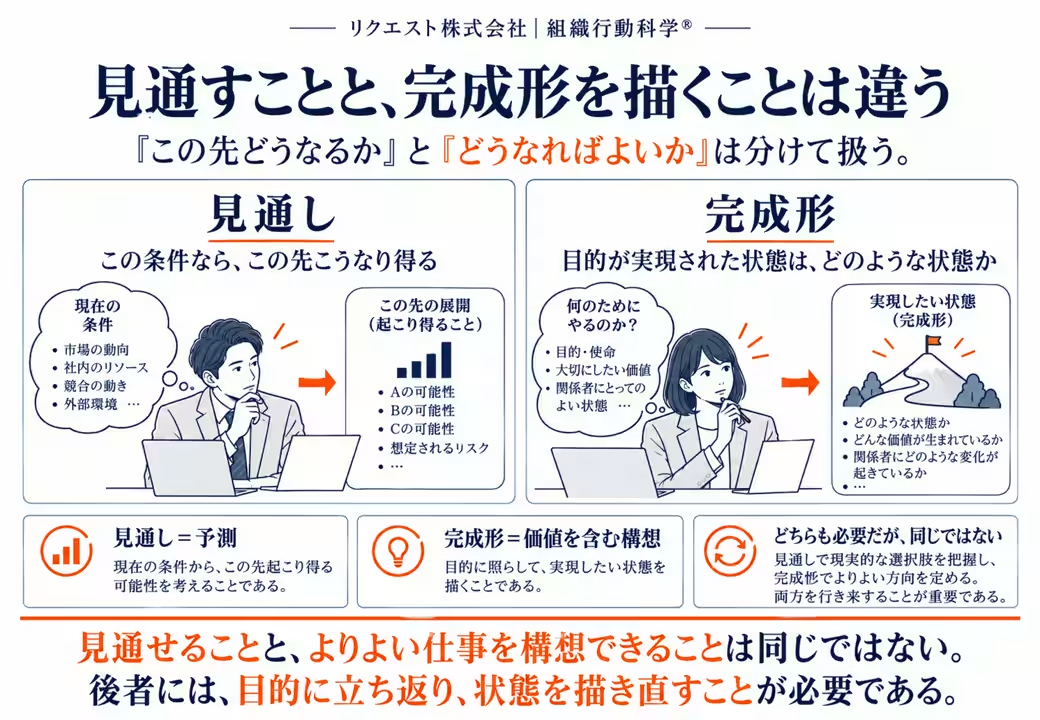
The materials invite organizations to rethink their strategies for teaching versus promoting independence in problem-solving. The aim is to equip employees with essential knowledge about their tasks while encouraging them to actively explore, compare, and select appropriate responses to challenges.
This framework aims to connect knowledge with action without overwhelming employees with unnecessary information, focusing instead on relevant and actionable insights.
Enhancing Practical Application
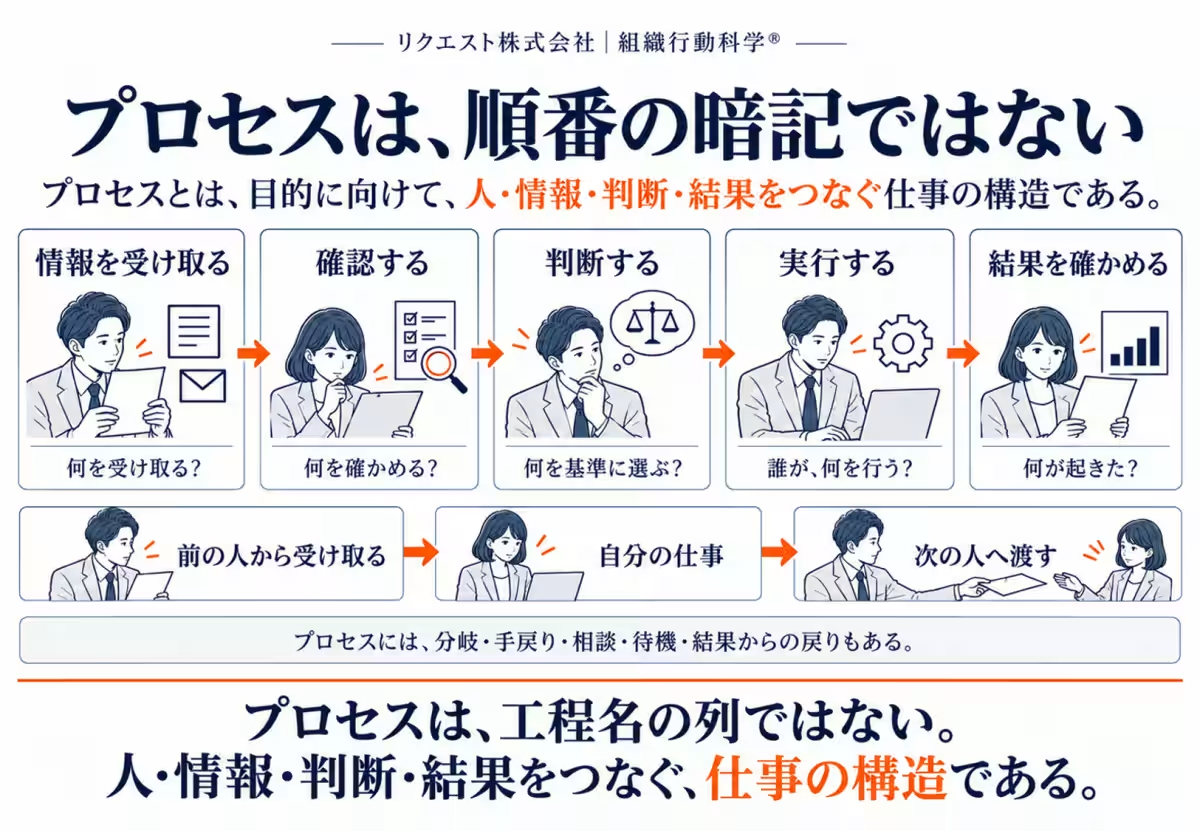
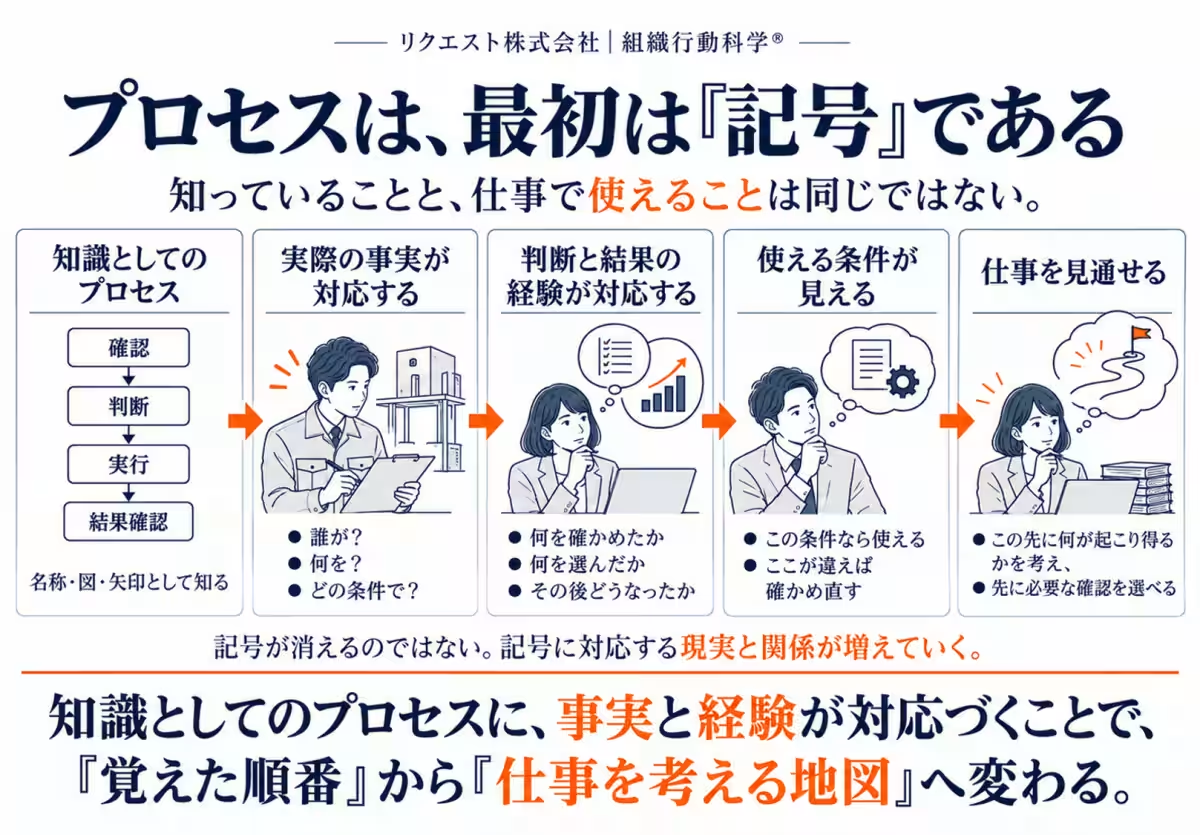
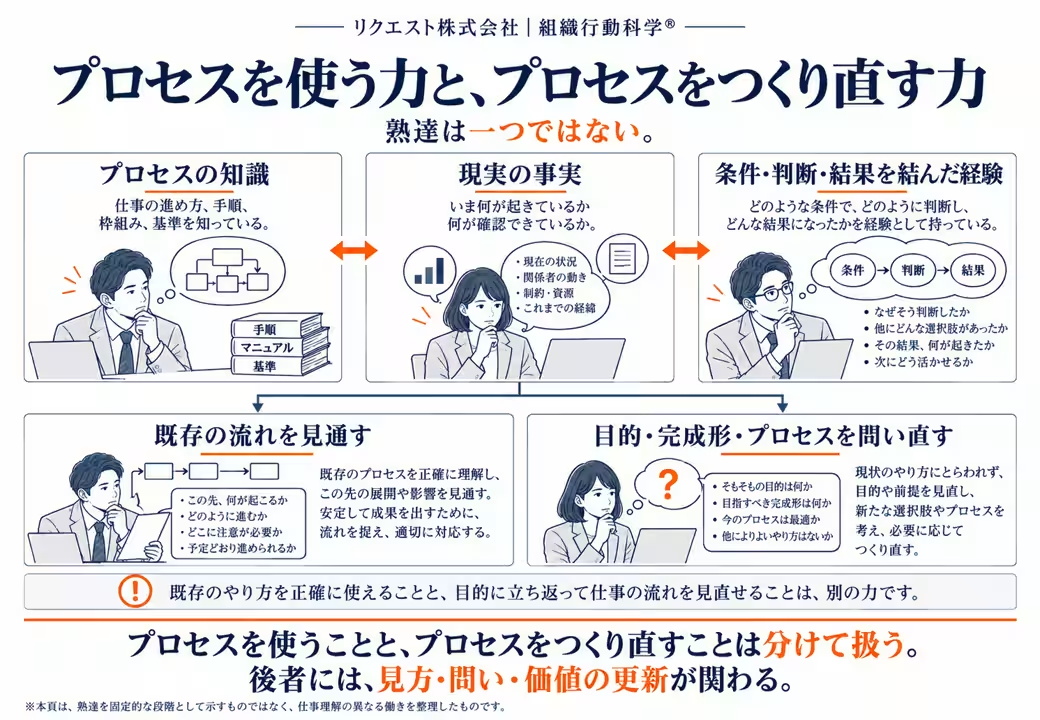
The emphasis on process knowledge was another critical aspect covered. By articulating workflows, drawing diagrams, and outlining essential steps, employees can better visualize how their knowledge applies to real-world scenarios. This expressive knowledge, termed as

Topics People & Culture)
【About Using Articles】
You can freely use the title and article content by linking to the page where the article is posted.
※ Images cannot be used.
【About Links】
Links are free to use.