



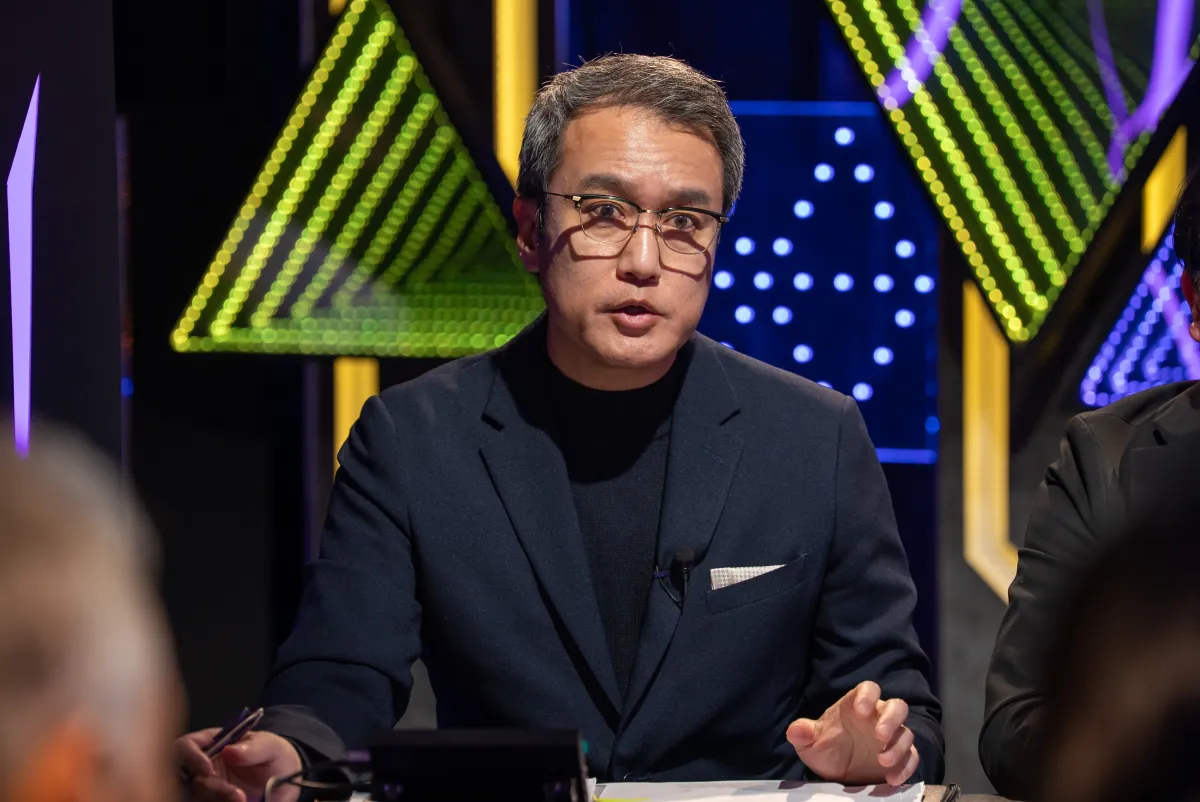
Is the Yakuza a Necessary Evil? Insights from Former Detective Fumitaka Kohiruimaki on NoBorder Media!
An In-Depth Look at the Yakuza: A Necessary Evil?
In the latest episode (#28) of the taboo-breaking media platform NoBorder, former police detective Fumitaka Kohiruimaki, known for his investigative prowess and expertise in international crime strategy, delves into a contentious topic: the role of the Yakuza in Japanese society. The title, "The Paradox of Declining Crime from the Demise of Organized Crime - Investigating the True Nature of the Yakuza, the Guardians of Society, and the Validity of the Necessary Evil Theory," outlines the conflicts that arise from dismantling the Yakuza and the implications for public safety.
The Yakuza: An Overview
The Yakuza, Japan's organized crime syndicate, has long been a part of the societal fabric, often operating in the shadows but sometimes displaying unexpected elements of order within the chaos. Historically, they have taken on roles that could be characterized as protective, providing services that the state may have failed to offer, especially in marginalized communities. Kohiruimaki's keen insights shed light on the duality of the Yakuza's existence: as both a perpetrator of violence and a provider of social stability.
Kohiruimaki's Perspective
With thirty years of law enforcement experience, Kohiruimaki offers a unique perspective on the complexities surrounding organized crime. He argues that the eradication of the Yakuza does not necessarily correlate with an improvement in public safety. In fact, he posits that the breakdown of established crime networks could lead to increased violence as marginalized groups contend for dominance. Through a lens of historical and social context, he analyzes how the Yakuza, often vilified, might be perceived as a necessary evil; a stabilizing force for some communities.
Key Themes Explored
In this engaging episode, Kohiruimaki touches on several critical themes:
- - The History and Structure of Organized Crime: Understanding the Yakuza requires a grasp of its historical roots and the socio-economic conditions that nurtured its growth.
- - Crime and Public Safety: Analyzing crime data post-Yakuza dismantlement can reveal important patterns and shifts in public safety dynamics.
- - The Impact of Banning Organized Crime: What happens to the community structure when organized crime is eradicated? Are the resulting power vacuums filled by more violent groups?
- - Insights from the Field: Drawing on first-hand experience, Kohiruimaki navigates the murky waters of drug and arms trafficking, as well as the psychological manipulation often employed by both criminals and law enforcement.
Professional Engagements
In addition to his media appearances, Kohiruimaki is active in various speaking engagements. His rich background allows him to address a variety of topics:
- - Changing paradigms in crime and safety
- - International and organized crime realities
- - Crisis management and risk assessment based on firsthand experiences
Kohiruimaki's Profile
Fumitaka Kohiruimaki brings a wealth of experience to the table. After retiring as a deputy police superintendent in 2023, he is dedicated to applying his knowledge for the benefit of society through various media and educational efforts. From investigations into transnational crime to educational engagements with institutions, his work highlights the critical intersection of law enforcement and social issues.
Stay Connected
For those interested in following Kohiruimaki's insights or booking him for speaking engagements, you can explore his official website, where a plethora of resources and contact information can be found:
In closing, the latest episode of NoBorder not only challenges existing narratives but also enriches the discourse on crime, societal structure, and the role of the Yakuza as a necessary evil in Japan. Tune into the episode airing every Saturday at 21:00 for more insights on this fascinating subject! Watch Here


Topics People & Culture)



【About Using Articles】
You can freely use the title and article content by linking to the page where the article is posted.
※ Images cannot be used.
【About Links】
Links are free to use.