



The Upcoming Shift in the Metropolitan Housing Market Towards 2026: A Focus on Second Housing Acquisition
A Turning Point in the Metropolitan Housing Market by 2026
The housing market in Tokyo and its surrounding areas is on the cusp of significant change. According to a recent report released by Kenchiku Ichiba Co., Ltd., the situation surrounding housing acquisition has evolved drastically and is expected to transform the metropolitan market into a new landscape by 2026. The report highlights a substantial price gap of approximately 32.25 million yen between urban apartments and suburban homes, leading to a projected shift towards purchasing properly priced single-family homes. This projected demand shift will not only focus on new acquisitions but also on the renewal of existing housing stock, particularly through secondary acquisitions like rebuilding or updating homes.
Challenges Facing the 2025 Housing Market
1. Demand-Side Factors: Price Inflation and Market Rigidity
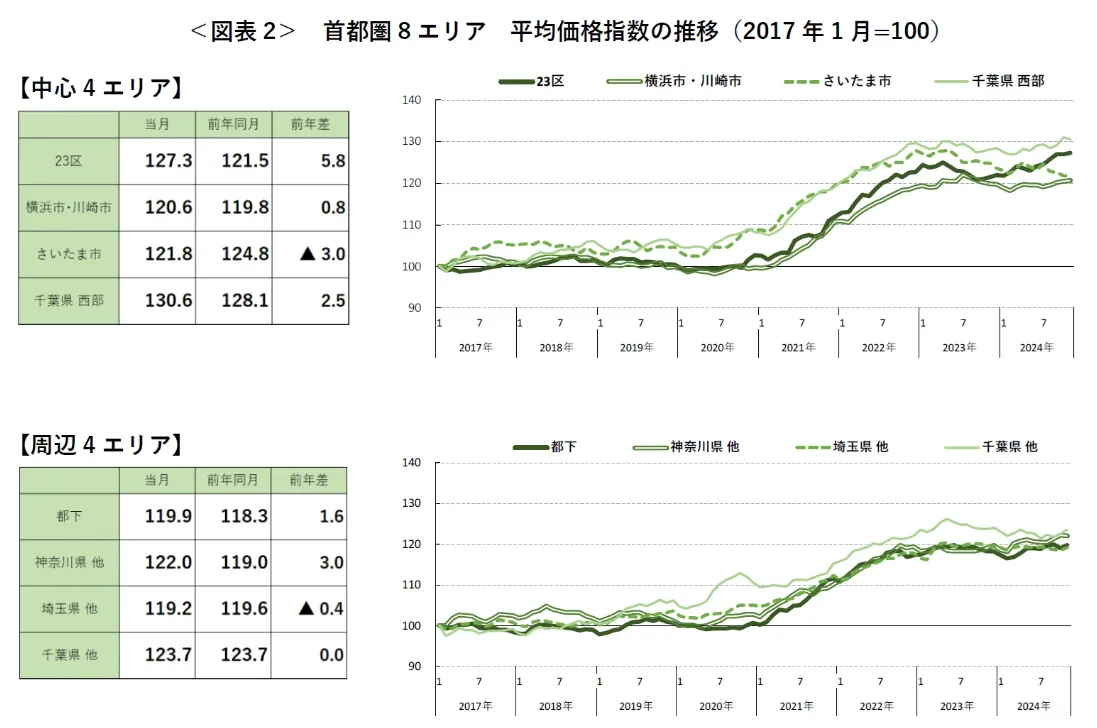
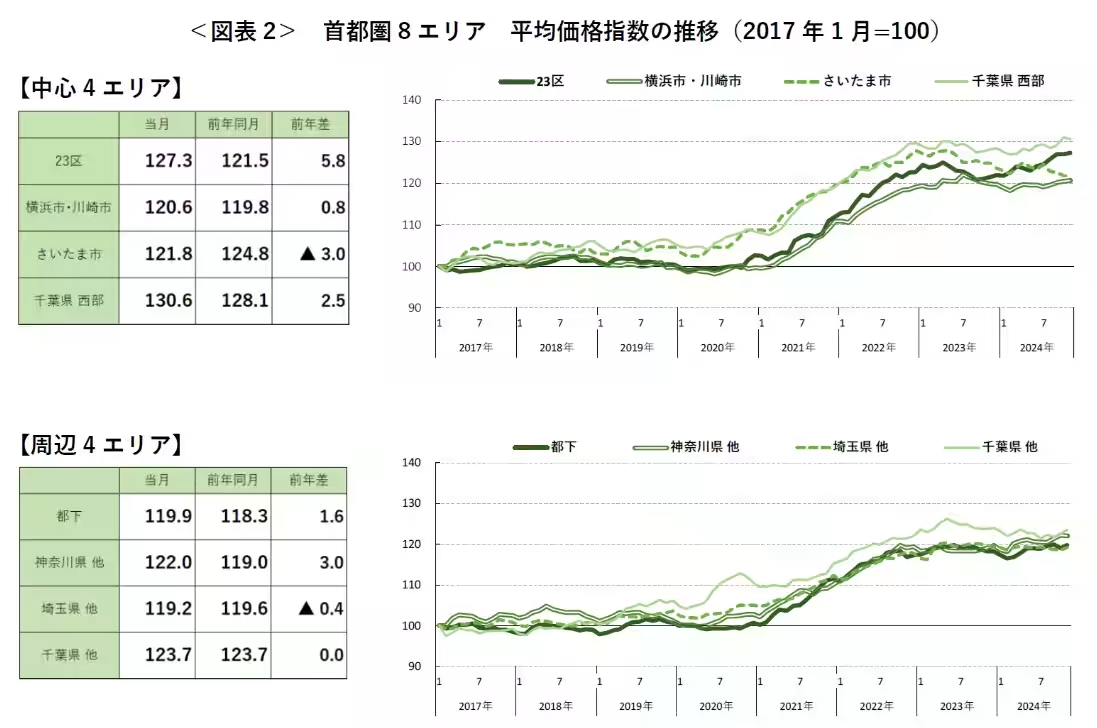
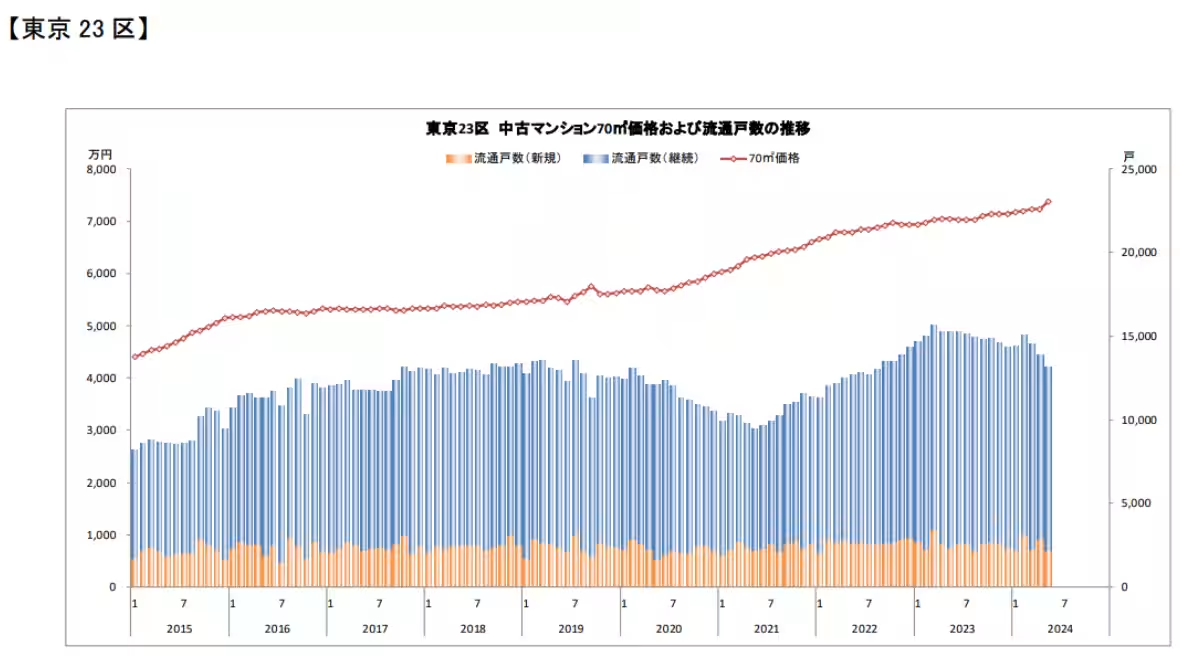
As of 2025, the price of second-hand apartments in city centers remains high, with an average increase of about 5% from the previous year. The combination of a low-interest rate policy and a surge in domestic and foreign investments has led to increased prices. Such conditions are largely influenced by structural inflationary expectations and monetary policy shifts, resulting in a continuous decline in purchasing power among genuine buyers.
2. Cost-Side Pressures: Rising Construction Costs
The dual rise of material and labor costs drives construction expenses upward. Material costs are affected by fluctuations in the yen’s value, and labor costs have been persistently rising due to regulations and workforce shortages. Consequently, the environment is becoming increasingly favorable for passing costs onto home prices.
3. Supply-Side Challenges: A Crisis in Construction Capacity
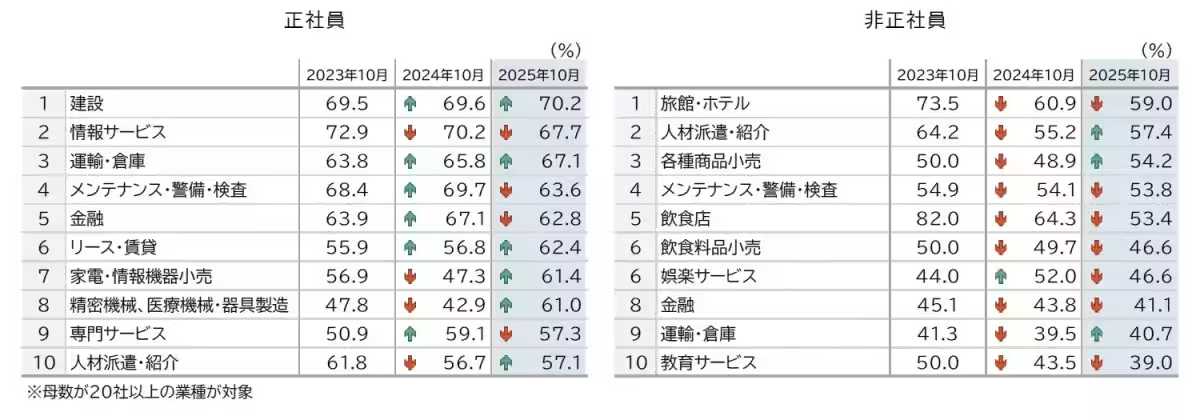
According to Teikoku Databank's survey, the construction industry faces the most serious labor shortage among all sectors, with 70.2% of companies reporting an employee shortfall. This prevents the industry from responding to excess demand, thus establishing physical limits that hinder natural price adjustments.
4. New Constraints: Rising Interest Rates
On December 19, 2025, the Bank of Japan raised its policy interest rate to around 0.75%. This move shifts the landscape for potential homebuyers in metropolitan areas. Borrowing strategies that worked during lower interest and deflationary times are becoming impractical. With rising trends showing that higher total repayment amounts will emerge as a critical consideration, potential buyers are advised to reassess their long-term financial commitments carefully.
Looking Ahead to 2026: The Emergence of the 'Properly Priced' Model
1. Lifestyle Changes and the Impact of Price Gaps
As we look towards 2026, the price difference between city-center apartments and single-family homes (78.2 million yen for new apartments versus 45.95 million yen for new homes) will be a key driver in shifting market preferences. This significant gap will reshape how prospective homeowners approach their housing decisions, allowing single-family homes to maintain their appeal due to greater flexibility in layout and overall cost efficiency.
2. Advantages of the 'Proper Price' Model
Amid soaring prices, demand for a properly-priced single-family home model will become stronger in 2026. Driven by advancements in supply chain efficiency and digital transformation (e.g., BIM/CIM, cloud technologies), this model aims to mitigate price increases. Moreover, single-family homes provide more adaptable financing options and design freedom for future renovations, contributing to long-term cost-effectiveness.
3. The Rise of Secondary Acquisitions among Buyers in Their 40s
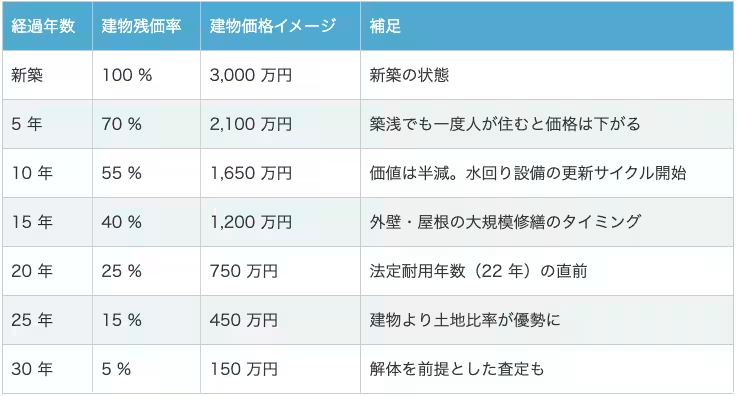
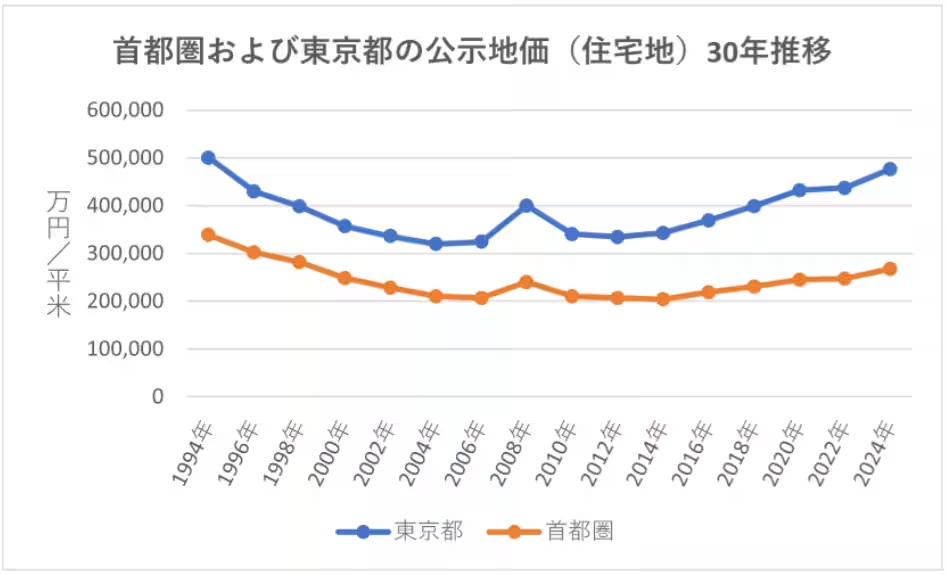
A significant trend to watch in 2026 will be the increasing movement toward secondary acquisitions by buyers in their 40s. This demographic often purchased homes during periods of relatively low land prices. Many of these homeowners are beginning to reconsider their positions and may choose to sell their current homes to capitalize on appreciating land values and explore new housing opportunities in diverse areas.
Conclusion
In conclusion, the metropolitan housing market will advance along these lines by 2026:
1. Continued mainstreaming of single-family homes due to a notable price gap.
2. Increased emphasis on properly priced homes amidst ongoing construction costs and supply constraints.
3. Buyers shifting focus from monthly payments to understanding total repayment sustainability.
4. Renewed activity in housing stock updates driven by secondary acquisition motivations.
Ultimately, it seems likely that middle-class demographics in metropolitan areas will gradually move away from the notion of only considering apartments, embracing single-family homes as a realistic and prominent option.


Topics Consumer Products & Retail)
【About Using Articles】
You can freely use the title and article content by linking to the page where the article is posted.
※ Images cannot be used.
【About Links】
Links are free to use.