



Okayama University's Synecoculture Project: Students Engage in Local Sustainability Efforts
Okayama University's Synecoculture Project: Engaging Students in Sustainable Farming
The Okayama University, located in Okayama City, has embarked on an innovative initiative known as the "Okayama Synecoculture Project," aimed at promoting sustainable agriculture and regional revitalization. This project, supported by Japan's Cabinet Office, focuses on creating a cooperative and symbiotic farming environment. On February 20, 2026, a tour was organized at the Oiso Farm in Kanagawa Prefecture, managed by the Synecoculture Association, to further develop this initiative.
A Collaborative Learning Experience
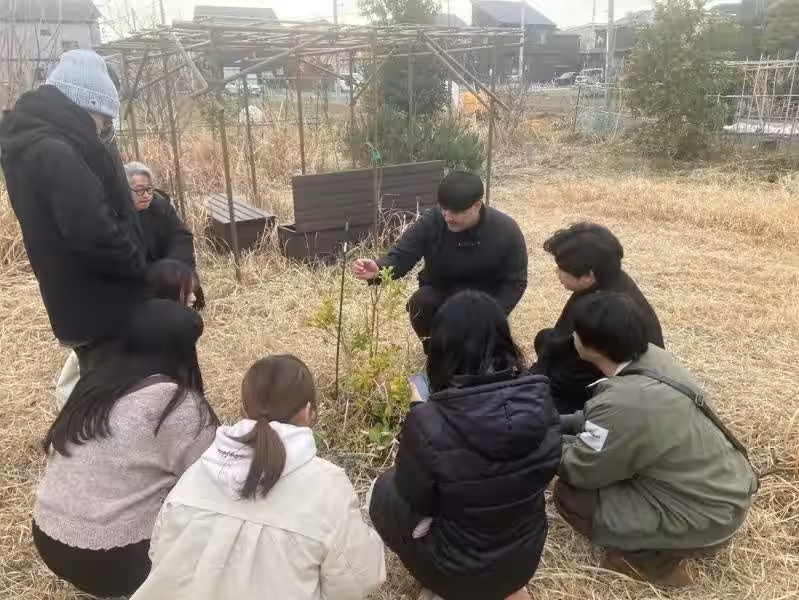
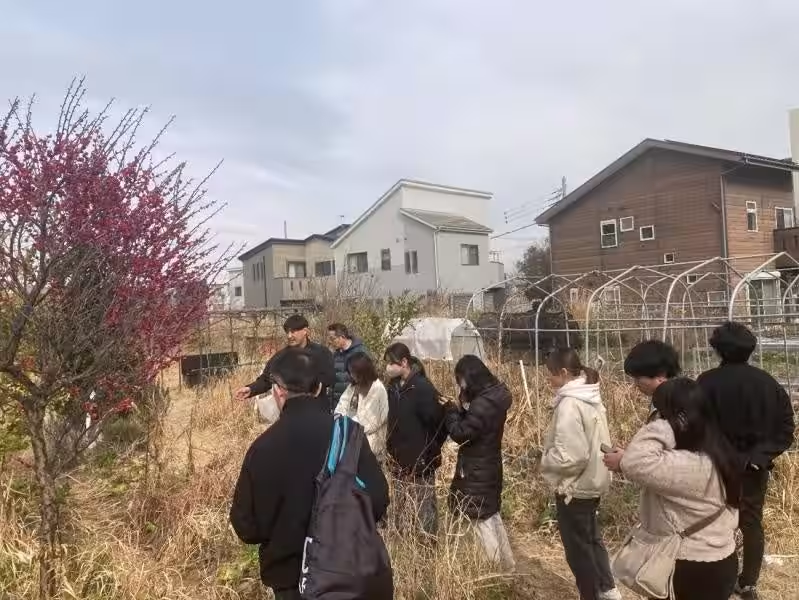
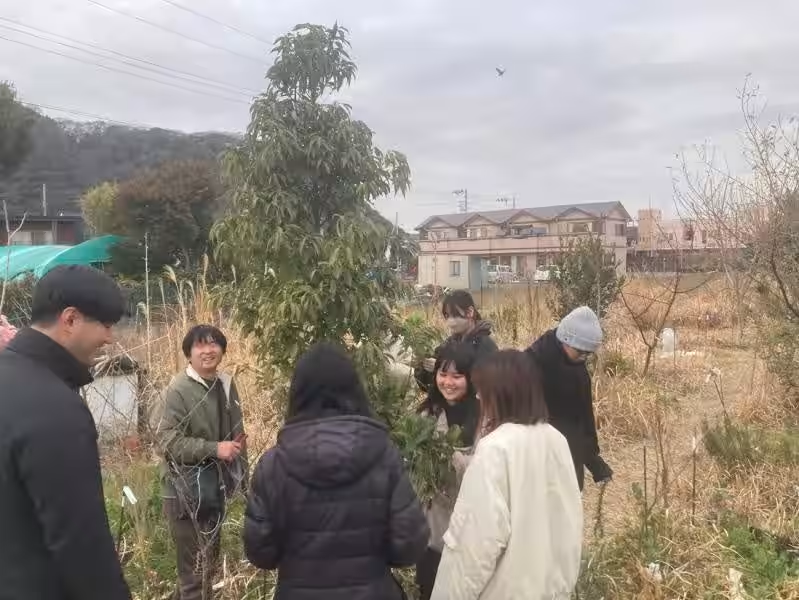
The visit involved a diverse group of participants, including students from the Faculty of Economics and Agriculture, faculty members such as Assistant Professor Jun Yamashita from the Resource Plant Science Institute, academic-industry coordinators, local revitalization supporters, employees from a startup specializing in AI, beekeepers, and students from Tokyo University of Agriculture. Together, they explored the Oiso Farm, renowned for its synecological methods that promote coexistence among various plant species. This multidisciplinary approach allowed participants to deepen their understanding of environmental management practices and the significance of biodiversity.
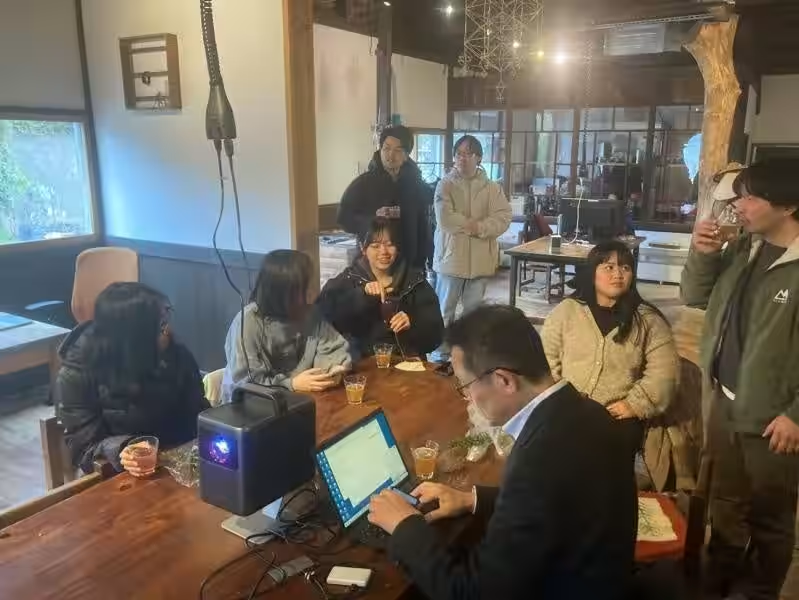
During the farm tour, attendees observed the farm's ecosystem, characterized by seasonal flowering and the cyclical nature of life. The participants were particularly captivated by the innovative farming methods employed, which focus not only on productivity but also on environmental sustainability. After the field experience, the group transitioned to the Synecoculture Association's office, where they relaxed with homemade herbal cola and herbal tea, providing a casual atmosphere for discussion.
Diverse Perspectives on Sustainability
The subsequent discussion session was marked by vibrant exchanges, where varying insights emerged from the interdisciplinary background of the participants. Topics ranged from technical possibilities to expectations for social implementation. One of the key technical discussions revolved around the construction of a digital twin using AI, which could effectively optimize space utilization in agriculture, and the innovative method of using freshly mowed grass as green manure for soil enrichment.
Furthermore, the participants discussed the broader social and emotional impacts of the project. They highlighted potential applications such as improving the aesthetics of home gardens and contributing to the well-being of busy entrepreneurs. The design of the rounded Synecocultural portal also sparked interest, with the notion that the active involvement of people with herbs represents a genuine process of community co-creation.
Commitment to Sustainable Development
Okayama University continues its commitment to building sustainable social models rooted in the principles of synecoculture through close partnerships among academia, industry, government, and local communities. The knowledge and insights garnered from this tour will help accelerate the fusion of generative AI, image recognition, and robotics technology to create next-generation agricultural models that harmonize with the environment.
Looking ahead, the university is poised to expand its innovative practices and maintain its pioneering role as a regional core university that offers distinctive research opportunities. Everyone is encouraged to follow Okayama University's journey towards a sustainable future rooted in collaborative efforts.
For more information on this initiative, please visit the official Okayama University website and explore the Synecoculture project's ongoing developments.
References
This initiative not only emphasizes the importance of sustainable practices but also reflects Okayama University's dedication to the United Nations' Sustainable Development Goals (SDGs). The university was also a recipient of a special award at the inaugural Japan SDGs Awards, underscoring its role in fostering a collaborative and sustainable society.
Topics People & Culture)
【About Using Articles】
You can freely use the title and article content by linking to the page where the article is posted.
※ Images cannot be used.
【About Links】
Links are free to use.