



2026 Engagement Survey Highlights Urgent Issues in Japanese Workforce
Summary of the Latest National Employee Engagement Survey 2026
The collaborative effort between Agile HR and Intage, in partnership with the University of Tokyo, has produced the fourth installment of the national employee engagement survey. This report presents alarming findings about the state of employee engagement in Japan, particularly related to the isolation of employees in their 30s and a concerning decline in the vitality of the infrastructure sector.
Objectives of the 2026 National Survey
The 2026 survey aimed to achieve two key objectives:
1. Analyze the factors contributing to Japan's persistently low employee engagement, in line with previous years.
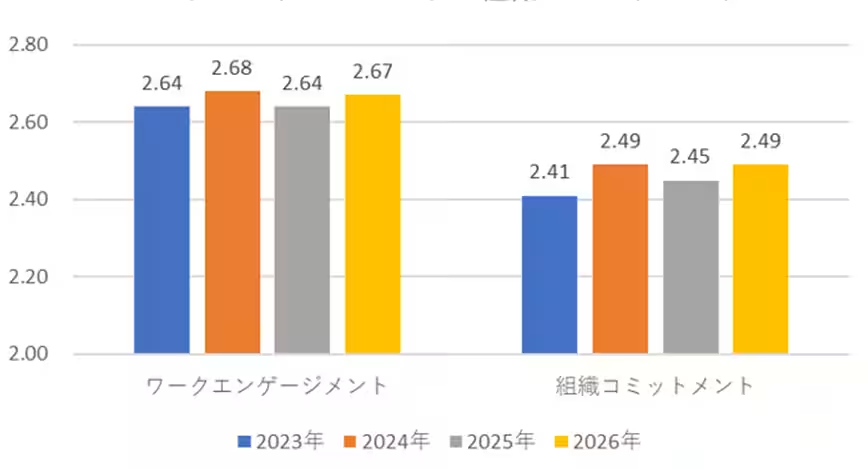
2. Track changes in employee engagement over the past four years.
For a detailed report on the findings, you can download it here.
Factors Behind Low Employee Engagement in Japan
Lack of Emotional Investment
The overarching low scores in employee engagement reflect a lack of strong emotional ties to the company. Employee engagement is defined by two core concepts:
- - Work Engagement: The positive mindset gained from work experiences.
- - Organizational Commitment: The emotional attachment to one’s organization.
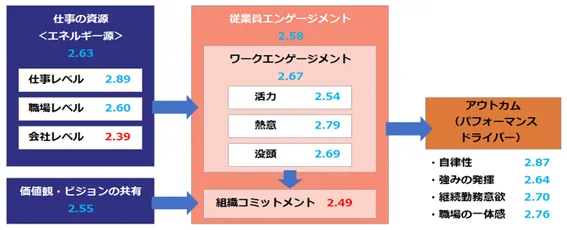
In this year's survey, the average scores revealed low engagement levels:
- - Employee Engagement: 2.58
- - Work Engagement: 2.67
- - Organizational Commitment: 2.49
While work engagement slightly exceeds the midpoint of 2.5, the below-average score for organizational commitment is a significant drag on overall engagement.
Insufficient Energy from Work
Work engagement is divided into three components: energy, enthusiasm, and absorption. Scores for these components are:
- - Energy: 2.54
- - Enthusiasm: 2.79
- - Absorption: 2.69
The low score for energy signifies inadequate psychological resilience and energy levels during work hours.
Management and Operational Issues
The survey not only measures employee engagement but also examines the factors that influence it. These include resources at work and shared values. The scores reveal a pressing issue with workplace management:
- - Work Resources: 2.63
- - Job Level: 2.89
- - Workplace Atmosphere: 2.60
- - Company Policies: 2.39
- - Shared Values: 2.55
These scores suggest that operational mismanagement, particularly at the company level, is harming employee engagement.
Lack of Feedback and Learning Opportunities
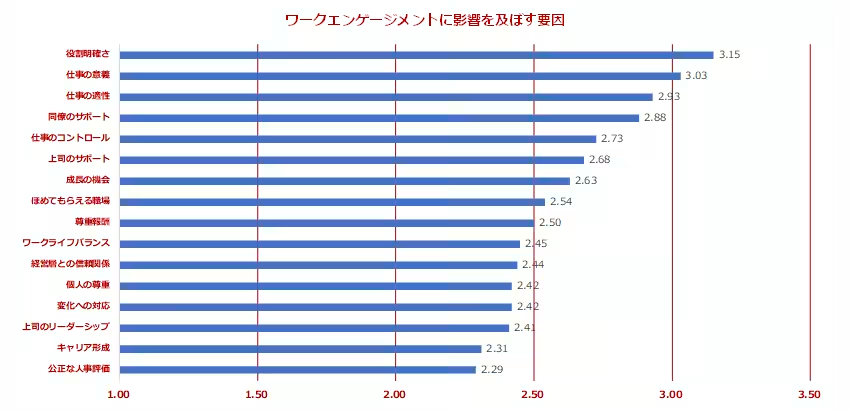
A critical insight from the survey indicates a shortage of feedback and opportunities for skill development, essential for personal motivation and growth. Higher scores for role clarity and job meaningfulness contrast sharply with lower evaluations for fair personnel evaluation and career development opportunities.
Age-Related Trends in Employee Commitment
Diminished Commitment in Middle Age
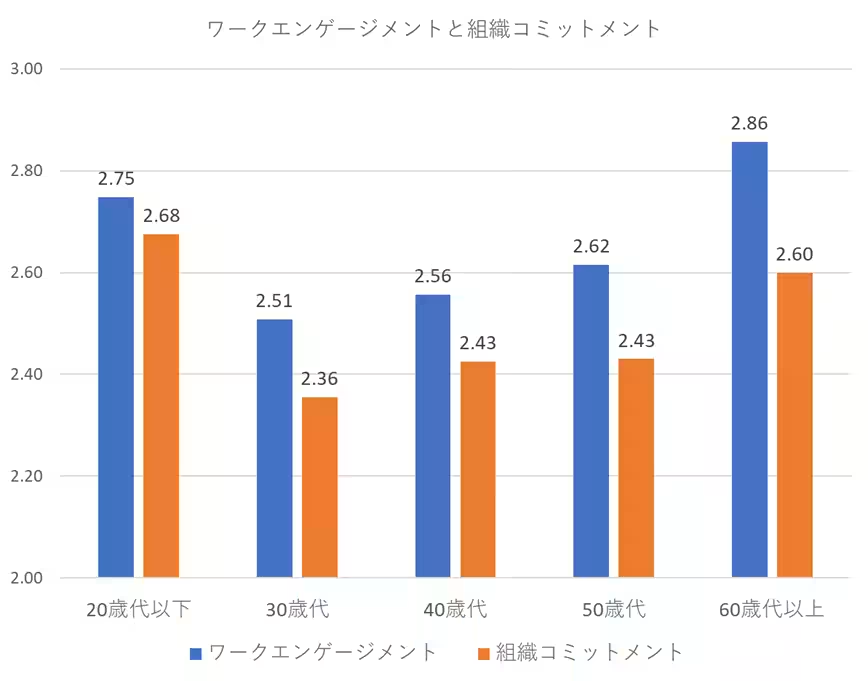
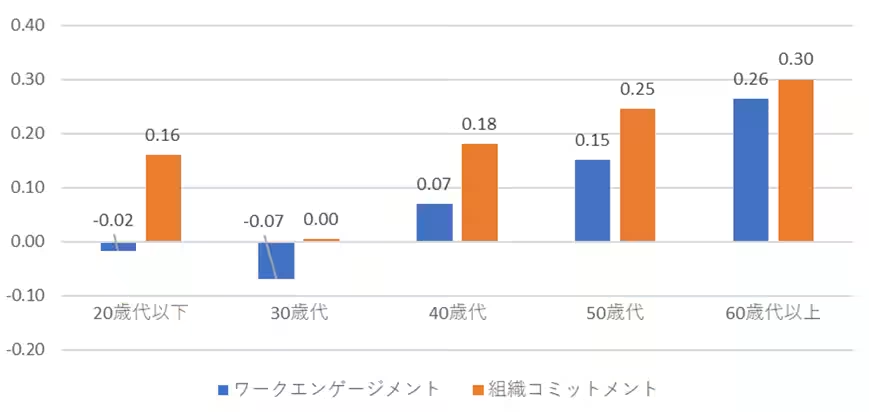
The data highlights a stark decline in organizational commitment among employees in their 30s to 50s, which adversely affects overall employee engagement scores. In contrast, employees aged 60 and over demonstrate higher engagement, indicating a stark generational divide.
Differences by Job Level and Employment Type
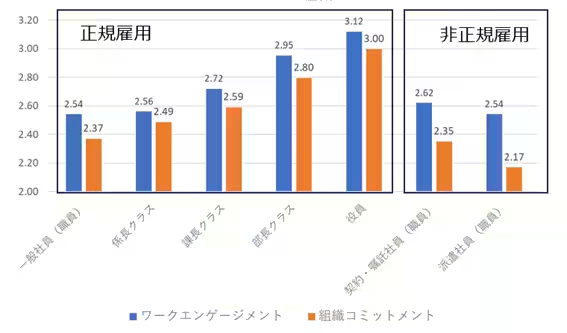
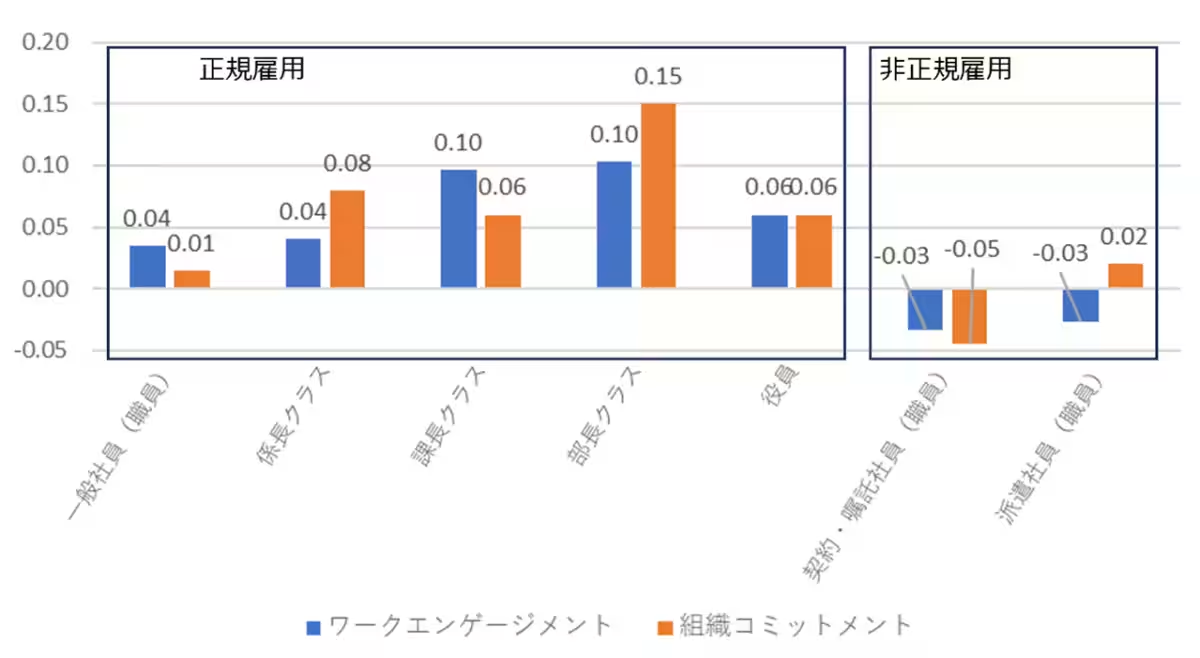
A noticeable disparity exists between levels of engagement among different employment categories. While higher-ranking employees tend to show greater commitment, temporary workers, particularly those on contracts, exhibit significantly lower organizational commitment.
Industry Disparities in Engagement
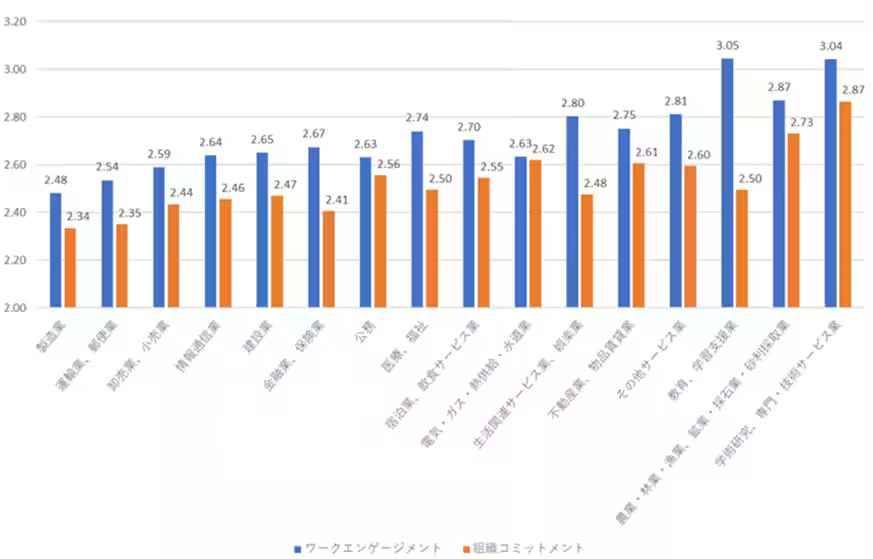
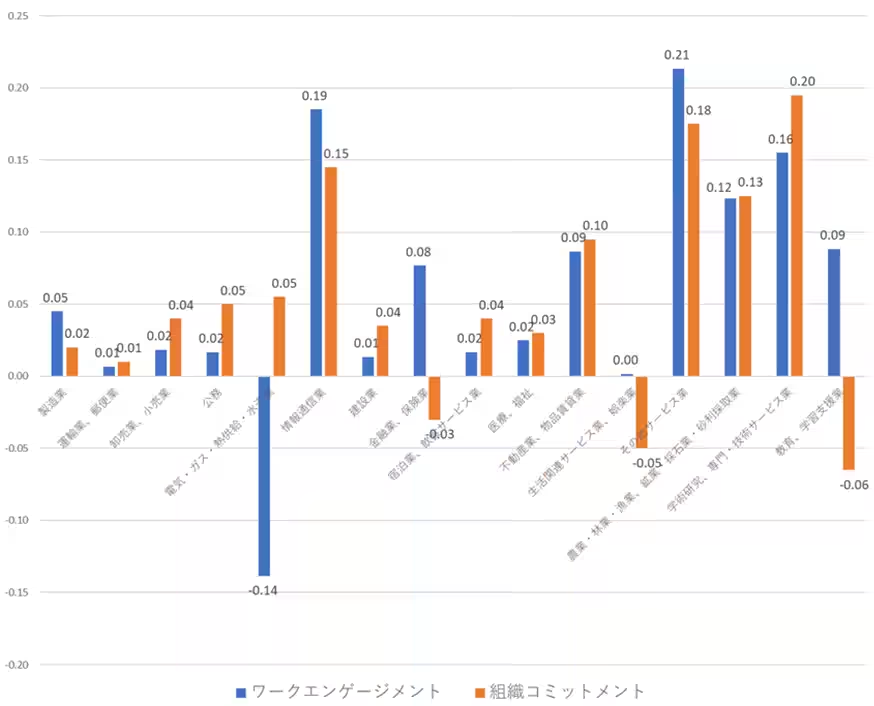
Different industries reveal varying levels of engagement, with education and academic sectors scoring highest, while the manufacturing industry continues to languish at the bottom of the chart.
Changes Over Time
Data from the past four years suggest a slight recovery in employee engagement scores, with marginal improvements noted in both work engagement and organizational commitment. However, the most concerning decline remains at the company resource level, emphasizing the ongoing challenge of organizational management in driving engagement.
Conclusion
The findings from the 2026 Employee Engagement Survey underscore the urgent need for companies to address the disparity in engagement levels, particularly amongst younger employees and those in specific industries. Moreover, it's essential to enhance management practices and provide the necessary resources for fostering an engaged workforce. For detailed insights, the full report is available for download from Agile HR's website.
For further information, you can reach out to Agile HR at:
- - Phone: 03-6452-6115
- - Website: Agile HR
Topics People & Culture)

【About Using Articles】
You can freely use the title and article content by linking to the page where the article is posted.
※ Images cannot be used.
【About Links】
Links are free to use.