



Tokyo University of the Arts Receives the 20th Hasegawa Prize for Cultural Preservation
Celebrating Japan's Cultural Legacy: Hasegawa Prize 2025
The beauty of Japan's cultural heritage was honored as Hasegawa Corporation, a leader in the Buddhist altar and gravestone market, awarded the prestigious "20th Hasegawa Prize" to Tokyo University of the Arts (TUA) on March 25, 2025. This significant recognition is aimed at fostering the next generation of experts in the preservation of cultural assets, thereby ensuring that the rich traditions of Japanese art and culture are passed down.
What is the Hasegawa Prize?
Since its establishment in 2007, the Hasegawa Prize has been an annual award given to outstanding master's thesis projects in Cultural Asset Preservation at TUA. In 2009, it expanded to include a special prize for exceptional doctoral research. Hasegawa views the transmission of techniques for protecting cultural assets as a vital component of maintaining Japan's beauty and spirit for future generations.
This Year's Distinguished Awardees
This year's winners include Natsumi Horiuchi, a master's student specializing in preservation and restoration of traditional Japanese paintings, and two doctoral researchers, Binwen Zhang and Koichi Oh.
Master’s Program Winner: Natsumi Horiuchi
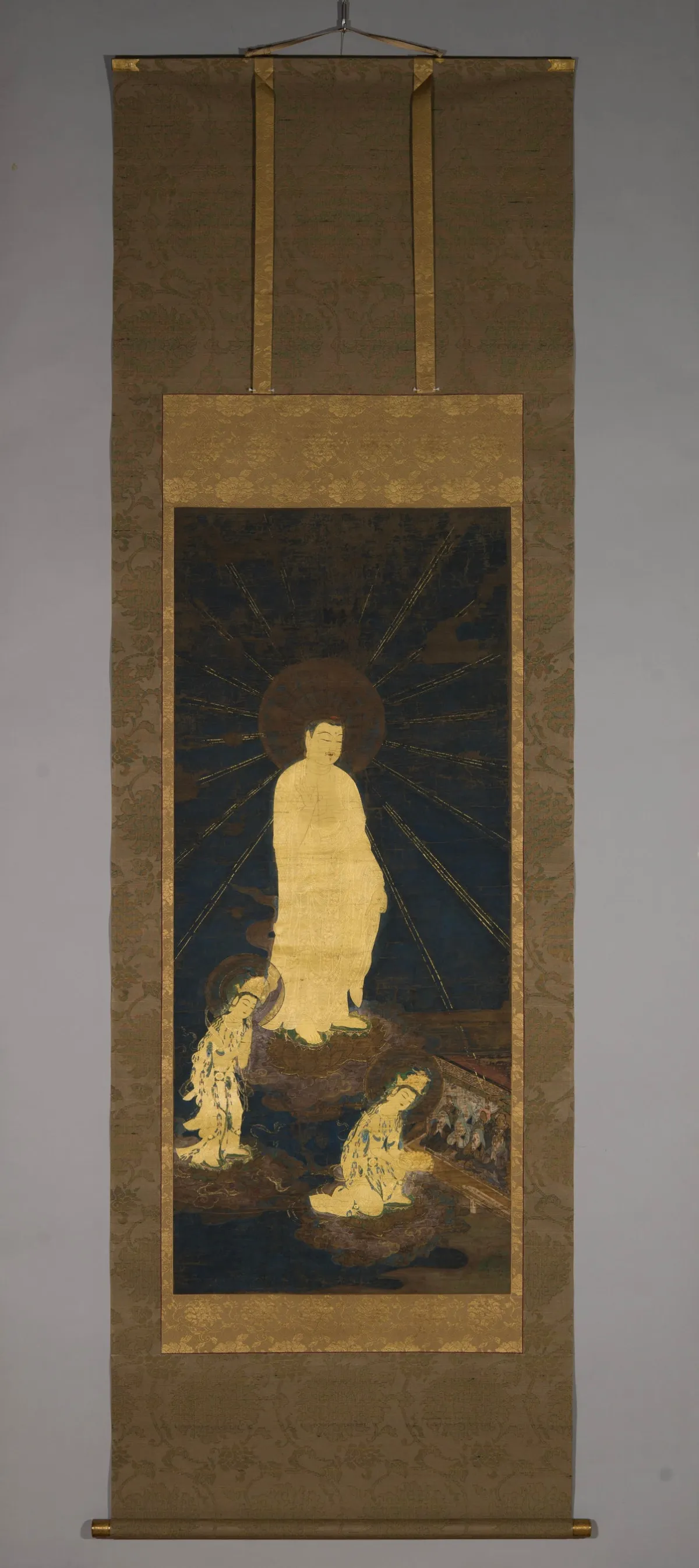
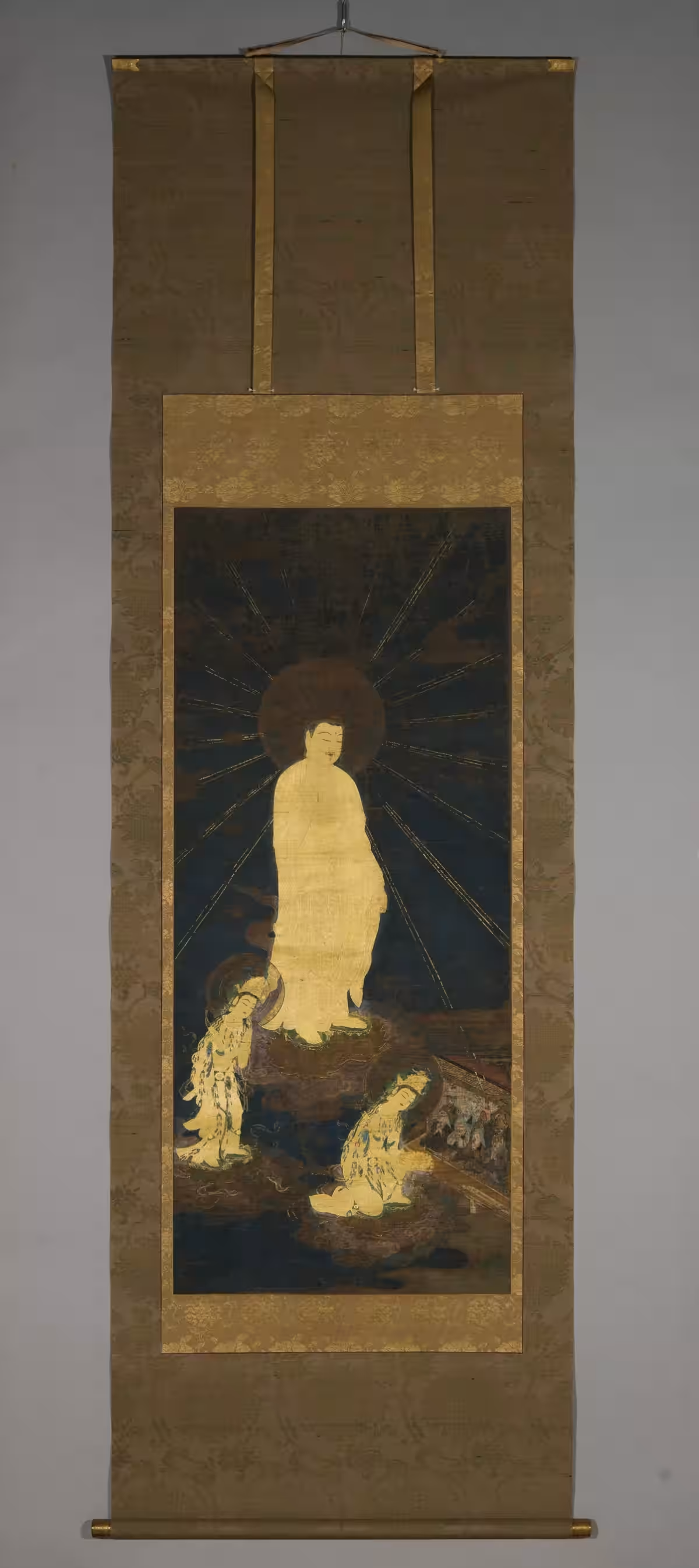
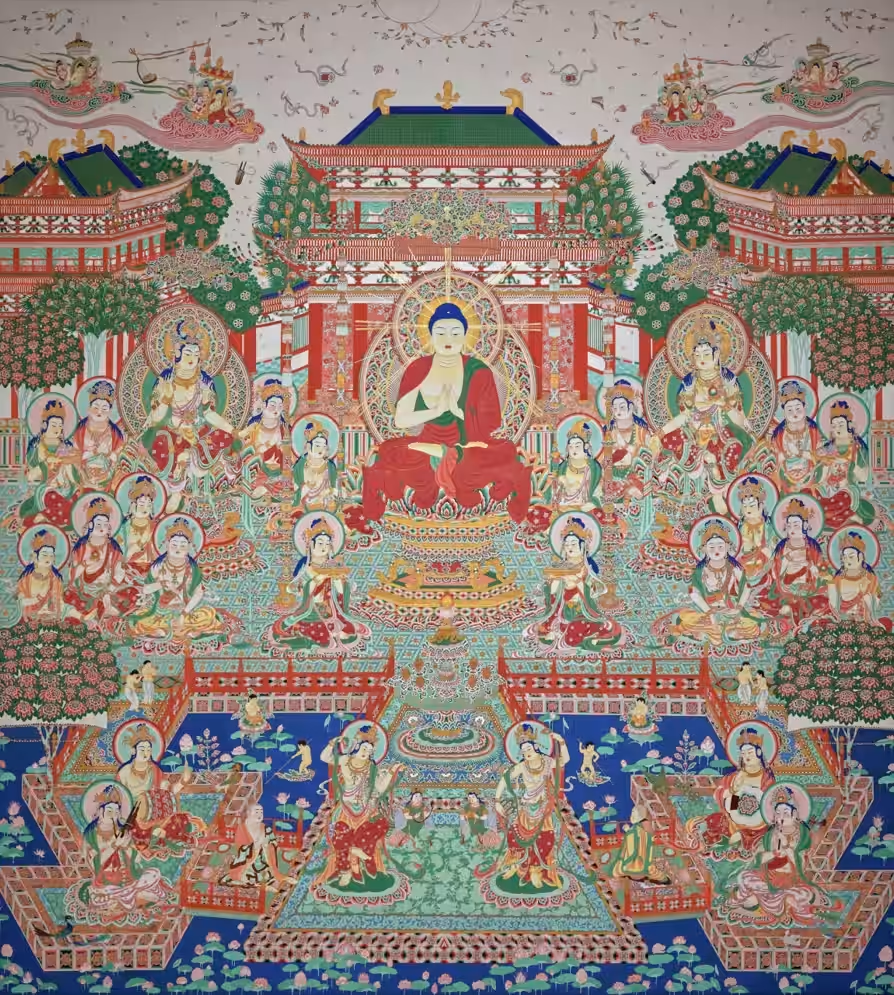
Horiuchi was recognized for her work on a contemporary replica and restoration of a significant Kamakura period painting titled "Amitabha Buddha Triad Arrival." This artwork, measuring 218.6 cm in height and 61.2 cm in width, showcases a scene of Amitabha Buddha accompanied by the boddhisattvas Kannon and Seishi. The original painting's vibrant gold details and the calm expressions of eight Buddhist practitioners depicted in the piece underscore its historical value. Horiuchi expressed her gratitude for the award, recognizing the support from her mentors and peers during her two-year journey through the master's program.
Special Prize Winner: Binwen Zhang
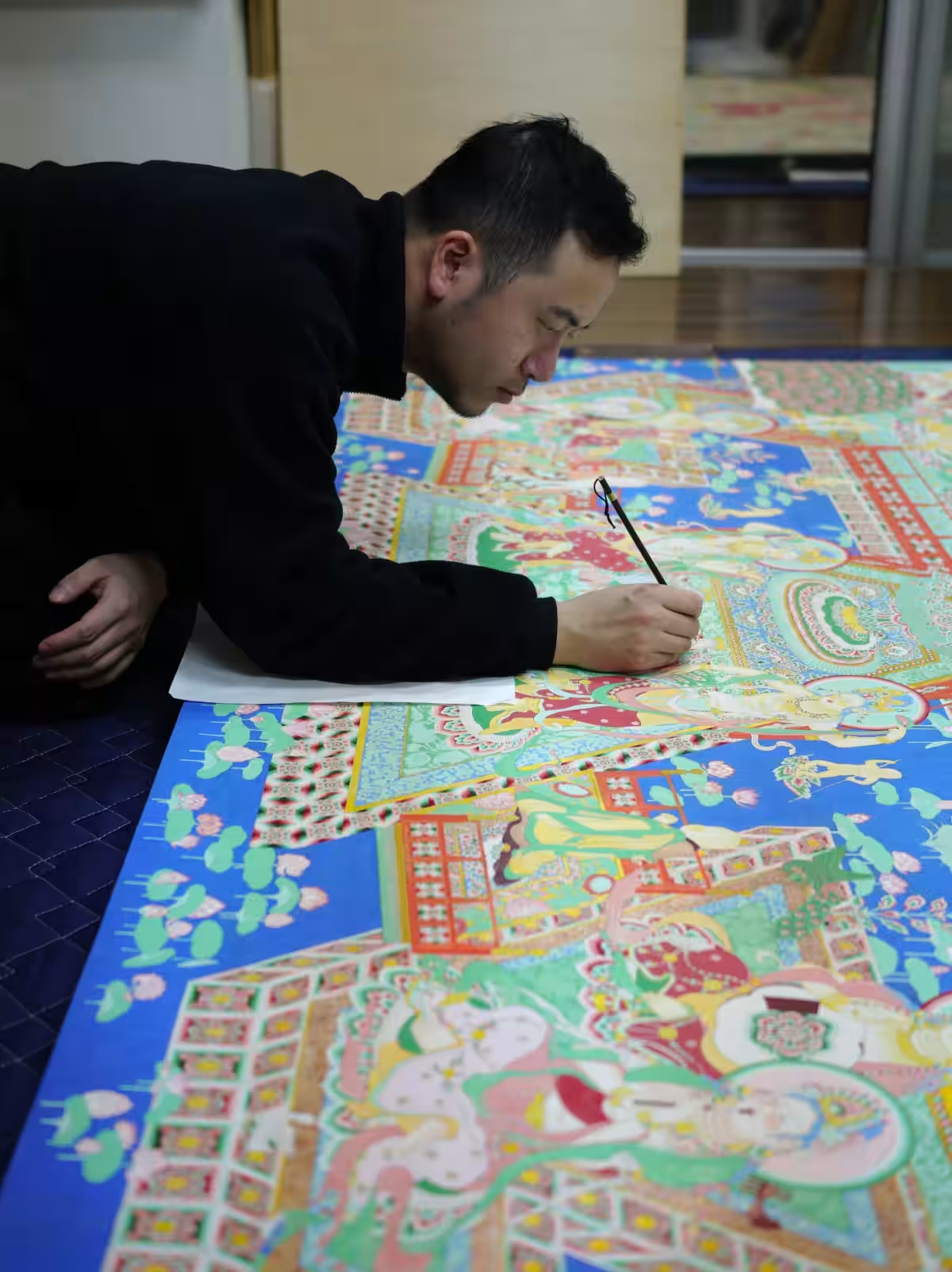
Zhang's research delved into the production techniques of large wooden panel paintings, focusing on the significant cultural property "Chikou Mandara" housed in the Gangoji Temple. He investigated and experimentally validated the painting’s foundational structure and coloring techniques while performing a speculative replication to reveal the systematic methods used in its original creation. Zhang expressed his deep gratitude for the recognition of his extensive research journey.
Special Prize Winner: Koichi Oh
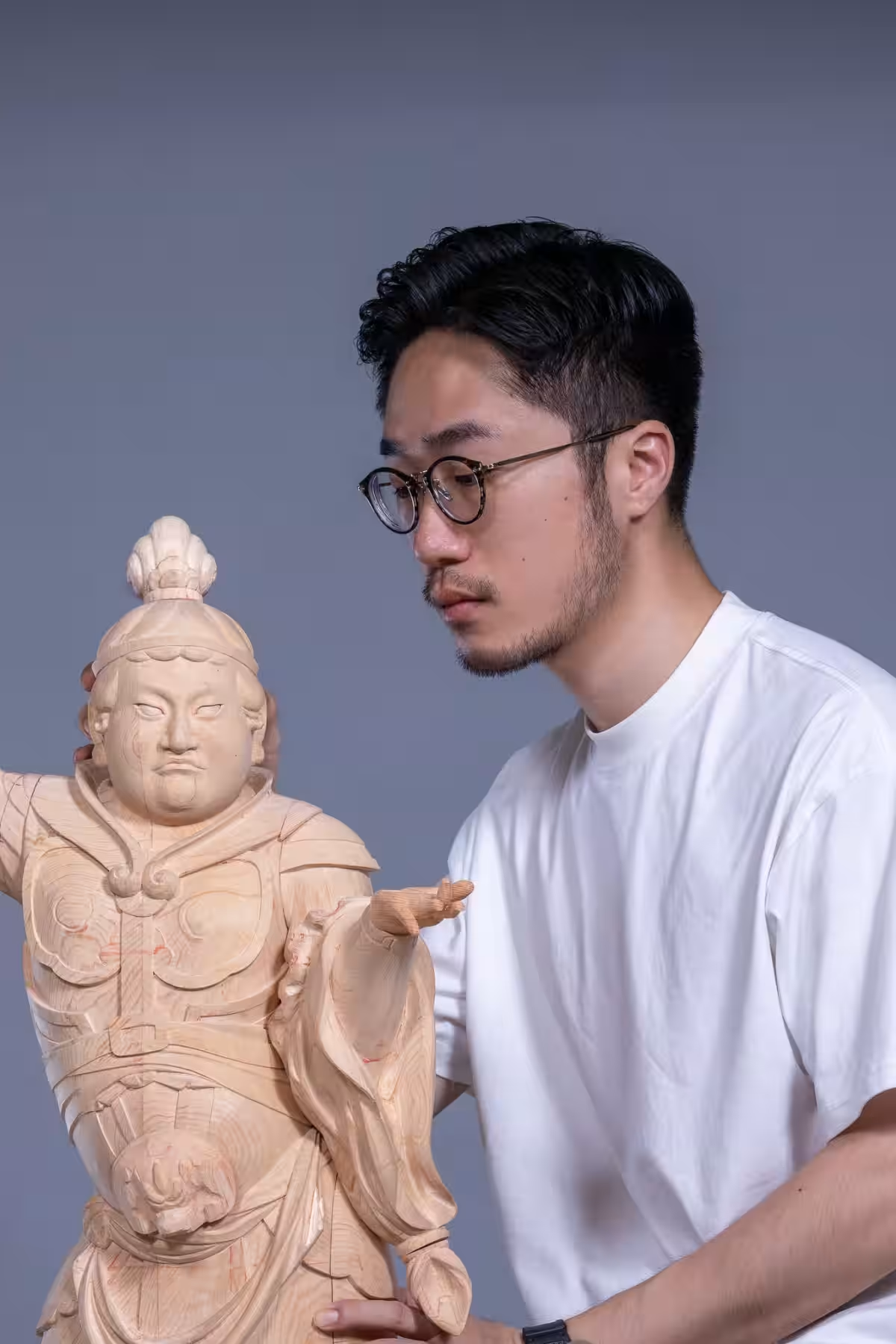
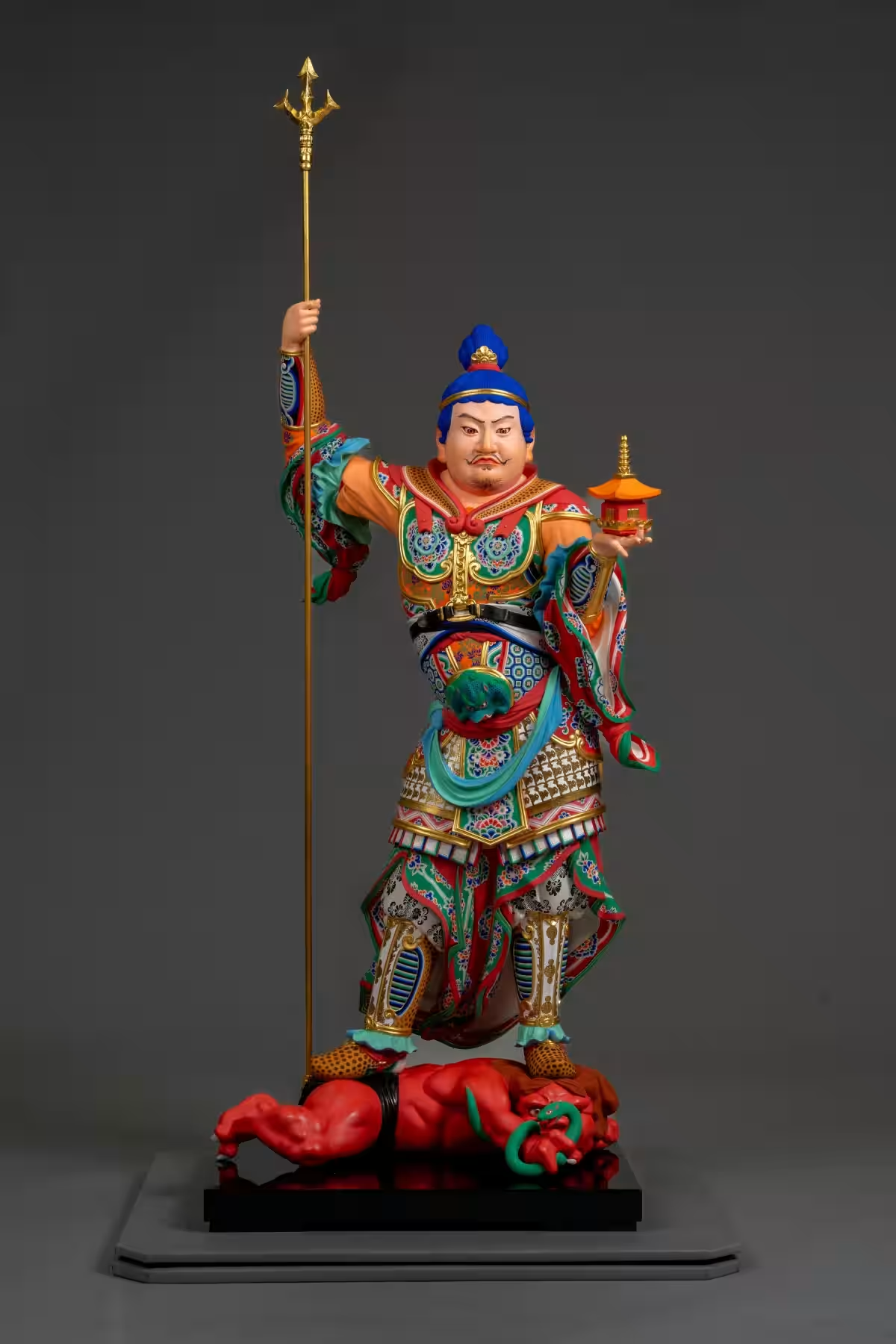
Oh's work revolved around the research of structural and coloring techniques in wood-carved figures from the Kamakura period, particularly focusing on the iconic "Bishamonten" statue. His study aimed to reconstruct the historical production processes and artistic expressions, demonstrating the advanced techniques of sculpting and coloring from that era. Oh shared his appreciation for the award, highlighting the challenges faced during his doctoral studies and the invaluable lessons learned along the way.
Hasegawa's Commitment to Sustainability
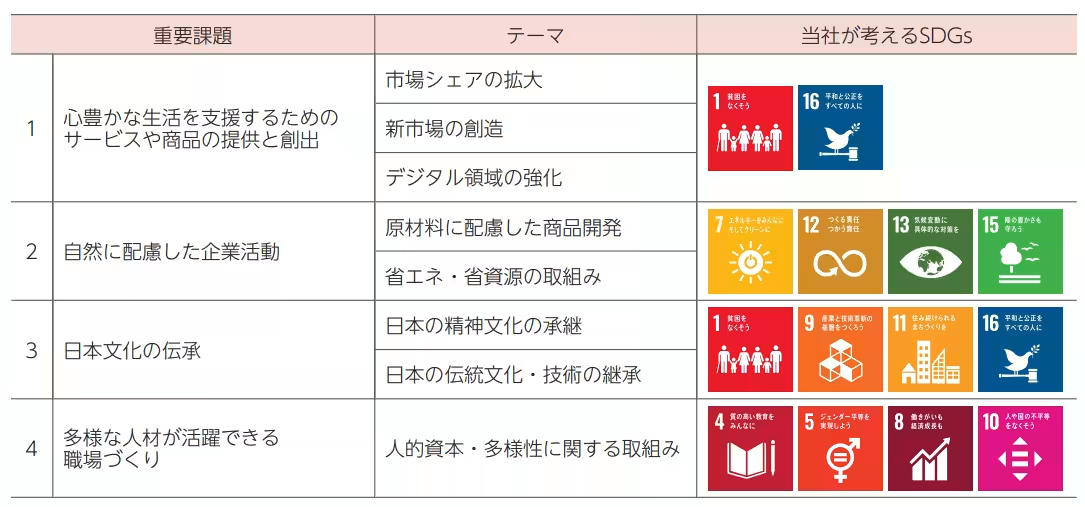
Hasegawa Corporation recognizes its responsibility to contribute to a sustainable society through various initiatives. Awarding the Hasegawa Prize is one of their key efforts in preserving traditional cultural techniques for future generations. This aligns seamlessly with their corporate philosophy: to empower individuals through peace and wellness, ensuring they can thrive in harmony with the world around them.
About Hasegawa Corporation
Founded in 1929 and incorporated in 1966, Hasegawa Corporation champions a wide range of services, including the sale of Buddhist altars, ritual goods, gravestones, and support for end-of-life planning. With a vision to provide peace of mind and support for a serene life, Hasegawa operates 136 stores across Japan as of April 2026, employing nearly 1,200 staff members. Their commitment to embracing tradition while preparing for the future highlights the essential role they play in Japanese culture.
To learn more about Hasegawa, visit their corporate website: Hasegawa Corporation or their customer-focused site: Hasegawa.

Topics People & Culture)

【About Using Articles】
You can freely use the title and article content by linking to the page where the article is posted.
※ Images cannot be used.
【About Links】
Links are free to use.