



Exploring User Behavior Changes Due to AI-Cited Sources in Digital Marketing
Changing User Behavior in Digital Marketing: Insights from AI-Cited Sources
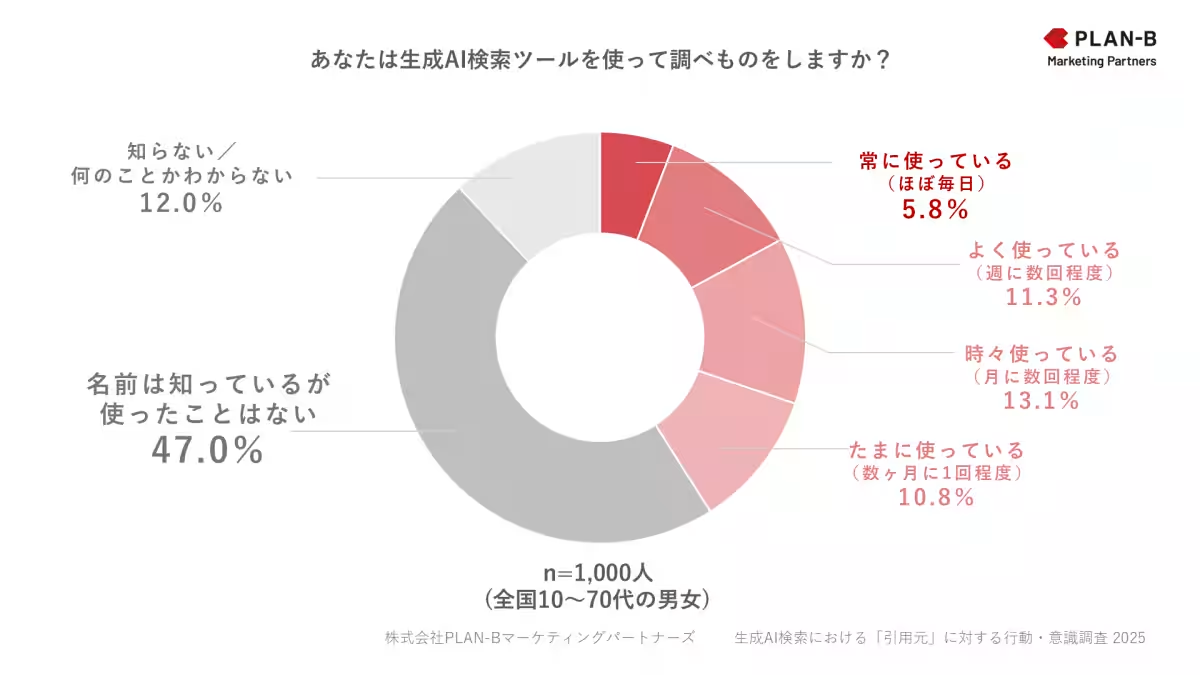
In a recent study conducted by PLAN-B Marketing Partners, 394 users who have utilized generative AI tools for searching were surveyed to understand their behaviors and perceptions regarding sources cited by these tools. With platforms like ChatGPT and Gemini increasingly becoming go-to resources for online searches, it’s crucial to explore how this shift is altering marketing landscapes for businesses.
Purpose and Background of the Study
The proliferation of generative AI tools in everyday business practices reflects a significant change in user search behaviors. While traditionally, SEO strategies revolved around enhancing visibility on conventional search engines like Google, the rise of AI-cited sources introduces a new dimension. Businesses are now recognizing the importance of these AI-driven citations as a method to augment their online visibility, increase site traffic, and build trust among users.
This study aimed to clarify the attitudes and actions of users who interact with AI search tools and how such engagement might affect marketing strategies. Insights from this research can help marketers and SEO professionals adapt to the evolving digital landscape shaped by AI technology.
Research Overview
The research, termed the "Behavior and Awareness Survey on Sources Cited by Generative AI," was conducted from May 23 to May 29, 2025, utilizing an internet survey approach through the Freeasy platform. The survey was directed at users who have experience with generative AI tools, revealing critical insights into their search behaviors.
Key Findings from the Survey
1. Traditional Search Engines Reign Supreme
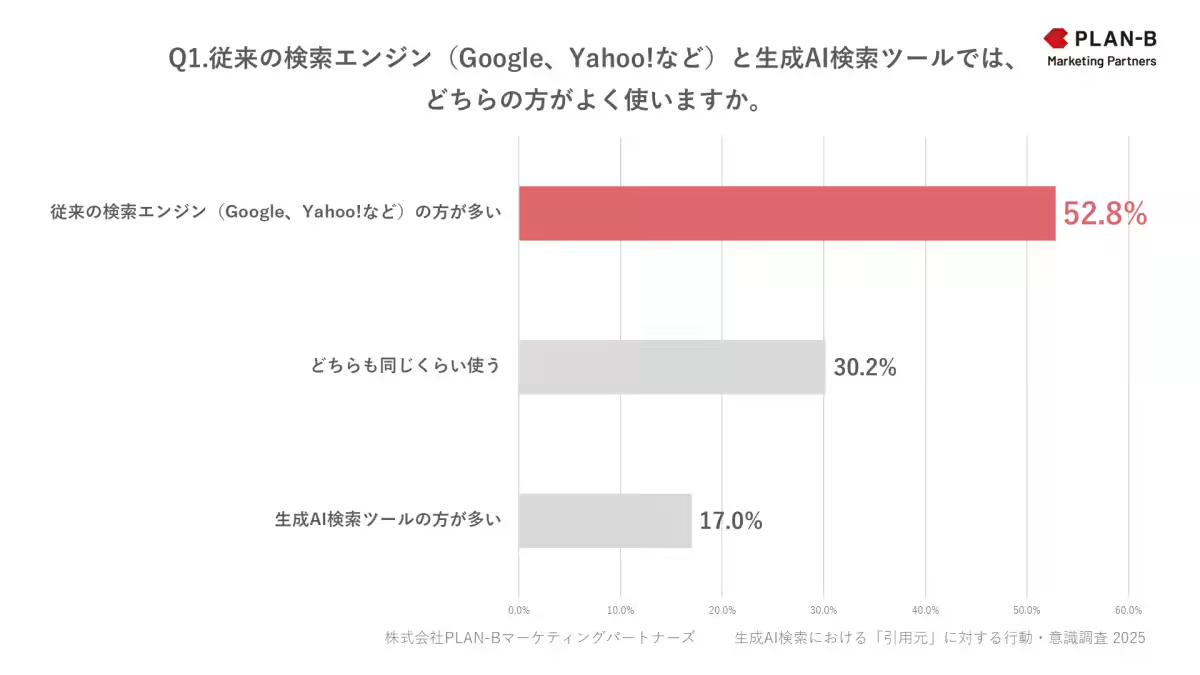
A notable 52.8% of respondents indicated that they predominantly use traditional search engines over generative AI tools. Only 17% stated they used AI tools more frequently, indicating that while generative AI has made inroads into the search process, traditional engines remain a staple in daily user activities. This suggests a cautious adoption of AI search technology in the face of established practices.
2. Trust in Source Information
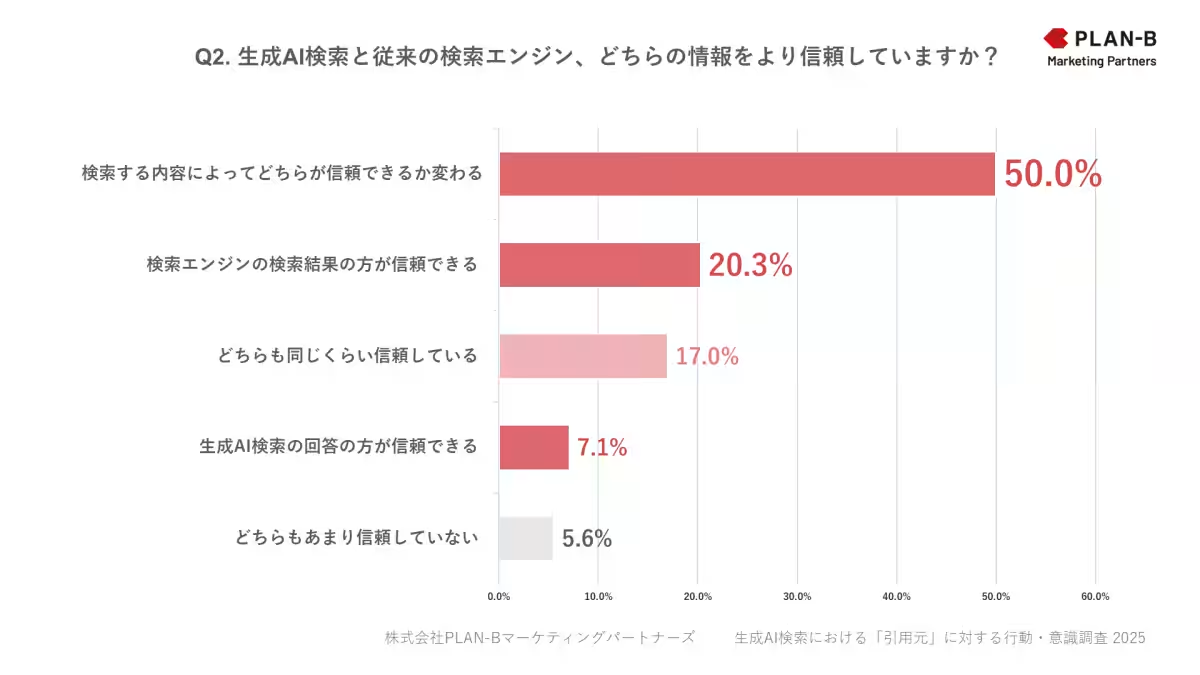
When asked about the reliability of information from generative AI compared to conventional engines, 50% reported that their trust varied based on the type of information sought. Although more than half still relied on traditional search engines for credible information, suggesting that trust remains a critical aspect of user behavior.
3. Engagement with Cited Sources
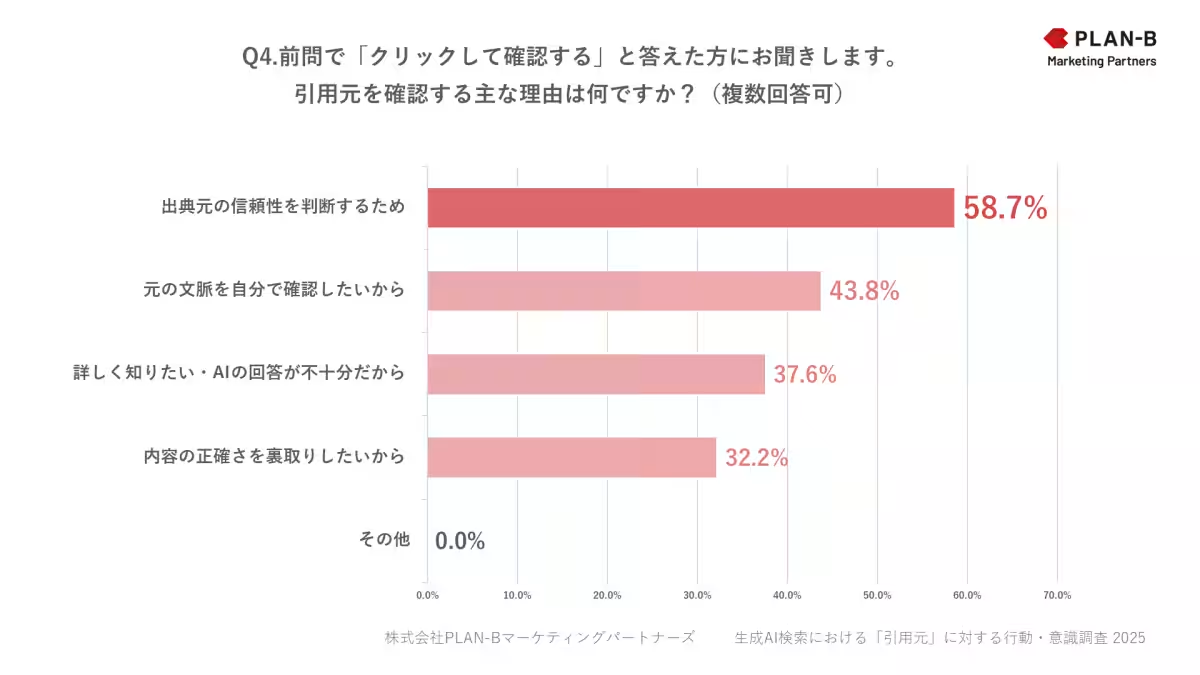
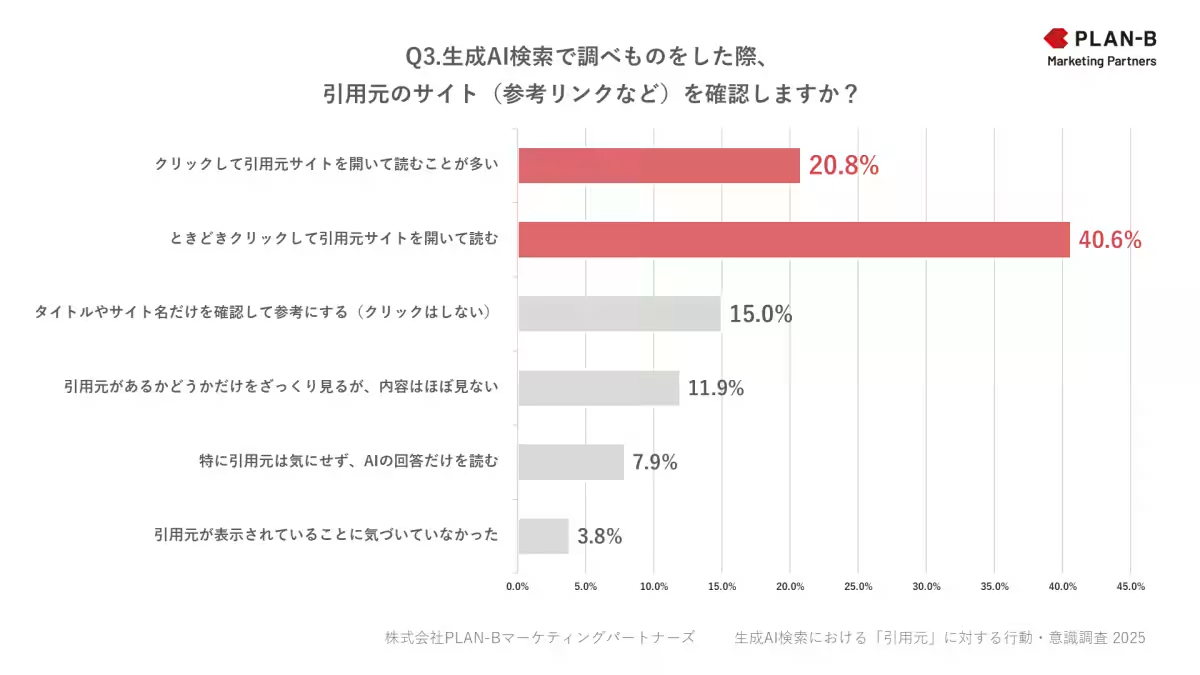
Around 60% of survey participants indicated that they often or sometimes click on sources cited by generative AI. The primary motivators for verifying these sources were to assess their credibility (58.7%) and to seek further context (43.8%). This behavior illustrates that users are not merely relying on AI outputs but are actively seeking to validate the information presented.
4. Enhanced Trust through AI Citations
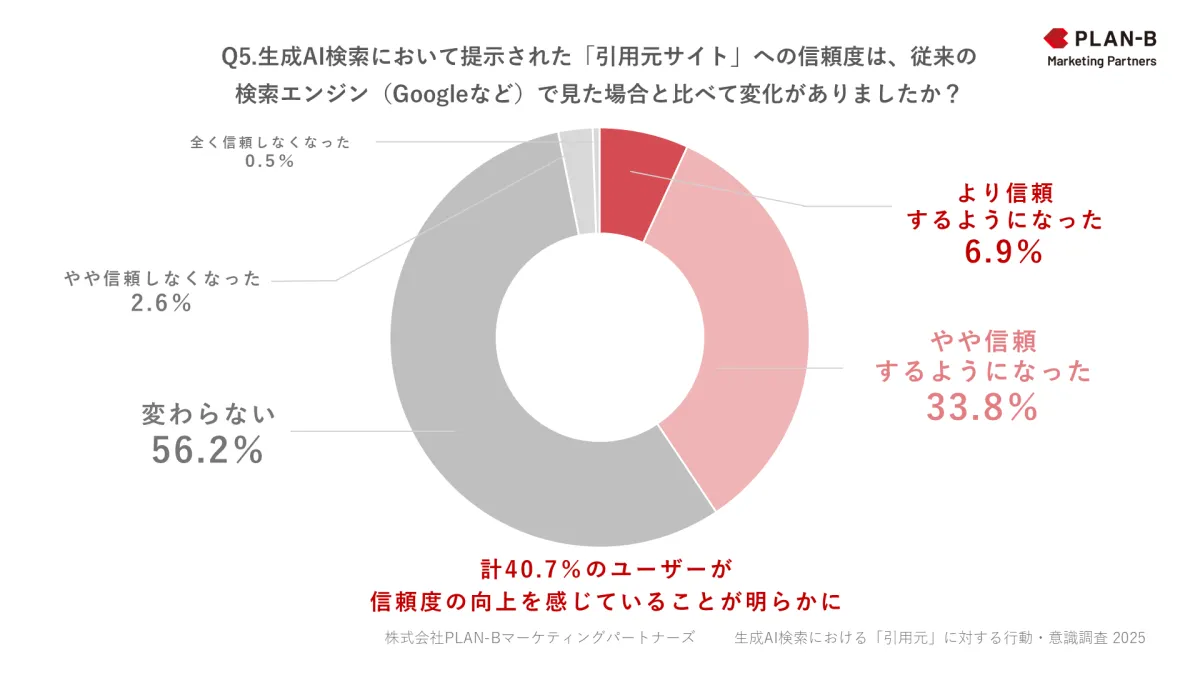
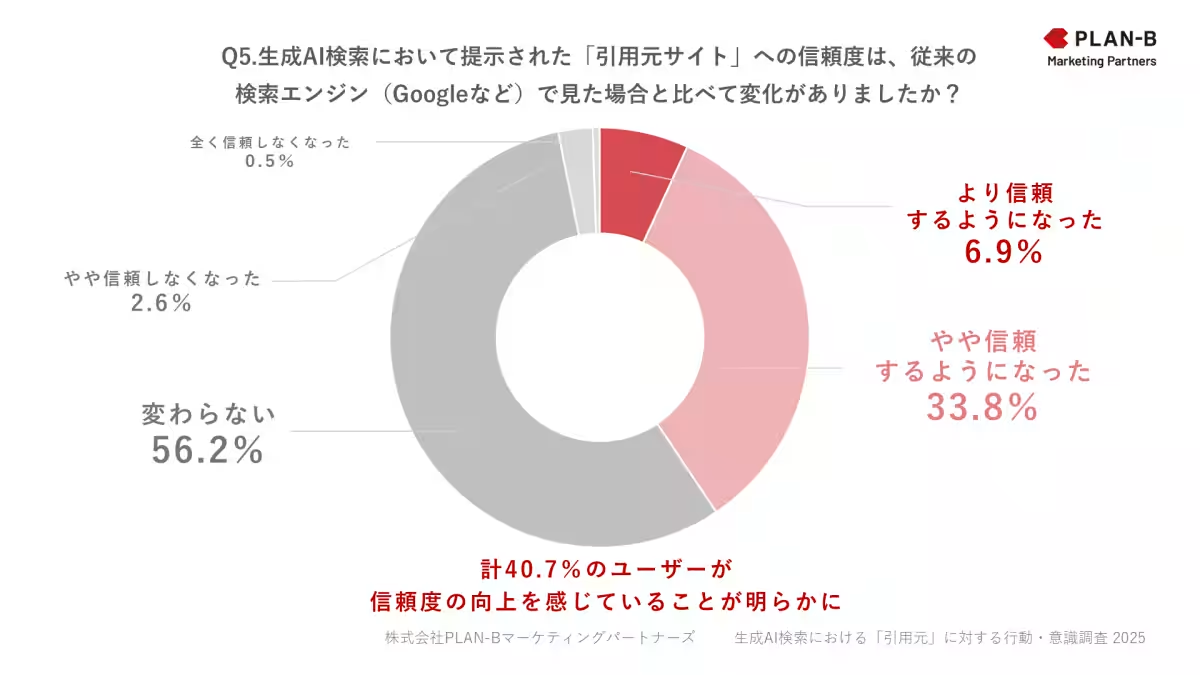
Interestingly, approximately 40% of respondents felt their trust in AI-cited websites had improved compared to information sourced from traditional engines. This illustrates a notable shift in user perception where AI may inadvertently enhance the credibility of certain sites.
5. Discernments in the Absence of Citations
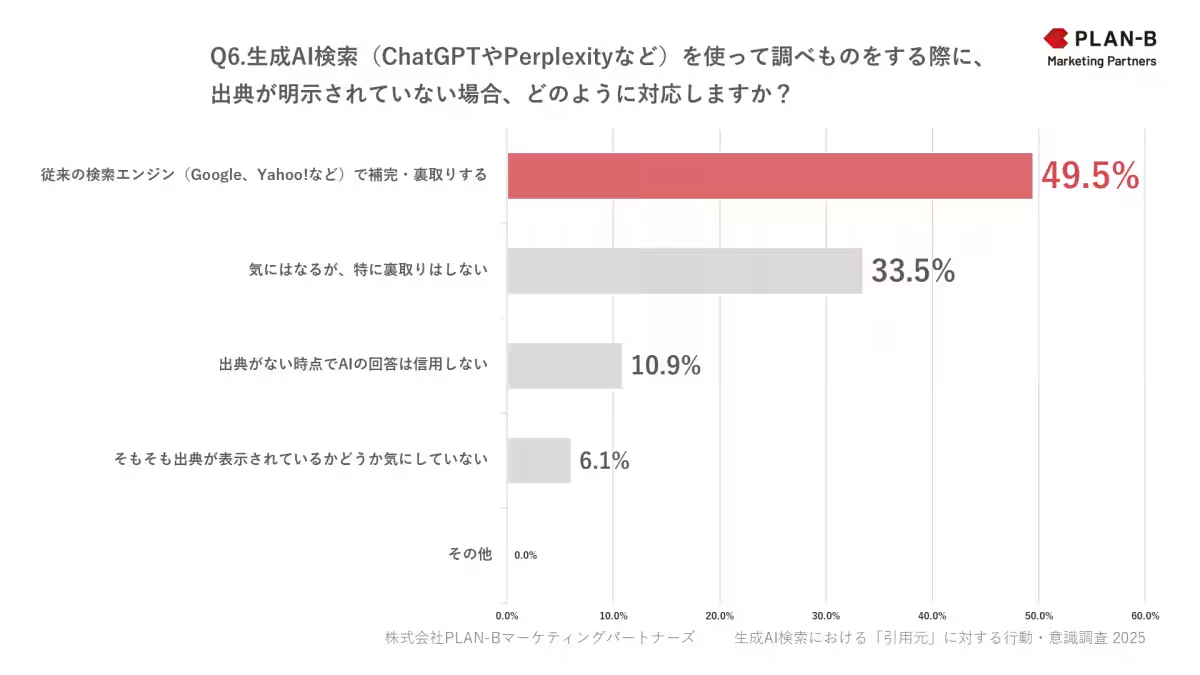
When using generative AI tools without recognized sources, nearly 50% preferred to cross-verify information through traditional search engines. This finding highlights the importance of source citation in influencing user trust and engagement.
6. New User Pathways Created
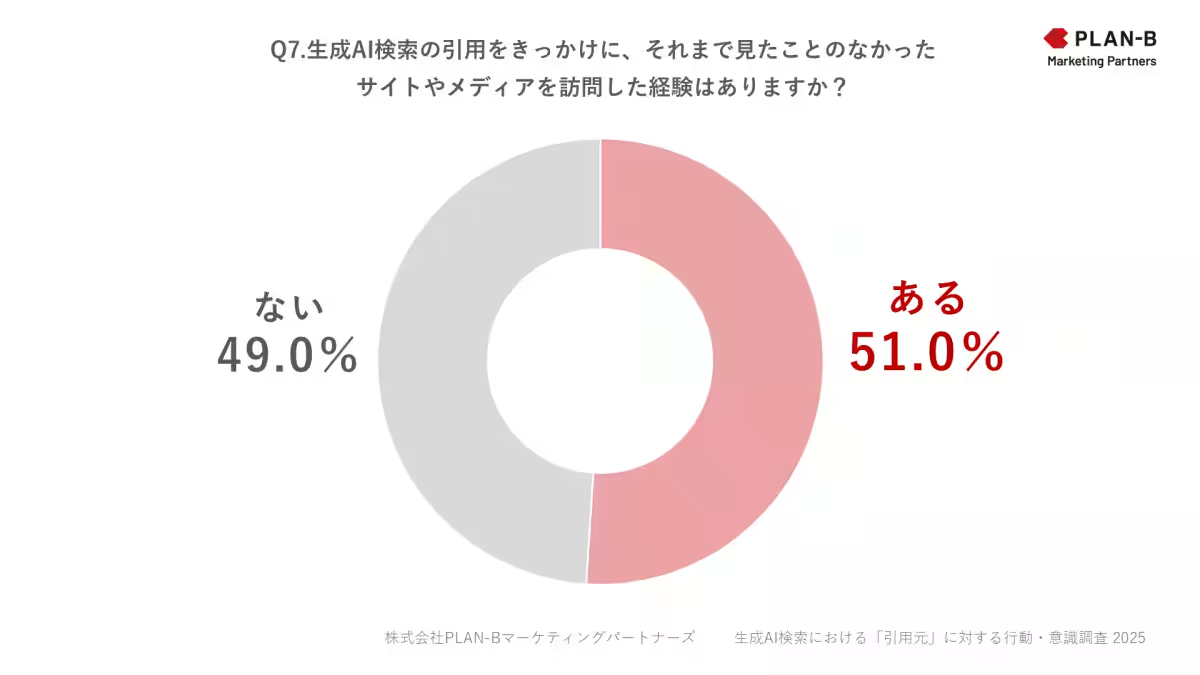
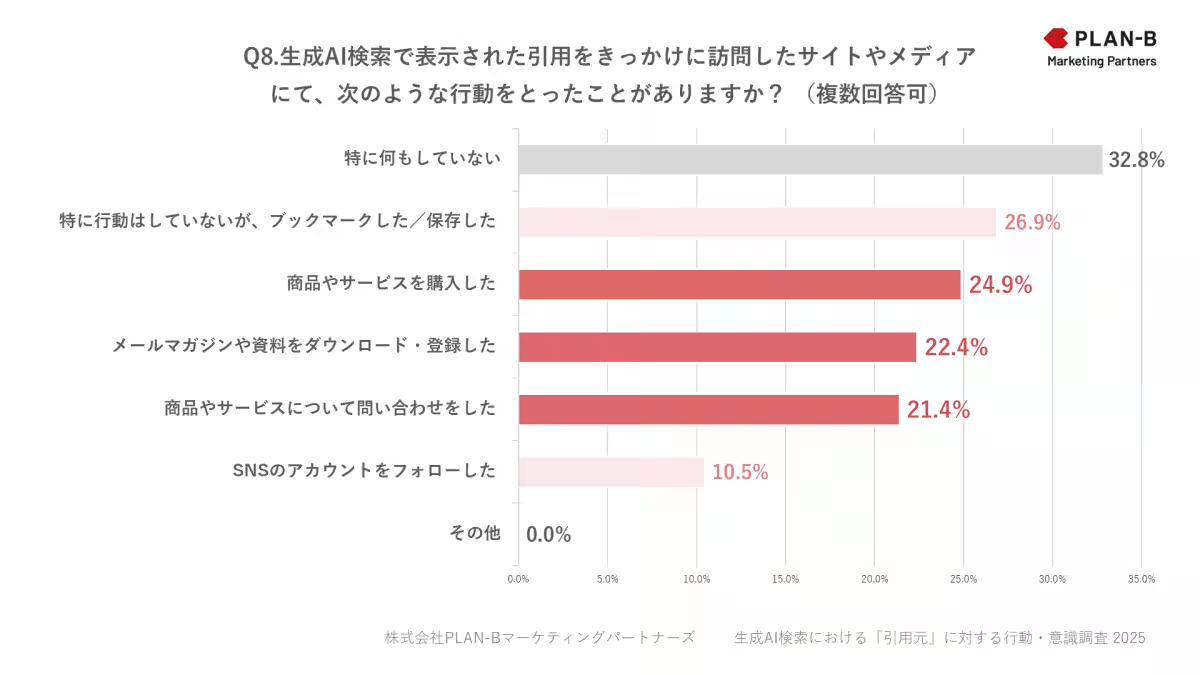
More than 51% of respondents acknowledged visiting websites they had not encountered before due to AI-cited searches, revealing that generative AI serves as a gateway to new information and experiences. Additionally, users reported taking various actions like purchasing goods or signing up for newsletters after visiting these sites, indicating that AI influences not just search but also consumer behavior.
7. Marketing Implications
The findings from this study underscore the necessity for businesses to focus on being referenced within AI outputs. As AI search tools become more integrated into user behaviors, understanding how and why users trust these citations will be pivotal for developing effective content strategies. Companies must proactively monitor how their content is represented in AI systems, optimizing for user behavior to harness the potential for engagement effectively.
Conclusion
This study firmly establishes that generative AI tools are altering the conventional landscape of digital marketing. Users are showing a propensity to verify sources, indicating a growing sophistication in how they engage with search results. Businesses will need to adapt their online strategies, prioritizing presentations in AI outputs while remaining aware of user behaviors to maintain a competitive edge in this rapidly evolving realm.
This research, carried out under the supervision of Haruyuki Ueda, head of the Digital Solutions Division at PLAN-B Marketing Partners, showcases a significant shift in the intersection of technology and user behavior, suggesting exciting times ahead for digital marketing professionals navigating this new territory.



Topics Business Technology)
【About Using Articles】
You can freely use the title and article content by linking to the page where the article is posted.
※ Images cannot be used.
【About Links】
Links are free to use.