




New Project Aims to Train Foreign Drivers for Safer Logistics in Japan
Initiating a Comprehensive Driver Training Project for Foreign Nationals
In a significant step towards addressing labor shortages in the logistics sector of Japan, a collaborative initiative has been launched between three major companies: Mirai Map Co., Ltd., Ibis Co., Ltd., and Pal Planning Co., Ltd. This project specifically focuses on training Indonesian drivers under the Technical Skills program for the automobile transport industry. The collaborative effort aims not only to bridge the gap between workforce supply and demand but also to enhance road safety and public security in Japan.
Background and Objectives of the Project
1. The Growing Driver Shortage Crisis
Reports indicate a doubling of the job-to-applicant ratio for drivers compared to the overall industry average in Japan. By 2027, it is projected that there will be a shortage of approximately 240,000 drivers, primarily due to the aging workforce. Presently, about half of the drivers are aged between 40 and 54, while those under 30 account for less than 10%. This demographic shift raises concerns about a potential halt in logistics operations resulting from an exodus of seasoned drives.
2. Challenges in Licensing for Foreign Workers
The current system for foreign drivers is fraught with challenges; after recruitment, they must obtain a specific visa that allows them to pursue a Japanese driving license within a six-month period. However, with new regulations tightening the standards for converting foreign licenses starting from October 2025, the pass rate is expected to plummet, leading to mismatches where companies hire candidates unable to drive due to licensing issues. This not only creates operational bottlenecks but also heightens the risk of accidents due to a lack of understanding of Japanese traffic rules.
3. Goals and Methodology of the Project
The primary aim of the project is not just to fill vacancies but to create 'Safety Drivers' who comprehend Japanese traffic regulations thoroughly and can operate safely. The initiative places particular emphasis on cultivating a mindset where safety and pedestrian priority become second nature. Rather than merely preparing candidates to pass tests, the program adopts a comprehensive educational approach so that graduates can make safe and informed decisions on the road.
Special Focus on Indonesian Drivers
One strategic decision for this project is the initial focus on Indonesian candidates. There are three primary reasons:
1. Similar Driving Conditions: Indonesia has a comparable traffic situation, including left-hand driving and right-hand steering, facilitating easier adoption of Japanese driving rules.
2. Low Risk of Drunk Driving: Indonesia's cultural norm, particularly among its Muslim majority, discourages alcohol consumption, thus reducing risks associated with drunk driving.
3. Access to a Larger Talent Pool: With the fourth largest population globally, Indonesia provides a sustained supply of potential candidates, thus enabling a continuous and effective training pipeline.
Comprehensive Educational Framework
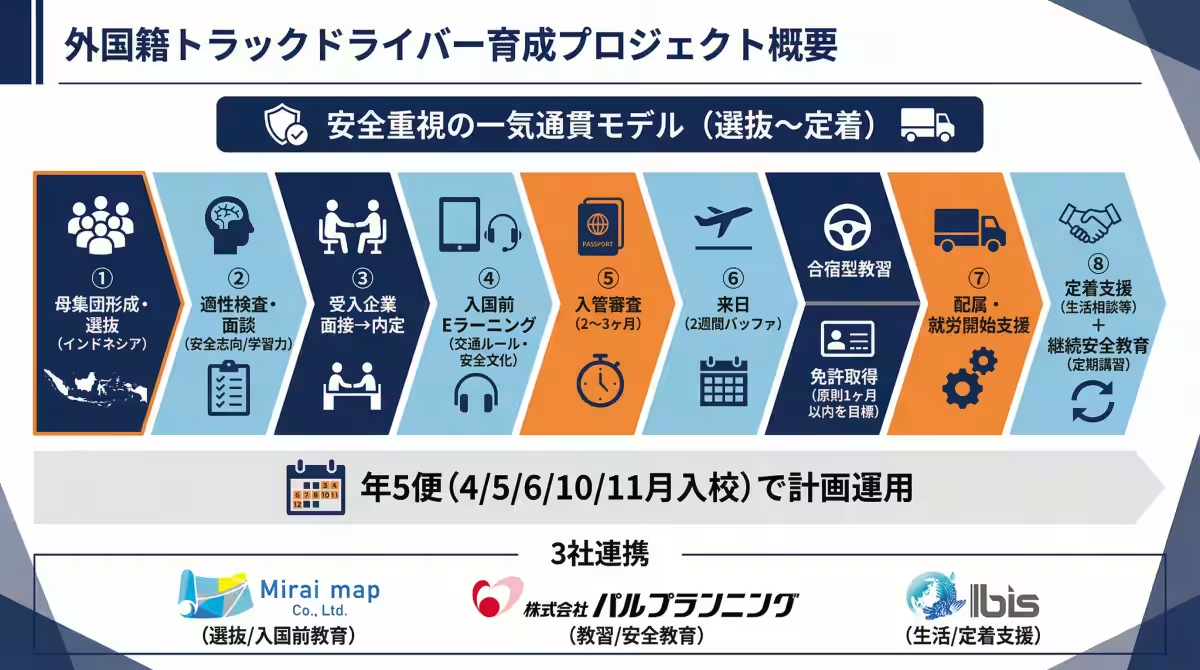
This initiative features a vertically integrated educational approach that combines robust local networks in Indonesia with specialized Japanese expertise. Training is systematic and rigorous:
Pre-Entry Training
- - Candidates undergo assessments in Indonesia through a partnership with the P3MI (Public Employment Agency), ensuring a high-quality selection process.
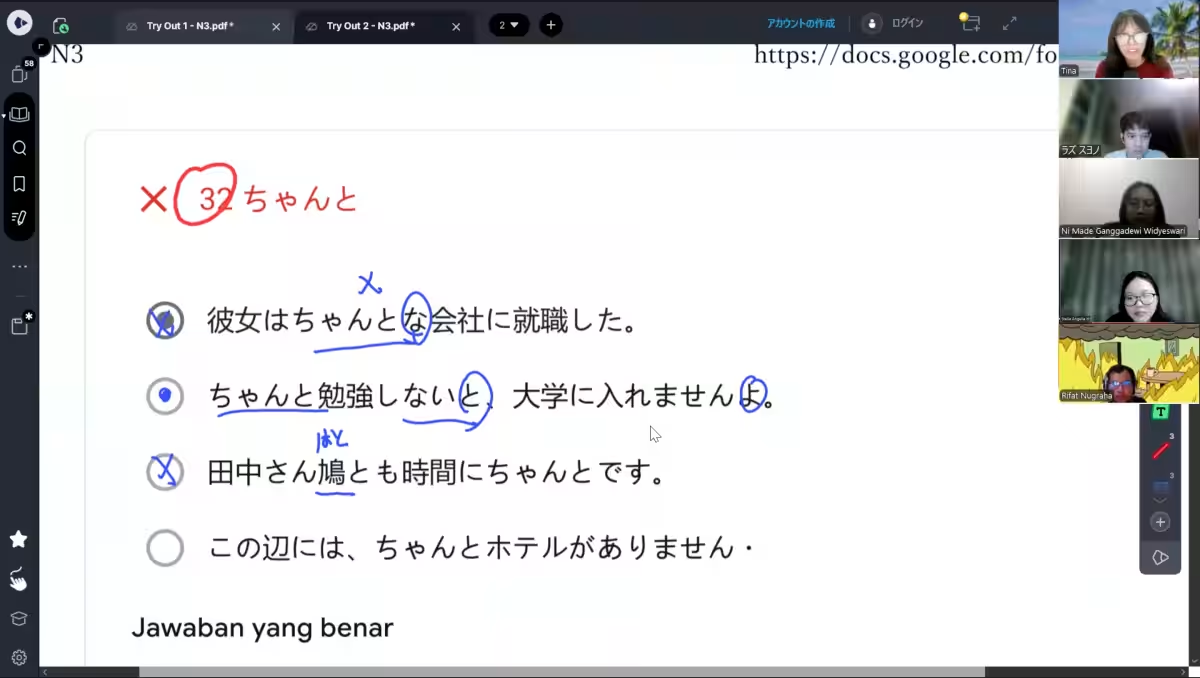
- - Candidates receive extensive training via e-learning, focusing on Japanese language skills and an understanding of the local traffic environment before coming to Japan.
In-Country Training
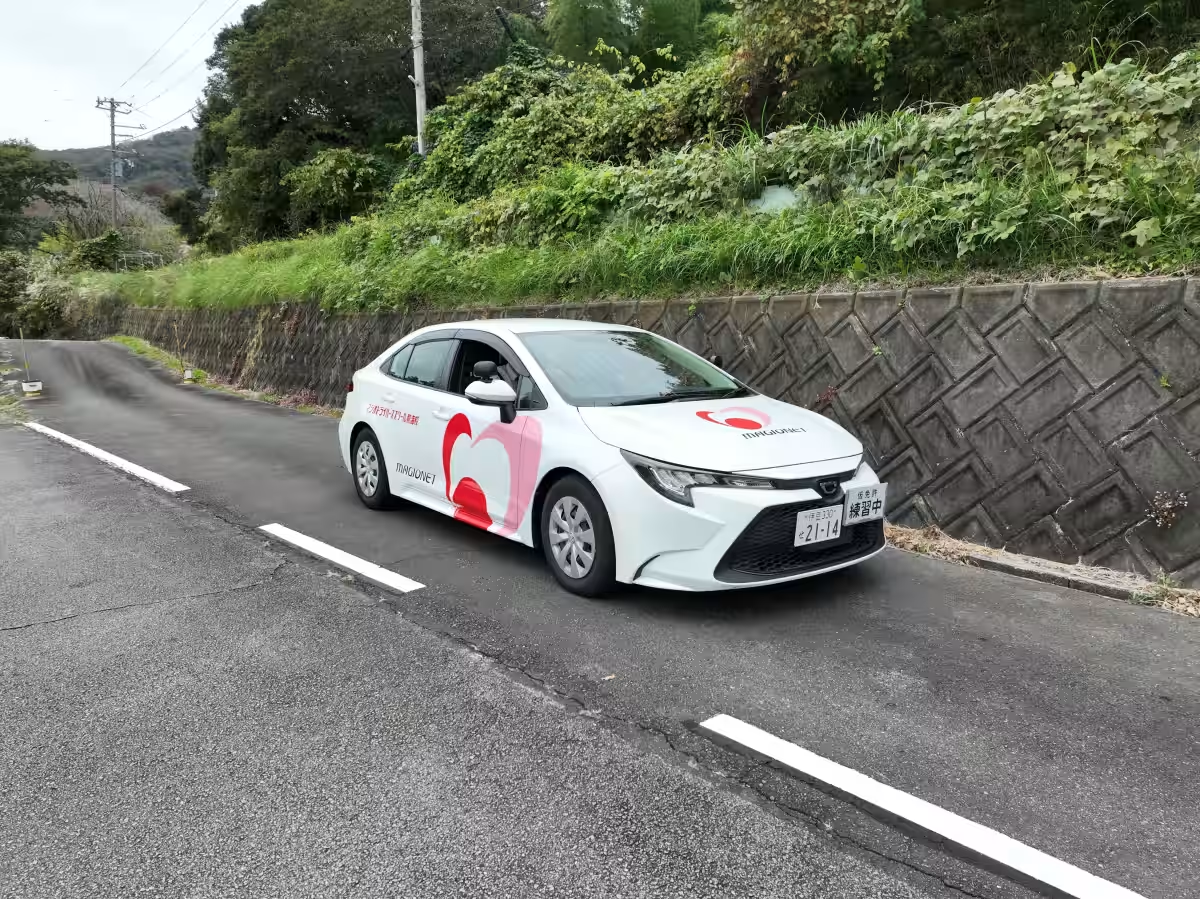
- - Once in Japan, participants attend driving schools that operate under a completely Japanese curriculum, simulating real traffic conditions and emphasizing practical skills.
- - Continuous education is provided, including periodic safety workshops and assessments, ensuring that drivers maintain high performance throughout their employment.
Support Beyond Training
Ibis Co., Ltd. plays a vital role by offering comprehensive life support to foreign drivers, easing their transition into Japanese society, and addressing potential issues that may arise during their employment.
Future Steps and Sustainability
Upon completion of their training, Indonesian drivers will begin their careers with standard licenses, with paths available for progression to medium and heavy-duty licenses based on corporate needs. Additionally, this program strategically capitalizes on the slower periods at driving schools for less resource-intensive training sessions.
In summary, this promising project not only aims to supply skilled drivers to meet Japan’s logistics challenges but also to ensure that they are well-equipped to operate safely and effectively in the country’s unique driving environment. As the project expands, it hopes to include a broader range of nationalities in its training programs, ultimately contributing to the sustained safety and efficiency of Japan’s logistics network.


Topics Consumer Products & Retail)

【About Using Articles】
You can freely use the title and article content by linking to the page where the article is posted.
※ Images cannot be used.
【About Links】
Links are free to use.