



What an Engineer’s Journey to Recovery from Burnout Reveals: Insights and Tips
Insights on Burnout Recovery from Engineers
In a recent survey conducted by KIKKAKE Creation, the experiences of 400 IT engineers who faced burnout in the last two years and successfully recovered were highlighted. This article aims to delve deeper into their real-life experiences, coping mechanisms, and lessons learned during the challenging journey of recovery from burnout.
Understanding the State of Pre-Burnout
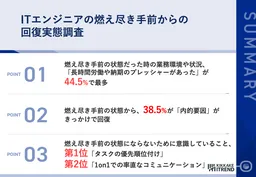
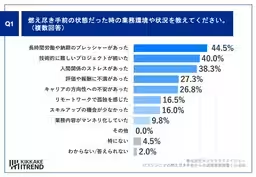
The research revealed that a staggering 44.5% of respondents cited long working hours and pressure from deadlines as key factors leading to their near burnout state. Additionally, around 40% mentioned the ongoing challenge of dealing with technically difficult projects. Stress from human relationships and dissatisfaction with evaluations and compensation were also notable factors contributing to burnout.
Triggers for Recovery
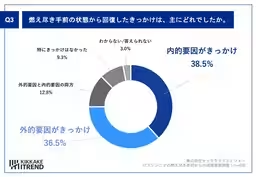
Interestingly, 38.5% of the engineers reported that internal factors played a pivotal role in their recovery. This included changing their thought patterns or starting new activities. On the flip side, 36.5% noted that external factors like a change in department, taking a leave of absence, or receiving support from colleagues were integral to their recovery process.
Key Recovery Strategies
Engineers who successfully navigated the path of recovery shared important strategies:
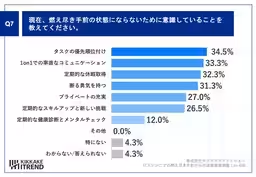
1. Prioritizing Tasks: A significant 34.5% emphasized the importance of prioritizing tasks to manage workload and reduce stress.
2. Open Communication: Another 33.3% found that having honest 1-on-1 communications with their superiors or colleagues played a critical role in alleviating stress.
3. Regular Breaks: A focus on taking regular breaks was favored by 32.3% of participants, proving vital in maintaining mental well-being.
Experiences of Relief
When reflecting on their recovery, various actions proved to be surprisingly helpful. Many reported that dedicating time to relax and engage in supportive conversations with family or friends contributed significantly to their mental health recovery. For instance, taking vacations or simple activities like trying out karaoke or engaging in physical exercise were popular.
Timeline to Recovery
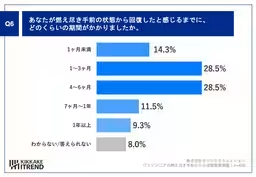
The survey indicated that over half the participants felt they commenced their recovery journey within 1 to 6 months, with 28.5% of respondents feeling better in just 1 to 3 months, while an equal 28.5% noted a recovery period of 4 to 6 months.
Preventative Measures
To prevent slipping back into burnout, the respondents shared strategies they constantly practice:
- - Setting Clear Priorities
- - Harnessing Support: Staying connected with colleagues, and not hesitating to reach out for help.
- - Work-Life Balance: A focus on ensuring a balanced life and setting boundaries with academic or professional responsibilities.
Concluding Remarks
This insightful study highlights the pressing need for adequate support systems and preventive strategies to aid engineers in avoiding burnout situations. Despite changes anticipated from the 2024 work style reform laws, substantial underlying issues remain to be addressed. Building sustainable work environments for engineers not only enhances their productivity but is also crucial for boosting Japan’s IT competitiveness.
As we navigate these challenges, it’s essential that organizations remain vigilant in their efforts to protect the well-being of their workforce, ensuring that engineers are equipped with the necessary resources and support.
For a detailed overview of the survey, feel free to check this link.
Furthermore, if you are an IT engineer seeking ways to improve your Quality of Life (QOL), explore what KIKKAKE ITREND offers in terms of lifestyle resources.


Topics People & Culture)
【About Using Articles】
You can freely use the title and article content by linking to the page where the article is posted.
※ Images cannot be used.
【About Links】
Links are free to use.