



Trend Shift: Two Out of Five Women Shun 'Obligation Chocolates' This Valentine's
Understanding the Shift in Valentine's Day Culture
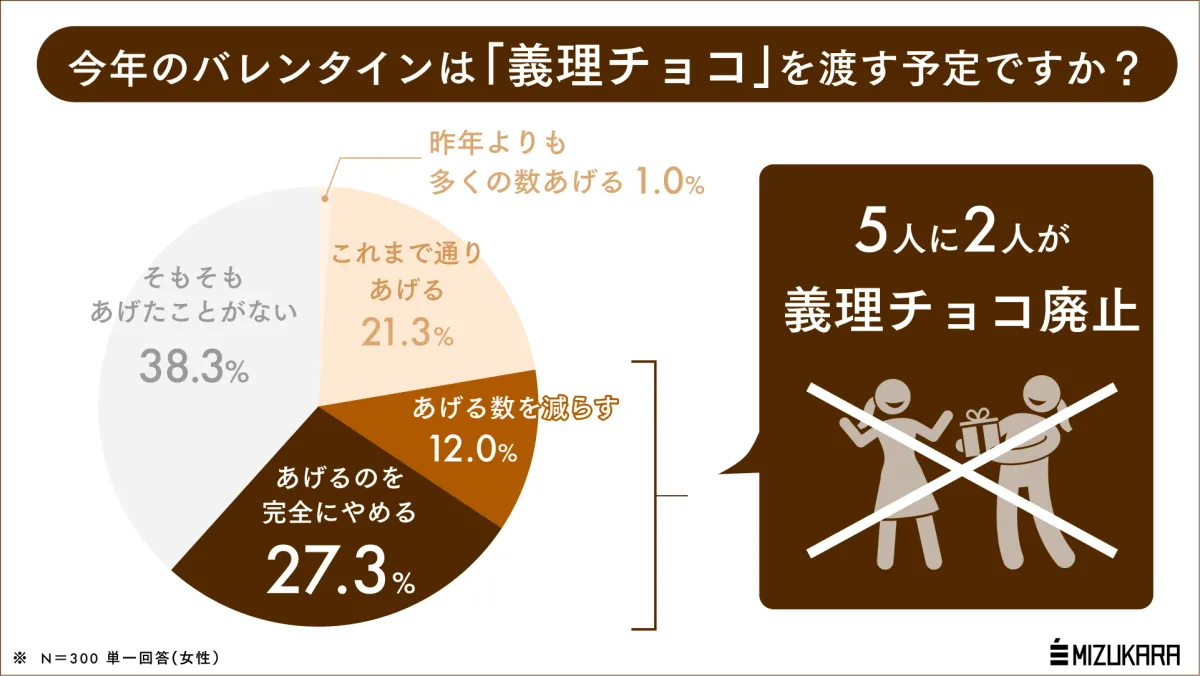
As Valentine's Day approaches, it's clear that the age-old tradition of exchanging chocolates, particularly 'obligation chocolates' given to coworkers and acquaintances, is undergoing a notable transformation. Amid prolonged inflation, many women are re-evaluating their spending habits, and as a result, two out of five women are planning to eliminate these obligatory gifts this year.
Background of the Survey
In a survey conducted by Mizukara on January 16, 2026, over 300 employed women aged between 20 and 59 across Japan were asked about their intentions regarding Valentine's Day gifting. This study sheds light on the evolving perceptions surrounding this tradition, revealing a noteworthy shift in cultural practices.
Key Findings of the Survey
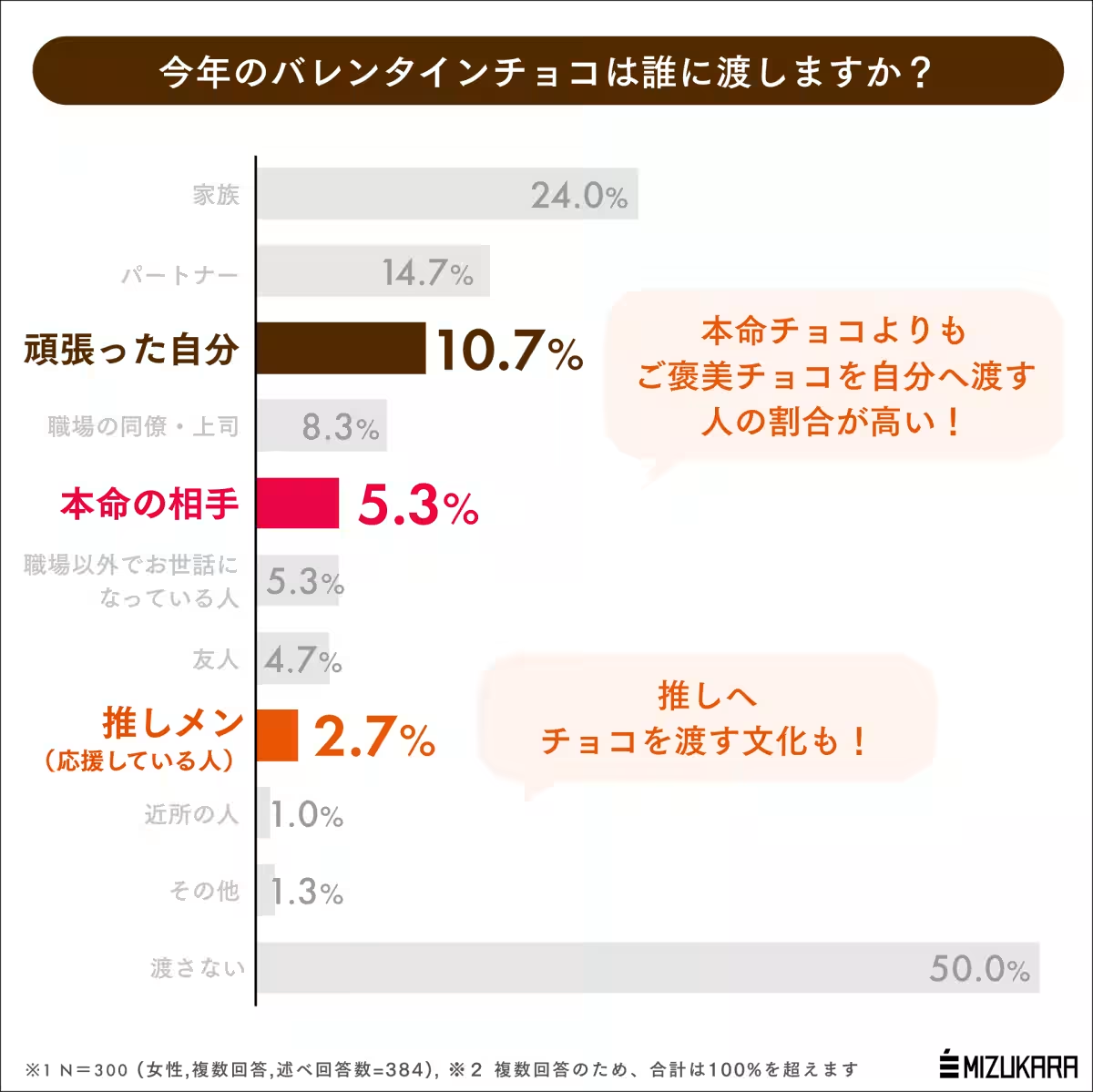
The results indicated that 50% of the participants planned to refrain from giving any Valentine's chocolates. Among those who would still exchange gifts, the preferred recipients were family members (24.0%) and partners (14.7%). Interestingly, the survey also highlighted a growing trend of individuals celebrating their own efforts; 10.7% of respondents intended to reward themselves, compared to a mere 5.3% who intended to give 'true love' chocolates.
As the culture of self-care and self-gratification gains traction, it seems that this Valentine's Day will see many women celebrating themselves or their 'oshi' (favorite idols or celebrities), with 2.7% of respondents planning to send chocolates to their favorite personalities. This reflects a shift away from traditional romantic gestures and a pivot towards individualized celebrations.
The Future of Obligation Chocolates
The concept of obligation chocolates has been significantly impacted by the ongoing inflation crisis. Among those who previously participated in this tradition, a staggering 63.6% plan to cut back on their gift-giving budgets. Alarmingly, 44.2% of those responders are committed to eliminating obligatory chocolates entirely.
With the increasing focus on prioritizing meaningful spending and reflecting on personal values, it is evident that the customary practice of giving obligation chocolates is becoming less relevant. Burdened by the pressures of economic changes, many are taking this opportunity to reassess what truly holds value in their lives.
Rethinking 'Just Because' Traditions
The findings suggest that Valentine's traditions are evolving rapidly, and this year’s motivations are particularly influenced by economic factors. However, the move away from obligation chocolates might also indicate a larger trend of reevaluating previously ingrained habits and customary practices.
Encouraging individuals to take stock of their habitual behaviors and questioning their values can lead to insightful revelations. It's essential to explore not just financial expenses but also emotional drains or time losses associated with traditional practices. If you find yourself feeling unnecessarily fatigued lately, perhaps it's time for a mental audit regarding the traditions you engage in.
As you prepare for this Valentine's Day, consider how your habits align with your modern values. The cultural landscape is evolving, and so should our approach to these once-sacrosanct customs. Will Valentine's Day transform into a celebration of self-appreciation or a commemorative event for your idols? Only time will tell how this tradition will continue to evolve.
Conclusion
The survey conducted by Mizukara provides a reflective lens through which we can observe the changing tides of personal values amid economic pressures. As we navigate these changes, it’s crucial to balance traditions with personal meanings, ensuring our celebrations resonate with our current life circumstances.
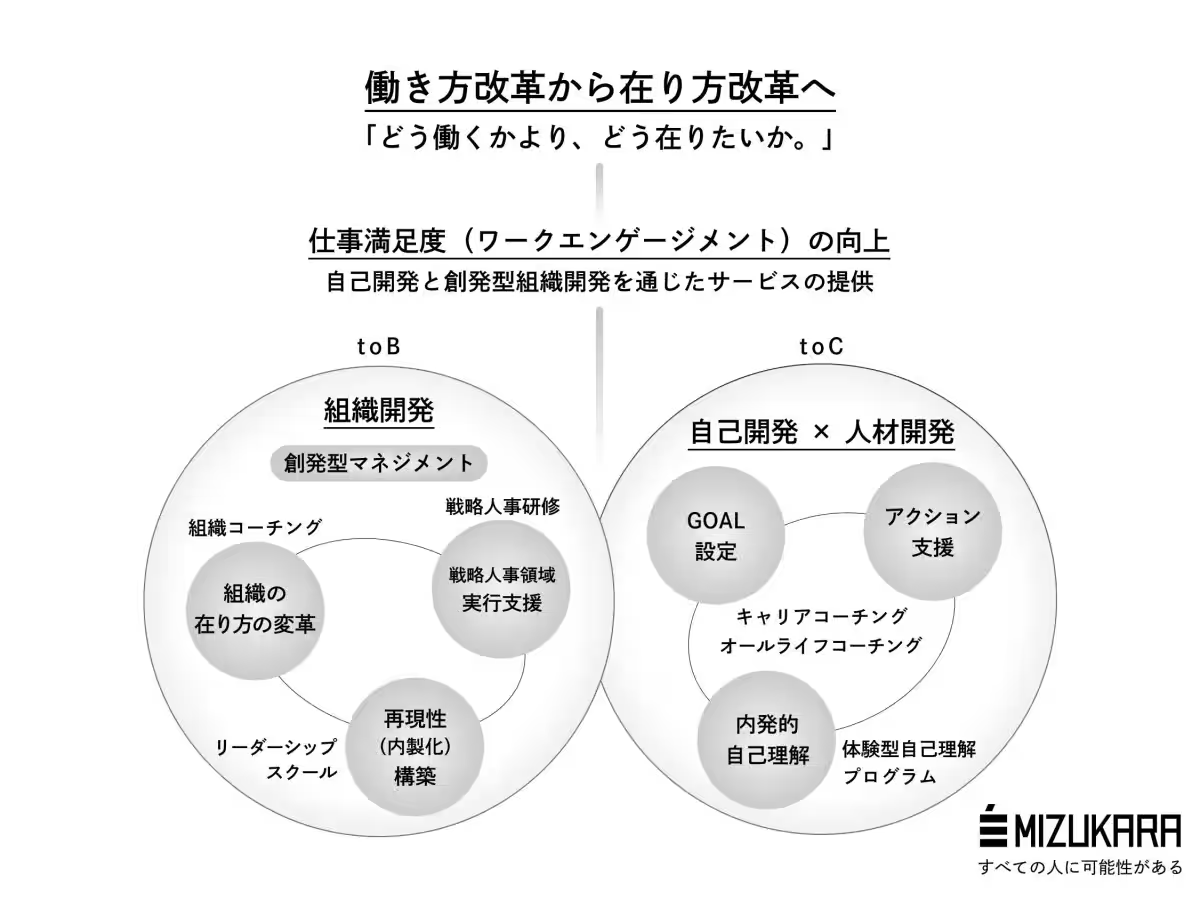
For more information about Mizukara and its coaching services, please visit their website.
Topics People & Culture)



【About Using Articles】
You can freely use the title and article content by linking to the page where the article is posted.
※ Images cannot be used.
【About Links】
Links are free to use.