



Burnout Prevention Strategies: Insights from IT Engineers on Recovery
Understanding Burnout and Recovery in IT Professionals
In the fast-paced world of technology, many IT engineers struggle with burnout, often resulting from long working hours and pressure to meet deadlines. A recent study conducted by KIKKAKE CREATION surveyed 400 IT engineers who experienced near-burnout states within the last two years and managed to recover. This article delves into their experiences and identifies key factors contributing to burnout, recovery processes, and preventive strategies.
The Prevalence of Burnout Symptoms
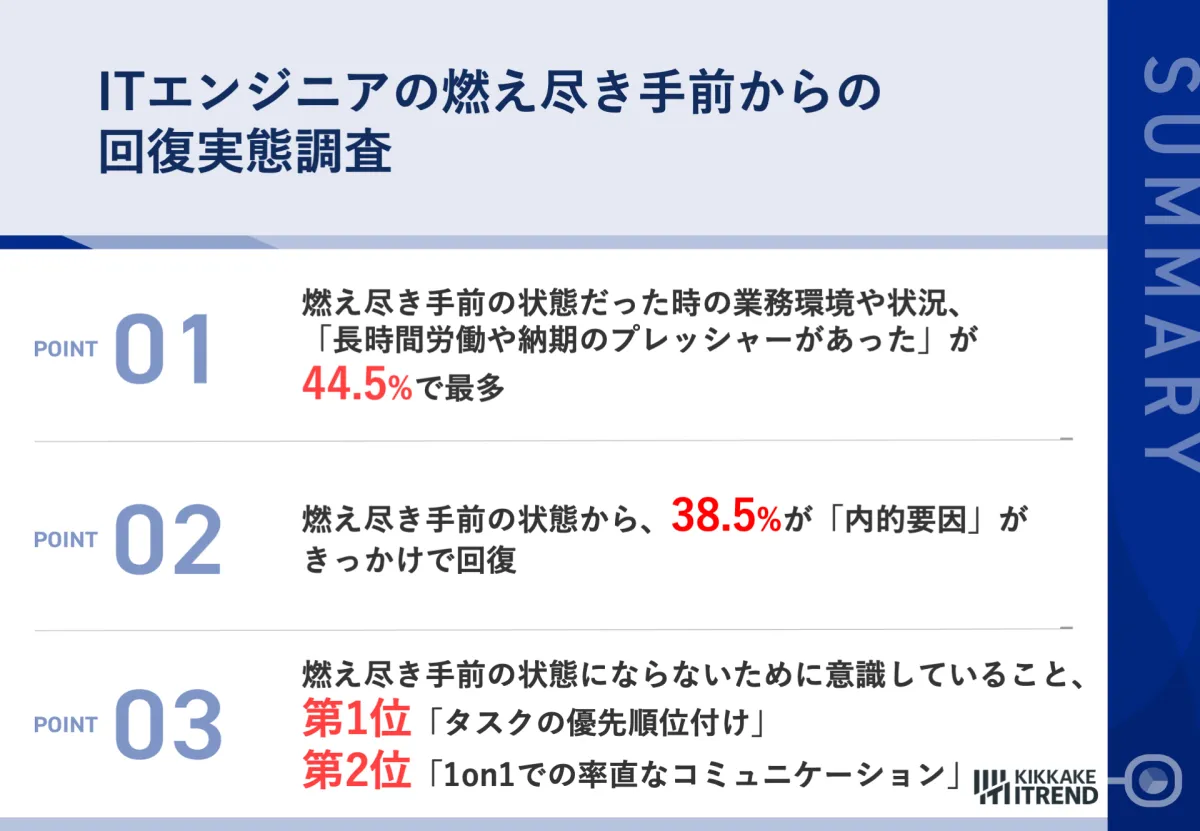
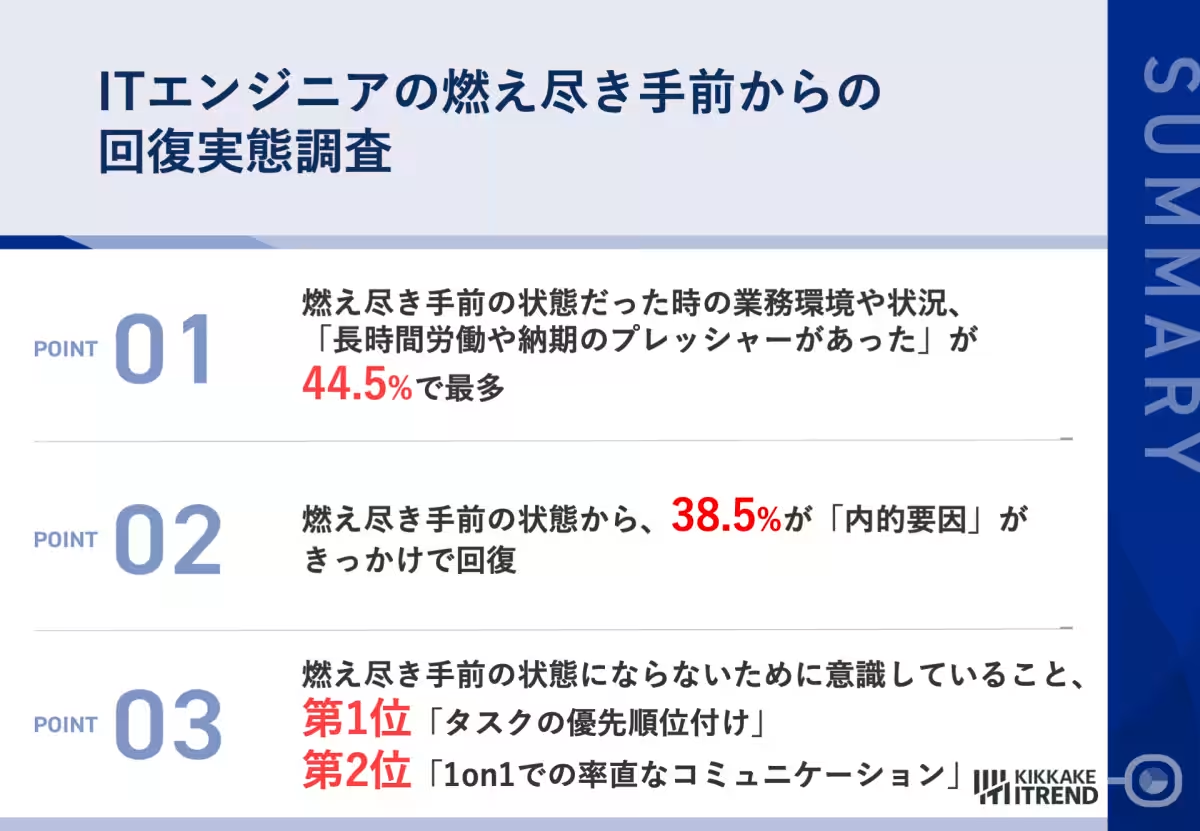
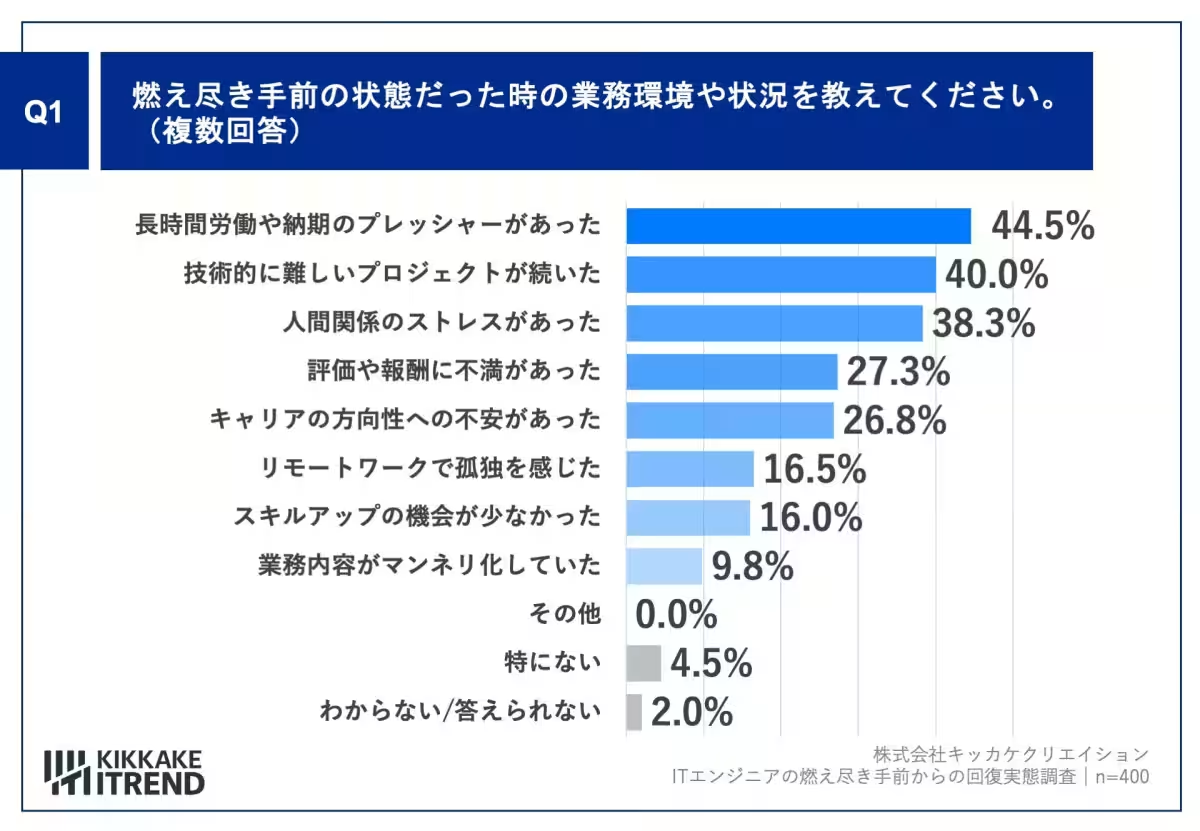
According to the data, a staggering 44.5% of respondents cited long working hours and the pressure of tight deadlines as the primary reasons for their near-burnout state. This was closely followed by 40% who reported the stress of working on technically demanding projects.
Key Factors Contributing to Burnout:
- - Long working hours and deadline pressures (44.5%)
- - Difficult technical projects (40.0%)
- - Interpersonal stress (38.3%)
- - Dissatisfaction with evaluation and compensation (27.3%)
These findings highlight the urgency for individuals and organizations to address these stressors in the workplace.
Recovery Strategies Employed by Engineers
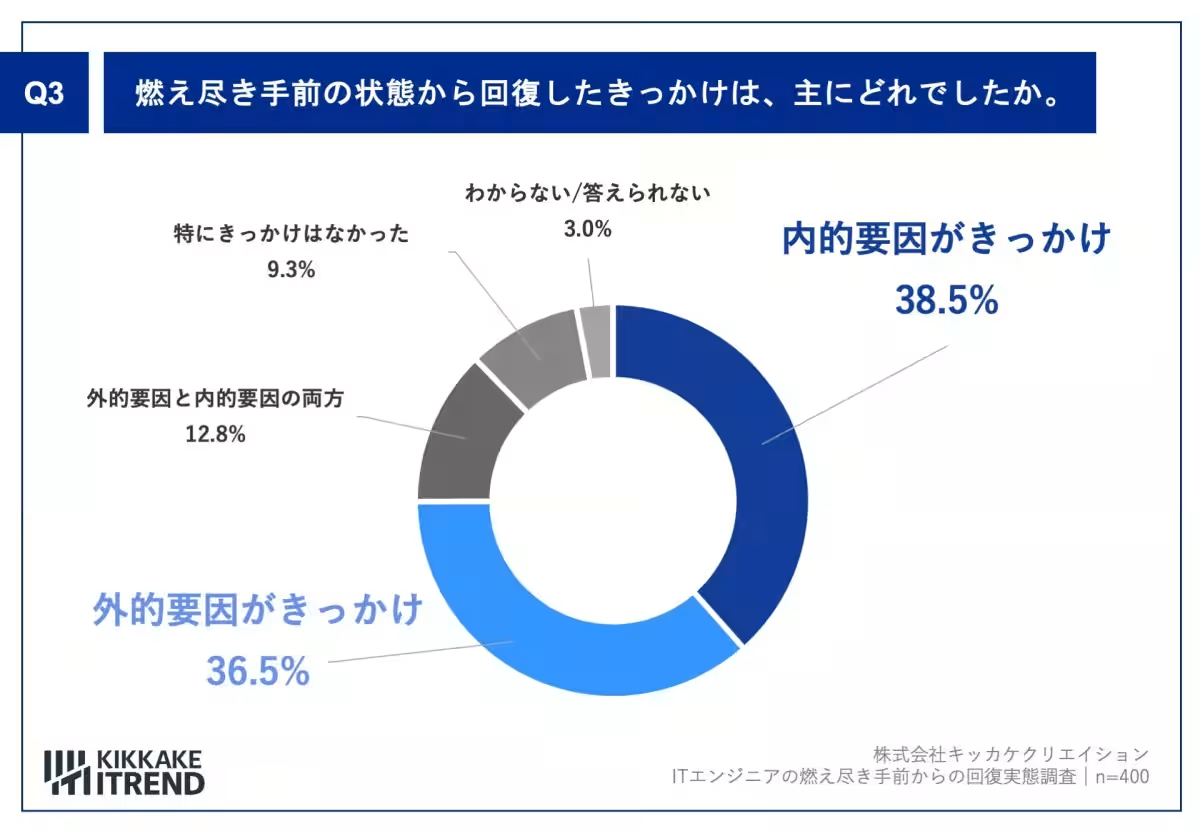
When asked about their recovery process, 38.5% of respondents credited internal factors for their rehabilitation, such as adopting a new mindset or starting fresh projects. Conversely, 36.5% acknowledged external factors, including support from colleagues, job changes, or taking time off, playing a significant role in their recovery. Remarkably, both internal and external factors contributed to the recovery process for 12.8% of participants.
External Factors that Facilitated Recovery:
- - Support from colleagues
- - Encouragement from family and friends
- - Time spent on leisure activities
Internal Strategies for Improvement:
- - Making conscious efforts to improve sleep
- - Pursuing professional qualifications
- - Engaging in physical activity for stress relief
These responses underscore the importance of both personal and professional support systems during recovery from burnout.
Time to Recovery: Insights from the Study
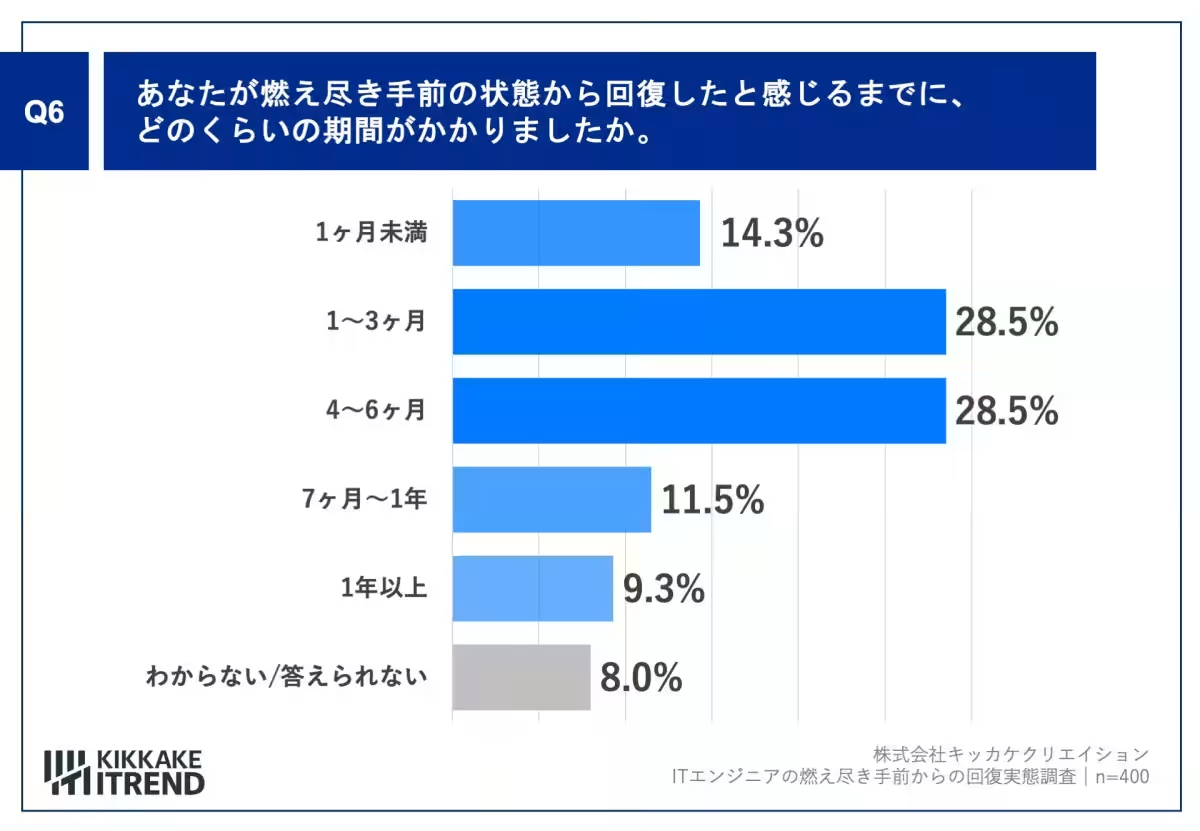
Participants reported varying timelines for their recovery. Notably, 28.5% of respondents felt that they recuperated within 1 to 3 months, while an equal percentage reported a recovery period of 4 to 6 months. This analysis indicates that recovery from near-burnout can vary widely among individuals.
Key Strategies for Preventing Future Burnout
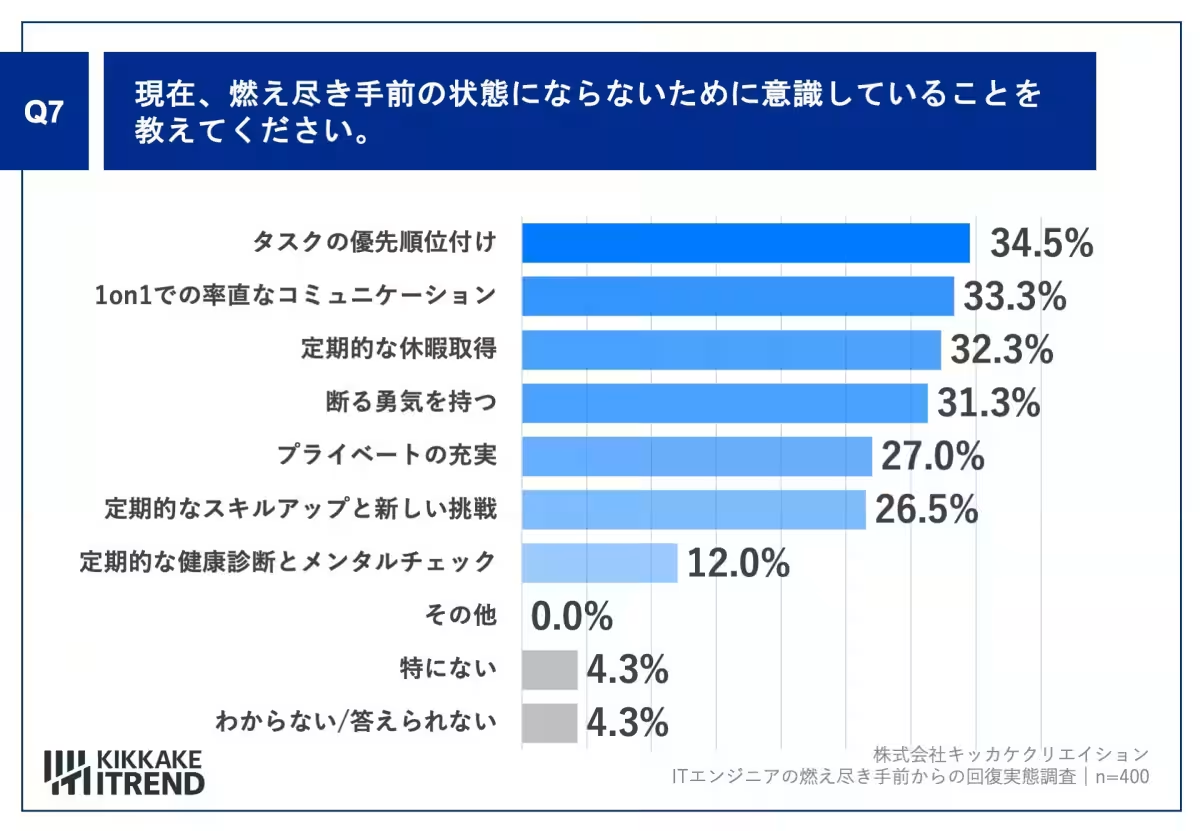
To avoid reaching a burnout state again, engineers highlighted several preventive strategies, with the leading methods being prioritizing tasks (34.5%) and engaging in open communication through one-on-one discussions (33.3%). Other important measures included:
- - Taking regular vacations (32.3%)
- - Having the courage to say no (31.3%)
By practicing these strategies, IT engineers aim to create a healthier work-life balance and improve their overall well-being.
Conclusion: The Need for a Supportive Work Environment
The findings from this survey shed light on the challenges faced by IT engineers and the essential steps they are taking to combat burnout. Despite legislative advancements in work-life balance, there is still much to be achieved in creating sustainable working conditions for engineers. It is clear that a collaborative approach involving both personal accountability and organizational support is crucial in ensuring engineers can thrive in their careers.
For those navigating similar burnout challenges, seeking support, prioritizing self-care, and maintaining open lines of communication are vital. As we look ahead, building environments where engineers can flourish will be key to enhancing Japan's competitive edge in the global IT sector.
For more insights, visit KIKKAKE ITREND at this link.
Topics People & Culture)


【About Using Articles】
You can freely use the title and article content by linking to the page where the article is posted.
※ Images cannot be used.
【About Links】
Links are free to use.