



Over 90% of Fathers Experience Personal Growth Through Parenting, Yet Struggle with Loneliness Amidst Challenges
Unraveling the Depths of Fatherhood: Insights from a New Survey
In a recent initiative by the Hanamaru Education Institute, over 200 fathers in the Kanto region participated in a survey aimed at understanding their experiences and challenges in parenting. The findings reveal significant insights into how fathers are interacting with their roles and the personal developments that arise from these experiences.
The Establishment of the Hanamaru Education Institute
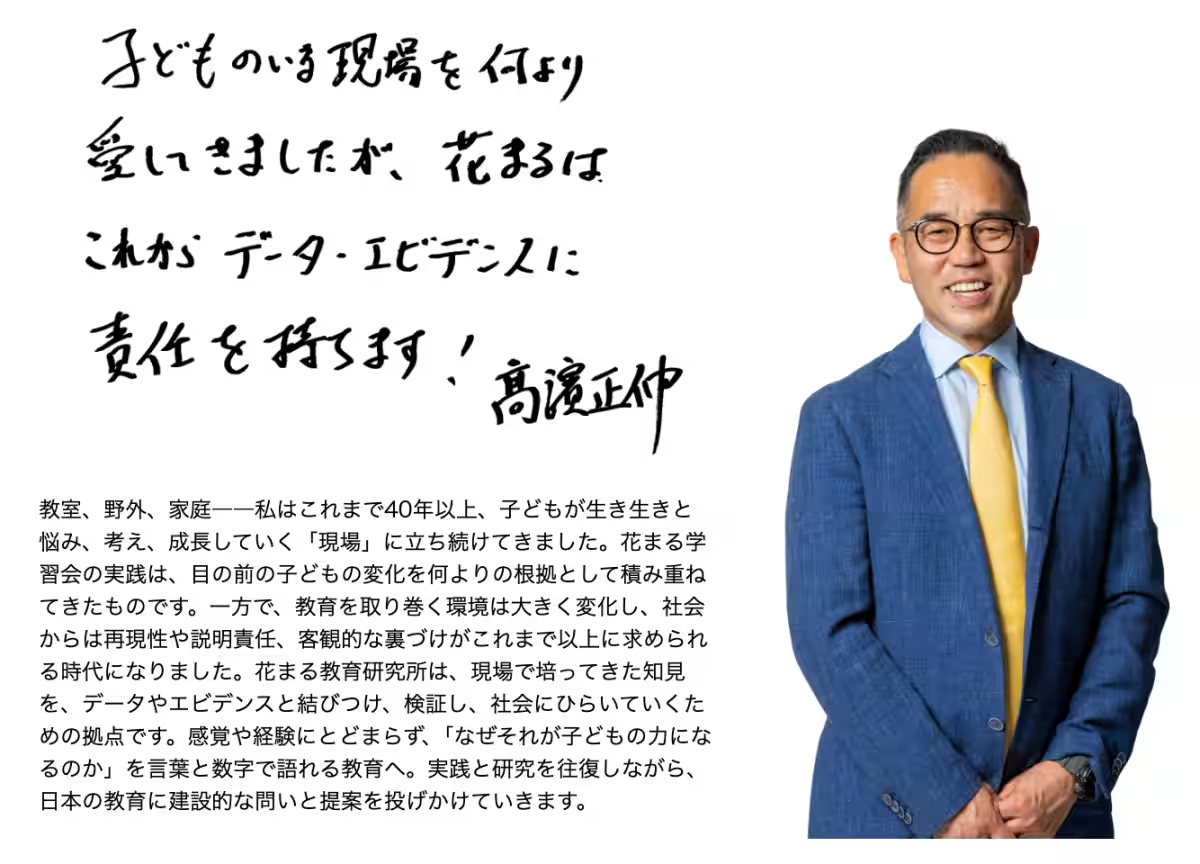
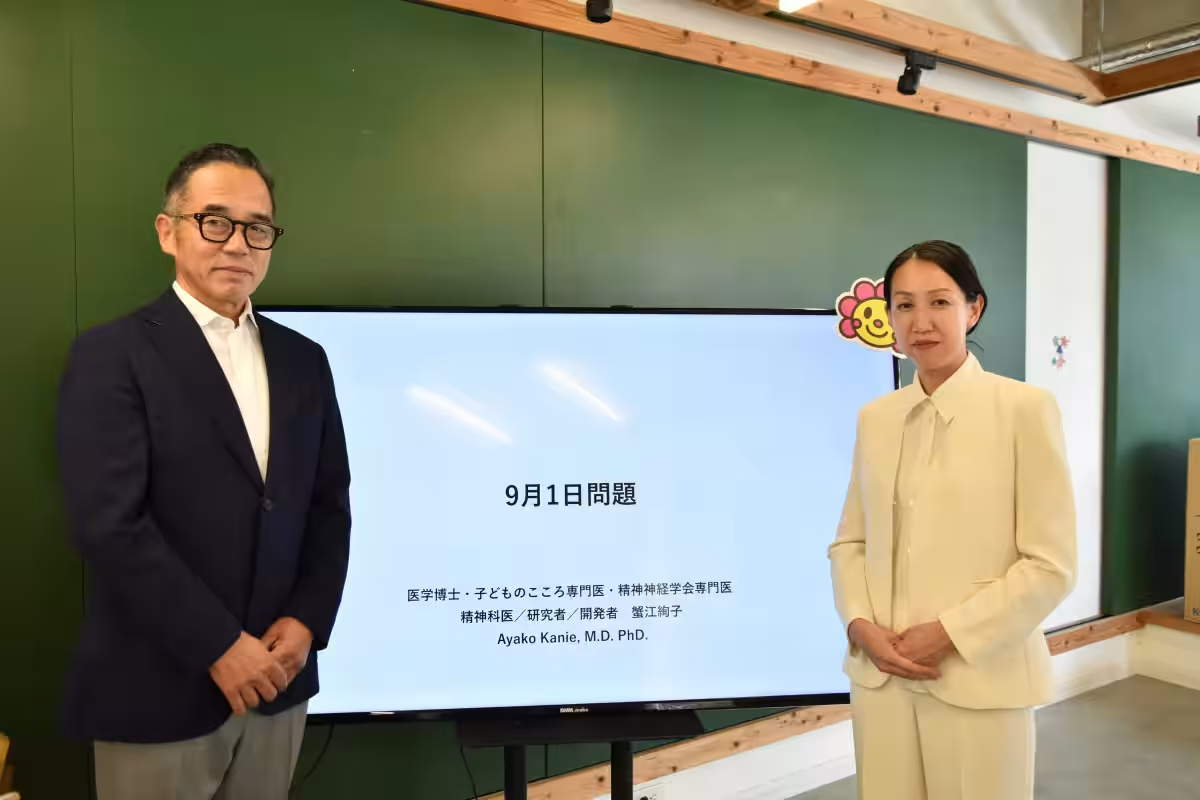
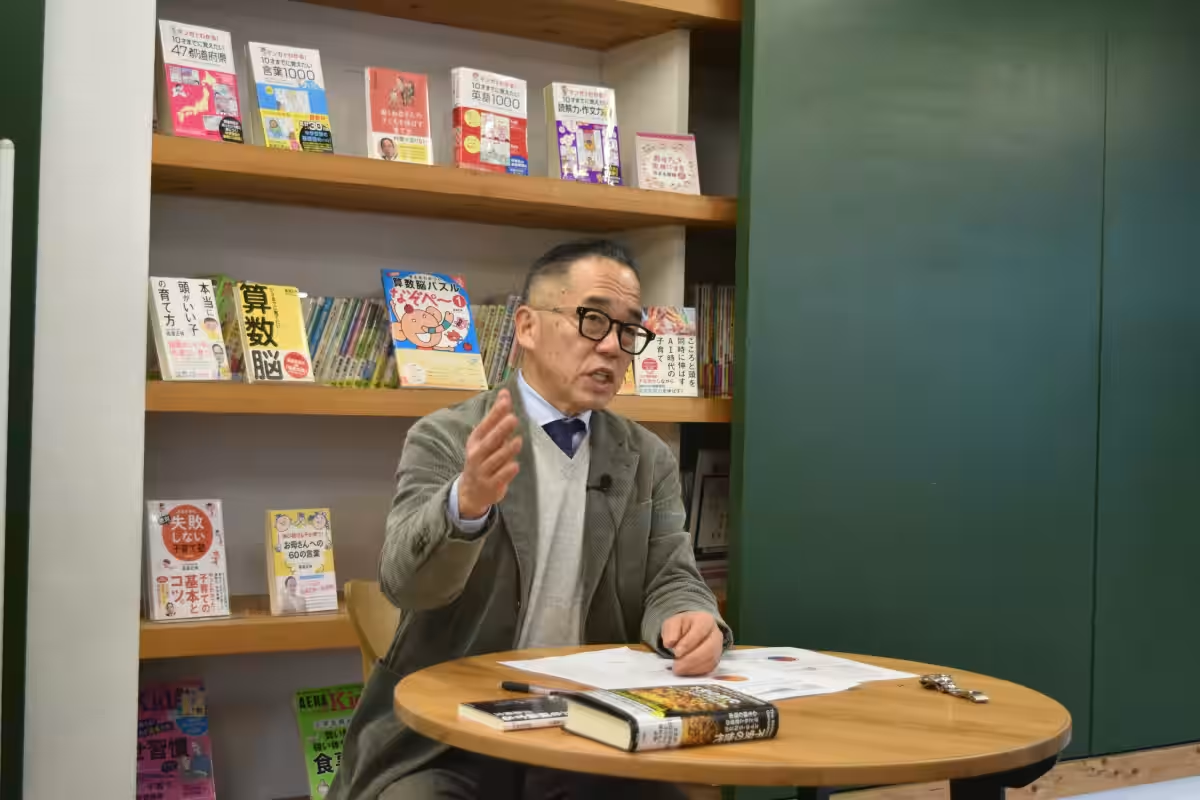
Founded by Masanobu Takahama, CEO of the Hanamaru Group, the Hanamaru Education Institute was created to address societal issues surrounding education and parenting. With experts in psychology and mathematics education on board, this institute aims to explore the evolving roles and responsibilities of education and family in a rapidly changing world influenced by AI and employment dynamics. The critical skills required today extend beyond academic achievements to encompass social and emotional capabilities, essential for nurturing future generations.
Key Findings from the Survey
1. Motivation for Parent Engagement
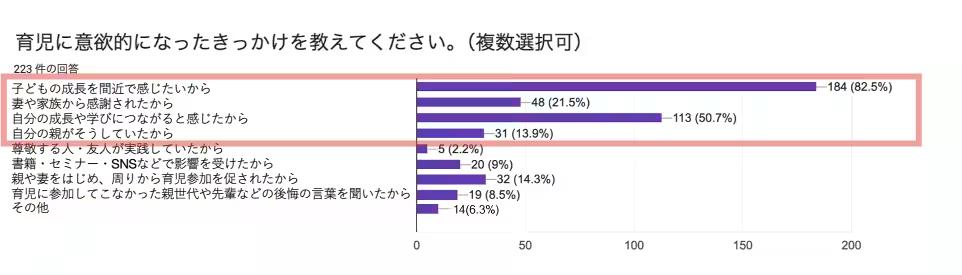
The survey highlighted that the primary reason fathers engage positively in parenting is the direct experience of their children's growth, accounting for 82.5% of responses. Following this was a sense of personal growth derived from parenting, at 50.7%. This indicates a paradigm shift where fathers find motivation not from social expectations, but through profound personal experiences.
2. Personal Growth Through Parenting
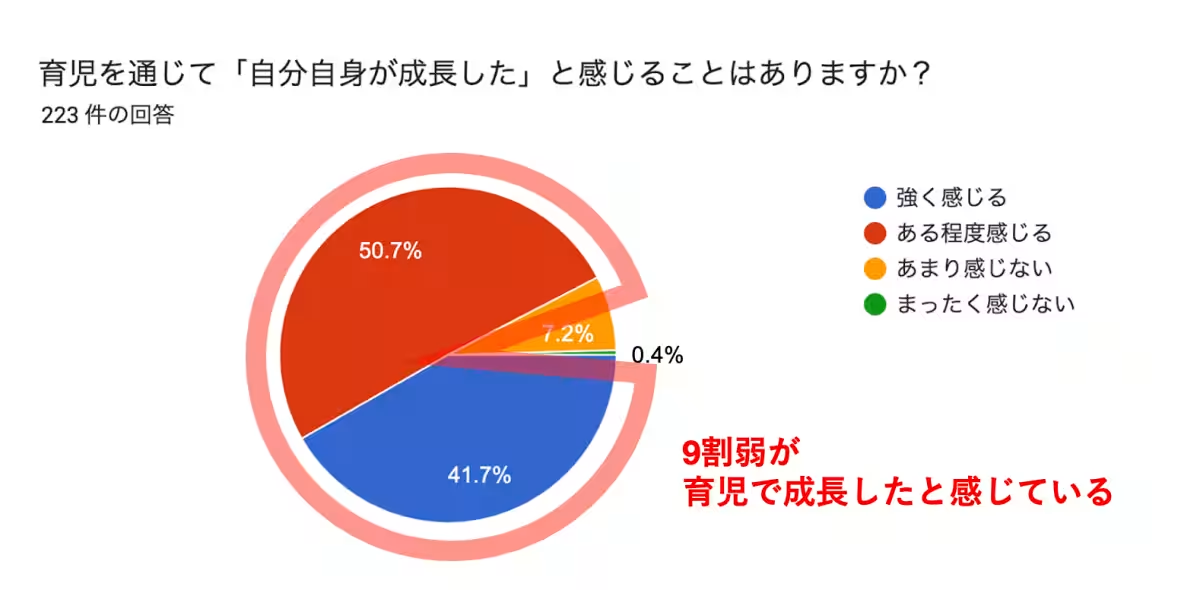
An impressive 92.4% of fathers indicated that they feel they have grown personally through the process of parenting. This growth influences their perceptions and interactions with others, illuminating the impactful nature of fatherhood on a man's sense of self.
3. Joy in Parenting
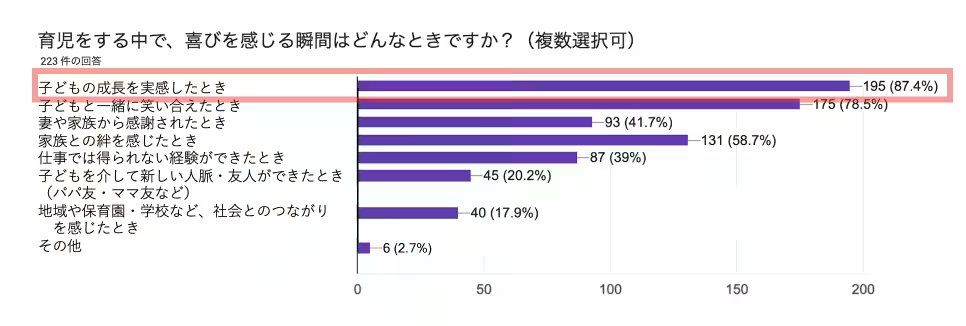
A significant 87.4% of fathers reported feeling the greatest joy when witnessing their child's development. Other happy moments included shared laughter (78.5%) and feelings of family bonds (58.7%). These moments underscore the importance of shared experiences as a foundation for nurturing familial relationships.
4. The Reality of Loneliness
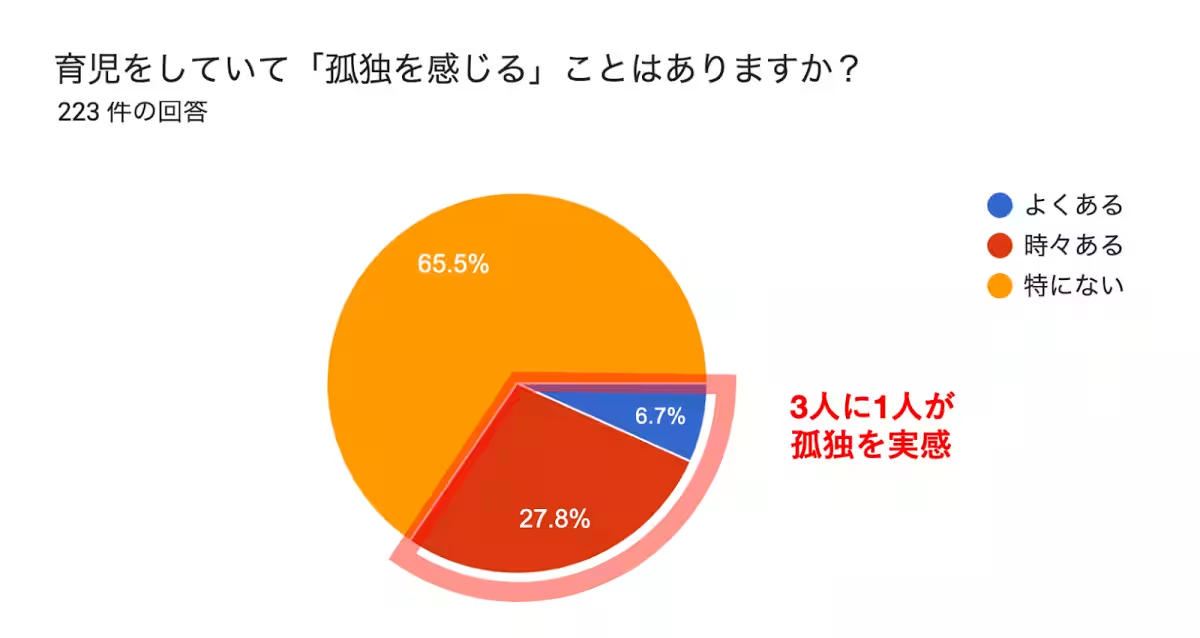
Despite the joys of fatherhood, a surprising 33% of fathers expressed feelings of loneliness. This touches on the isolation many fathers experience when dealing with parental challenges without adequate support systems.
5. Chronic Challenges in Parenting
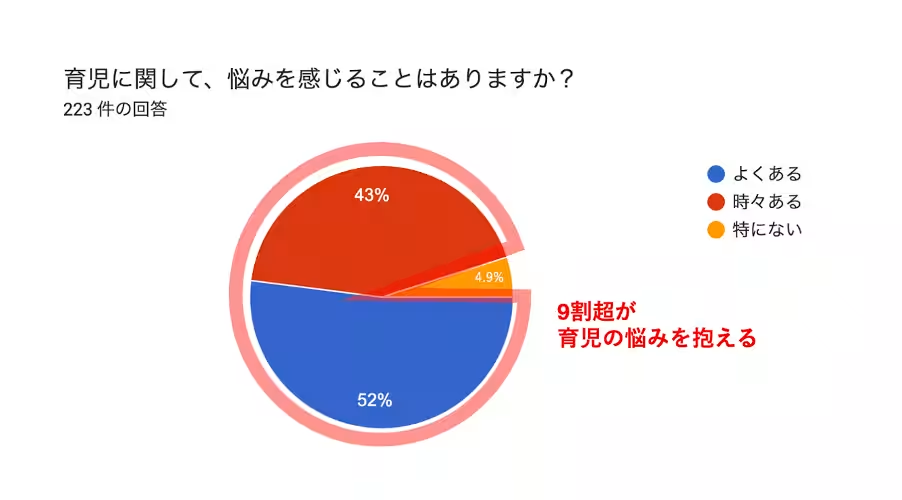
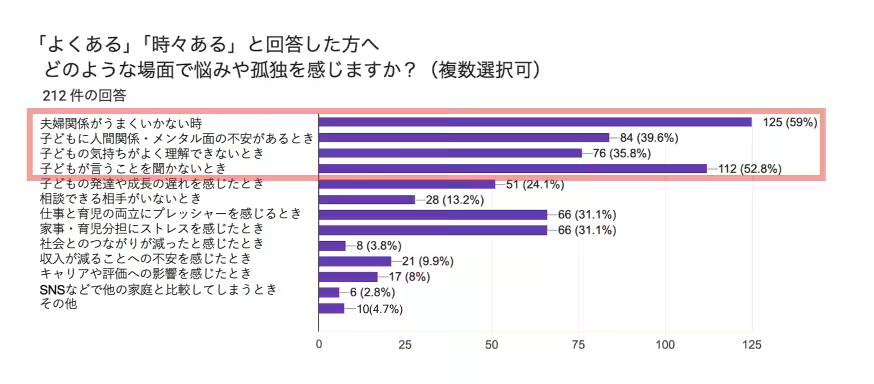
The findings also revealed that over 95% of fathers reported ongoing challenges related to parenting. Common issues include difficulties in marital relationships (59%), children's behavioral concerns (52.8%), and managing the pressures of balancing work and home life (31.1%). This troubling trend illustrates the multifaceted nature of fatherhood, where challenges can pile up, leading to feelings of overwhelm.
The Importance of Communication
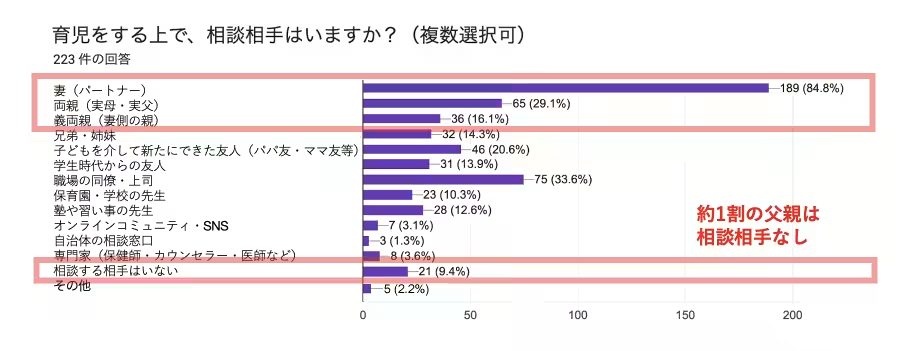
Most fathers listed their wives or partners (84.8%) as their primary source of support, followed by colleagues (33.6%) and parents (29.1%). Yet, a concerning portion, nearly 10%, stated they had no one to turn to. This reveals a gap in support systems for fathers, highlighting a need for communities and societies to provide stronger networks to help fathers navigate their parenting journeys.
Reflecting on the Findings
The study's results indicate that while many fathers are eager to embrace their roles more meaningfully, they often do so in isolation. Takahama emphasized that it’s crucial for society to recognize and address these concerns, creating spaces where fathers can openly discuss their experiences and challenges. The necessity of fostering environments where fathers can share their vulnerabilities without judgment emerges as a primary takeaway.
In conclusion, as fathers navigate the complexities of parenting, it is vital for both families and society to support their journeys, recognizing the profound growth that can stem from their involvement. The Hanamaru Education Institute is committed to advocating for policies and practices that can facilitate positive fatherhood experiences while addressing the societal structures that foster isolation. Future studies will continue to explore these themes, with the hope of providing valuable insights into the dynamics of modern fatherhood.
Topics People & Culture)



【About Using Articles】
You can freely use the title and article content by linking to the page where the article is posted.
※ Images cannot be used.
【About Links】
Links are free to use.