



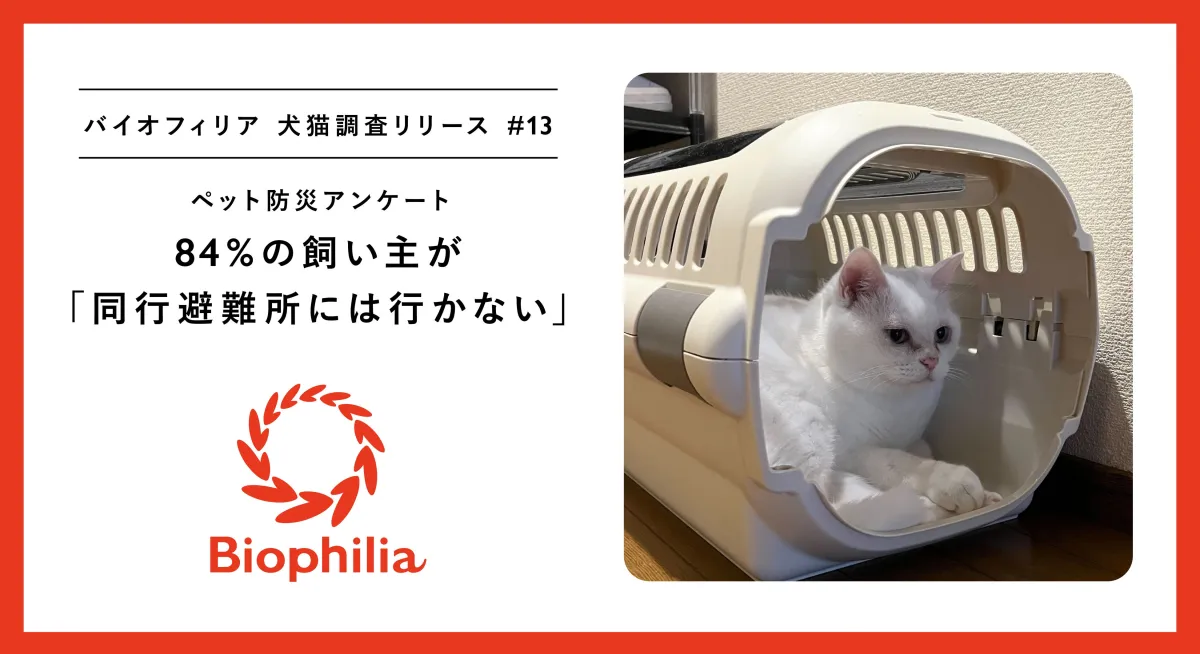
The Importance of Emergency Preparedness for Pets in Japan
Understanding the Emergency Preparedness for Pets in Japan
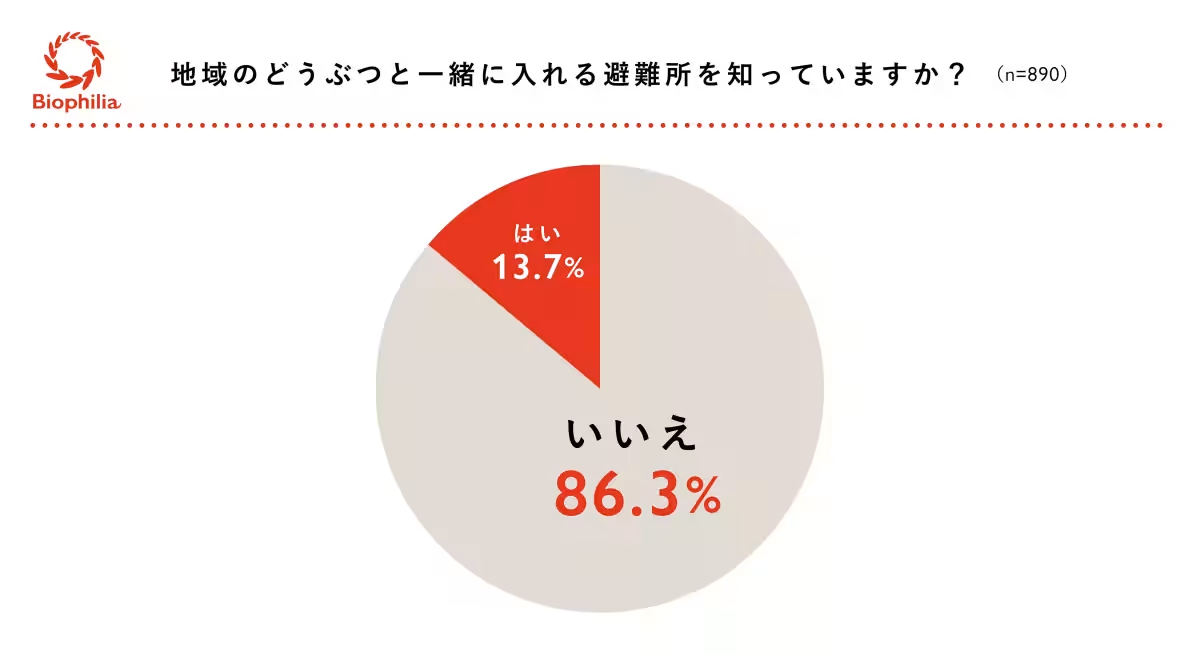
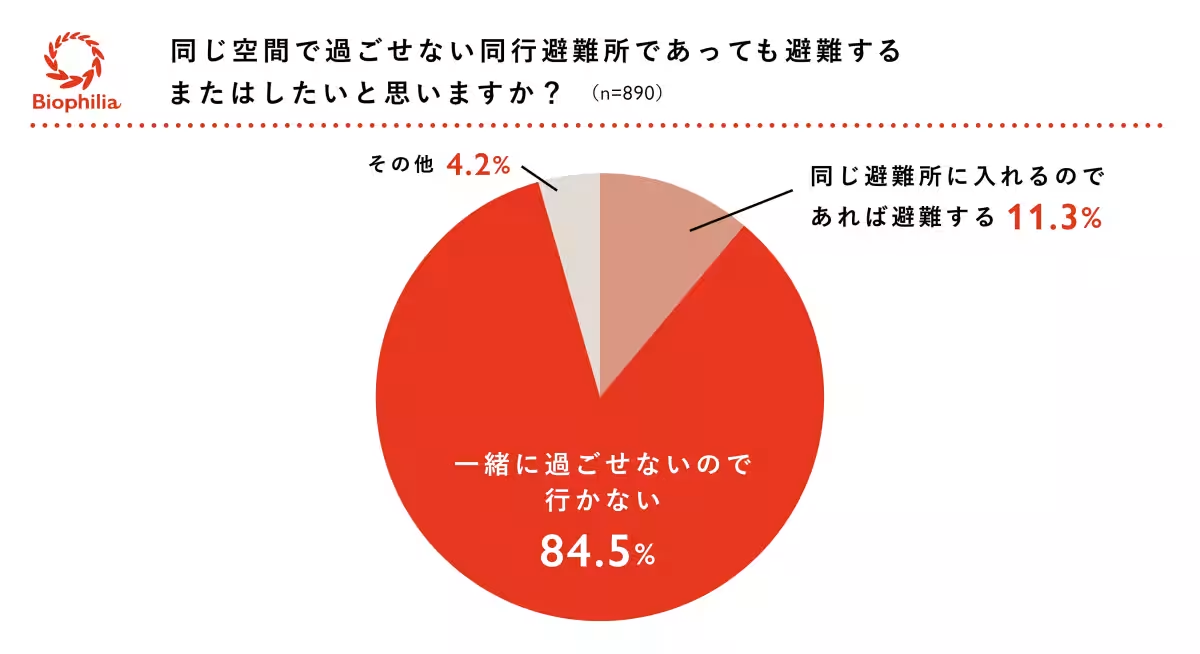
In a recent survey conducted by Biofilia Co., Ltd., the manufacturer of handmade pet food brands CoCo Gourmet and Miao Gourmet, startling revelations emerged about the preparedness of pet owners for emergencies. The survey of 890 dog and cat owners across Japan found that only 13.7% of pet owners are aware of local evacuation centers that accommodate pets. The necessity for better preparedness strategies has become evident, especially in light of the average 84% of pet owners stating they would not evacuate to a shelter that does not allow their pets to stay with them.
Survey Highlights
The survey, aimed at understanding the realities of disaster preparedness and the attitudes of pet owners toward evacuation plans, revealed several key points:
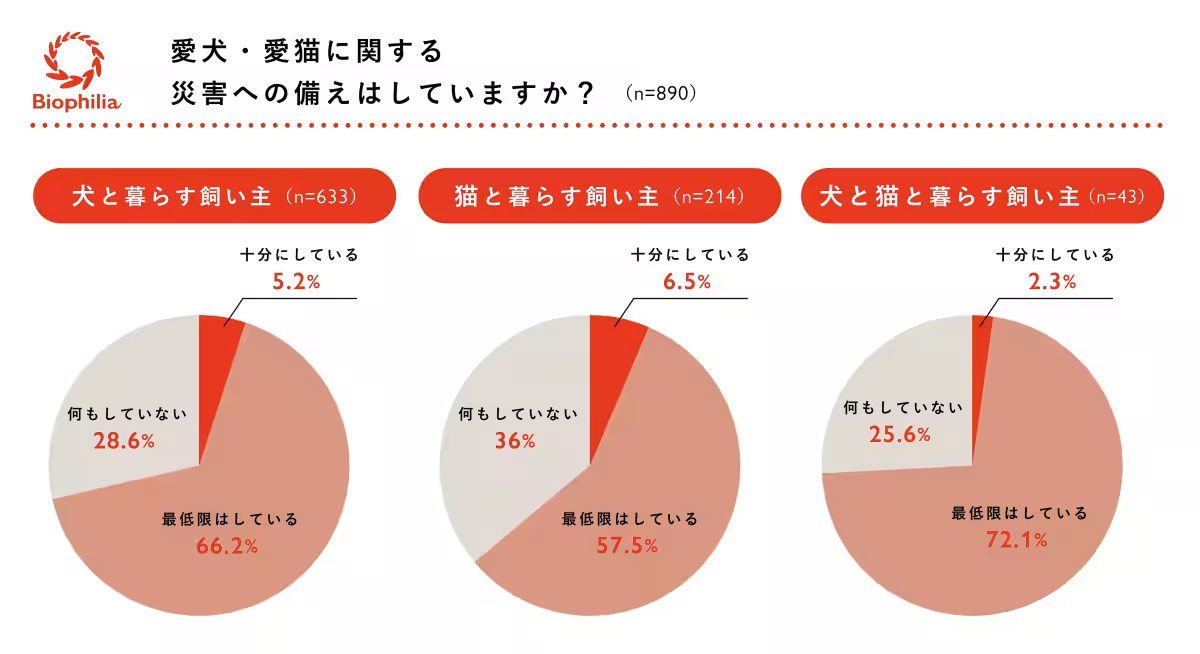
- - Approximately 70% of pet owners reported that they actively prepare for disasters.
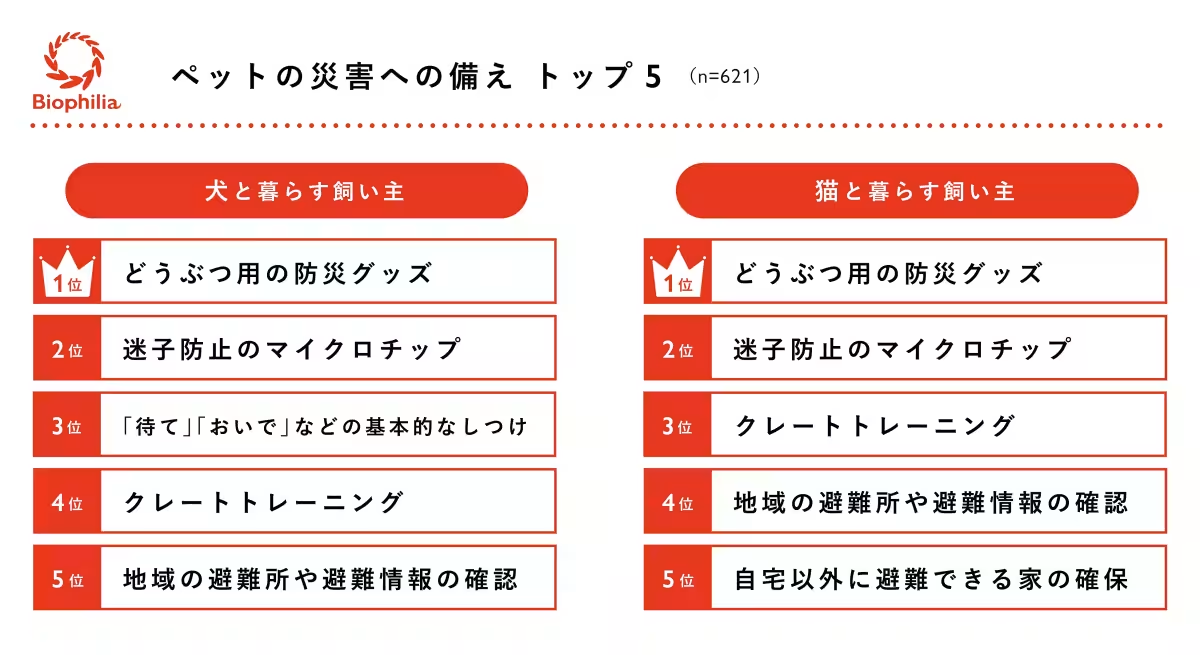
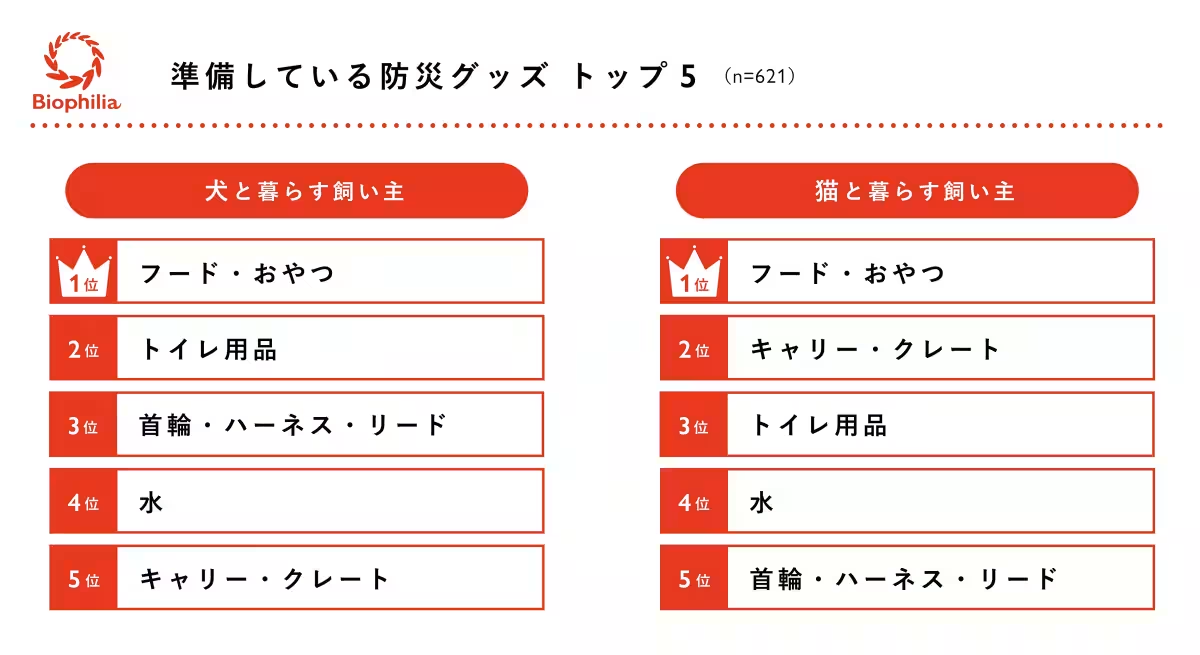
- - The most common measure taken is the stocking up on emergency supplies, including food and first aid kits.
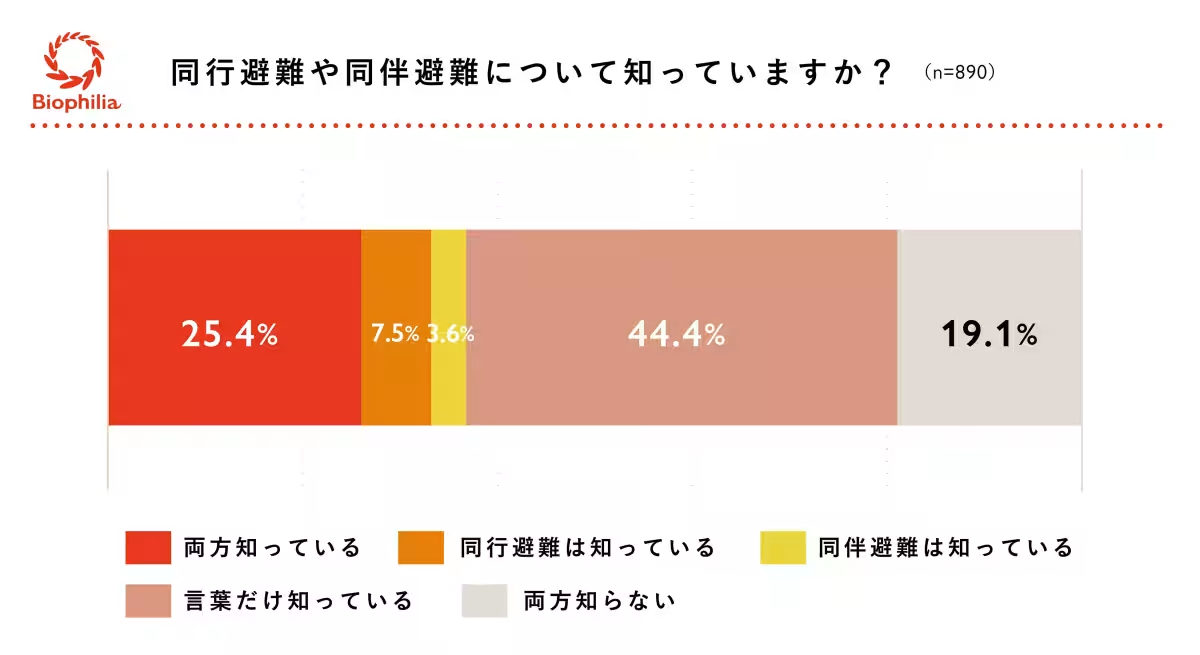
- - A significant 63.5% of respondents admitted they were either unaware of the terms 'followed evacuation' and 'accompanied evacuation', or only had a vague understanding of them.
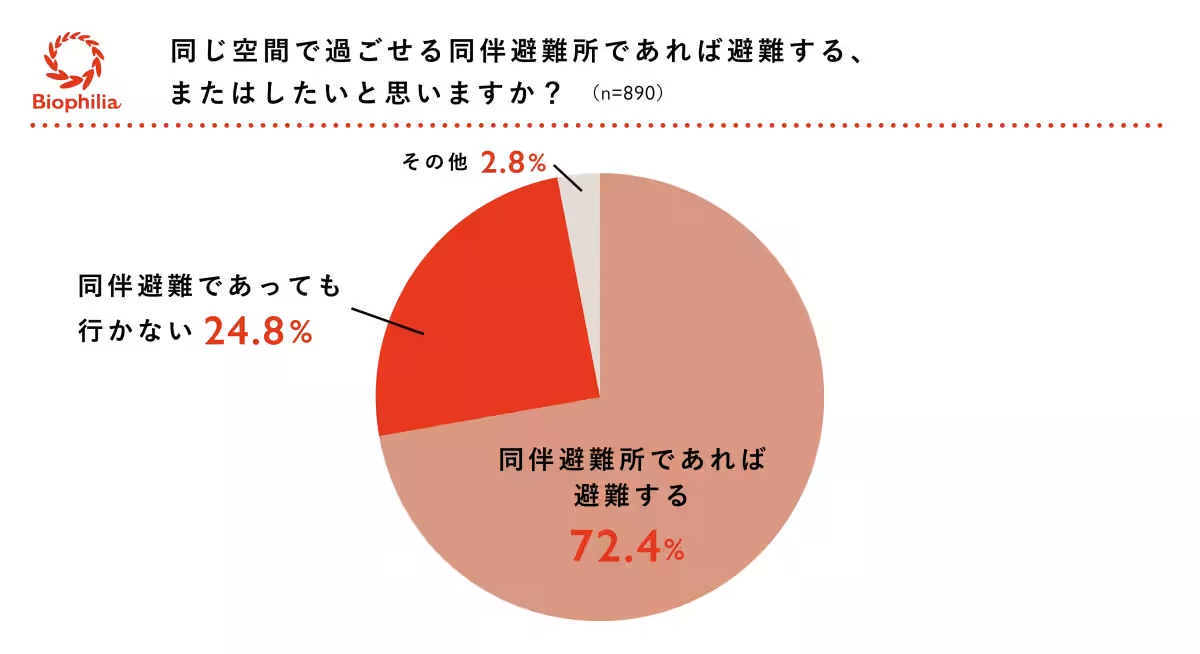
- - Only 11.3% of respondents indicated they would utilize a 'followed evacuation' shelter, while an overwhelming 72% would opt for a 'accompanied evacuation' shelter where they could remain with their pets.
What Are Followed and Accompanied Evacuations?
To clarify, a followed evacuation allows pet owners to evacuate with their pets; however, they cannot share the same space. In contrast, in a accompanied evacuation, pet owners can stay in the same environment as their pets, which is significantly favored by pet owners.
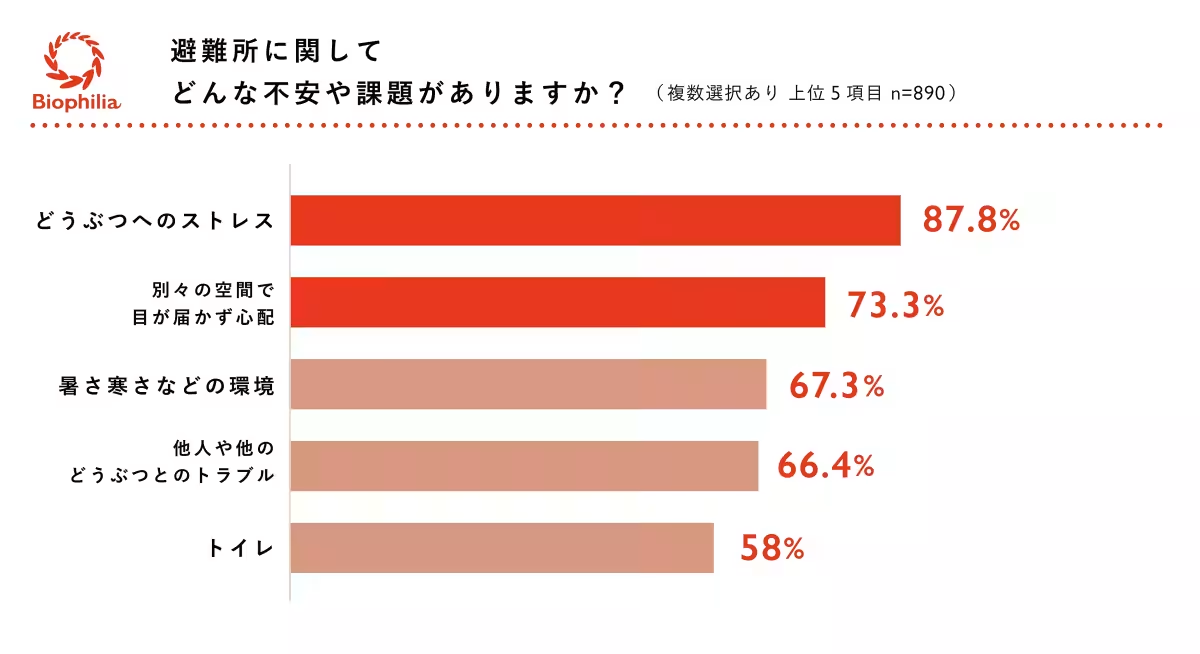
This disparity in understanding has highlighted the urgent need for additional educational initiatives directed at pet owners—so they can understand their options and responsibilities in disaster situations. Furthermore, the survey showed that the most significant concerns among pet owners regarding evacuation centers included:
1. Stress on the pets due to separation.
2. Inability to monitor their pets if they are in a different space.
3. Environmental factors such as extreme temperatures.
4. Potential conflicts with other animals and people.
Psychological Impact of Evacuations
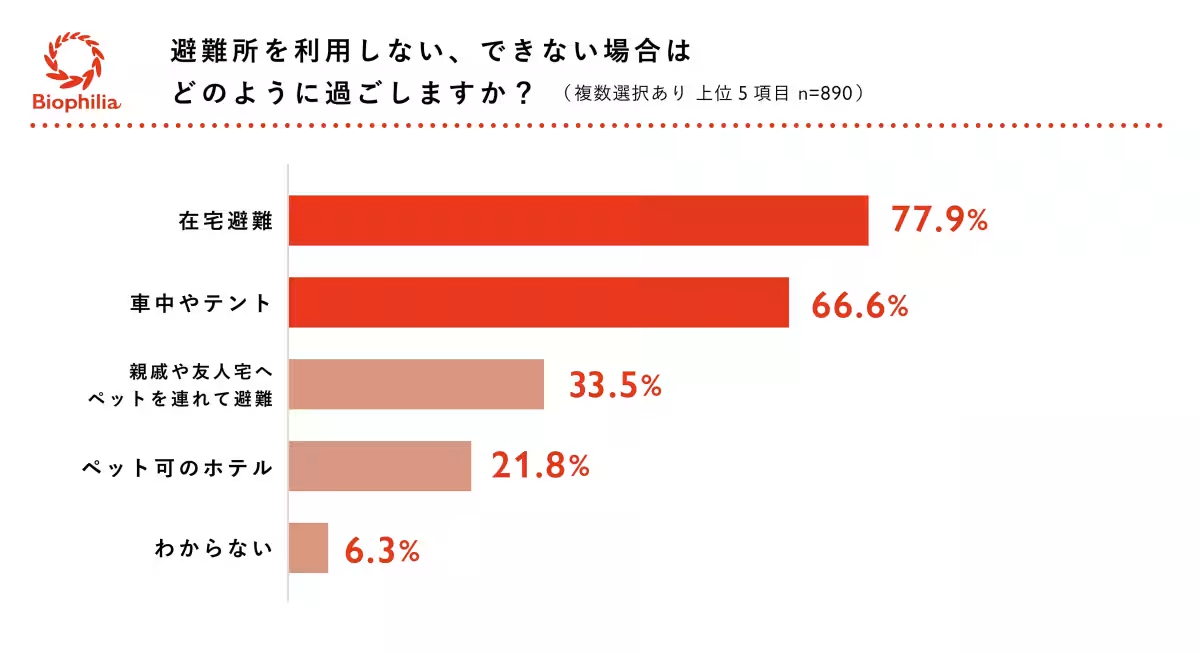
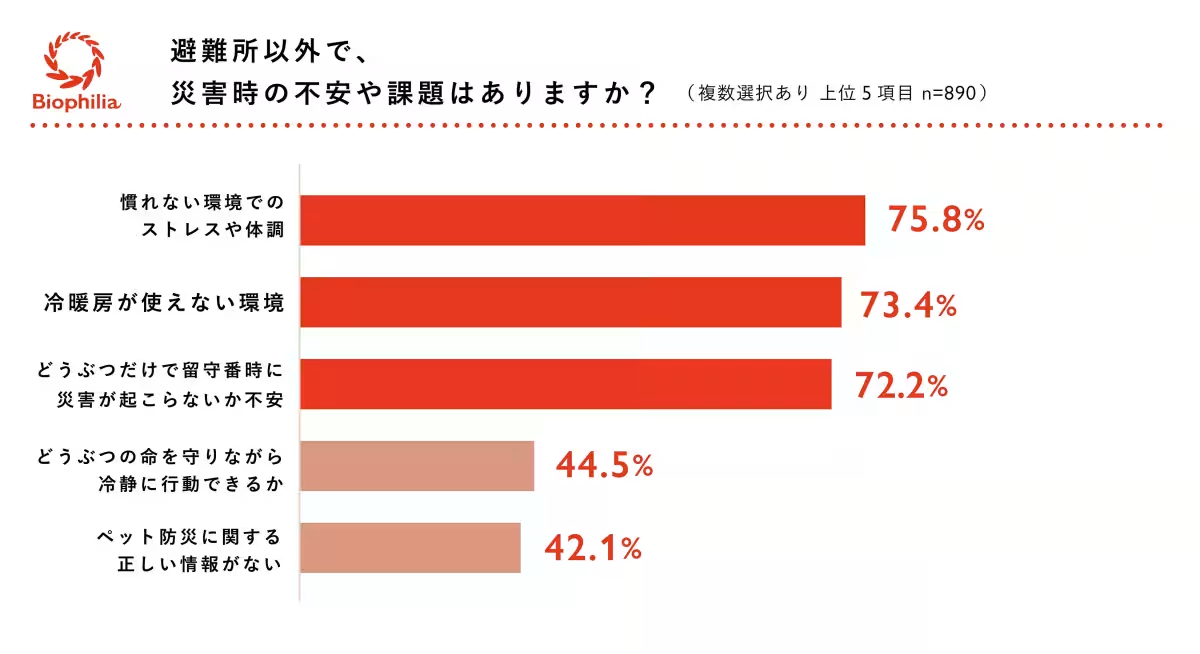
Anxiety is another considerable concern among pet owners. Those surveyed noted significant stress on their pets during emergencies, with 77.9% planning to shelter in place during a disaster, and 66.6% considering evacuating to their vehicles or tents. The most frequently cited worries included:
1. Stress or health issues arising from changes in environment.
2. The absence of heating or cooling during an emergency.
3. Fears of leaving their pets unattended during a disaster.
Preventing Stress in Pets
Veterinary experts suggest preparing both the physical and mental aspects of a pet's well-being in an emergency. Owners are encouraged to engage in regular disaster drills to help their pets adapt better to sudden changes. More so, tranquil environments can be fostered through:
- - Regular exercise and mental stimulation.
- - Creating a stable diet that provides necessary nutrients and hydration, particularly during evacuations.
- - Ensuring pets are comfortable with travel carriers, which can prevent added anxiety during evacuations.
Biofilia’s Role in Disaster Preparedness
Biofilia Co., Ltd. places a strong emphasis on pet well-being and committed itself to creating a world where every pet is respected and loved, regardless of circumstances. Their brands—CoCo Gourmet for dogs and Miao Gourmet for cats—offer high-quality fresh pet foods designed to be tailored for health and easy access in times of crisis.
These pet food options remain nutritious, packed with the essential elements that maintain good health during stressful times. Additionally, products like ‘nyatch’ blend easily into a pet's diet while helping manage stress. These tailored approaches aim not only to provide sustenance but also to ensure that emotional and psychological needs are met during tough times.
Conclusion
In conclusion, it is imperative for pet owners to enhance their knowledge and take proactive steps to prepare both themselves and their pets for emergencies. Strategies aimed at awareness-raising and education can significantly impact the effectiveness of pet evacuations, ultimately leading to safer outcomes. The insights gathered from Biofilia’s survey underscore the reality of the pet ownership experience during disasters and serve as a call for the community and authorities to prioritize pet-inclusive emergency measures.


Topics People & Culture)


【About Using Articles】
You can freely use the title and article content by linking to the page where the article is posted.
※ Images cannot be used.
【About Links】
Links are free to use.