



Parents of Infants with Hemangiomas Regret Delaying Treatment Despite High Success Rates
Introduction
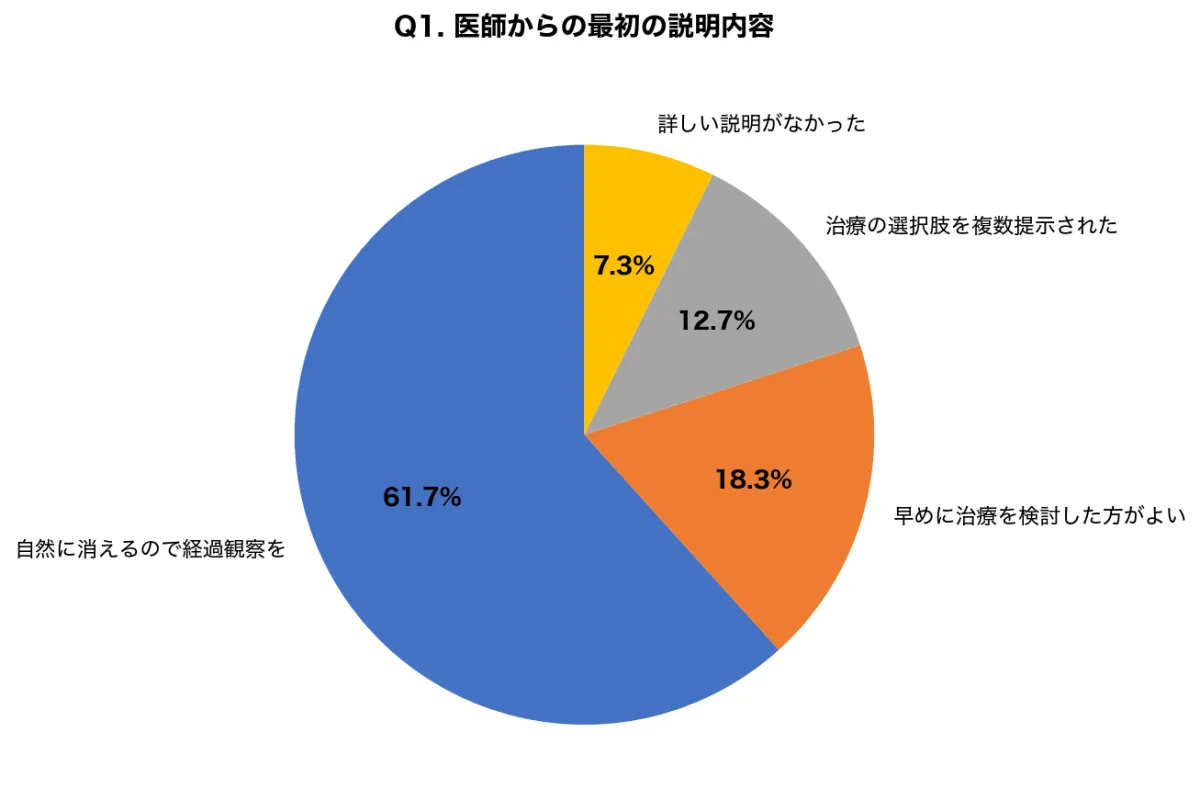
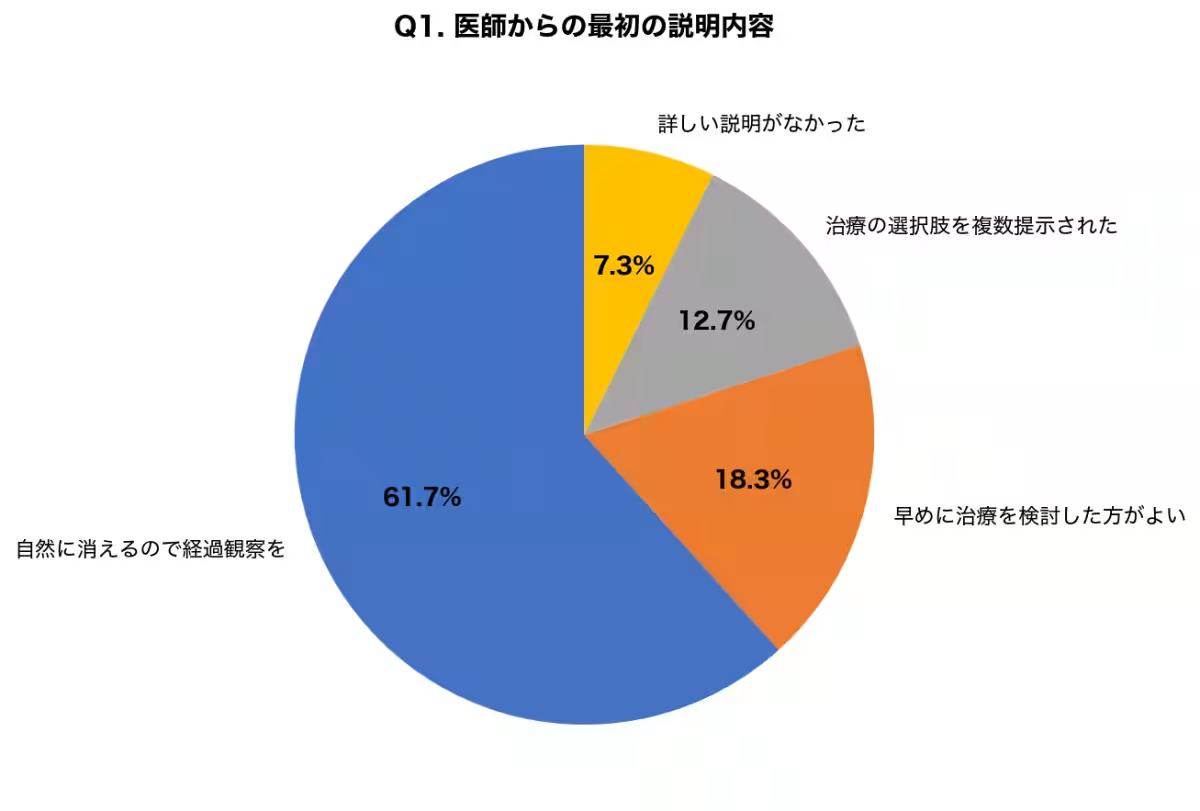
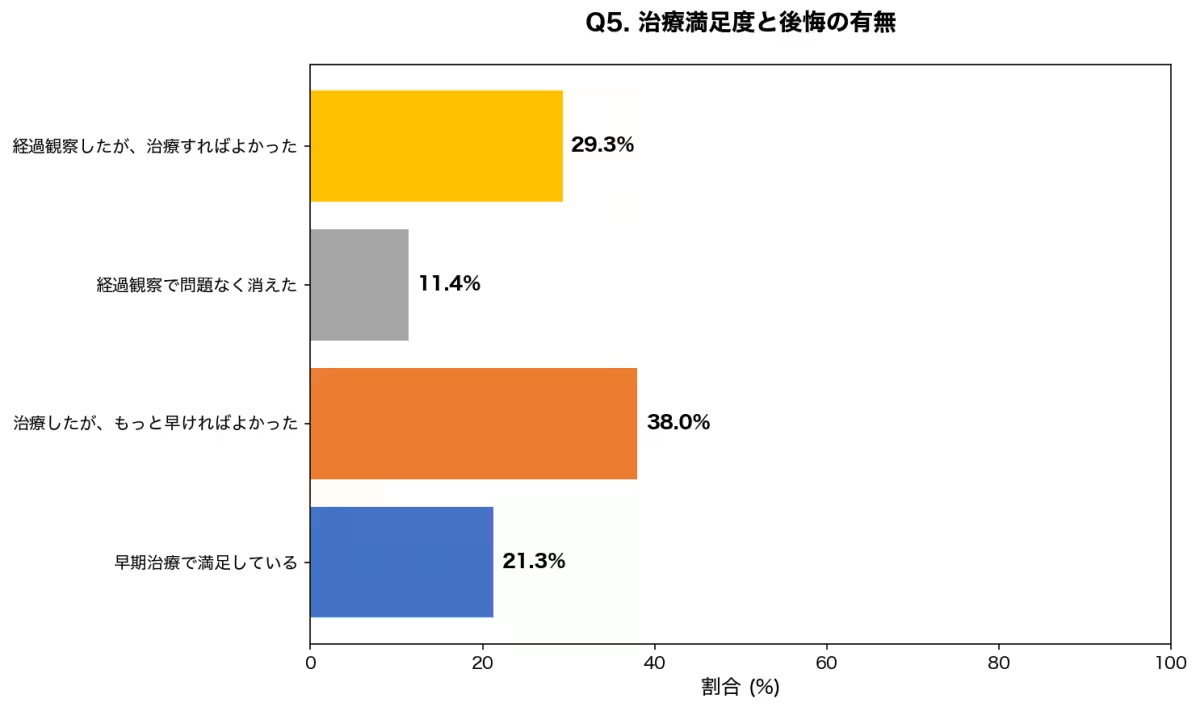
Infantile hemangiomas, commonly known as strawberry marks, are benign vascular tumors that appear in about 4-5% of infants. While many parents are reassured that these marks will naturally regress, a recent survey revealed that a significant 67% of parents expressed regret over delaying treatment for their child's hemangioma. The survey, conducted by the IC Clinic, highlights the importance of early intervention and the risks associated with solely waiting for natural regression.
Survey Findings
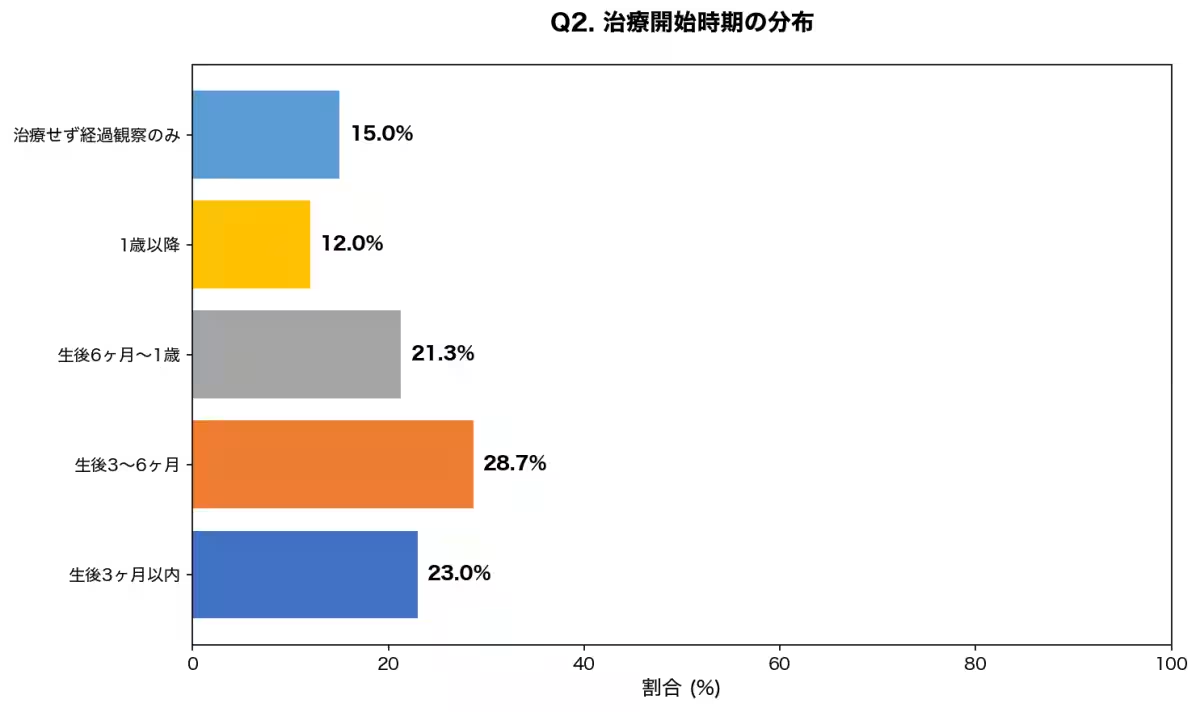
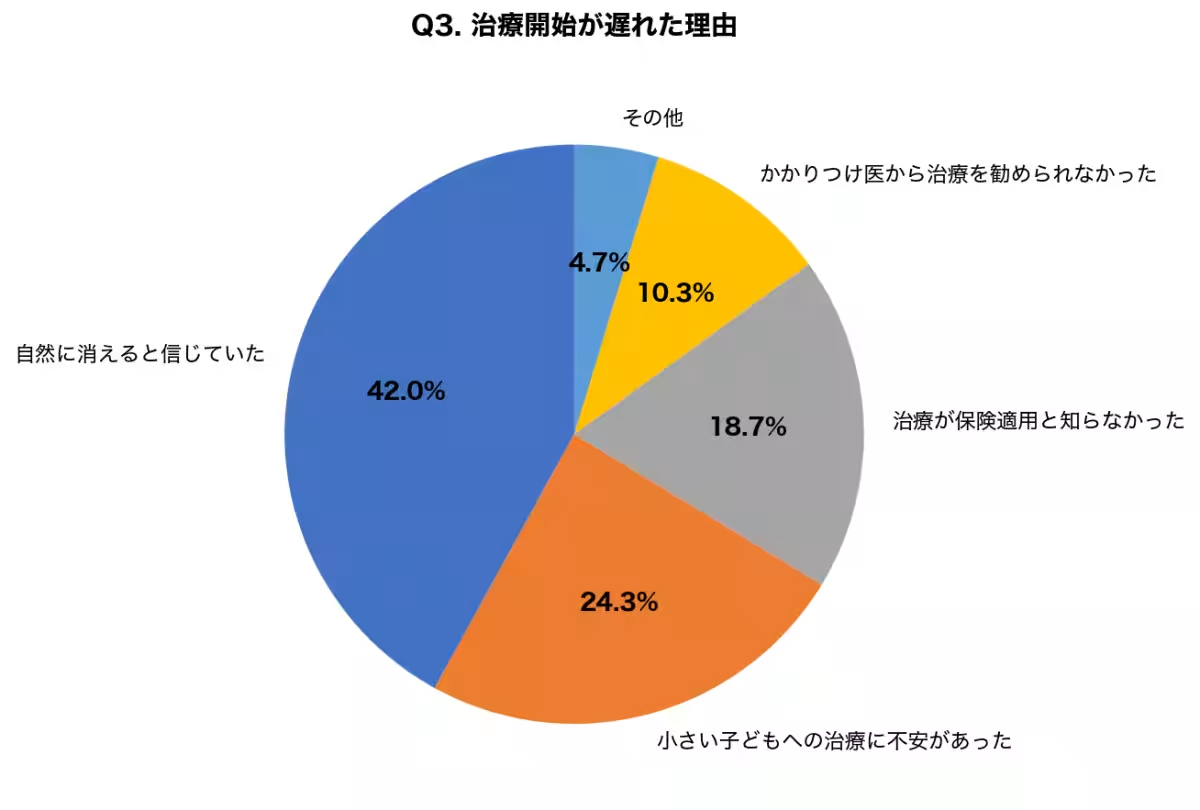
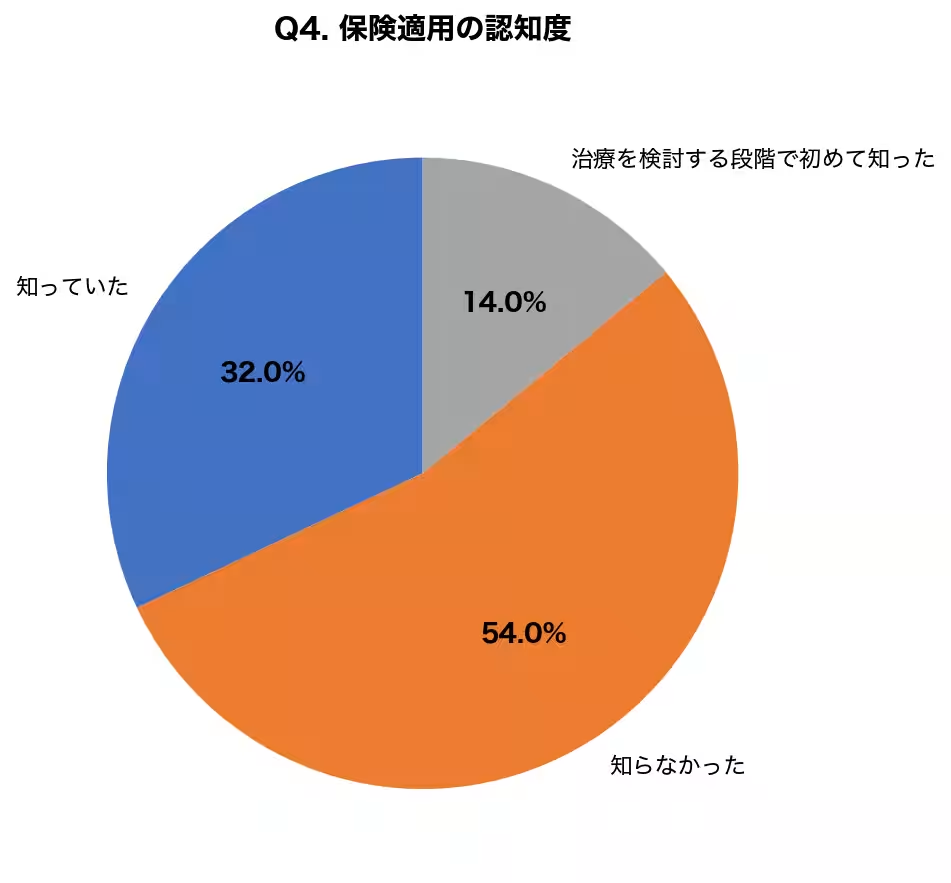
The survey aimed to assess parental attitudes regarding the timing of treatment and awareness of insurance coverage. Notably, more than 54% of parents were unaware that treatment for infantile hemangiomas falls under insurance coverage, which leads to critical delays in care. In fact, only 23% of parents commenced treatment within the recommended period of three months after birth, which correlates with an impressive 85.7% improvement rate. In contrast, when treatment is started after six months, the success rate drops significantly to 62.4%.
Key Statistics
- - 67.3% of parents who experienced infantile hemangiomas regretted not starting treatment sooner.
- - Parents who were informed about treatment options early on had a significantly higher satisfaction level (21.3%) compared to those who felt they were only given the option to wait.
- - The survey indicates a stark gap between the potential for successful treatment and the realities many parents face.
Understanding Infantile Hemangiomas
Infantile hemangiomas typically go through three stages: proliferation (growth), involution (natural regression), and rest (stabilization). The proliferation phase occurs within the first few months of life and is critical for treatment. Propranolol, a beta-blocker, has emerged as a primary treatment option since it was included in health insurance coverage in Japan in 2016. It is most effective when administered during the proliferation phase, where it can greatly reduce the tumor's size and prevent associated complications.
Treatment Options
1. Propranolol Oral Therapy: This first-choice treatment method shows improvement rates of 80-90%, especially when initiated between the fifth week and fifth month of life.
2. Pulsed Dye Laser Treatment: Effective for superficial cases, this treatment can reduce hemangiomas when applied periodically. However, it is more costly (around ¥5,000-¥10,000 per session) and is also covered by insurance.
3. Observation: This option is reserved for minor hemangiomas, which may not require immediate intervention. However, this pathway has a lower success rate of only 60% and poses significant risks of scarring and other complications.
Risks of Delaying Treatment
The study points out substantial risks associated with the non-treatment or delay in treatment of infantile hemangiomas. These include:
- - A 40% chance of residual scarring or skin laxity, especially if treatment does not occur during the critical growth phase.
- - Potential functional impairments if the hemangiomas are located in sensitive areas such as the eyelids or mouth.
- - Increased risk of infections for ulcerating lesions.
- - Missed early treatment opportunities may lead to more invasive later interventions.
Conclusion
Parents are often led to believe that infantile hemangiomas will disappear naturally; yet, this belief can lead to costly regrets turned into reality. With an impressive rate of improvement achievable through early treatment options covered by health insurance, awareness is key. Those with infants displaying these marks should proactively seek medical advice to understand the best course of action for their child's health.
Medical Commentary
Dr. Kouta Takakuwa, a dermatologist at IC Clinic, emphasizes the critical nature of timely intervention. "Understanding that not all hemangiomas will regress perfectly is vital for parents. Early treatment can significantly mitigate long-term scarring and functional issues, particularly in infants with hemangiomas on the face. Our emphasis is on accurate diagnosis and timely therapy to ensure the best outcomes for our patients."
- ---
Topics Health)
【About Using Articles】
You can freely use the title and article content by linking to the page where the article is posted.
※ Images cannot be used.
【About Links】
Links are free to use.