



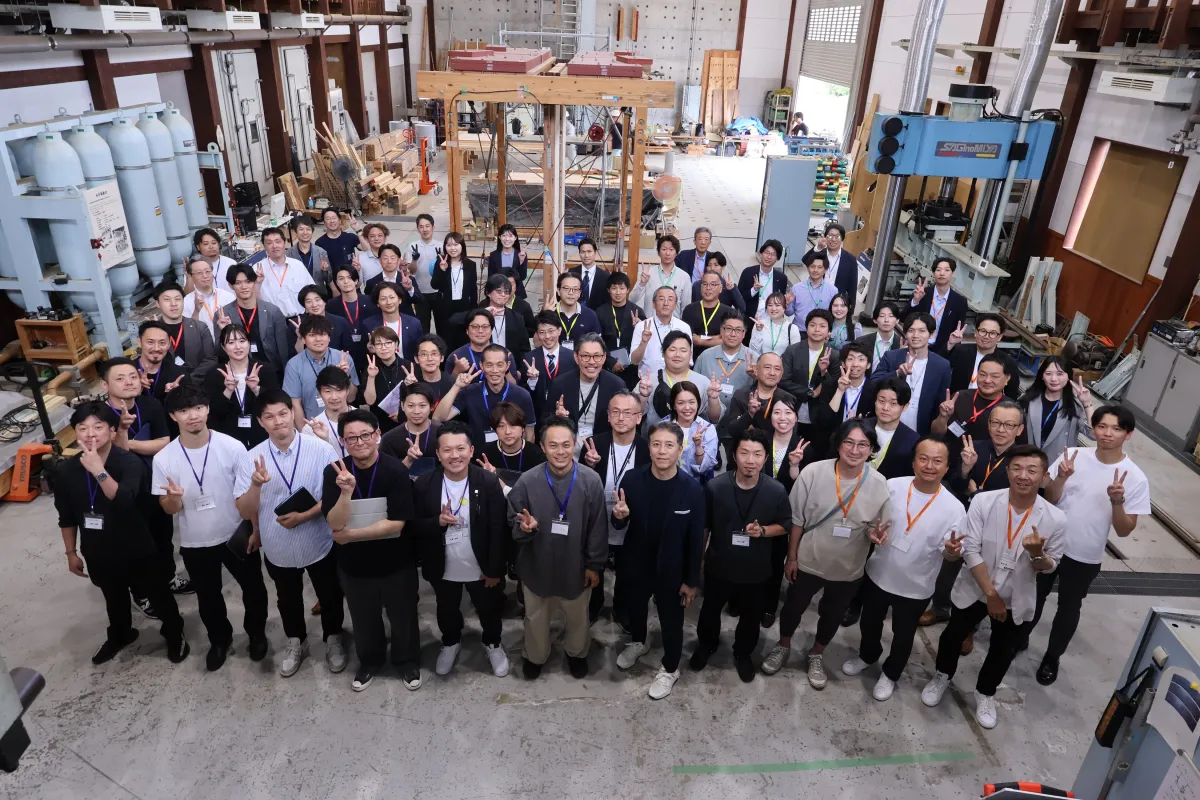
Evoltz's Innovative Seismic Isolation Device Tested in Open Experiment for Wooden Homes
Open Experiment for Seismic Isolation of Wooden Homes
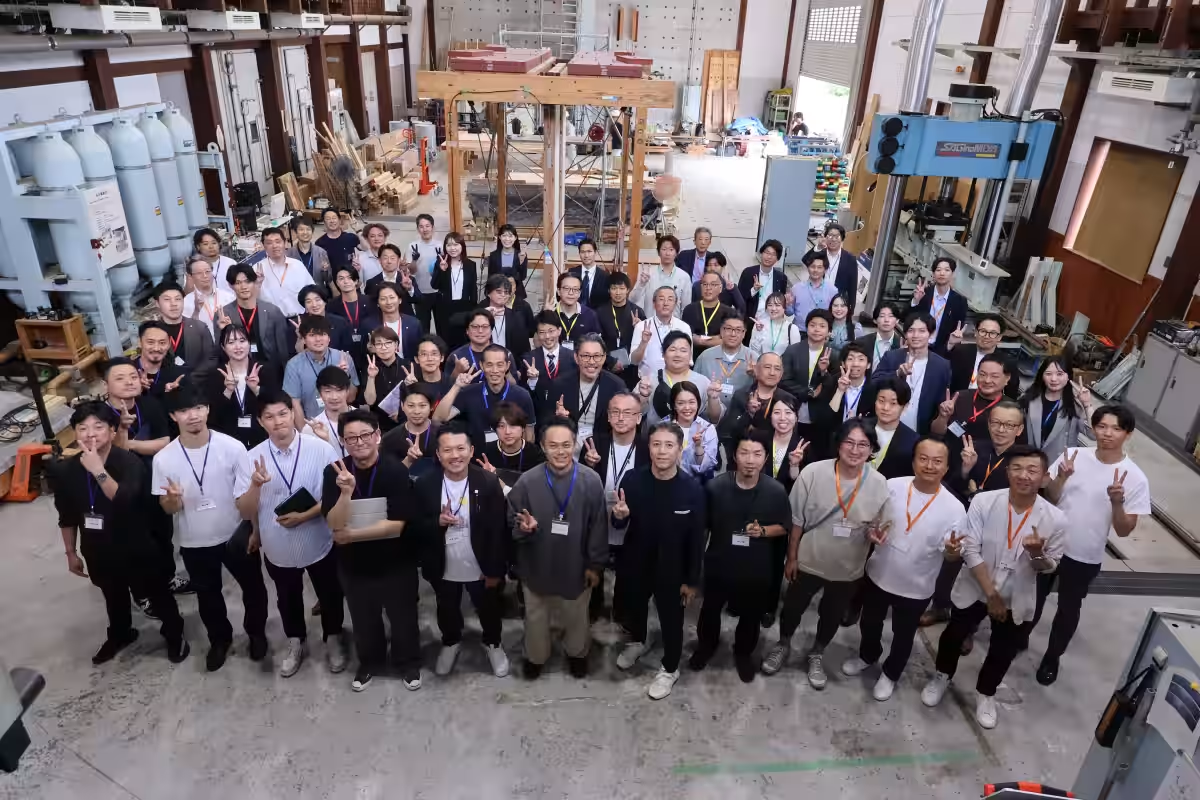
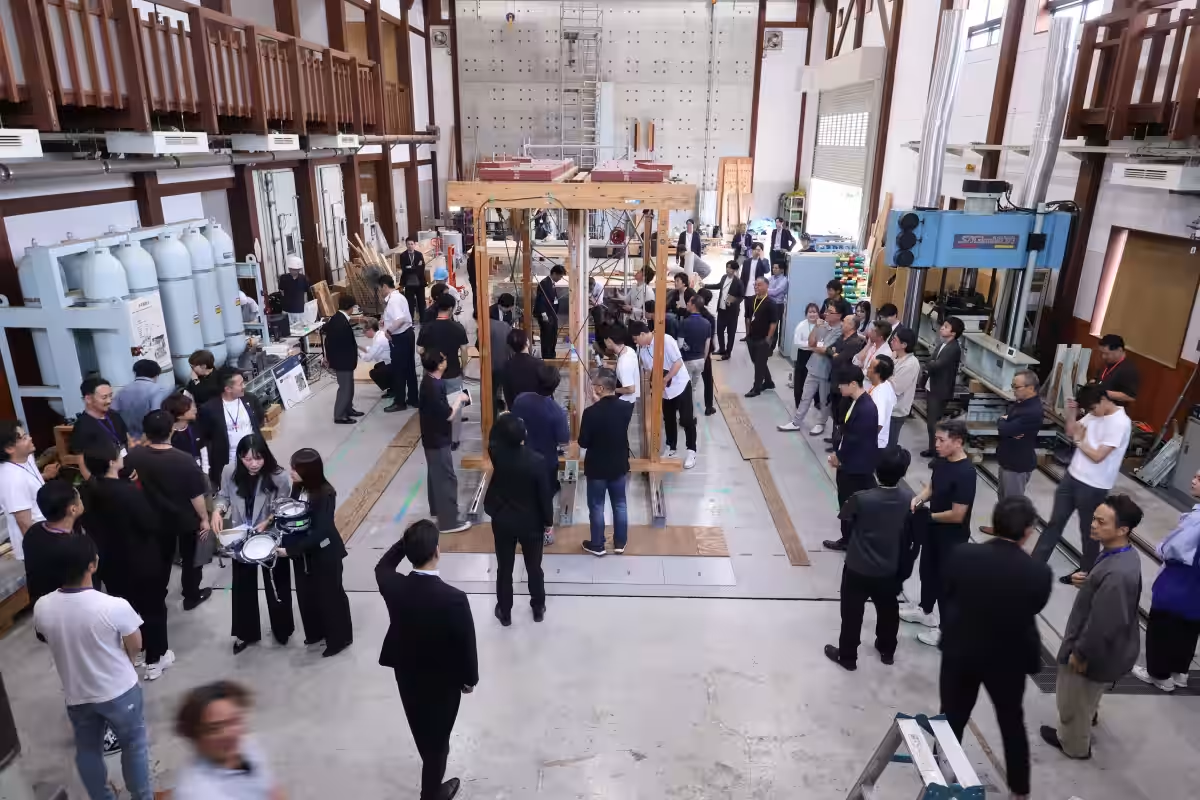
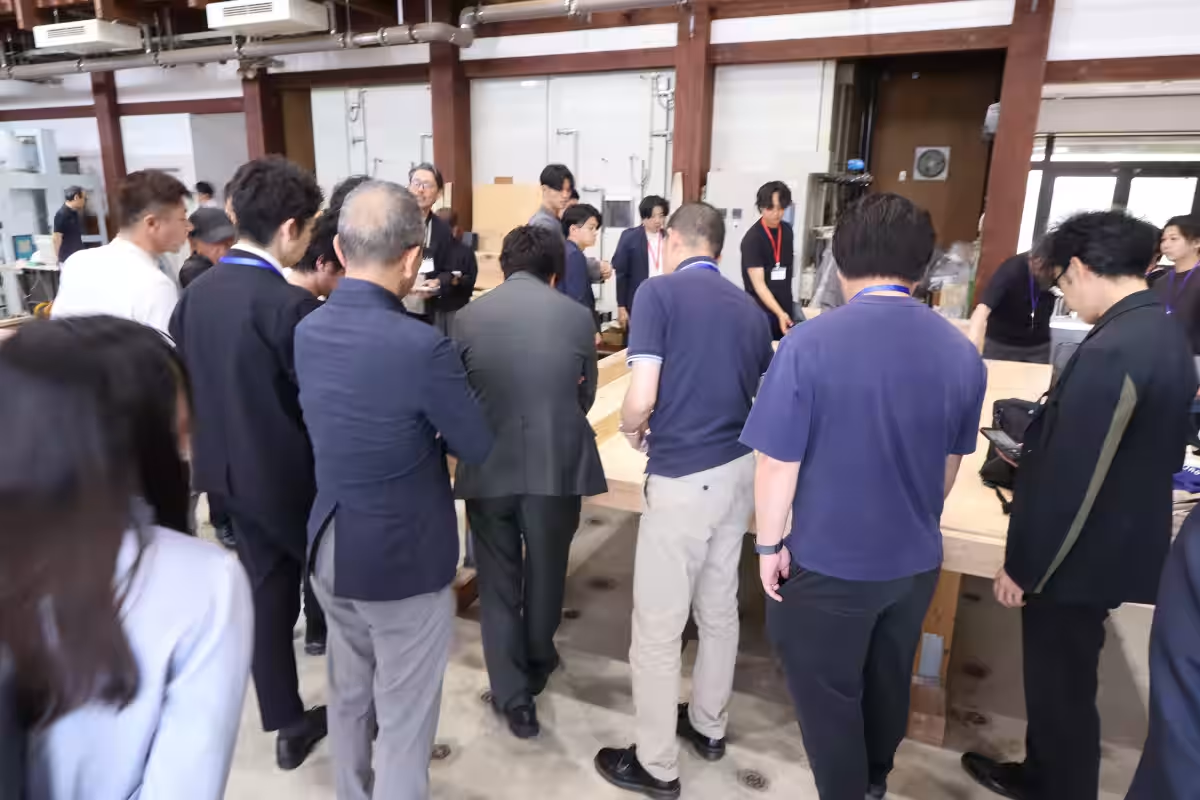
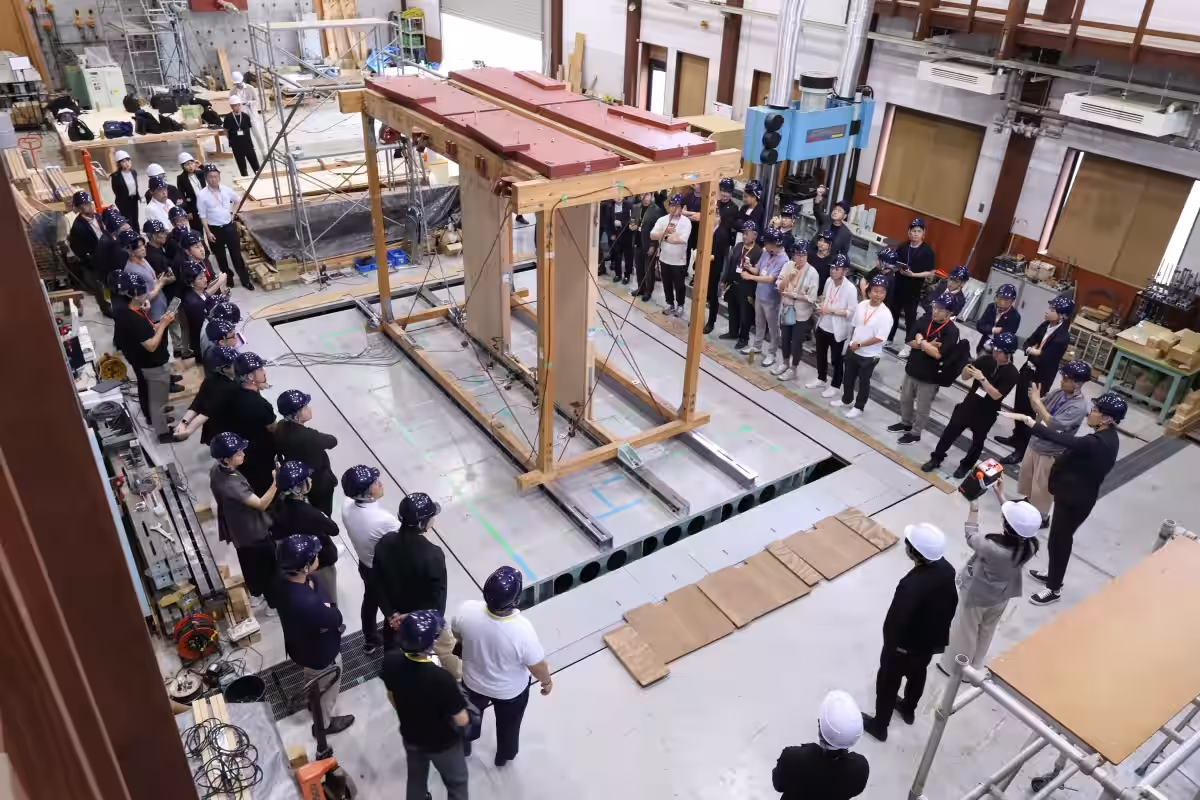
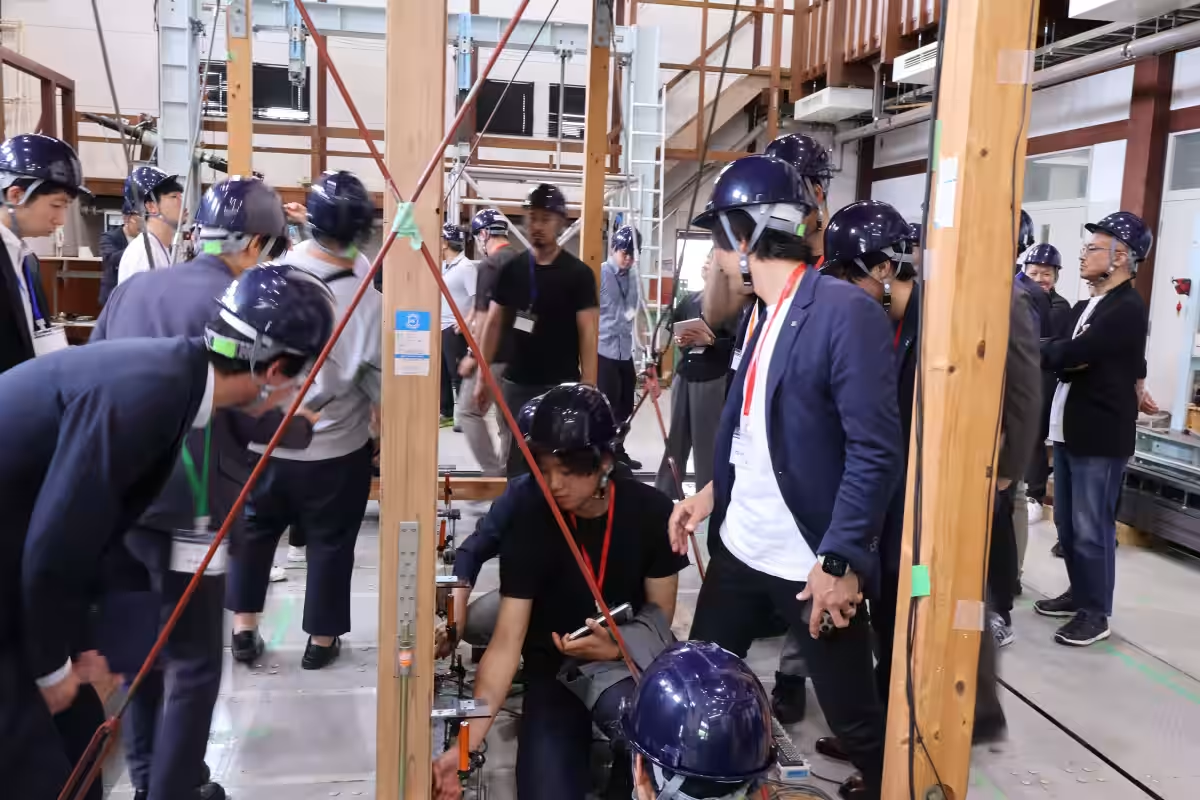
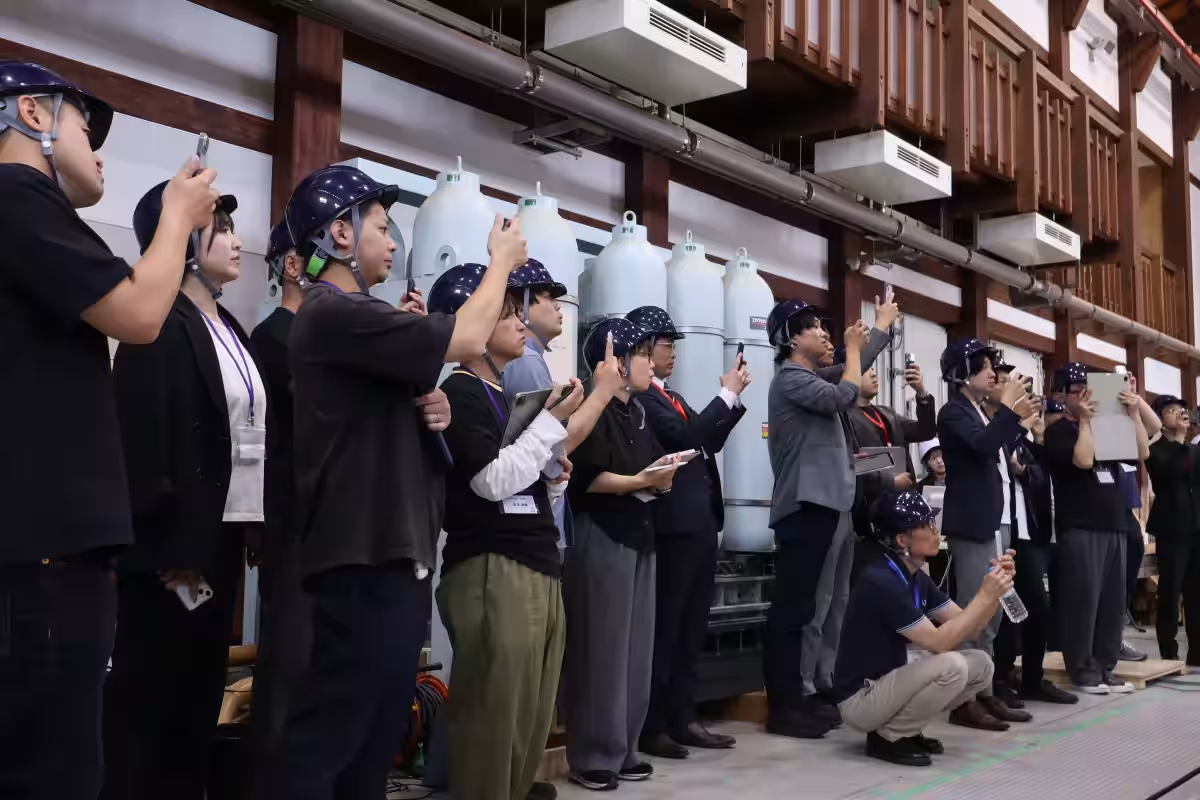
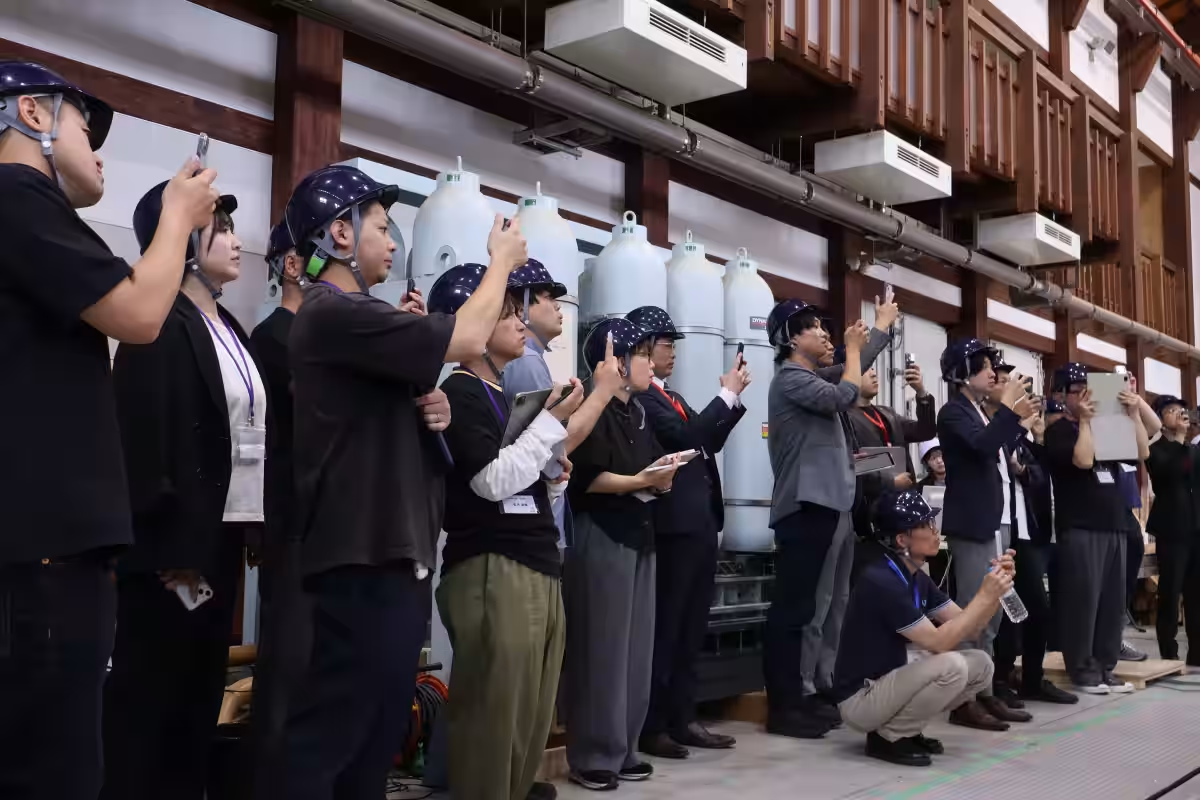
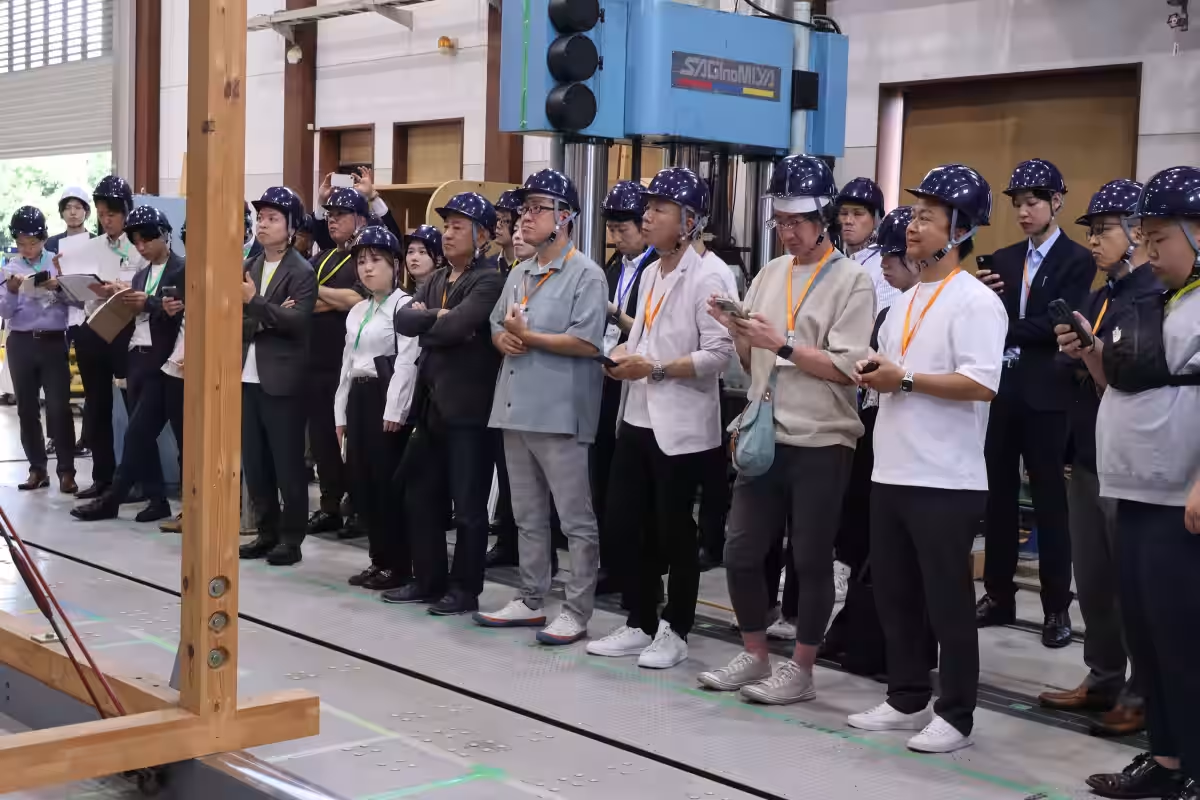
The Japanese company Evoltz, based in Hamamatsu, Shizuoka Prefecture, recently conducted a public experiment to validate their seismic isolation device, "Evoltz," aimed at wooden residential structures. The event took place over two days on May 27 and 28, 2026, at a testing facility in Toyama Prefecture. Numerous housing contractors and architectural firms participated in the experiment, reflecting a growing interest in seismic safety measures amid rising concerns regarding frequent and severe earthquakes in Japan.
Background and Objectives of the Experiment
In recent years, significant seismic events, such as the Kumamoto Earthquake and the Noto Peninsula Earthquake of 2024, demonstrated the vulnerability of wooden structures to repetitive and intense shaking. Even buildings classified as having a seismic resistance grade of 3 can accumulate damage through repeated high-magnitude tremors, compromising their structural integrity. This experiment focused on exploring how to maintain the seismic performance of grade 3 buildings under continuous stress, utilizing actual seismic waves recorded during significant earthquakes to compare the damage and durability of structures equipped with and without the Evoltz device.
Experiment Overview
Two wooden residential structures were tested under different conditions:
1. Structure A (Seismic Grade 3): This model followed the seismic specifications for grade 3 without any additional devices.
2. Structure B (Seismic Grade 3 + Evoltz Device): This model included the Evoltz seismic isolation device along with the grade 3 specifications.
The testing involved simulating seismic waves anticipated from the Noto Peninsula Earthquake, alternating between inputs of strong (BSL45) and extreme (BSL91) seismic conditions to observe each structure's responses and measurements related to interlayer deformation angles.
Experiment Results: Superior Durability and Deformation Control
The results were clear: there was a significant difference in the durability of the two structures based on the presence of the Evoltz device.
- - Structure A experienced serious deformation as it reached its critical safety limits after just a few tremors, prompting an early termination of testing due to the potential risk of collapse.
- - In contrast, Structure B, equipped with the Evoltz device, showed a remarkable ability to mitigate deformation, maintaining a deformation angle significantly below the safety threshold even after multiple rigorous trials.
Data Comparison of Deformation Angles:
- - After 4th Application (Magnitude 6-7 Simulation):
- Structure B: Deformation of 36mm (1/77 rad) ✅ Significantly less deformation.
- - After 8th Application (Magnitude 6-7 Simulation):
The examination of the structures post-experiment further illustrated the performance differences; while Structure A showed visible damages like nail hole expansions and ruptures, Structure B exhibited minimal deformation, substantiating the Evoltz device's protective capabilities.
Expert Commentary by Mr. Sato from M's Structural Design
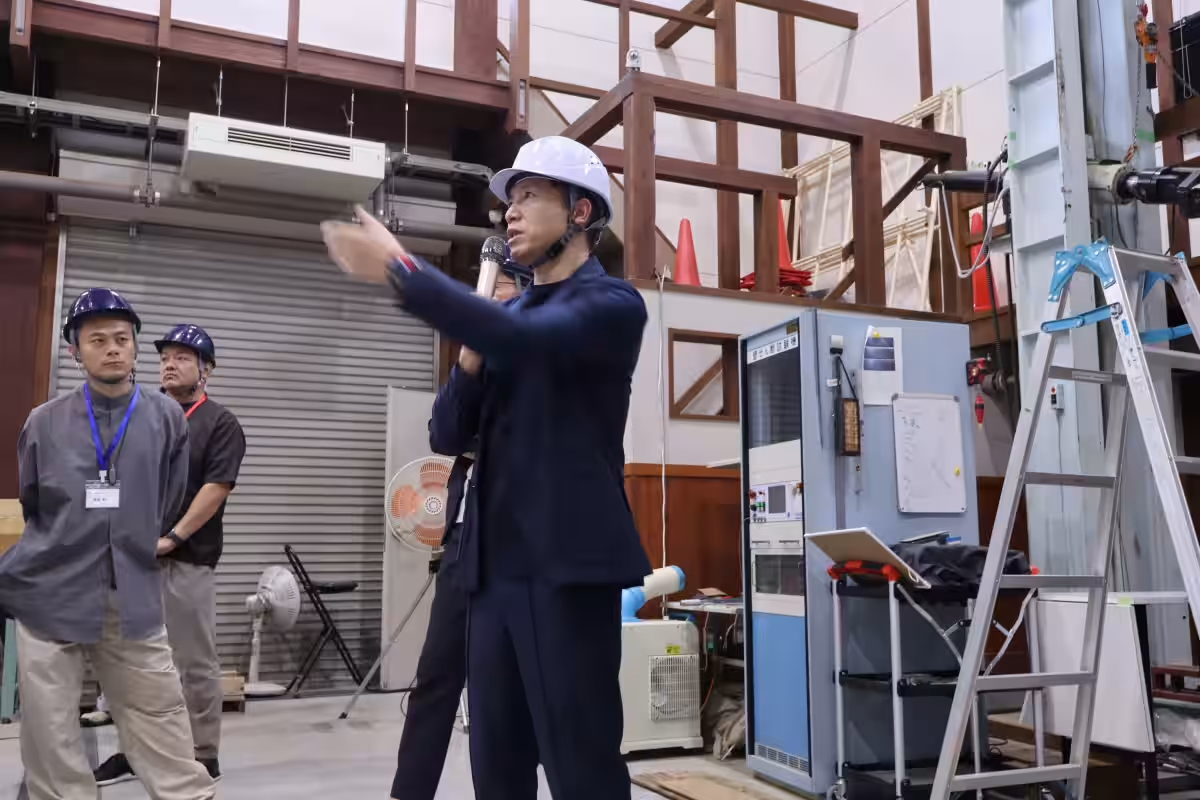
The experiment included insights from Mr. Sato, the head of M's Structural Design and a notable expert in the field. His commentary emphasized the paramount importance of designing buildings with a solid groundwork of seismic resistance before even considering devices like Evoltz. The key takeaway is that while the device enhances durability, it is crucial that structures are designed to meet stringent seismic standards initially. The incorporation of the Evoltz early in the design phase enhances the protective features against repeated seismic activities, safeguarding lives and properties.
What is the Evoltz Device?
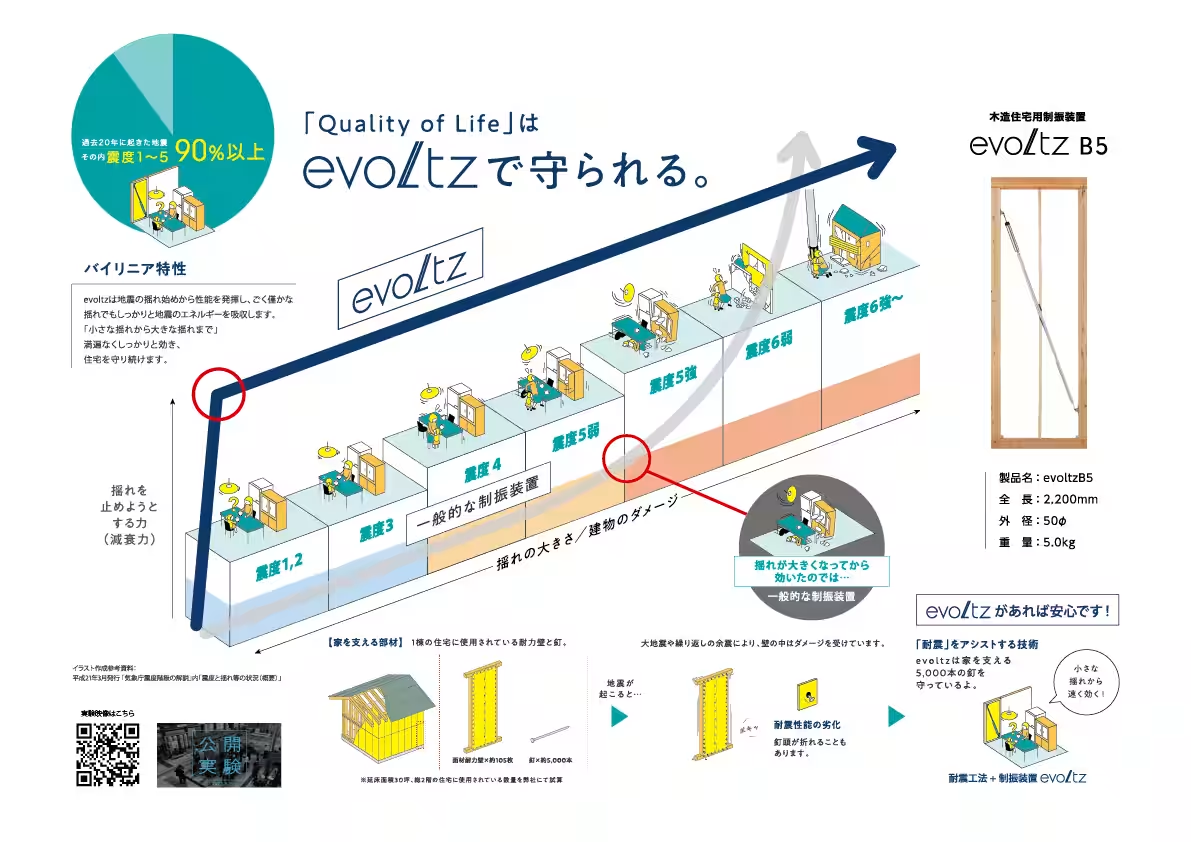
The Evoltz seismic isolation device employs advanced technology adapted from automotive shock absorbers, designed to respond to both minor vibrations and catastrophic seismic events alike. Unlike conventional devices that react only after substantial deformation occurs, Evoltz is a speed-dependent model, providing immediate responsiveness even to initial tremors, thus maximizing protective effects. Its patented design aligns perfectly with buildings rated for seismic grade 3, ensuring reliability and robust quality to protect residences from the threats posed by continuous seismic activity.
Company Overview
Company Name: Evoltz Inc.
CEO: Yukihisa Atsumi
Date Founded: October 4, 2022
Capital: 9,900,000 yen
Business Focus: Planning, development, and sales of seismic isolation devices, structural calculations for wooden buildings, and ancillary support
Headquarters: 3-6 Takakiyoshi Nishi 2-chome, Hamamatsu, Shizuoka, Japan
Visit Our Website
For inquiries about the experiment or products:
Phone: 053-522-7766
Contact Form

Topics Other)
【About Using Articles】
You can freely use the title and article content by linking to the page where the article is posted.
※ Images cannot be used.
【About Links】
Links are free to use.