



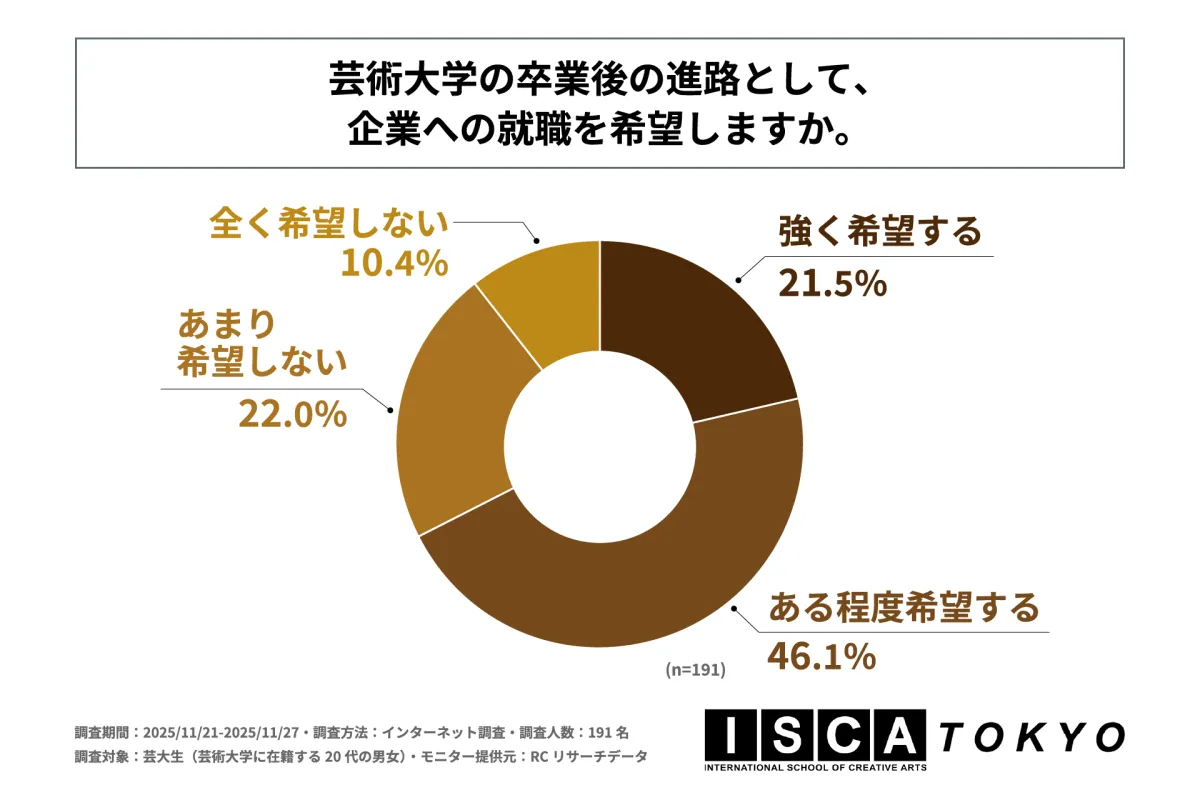
More than 70% of Art Students Prefer Corporate Employment After Graduation
Introduction
A growing number of students at art universities are reevaluating their career aspirations in light of recent societal changes. According to a recent survey conducted by Fuyo Educations, nearly 70% of art students, or 'geidai-sei', expressed a desire to pursue employment with corporations after graduation. This demographic shift highlights a trend where students are keen to integrate both their creative pursuits and stable careers in corporate settings.
Background
In recent years, evolving work styles and economic uncertainty have inspired a change in the perspectives of students entering the arts. Whereas previously, many aspired solely to live off their creative work, a significant portion now sees the advantages of securing a steady income through corporate employment while still actively engaging in their creative endeavors. Despite the abundance of research on general employment strategies, the unique circumstances and career aspirations of art university graduates have not been comprehensively studied until now. Thus, the ISCA TOKYO initiative set out to investigate these nuanced aspects of ‘geidai-sei’ career intentions.
Survey Overview
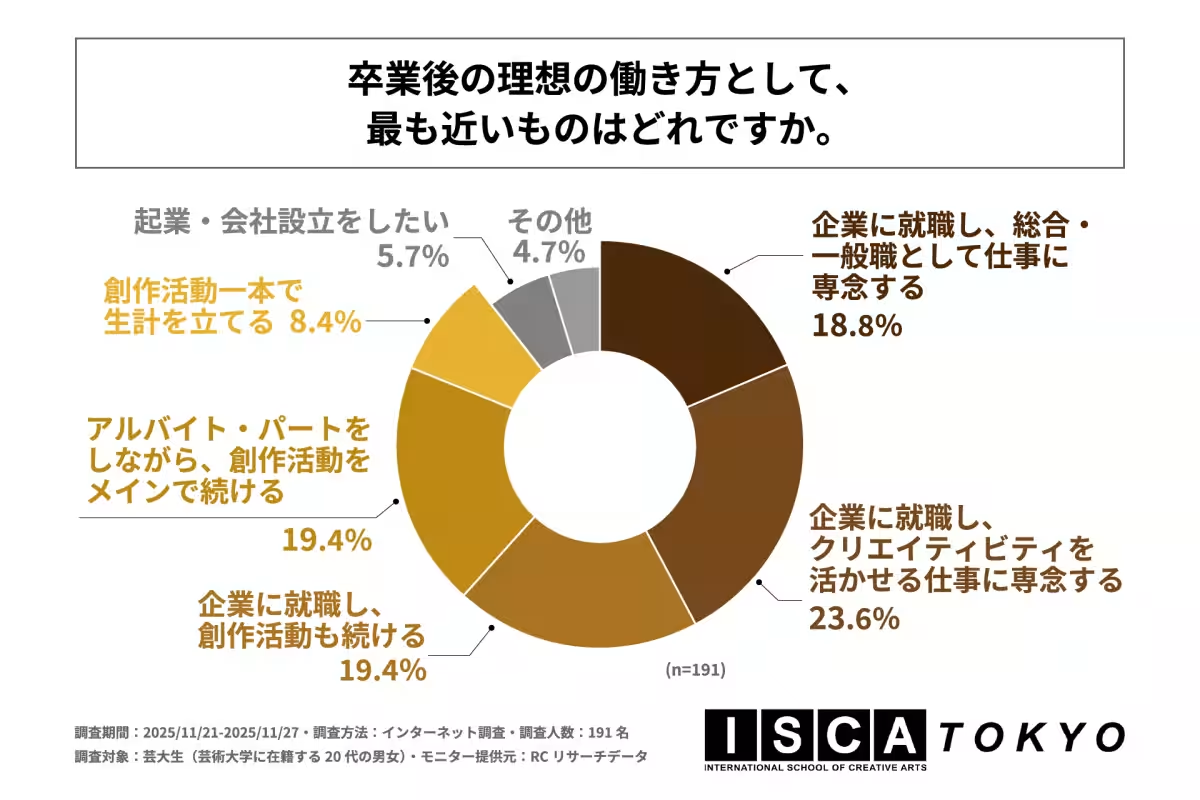
Conducted between November 21 and November 27, 2025, the survey engaged 191 participants from various art universities in Tokyo. It aimed to explore their inclinations regarding career paths, as well as the challenges they encounter while ensuring a balance between creativity and financial stability. The findings uncovered several noteworthy trends:
- - Almost 70% expressed a preference for corporate employment post-graduation.
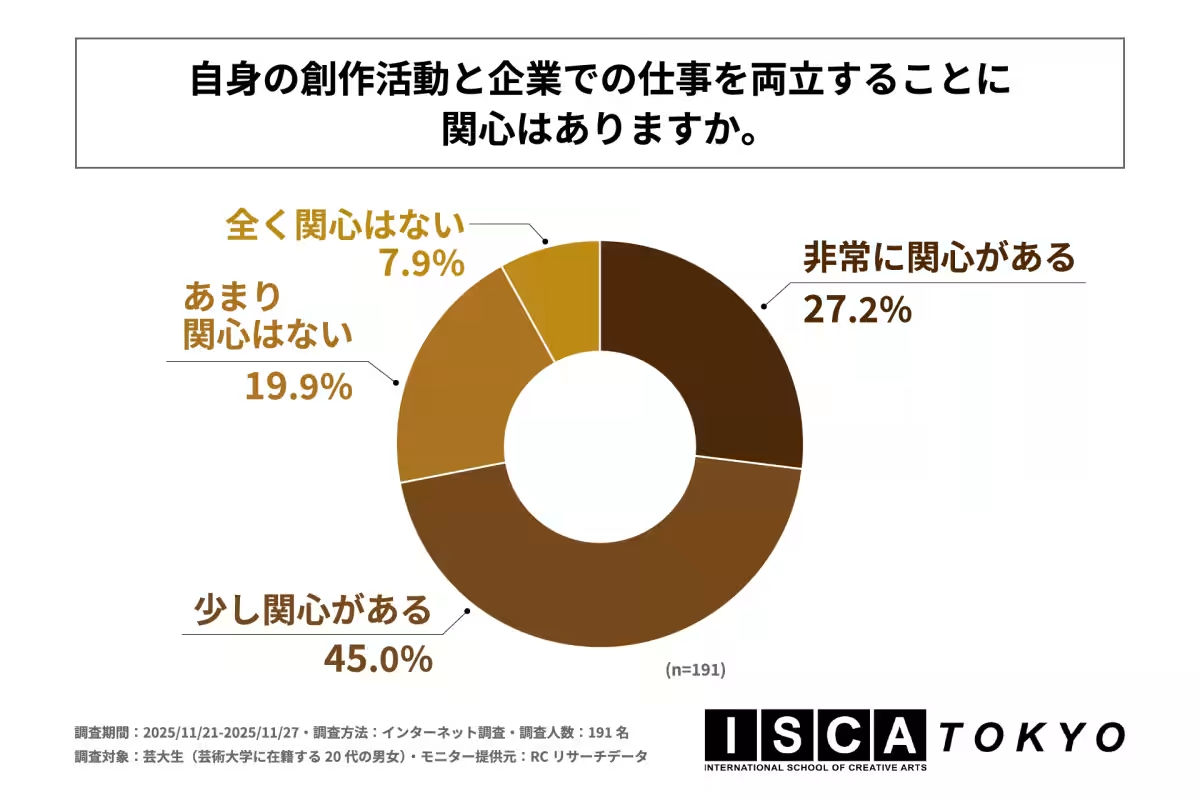
- - Over 70% showed interest in balancing personal artistic activities with corporate jobs.
- - More than 40% indicated a desire to work in artistic domains while being employed by corporations.
Driving Forces Behind Corporate Employment
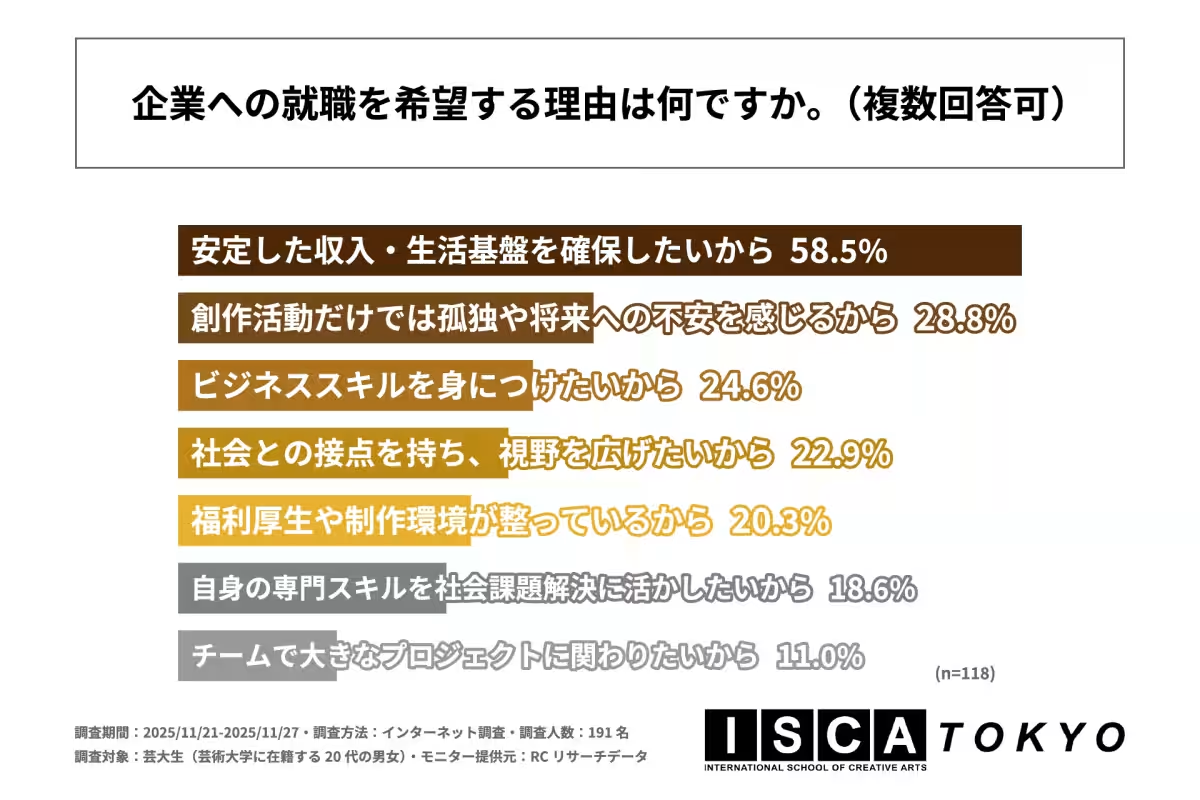
Among the responses, the primary reason for seeking corporate employment was the need for a stable income and a secure lifestyle, with 58.5% citing this as their main motivation. Additionally, 28.8% expressed a fear of isolation and uncertainty when relying solely on creative work, while 24.6% aimed to acquire valuable business skills through corporate experience.
Factors Influencing Job Market Decisions
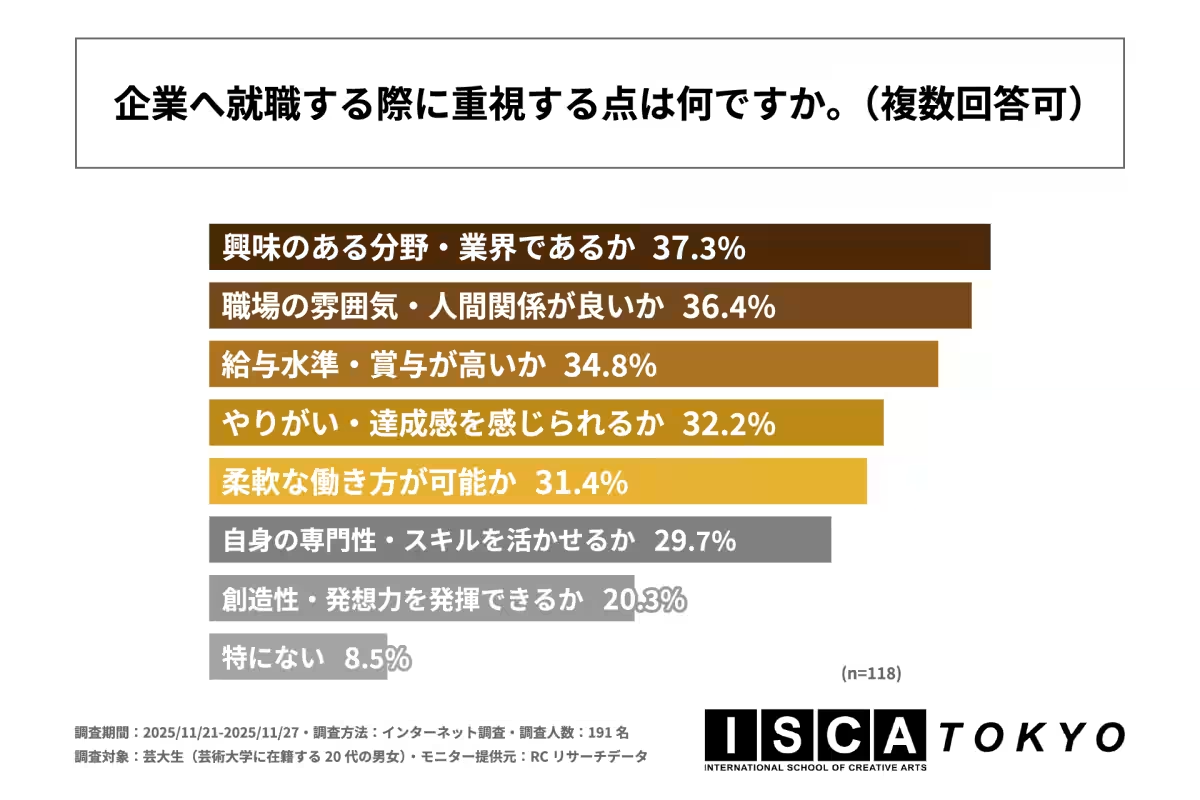
When exploring what factors art students prioritized when considering employment opportunities, the results were revealing:
1. Interest in the specific field or industry (37.3%)
2. Positive workplace atmosphere and good relationships (36.4%)
3. Competitive salary and bonuses (34.8%)
The responses indicated a multifaceted approach to job selection, underscoring that these potential employees are keen on environments that cultivate not just financial security but also personal fulfillment and professional growth.
Concerns About Future Careers
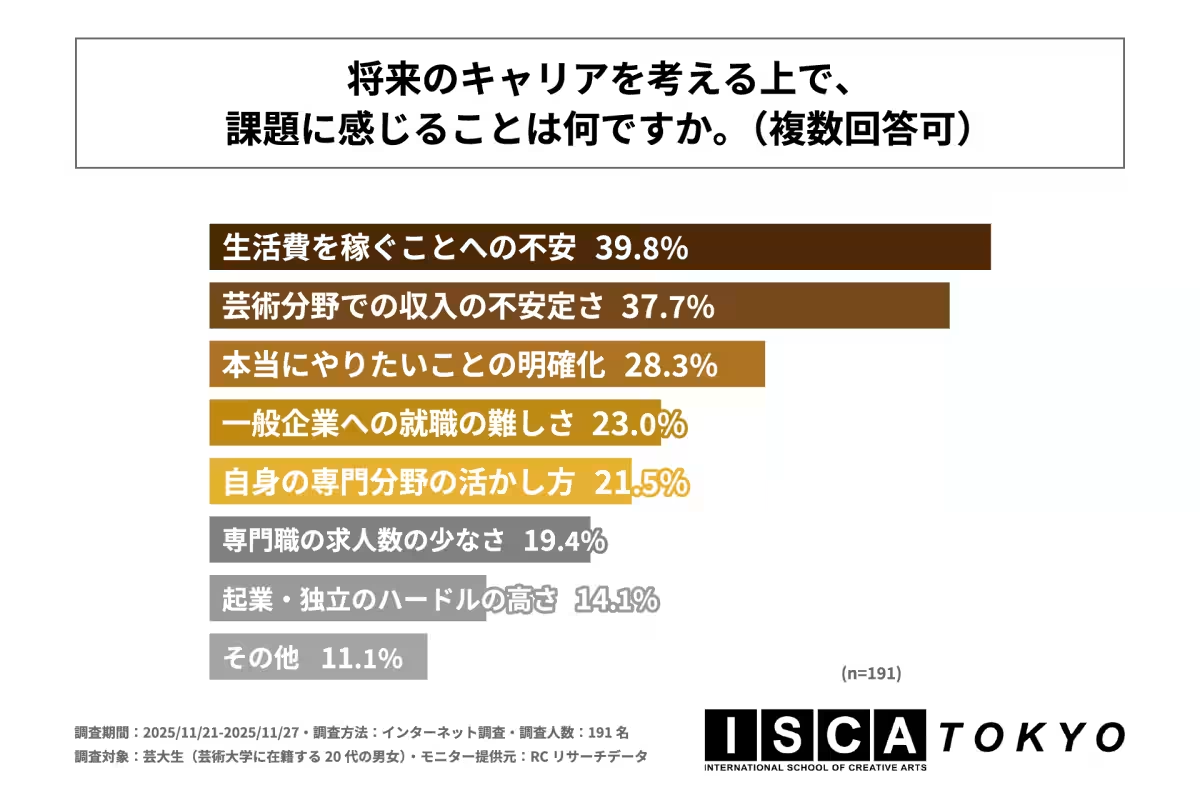
Despite their aspirations, the students voiced significant concerns about their future careers. The prevalent issues include:
1. Anxiety about earning a livable wage (39.8%)
2. Concerns regarding unstable income in the arts (37.7%)
3. Uncertainty about clearly defining their true artistic passions (28.3%)
These findings indicate a clear correlation between financial stability and creative pursuits, reinforcing that students are aware of the challenges they may face in balancing these aspects.
Conclusion
The survey conducted by Fuyo Educations illustrates a paradigm shift among art university students, revealing that nearly 70% aspire to be employed by corporations rather than solely focus on independent artistic careers. This transition highlights an awareness among students of the financial realities often associated with creative professions. The desire to combine artistic passion with corporate stability reflects a broader cultural shift, driven by the pursuit of both creativity and security.
In response to these findings, ISCA TOKYO offers a platform that aids students in building a solid foundation for a successful future in the arts. Through specialized courses and mentorship from leading industry professionals, students can navigate their careers effectively—balancing their artistic aspirations with the stability that corporate employment can provide. This initiative promises to prepare them to thrive in the competitive global landscape of creative arts.

Topics People & Culture)

【About Using Articles】
You can freely use the title and article content by linking to the page where the article is posted.
※ Images cannot be used.
【About Links】
Links are free to use.