



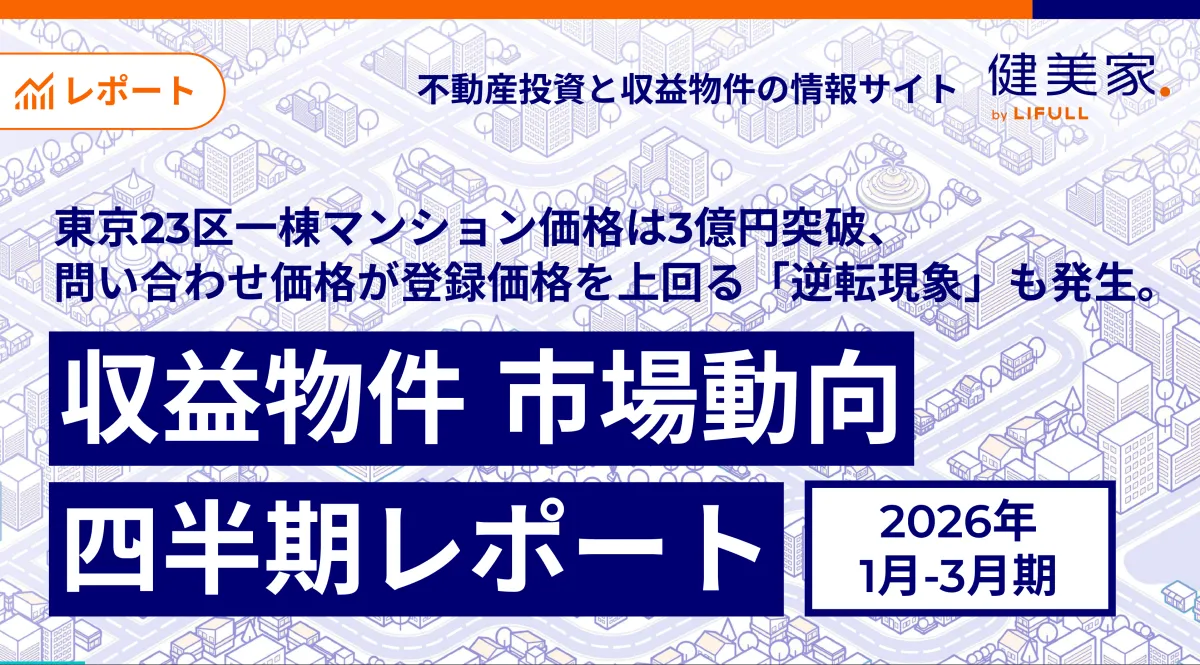
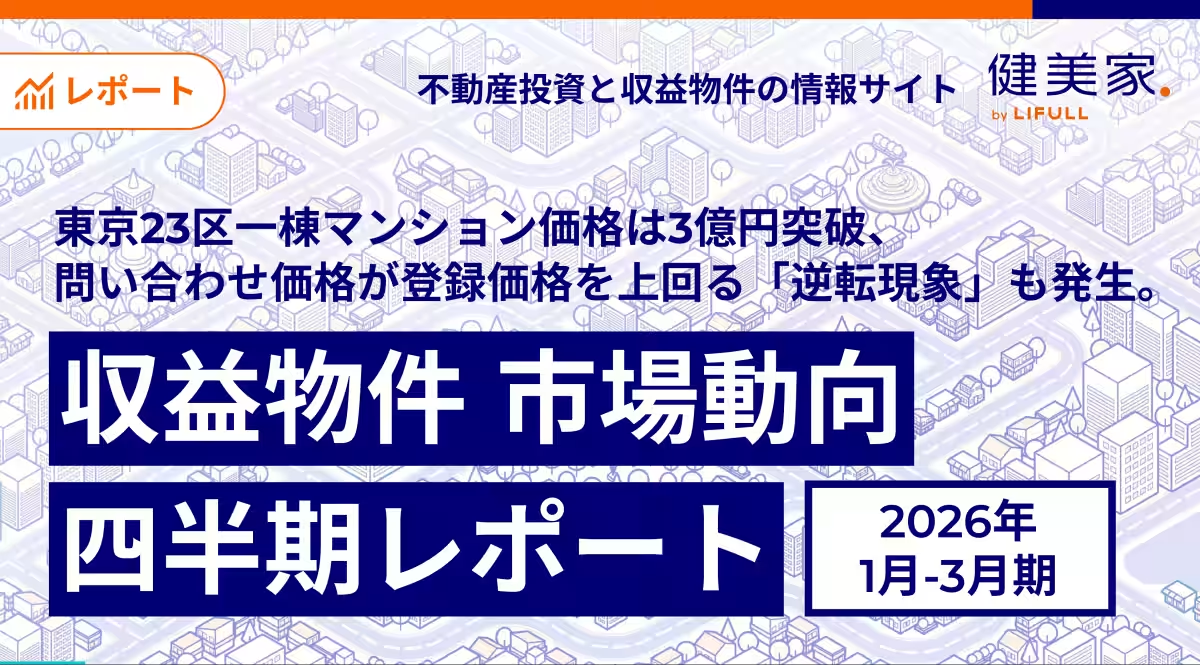
Record High Sales Prices for Residential Investment Properties in Tokyo's 23 Wards
Rising Real Estate Prices in Tokyo's 23 Wards
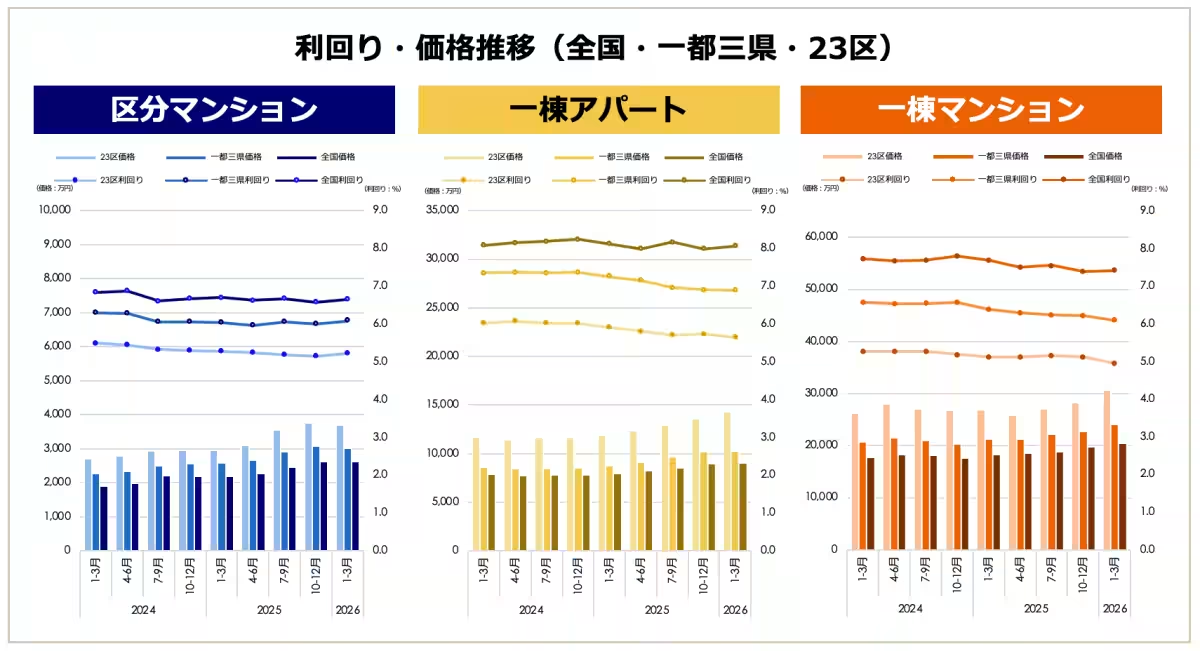
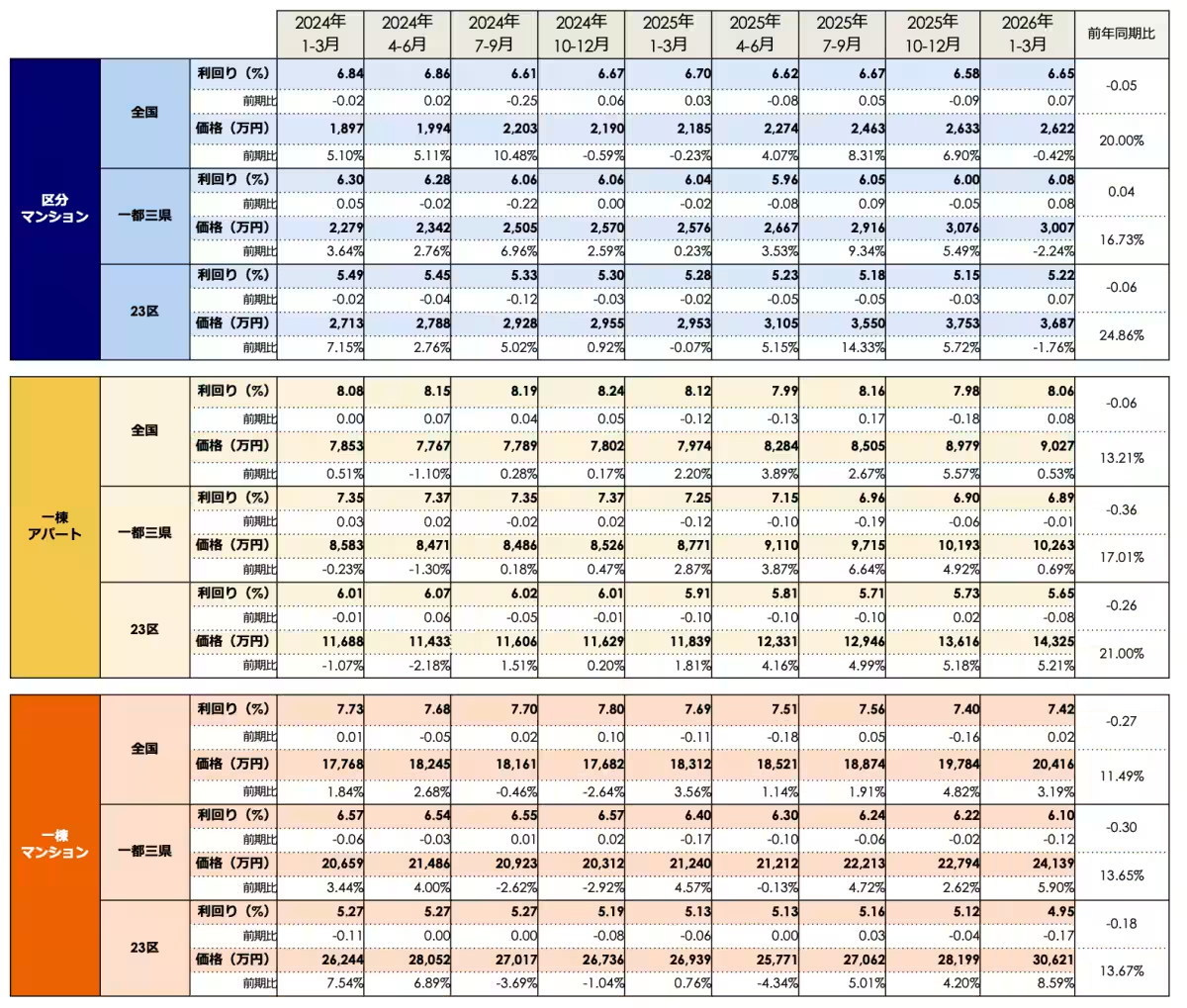
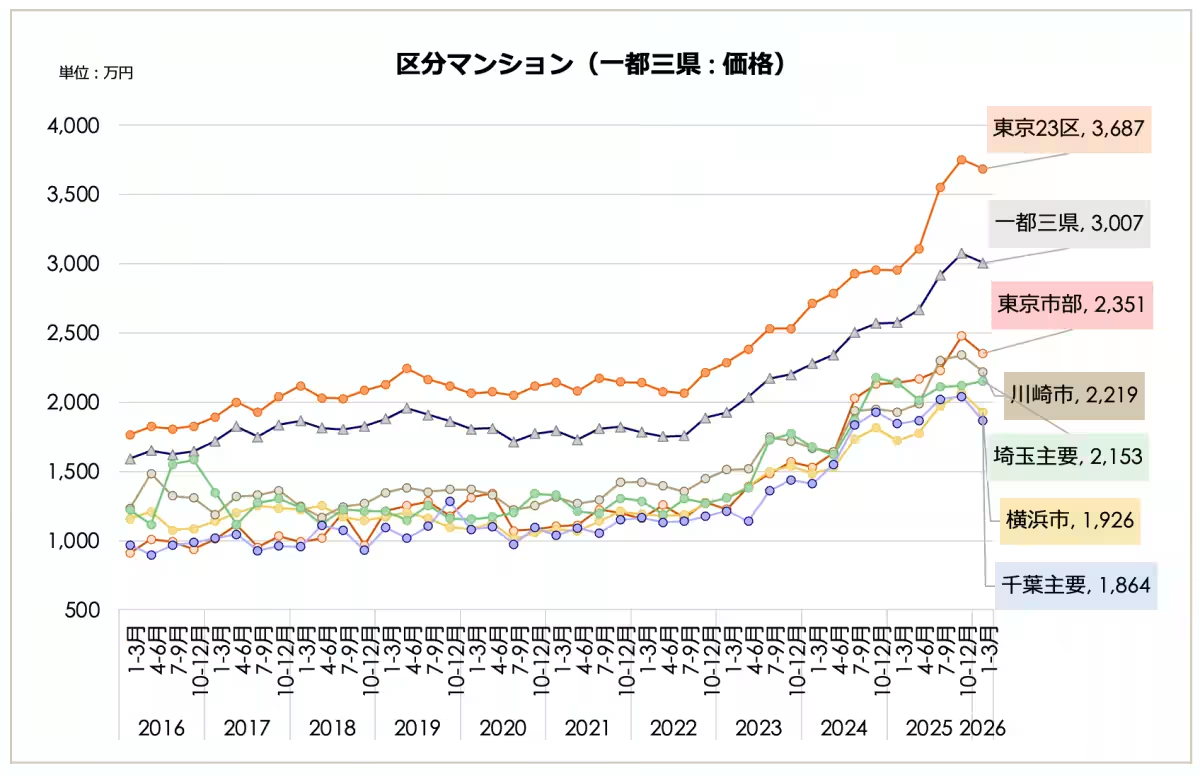
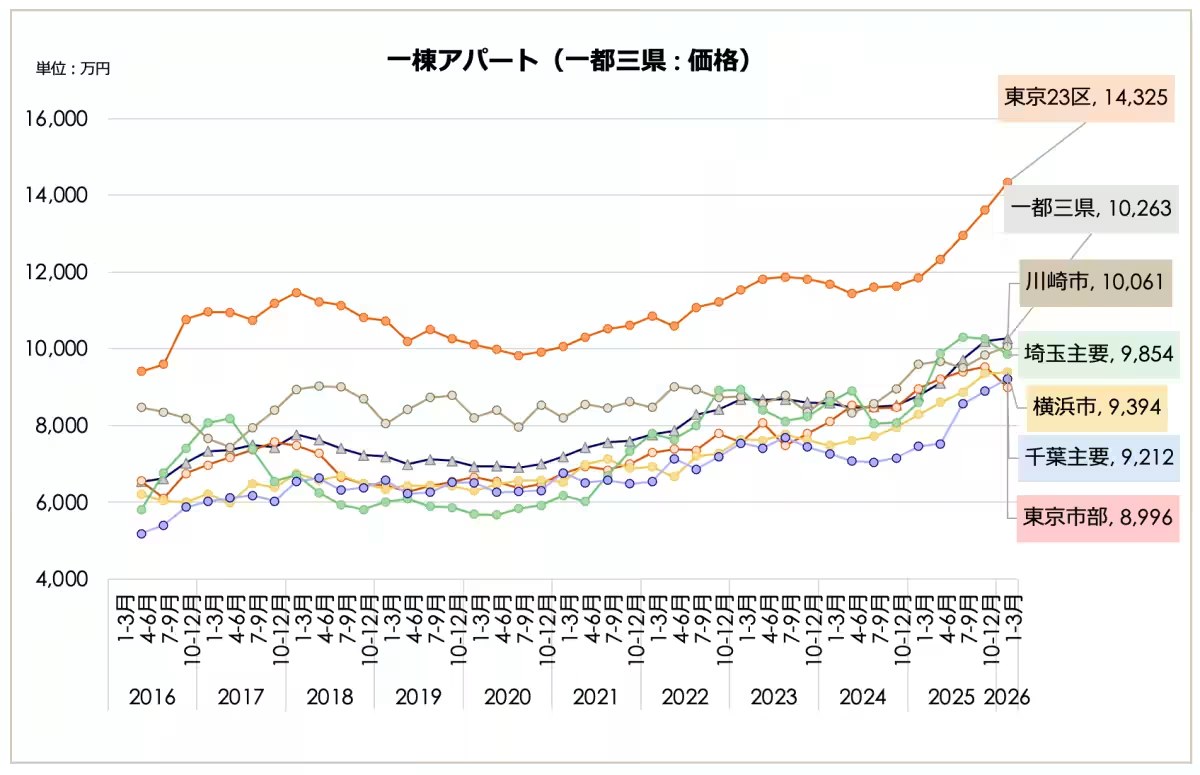
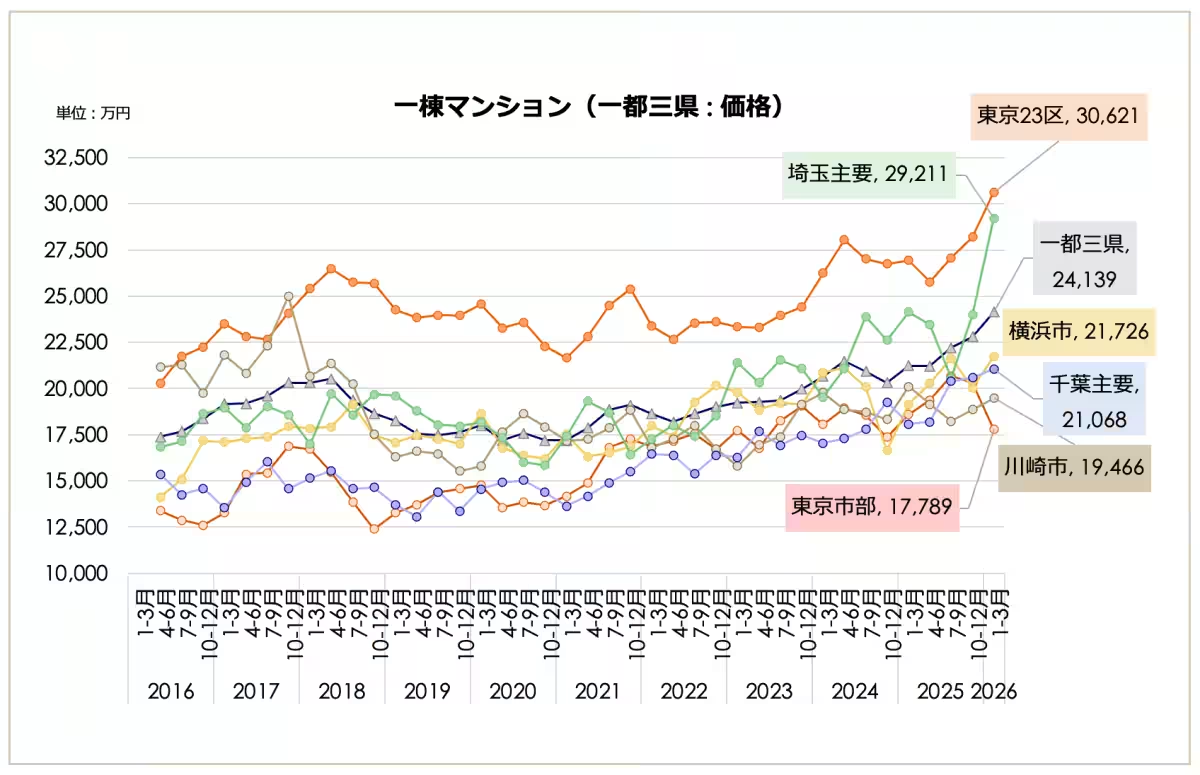
The latest quarterly report from Kanbya, a subsidiary of LIFULL that specializes in real estate investment and income property information, reveals significant market movements from January to March 2026. During this period, the average price for complete apartment buildings in Tokyo's 23 wards reached a staggering 300.61 million yen, marking an important milestone for the real estate market in this area.
Record-Breaking Sales Prices
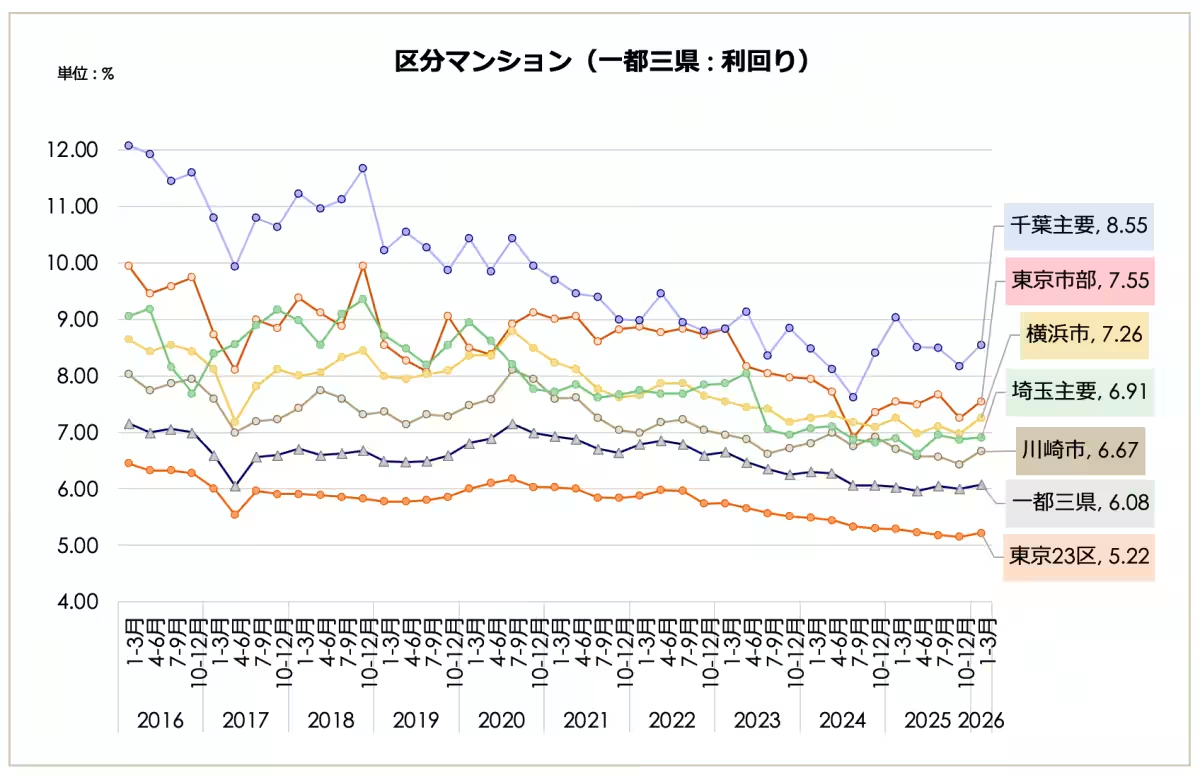
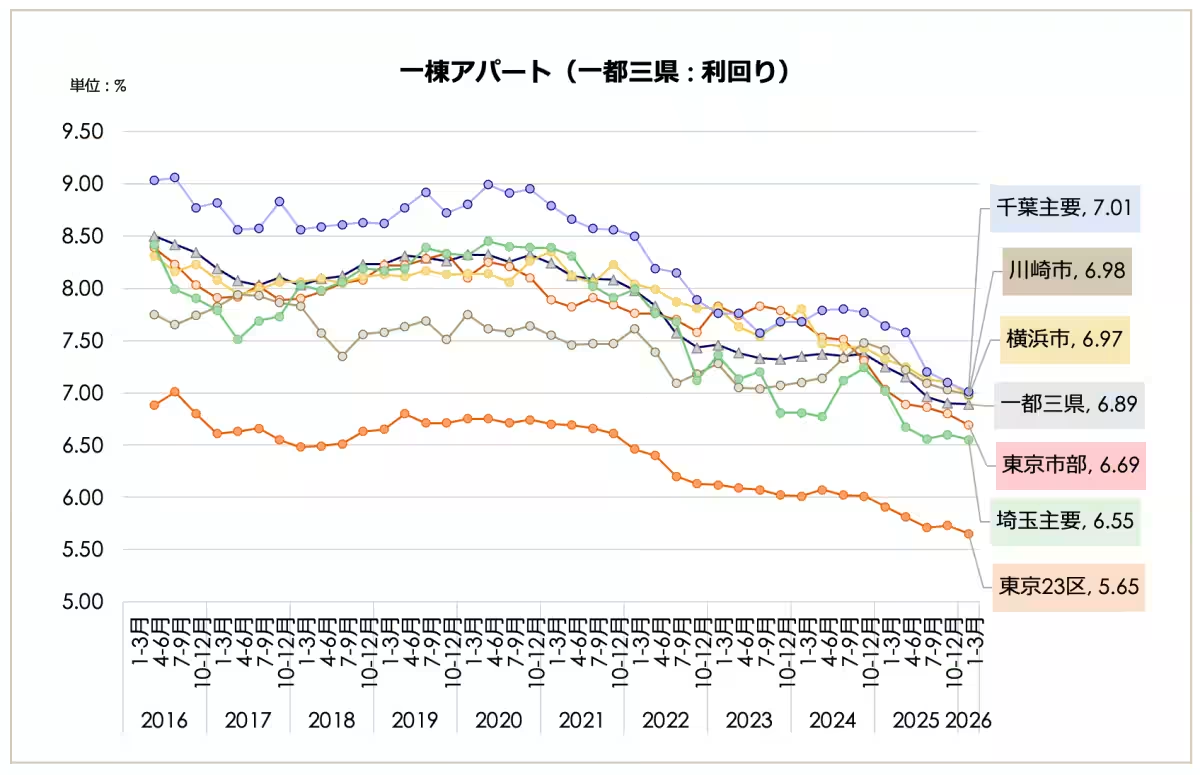
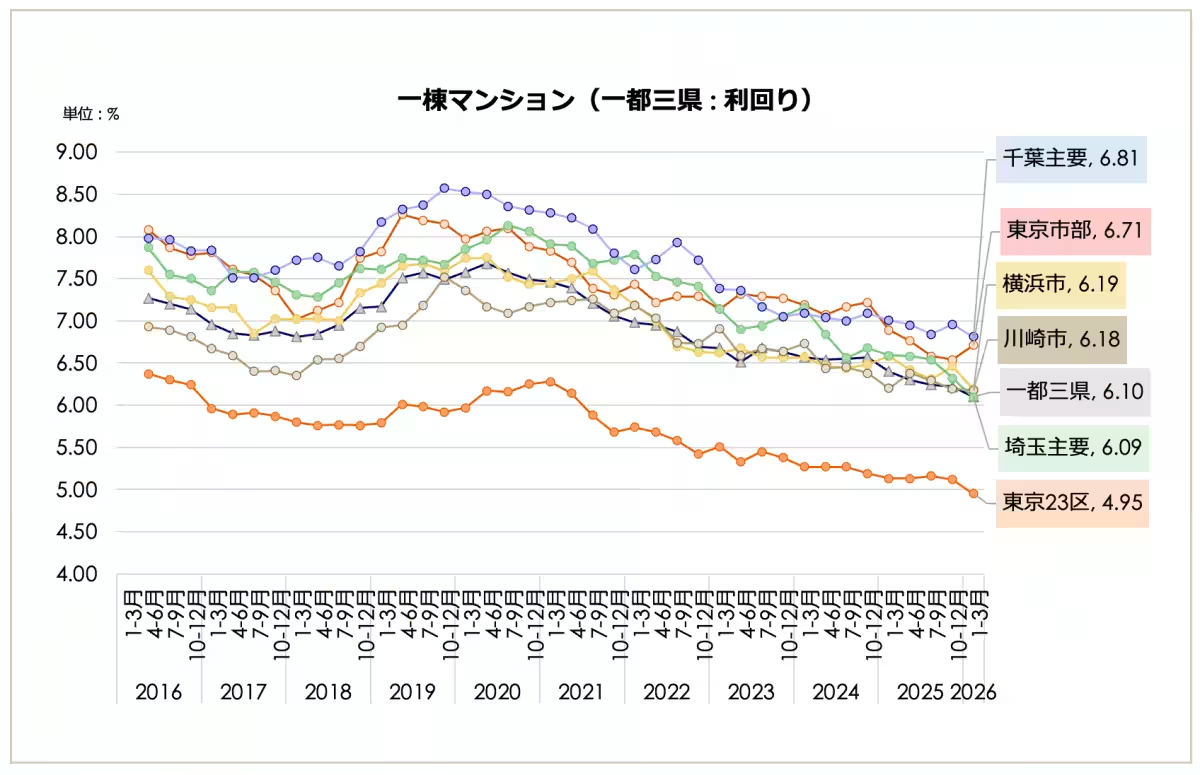
The overall trend indicates that Tokyo's apartment buildings have crossed the 300 million yen threshold for the first time, reflecting an intense demand, especially as the current yield decreased to a historic low of 4.95%. This drop in yield highlights the dichotomy between sellers' expectations and actual buyers' willingness to pay, with inquiries often exceeding the registered prices. Specifically, a price ratio of 109% was documented, emphasizing the high value buyers place on properties in this market segment.
National Trends in Property Prices
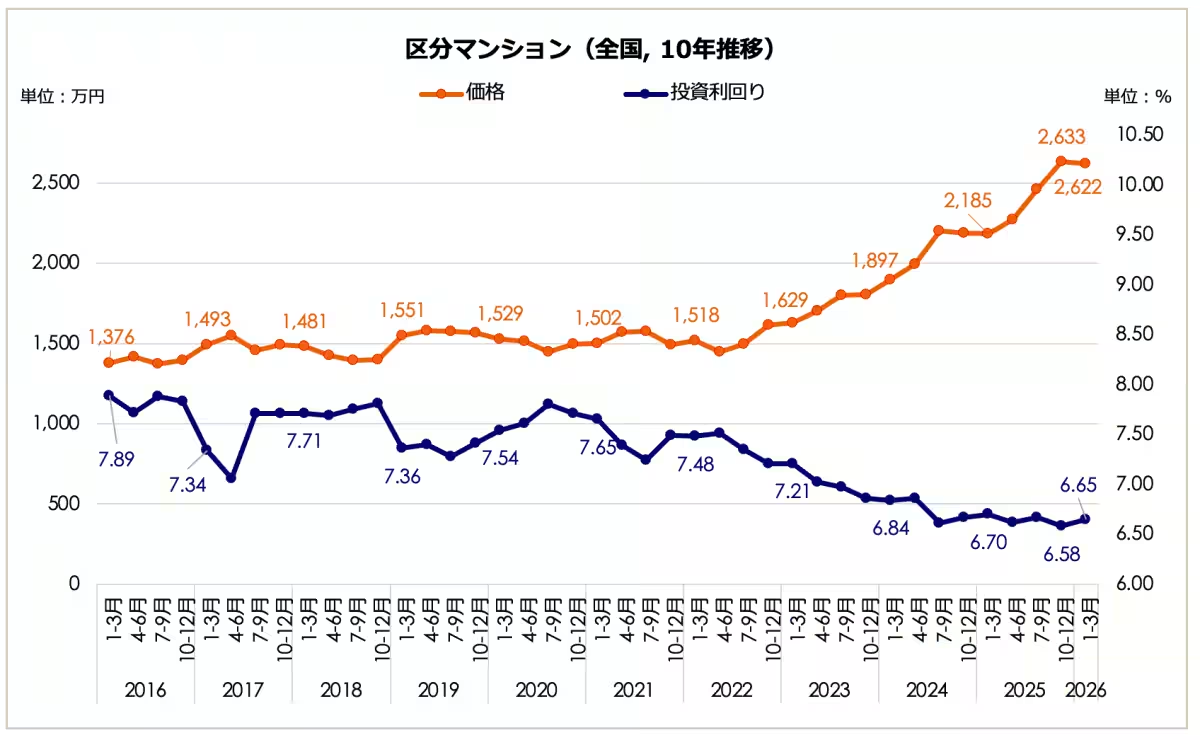
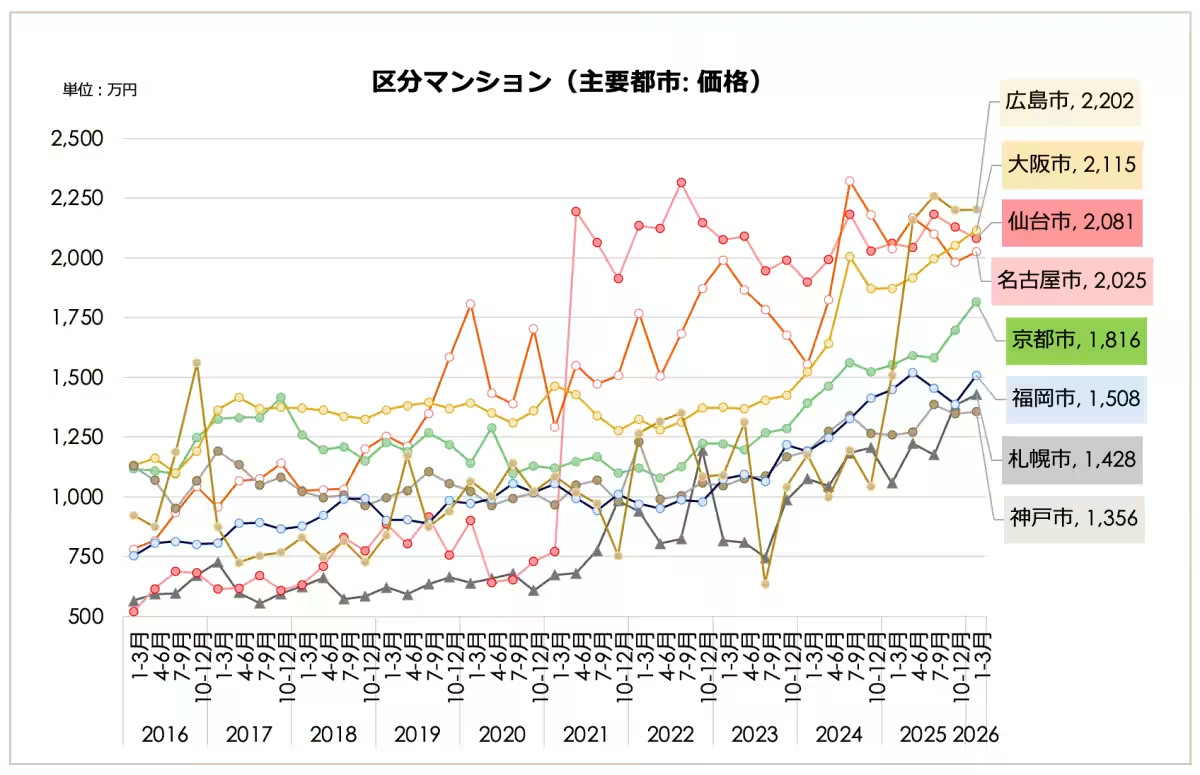
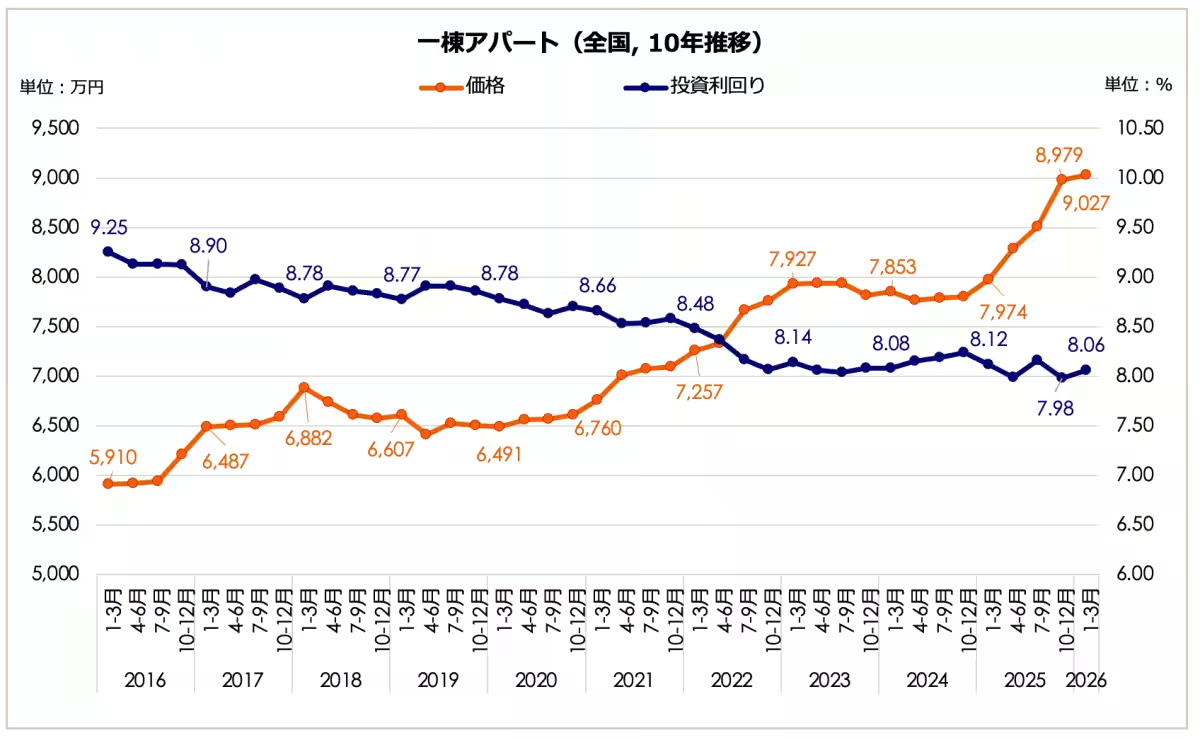
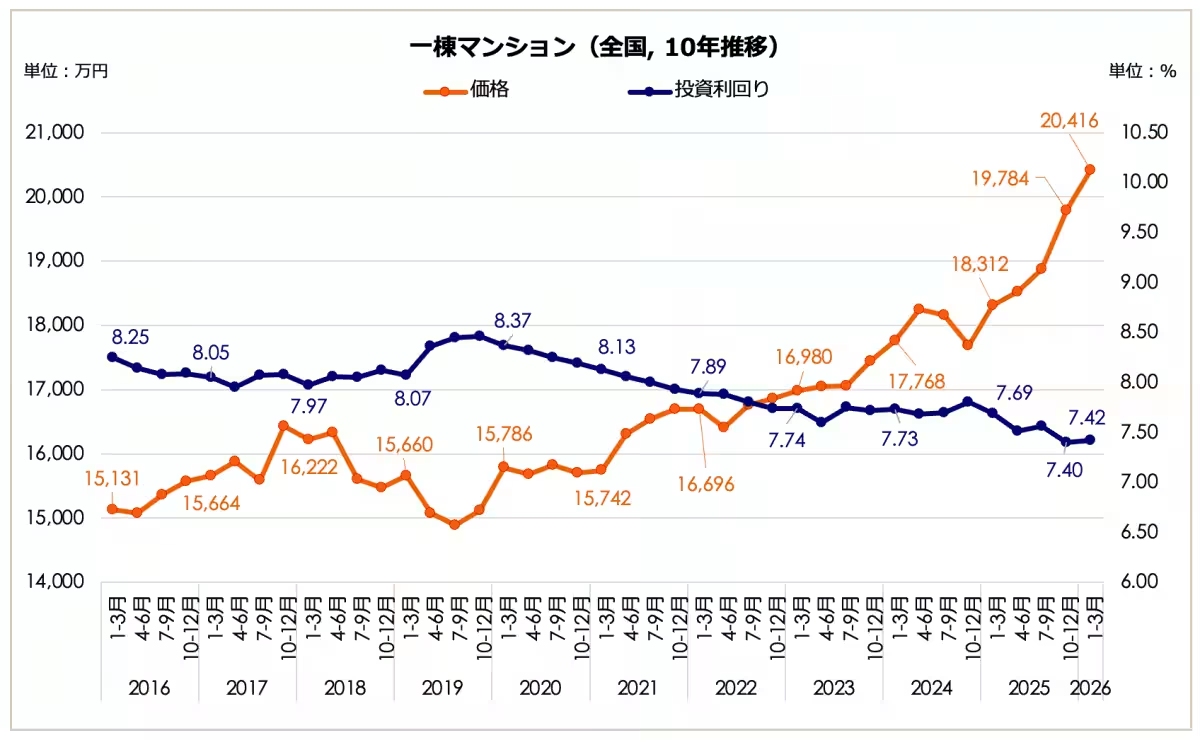
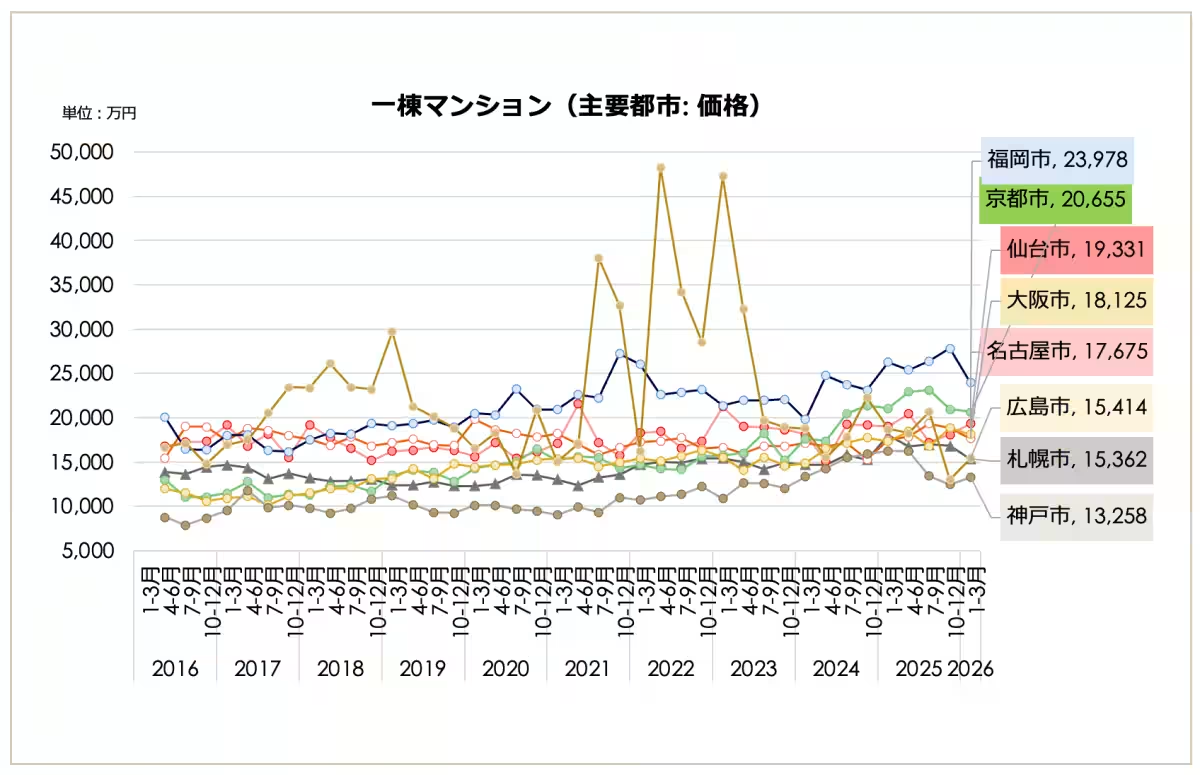
Across Japan, the average price for complete apartment buildings reached 200.4 million yen, while the price for complete apartments remained equivalent to previous peaks. The recent trends showcase increasing prices in major regional cities like Osaka and Fukuoka, contrasting with slight declines observed in the metropolitan areas of Tokyo, where the average price registered was 30.87 million yen, a decrease of 2.24%.
Regional Dynamics: The Rise and Fall
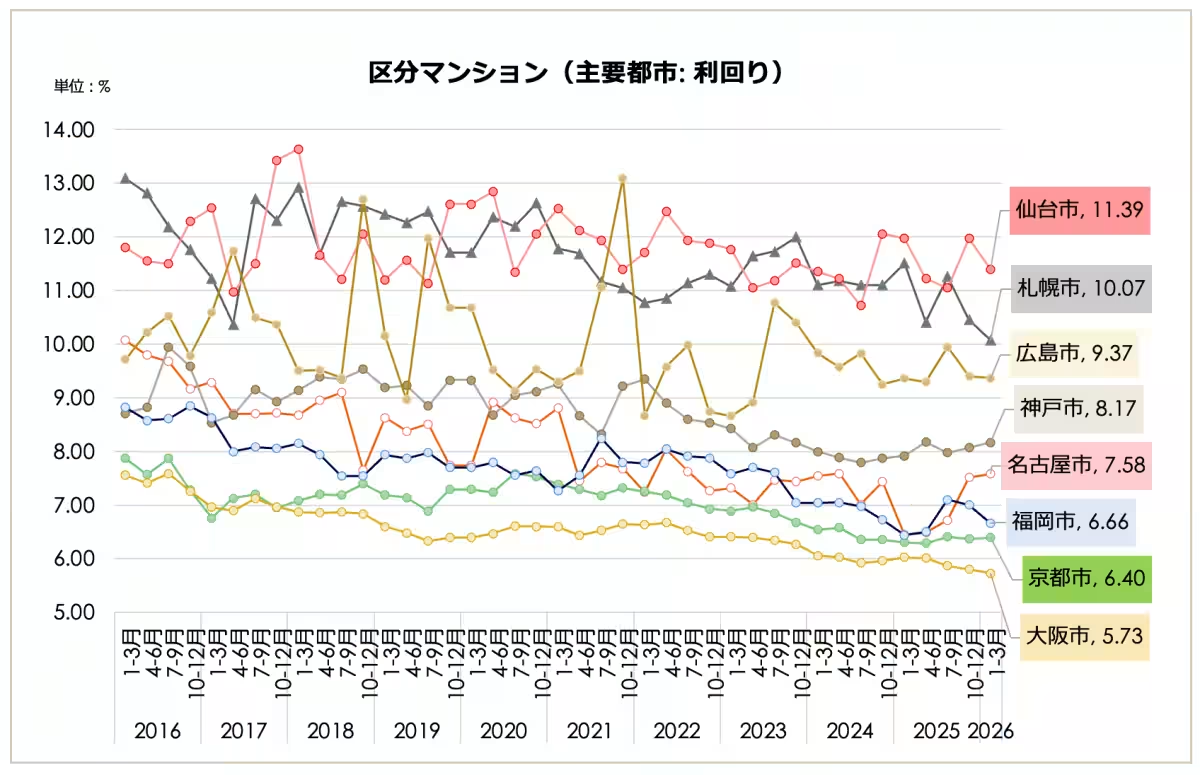
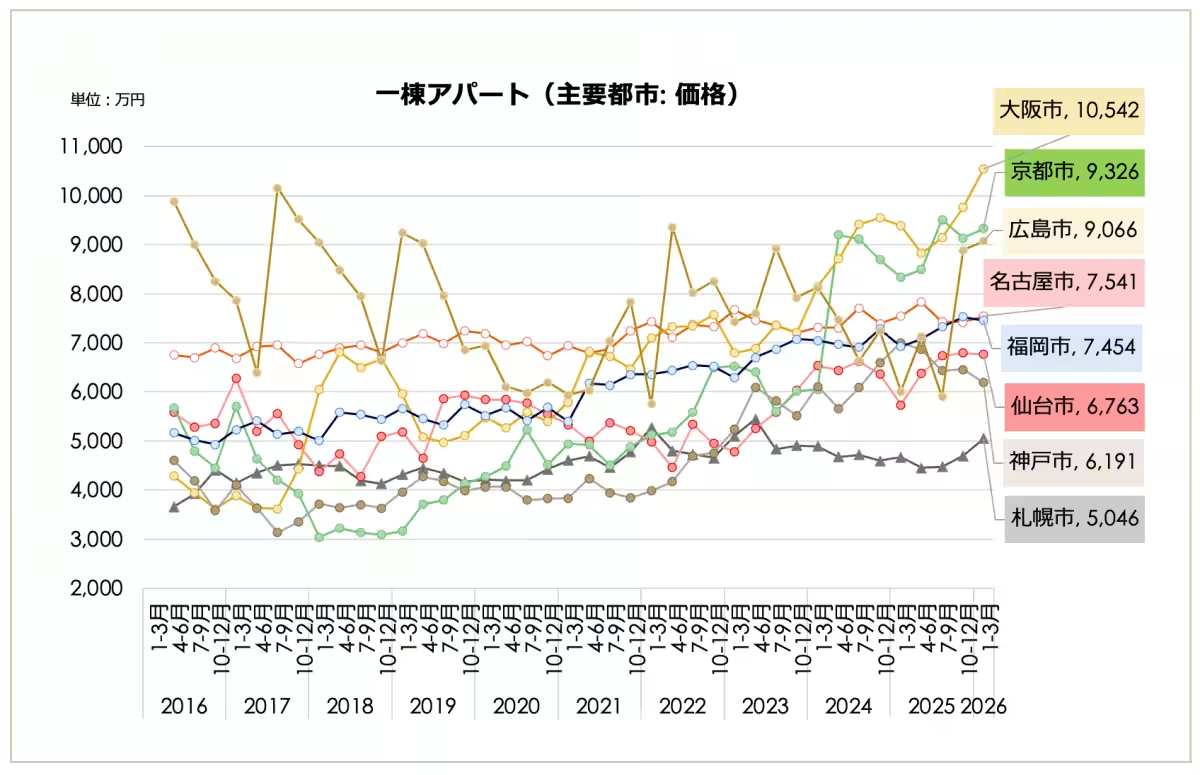
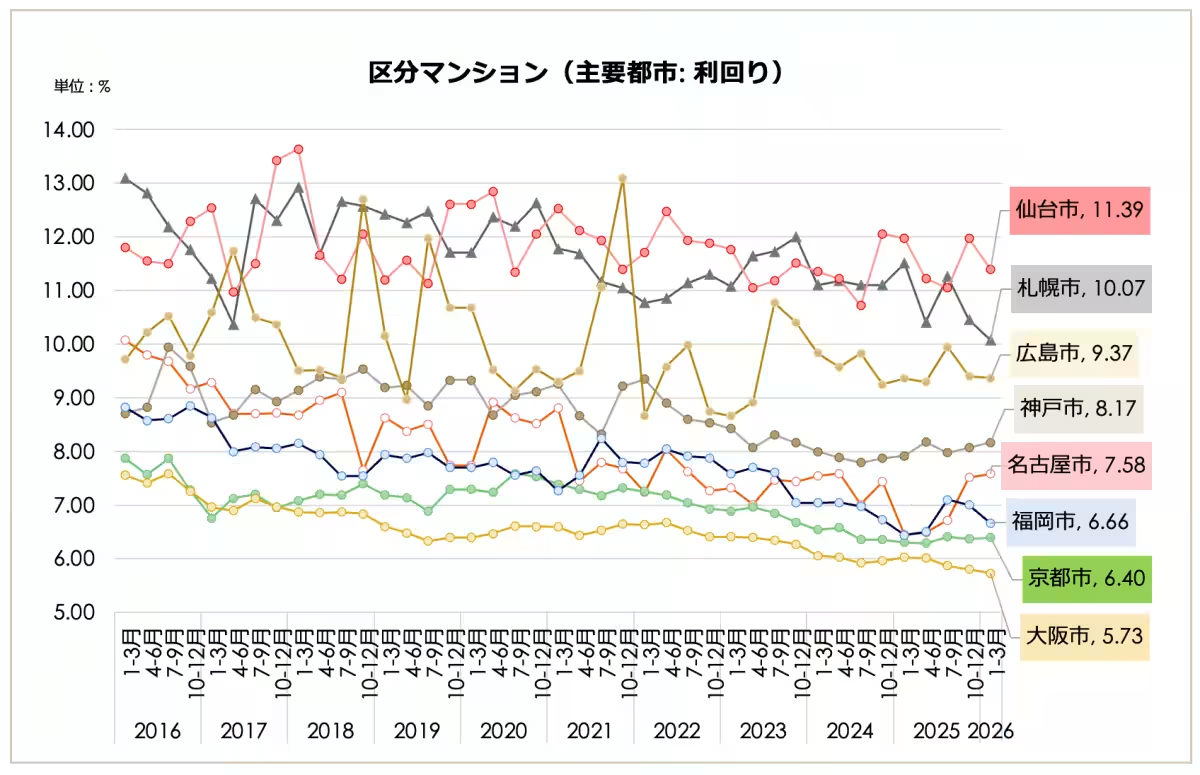
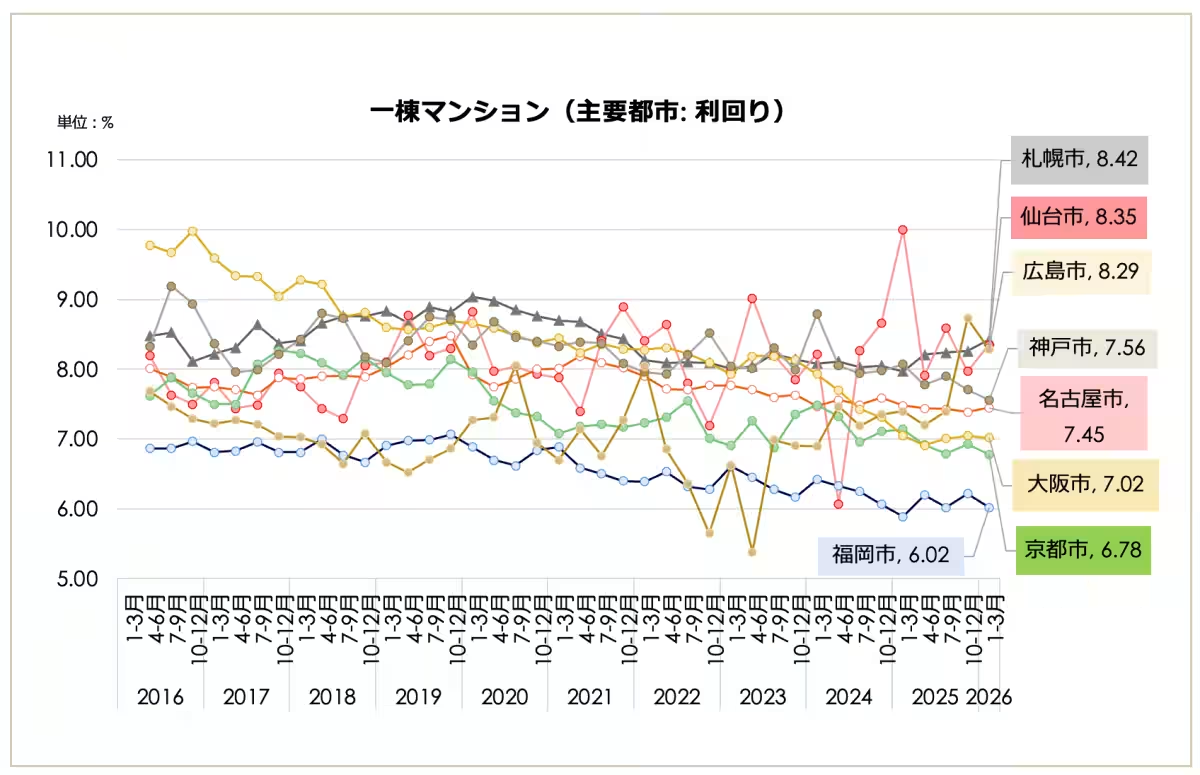
While prices in the Tokyo metropolitan area have dipped slightly, regional markets are experiencing growth. Notably, places like Osaka City recorded an average of 10.54 million yen for complete apartment types, surpassing the average for Tokyo's residential properties, indicating a potential shift in investment focus away from the capital. Similarly, investment yield rates are significantly higher in these cities, with Osaka maintaining a competitive yield of 7.27% compared to Tokyo's lower levels.
The Low Yield Puzzle
The yield on properties in Tokyo's 23 wards has reached historical lows, further emphasizing high property values and the potential oversupply of high-end listings. The yield has dropped dramatically, indicating that investors continue to bear higher costs while chasing prime property. Meanwhile, a significant difference exists in buyers' price tolerance, particularly in Tokyo, where the yield for properties less than ten years old diminished to 3.74%, showcasing that buyers are willing to engage despite the deteriorating yield landscape.
Implications for Future Investors
For those looking to invest, this scenario poses a critical examination of the risks and returns associated with property investments. While the market shows significant demand, potential investors may need to navigate decreased yields actively. The dichotomy between high demand and low returns suggests a cooling period may precede unless there is a shift in underlying market dynamics or increase in overall economic conditions.
Overall, the latest quarterly report sheds light on a dynamic investment property market in Japan, illustrating contrasting behaviors among different regions and providing essential insights for current and prospective investors. With strong inquiries and rising demand, the real estate landscape in Tokyo is one to watch closely in the coming months.
Conclusion
As the market for residential investment properties continues to evolve, investors must stay informed and adaptable. The trends highlighted in this report from Kanbya provide a nuanced understanding of the current state of real estate investment in Tokyo and beyond, underscoring the importance of market analysis in making informed investment decisions.

Topics Consumer Products & Retail)

【About Using Articles】
You can freely use the title and article content by linking to the page where the article is posted.
※ Images cannot be used.
【About Links】
Links are free to use.