



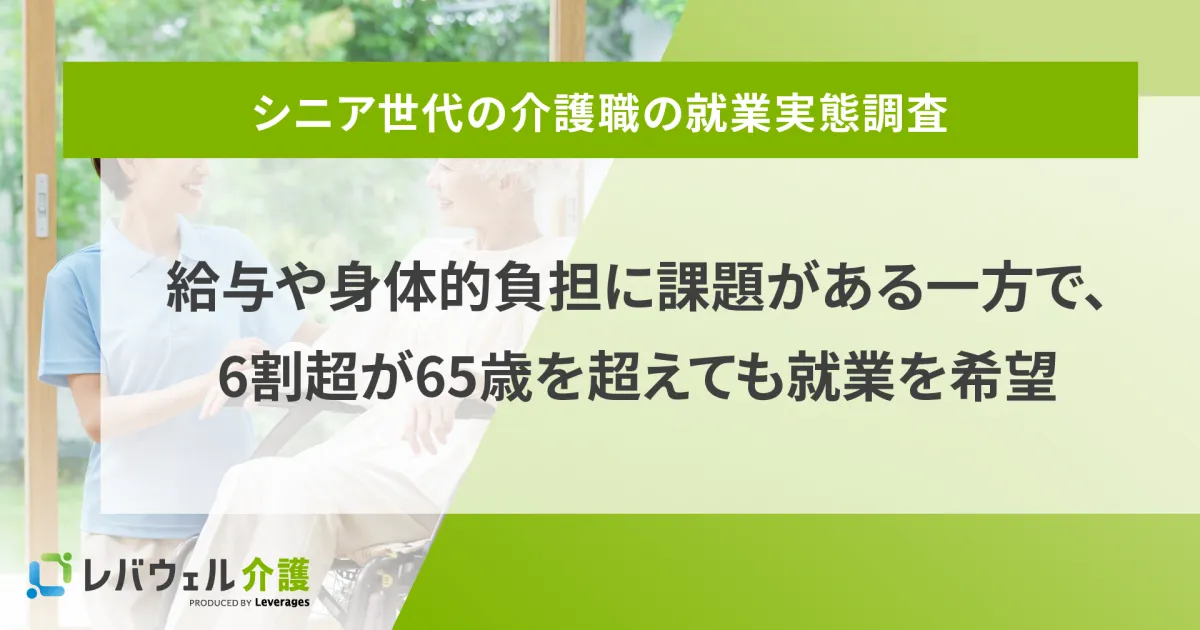
Exploring the Challenges and Aspirations of Senior Care Workers in Japan
The Reality of Senior Care Workers in Japan
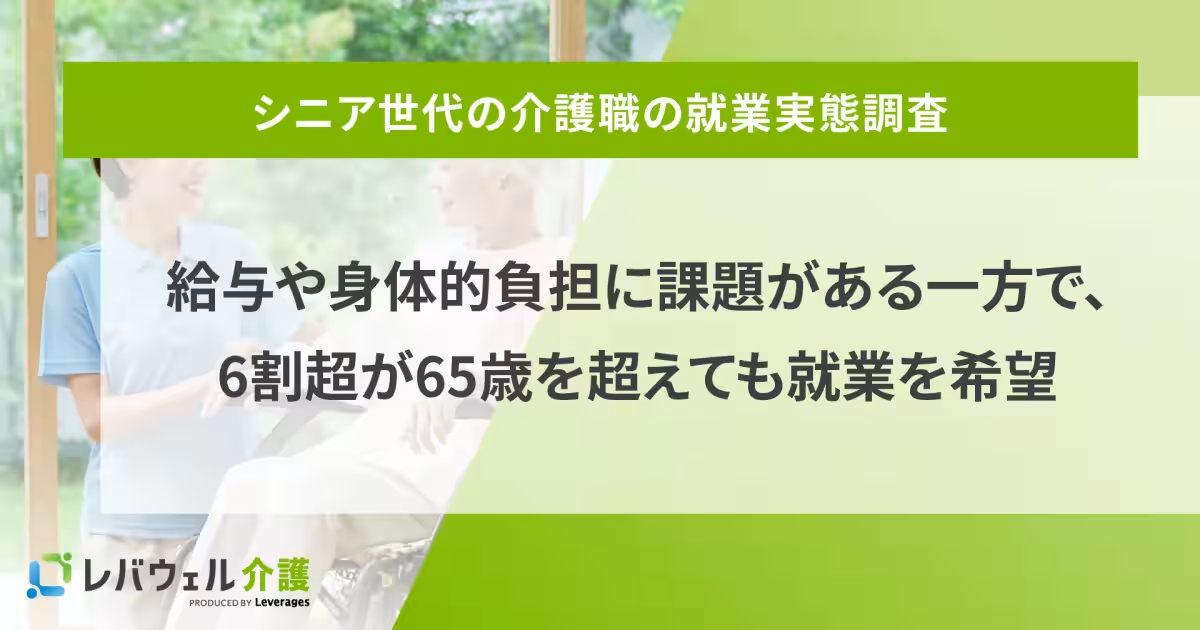
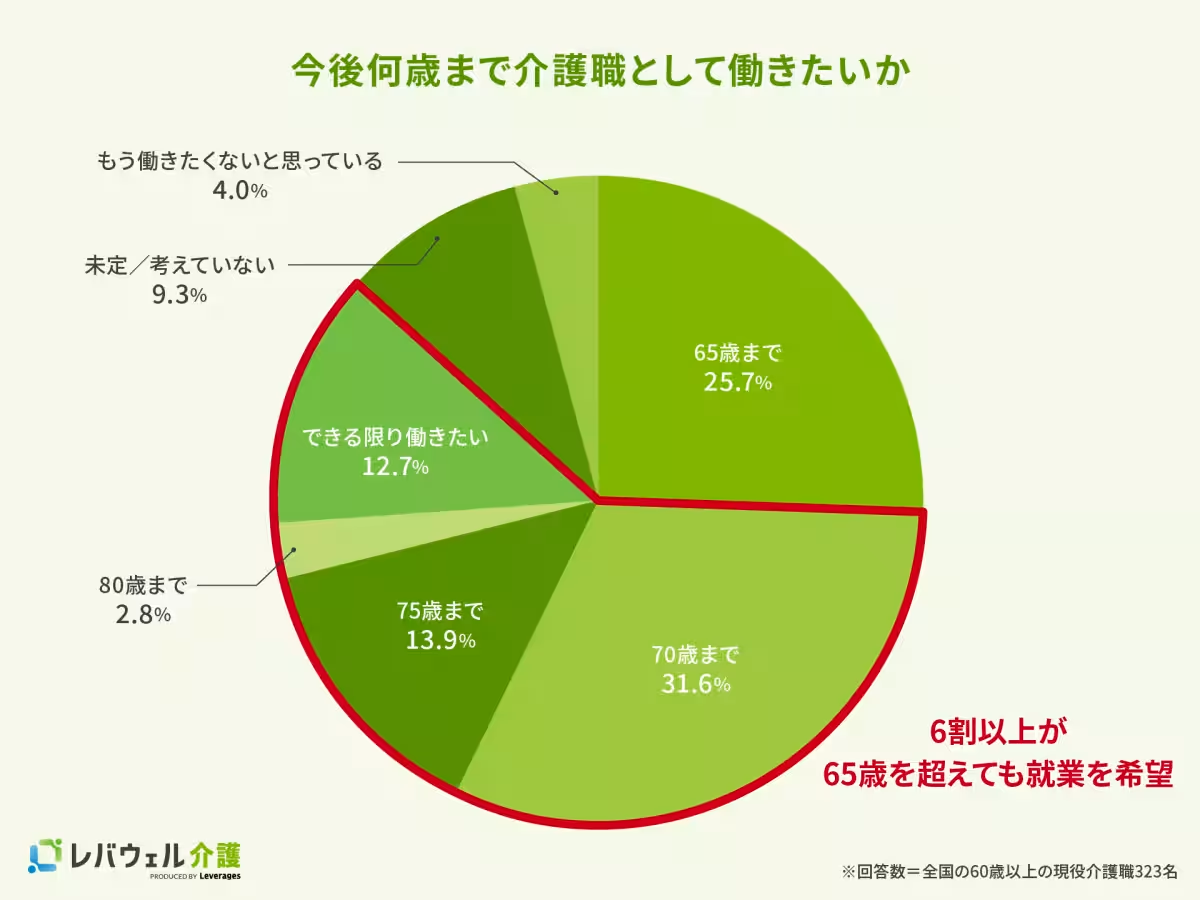
In an extensive survey conducted by Levwell Co., a company dedicated to supporting job placements in the caregiving sector, it was found that more than 60% of senior workers aged 60 and above aspire to continue working in the caregiving field even after the age of 65. This survey analyzed 323 active caregivers across Japan to uncover the prevailing challenges and aspirations faced by senior caregivers.
Shifting Careers: A Significant Trend Among Seniors
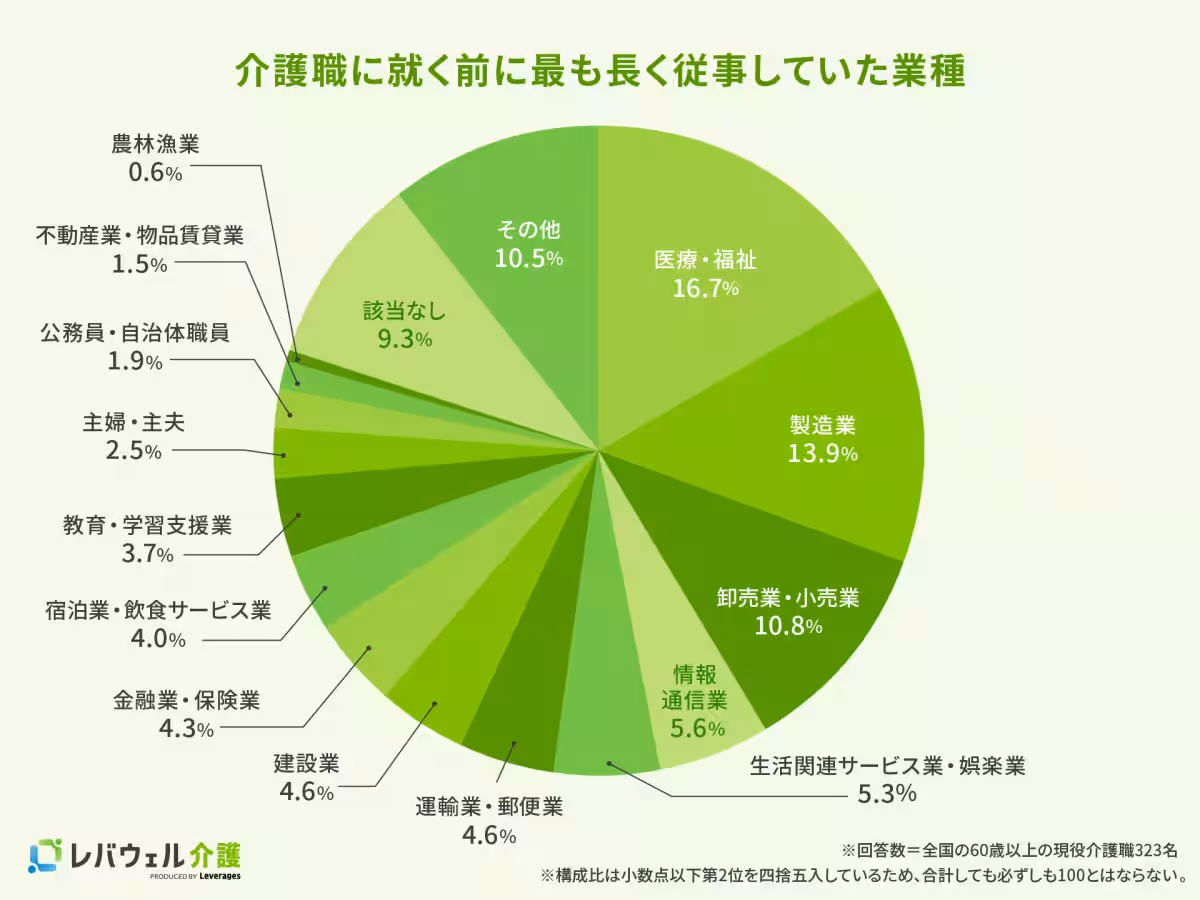
The survey revealed that nearly 60% of active senior caregivers transitioned from different industries, showcasing caregiving as a viable second career. The most common previous profession before entering caregiving was in the medical and welfare sectors (16.7%), followed by manufacturing (13.9%), and retail (10.8%). Interestingly, a substantial 63.5% of these seniors are employed as full-time staff, indicating a possibility of more stable employment than observed in other industries, where non-regular employment is often high for individuals over 60.
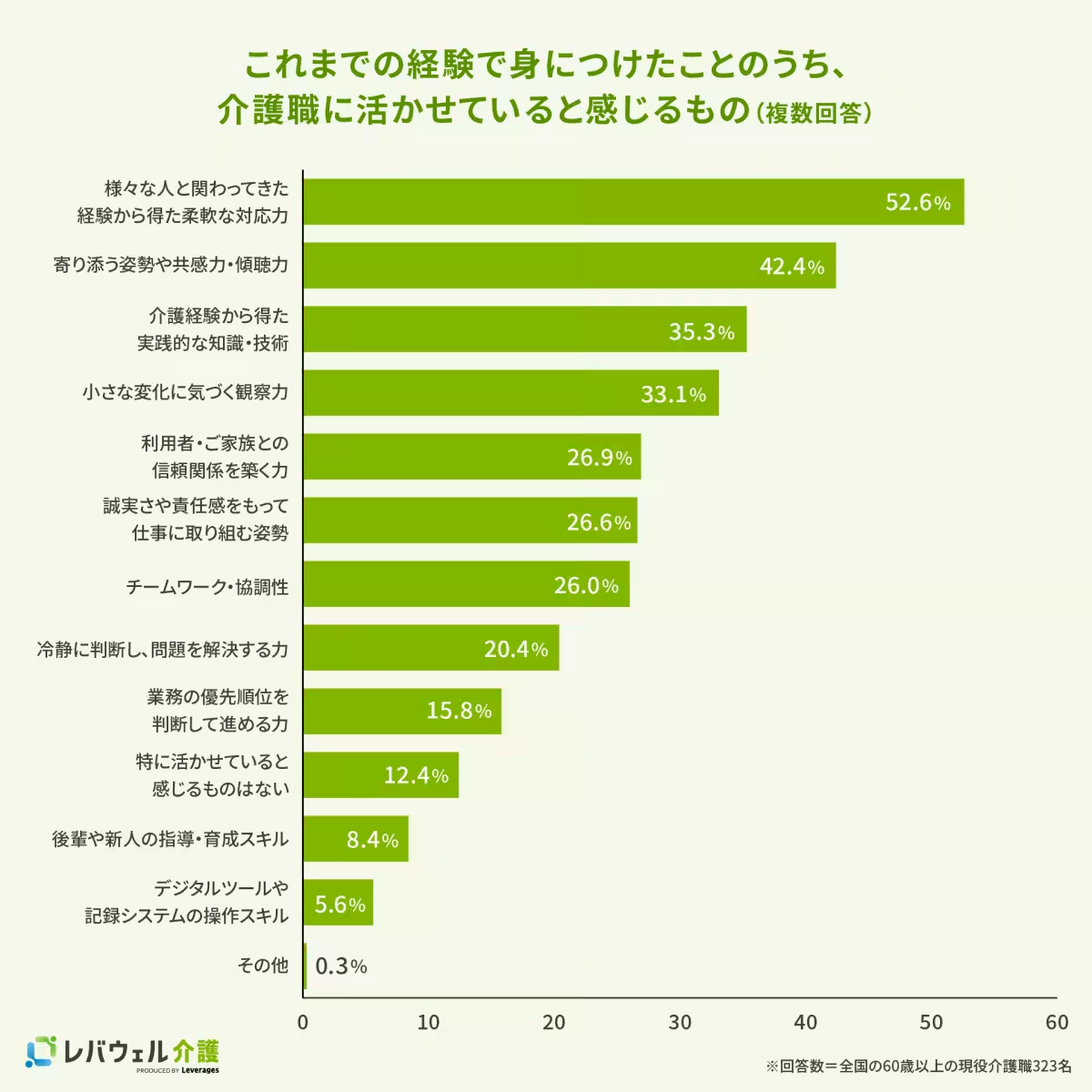
Many seniors believe that their past experiences, such as adaptability gained from interacting with a variety of individuals (52.6%) and their empathetic communication skills (42.4%), have prepared them well for their current roles. This highlights how diverse professional backgrounds can contribute to the caregiving workforce, making it a profession that offers rich opportunities for those enacting a second career.
Motivations Behind Choosing Caregiving
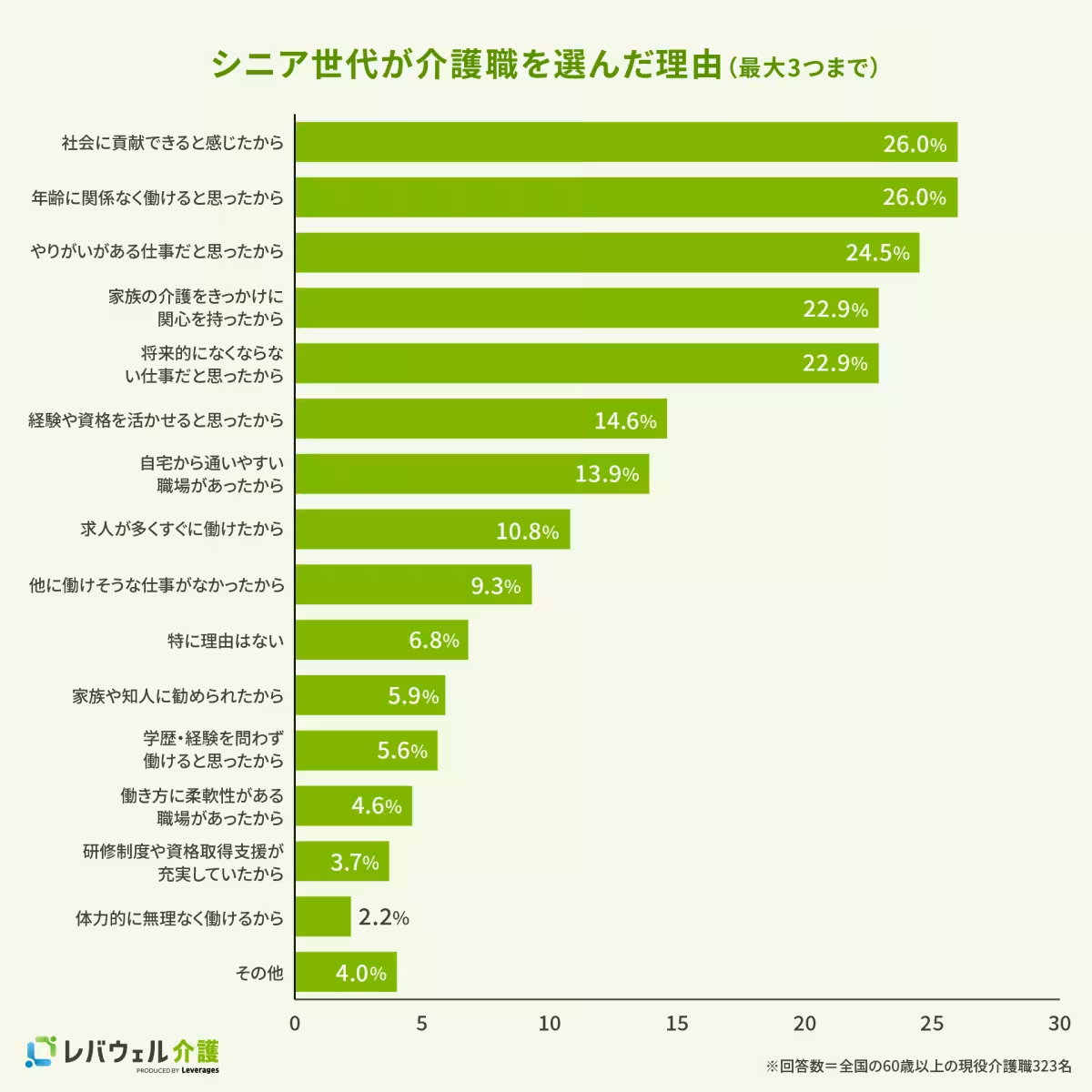
When asked why they chose caregiving, senior workers revealed that they felt drawn to the role for its ability to contribute to society (26.0%) and the perceived satisfaction from the work itself (24.5%). Furthermore, job security and stability (26.0%) were critical factors, with many believing that caregiving is a role that will remain necessary far into the future (22.9%). A notable factor influencing their entry into this profession includes personal experiences, particularly caregiving for family members, which motivated 22.9% of participants.
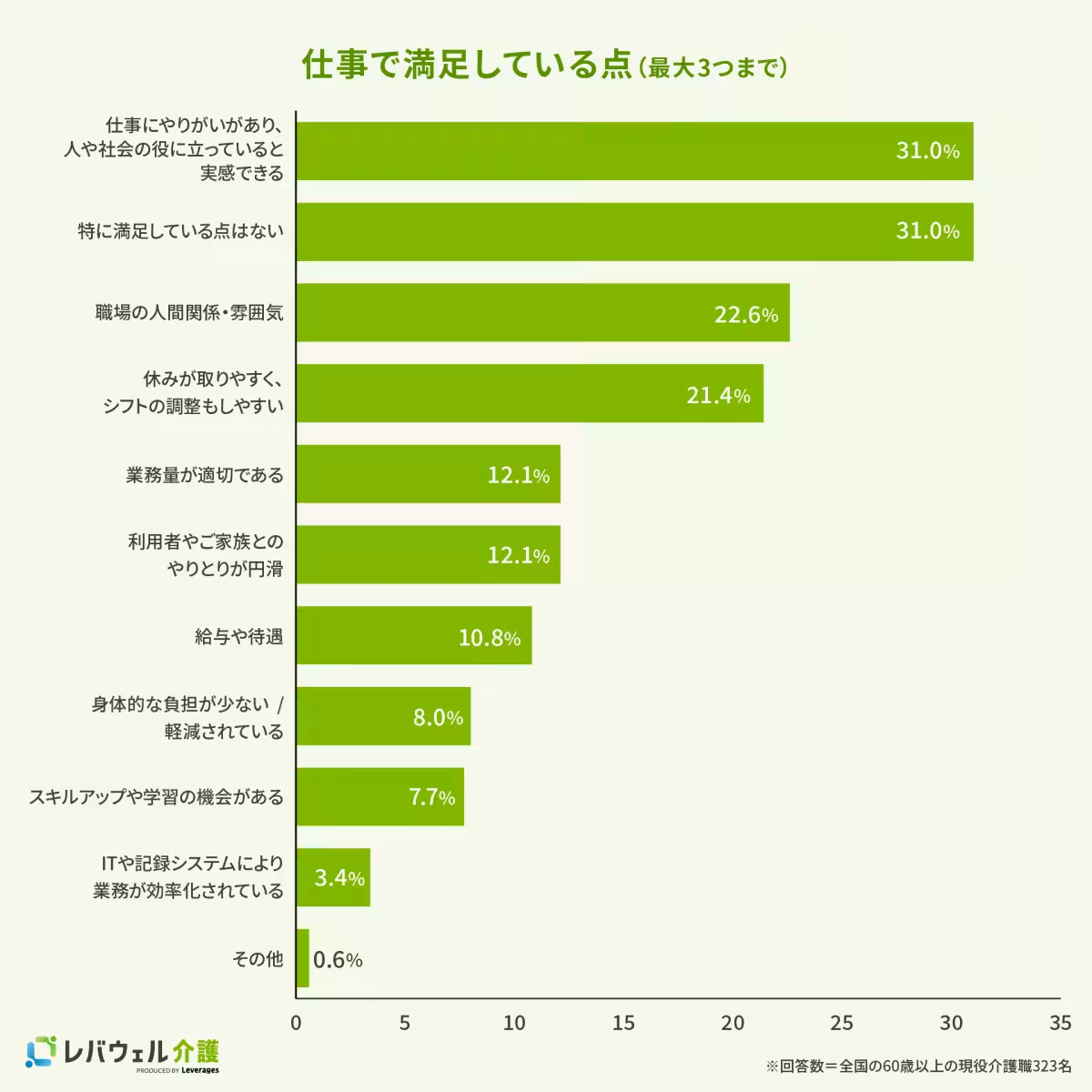
Satisfaction levels in their current roles showed alignment with their motivations. About 31.0% felt fulfilled by the meaningful contributions they make to society, further emphasized by good workplace relationships (22.6%) and flexible scheduling (21.4%), reinforcing the notion that both job content and environment are crucial for job satisfaction among seniors.
Challenges of Continuing in Caregiving
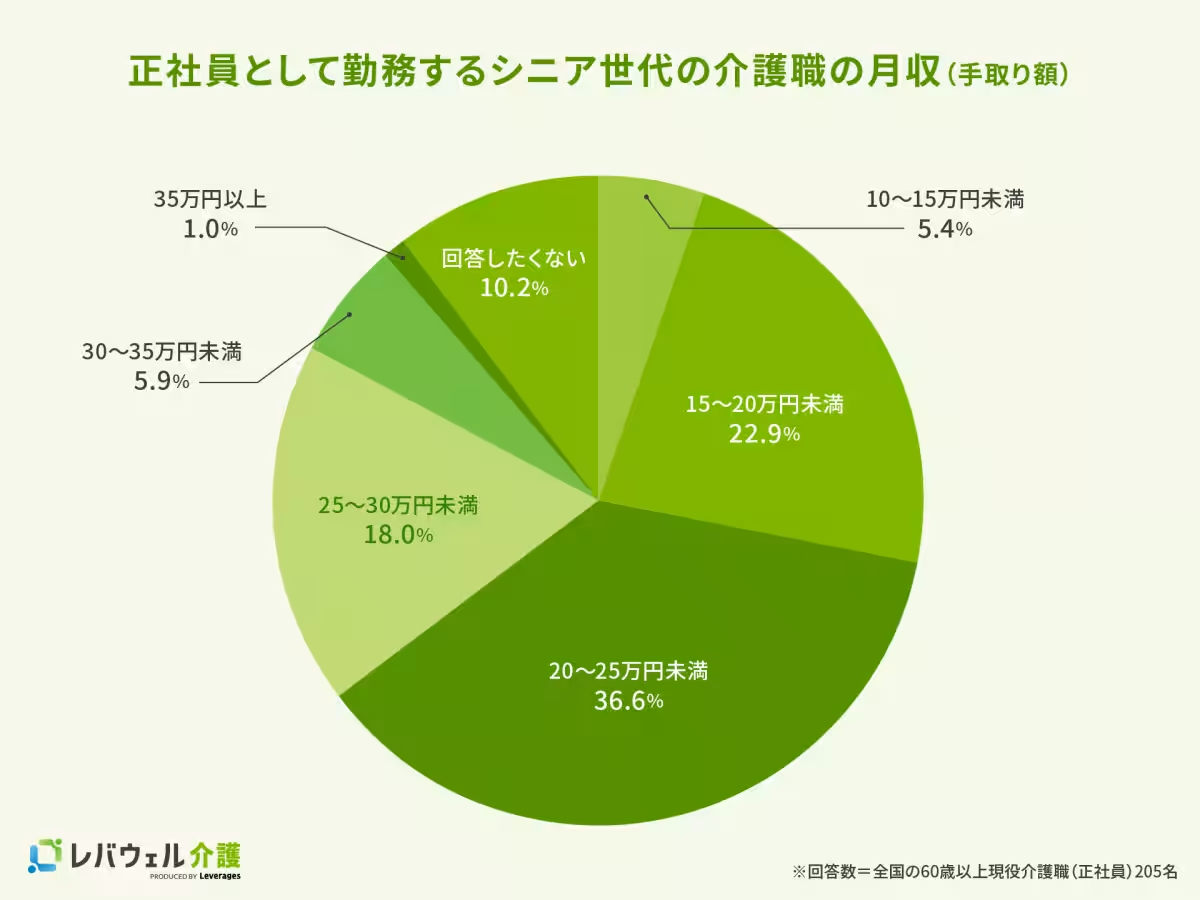
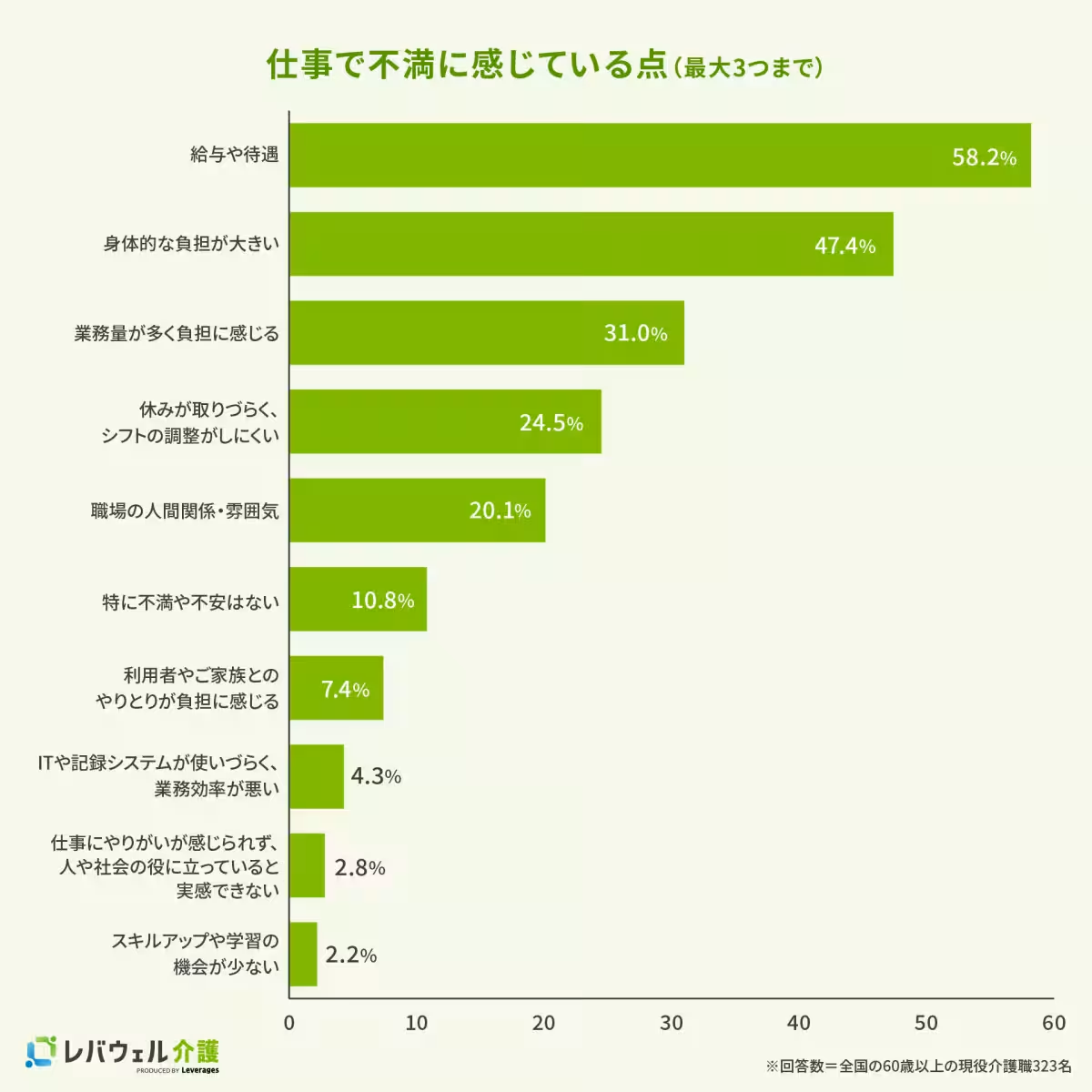
Despite the high work enthusiasm, challenges abound, particularly concerning remuneration and physical demands. The survey highlighted that among senior caregivers, 36.6% reported a monthly take-home pay of between ¥200,000 to ¥250,000, while 22.9% earned between ¥150,000 to ¥200,000. A striking 58.2% indicated dissatisfaction regarding salary and benefits, with 47.4% also commenting on the significant physical toll associated with the work.
When asked about their career longevity, 31.6% expressed a desire to work until the age of 70, while 25.7% aimed for 65, and 13.9% even for 75. Overall, over 60% of those surveyed displayed a keen willingness to stay in the workforce beyond the typical retirement age of 60. This testament to their commitment underscores a robust desire to contribute, despite facing challenges related to salary and physical demands.
Reflections from Industry Leaders
Katsuhiro Sugimoto, Head of Caregiving Introduction Services at Levwell, comments on the urgency for various generations to be engaged within the caregiving sector, marking the shift in demographic demands amid Japan's aging population. The demand for skilled professionals is expected to rise consistently, emphasizing the importance of solutions that cultivate a supportive and flexible work environment.
Over the past four years, the number of newly registered caregivers over 60 in Levwell's system has surged three-fold, indicating a strong inclination towards employment in this field. The Ministry of Internal Affairs and Communications reports a record increase in employment numbers for those aged 65 and over, reaching 9.3 million in 2024. Legal mandates requiring firms to maintain employment for those up to age 65 further substantiate this trend.
The survey results shed light on the challenges and opportunities present in the caregiving sector, leading towards a more supportive structure for senior workers. Flexible working conditions, shorter shifts, and thoughtful restructuring of roles are all essential in aligning job demands with the capacity of older caregivers. By ensuring this balance, the industry can harness the significant potential of an experienced workforce that strives to remain active and contribute meaningfully to society.
Levwell continues to offer specialized career support through dedicated advisors tailored to connect senior caregivers with appropriate roles, aiming to mitigate industry-wide challenges while addressing the persistent workforce shortages in caregiving services. As the demands evolve, the commitment to ensuring that senior workers thrive remains a priority.
- ---
- - Target: Active caregivers aged 60 and above
- - Period: August 1-4, 2025
- - Methodology: Online survey
- - Valid Responses: 323
- - Conducted by: Levwell Co., Ltd.
About Levwell:
Levwell Co., operating under the vision of supporting the wellness of society, specializes in human resource solutions and strives to address pressing workforce challenges within the medical and welfare sectors. Through a commitment to operational excellence and community welfare, Levwell is on a mission to enhance the standards of caregiving and ensure equitable service access across generations.
Topics People & Culture)

【About Using Articles】
You can freely use the title and article content by linking to the page where the article is posted.
※ Images cannot be used.
【About Links】
Links are free to use.