



The Impact of Job-Based Recruitment on Quality and Retention for Employers: Insights from Akaliku's Survey
The Impact of Job-Based Recruitment on Quality and Retention
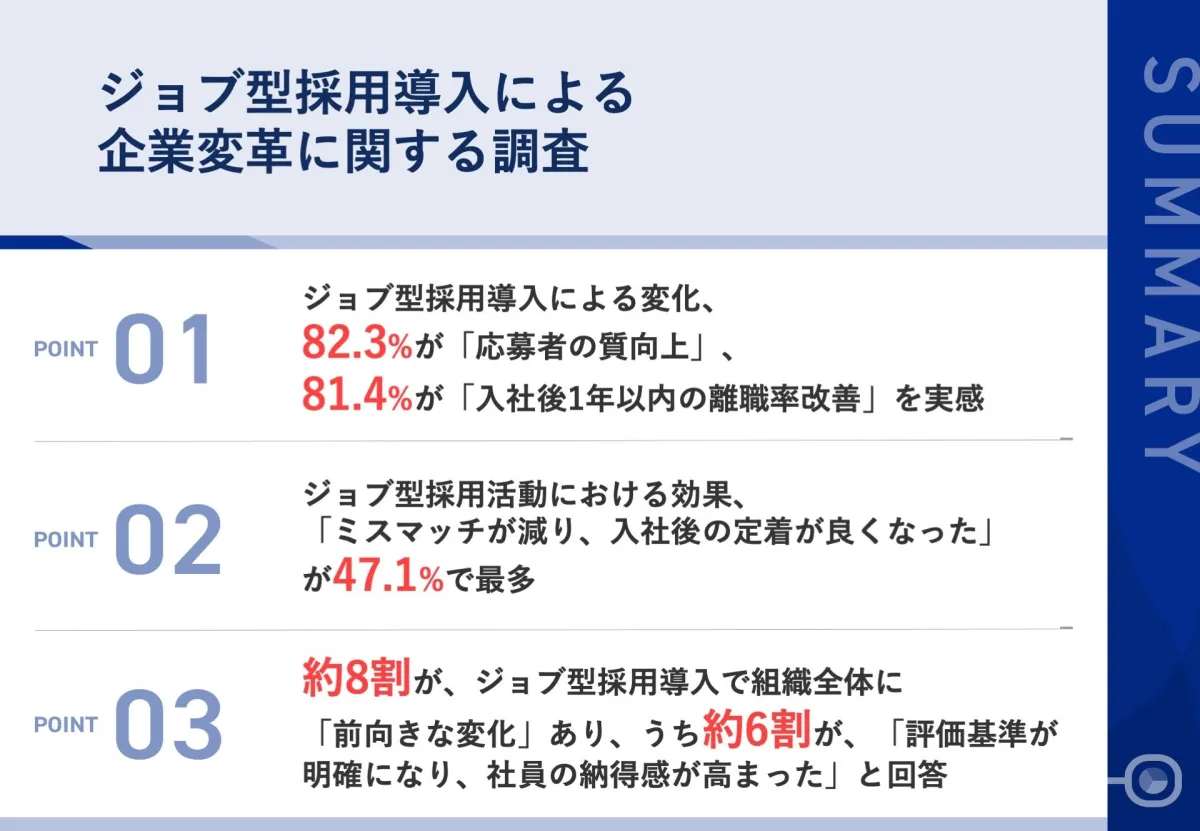
A recent survey conducted by Akaliku, a company specializing in career support for highly skilled individuals, highlights significant changes brought about by the implementation of job-based recruitment strategies. Targeting personnel and recruitment managers from companies with over 100 employees, the survey indicated that more than 80% of respondents reported improvements in the quality of applicants and retention rates after adopting these strategies.
Key Findings from the Survey
Improvements in Applicant Quality and Retention Rates
The survey revealed striking results:
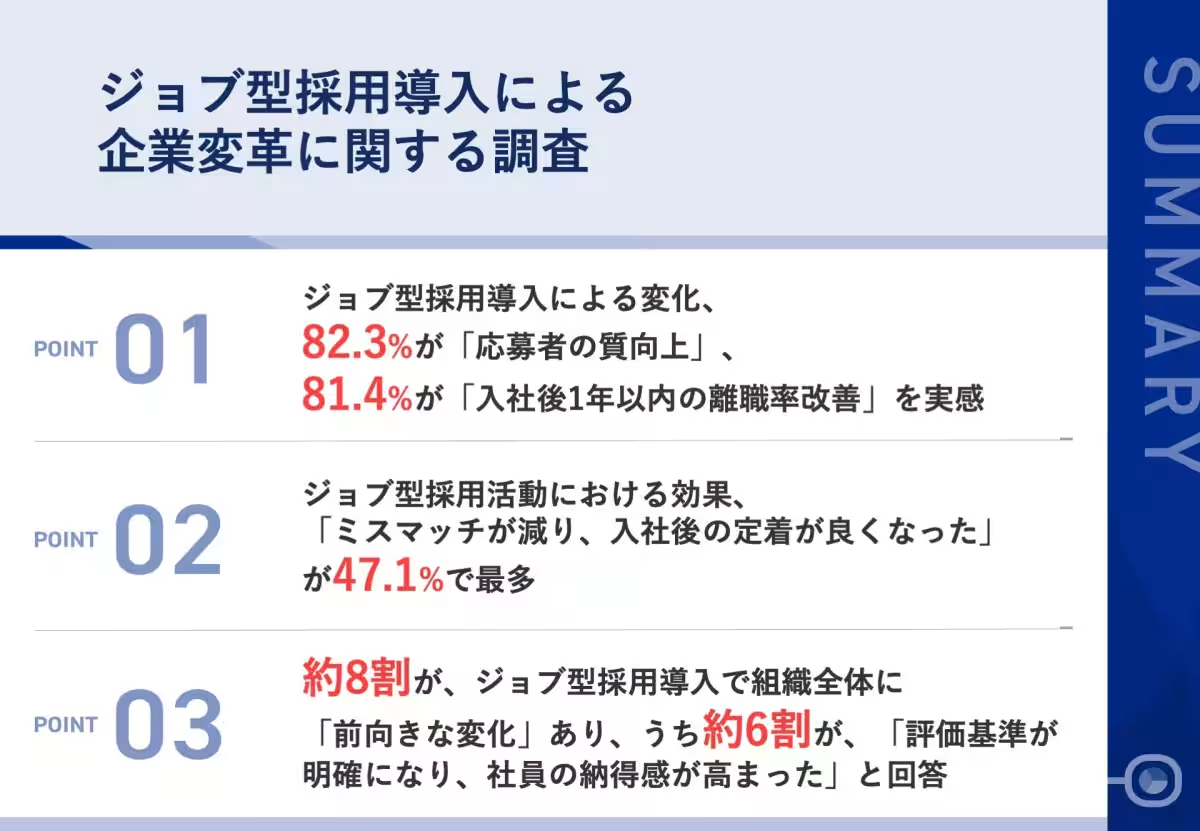
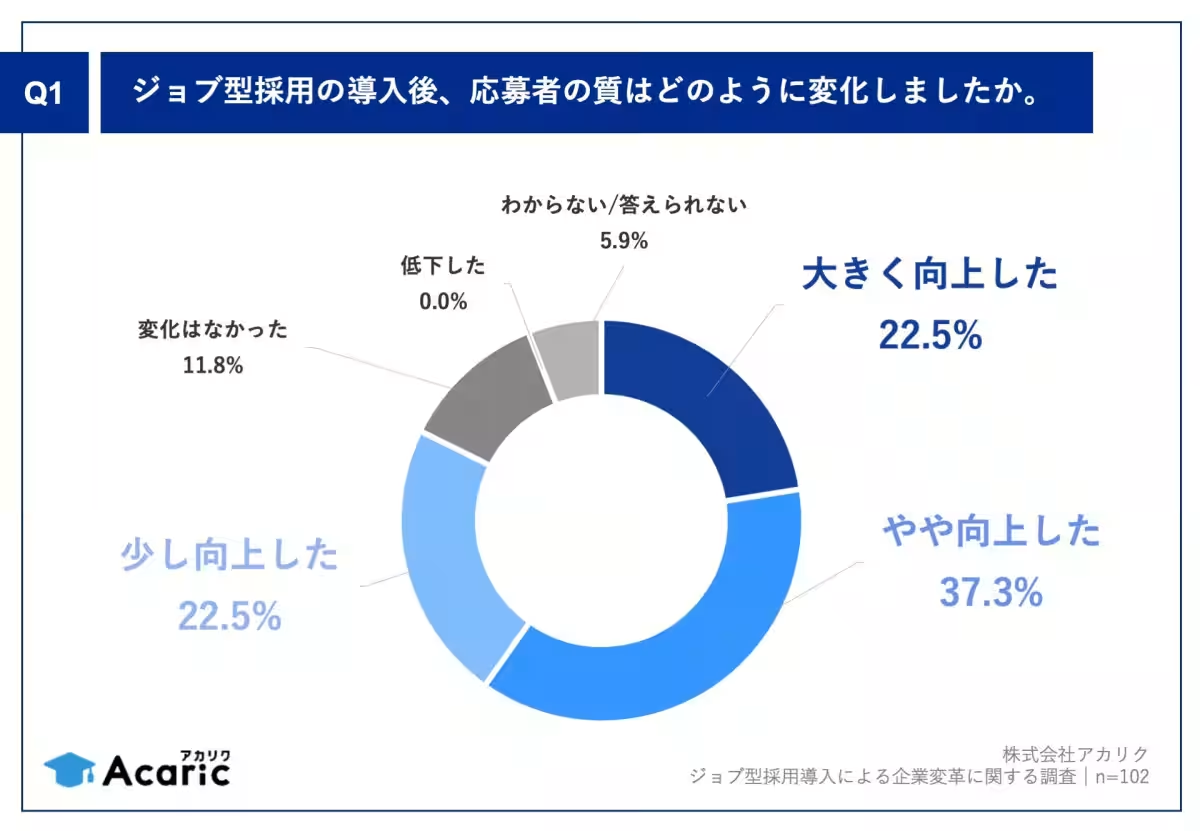
- - 82.3% of respondents felt there was an improvement in the quality of applicants.
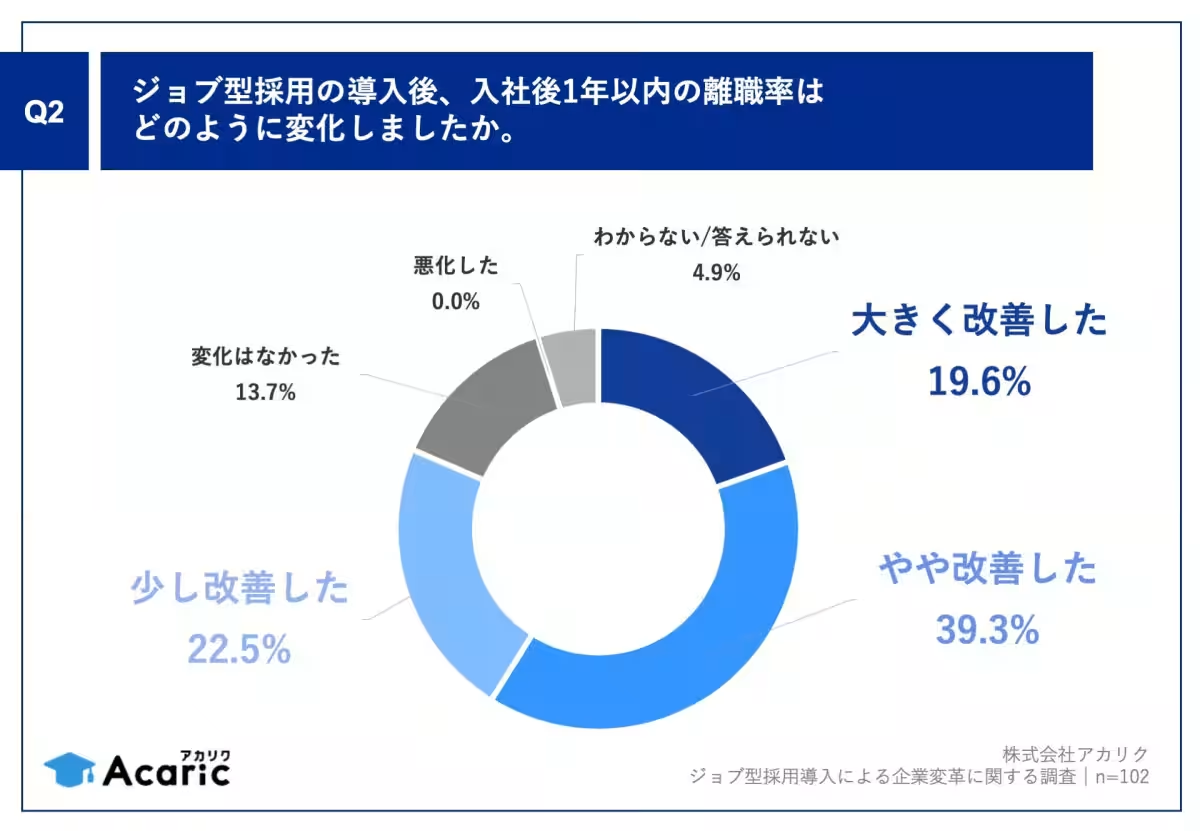
- - 81.4% noted a reduction in turnover rates within the first year of employment.
When asked about the specific changes in applicant quality post-implementation, results showed:
- - 22.5% indicated a significant increase (over 30%),
- - 37.3% noted a moderate increase (10-30%), and
- - 22.5% reported a slight increase (less than 10%).
Addressing Mismatches in Expectations
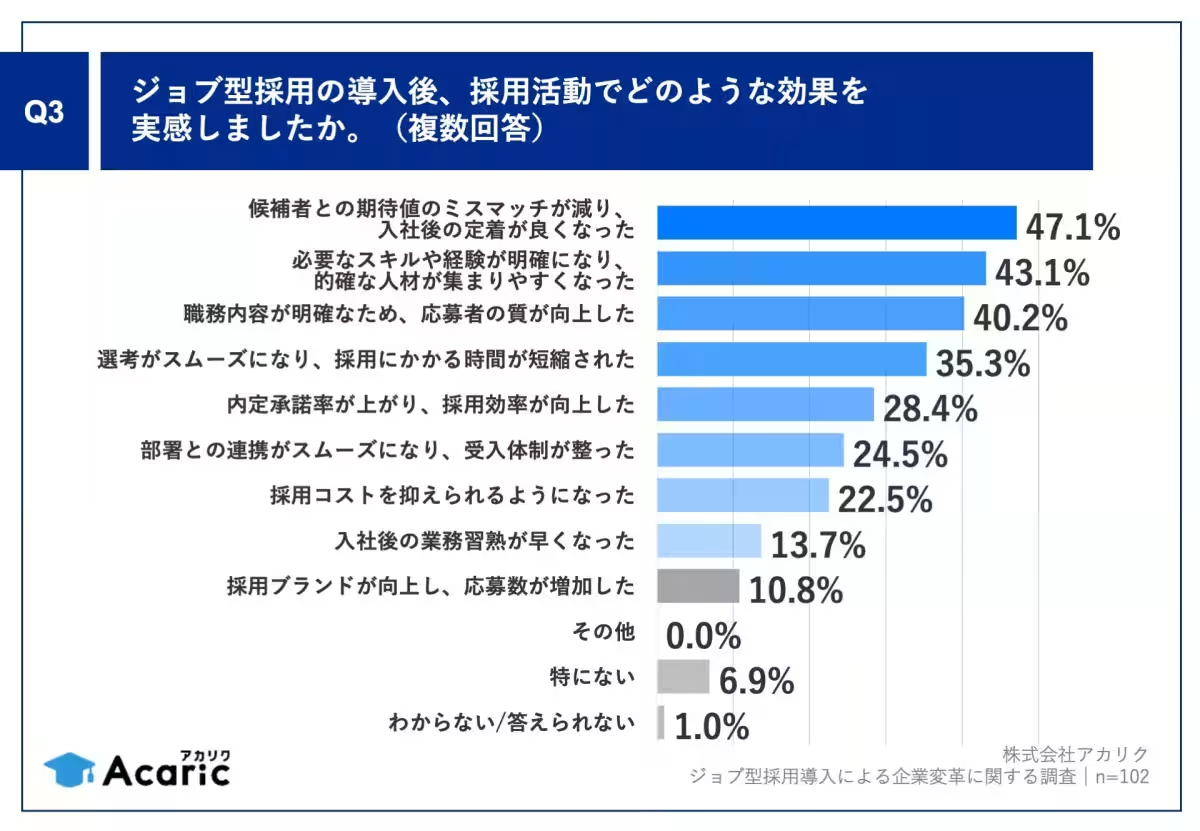
Among the positive impacts of job-based recruitment, 47.1% of respondents reported a decrease in mismatches between candidates' expectations and job realities, leading to improved retention after hiring. This was closely followed by the clarity of required skills and experiences, as noted by 43.1% of respondents, and the enhancement of applicant quality due to clear job descriptions, noted by 40.2%.
Positive Organizational Changes
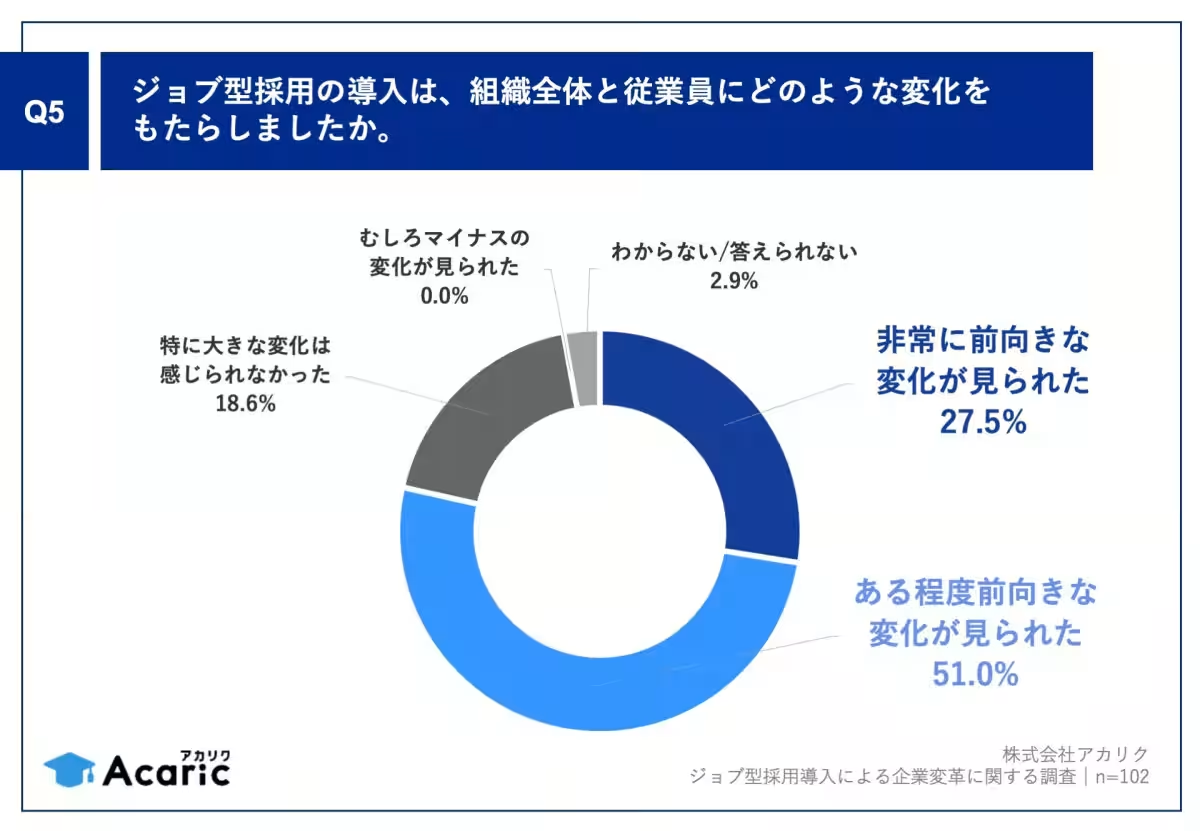
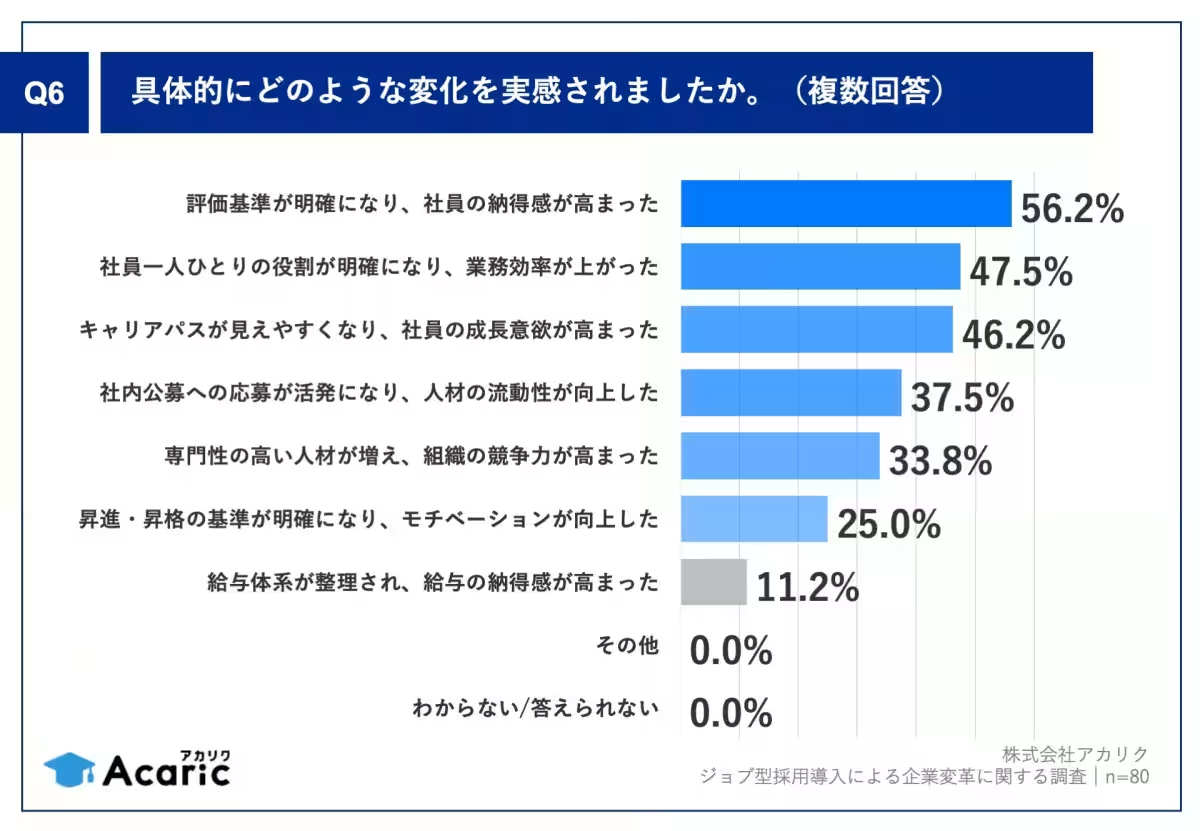
Around 80% of the hiring managers recognized a positive shift in their organizations after adopting job-based recruitment. About 60% stated that clear evaluation criteria boosted employee satisfaction. The survey illuminated the general sentiment towards this recruitment strategy - almost 28% described the change as highly positive, and 51% noted some positive changes in their organizations.
Challenges Faced During Implementation
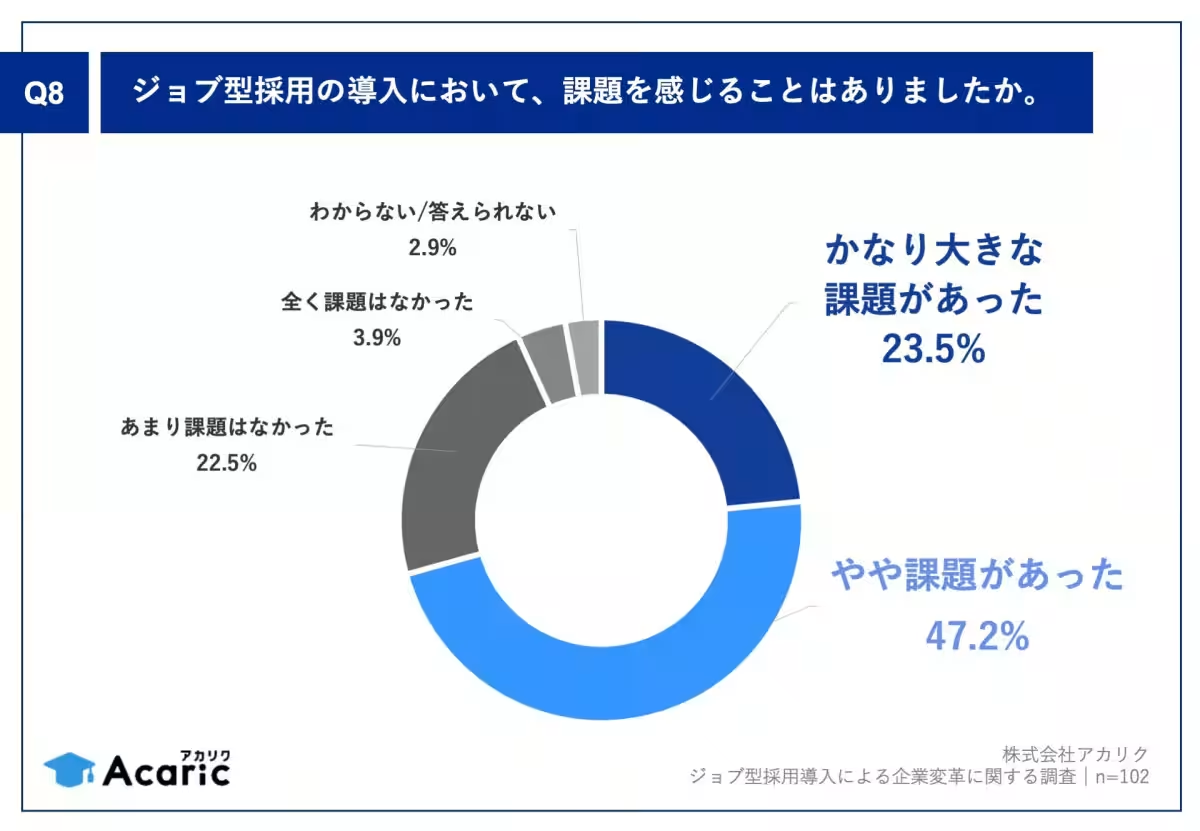
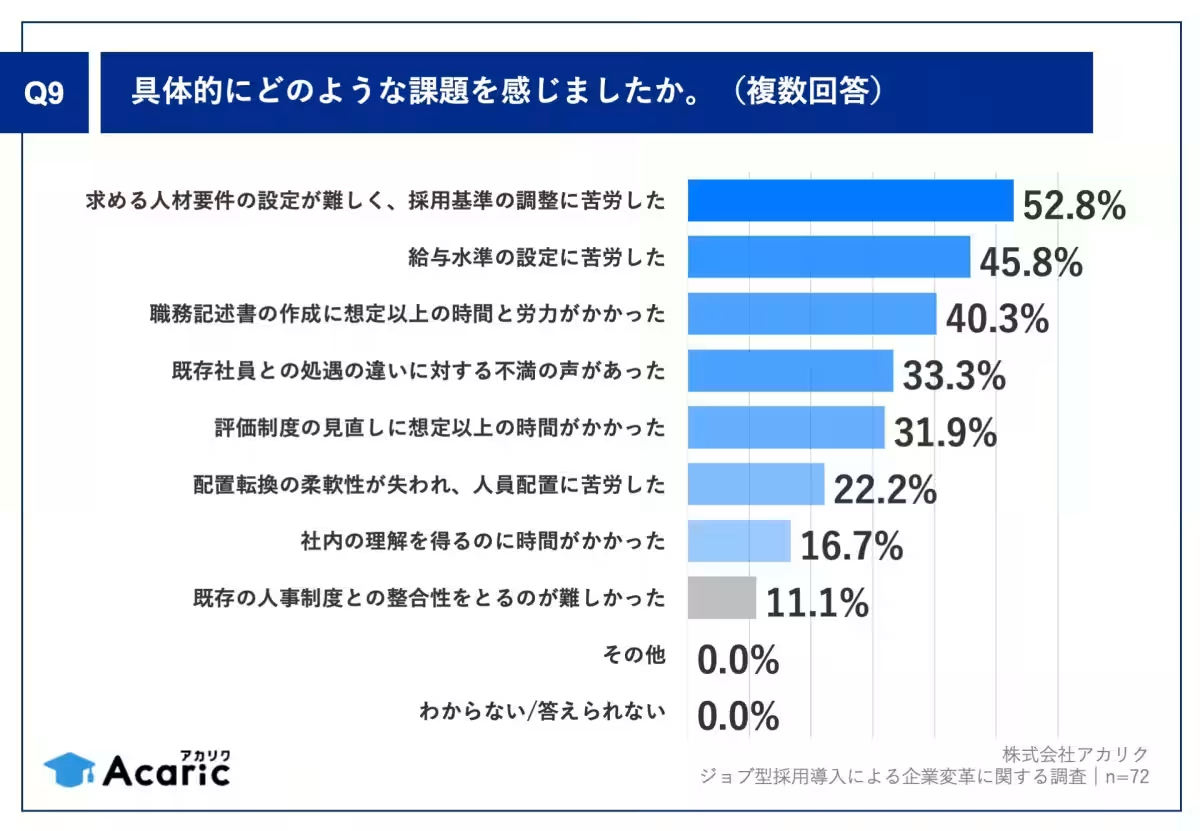
Despite the evident benefits, 70.7% of responders acknowledged challenges in implementing job-based recruitment. The most common hurdles included:
- - Difficulty in defining the necessary applicant qualities (52.8%)
- - Challenges in setting competitive salary levels (45.8%)
- - Time-consuming processes for writing job descriptions (40.3%).
Looking Towards the Future
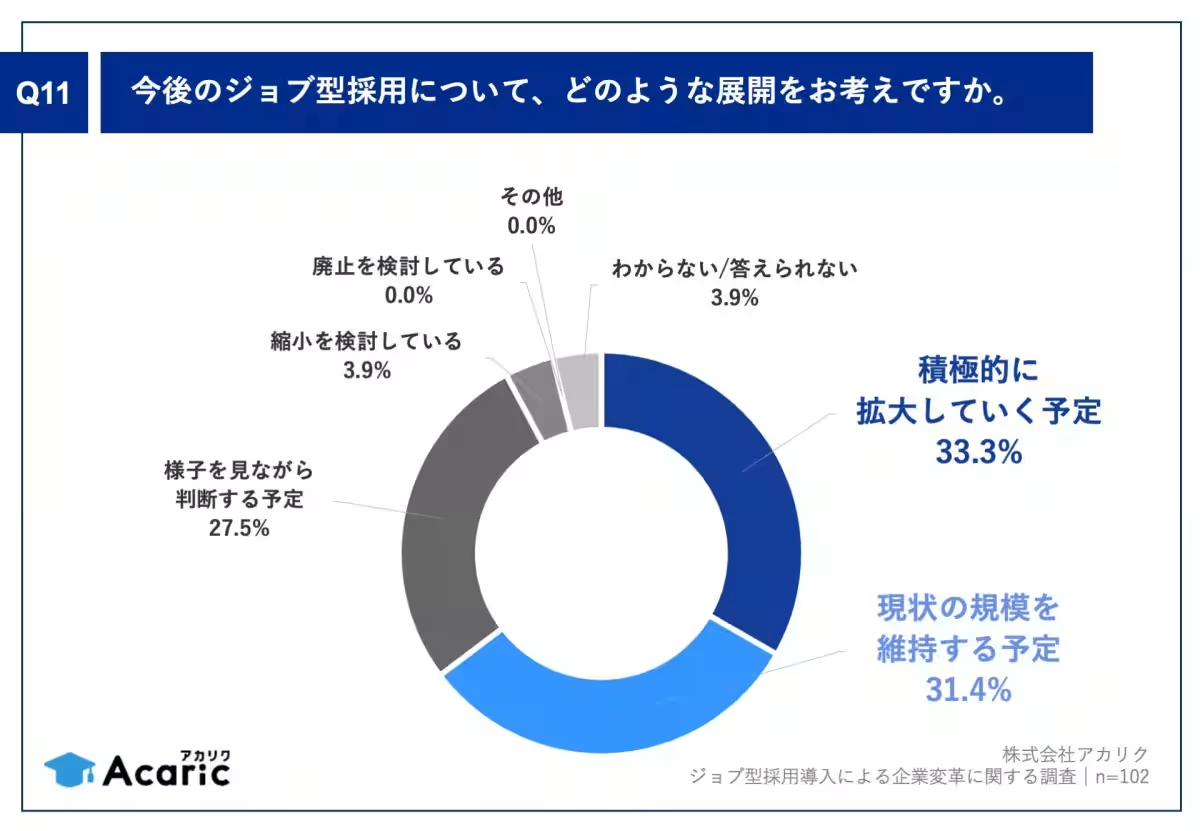
When asked about future plans concerning job-based recruitment, 33.3% of respondents expressed intentions to expand this hiring method, while approximately 31.4% preferred to maintain the current scale. This indicates a cautious but optimistic outlook on the practice's future.
Conclusion
This survey unfolds a comprehensive view of the effects job-based recruitment has on organizations. With an apparent shift from traditional employment practices toward a model that emphasizes clear job definitions and expectations, companies can better attract and retain the talent needed to thrive in an increasingly competitive market. The results belong not only to human resource professionals but also reflect a broader trend within Japan as firms adjust their employment strategies to enhance workforce stability and satisfaction.
Company Overview
Akaliku, founded in November 2006 and based in Shibuya, Tokyo, specializes in providing career information services for graduate students and postdocs. Apart from running the job-seeking site for advanced degree holders, Akaliku also organizes events, conducts career seminars, and offers talent recruitment services tailored for the research community.
For more information, visit Akaliku’s official website.
Topics People & Culture)
【About Using Articles】
You can freely use the title and article content by linking to the page where the article is posted.
※ Images cannot be used.
【About Links】
Links are free to use.