



Significant Increase in Paternity Leave Adoption Among Japanese Dads
Recent Trends in Paternity Leave in Japan
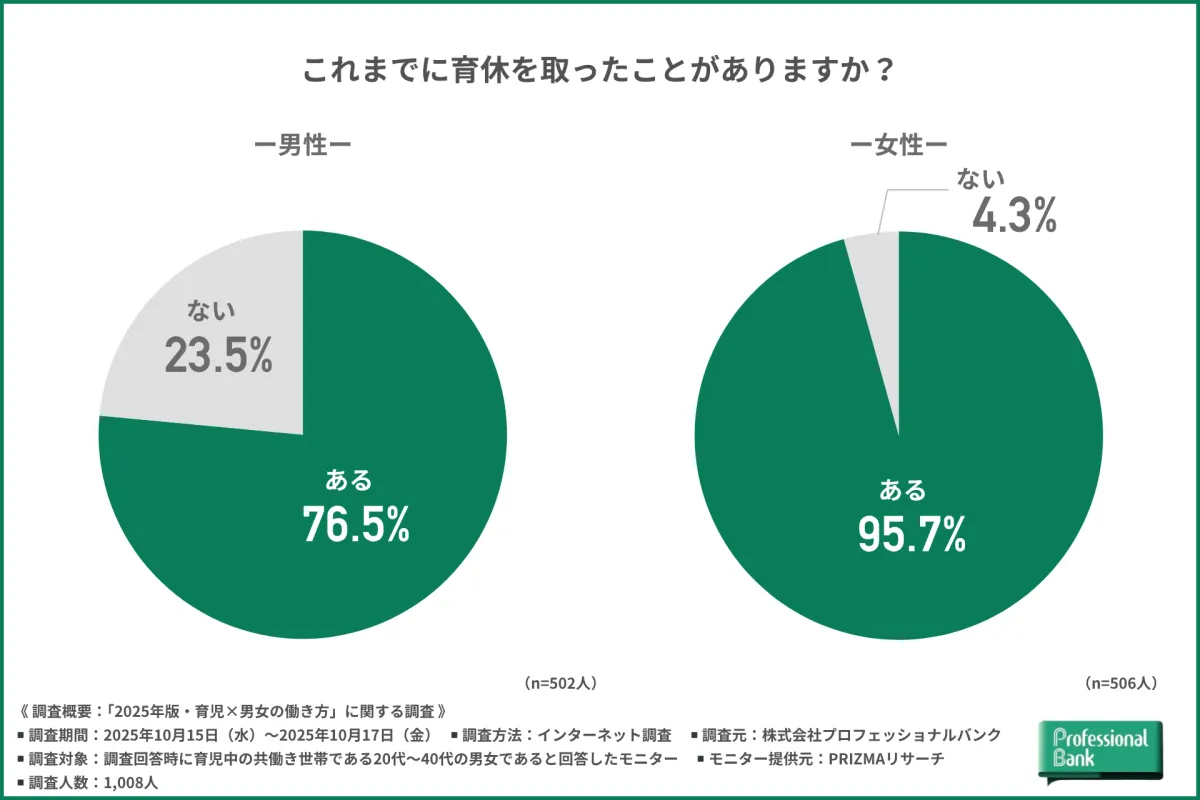
On November 19, recognized as “Good Parenting Day” in Japan, a significant shift was noted in the attitudes of working fathers toward taking paternity leave. A study conducted by Professional Bank’s HR Research Institute surveyed over 1,000 dual-income households with children in their 20s to 40s, showing that the rate of men taking paternity leave has surpassed 70%. This marks a dramatic increase from previous years and suggests a growing acceptance of shared parenting responsibilities.
Methodology of the Survey
The survey was conducted over three days from October 15 to October 17, 2025, targeting dual-income families with pre-school-aged children. The results are drawing comparisons with a similar survey conducted the previous year, which highlighted the evolving dynamics of work-life balance among working parents.
Key Findings
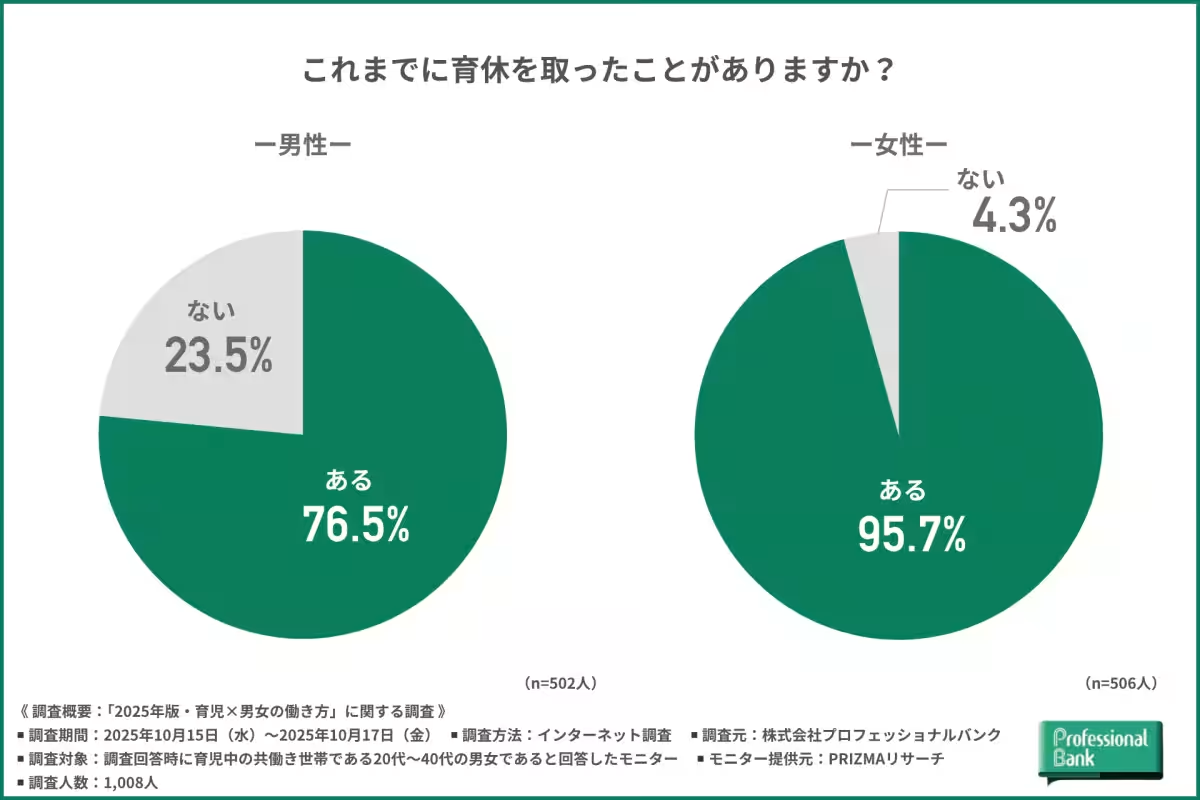
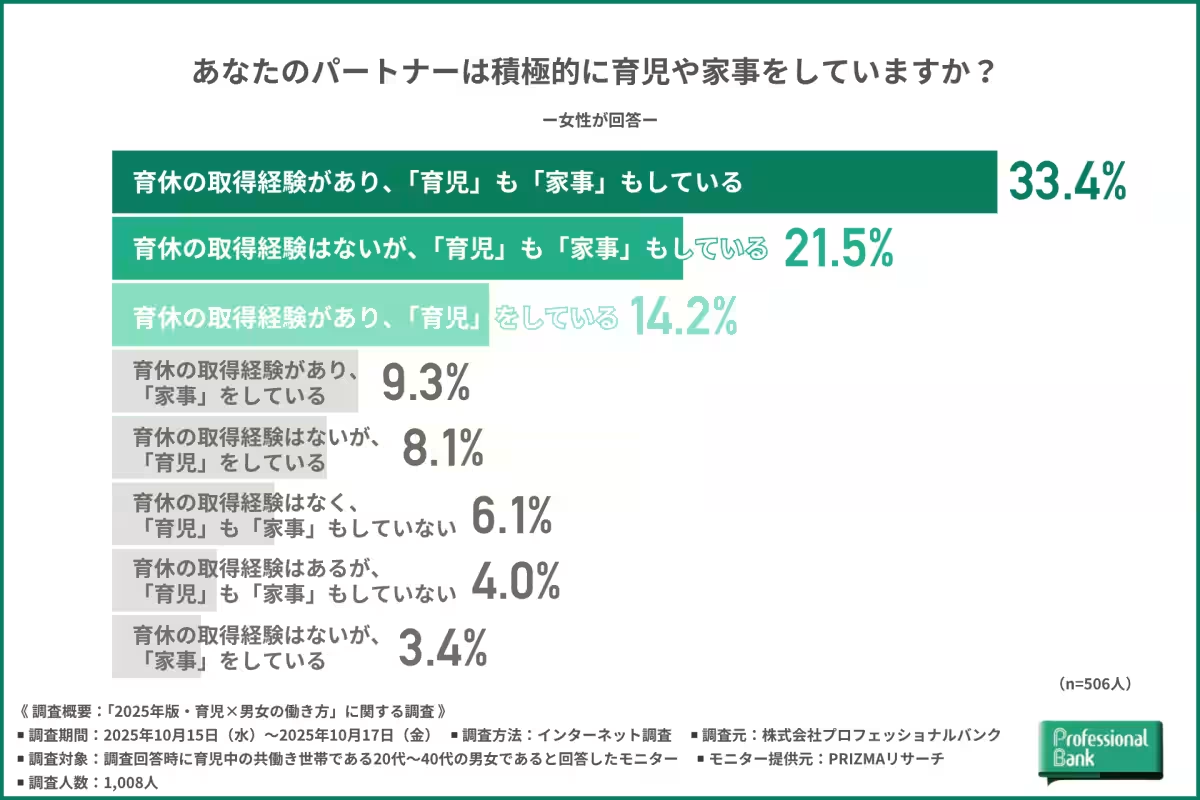
1. Increase in Paternity Leave: Approximately 80% of men reported having taken paternity leave, an increase of nearly 20% from the previous year. This is contrasted with women, where over 90% maintained high levels of leave adoption.
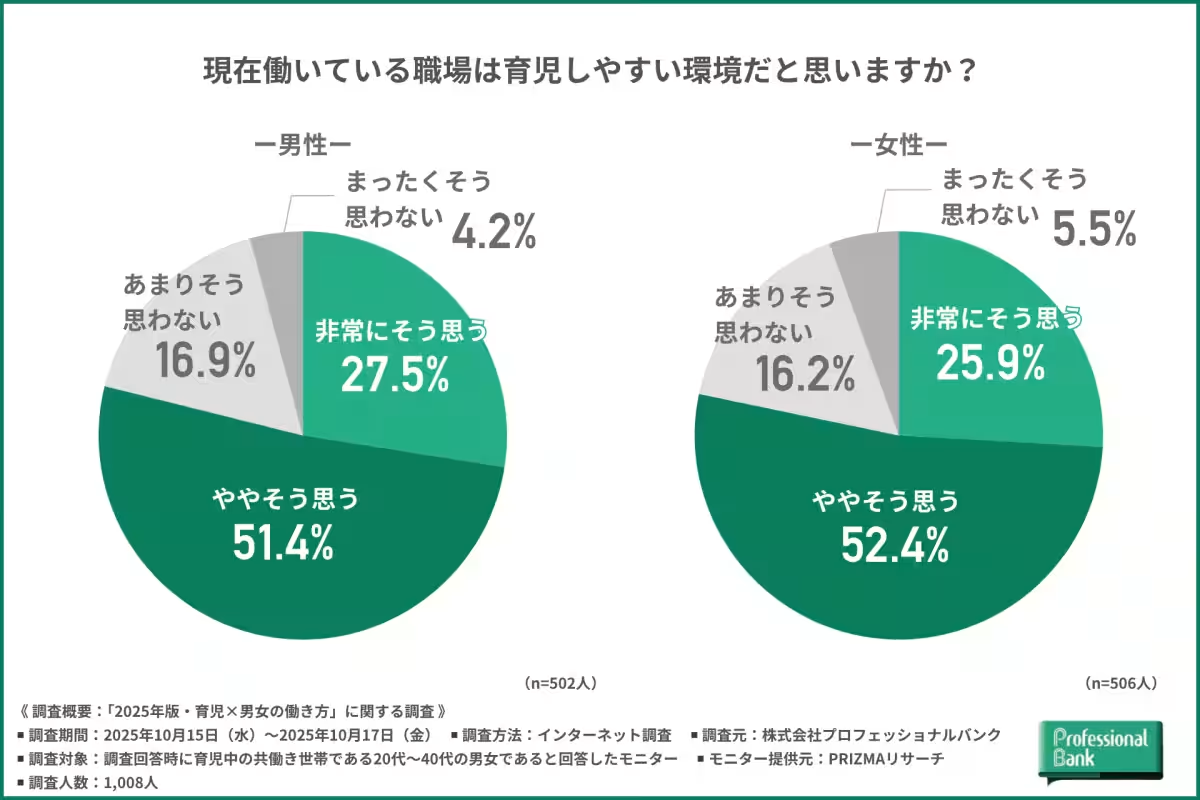
2. Work Environment Satisfaction: About 80% of respondents, both male and female, agreed that their workplaces support parenting, indicating rising satisfaction levels compared to last year’s findings.
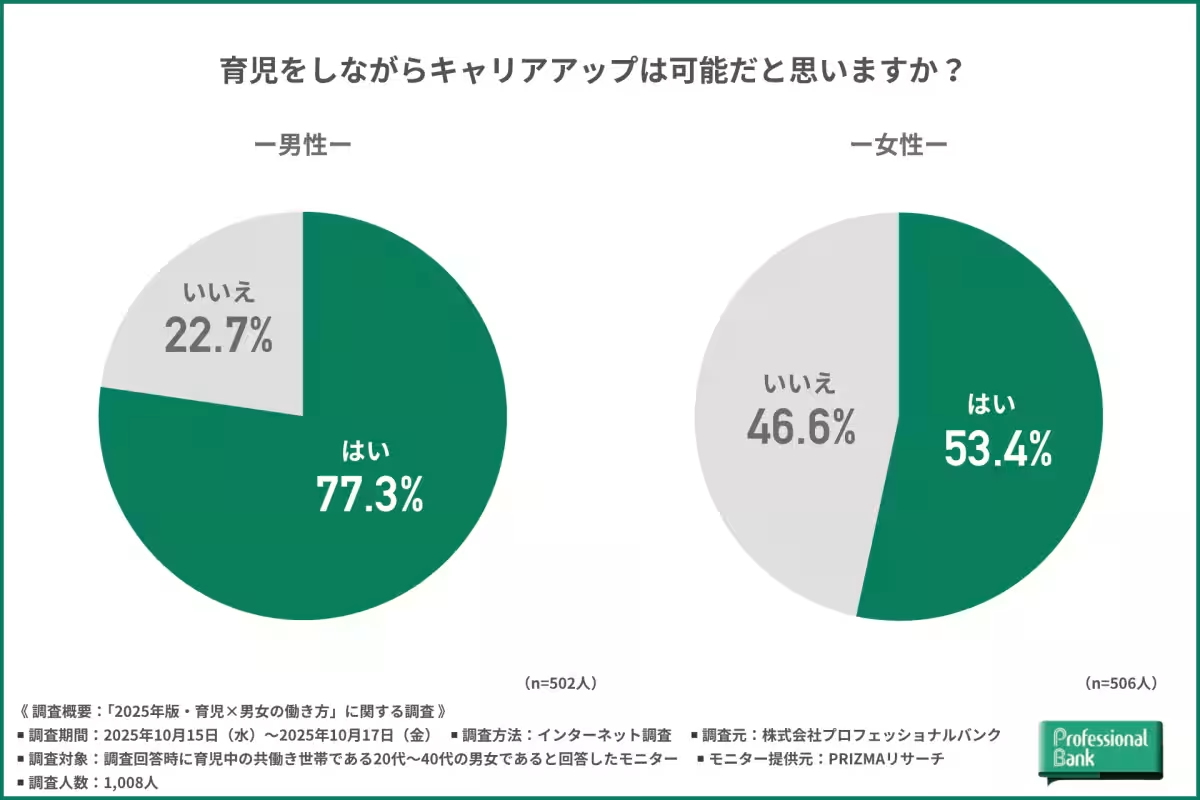
3. Balancing Work and Parenthood: The study revealed that while 70% of men felt that balancing work with child-rearing is feasible, the perception among women remains lower, with only half agreeing.
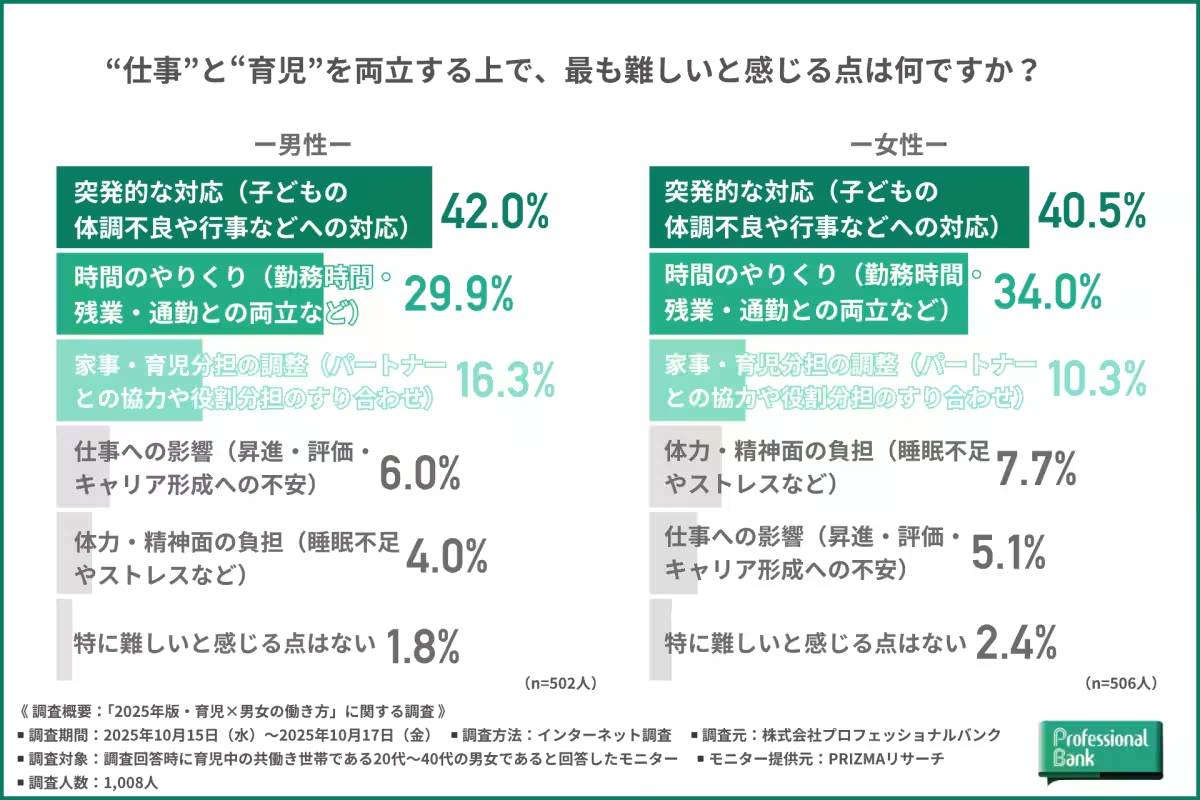
4. Challenges Faced: Both genders identified unexpected family emergencies and managing time effectively as significant challenges in balancing work and child-rearing responsibilities.
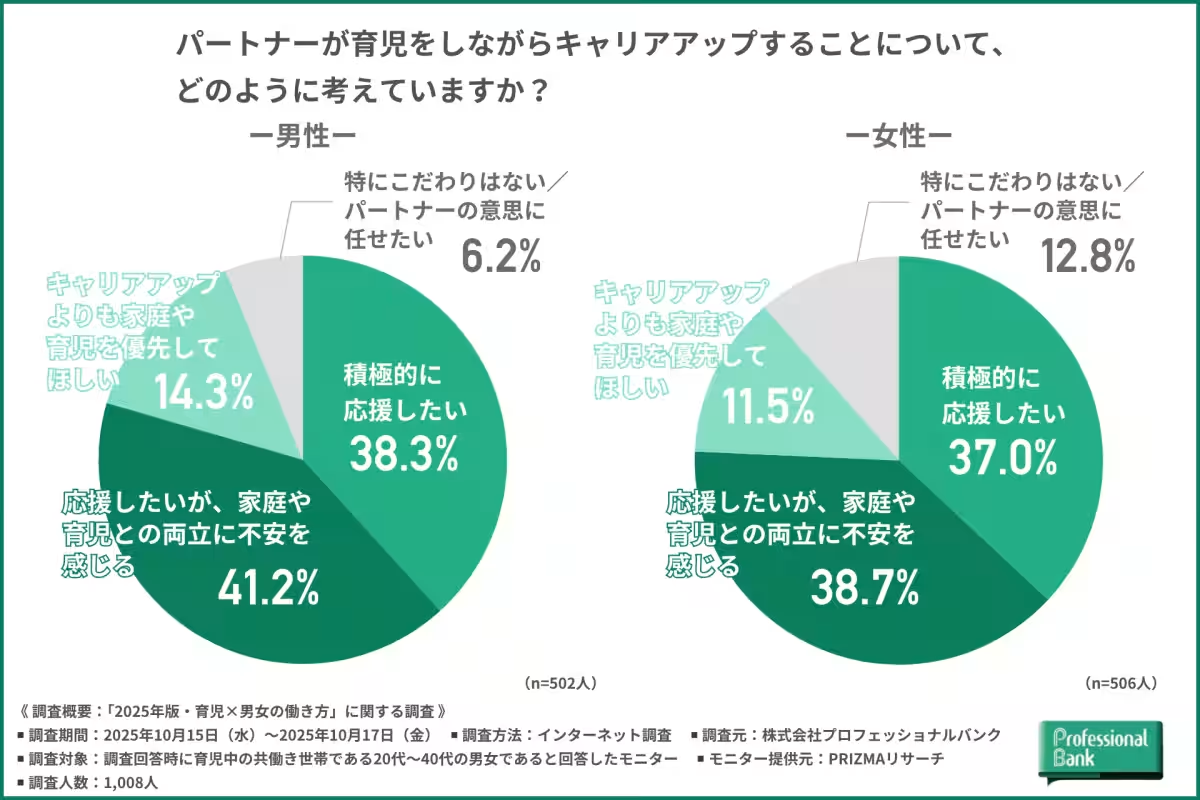
5. Career Development Concerns: The study noted that while 77% of men are optimistic about integrating career advancement with parenting, only approximately 53% of women feel similarly, pointing toward an ongoing gender gap in perceived possibilities for career growth.
Insights From the Findings
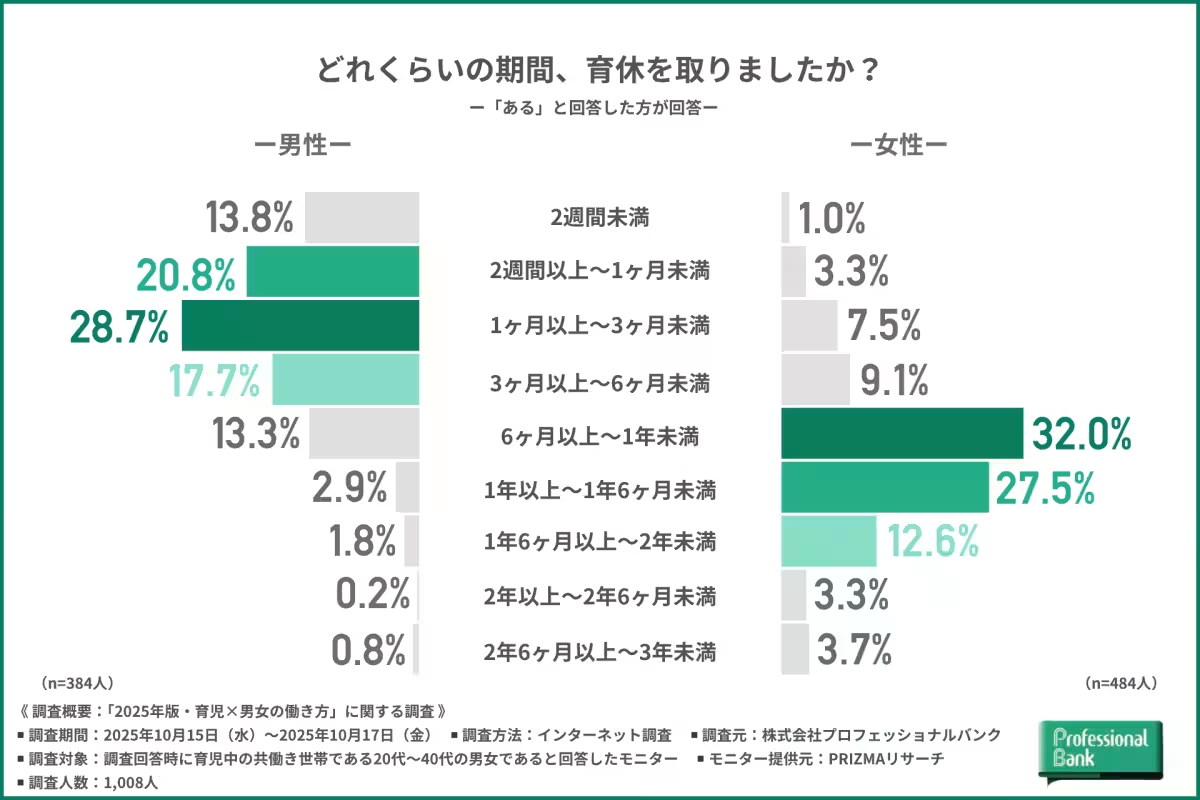
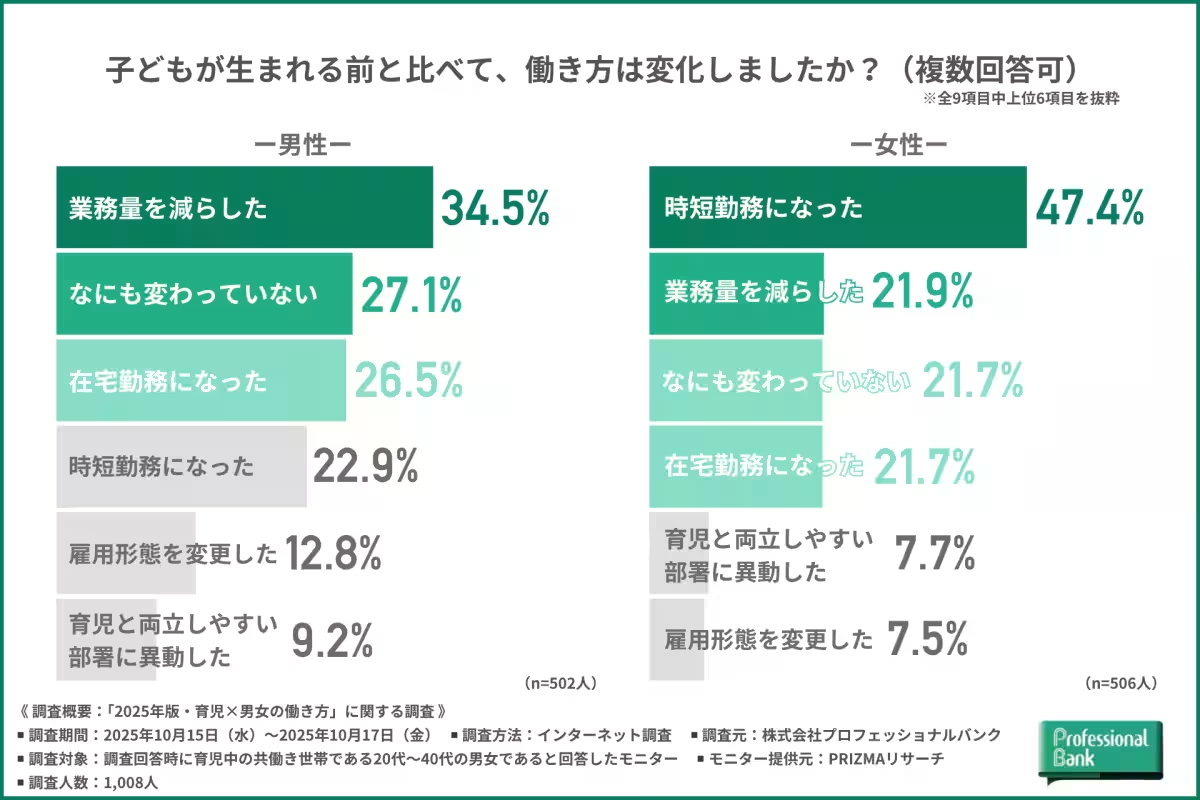
Reflecting on last year’s data, men reported a noticeable shift in their workplace experiences regarding paternity leave. The average leave taken by men increased slightly, with many opting for longer periods of leave compared to the previous norm of shorter timeframes. Women, on the other hand, are increasingly seeking flexible work options, such as reduced hours, post childbirth, indicating a duration for maternity leave and a desire for continued professional engagement.
The Importance of Workplace Policies
The rising perception of workplaces as “parent-friendly” underscores the advancements made in corporate policies aimed at supporting working parents. As gender roles progressively evolve within both domestic and workplace environments, institutions need to continue fostering an atmosphere that encourages both fathers and mothers to engage equally in childcare without stigmatizing their professional contributions.
Overcoming Existing Barriers
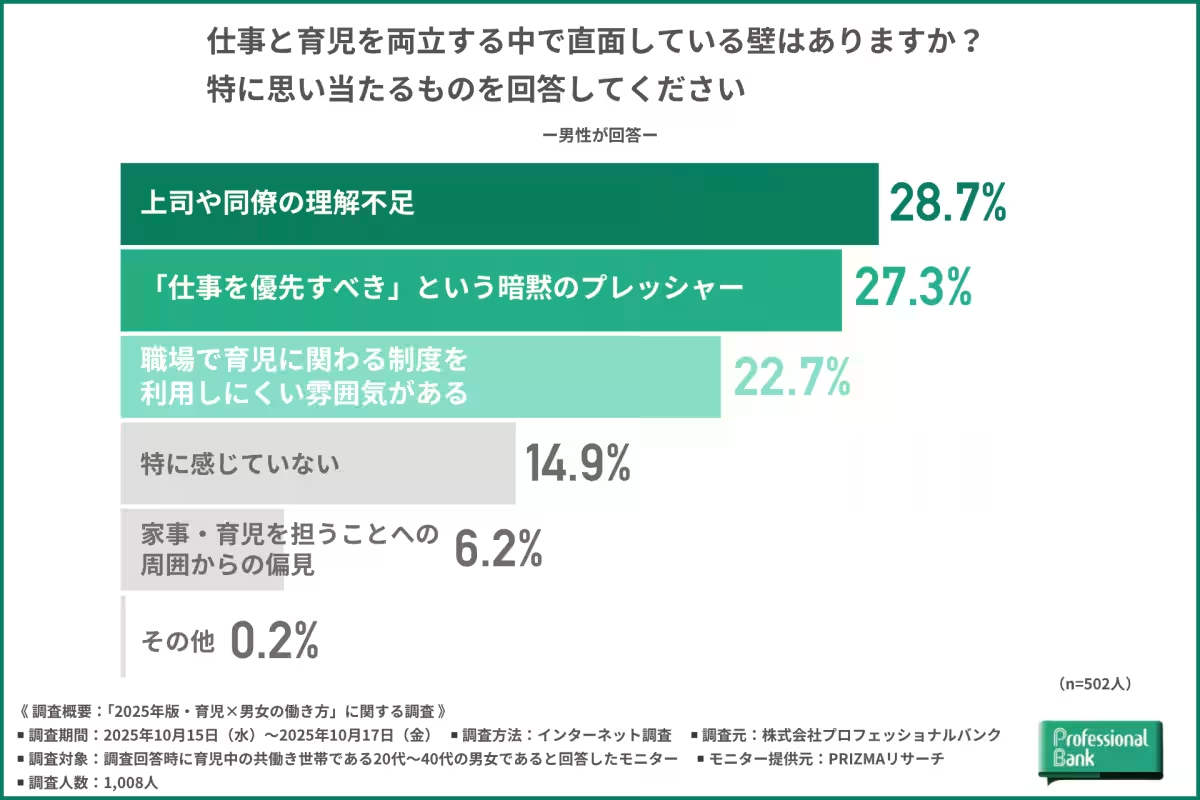
Despite these positive developments, many barriers remain. Men reported facing obstacles such as lack of understanding from peers and superiors about the challenges they encounter while balancing work and parenting. Furthermore, women expressed concerns about their partners not receiving adequate recognition for their dual roles in parenting and career development.
Conclusion
The 2025 survey highlights a clear trend toward accepting and normalizing paternity leave among working men in Japan. Employers and policymakers must continue to address the nuances of parenting responsibilities and professional growth, ensuring that all parents feel supported in both the workplace and at home. As we celebrate the strides made in paternity leave adoption, further initiatives must focus on creating an inclusive and understanding environment for all working parents around the world.
Topics People & Culture)

【About Using Articles】
You can freely use the title and article content by linking to the page where the article is posted.
※ Images cannot be used.
【About Links】
Links are free to use.