



Understanding the True Meaning of Adulthood: A Study on Adult Identity in Modern Society
The True Meaning of Being an Adult: Insights from Mizukara's Recent Study
In a complex and rapidly changing society, the definition of adulthood has continuously evolved. Recent research conducted by Mizukara, a coaching company based in Tokyo, sheds light on the modern understanding of what it truly means to be an adult. Through a survey of 500 employed married individuals aged 20 to 59, the study sought to determine what society believes constitutes a true adult and at what age one typically meets those criteria.
The Shift in Adult Standards
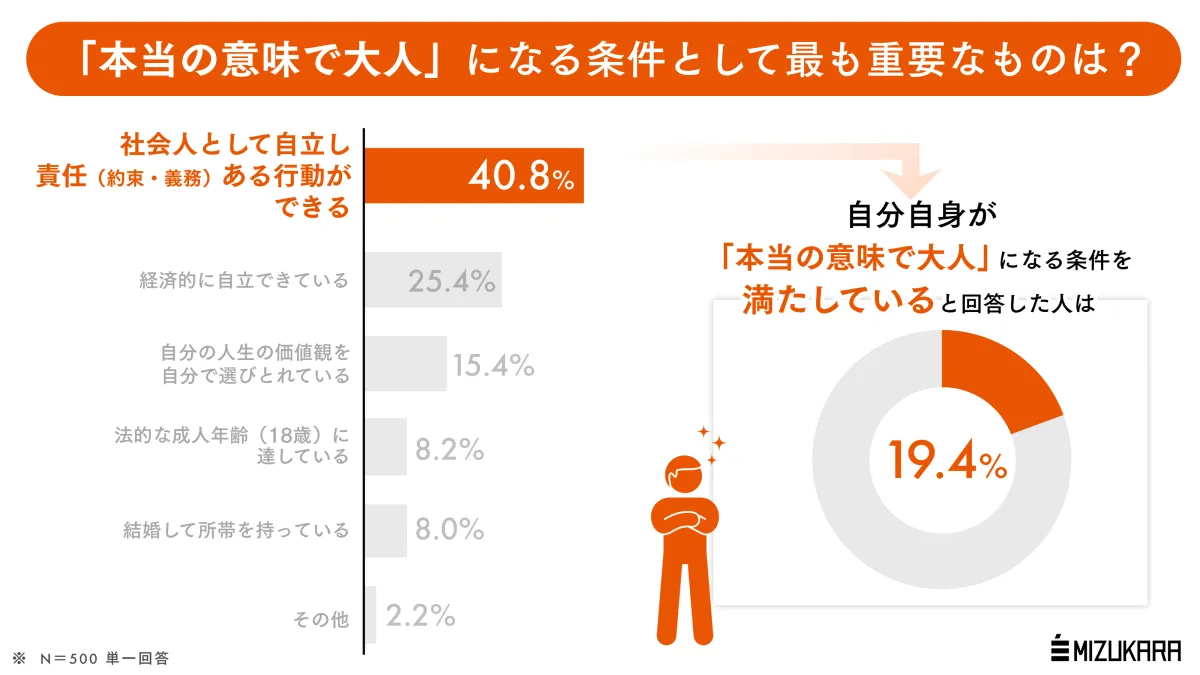
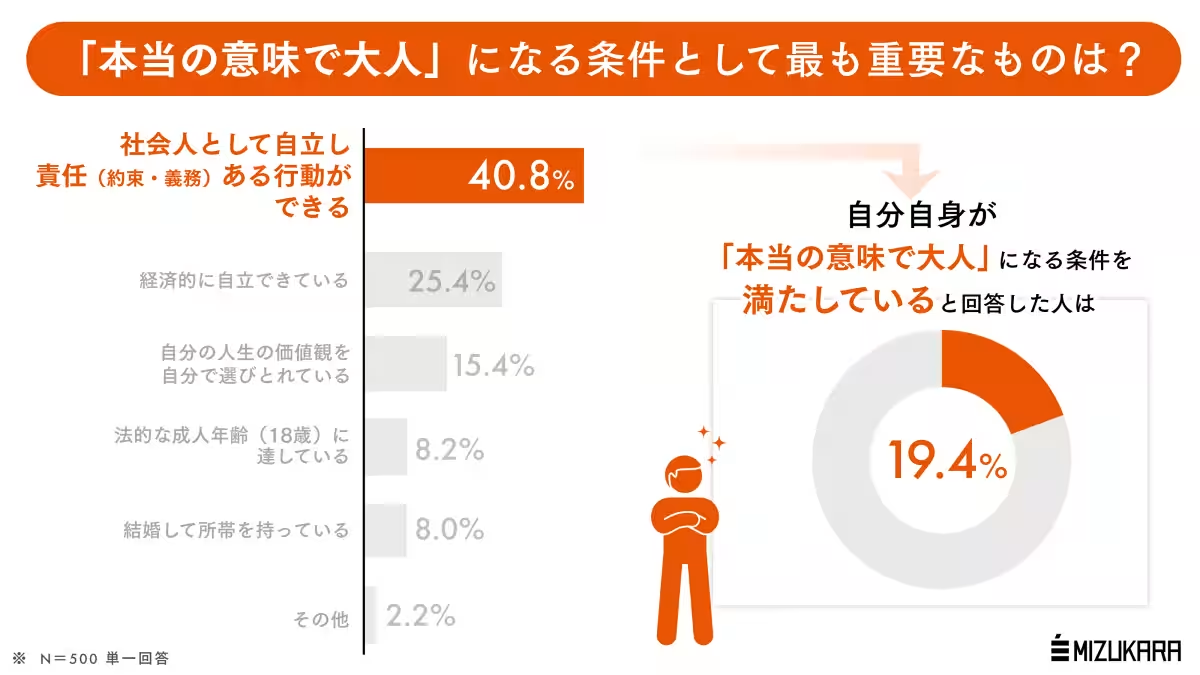
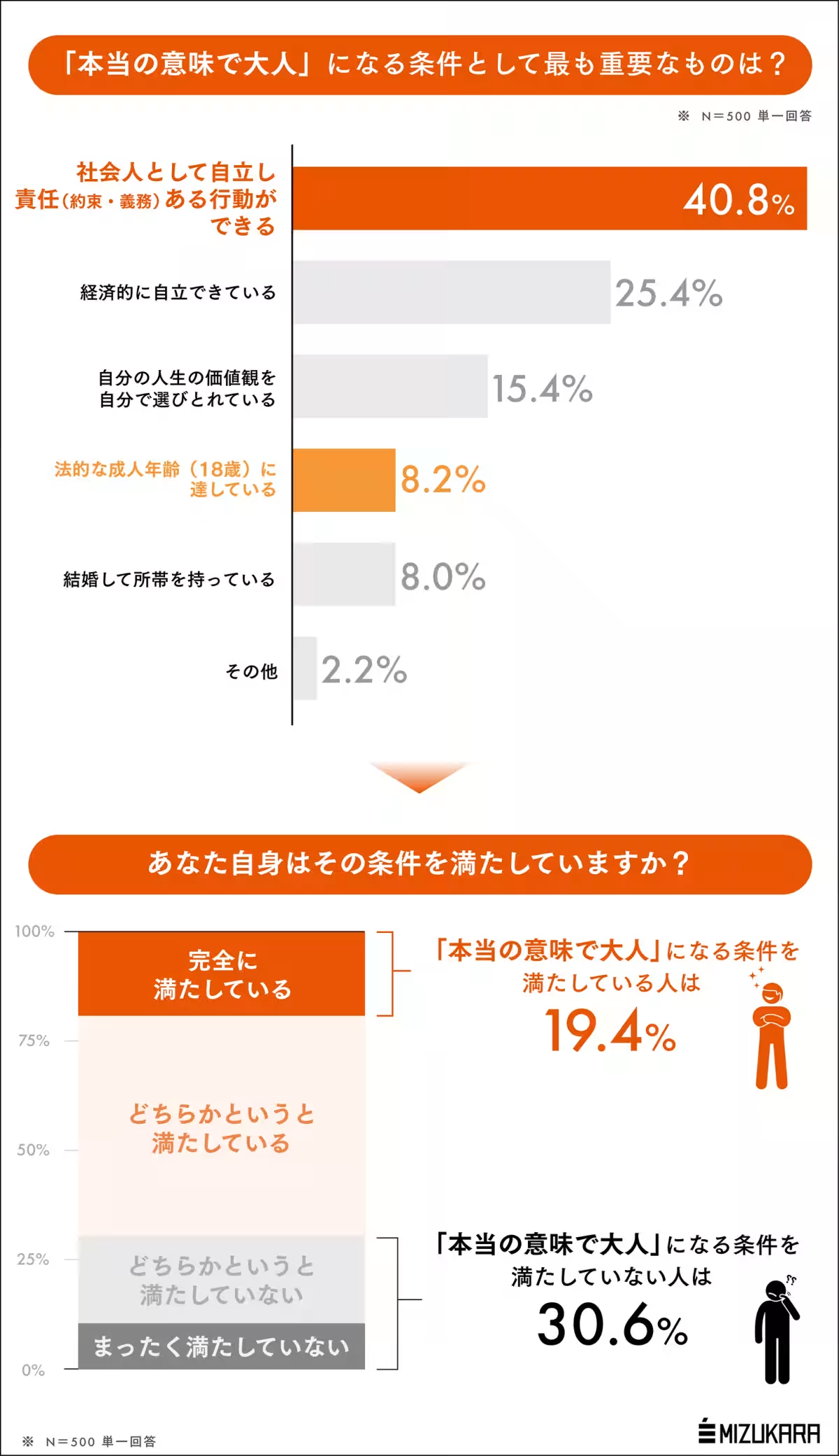
In 2022, the legal adult age in Japan was lowered to 18, yet the cultural perception of adulthood is still influenced by the traditional coming-of-age ceremony, which is held at 20. This contradiction raises the question: what does it really mean to become an adult? According to the survey, 40% of respondents indicated that the primary marker of true adulthood is the ability to navigate life responsibly as a self-sufficient member of society. Notably, only 8.2% of individuals consider turning 18 to automatically make one an adult. This cultural shift signifies that adulthood is perceived more as a state of being rather than merely a function of age.
The Reality of Adult Status
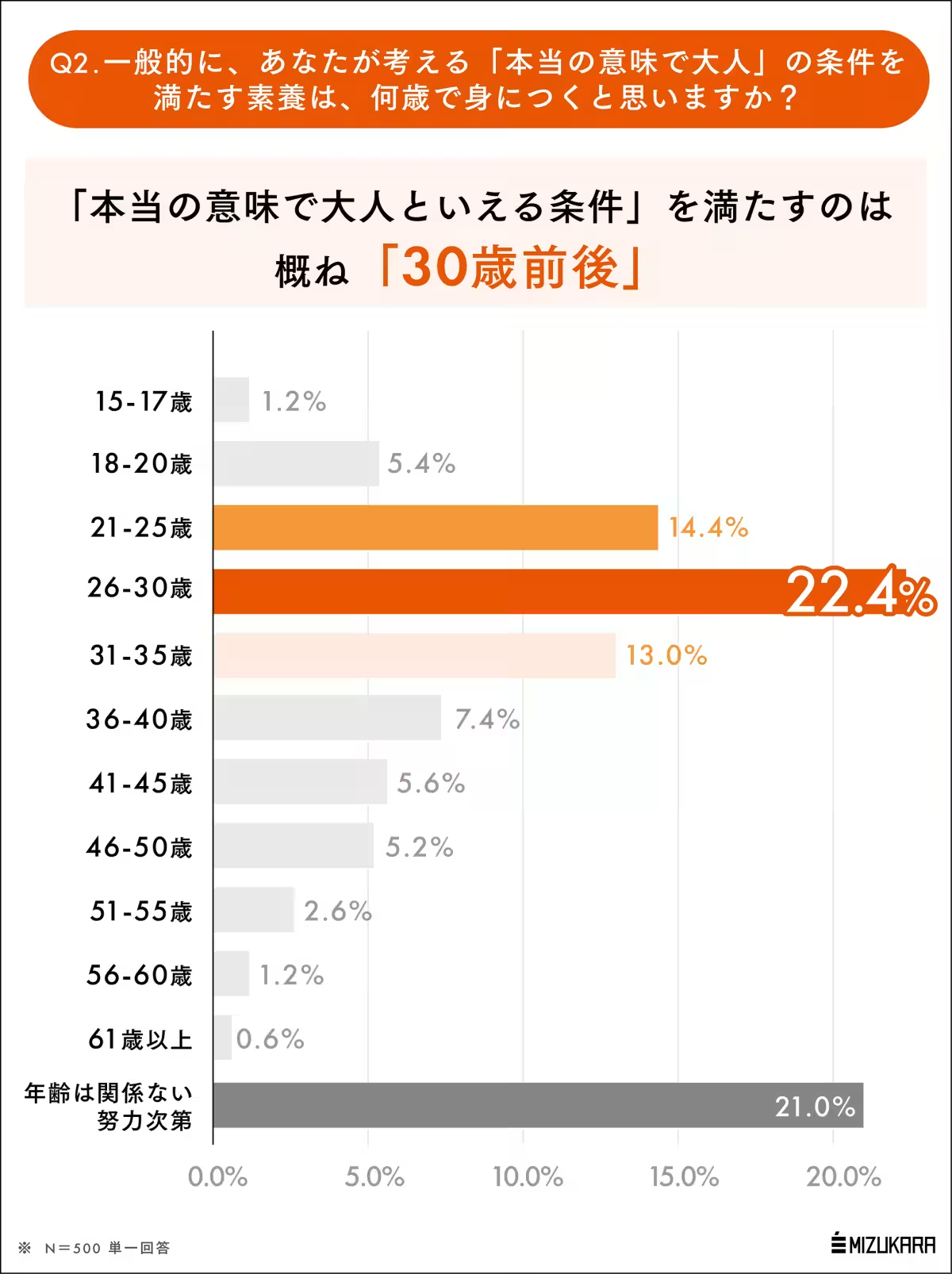
When asked if they believe they meet the criteria for being a true adult, only 20% of respondents affirmed that they do so. In contrast, 30% felt they are still quite distant from full adulthood. This highlights that many adults perceive themselves as still grappling with child-like qualities despite having reached legal adulthood. Thus, the modern threshold for 'true' adulthood appears to hover around the age of 30, suggesting a significant gap between the legal definitions of adulthood and the societal expectations placed upon individuals.
Experiences Shaping Adulthood
This leads us to consider the experiences and trials that are necessary for individuals to attain this status of being ‘truly’ adult. Participants in the survey largely concurred that gaining maturity is a process that depends significantly on personal experiences after entering the workforce. Interestingly, roughly 21% believe that age should not dictate adulthood but rather the individual’s journey and personal growth.
Confidence and Adult Identity
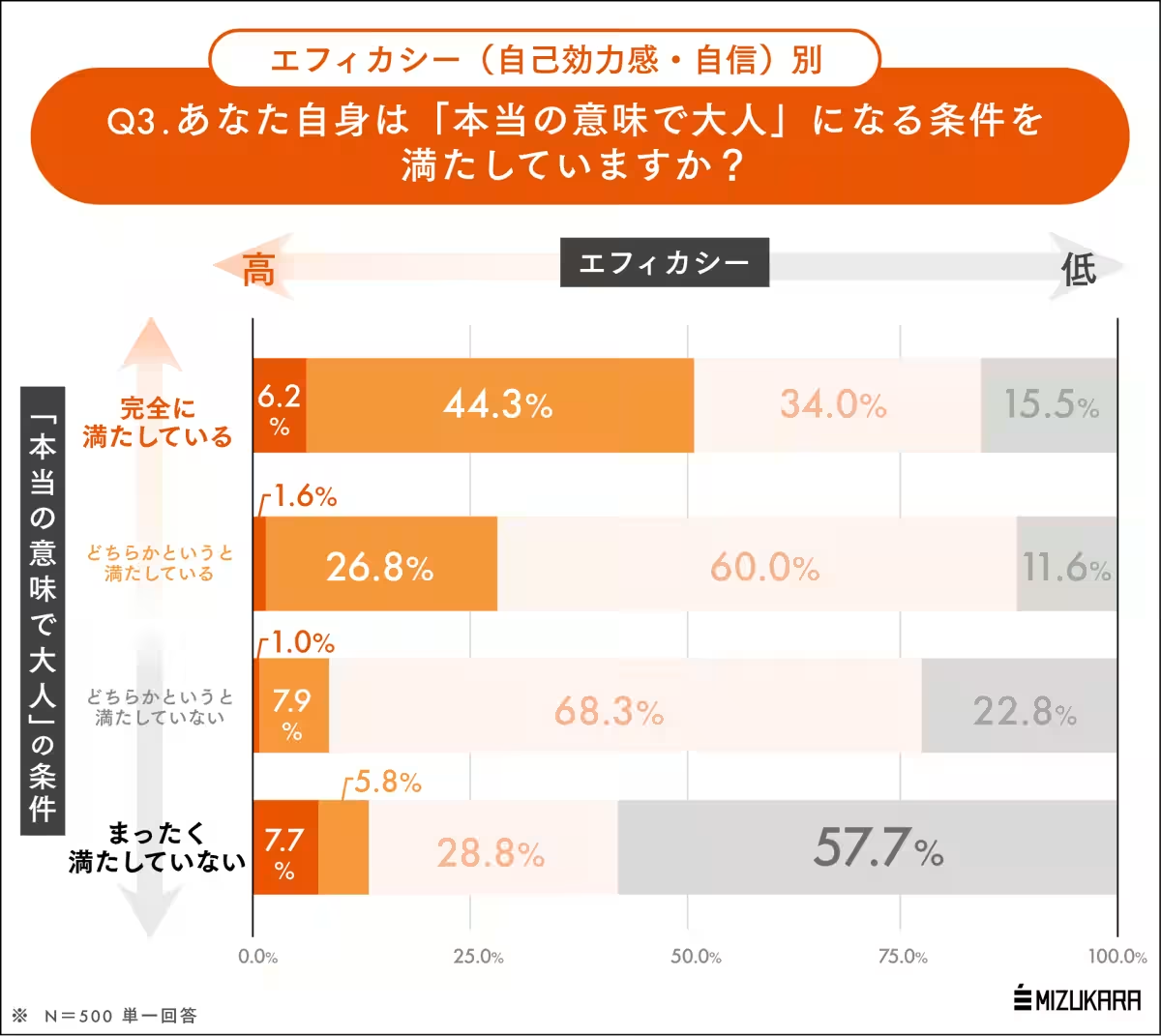
A further analysis revealed a connection between one's personal criteria for adulthood and their self-efficacy — essentially their confidence in making decisions and pursuing their life. Those who believe they meet the markers for adulthood typically report higher levels of self-efficacy. This suggests that achieving adulthood isn’t just about achieving certain life milestones but also about having the confidence and agency to live one’s life purposefully.
The First Step of the Adult Staircase
Today, the steps to adulthood are less about rigid timelines and more about qualitative internal growth. The current age of majority of 18 or the traditional celebration of turning 20 marks the beginning of a transitional phase — a first step on a staircase toward full adulthood. As individuals face various life decisions, refining their judgment and personal criteria for success ultimately leads to true adulthood. It is when someone begins to act autonomously and take responsibility for their actions that they become what society considers “truly” adult, embarking on the ongoing journey of adult life.
Conclusion
The Mizukara study presents valuable insights into the societal perceptions of adulthood in contemporary Japan. This exploration illustrates the need for deeper discussions regarding maturity, self-reliance, and confidence. As we navigate through the complexities of modern life, acknowledging the transition into adulthood and supporting individuals in their journey can empower them toward leading fulfilling lives.
About Mizukara
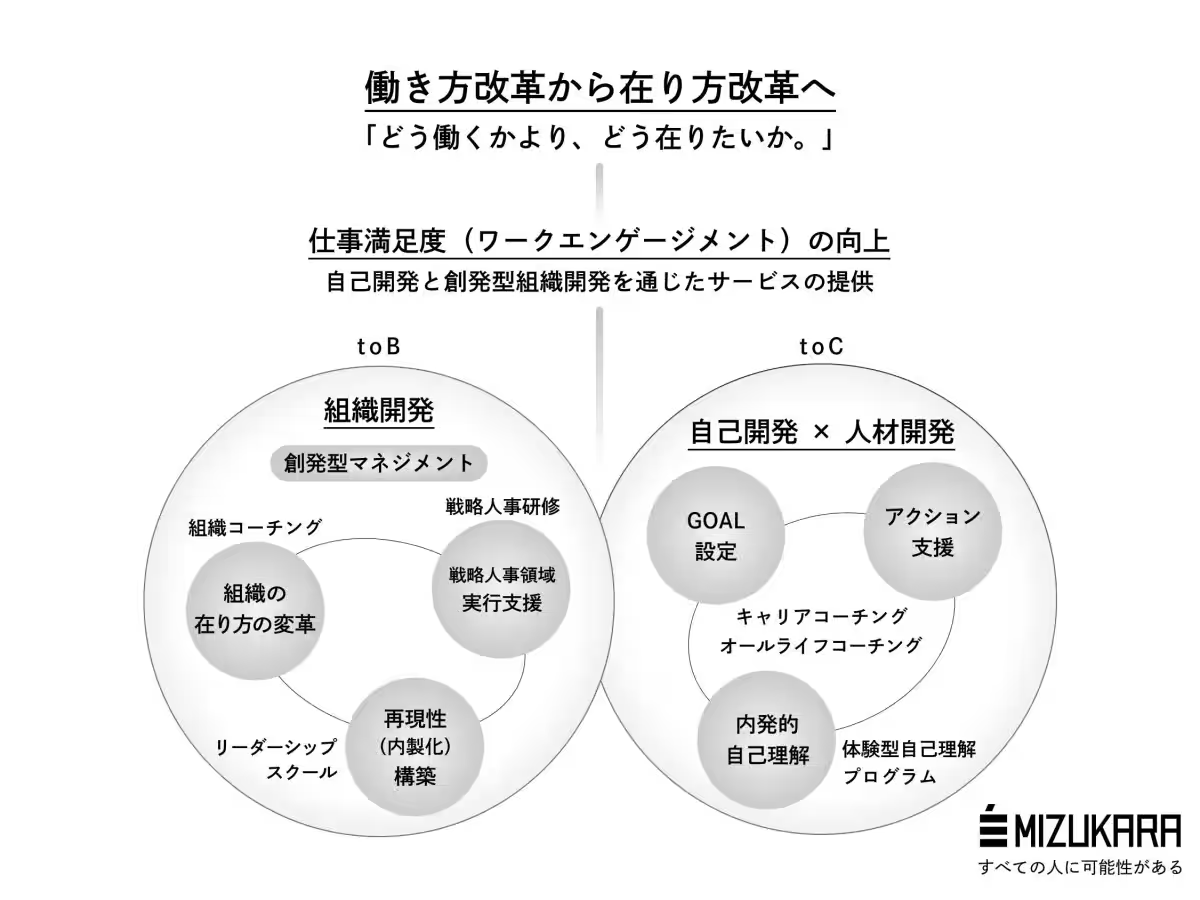
Mizukara is rooted in the belief that everyone has potential. They offer various coaching services aimed at both individuals and organizations to enhance understanding and personal development. Their mission seeks to help individuals thrive in their careers and overall life satisfaction through tailored coaching programs.
For more information or media inquiries, please contact Mizukara at [email protected].
Topics People & Culture)



【About Using Articles】
You can freely use the title and article content by linking to the page where the article is posted.
※ Images cannot be used.
【About Links】
Links are free to use.