




Survey Reveals IT Engineers' Views on Retirement and AI Skills
The Future of IT Engineers: Retirement Aspirations and AI Skills
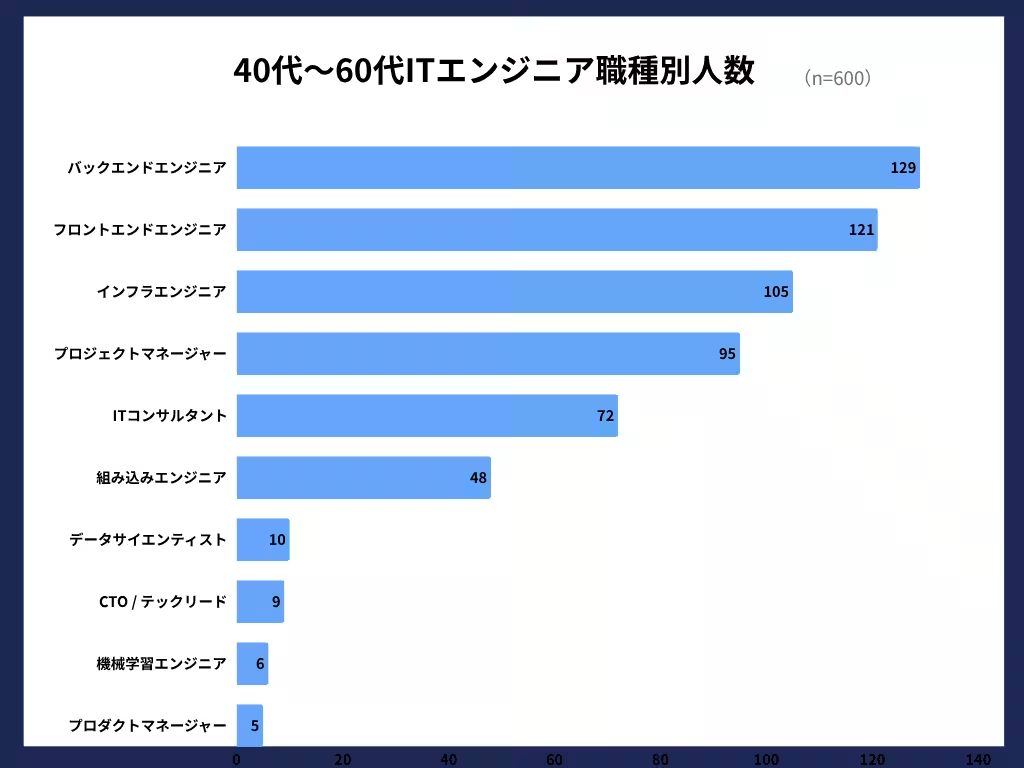
In a recent survey conducted by Morro, a company specializing in freelance opportunities for senior engineers, 600 IT professionals aged 40 to 60 shared their thoughts on retirement and the importance of AI skills in the current job market. The findings reveal a complex landscape of aspirations, economic necessity, and technological readiness among this demographic.
Key Findings from the Survey
Desire to Continue Working
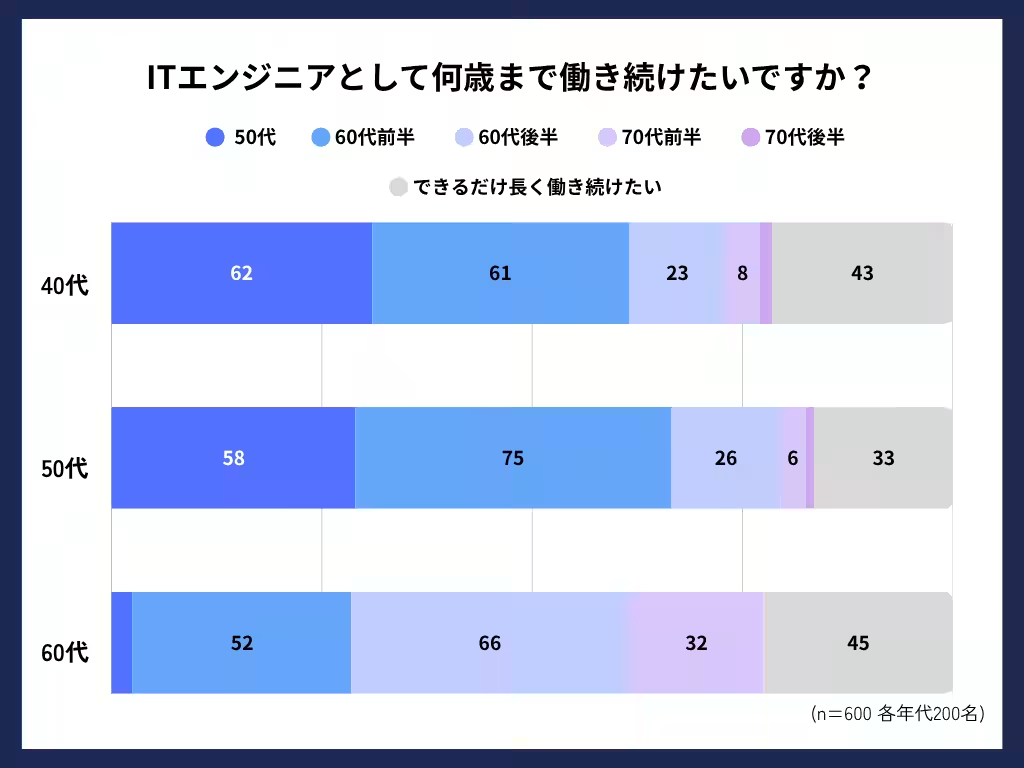
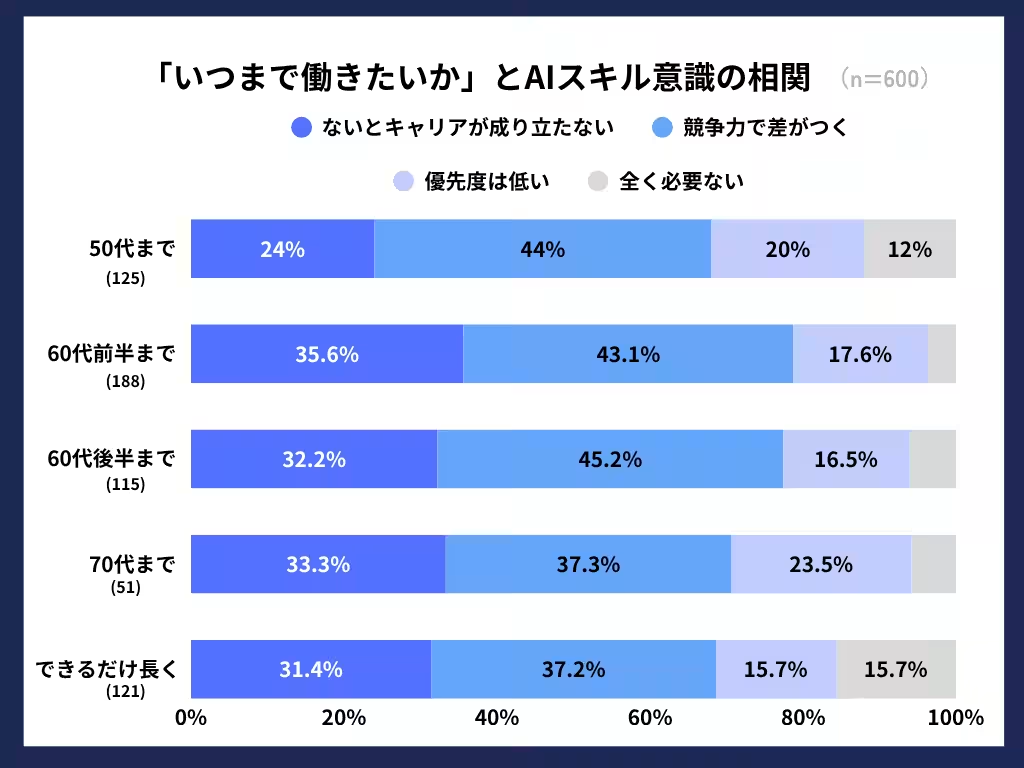
Approximately 70% of respondents aged in their 60s expressed a desire to continue working beyond the standard retirement age. Many indicated they wish to work until their early 70s or as long as they're capable. In stark contrast, nearly 30% of those in their 40s indicated they hope to retire by the age of 50, further highlighting generational differences in attitudes towards employment.
Interestingly, as age increases, the desire to work longer seems to grow stronger. This trend suggests a changing perception around retirement, where the traditional concept of retiring at 60 or 65 is less appealing to many senior engineers, especially as they enter the era of longevity where people are living longer healthy lives.
Economic Necessity Drives Work Aspirations
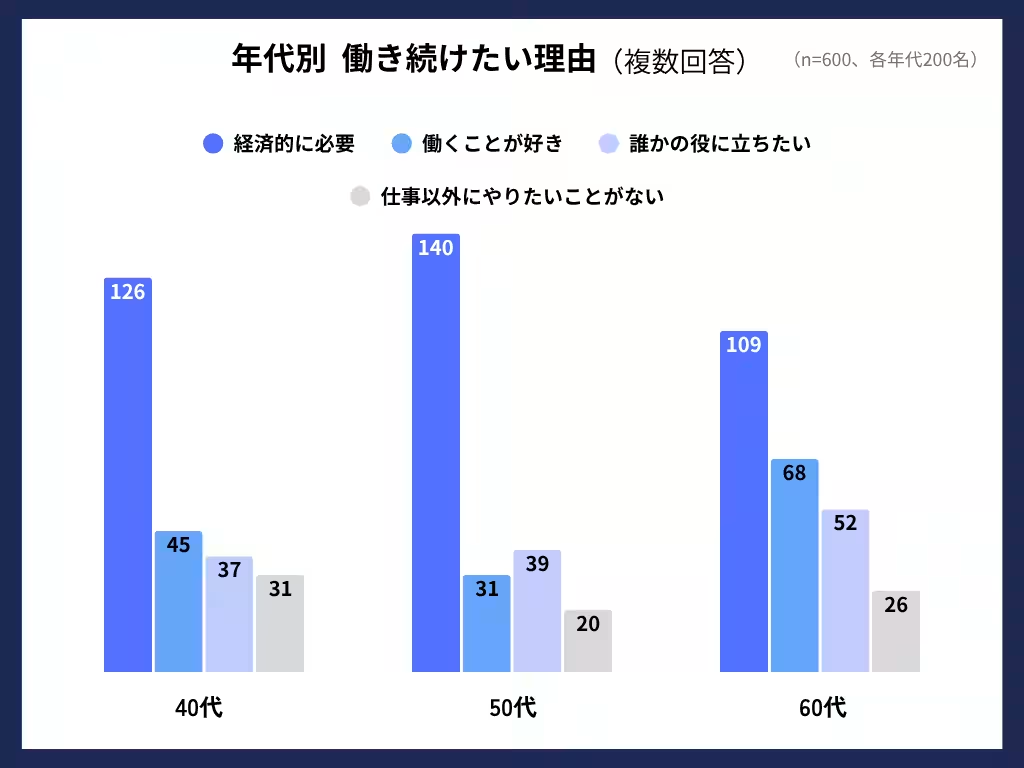
When asked why they wish to keep working, the predominant reason across all age groups was economic necessity. Many respondents cited financial stability, retirement savings, and the cost of living as crucial factors driving their desire to remain employed.
Particularly among those in their 50s, the urgency for continued income appears to be heightened due to concerns about income reduction. Among younger respondents, the recognition of job satisfaction also emerged, although it appears secondary to financial need as a driver for continued employment.
AI Skills: A Double-Edged Sword
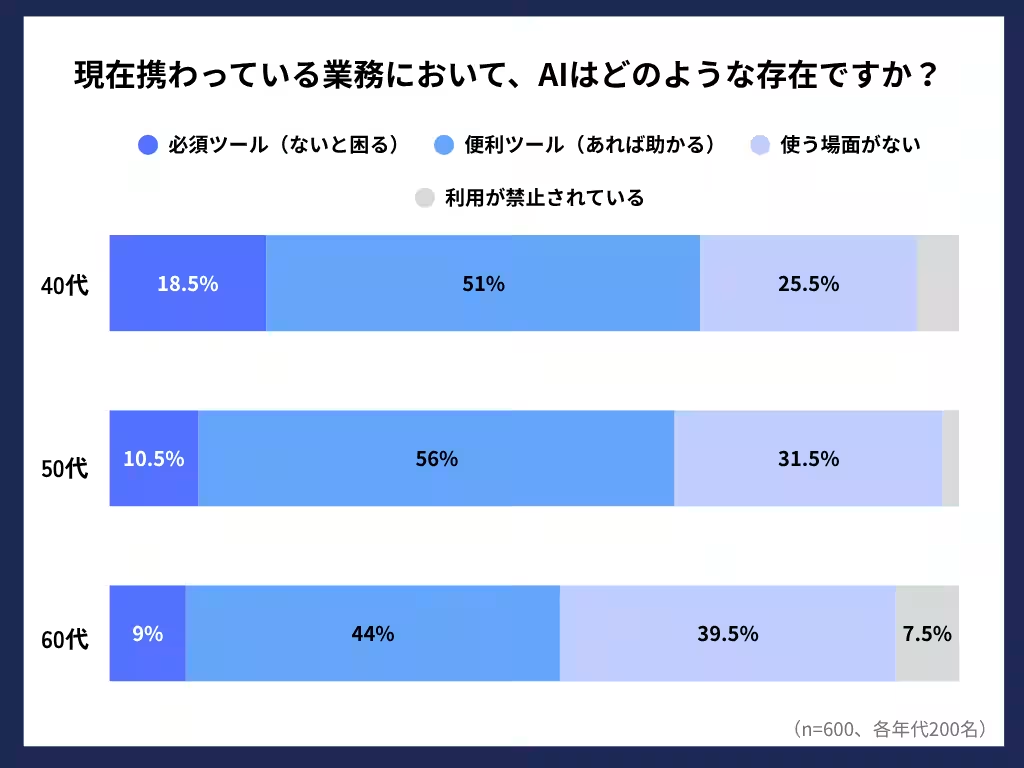
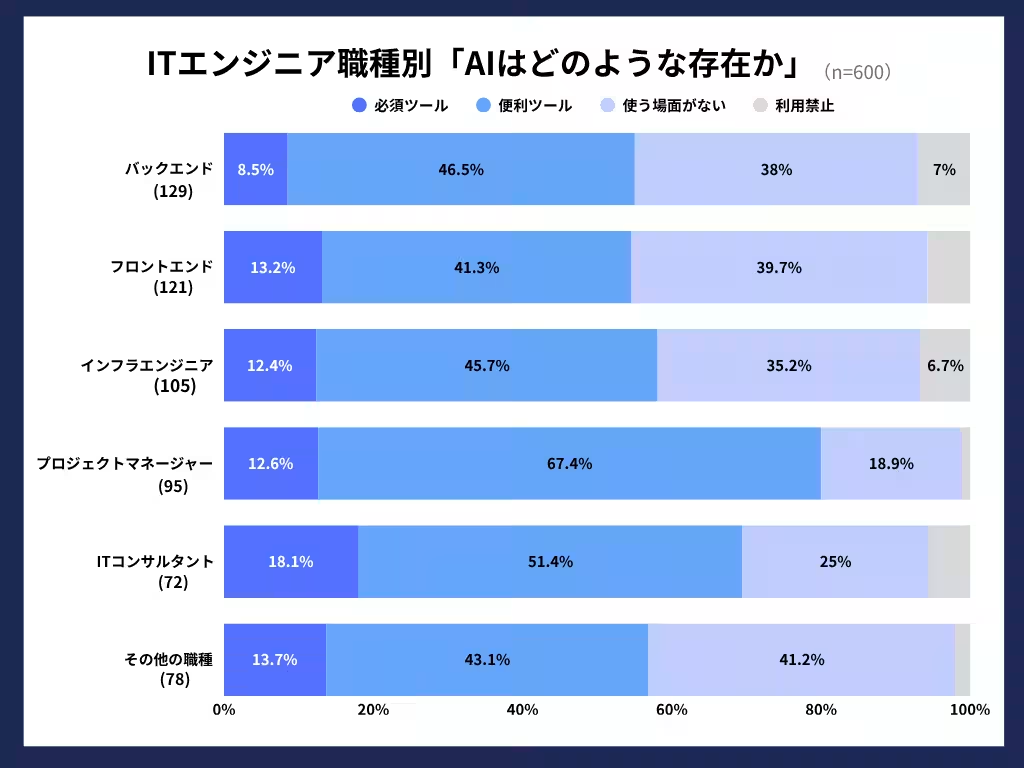
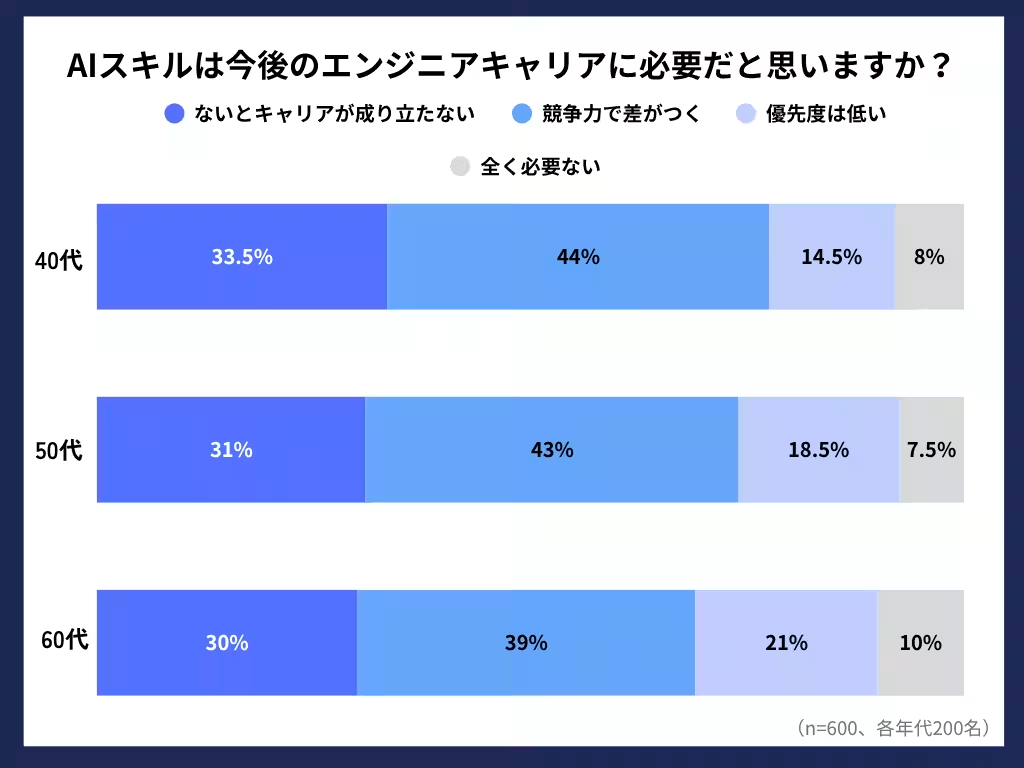
The survey painted an intriguing picture regarding the importance of AI skills among engineers. A notable 80% of all respondents acknowledged the necessity of having AI capabilities to remain competitive in their roles. However, there were disparities in perceived accessibility to these tools. Approximately 40% stated they did not have opportunities to use AI in their roles, and some even reported workplaces banning AI altogether. This indicates a significant gap between the recognition of AI's importance and the actual integration of such skills into daily practice.
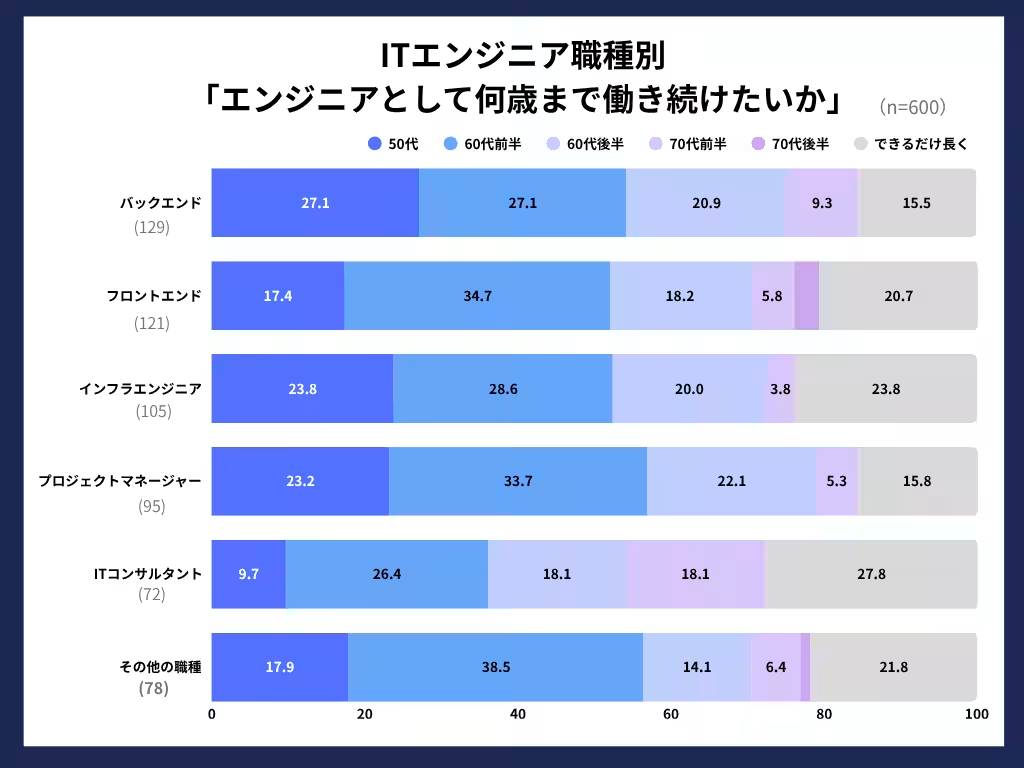
Among project managers, a significant number reported utilizing AI tools regularly, with more than two-thirds expressing that AI serves as a valuable assistance tool. However, engineers in backend and frontend roles indicated lower usage and awareness of these technologies.
The Role of Legacy Force
Morro's representative, Yohei Maeda, commented on the findings, emphasizing the need for improved environments for skill acquisition among aging engineers. He noted that while there's a strong desire among older engineers to work, the infrastructural support to enhance and adapt their skillsets to modern requirements remains lacking in the industry.
The challenge becomes clear: as many senior engineers feel economically compelled to work longer, there exists a critical need for organizations to foster environments that prioritize skill development, particularly in AI technologies.
Conclusion
The survey findings underscore a generational divide in retirement aspirations and expectations surrounding employment in the tech industry. While younger engineers might be considering retirement earlier, those in their 60s find fulfillment in continuing their careers, often driven by a mix of necessity and a desire to contribute meaningfully to society.
The emphasis on AI capabilities suggests that as the tech landscape evolves, so too must the skillsets of engineers at all stages of their careers. Legacy Force aims to bridge this gap, focusing on the integration of seasoned engineers into a workforce that values experience and adaptability. For IT engineers to feel secure in their longevity within their careers, proactive measures must be taken to ensure that necessary skills, including AI, are consistently nurtured and valued.
This survey not only sheds light on the current state of the workforce but also presents an opportunity for stakeholders to create a more inclusive and progressive environment that benefits from the vast experience of seasoned professionals.
About the Survey
The survey, titled 'Working Attitudes of Senior Engineers', gathered responses from 600 engineers aged 40 to 60, with equal distribution across age groups, through an online platform in September 2025.
For more detailed insights from this survey, please visit Legacy Force.

Topics People & Culture)

【About Using Articles】
You can freely use the title and article content by linking to the page where the article is posted.
※ Images cannot be used.
【About Links】
Links are free to use.