



Large-Scale Disaster Training Utilizing Drone Technology Held in Hiroshima Prefecture
Large-Scale Drone Disaster Training in Fukuyama
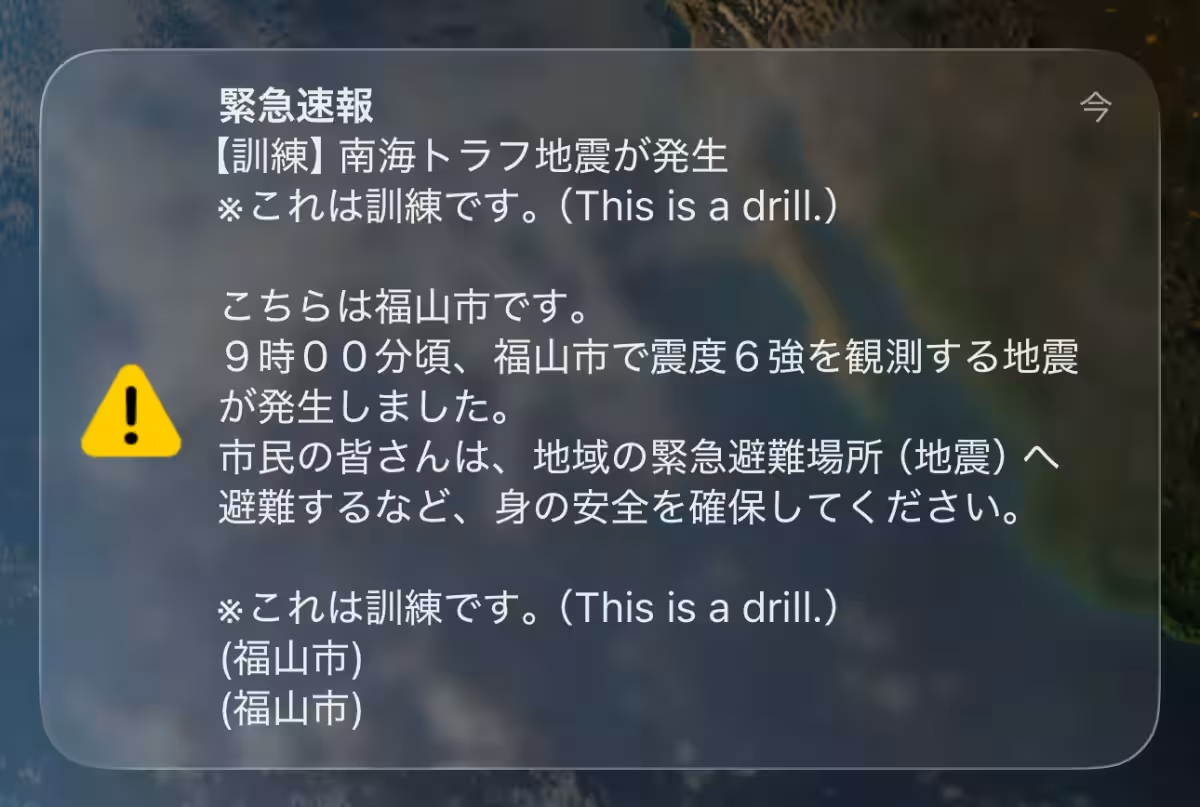
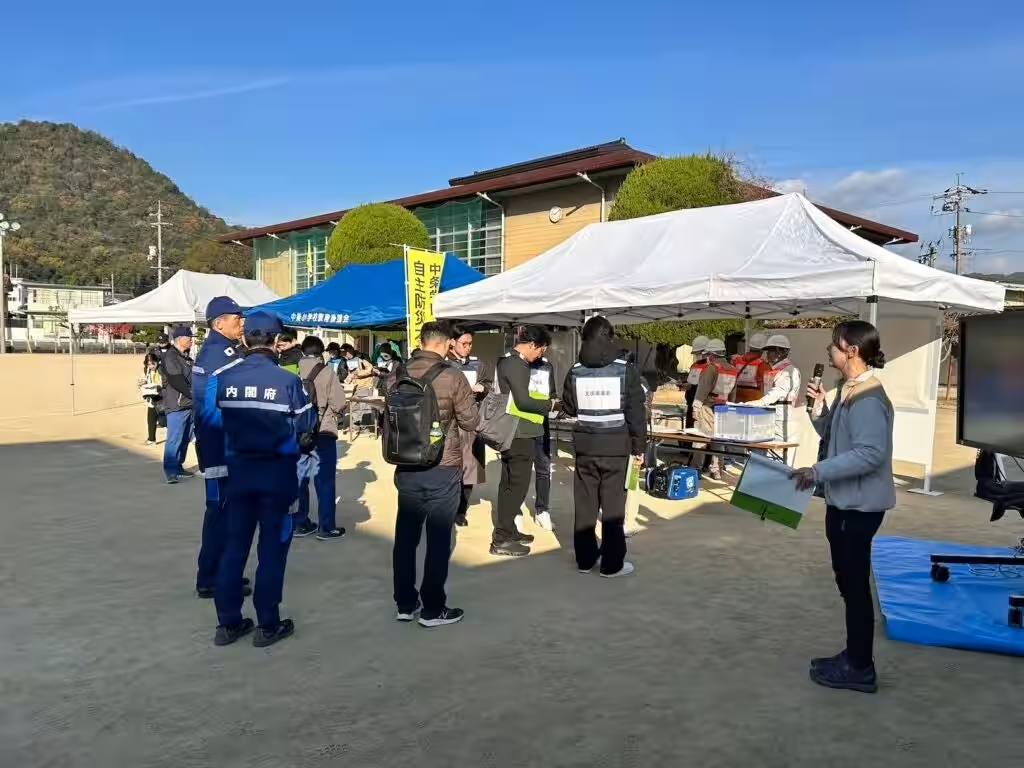
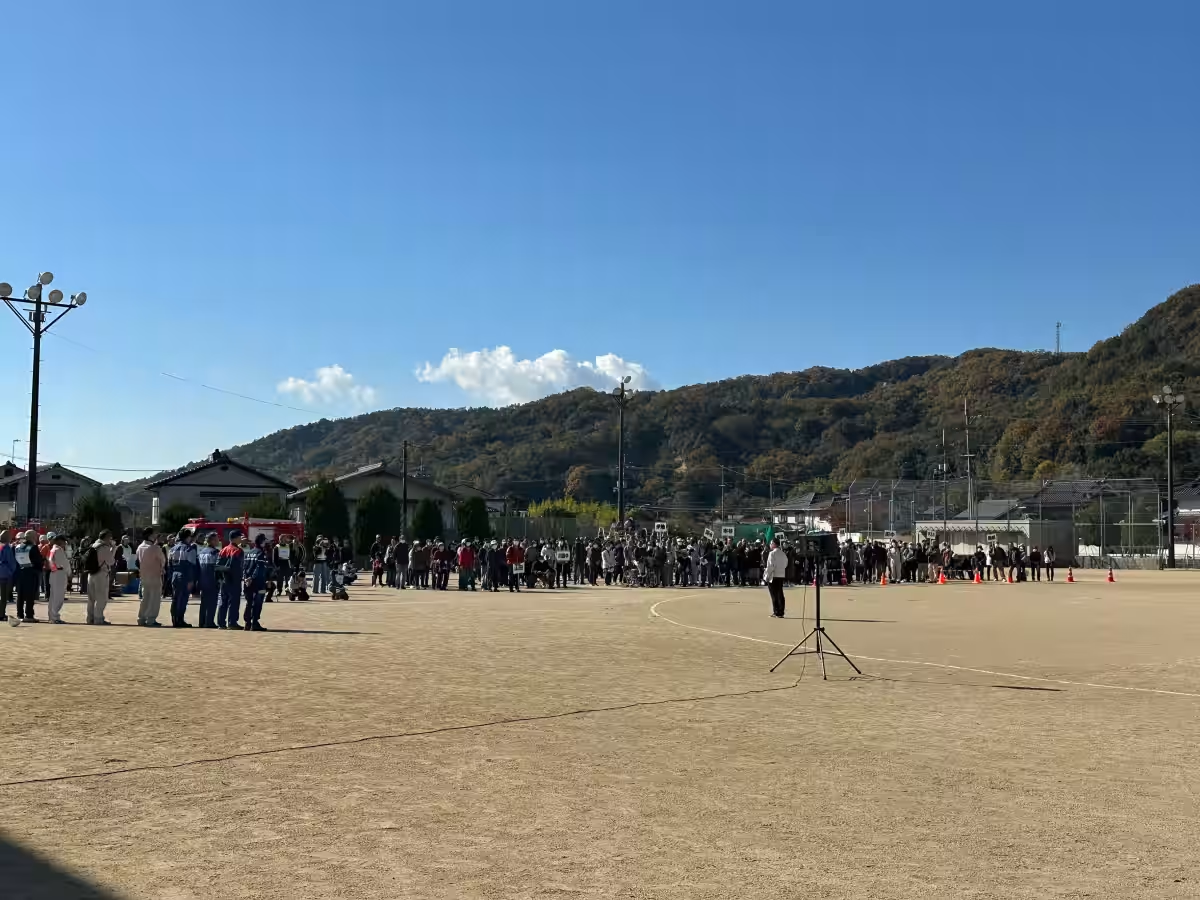
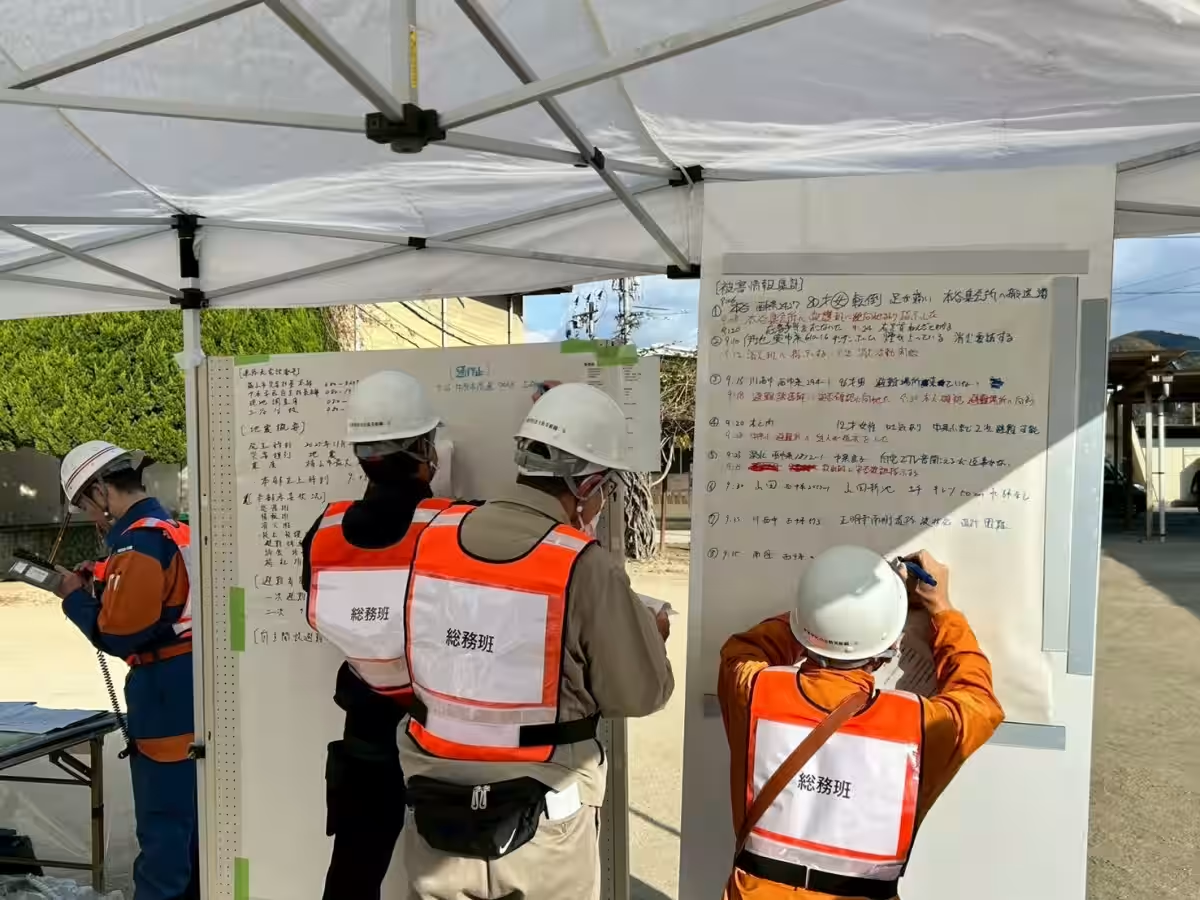
On November 23, 2025, a large-scale disaster training exercise was successfully conducted in Fukuyama, Hiroshima, leveraging drone technology to enhance disaster response capabilities. This important drill was organized in collaboration with a variety of partners, including the Cabinet Office, Hiroshima Prefecture, and local autonomous disaster management organizations. Over 300 participants, including local residents and emergency responders, took part in the event demonstrating how drones can play a crucial role in disaster situations.
Background of the Training
In recent years, Japan has experienced an alarming increase in natural disasters, particularly heavy rains and earthquakes, which have caused isolated communities to emerge. Particularly noteworthy was the Noto Peninsula earthquake in January 2024, which left numerous communities cut off, severely limiting transportation and communications for aid and rescue efforts. In response to this necessity, the Japan Drone Business Support Association has prioritized practical training exercises, having actively participated in disaster assessment and aid operations in the aftermath of the Noto Peninsula earthquake.
The Mid-Jo district of Fukuyama, known for its vulnerability to earthquakes and heavy rainfall, served as the ideal testing ground for this training, where the potential risks associated with geographical isolation were taken into account.
Overview of the Training
- - Date and Time: Sunday, November 23, 2025, from 9:00AM to 11:00AM
- - Location: Mid-Jo district of Fukuyama, three kilometers between Nakajo Elementary School and Mitani Branch School.
- - Organizing and Participating Institutions: This exercise was coordinated by several institutions including the Cabinet Office, Hiroshima Prefecture, Fukuyama City, and local volunteer disaster management organizations.
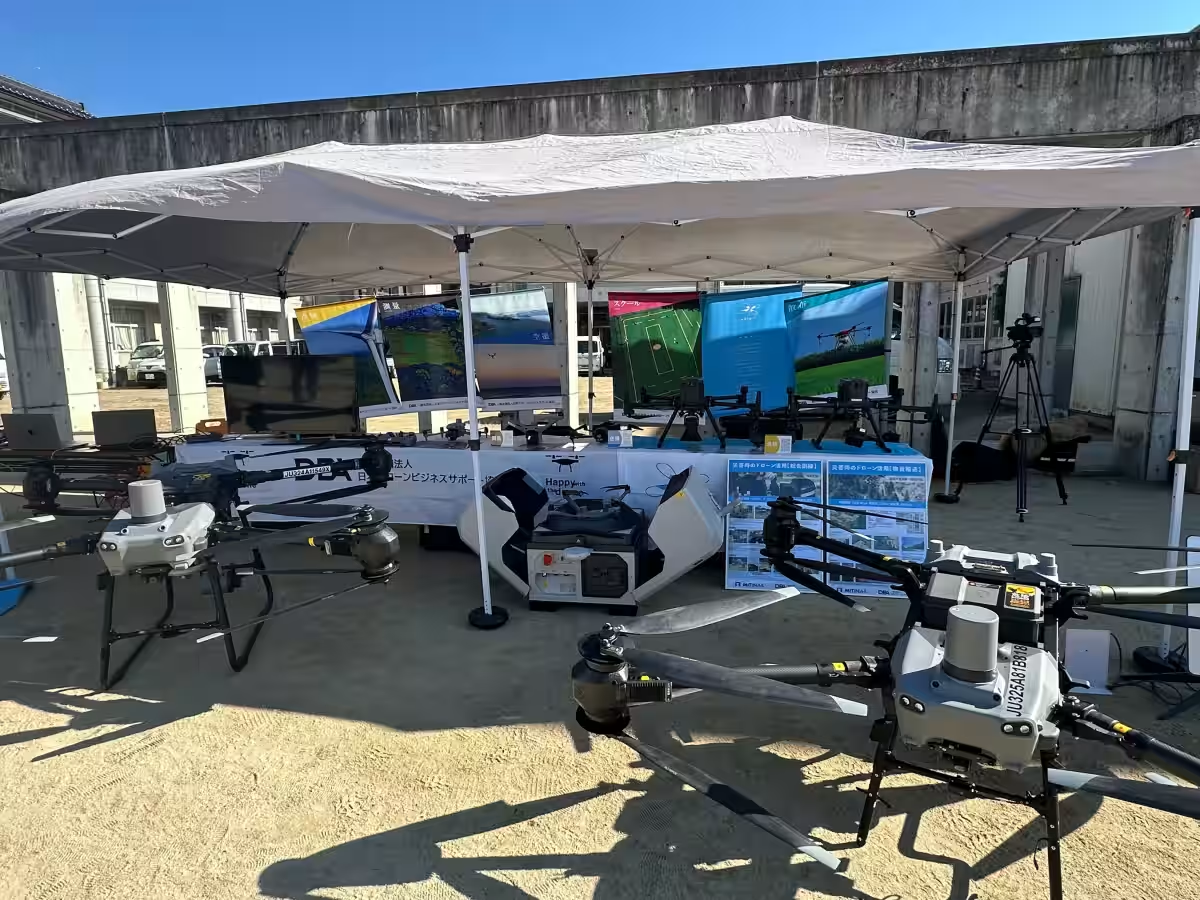
- - Drone Operations: The Japan Drone Business Support Association and MITINAS, among others, oversaw drone operations with contributions from drone pilots across various regions such as Tokyo, Yamagata, Ibaraki, Hyogo, and Okayama.
Training Content and Achievements
The training comprised five significant segments:
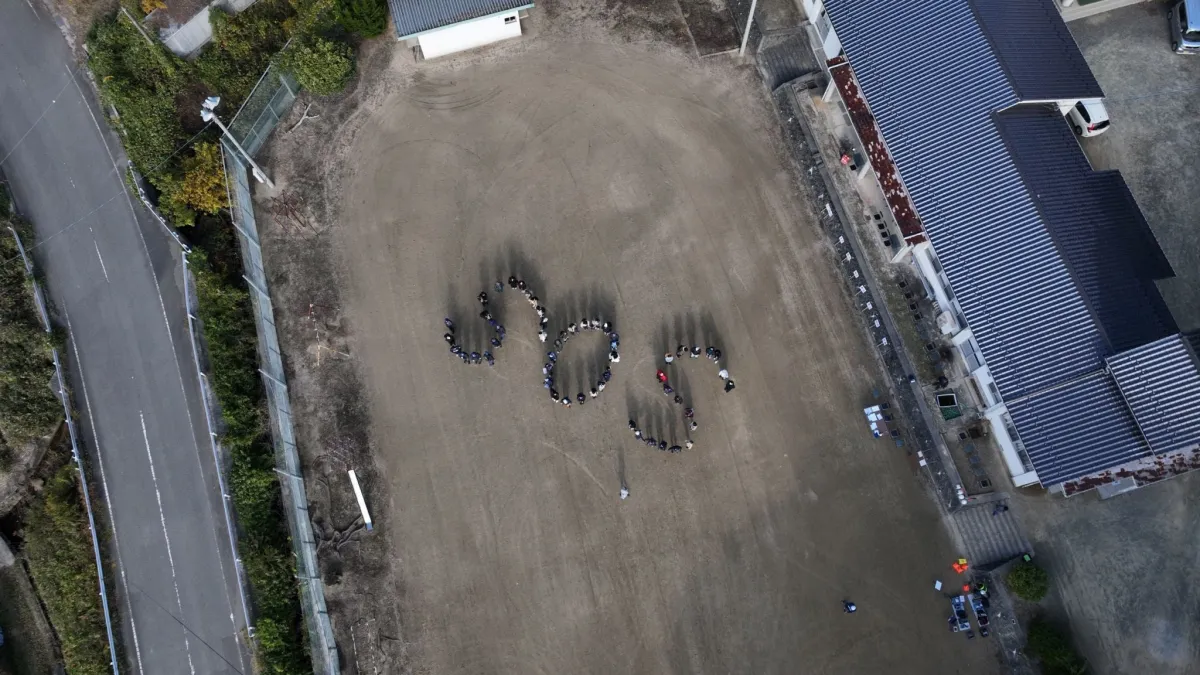
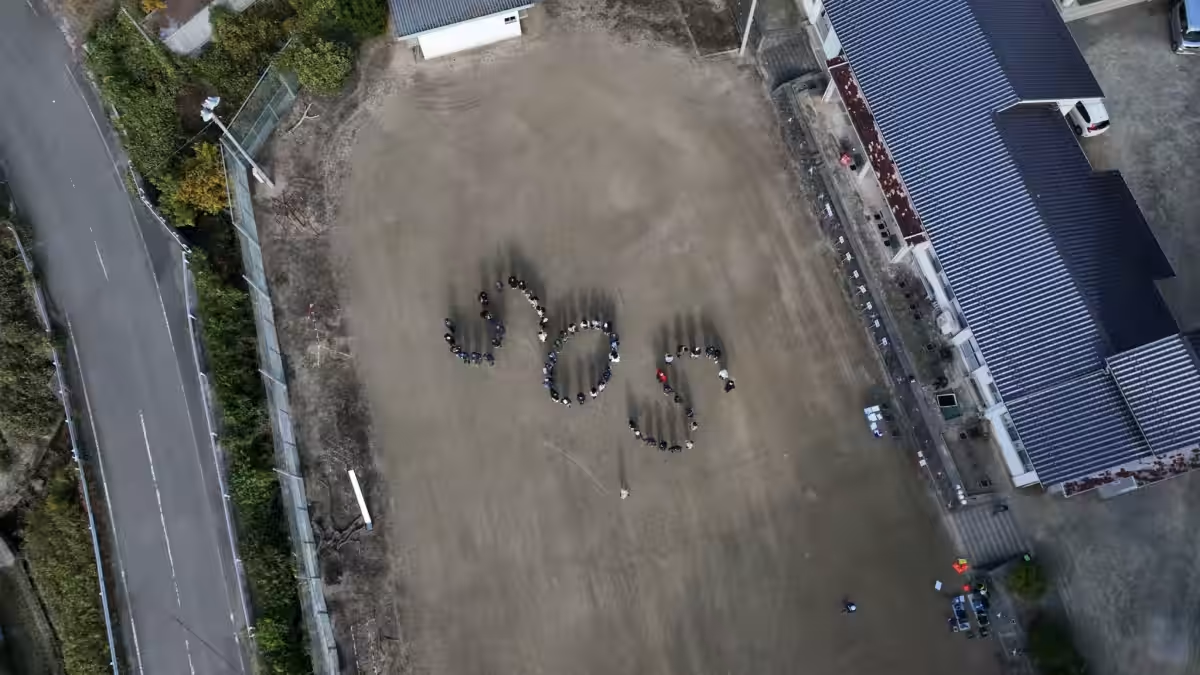
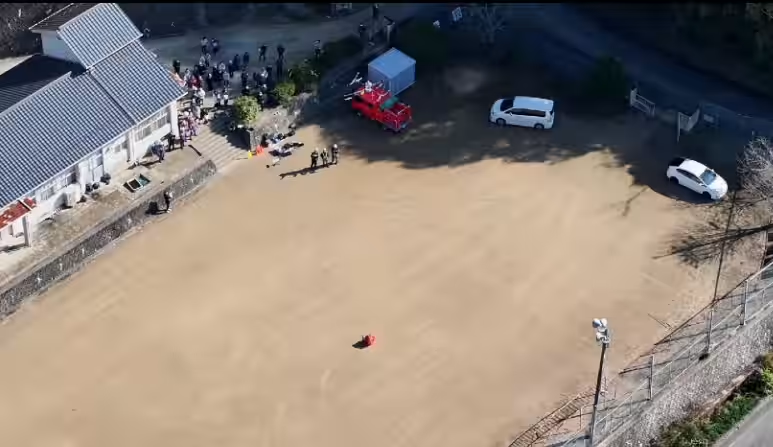
1. Human Sign 'SOS' Confirmation Training: Participants formed an 'SOS' sign with their bodies in the schoolyard, which was visually confirmed via drone to ensure the isolation situation was understood and an emergency response could be initiated effectively.
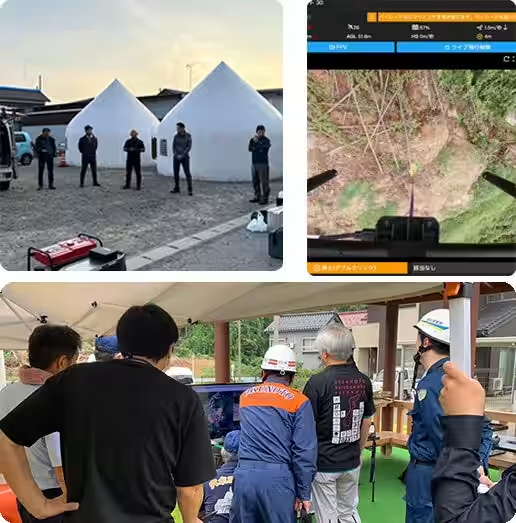
2. Bidirectional Communication with Evacuees: A drone equipped with speakers was utilized to communicate with evacuees 3km away, allowing for real-time status updates and confirming the number of evacuees and any injuries. Participants learned valuable signals for making themselves visible during emergencies.
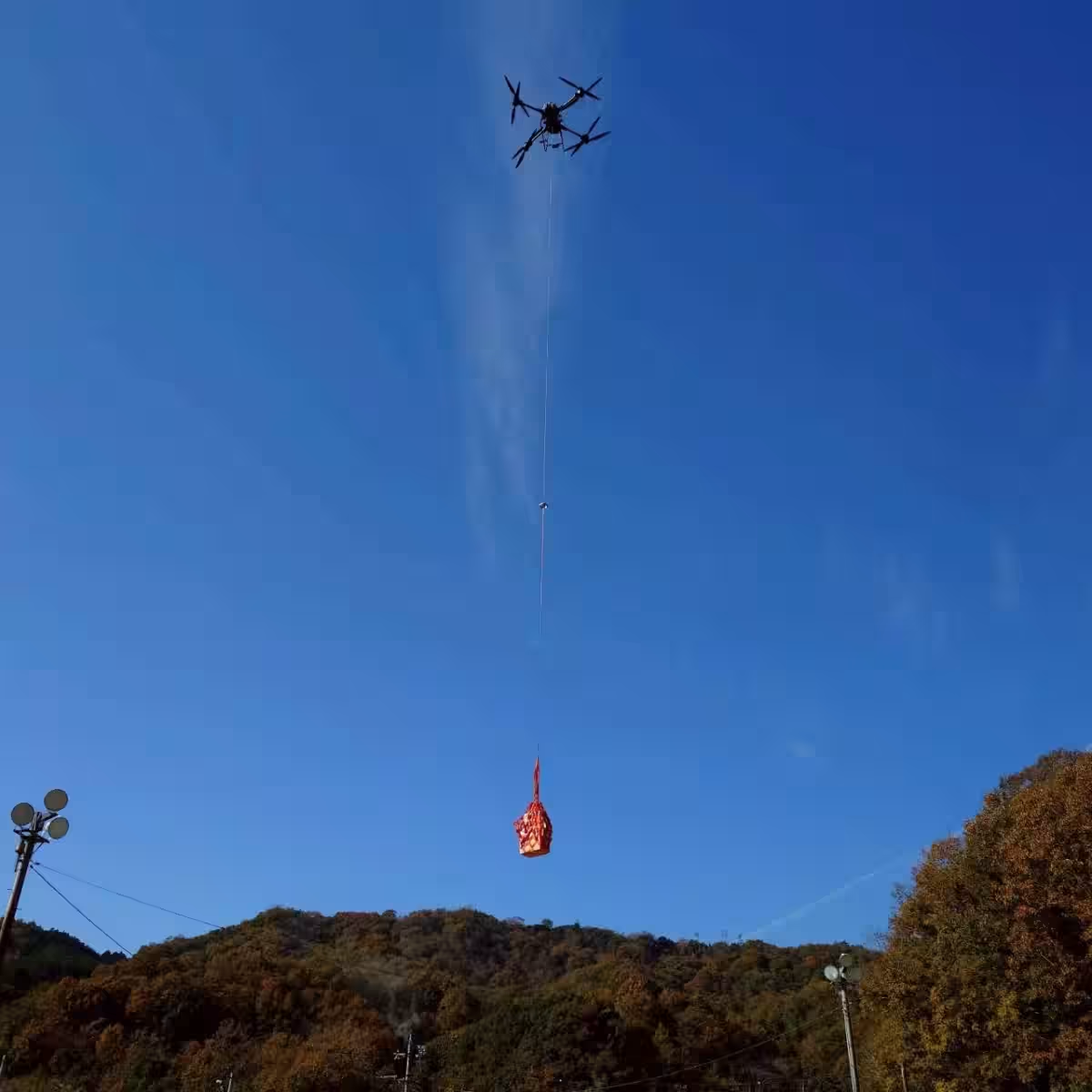
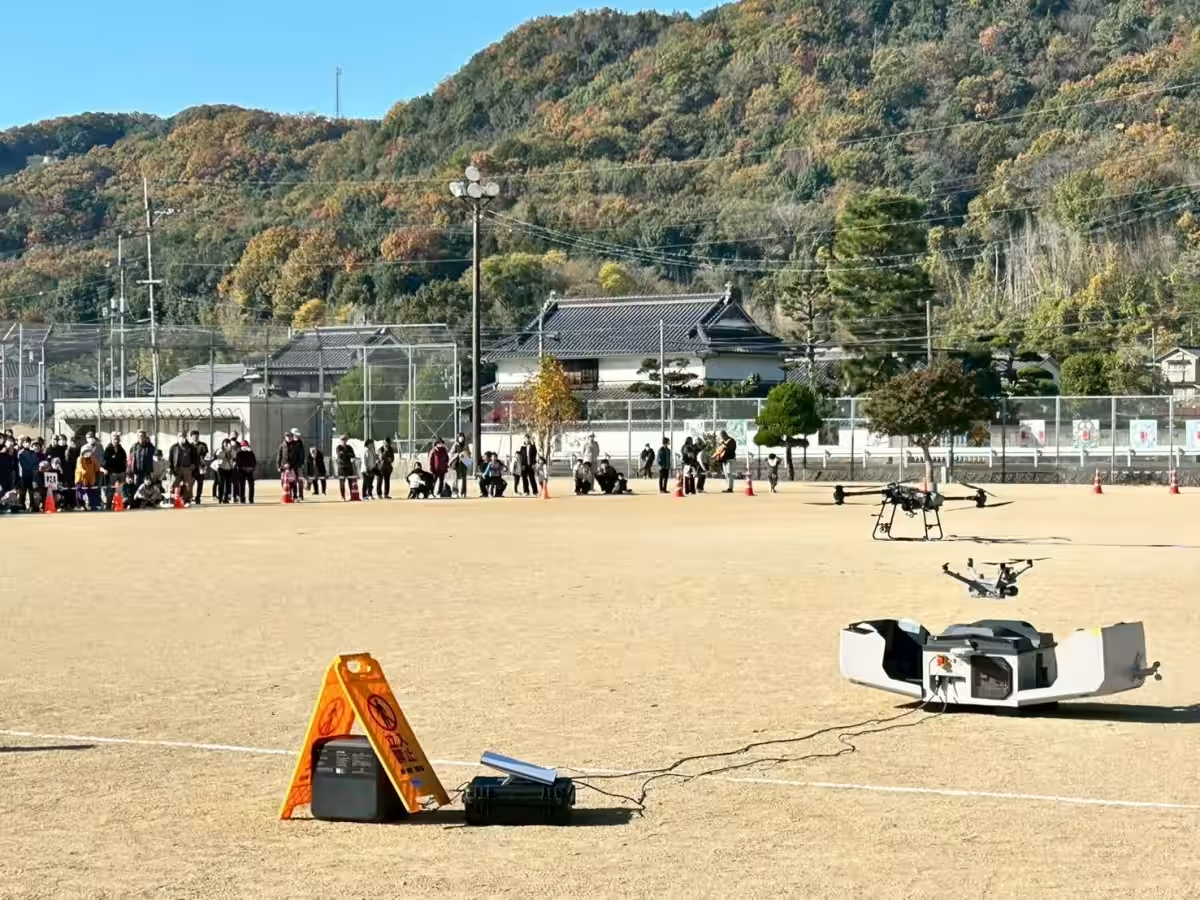
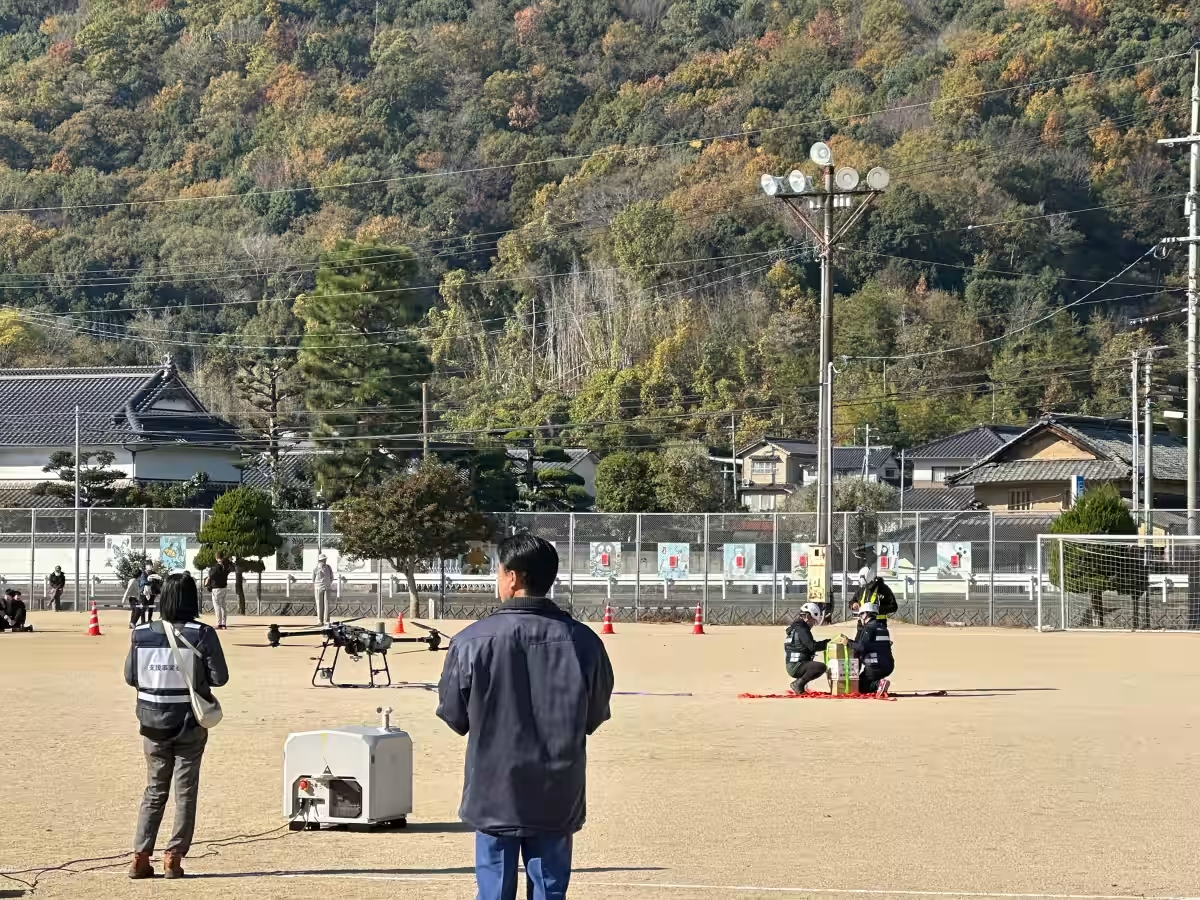
3. Level 3.5 Cargo Transport Flights: Utilizing advanced transport drones, essential supplies such as water, food, and satellite phones were delivered to the isolated area, successfully demonstrating effective logistical operations during crises.
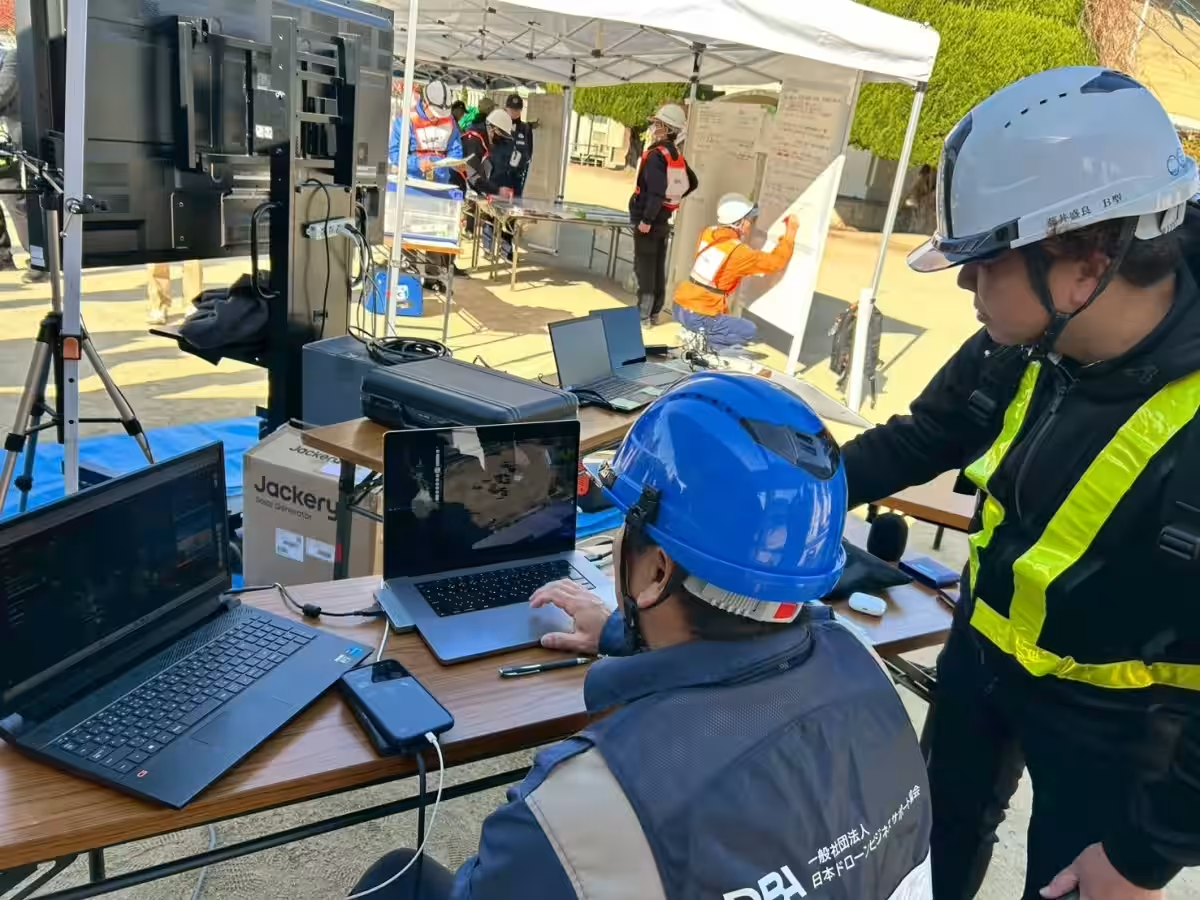
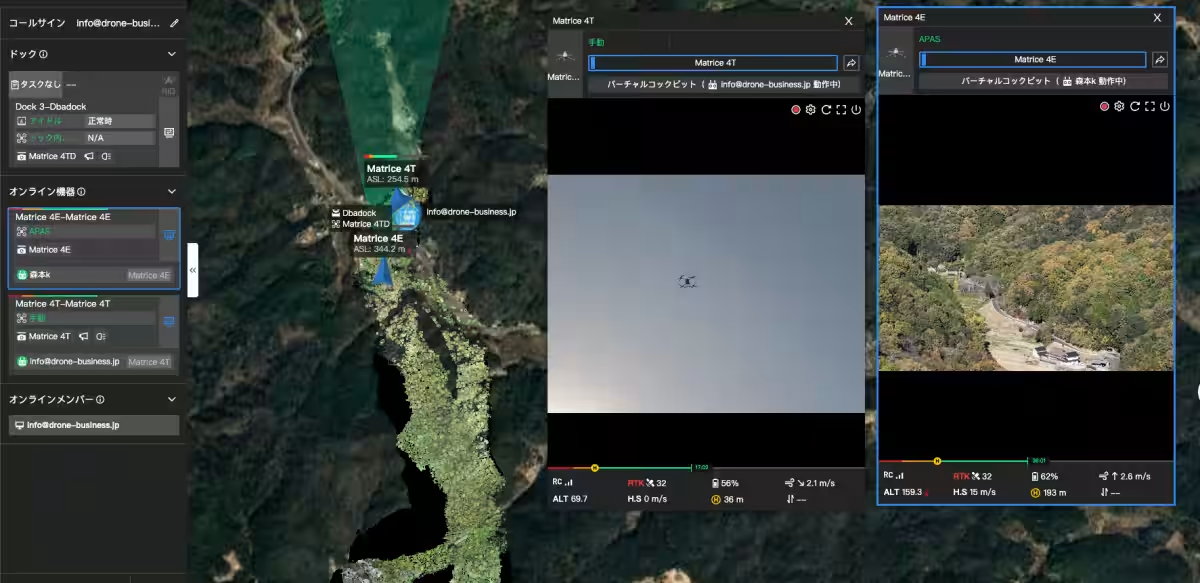
4. Simultaneous Control of Multiple Drones: A single operator was able to manage four different drones from one PC, showcasing the efficiency of coordination during extensive disaster scenarios.
5. Remote Automated Operations Using Dock3: The drone dock showcased its capabilities allowing drones to operate without direct human control, enhancing the flexibility of disaster responses.
Safety Measures Implemented
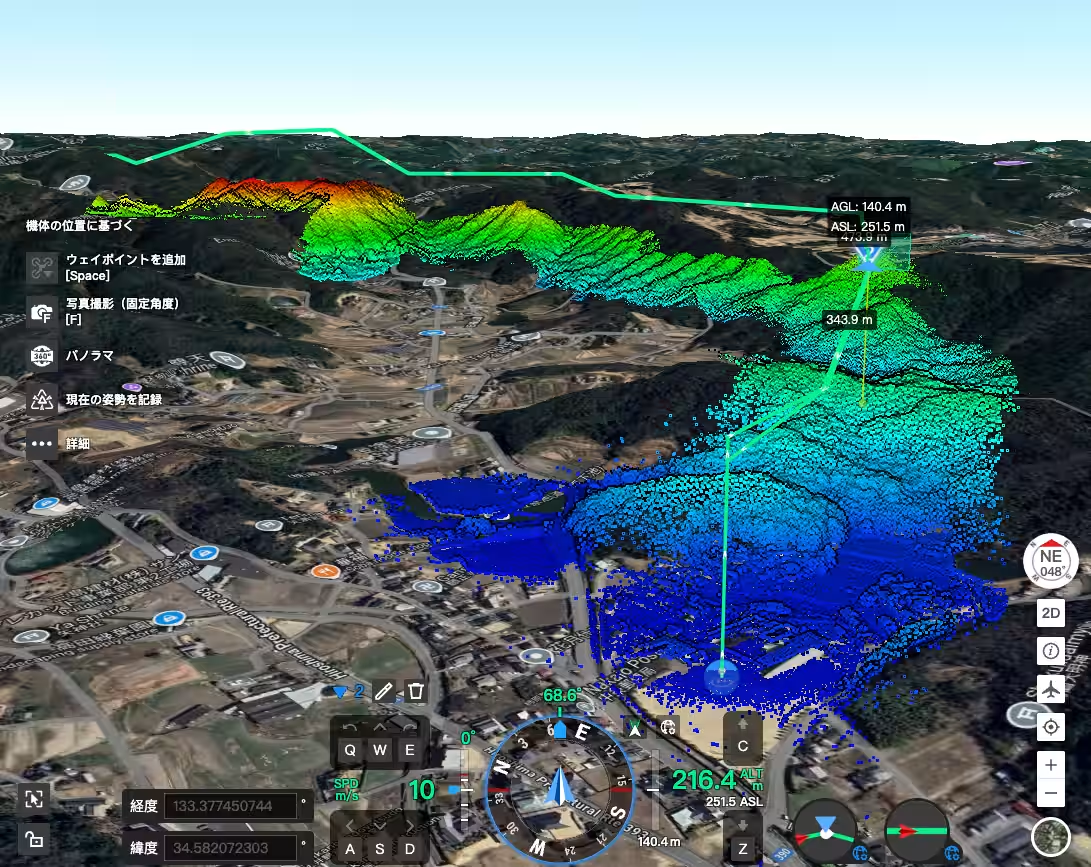
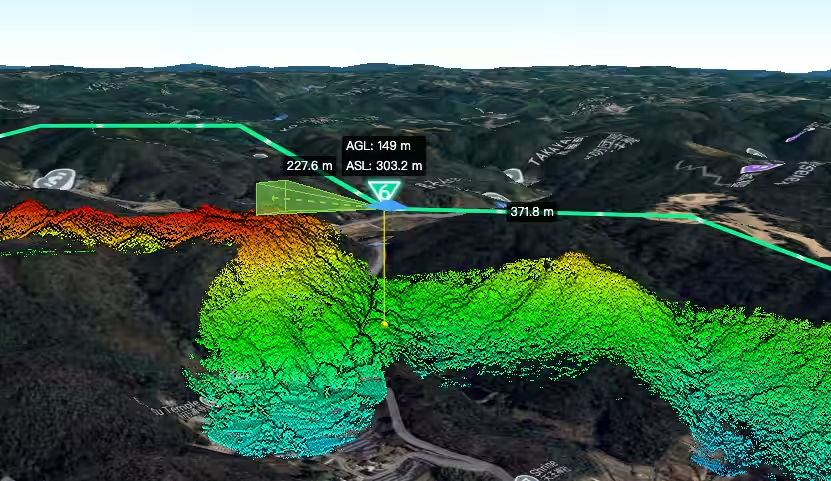
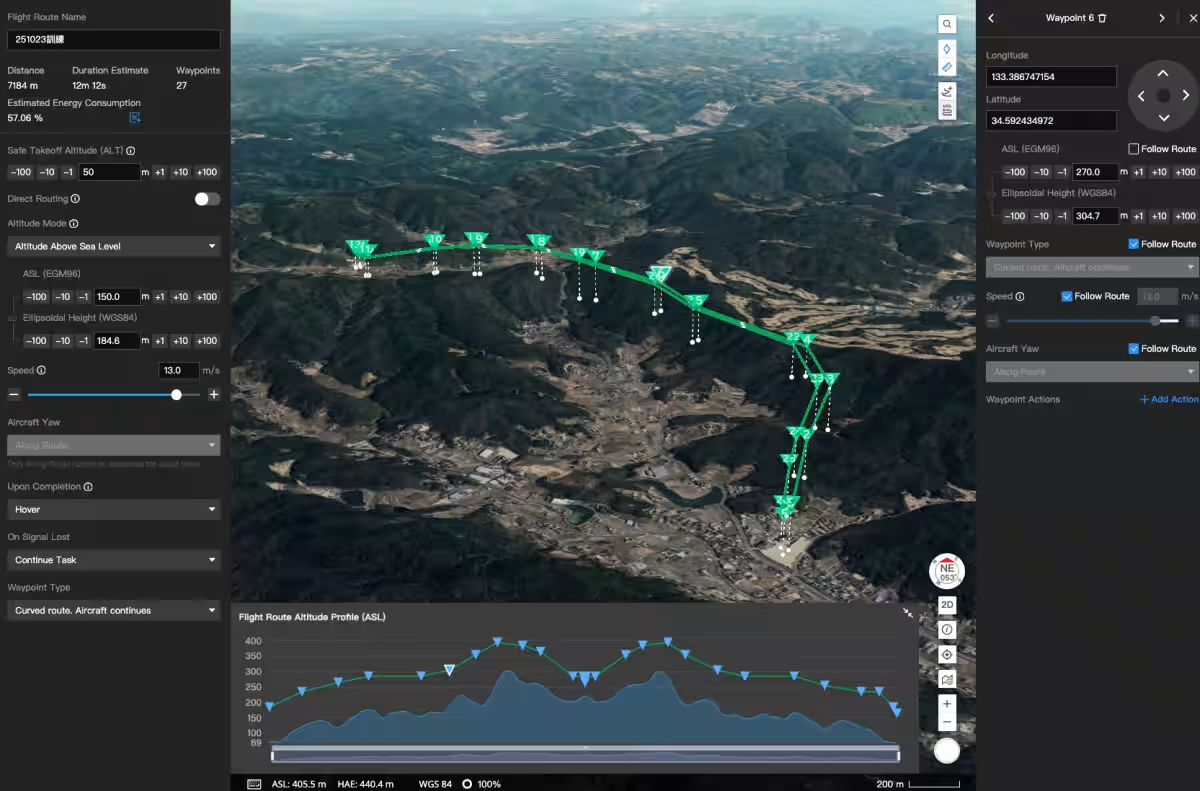
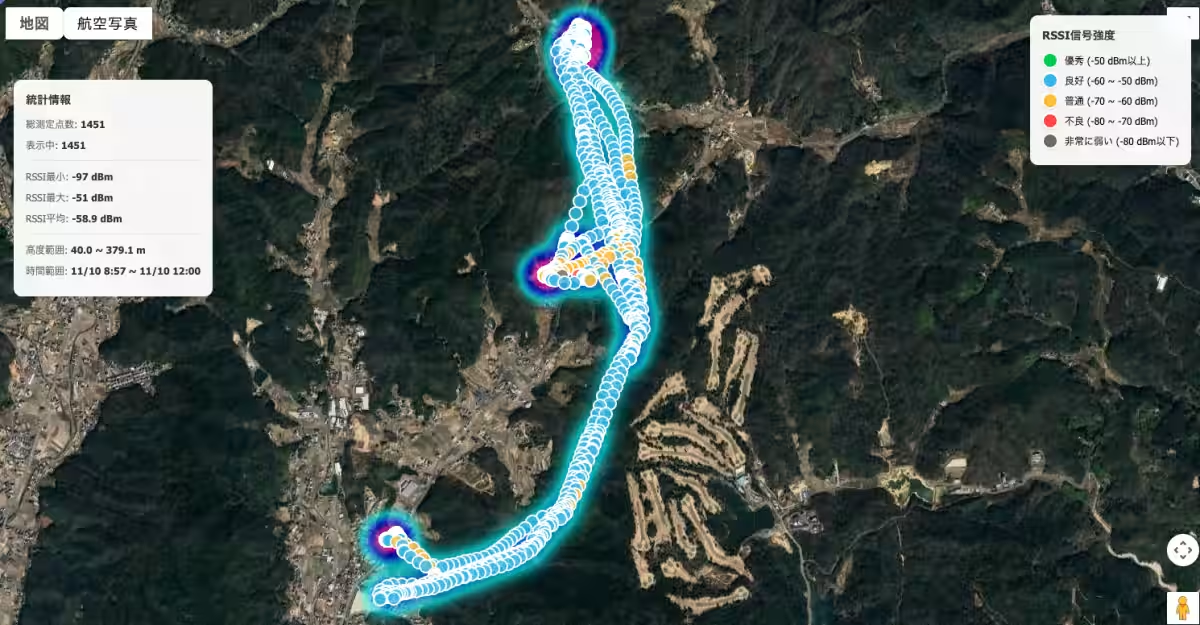
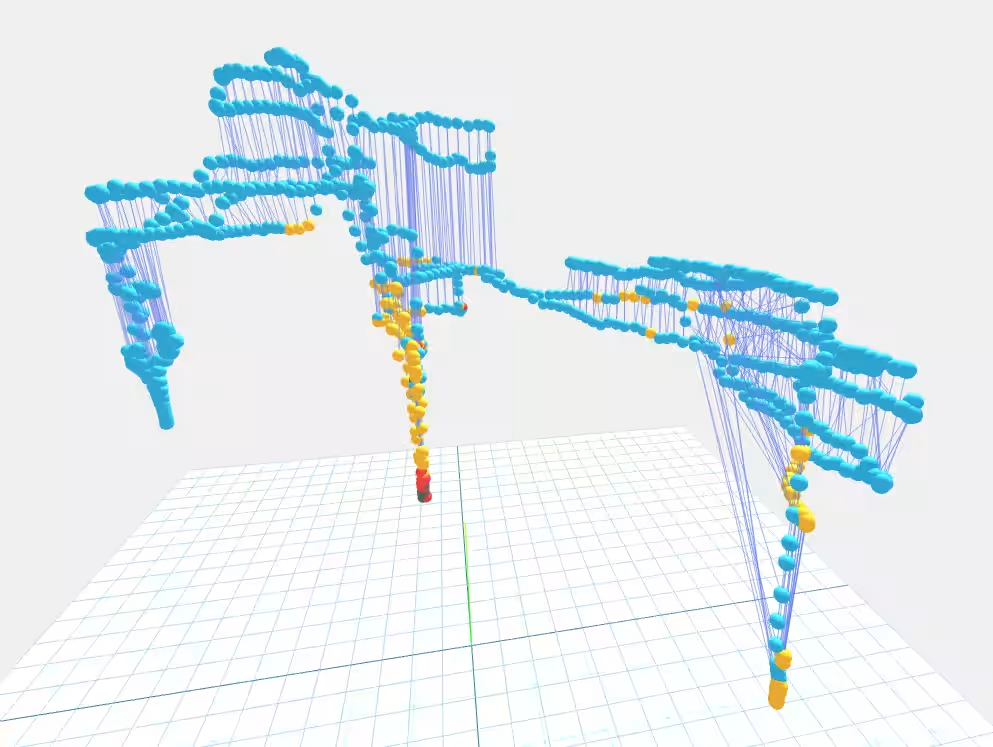
Prior to the training, thorough safety inspections were performed using 3D mapping technologies to assess terrain and obstacle data, ensuring minimal risk during operation. Communication quality was also tested at 1,451 locations, confirming stable network reliability during flights.
Conclusion
This exercise stands as a testament to the collaborative efforts between the national government, local authorities, and the Japan Drone Business Support Association, culminating in a successful demonstration of effective disaster response strategies using drone technology. The insights gained from the training will inform future drills and facilitate improvements in disaster response protocols across Japan's municipalities.
With the aim of adapting and scaling this exercise to meet the specific needs of differing localities, the association plans to leverage the successful model developed in Fukuyama to strengthen disaster preparedness across its national network.
Topics People & Culture)

【About Using Articles】
You can freely use the title and article content by linking to the page where the article is posted.
※ Images cannot be used.
【About Links】
Links are free to use.