



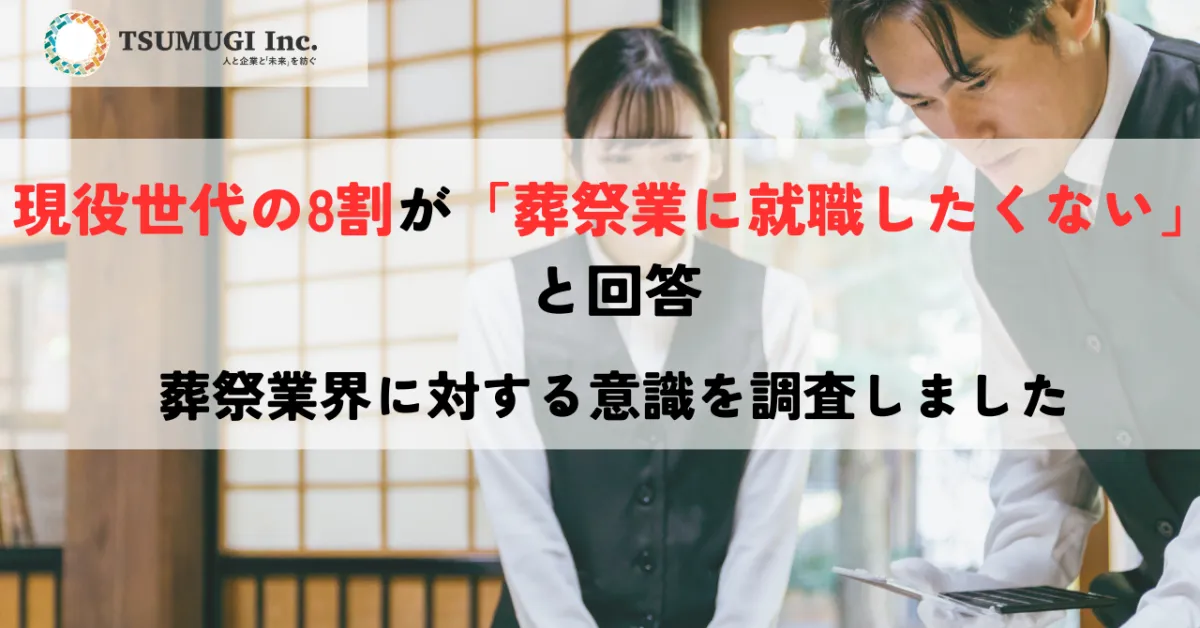
Understanding the Gap: Why the Funeral Industry Struggles to Attract Talent
Understanding the Gap: Why the Funeral Industry Struggles to Attract Talent
The inevitability of death makes the funeral industry a crucial aspect of our society, serving as a fundamental infrastructure that helps people cope with loss. Despite this significance, a recent survey conducted by Tsumugi Inc., a Tokyo-based consulting firm, has revealed a striking disparity between the societal recognition of the funeral profession and the willingness of individuals to pursue it as a career.
Survey Overview
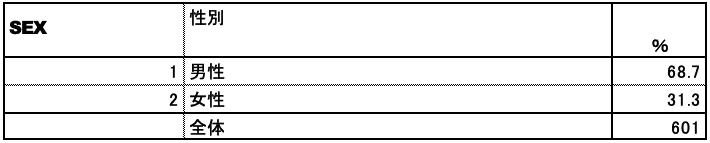
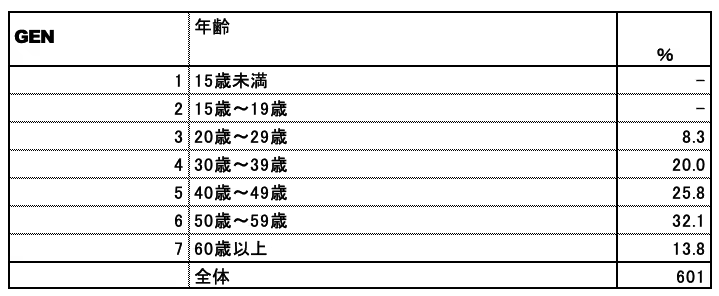
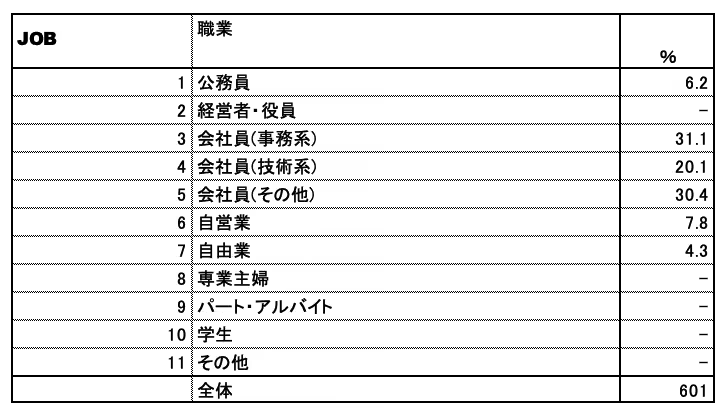
The survey aimed at exploring the perceptions surrounding the funeral industry was conducted among the current working population, at a time when the industry faces challenges in securing and retaining talent. It was carried out using an online questionnaire from February 2 to February 2, 2026, gathering valid responses from 601 individuals.
Through this research, the firm sought to understand both the social ramifications of the funeral sector's role and the reality of employment intentions within it.
Key Findings
1. High Recognition of the Industry's Importance
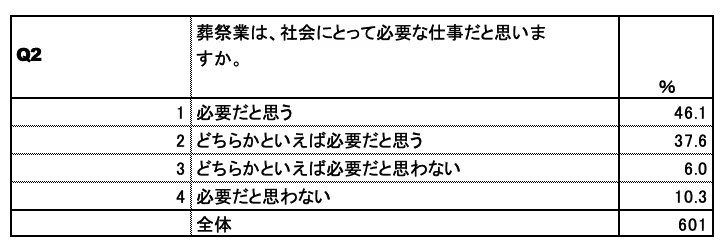
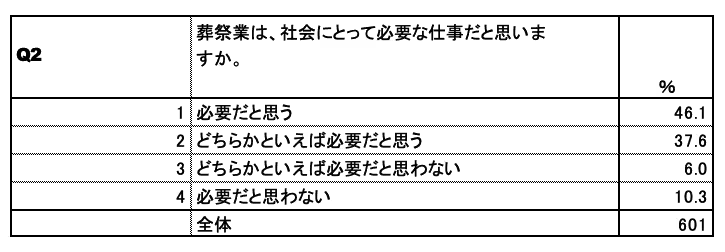
An overwhelming 80% of the participants acknowledged the essential nature of the funeral industry. Most respondents agreed that these services are necessary for societal functioning, indicating a broad understanding of the work's significance and role.
2. Low Desire to Work in the Sector
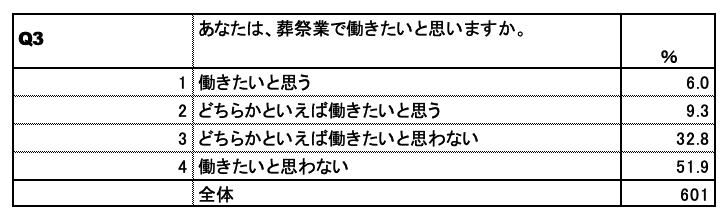
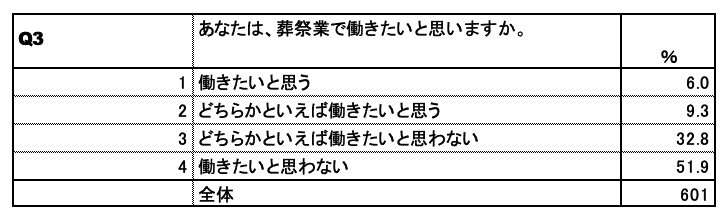
In stark contrast to its recognized necessity, less than 20% of respondents expressed a desire to work in the funeral industry. This highlights a substantial gap between the industry's perceived value and actual employment intentions.
3. Concerns About Working Conditions
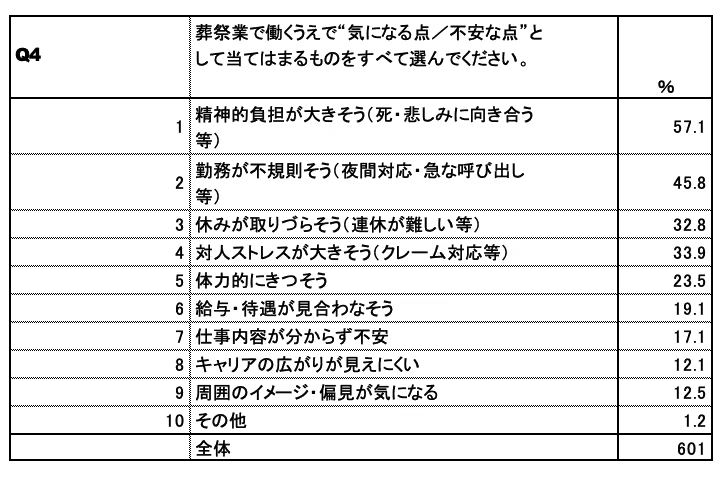
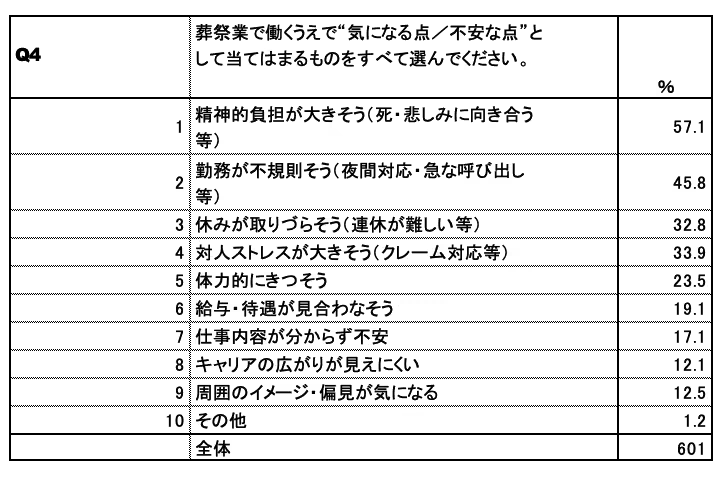
Interestingly, the reluctance to work in this field appears to stem not from the work's nature itself but from apprehensions about the work environment. Concerns regarding mental health burdens, irregular working hours, and physical demands emerged as common issues affecting potential applicants' willingness to join the industry.
4. The Need for a Supportive Environment
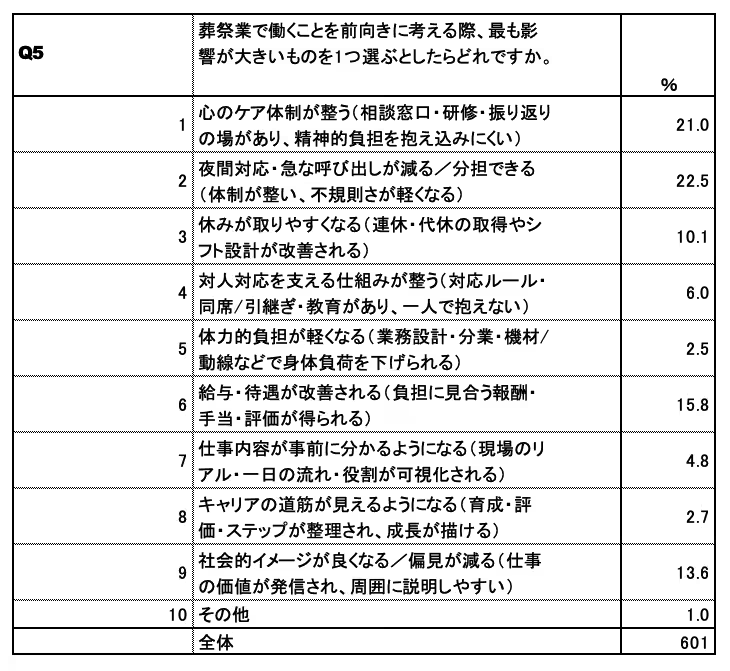
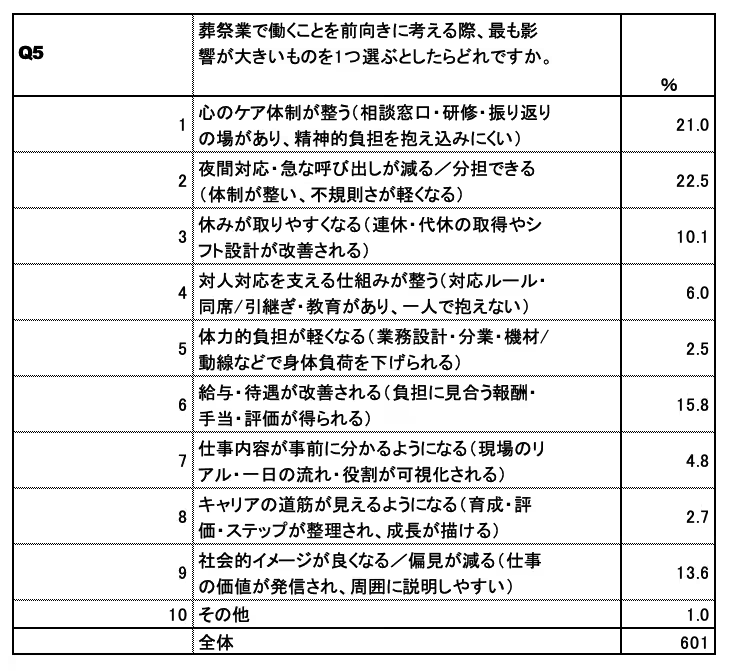
Responses indicate that improving the working environment could lead to increased interest in the funeral profession. Suggestions included establishing emotional support frameworks, creating systems for shared workload, and offering fair remuneration aligned with the job's demands.
Japan, facing a growing elderly population and a correlating increase in death rates, cannot ignore the low employment interest in the funeral sector. A significant shortage of workforce could severely impact the ability to provide adequate funeral services and preserve local cultural practices related to death. Moreover, families may face emotional repercussions due to insufficient time for farewells during busy periods.
The Discrepancy Explained
Despite understanding the industry's essential role, many are put off by fears surrounding working conditions. Concerns such as:
- - The heavy emotional toll of the job
- - Unpredictable call-out hours and night shifts
- - Worries about physical stamina and lifestyle impact
point to a broader issue within the employment environment rather than the tasks involved in the work itself. With potential for improvement, there is hope for the industry to become an attractive option for job seekers.
Case Studies and Real-Life Implications
An applicable case study was observed in a funeral company located in Kagoshima Prefecture, where at one point, the turnover rate soared above 80%. Despite high customer satisfaction and growth, operational challenges remained largely related to the working environment rather than the quality of service provided.
Recognizing these issues, Tsumugi performed a novel approach known as the “Kakehashi Interview,” which offered employees a platform to express their genuine thoughts in a comfortable setting. This initiative significantly reduced the turnover rate from 80% to 30% in just six months, suggesting that when employees feel supported and their concerns addressed, they are more likely to remain committed to their roles.
Moving Forward
As Japan moves towards becoming a 'more dying society,' keeping the funeral workforce robust is imperative. The issues of low employment interest and the associated anxieties about working conditions challenge not only the industry but are broader societal concerns that require attention.
Tsumugi Inc. remains committed to improving employment conditions within the funeral sector, striving to transform it from merely a necessary job into one that is embraced and valued by potential employees. Greater investment in support structures, clear communication, and employee engagement initiatives could reshuffle perceptions and tackle the workforce shortage head-on.
Through collaboration between industry leaders and consulting firms, the aim should be to ensure that the funeral service remains a dignified and respected profession—one that not only addresses an essential societal need but is also seen as a rewarding career choice.

Topics Other)
【About Using Articles】
You can freely use the title and article content by linking to the page where the article is posted.
※ Images cannot be used.
【About Links】
Links are free to use.